9 Picture-Perfect Florida Small Towns That Look Like They Were Made For Movies
Roller coasters can wait, right? Some of Florida’s most tempting weekend escapes are the smaller towns that rarely fight this hard for your attention.
That is precisely why they are worth finding!
One stop might lead you toward antiques, another toward a lighthouse, while somewhere else convinces you that wandering around without an itinerary is actually a very good plan.
Nothing needs to be conquered before dinner. Park the car, follow whatever looks interesting, and let the day develop on its own.
You might even find yourself wondering why you had never visited before.
For once, skip the famous attractions and give the quieter places a chance to surprise you.
1. Seaside
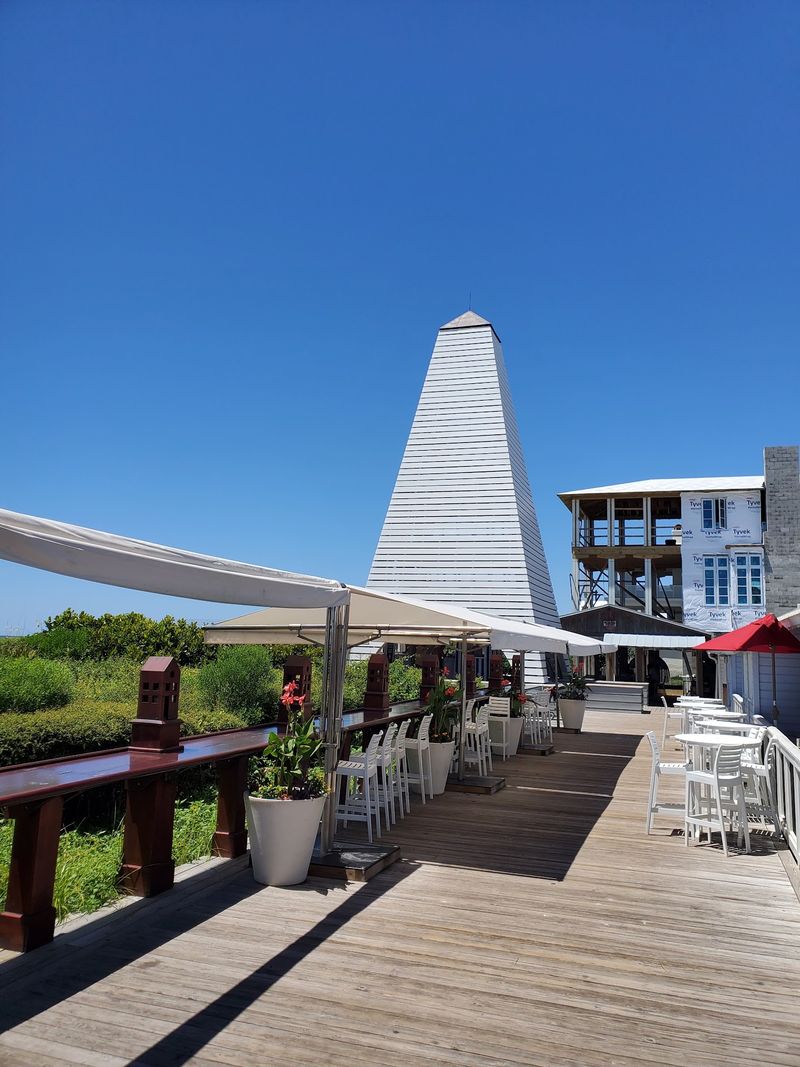
One Panhandle community really did double as a movie set. Cameras rolled here for The Truman Show, and the streets still look the part.
Seaside sits along Scenic Highway 30A, where pastel cottages line narrow, tree-shaded lanes. White picket fences and tin roofs repeat down every block. The look is intentional, part of a design movement called New Urbanism.
Walkability shapes everything here. Sidewalks link homes, shops, green squares, and the beach, all within minutes of each other. You can leave the car parked all weekend without missing a thing.
Film fans usually head straight for Truman’s house on Natchez Street. The owners kept the movie house number, 36, above the door. Snap your photo from the street and keep your voice down, since people actually live there.
Beyond the film trivia, the beach is the main event. Sugar-white sand meets water in shades of green and blue. Boardwalks with small pavilions lead over the dunes at regular intervals.
The central square fills up by late morning with airstream food vendors and browsers. Bookstores, small galleries and open-air markets keep the pace easygoing. Mornings are quieter and better for photos without crowds.
Spring and fall bring warm water and fewer families. Summer gets busy, so book lodging early and bike everywhere.
Find it at 31 Natchez Street for the famous house, right in Seaside off County Road 30A. Few coastal towns wear their charm this openly, and this one earns every glance.
2. Micanopy
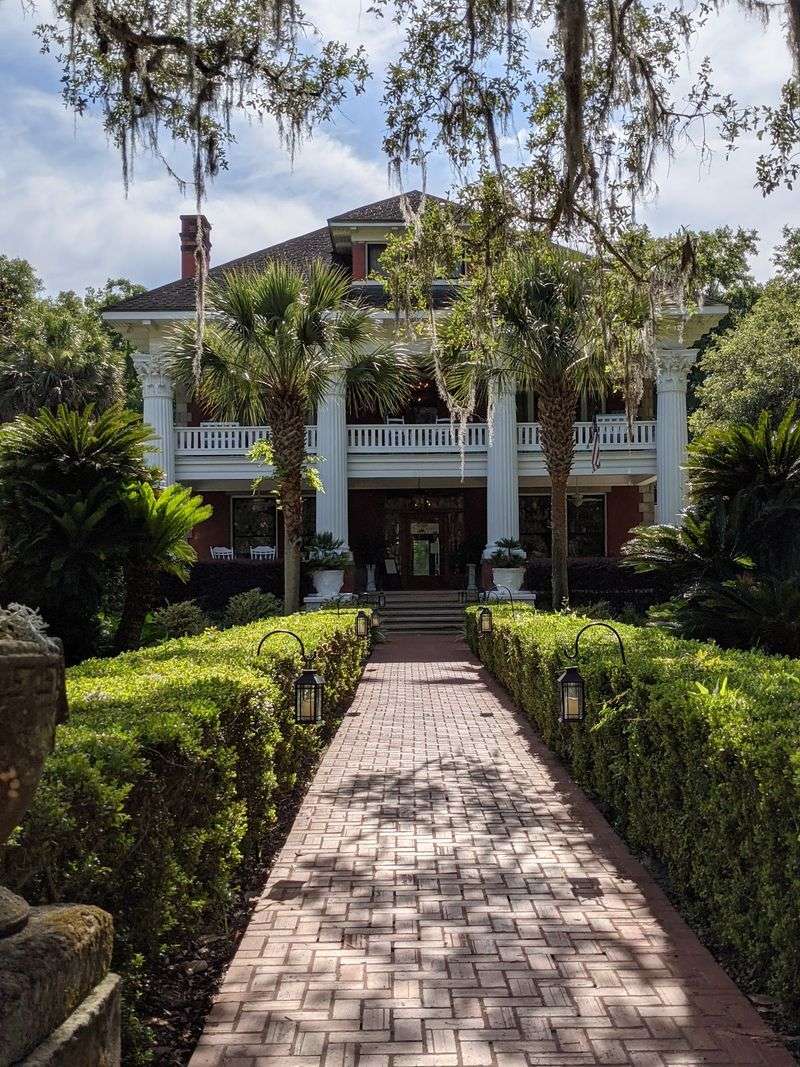
Just imagine for a second a main street where nothing has changed in a century. Live oaks lean over the road, and Spanish moss sways above parked cars.
Micanopy carries the nickname The Town That Time Forgot, and it fits perfectly. Founded in 1821 as a trading post, it stands as Florida’s oldest inland town.
Strict preservation rules protect the 19th century buildings. That is why the streetscape still looks so unbroken and honest. No neon, no chain signs, no rush.
Cholokka Boulevard is the heart of it all. Antique stores fill old storefronts with furniture, books and oddities. Cafes and small galleries sit between them, ideal for a slow afternoon.
The town hall has a story of its own. It once served as a schoolhouse built in 1895. Little details like that show up on nearly every corner.
The Micanopy Historic District is listed on the National Register of Historic Places. Its boundaries include archaeological sites along with the preserved buildings.
Walking is the best way to see everything, since the core is compact. Wear comfortable shoes and plan a couple of hours minimum. Cooler months make the stroll far more pleasant.
Photographers love the light here in early morning, when the moss glows and traffic is nonexistent. Bring a wide lens for those oak canopies.
Micanopy sits just south of Gainesville, an easy detour off the interstate. Leave with dusty fingers, a small treasure and a slower heartbeat.
3. Venice
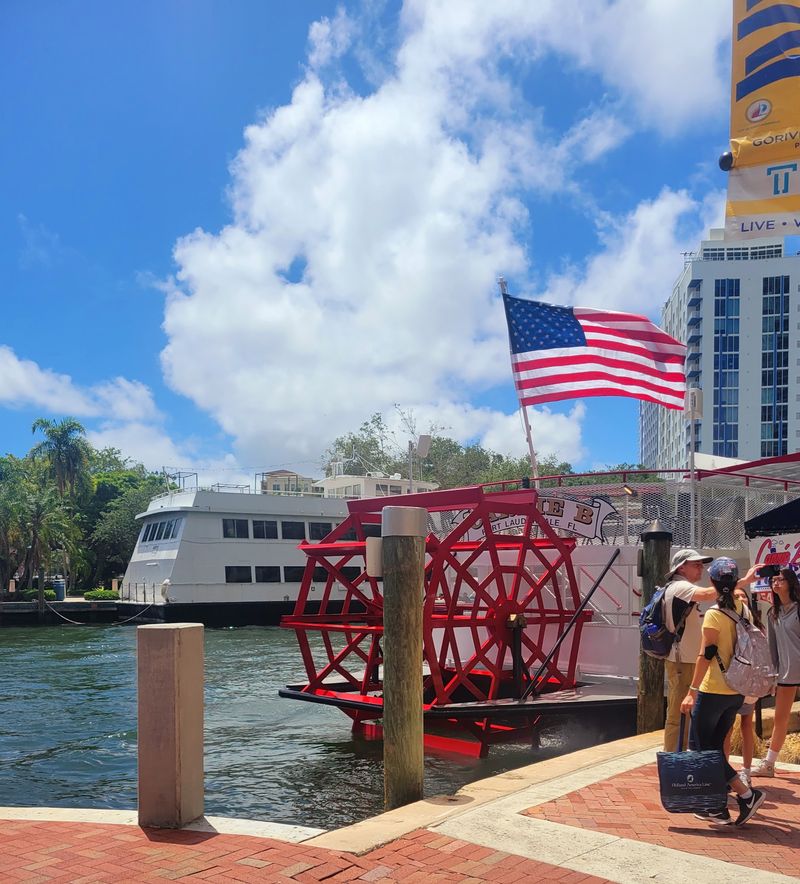
Venice, on Florida’s Gulf Coast, built its downtown in the 1920s using Mediterranean Revival architecture. The result is a walkable grid that photographs beautifully at golden hour.
Moss draped oaks and swaying palms line the wide avenues. Landscaping here has won awards, and it shows in every median and planter.
Centennial Park anchors the shopping district. Free concerts happen at the gazebo, drawing folding chairs and picnic blankets. It is the easiest way to meet locals.
The historic Venice Train Depot still stands and is worth a stop. Old rail history mixes oddly well with beach town energy.
Then there are the teeth. The city is known as the Shark Tooth Capital of the World, thanks to fossil beds just offshore. Bring a sifting scoop and comb the shoreline at low tide.
Venice Beach sits less than a mile from downtown, so you can shop in the morning and swim by noon.
Cyclists should find the Venetian Waterway Park trails, which connect straight into the shopping streets. Flat paths make it friendly for all ages.
Winter and early spring bring the best weather and the strongest fossil hunting after storms. Come for the architecture, stay for the sand, and go home with a pocketful of ancient souvenirs.
4. Mount Dora
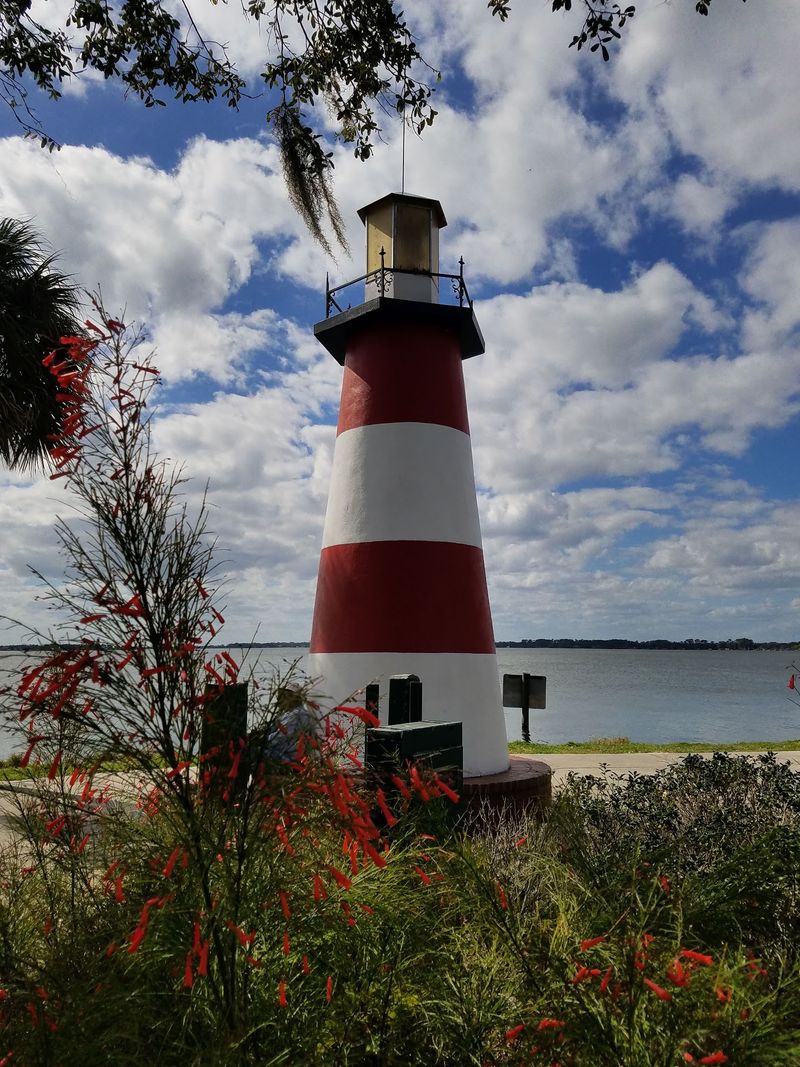
Preaching to the choir if hills and lake views sound better than another crowded beach. Elevation is rare in this state, and one town uses every inch of it.
Mount Dora rises above the shimmering surface of Lake Dora in central Florida. Scenic overlooks appear at the end of ordinary residential streets.
The downtown grid is packed with independent shops, galleries and eateries. Brick sidewalks and porch swings set the mood.
A historic lighthouse stands at the lake’s edge, one of very few inland lighthouses in Florida. It has become the town’s signature photo.
Festivals drive the calendar. The Mount Dora Arts Festival draws big crowds each winter, filling streets with booths and music. The Lighted Boat Parade turns the lake into a floating show of twinkling hulls.
Water activities are simple to arrange. Guided boat tours cruise the lake and connecting canals, often spotting alligators and wading birds. Seaplane rides lift off from the water for an aerial look at the chain of lakes.
Antique hunters will be busy for hours here, since several buildings hold multiple dealers under one roof.
Plan a fall or winter trip when temperatures drop and the event schedule fills up. Weekends get crowded, so arrive early for parking near the lakefront.
Sunset from the boardwalk is the reward at the end of the day. You will leave planning a return trip before you even reach the car.
5. Sebring
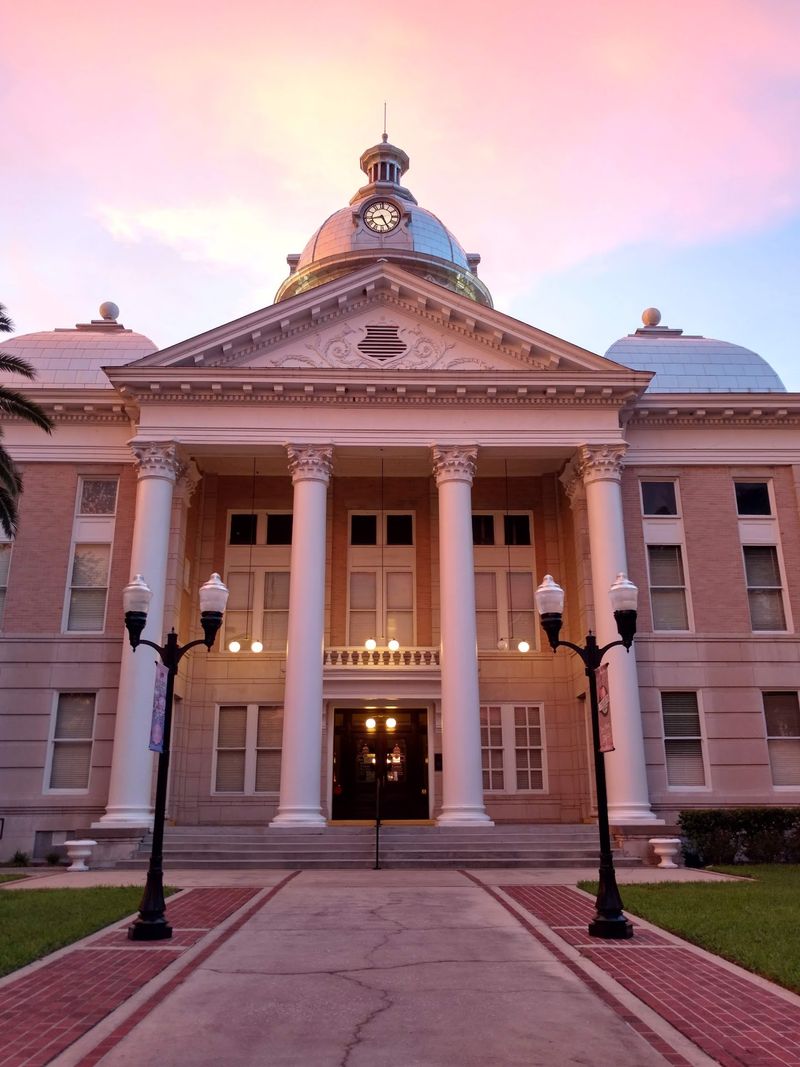
Are you seeing what I am seeing with that gleaming dome above the rooftops? Copper catches the afternoon sun and turns the whole downtown golden.
Sebring, in central Florida, wraps its historic core around a circular park instead of a standard square. Locals simply call it the Circle.
Six avenues radiate outward like spokes on a wheel. Boutiques, cafes and family restaurants line them, making the layout fun to explore on foot.
The design was no accident. George E.Sebring founded the city in 1912 and planned that circular street pattern from the start. It remains one of the last surviving circular cities in the United States.
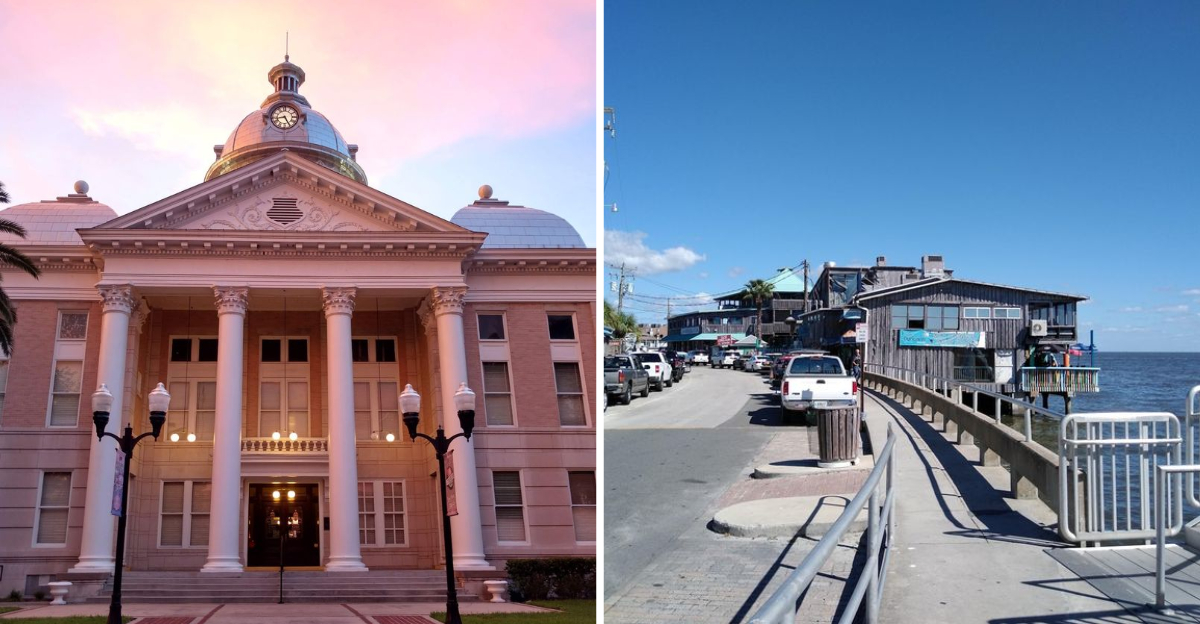
The copper domed courthouse serves as the visual anchor. Its architecture stands out against low brick storefronts.
Events keep the Circle busy through the year. Farmers markets bring produce and baked goods, while art shows fill the green space with easels and tents.
The historic downtown is listed on the National Register of Historic Places, so many facades look close to original. Nature is minutes away. The shores of Lake Jackson give you room to walk, fish or watch the sun drop behind the water.
Cooler months are best, since summers can be steamy by midday. Mornings work well for market shopping and photos.
Circular streets, copper shine and small town warmth make this one a genuinely different stop on any Florida road trip.
6. Arcadia
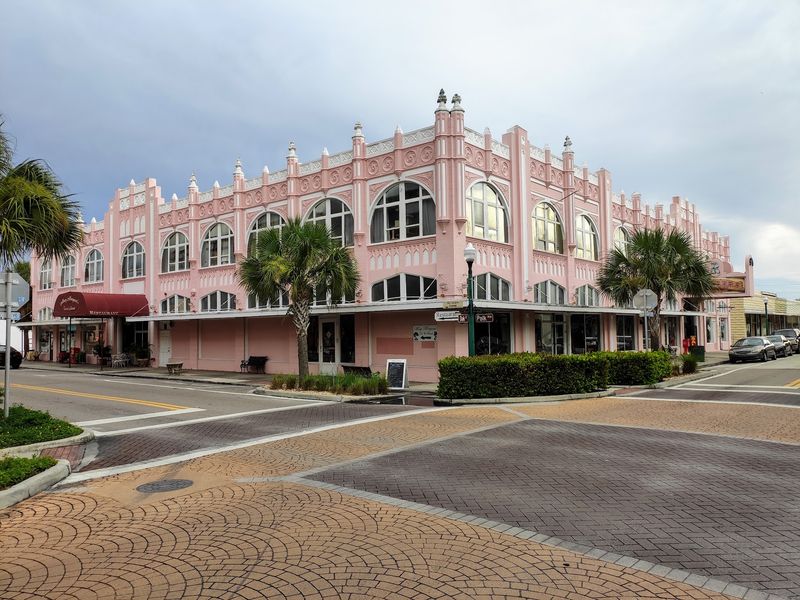
I am right there with you if classic Southern architecture makes you slow the car down. Moss hangs low, and every second building looks over a hundred years old.
Arcadia, in inland southwest Florida, protects a downtown historical district covering roughly 3,400 acres. Inside those boundaries sit 293 historic buildings.
The district earned a listing on the National Register of Historic Places. Most of the architecture dates between 1900 and the late 1920s.
Oak Street forms the main hub. Classical Revival and Late Victorian details show up in cornices, columns and tall windows.
Two structures usually steal the attention. The 1912 Classical Revival courthouse is an imposing sight, and the 1906 Opera House now holds a museum along with an antique store.
Speaking of antiques, this town is a serious hunting ground. More than 100 vendors gather for monthly antique fairs, spilling into sidewalks and lots.
Bring cash, comfortable shoes and a plan for hauling your finds home. Early arrival gets you the best selection before the tables thin out.
Spanish moss, technically an epiphyte rather than a parasite, adds that hushed, filtered light photographers chase. Late afternoon is the sweet spot.
Cattle ranching heritage runs deep here too, and rodeo events are part of the local identity. Cooler months keep the walking comfortable and the fairs busy.
Old brick, deep shade and treasure hunting make this district linger in your memory long after checkout.
7. Bartow
Louder for the people in the back who love the rumble of tires on old brick: some streets simply sound better than asphalt.
Bartow keeps its brick paved Broadway Avenue as the centerpiece of a walkable historic downtown. As the county seat of Polk County, it mixes civic history with small town ease.
Shops, cafes and community buildings line the core, close enough to cover in one lap. Shade trees make the stroll comfortable.
History buffs have two solid stops. The Polk County Historical Museum lays out the region’s past, and the L.B.Brown House and Museum preserves the home of a formerly enslaved carpenter who built it himself.
Events fill the calendar all year. Chalk walks cover sidewalks with color, fall festivals bring music and food, and monthly antique markets draw steady crowds.
Outdoor plans are easy too. The Peace River begins right here, giving paddlers a starting point for canoe and kayak trips. Fishing is popular along the calmer stretches.
Nearby Circle B Bar Reserve is one of central Florida’s best wildlife areas. Trails wind past marshes where alligators, ospreys and bald eagles show up regularly. Go at sunrise for the best sightings and cooler air.
Fall through early spring gives the most comfortable weather for both trails and street festivals. Brick underfoot, herons overhead and history at every turn, this Polk County town rewards travelers who slow down.
8. Anna Maria Island
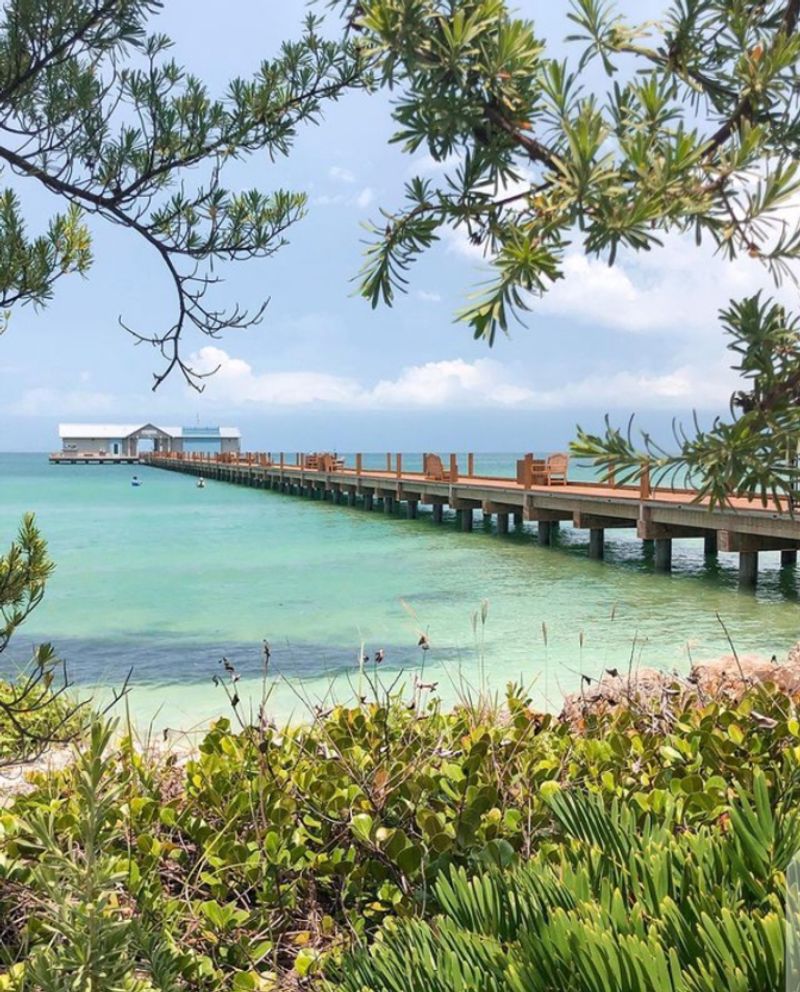
Pastel paint, white trim and porch swings, all a short walk from the water.
Anna Maria Island holds tight to an older, simpler style of Florida beach living. Height limits and community rules have kept high rises away.
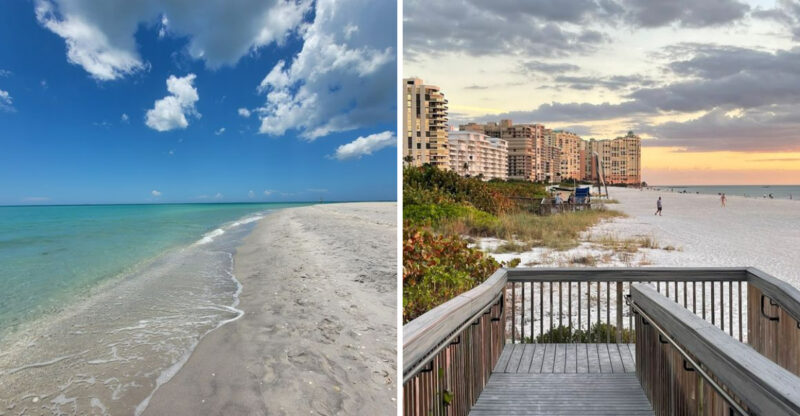
The historic cottages cluster at the north end. Many sit just steps from sugar white sand with turquoise Gulf water beyond.
Renovations have added modern comforts inside without erasing the character. Some properties include private pools and screened porches for evening breezes.
Getting around is refreshingly simple. A free trolley runs the length of the island, so you can park once and forget the car. Bikes and golf carts handle the rest.
Shops and dining cluster in small walkable pockets rather than one big strip. Sunset from the piers draws a quiet crowd every evening. Beaches here stay calmer than the big resort areas nearby. Bring an umbrella, since natural shade is limited on the sand.
Shelling is good after storms, and dolphins often cruise close to shore in the morning. Kayaks give access to mangrove channels on the bay side.
Spring and late fall balance warm water with thinner crowds. Summer means heat, afternoon storms and busy rental weeks, so plan ahead.
9. Cedar Key
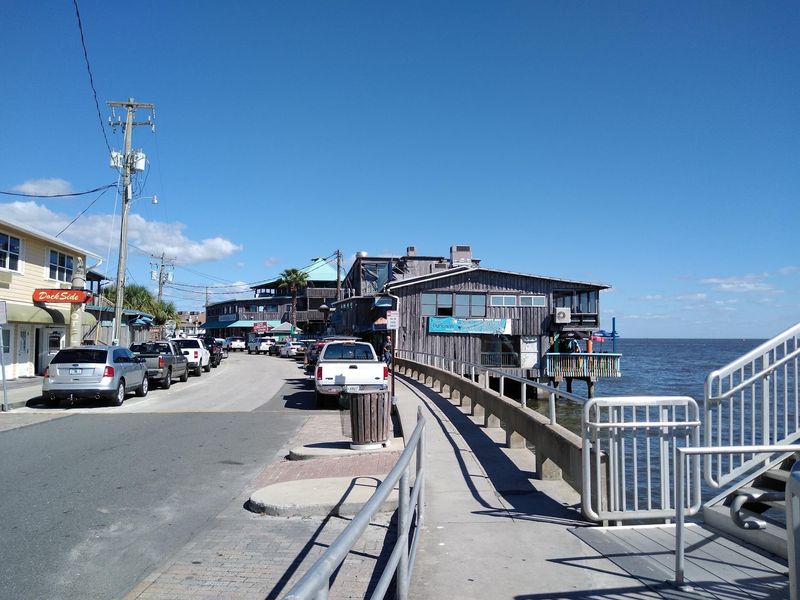
I had to do a double take at how untouched this waterfront looks. Weathered wood, tin roofs and boats bobbing at the docks, with no crowds in sight.
Cedar Key sits on a tiny island cluster along Florida’s Gulf Coast, roughly 50 miles southwest of Gainesville. Getting there takes effort, which is exactly why it stays quiet.
The historic downtown holds seafood restaurants and art galleries inside buildings that show their age proudly. Some perch on stilts right above the water.
Time moves differently once you park. Nobody hurries, and the loudest sound is often a pelican landing.
Nature fills the itinerary. Cedar Key Museum State Park covers local history and shell mounds, while the Cedar Keys National Wildlife Refuge draws birders with nesting colonies.
Rent a kayak to paddle the shallow flats and mangrove islands. Boat rentals and fishing charters run out of the marina, chasing redfish, trout and more.
Food is the other headline. The town is known internationally for farm-raised clams, and clam chowder appears on nearly every menu. Order it once and you will order it again.
Sunsets from the dock area are legendary, since the island faces west across open water. Fall and spring bring mild air and fewer bugs.
Weekdays are quietest if solitude is the goal. A working waterfront, wild birds and chowder worth the drive make this island stop unforgettable.