10 Picture Perfect Waterfront Towns In Virginia For Your Next Family Trip
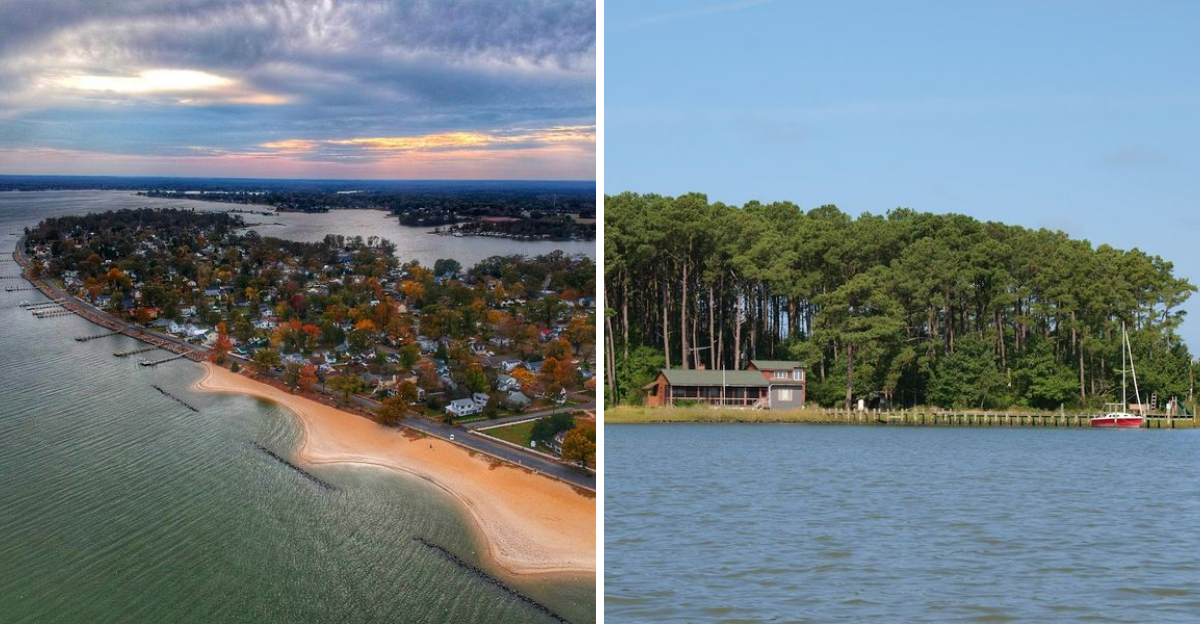
When did you last take a family trip where everyone actually unplugged? Virginia has a way of making that happen without even trying.
The state is loaded with waterfront towns that do something rare: they slow people down. Not in a boring way.
In a “wait, can we stay one more night?” kind of way. Colorful storefronts, creaky old docks, fresh seafood straight off the boat, and water so close you can hear it from your pillow.
Some of these towns have wild ponies wandering the shoreline. Others have beaches so quiet you’ll wonder why you ever bothered with crowds.
Virginia doesn’t announce itself. It just wins you over, town by town, bend by bend.
1. Cape Charles
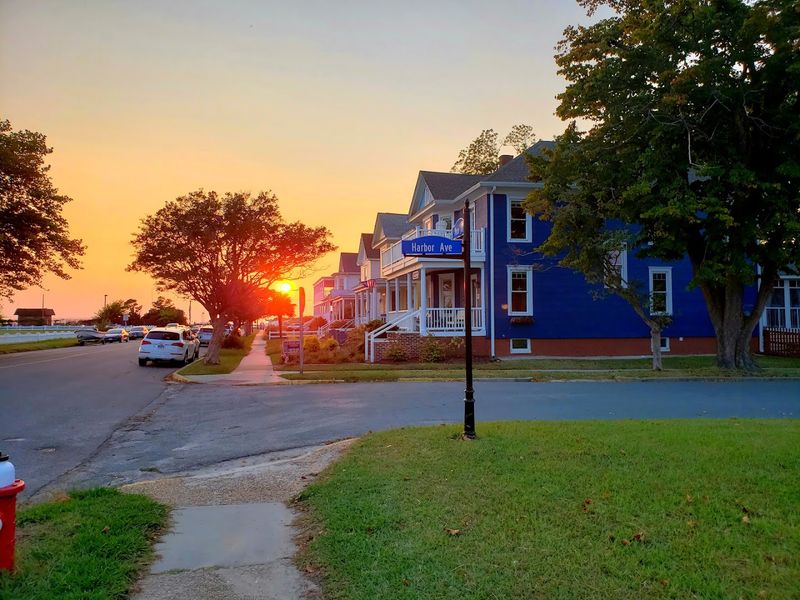
Some towns make you slow down the moment you arrive. Cape Charles is one of them.
Cross the Chesapeake Bay Bridge-Tunnel and you feel it immediately, like the whole world has exhaled. Victorian homes line the streets, painted in soft colors that glow in the afternoon sun.
The downtown is compact and walkable, with local shops selling everything from handcrafted jewelry to homemade ice cream. Kids can wander freely while parents browse without anyone rushing anywhere.
The beach along the Chesapeake Bay stretches wide, with calm and gentle waves perfect for young swimmers not quite ready for ocean surf.
Sunsets here are genuinely something else. The sky turns shades of orange and pink that reflect across the flat, still water in a way that feels almost unreal.
Cape Charles sits at the southern tip of the Eastern Shore, and its laid-back energy makes it one of the most underrated family destinations around. Pack a picnic, stay for the sunset, and plan to come back next summer.
2. Chincoteague Island
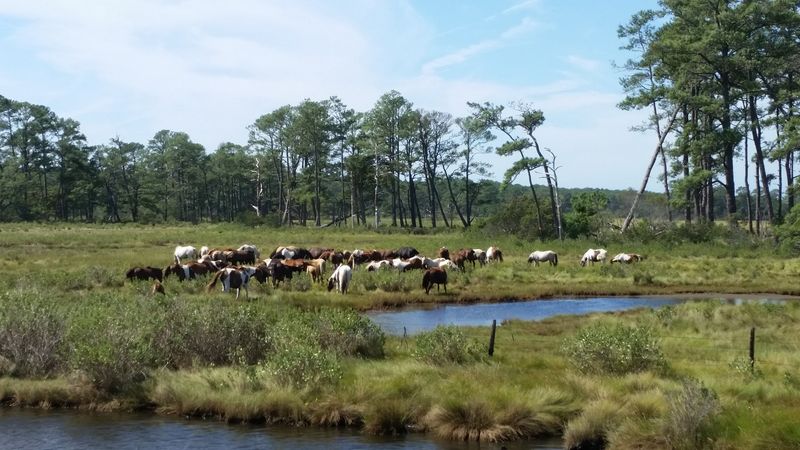
Wild ponies roaming a beach is not something most kids ever expect to see in real life. Chincoteague Island makes that moment completely ordinary.
The island sits off the Eastern Shore and operates on its own unhurried schedule. It is the kind of place where the biggest daily decision is whether to hit the beach before or after breakfast.
The Chincoteague National Wildlife Refuge connects the island to Assateague Island. That is where the famous wild ponies graze along the shoreline and through the marshes.
Families can explore miles of nature trails, spot shorebirds, and kayak through tidal creeks. The wildlife here is genuinely accessible, not just a distant blur through binoculars.
The town itself is small and sweet, with seafood shacks, souvenir shops, and ice cream stands lining the main road. Every July, the famous Pony Swim draws crowds from across the country when the ponies swim across the channel from Assateague.
It is one of those rare destinations that delivers exactly what it promises. The kind of place that sticks in a kid’s memory for decades.
3. Urbanna
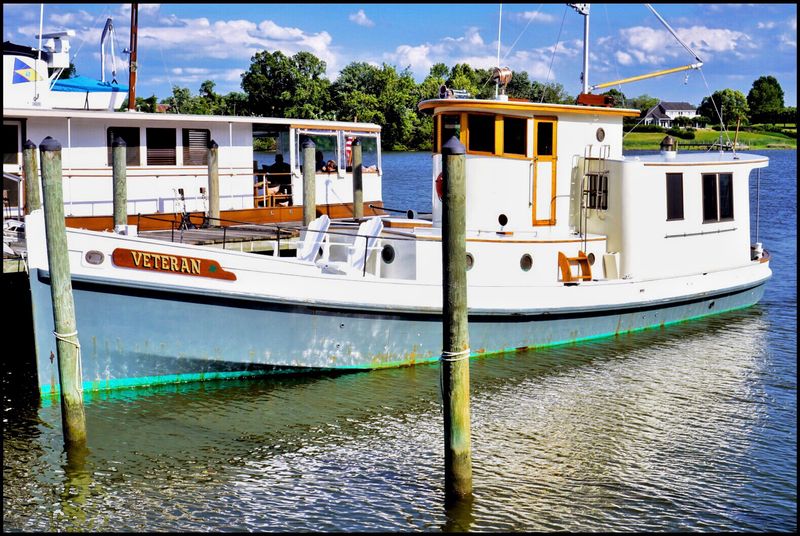
Some towns feel like they were designed specifically to be photographed. Urbanna is absolutely one of them.
It sits along the Rappahannock River and covers just a few blocks. Those blocks punch well above their weight.
Old brick buildings, a harbor full of bobbing boats, and streets quiet enough to hear the water lapping against the docks.
Urbanna was established in 1680, making it one of the oldest port towns in the region. History is layered into every storefront and cobblestone.
The annual Urbanna Oyster Festival, held each November, is one of the oldest and most beloved festivals around. It draws thousands of visitors who come specifically for the fresh oysters pulled straight from the Rappahannock.
For families visiting outside festival season, the town still rewards. Kayak rentals let you explore the river at your own pace.
The waterfront park gives kids open space to run around. Dining options are small but excellent, with local seafood featured on almost every menu.
Urbanna is easy to find and even easier to love. It is proof that a town does not need to be large to leave a lasting impression.
4. Virginia Beach
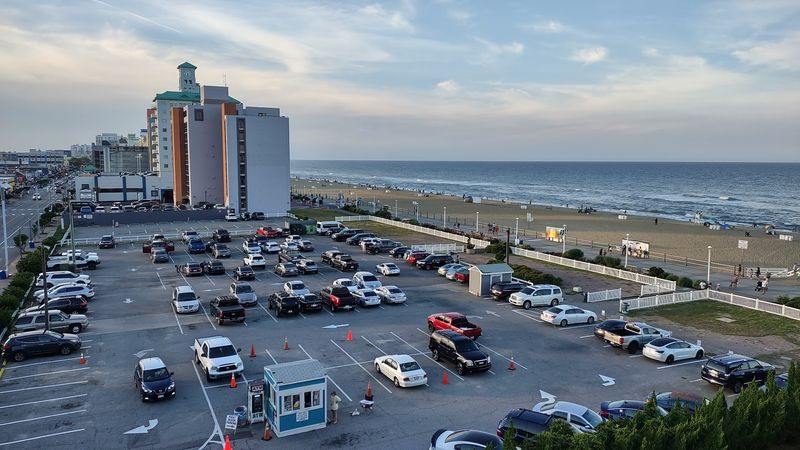
Few places can match the sheer variety that this city throws at a family in a single weekend. The oceanfront boardwalk stretches for miles.
You can rollerblade, build sandcastles, or just watch the waves. There is always something happening.
The energy here is genuinely contagious.
Beyond the beach, the city splits into distinct neighborhoods that each offer something different. The Sandbridge area to the south feels quieter and more natural.
It has access to Back Bay National Wildlife Refuge for hiking and kayaking. Town Center, further inland, delivers a completely different vibe with boutique shopping, restaurants, and a more urban feel that parents tend to appreciate.
Virginia Beach is also home to the Virginia Aquarium and Marine Science Center, one of the best aquariums in the mid-Atlantic region. Kids can touch live horseshoe crabs, watch river otters play, and learn about marine ecosystems right outside the front door.
The city sits at the southeastern corner of the state where the Atlantic Ocean meets the Chesapeake Bay. With so many options packed into one destination, it earns its reputation as the most versatile family vacation spot, year after year.
5. Onancock
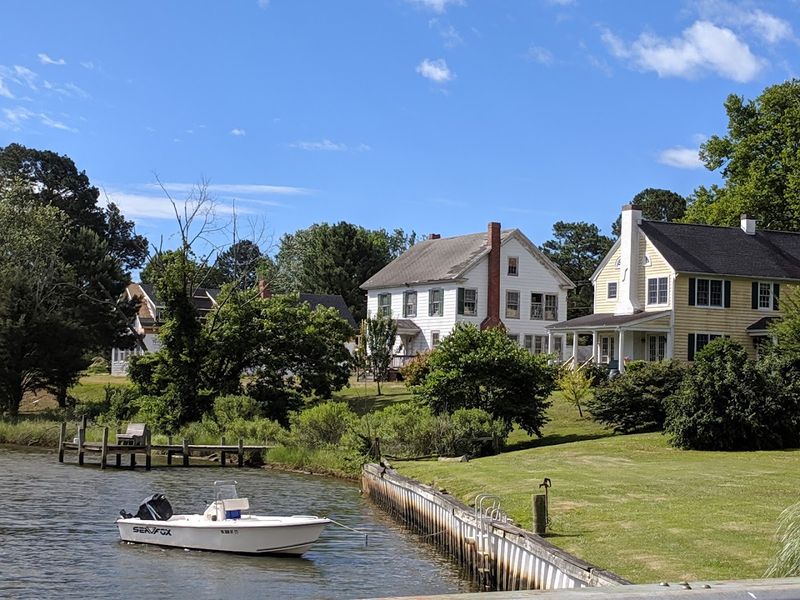
Captain John Smith explored a lot of the coastline in the early 1600s. When he reached this particular stretch of the Eastern Shore, he called it the Gem of the Eastern Shore.
Onancock has been living up to that description ever since. Founded in 1680, this small town on the Chesapeake Bay side of the Eastern Shore carries its history lightly and gracefully.
The downtown is lined with antique shops, art galleries, and restaurants that lean hard into local ingredients. Kerr Place, a Federal-style mansion built in 1799, stands as one of the finest historic homes on the Shore and is open for tours.
The wharf at the end of Market Street is where the town truly comes alive. Boats come and go, and the wide creek opens out toward the bay.
Families can rent kayaks and paddleboards directly from the wharf. No complicated logistics, just show up and go.
The town sits centrally on the Eastern Shore, making day trips in either direction easy. Onancock rewards slow travel.
The kind where you park the car, wander on foot, and end up somewhere you never planned to go but are very glad you found.
6. Reedville
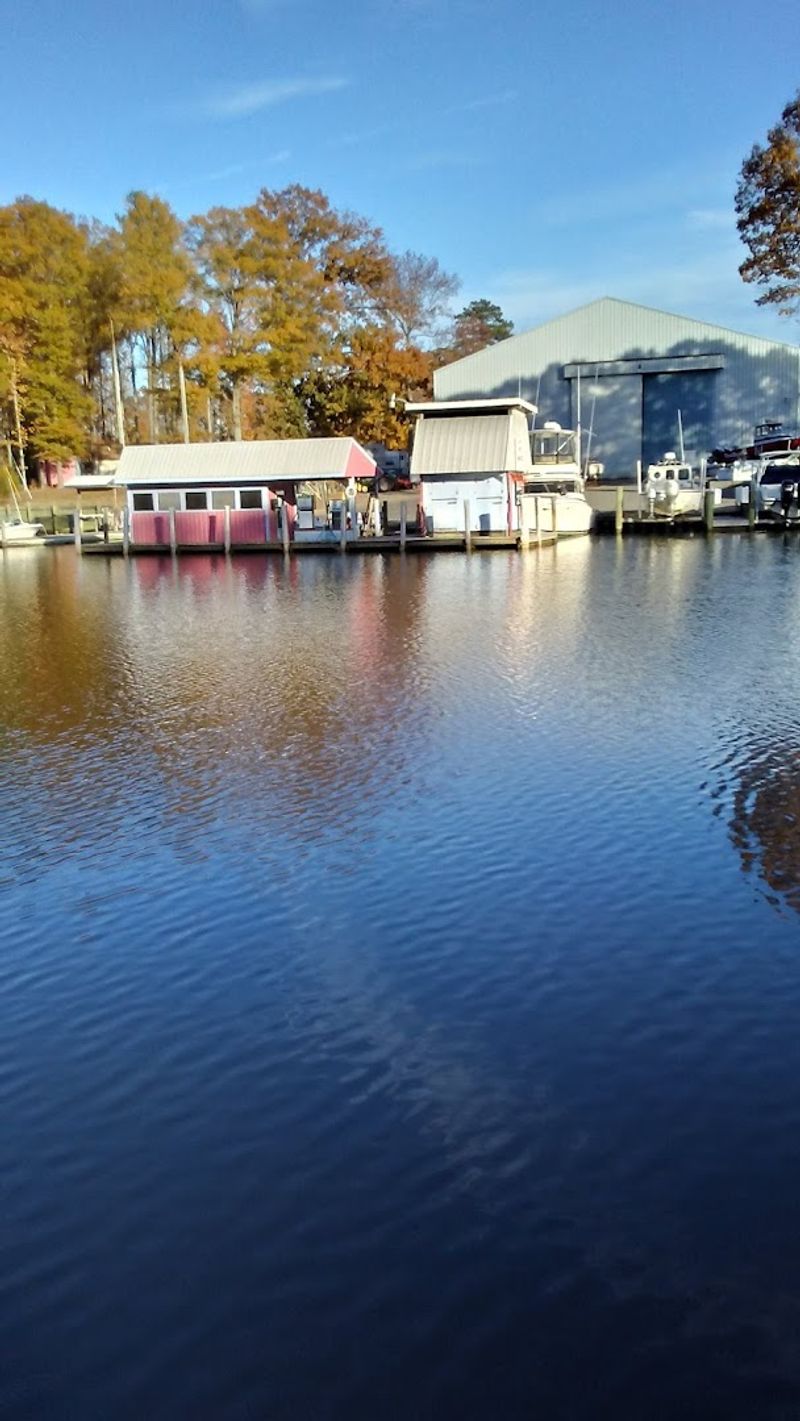
Not every waterfront town was built with tourists in mind. Reedville is living proof.
This is a real working fishing village at the northern tip of the Northern Neck. The menhaden fishing industry shaped everything here, from the architecture to the local economy.
The Victorian mansions lining Main Street were built by fishing captains who clearly did very well for themselves.
The Reedville Fishermen’s Museum tells the story honestly and with genuine depth. It covers the history of the menhaden industry and the watermen who built their lives around it.
One of the most authentic small museums in the region, and surprisingly engaging for kids who have never thought much about where fish come from. The waterfront setting makes it even more atmospheric.
Boat tours run from Reedville out to Tangier Island and Smith Island during warmer months. That makes it a natural launching point for a broader Chesapeake Bay adventure.
The town sits at the end of Route 360, which means arriving here feels intentional. You do not pass through Reedville on your way somewhere else.
You come here specifically because you want to, and that makes the whole experience feel more meaningful.
7. Tangier Island
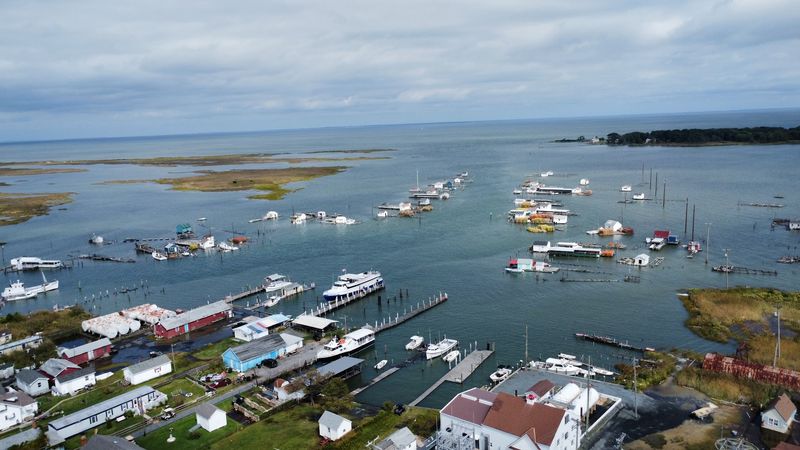
Getting to Tangier Island requires either a boat or a small plane. That journey alone tells you this place plays by different rules.
Sitting twelve miles off the coast in the middle of the Chesapeake Bay, Tangier is genuinely unlike anywhere else in the region. Cars are not part of life here.
Residents get around on foot, bicycle, or golf cart.
Known as the Soft Crab Capital of America, Tangier produces more soft-shell blue crabs than almost anywhere else on the East Coast. The island’s watermen have been harvesting crabs from these waters for generations.
The seafood served in the small restaurants here is about as fresh as it gets. Crab cakes are not just a menu item.
They are practically a civic institution.
The island has a fascinating dialect that linguists describe as a remnant of early Elizabethan English, preserved by centuries of geographic isolation. Kids find this completely fascinating once you explain it.
Day-trip ferries run from Crisfield, Maryland, and from Reedville, making Tangier accessible without an overnight stay. The trip across open water, with pelicans gliding alongside the boat, is half the adventure.
It is an address that genuinely feels like a different century.
8. Colonial Beach
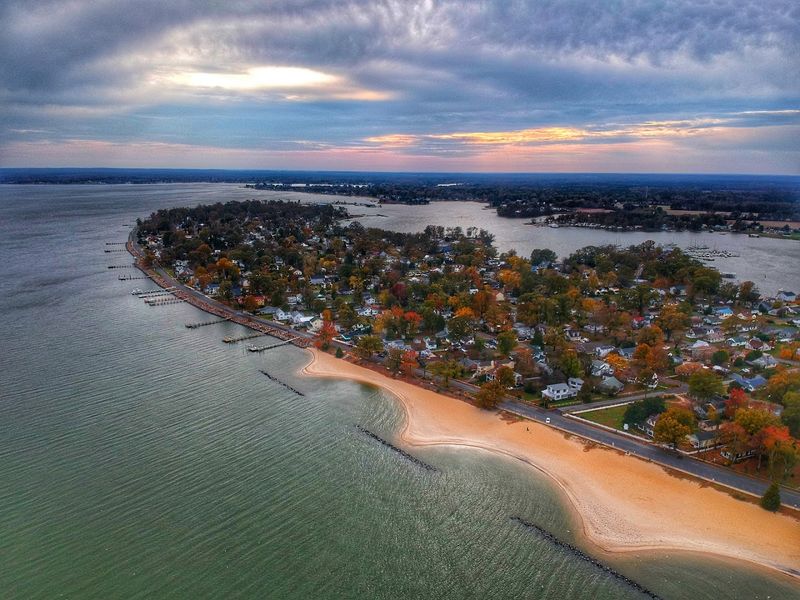
Arriving in Colonial Beach for the first time, you notice the golf carts before almost anything else. People use them like cars here, cruising from the beach to the shops to the waterfront restaurants with a cheerful casualness that immediately sets the tone.
This town on the Potomac River in Westmoreland County, VA 22443, runs on good vibes and fresh seafood.
The beach stretches along the Potomac and is surprisingly wide and sandy for a river beach. Swimming conditions are calm, which makes it especially appealing for younger kids who are not ready for ocean waves.
The water here is warmer than the Atlantic coast, which is a detail that families with small children tend to appreciate very much.
Colonial Beach has a genuinely vibrant food and music scene for a town its size. Waterfront venues host live music throughout the summer, and the dining options lean heavily into Potomac River seafood done simply and well.
George Washington’s birthplace at Popes Creek is just a short drive away, adding a dose of history to what is otherwise a very relaxed beach town experience.
Colonial Beach delivers the kind of low-key fun that does not require planning, reservations, or a complicated itinerary to pull off successfully.
9. Mathews
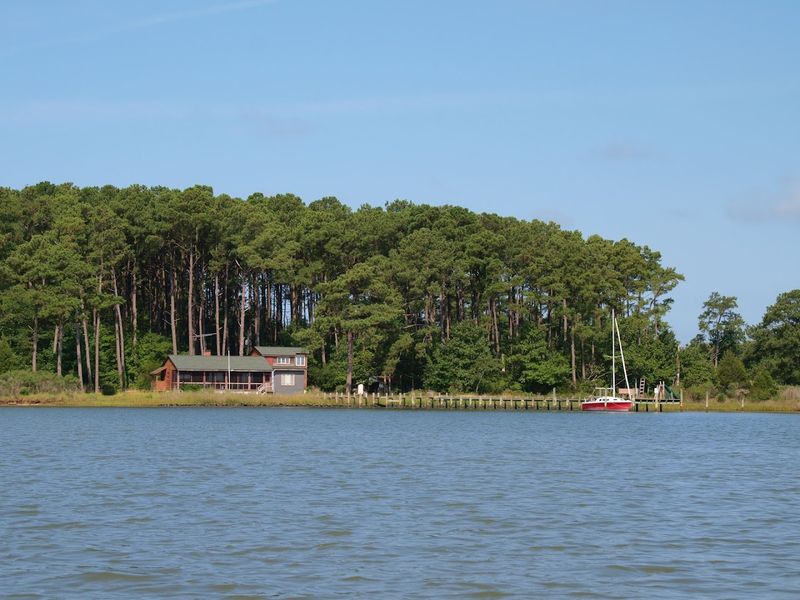
Mathews County offers more shoreline than any other county in the state. That sounds like a boast until you actually arrive and realize the water is genuinely everywhere.
Creeks, marshes, rivers, and bay access wrap around this quiet county on the Middle Peninsula. The whole place feels like a floating world.
It is the kind of destination that rewards people who are happy doing nothing particularly organized.
The county seat is a small, peaceful town with a courthouse dating to the 1700s. A handful of shops and restaurants feel genuinely local rather than tourist-facing.
Gwynn’s Island, connected to the mainland by a small drawbridge, is one of the most scenic spots in the county. It offers a public beach with calm water perfect for wading and crabbing.
Kayaking and paddleboarding here are exceptional. The creeks and inlets offer protected water that beginners can handle comfortably.
Wildlife is abundant, with osprey nests visible on almost every channel marker and great blue herons stalking the shallows. Mathews sits about an hour and a half from Richmond, making it a completely manageable weekend escape.
It is the kind of place people stumble onto once and then quietly return to every summer without ever making a big announcement about it.
10. Alexandria
Sailboats drifting past eighteenth-century brick buildings is not something most American cities can offer. Old Town Alexandria pulls it off without even trying.
Situated on the Potomac River just minutes from Washington D.C., Alexandria carries centuries of history in its cobblestone streets and still feels completely alive today.
King Street is the spine of the whole experience. It runs from the waterfront straight through the heart of Old Town, lined with boutiques, bookshops, restaurants, and bakeries.
Colorful awnings shade both sides of the street, making it feel festive even on an ordinary Tuesday. The Saturday farmers market at Market Square has been running continuously since 1753, making it the oldest operating farmers market in the country.
The waterfront promenade along the Potomac is perfect for family strolls, with open views of the river and the Maryland shore. Waterfront Park at the foot of King Street is a great spot for kids to watch the boats while parents grab a coffee.
The Torpedo Factory Art Center, a converted historic munitions factory now housing dozens of working artist studios, adds a genuinely unexpected cultural layer to an already very satisfying waterfront town.