Pioneer Wagons And A 1880s Main Street Wait Indoors At This Nebraska Museum All Winter
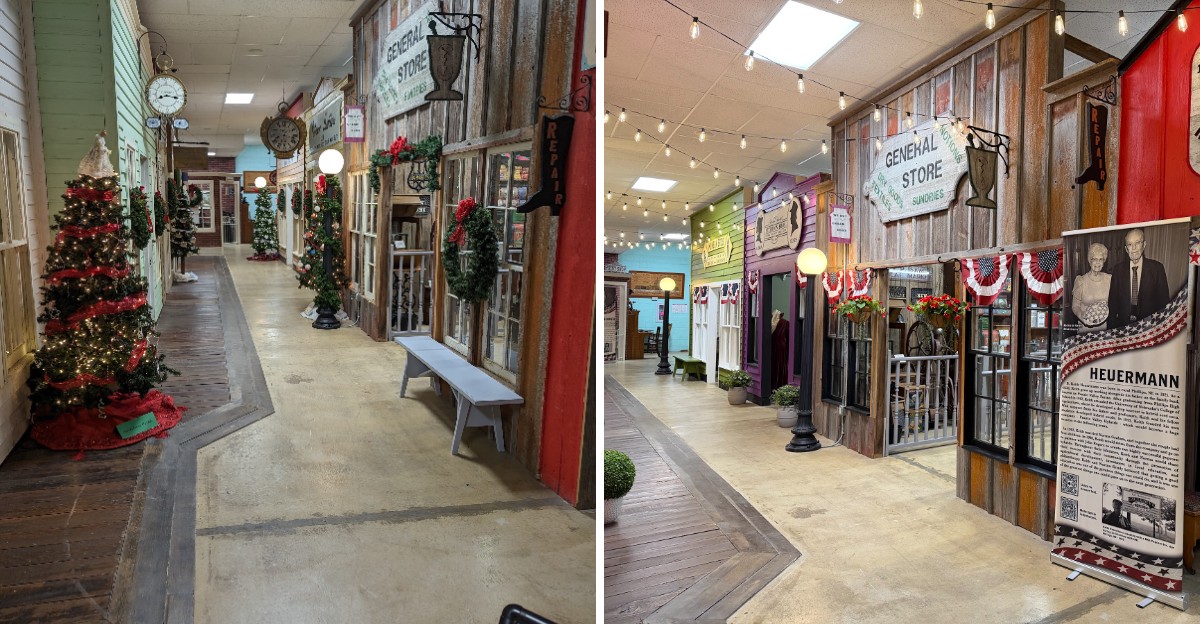
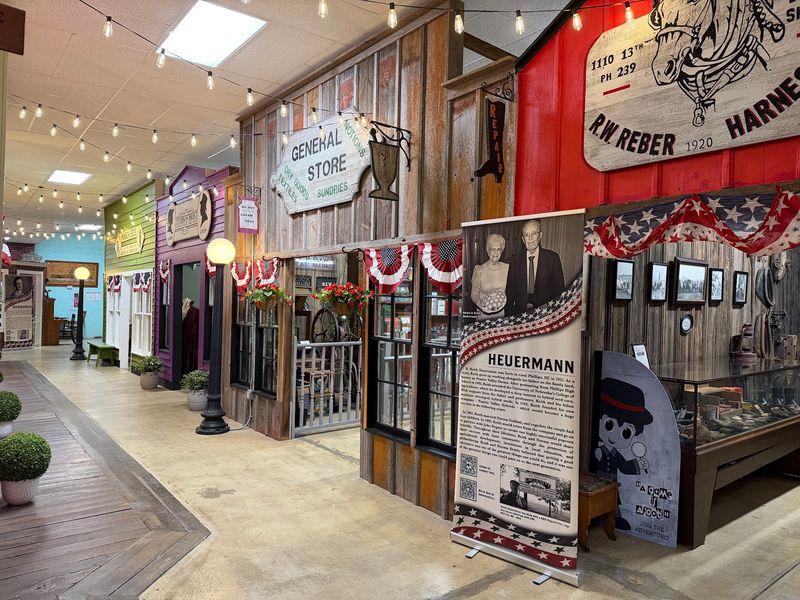
A mortician’s office sits a few doors down from a dentist’s chair inside one Nebraska museum. Both share an indoor street with a barber shop, a jail and a clock shop.
Nobody needs a heavy coat to stroll that street, either. The whole little town lives under a roof, filled with period items that once served real homes and businesses across one prairie county.
I like how this place hands you history in rooms instead of long paragraphs. There’s a real sod house, a jukebox in an old ice cream shop, and a barbed wire collection that turns plain fence wire into a surprisingly good story.
I can’t imagine a better answer to a gray January afternoon. When the wind starts howling across the fields, who wouldn’t want to window-shop an old-time Main Street that stays warm and dry?
An Entire Small Town Under One Roof, Minutes From I-80
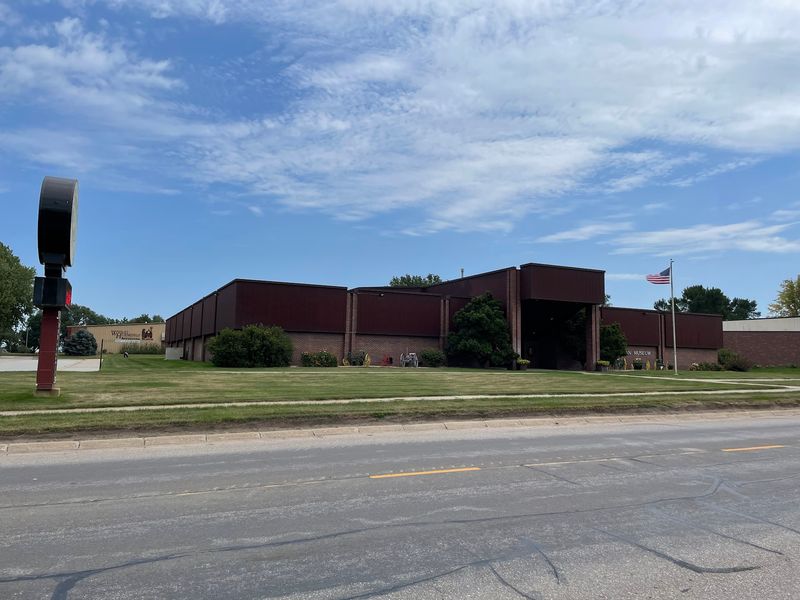
Plenty of travelers race past Aurora on Interstate 80 without a second thought. The ones who exit find the Plainsman Museum, a history museum sitting only a short drive off the highway.
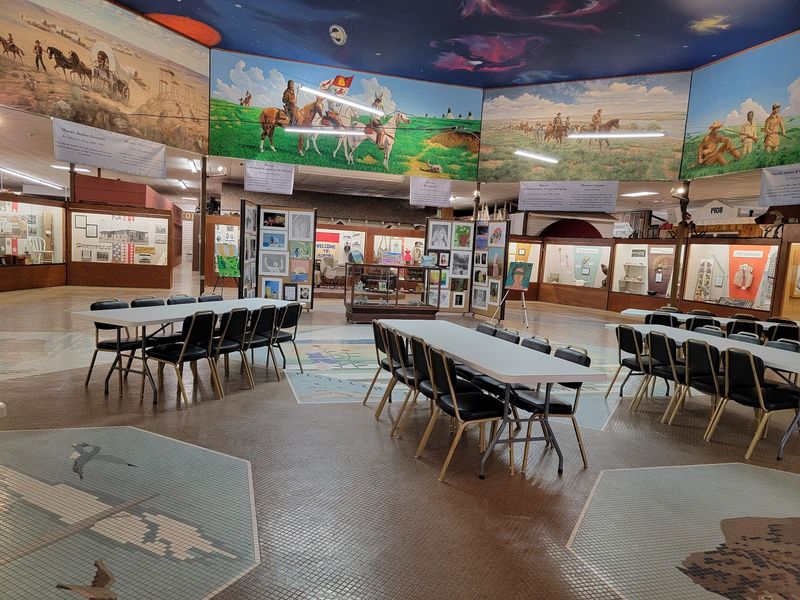
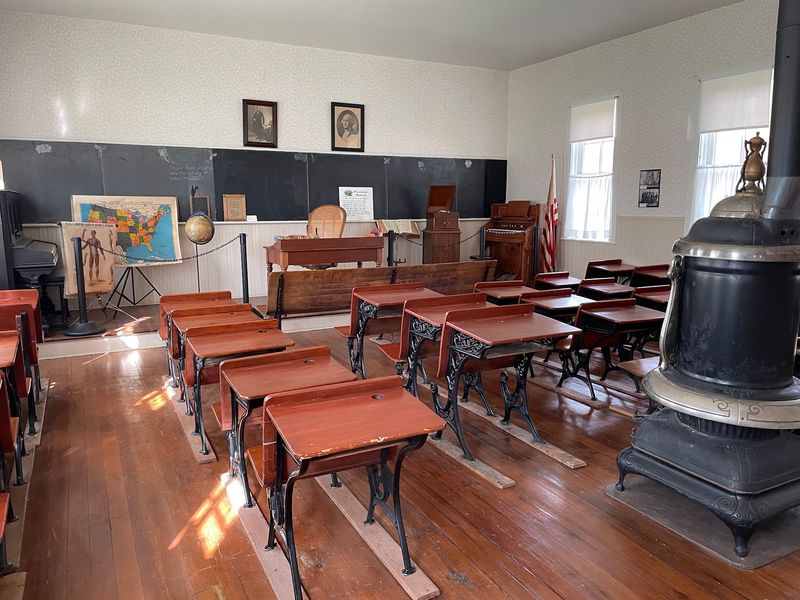
From the outside, it looks modest enough to fool almost anyone. Inside, the collection stretches across two large buildings, plus a schoolhouse and a house on the grounds.
The museum focuses on Hamilton County and the small communities that grew up around it. Think of it as the county’s attic, if that attic were carefully organized by people who really love the past.
Exhibits cover roughly the 1800s through the mid-1900s. Old cars, tractors, a covered wagon and a whole recreated street of shops all share the space.
What makes it click is the setup. Displays are arranged like actual storefronts and rooms, so you move through history as if strolling a town street.
That design is the whole reason it works so well in cold weather. A Nebraska winter can’t touch a Main Street that lives indoors, and nobody has to shovel the sidewalk before you visit.
Hamilton County’s Hometown Stories, Told By Its Own Belongings
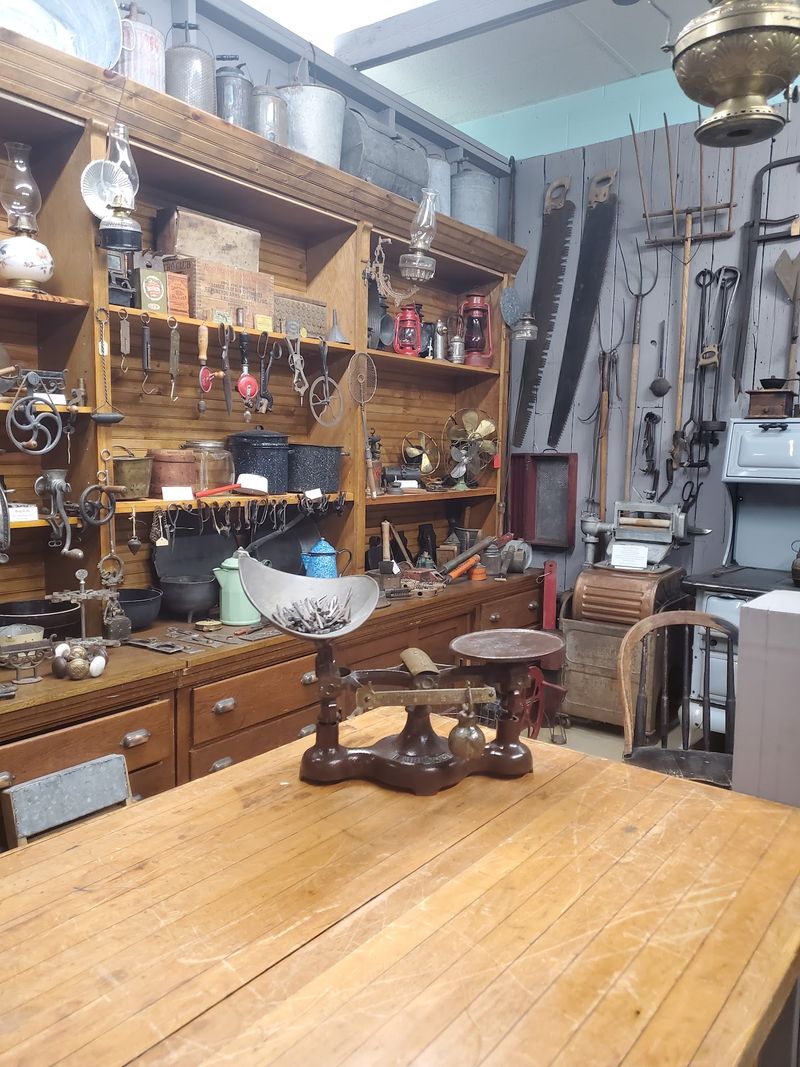
Every artifact here comes with a hometown connection. Much of the collection was donated by local families, and it shows what truly built this corner of the state.
The focus stays close to home on purpose. Exhibits trace Aurora’s story and the history of the other small towns scattered across Hamilton County.
That local angle gives the Plainsman Museum a different flavor than a big-city museum. You aren’t looking at generic antiques from somewhere far away.
Instead, you’re seeing the tools, furniture and everyday goods that neighbors actually used. A butter churn or a school desk feels more personal when it once belonged to a family down the road.
There’s a lot of reading available, too. Placards and information panels explain the towns, the people and the changes that swept through the prairie over the decades.
History fans who like details will be happy for hours. Folks who prefer to skim can still follow the story through the scenes themselves, which do most of the talking without a single word.
Barber, Dentist, Mortician: Pick A Storefront, Any Storefront
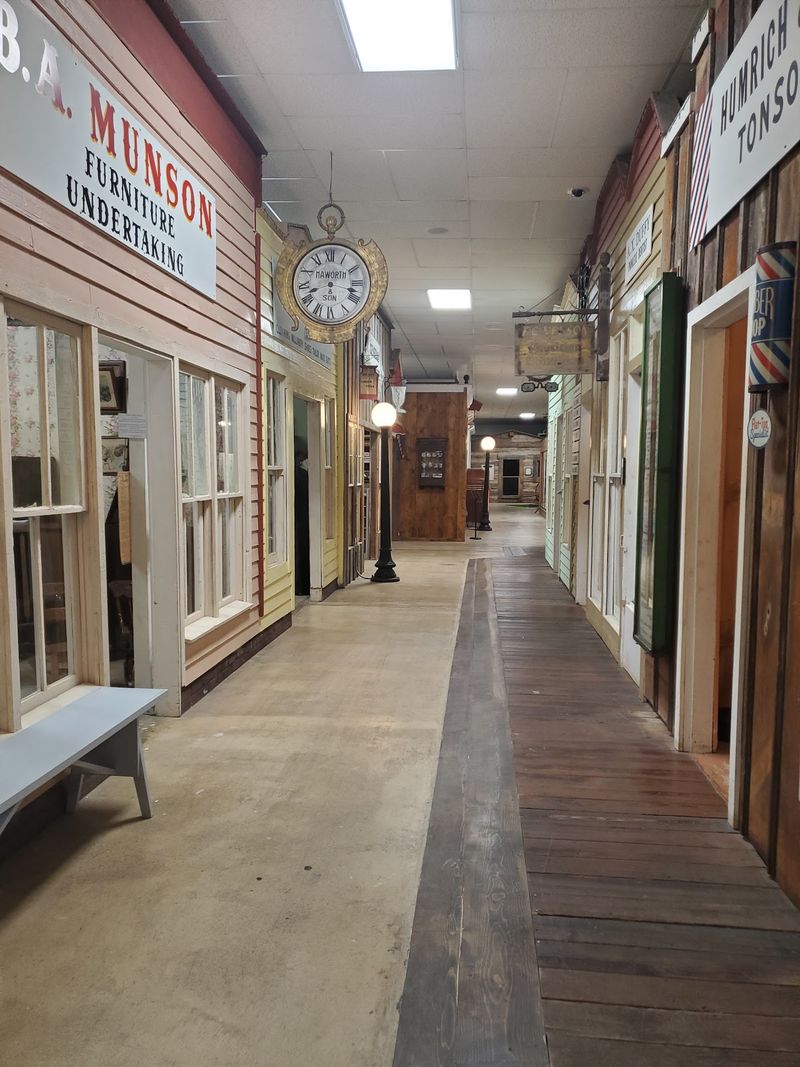
Need a shave, a filling and a new clock all in one trip? The indoor Main Street at the Plainsman Museum has you covered, at least in spirit.
Storefronts line the street like a real town square. Peek inside and you’ll find a barber shop, a dentist’s office, a doctor’s office, a clock shop and even a jail.
The mortician’s place is there as well, which might be the only time kids get curious about that line of work. Each space is outfitted with artifacts that match the business behind the door.
That’s the clever part of the layout. Collections are shown as if they’re working inside actual buildings, not lined up on shelves with tiny labels.
The effect feels like strolling down a town street during another era. Every time period gets its turn, with rooms packed full of the items that belonged to it.
Plan to slow down here more than anywhere else. The small details inside each shop, from tools to signs, reward anyone who lingers at the windows a little longer than expected.
The Sod House That Starts The Whole Timeline
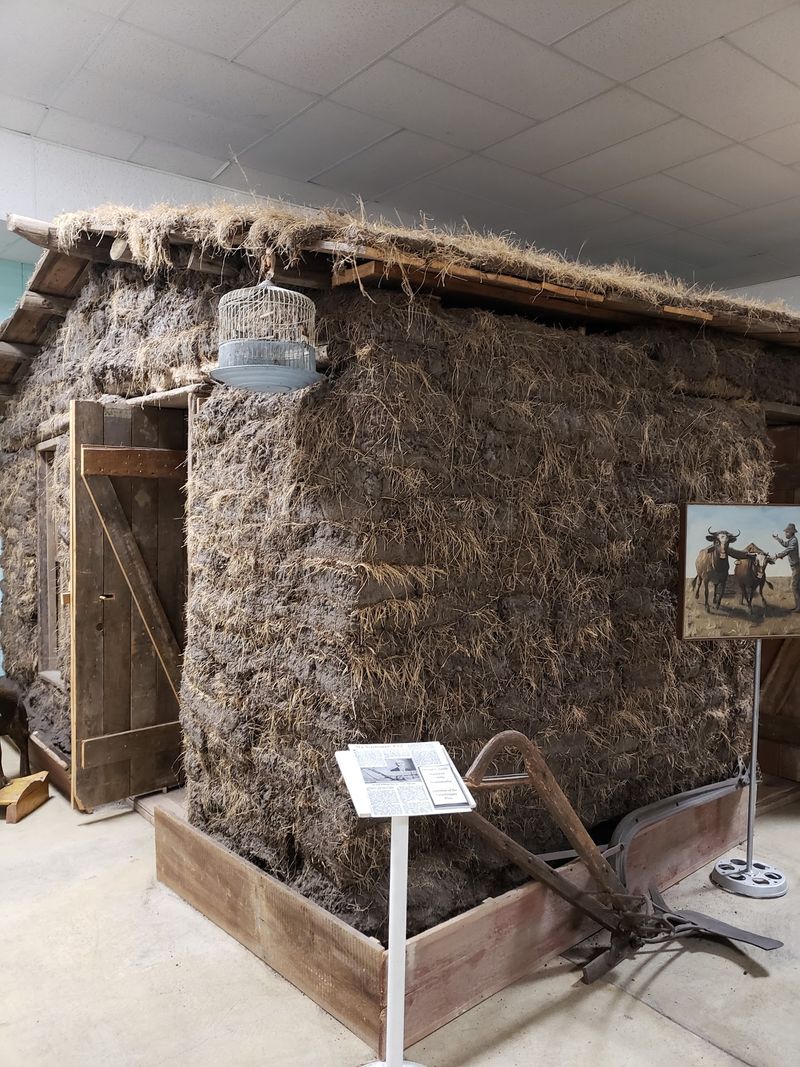
Long before anyone in Hamilton County had a brick storefront, many families lived in houses built from the prairie itself. The museum includes a real sod house, and it’s a humbling sight.
Thick earthen walls, tight quarters and simple furnishings tell you plenty about early settler life. It’s hard to complain about a small kitchen after seeing one of these.
The story doesn’t end with sod, though. Examples of homes that came afterward follow along, showing how living spaces changed as the area grew.
That progression is one of the smartest parts of the Plainsman Museum. Instead of jumping around, the exhibits move you through time in a thoughtful, step-by-step way.
You can almost feel the upgrades happen room by room. Better furniture shows up, then new appliances, then comforts that early homesteaders could only dream about.
For Nebraska kids, this is a great reality check. Their great-great-grandparents may have started out in a home much like this one, with dirt walls and very few extras.
Covered Wagons And Old Cars Share The Spotlight
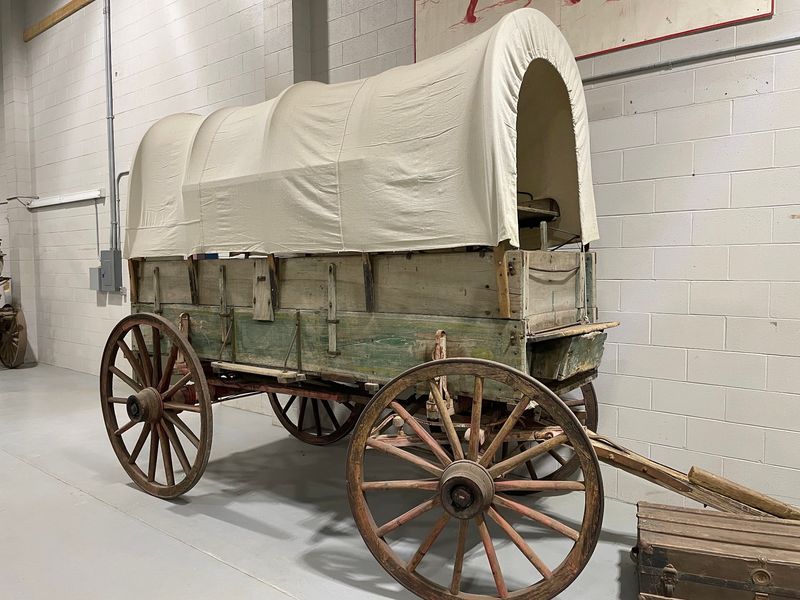
Wheels tell the story of the prairie better than almost anything. At the Plainsman Museum, they roll from covered wagon days all the way to early automobiles.
A covered wagon stands among the collection, a reminder of how families once crossed the plains. Its canvas top and wooden frame look tougher than any minivan, though far less comfy.
Nearby, old cars show how quickly travel changed. In just a few generations, the trip that took days by wagon shrank to a single drive.
Seeing both forms of travel together makes that jump feel real. One display shows patience and grit, and the other shows a whole new kind of freedom.
Car lovers tend to linger in this part of the museum. Gearheads and grandparents alike can trade stories about engines, hand cranks and Sunday drives.
Younger visitors get a kick out of comparing it all to modern vehicles. No cup holders, no heated seats, no screens.
Somehow, people still got where they were going.
Tractor Fans, Your Building Is Right Next Door
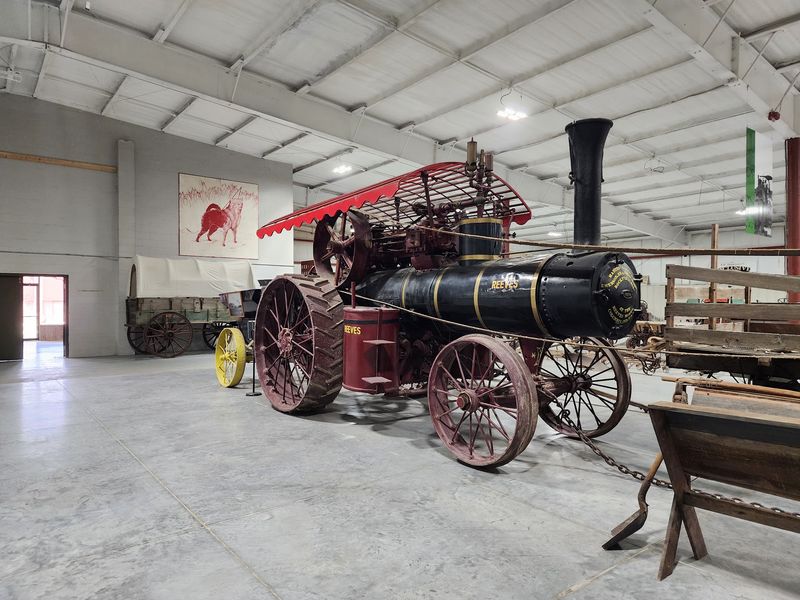
Farm machinery gets its own spotlight in the second large building. It’s often called the ag building, and it’s a dream for anyone who grew up around a field.
Inside, vintage tractors and farm equipment show how the work changed over the years. Tools once pulled by horses give way to machines with real horsepower.
This building is a natural fit for Nebraska, where farming shaped nearly every town. The equipment explains how families kept up with endless acres before modern rigs arrived.
Cars appear here as well, adding even more to see. Between the tractors and the autos, this space feels like a long look back at rural ingenuity.
One thing to know before a winter trip: this second building has been closed during parts of the colder season. The main building, with its indoor Main Street, has stayed open for winter visitors.
So if tractors top your list, it’s smart to check ahead. Otherwise, consider it a great excuse to come back in summer for round two.
A Barbed Wire Collection That Steals The Show
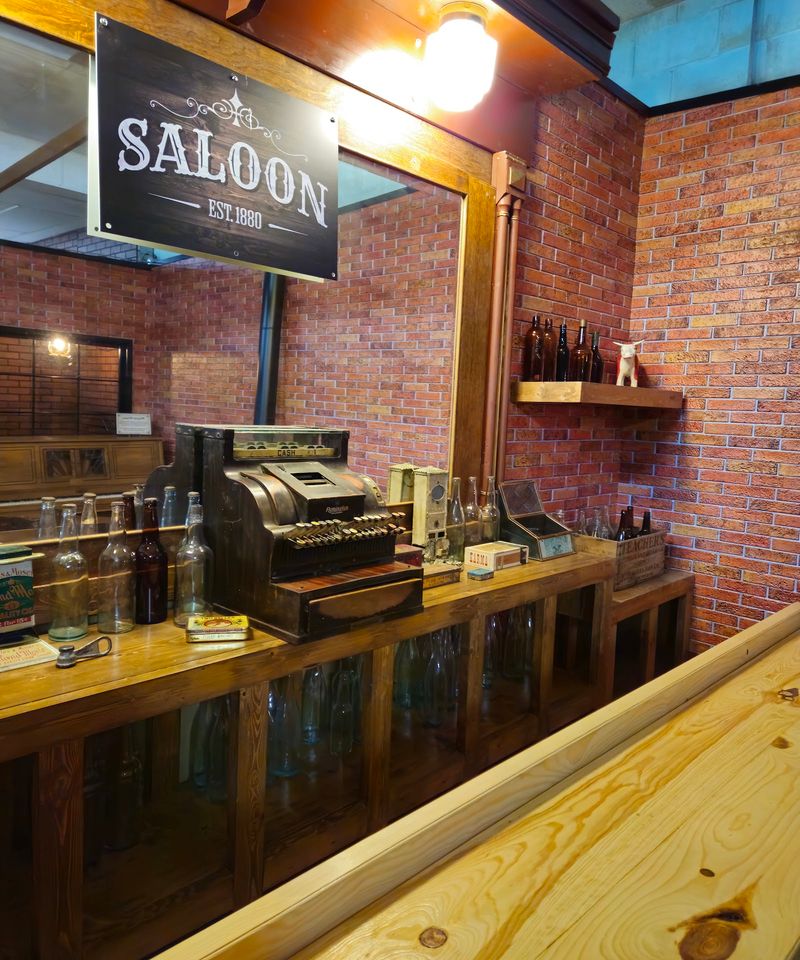
Barbed wire probably isn’t on anyone’s list of exciting museum topics. Then you see this collection and start wondering why nobody ever mentioned how interesting it is.
The Plainsman Museum has a barbwire display that turns a simple fencing material into a real conversation piece. Different twists, points and patterns show how inventors tackled the same problem in countless ways.
On the open prairie, fencing changed everything. It marked property, kept livestock in place and reshaped how ranchers and farmers worked the land.
That bigger story makes the little strands far more meaningful. Each sample hints at a different idea about how to tame wide-open country.
It’s the kind of exhibit that sneaks up on you. You walk over expecting a quick glance, and suddenly you’re comparing barbs like a collector.
Bring someone who enjoys trivia for this one. Odds are good they’ll leave with a few fun facts to share at the next family dinner, whether anyone asked or not.
Pick A Song On The Ice Cream Shoppe Jukebox
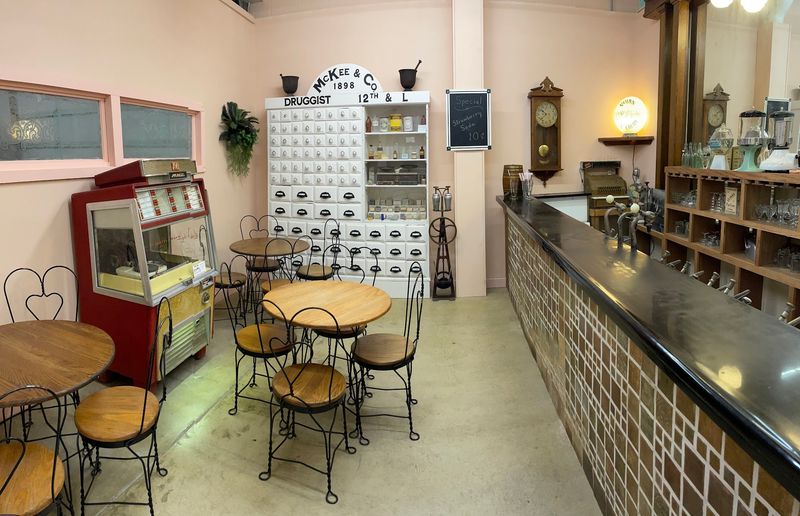
Few museums let you choose the soundtrack. Here, the recreated ice cream shoppe has a jukebox, and playing some music on it is part of the fun.
It’s a cheerful stop after the more serious exhibits. The shop captures that classic small-town hangout feel without needing an actual scoop of anything.
The interactive touches don’t stop there. Some displays include QR codes with recorded information and trivia questions that turn browsing into a little game.
Videos round things out for those who want extra background. Between reading, watching and listening, there’s more than one way to soak up the stories.
Families tend to appreciate that variety. Kids who might drift away from a wall of text can scan a code, answer a question and stay engaged a bit longer.
Adults benefit too, honestly. It’s easy to learn more when the history talks back, and it’s hard not to smile when an old tune fills a room that feels frozen in time.
Christmas Trees Make Winter Visits Extra Cozy
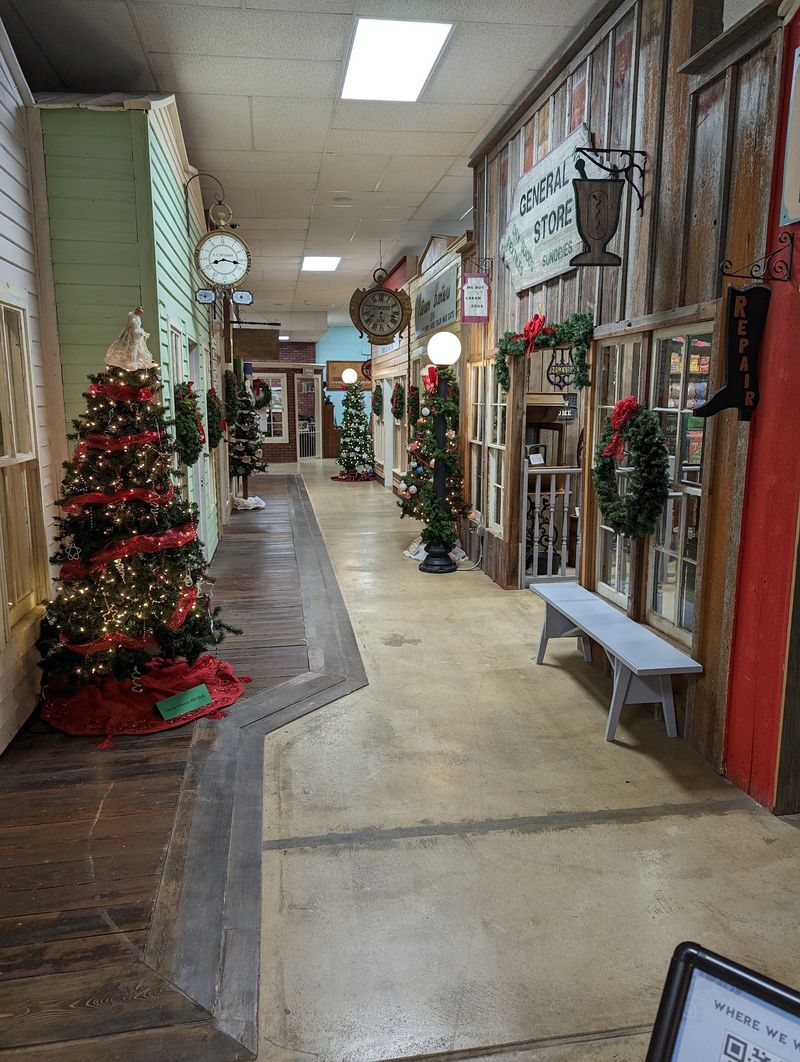
Winter brings a bonus to the indoor Main Street. During the holidays, Christmas trees appear around the museum and add a festive glow to the old-time scenes.
Holiday decorations fit naturally among the storefronts and period rooms. The combination feels like stepping into a small-town Christmas from another century.
It’s a great reason to plan a December outing in central Nebraska. Few places pair holiday cheer with this much history under one roof.
Families visiting during the season often leave wanting to come back. The trees seem to make an already charming place even more special.
Timing matters, of course. Holiday displays change from year to year, so a quick call ahead helps confirm what’s up during your visit.
Still, the idea alone is pretty irresistible. Twinkling trees, a cozy indoor street and nostalgic shop windows sound like an ideal way to spend a chilly afternoon together.
Grandparents, Grandkids And Road Trippers All Fit Right In
Something for every age sounds like a tired promise. At the Plainsman Museum, it actually holds up.
Kids enjoy the time-machine feeling of wandering from shop to shop. Grandparents often recognize tools, toys and gadgets from their own childhoods and happily explain them.
Road trippers are part of the crowd too. Many travelers crossing Nebraska on I-80 spot the sign and make a spontaneous stop.
Volunteers help keep the whole operation running. Welcoming staff greet visitors, and that friendly, small-town spirit carries through the building.
The pace is entirely yours. A quick visit might take under an hour, while curious readers can easily spend two or three hours here.
Military families get a nice perk as well. The museum has offered free admission for active and retired military, which makes the stop even sweeter.
Bring a curious mind and comfortable shoes, and the rest takes care of itself.
Plan Around A Closed Monday And Short Sunday
Getting there is the easy part. The Plainsman Museum sits at 210 16th St, Aurora, NE 68818, just a few minutes off Interstate 80.
Parking won’t cause headaches either. The lot can handle large vehicles, which is handy for RVs and travelers towing trailers.
Hours are fairly generous for a small-town museum. It opens most days of the week, stays closed on Mondays, and keeps shorter afternoon hours on Sundays.
Fridays and Saturdays offer a bit more breathing room later in the day. Schedules can shift with the seasons, so double-checking before you leave is a smart move.
Admission is modest, and military visitors have been admitted free. During winter, the second building may be closed, while the main building stays ready to explore.
Give yourself time. Two hours is a comfortable starting point for most visitors, and history buffs who read every sign may want even longer before closing time sneaks up.
A Winter Afternoon Well Spent On The Prairie
Cold days have a way of shrinking the list of fun things to do. This museum quietly stretches it back out.
The Plainsman Museum packs a sod house, a covered wagon, a barbed wire collection and a full indoor street into one stop. Few small-town museums offer that much variety without asking you to brave the weather.
It also tells a story that feels personal to Nebraska. The artifacts came from the people who shaped Hamilton County, and that local heart shows everywhere.
Families will find plenty to talk about on the drive home. Travelers will be glad they took the exit instead of pushing on toward the next gas station.
So when the next gray weekend rolls around, consider pointing the car toward Aurora. A warm Main Street, a jukebox tune and a century of stories are waiting inside.
Spring and summer visits have their own appeal, especially with the ag building open. Winter, though, might be the coziest season to stroll these old storefronts at an easy pace.