21 Places In California That Feel Especially Rewarding To Visit In Spring
Spring doesn’t just arrive in California. It puts on a show. Hillsides explode in color. Waterfalls roar back to life. Coastal trails feel suddenly electric as migrating wildlife returns to the shoreline.
It’s the season when the entire state seems to wake up at once, trading winter’s quiet for something far more vibrant.
Wildflowers spill across valleys in waves of purple, orange, and gold. Snowmelt sends ribbons of water tumbling down granite cliffs.
Even the deserts, often seen as stark and still, burst into brilliant bloom for a few fleeting weeks each year.
And the best part? You get all this beauty without the peak-summer crowds or heat.
Vineyards glow with fresh green growth, beaches feel breezy and open, and national parks hit that perfect balance between accessibility and raw natural drama.
It’s the kind of season that makes every road trip feel more scenic, every hike more rewarding, and every stop along the way feel like it arrived at exactly the right time.
1. Antelope Valley California Poppy Reserve
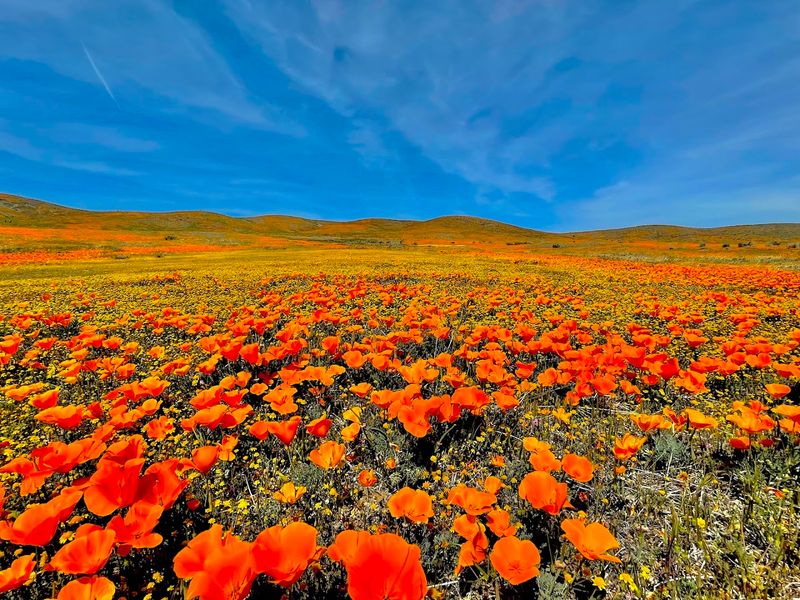
Fields of orange poppies stretch across rolling hills in a display that feels almost unreal. The reserve protects nearly 1,800 acres of wildflowers, with the brilliant blooms typically peaking between mid-March and early May depending on rainfall patterns.
Eight miles of trails wind through the landscape, offering close-up views of the flowers without disturbing their growth.
The terrain stays relatively gentle, making walks accessible for most visitors who want to experience the blooms firsthand.
Timing matters significantly here since the flowers open fully during midday sun and close during overcast conditions or evening hours.
Arriving between late morning and early afternoon usually provides the best viewing experience.
The visitor center offers information about bloom status and trail conditions, helping guests plan their routes effectively.
Rangers share details about the wildflowers and the ecosystem that supports them throughout the season. Weekends draw larger crowds during peak bloom, so weekday visits tend to feel more peaceful.
The reserve sits about 15 miles west of Lancaster, requiring a drive through open countryside that adds to the sense of discovery.
2. Anza-Borrego Desert State Park
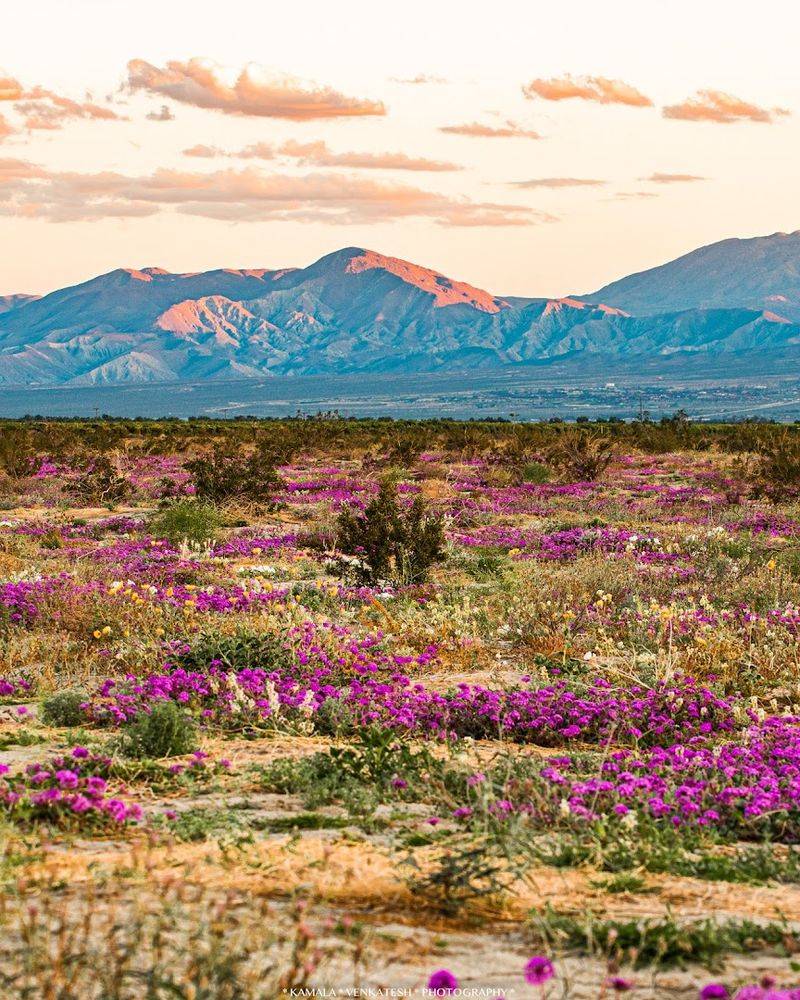
Desert landscapes transform dramatically when winter rains trigger wildflower blooms across this vast park.
Covering over 600,000 acres, it ranks as the largest state park in California and showcases geology alongside seasonal botanical displays.
Spring temperatures stay comfortable for hiking before summer heat arrives, typically offering pleasant conditions from February through April.
The wildflower bloom varies each year based on rainfall timing and amounts, with some springs producing spectacular displays while others remain modest.
Trails range from easy walks to challenging backcountry routes, allowing visitors to choose experiences matching their fitness levels.
The Borrego Palm Canyon trail leads to a natural oasis where California fan palms grow in a rocky canyon.
Badlands formations create dramatic scenery with eroded ridges and colorful sedimentary layers exposed across the terrain.
The Font’s Point overlook provides sweeping views across the desert floor and surrounding mountains.
The park remains relatively uncrowded even during bloom season compared to other spring destinations.
Camping options exist throughout the park, with some campgrounds offering amenities while others provide more primitive experiences in remote areas.
3. Carlsbad Flower Fields
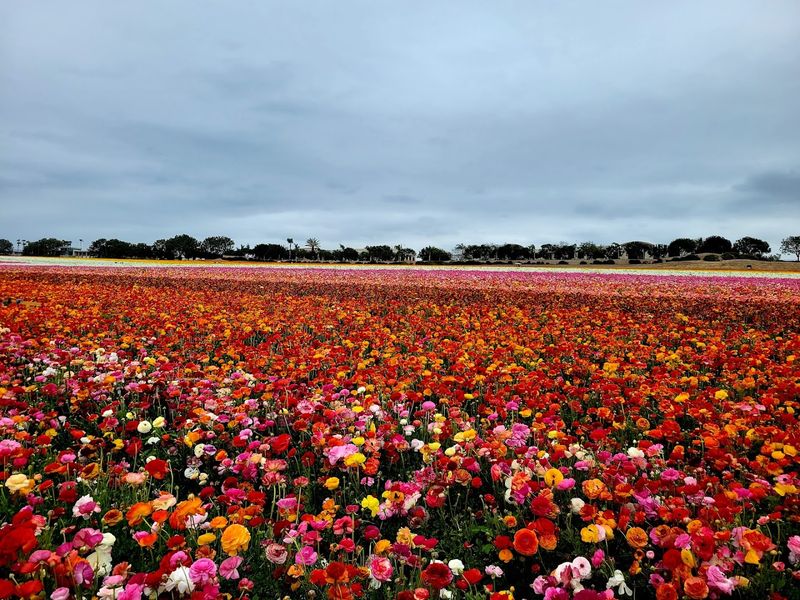
Ranunculus flowers create rainbow-striped hillsides overlooking the Pacific Ocean in a cultivated display that runs from early March through early May.
The 50-acre property grows these flowers commercially while welcoming visitors to walk among the blooms.
Rows of flowers in pink, red, orange, yellow, and white create a pattern visible from nearby roads, drawing attention to the seasonal attraction. Pathways allow guests to walk through sections of the fields for closer views and photographs.
The location sits at 5704 Paseo Del Norte in Carlsbad, positioned on a slope that provides ocean views beyond the colorful foreground.
Visiting during weekday mornings typically means smaller crowds and better lighting for photography.
A small wagon ride operates within the fields, offering a different perspective on the blooms for those who prefer not to walk the entire area.
The site includes a garden area with additional spring flowers and plants. Tickets require advance purchase during most of the season since daily attendance gets capped to manage the experience.
The bloom period stays consistent year to year since these flowers get planted intentionally rather than depending on wild conditions.
4. Yosemite National Park
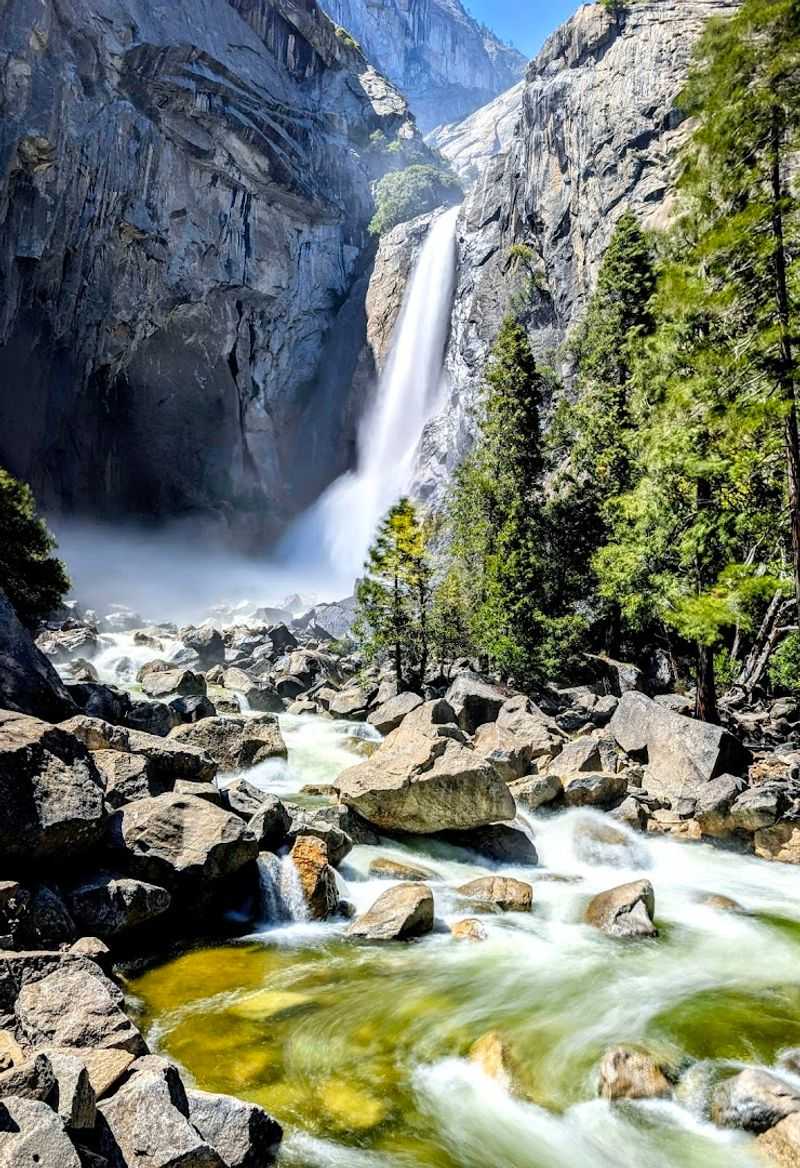
Waterfalls reach their most powerful flows during spring when snowmelt from the high country rushes down granite cliffs.
Yosemite Falls, among the tallest in North America, becomes particularly impressive during April and May.
Dogwood trees bloom throughout the valley, adding white flowers against the backdrop of massive rock formations.
The combination of rushing water, fresh greenery, and flowering trees creates conditions many consider ideal for visiting.
Valley temperatures stay comfortable during spring, typically ranging from the 60s to 70s during daytime hours.
Higher elevations remain snow-covered well into May or June, limiting access to some areas while keeping valley crowds smaller than summer levels.
Hiking trails at lower elevations become accessible as snow melts, though some higher routes stay closed until later in the season.
The Mist Trail to Vernal Fall offers dramatic views of waterfall spray and rushing water during peak flow.
Parking fills quickly even during spring, so arriving early in the day or using the park shuttle system helps avoid frustration.
Reservations for lodging and campgrounds should be made well in advance since spring attracts significant visitor numbers despite being less crowded than summer.
5. Point Reyes National Seashore
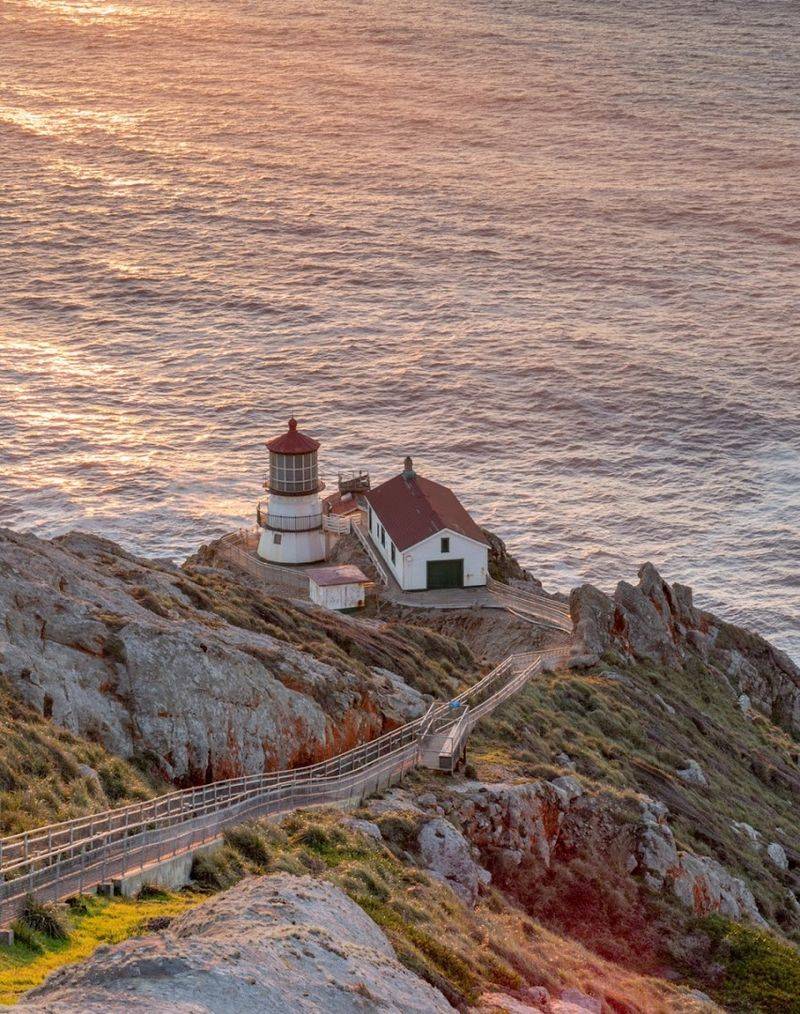
Coastal headlands and protected beaches create diverse landscapes where spring brings migrating gray whales and blooming wildflowers.
The peninsula extends into the Pacific, offering dramatic ocean views and access to ecosystems ranging from beaches to forests.
Wildflowers begin blooming in February and continue through May, with different species appearing throughout the season.
Lupine, poppies, and various coastal plants add color to the grasslands and hillsides.
The Point Reyes Lighthouse sits at the tip of the peninsula, requiring a descent of over 300 steps to reach the structure.
Gray whales migrate past this point during spring months, making it a popular spot for whale watching between March and April.
Several beaches offer different experiences, from the protected waters of Drakes Beach to the wilder conditions at Point Reyes Beach.
Elephant seals can be observed at designated viewing areas during molting seasons.
Trails wind through the landscape, with options ranging from easy walks to longer hikes covering varied terrain. The Tomales Point Trail provides views across the peninsula and opportunities to see tule elk.
Weather can shift quickly with fog rolling in from the ocean, so layered clothing helps visitors stay comfortable throughout the day.
6. Big Sur Coastline
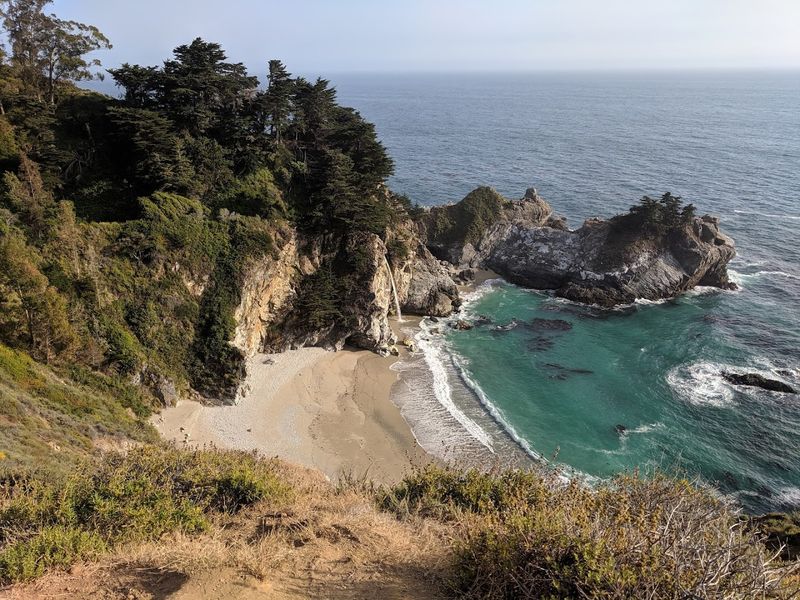
Dramatic cliffs plunge into the Pacific Ocean along Highway 1, creating one of the most scenic coastal drives anywhere.
Spring brings wildflowers to the hillsides while keeping temperatures mild for exploring the area. Waterfalls flow more vigorously during spring months when rainfall and runoff increase their volume.
McWay Falls drops directly onto a beach, creating a picturesque scene accessible via a short trail from the highway. Hiking options range from coastal trails to routes climbing into the Santa Lucia Mountains.
The terrain varies significantly, with some paths staying relatively level while others involve steep climbs and challenging conditions.
State parks along the route provide access to beaches, redwood groves, and viewpoints. Pfeiffer Big Sur State Park offers camping and trails through diverse landscapes including riverside areas and forested hillsides.
The highway itself requires careful driving with its curves and elevation changes, but pullouts allow stops for photographs and taking in the scenery.
Spring typically means less fog than summer months, improving visibility along the coast. Visitor numbers stay lower than summer levels while weather remains generally pleasant.
Lodging and camping options exist throughout the area though reservations remain advisable even during the shoulder season.
7. Napa Valley
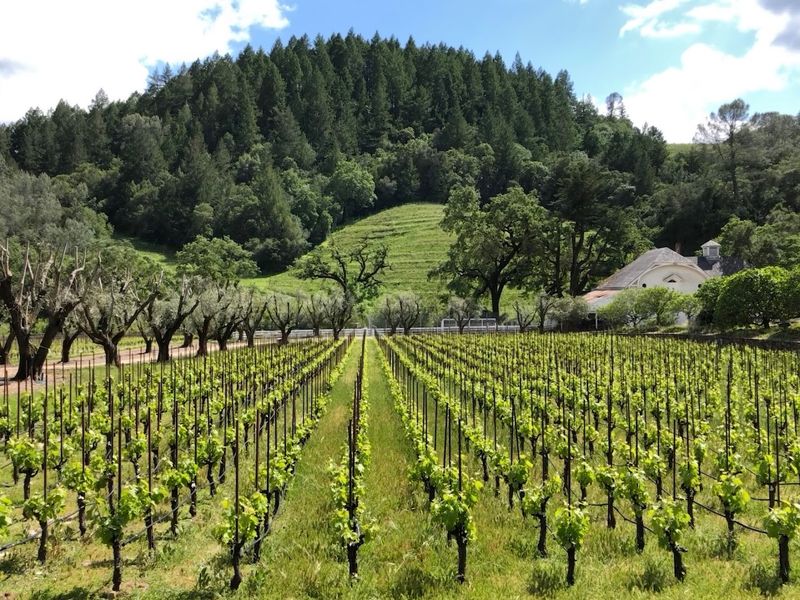
Grapevines emerge from winter dormancy with fresh green growth while mustard plants bloom yellow between the rows.
The contrast of yellow flowers against new vine growth creates the quintessential California spring scene across the valley.
Temperatures during spring stay comfortable for wine tasting and exploring the region, typically ranging from the 60s to 70s.
The season falls outside peak tourist periods, meaning wineries feel less crowded and appointments may be easier to secure. Many wineries welcome visitors for tastings in settings ranging from casual to formal.
The experience varies significantly by location, with some focusing on education while others emphasize ambiance and food pairings. Towns like Yountville, St. Helena, and Calistoga offer dining and shopping between winery visits.
The valley stretches roughly 30 miles, making it possible to visit multiple locations in a day while still allowing time to enjoy each stop.
Cycling becomes popular during spring with several companies offering bike rentals and guided tours through the vineyards. The relatively flat valley floor makes cycling accessible for various fitness levels.
Hot air balloon rides operate during spring mornings, providing aerial views of the patchwork vineyards and surrounding mountains.
Booking ahead remains important for both lodging and winery appointments even during this quieter season.
8. Sonoma County Wine Country
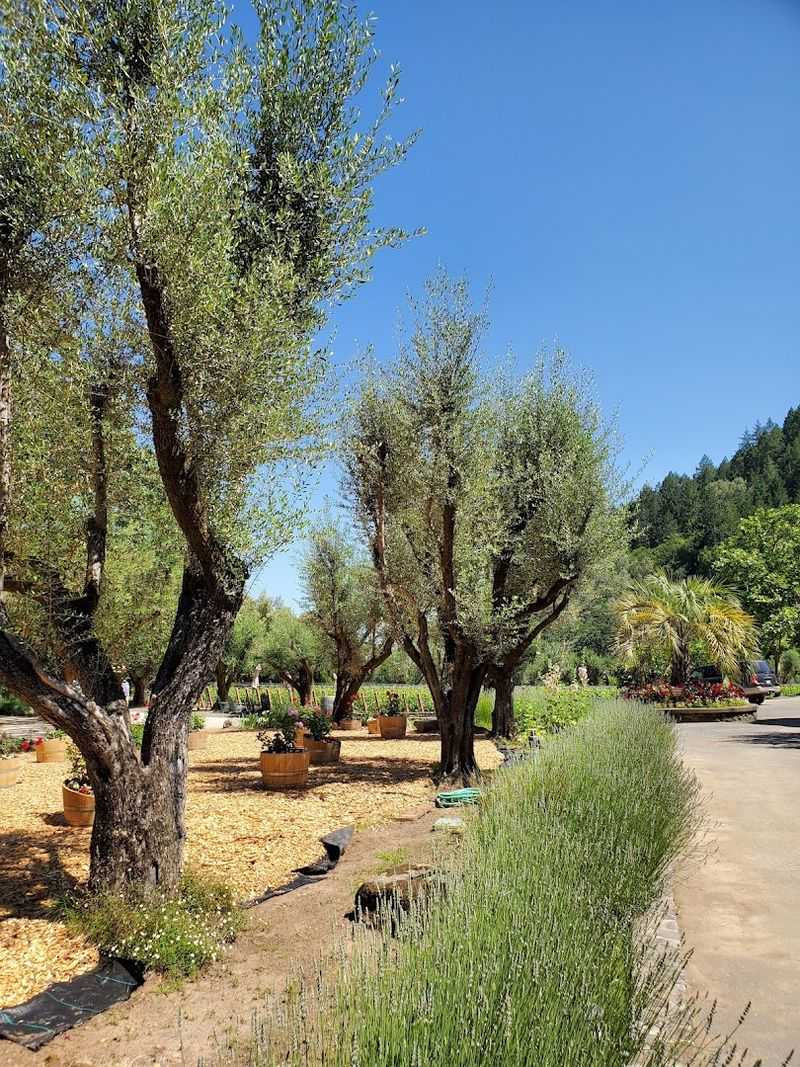
Vineyards spread across rolling hills and valleys in a region that feels slightly more relaxed than neighboring Napa.
Spring brings the same fresh vine growth and wildflower displays while maintaining a more laid-back atmosphere.
The county encompasses diverse terrain from coastal areas to inland valleys, creating varied microclimates and wine-growing conditions.
This diversity means visitors can experience different landscapes and wine styles within relatively short drives. Towns like Healdsburg, Sonoma, and Sebastopol serve as bases for exploring the region.
Each has its own character, with Healdsburg centered around a plaza and Sonoma offering historic buildings alongside wine tasting rooms.
Spring weather stays pleasant for outdoor activities including hiking in regional parks between winery visits.
Armstrong Redwoods State Natural Reserve provides a contrast to vineyard landscapes with its ancient trees and shaded trails.
Farm stands and farmers markets operate throughout the region, showcasing local produce that complements the wine focus.
Many wineries maintain more casual tasting experiences than those in Napa, though upscale options exist as well. The Russian River area attracts visitors interested in both wine and outdoor recreation.
Kayaking and canoeing become popular as water levels rise during spring, offering different ways to experience the landscape beyond wine tasting.
9. Lake Tahoe
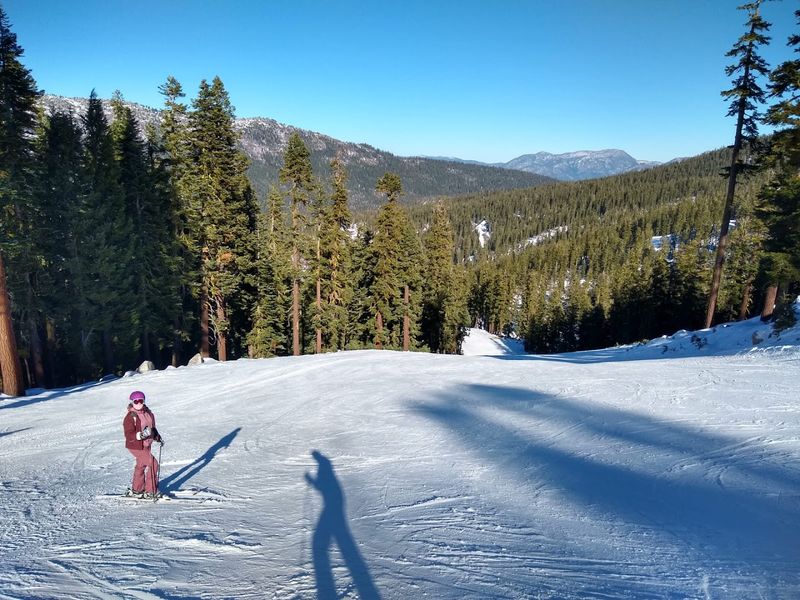
The transition from winter to spring creates unique conditions around the lake as snow begins melting at lower elevations while higher peaks remain white.
This combination allows for both skiing and hiking depending on elevation and exposure.
Water in the lake maintains its remarkable clarity and deep blue color, particularly striking against lingering snow on surrounding peaks.
Beaches start becoming accessible as temperatures warm, though the water itself stays quite cold through spring.
Some ski resorts extend operations into April or even May, taking advantage of the high elevation snow.
Meanwhile, lower elevation trails begin opening for hiking as snow recedes and ground dries. The Tahoe Rim Trail circles the lake with sections becoming accessible at different times as conditions allow.
Spring hikers need to check current conditions since snow can linger on north-facing slopes and shaded areas.
Towns around the lake shift from winter to summer mode during spring, with some businesses reopening after seasonal closures.
The pace feels quieter than peak summer or winter periods. Waterfalls fed by snowmelt flow at their strongest during spring months.
Eagle Falls and Cascade Falls become particularly impressive, though accessing them requires checking trail conditions since approaches may still have snow or mud.
10. Mammoth Lakes
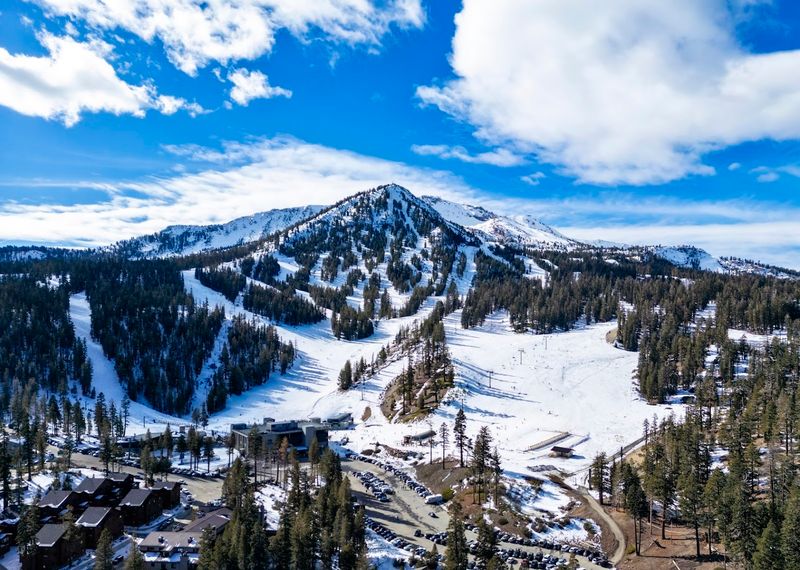
High elevation keeps winter conditions lingering well into spring, making this a destination where skiing continues through May while lower areas begin showing signs of the season change.
The extended ski season attracts visitors seeking late-season snow. Mammoth Mountain in California typically operates lifts through May and sometimes into June depending on snow conditions.
Spring skiing often means warmer temperatures and softer snow compared to midwinter conditions. As snow melts, it feeds numerous lakes and streams throughout the area.
The Lakes Basin begins becoming accessible during late spring, though exact timing varies yearly based on snowpack and weather patterns.
Hiking trails at lower elevations start opening while higher routes remain snow-covered. This creates a gradual transition where visitors can find accessible trails while still enjoying mountain scenery with snow-capped peaks.
The town of Mammoth Lakes provides lodging and dining options with a more relaxed atmosphere during spring compared to peak winter crowds.
Prices often drop as the ski season winds down and before summer visitors arrive. Hot springs in the area offer a contrast to snowy surroundings.
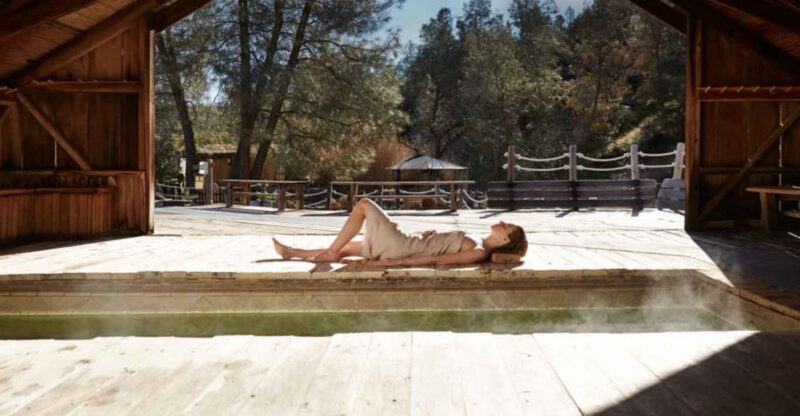
Several natural hot springs exist within driving distance, providing opportunities for soaking in warm water while surrounded by mountain scenery.
Wildlife becomes more visible as animals emerge from winter patterns and begin moving through the area during spring months.
11. Mount Tamalpais State Park
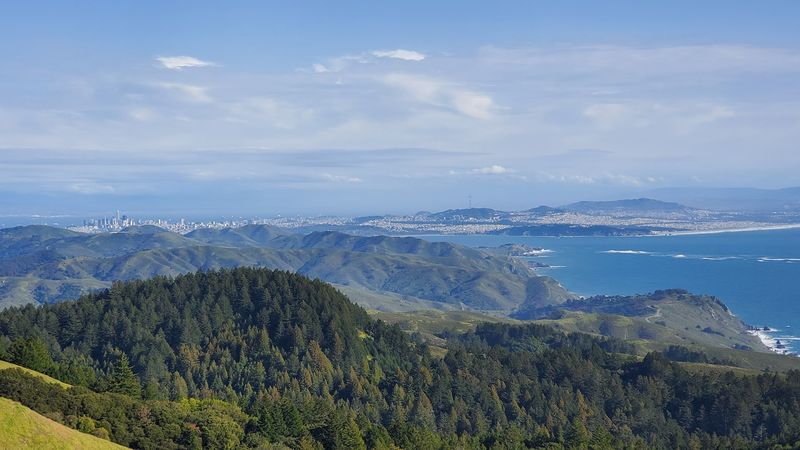
Rising above the San Francisco Bay Area, this mountain provides sweeping views while hosting diverse plant communities that bloom throughout spring.
The proximity to both ocean and bay creates microclimates supporting varied vegetation. Over 60 miles of trails wind through the park, ranging from gentle paths to steep climbs.
Spring brings wildflowers to the grasslands and shade under the trees as leaves fill out after winter. The Dipsea Trail ranks among the most famous routes, though it involves significant elevation change and challenging sections.
Easier options exist for those wanting to experience the mountain without extreme effort. Views extend across the bay to San Francisco and the East Bay hills on clear days.
Fog often fills the bay during spring afternoons, creating dramatic scenes as it flows around the mountain.
The Mountain Theater, a natural stone amphitheater, hosts performances during late spring and summer. The setting carved into the mountainside creates a unique venue for outdoor productions.
Muir Woods National Monument sits on the mountain’s slopes, protecting old-growth coast redwoods.
Spring brings relatively smaller crowds than summer while the trees maintain their year-round grandeur.
Parking areas fill quickly on weekends, so early arrival or weekday visits help secure spots and provide more peaceful trail experiences.
12. Mendocino Coast
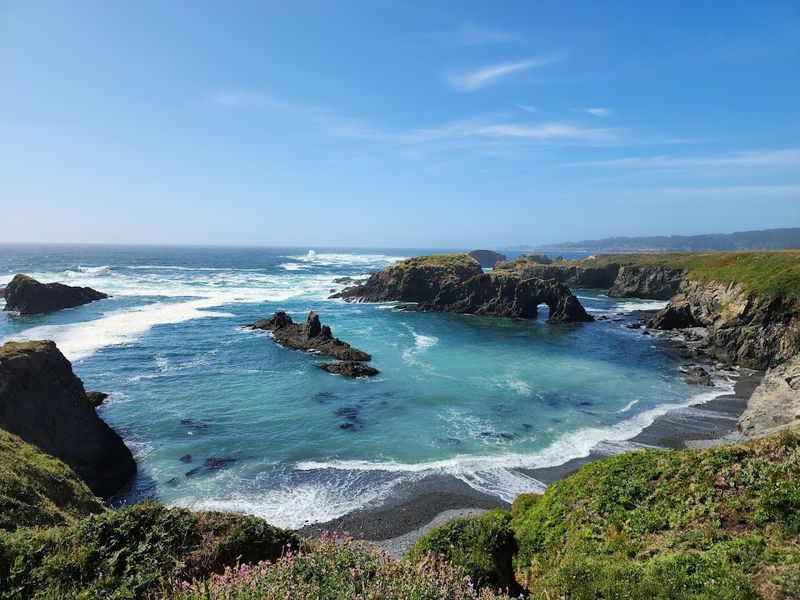
Rugged coastline meets charming villages where Victorian architecture overlooks dramatic ocean scenery.
Spring brings wildflowers to the coastal bluffs while keeping temperatures cool and comfortable for exploring.
The town of Mendocino sits on a headland surrounded by water on three sides, creating numerous viewpoints accessible via short walks.
Historic buildings house galleries, shops, and restaurants, giving the town a distinct character.
Coastal trails wind along the bluffs, offering views of sea stacks, coves, and the Pacific stretching to the horizon.
Wildflowers bloom on the headlands, adding color to the already scenic landscape. Gray whales migrate past during spring months, visible from various coastal viewpoints.
The migration typically peaks in March and April as whales travel north toward feeding grounds. State parks along the coast provide access to beaches, forests, and additional hiking options.
Russian Gulch State Park features a waterfall accessible via a relatively easy trail through coastal forest. The area maintains a quieter atmosphere than more developed coastal regions.
Spring falls outside peak tourist season, meaning lodging availability improves and restaurants feel less crowded.
Weather requires layers since conditions can shift from sunny to foggy quickly. Mornings often start cool with fog that may burn off by afternoon or persist throughout the day.
13. Channel Islands National Park
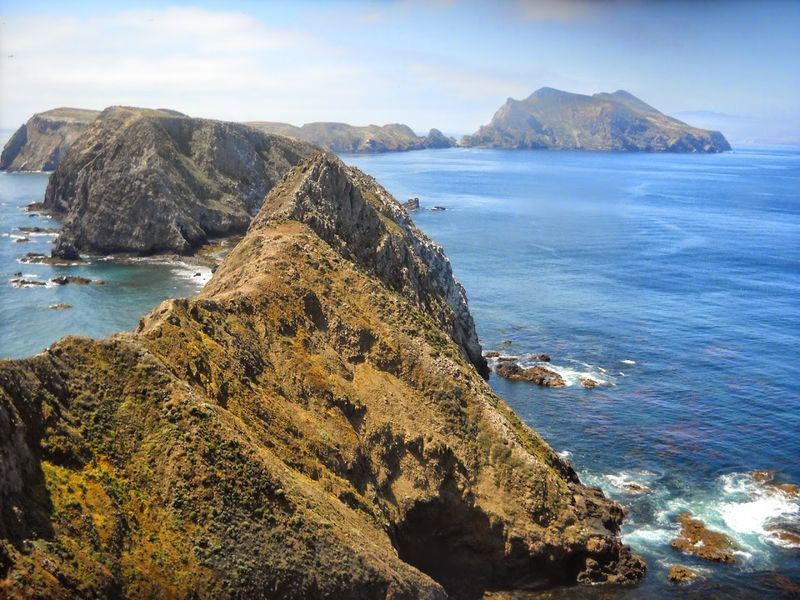
Five islands off the coast create a protected environment where unique plant and animal species thrive away from mainland development. Spring brings nesting seabirds and blooming wildflowers found nowhere else.
Reaching the islands requires boat transportation from Ventura or Oxnard, with crossing times varying by island.
The journey itself often includes opportunities to see dolphins, seals, and occasionally whales. Santa Cruz Island, the largest, offers the most extensive trail system and varied landscapes.
Hiking options range from coastal routes to climbs into the island’s interior where endemic island scrub oak grows.
Wildflowers bloom prolifically during spring, with many species occurring only on these islands. The giant coreopsis creates particularly dramatic displays with its thick trunk-like stems topped by yellow flowers.
Kayaking around the islands provides access to sea caves and coastal features not visible from land. Several outfitters offer guided trips for those wanting to explore the shoreline from water level.
Camping exists on several islands for visitors wanting extended stays. The experience feels remote since no services exist on the islands themselves, requiring campers to bring all necessary supplies.
Weather can change rapidly, so preparation for various conditions remains important even during spring. Wind often picks up during afternoons, affecting both boat crossings and hiking comfort.
14. Santa Barbara
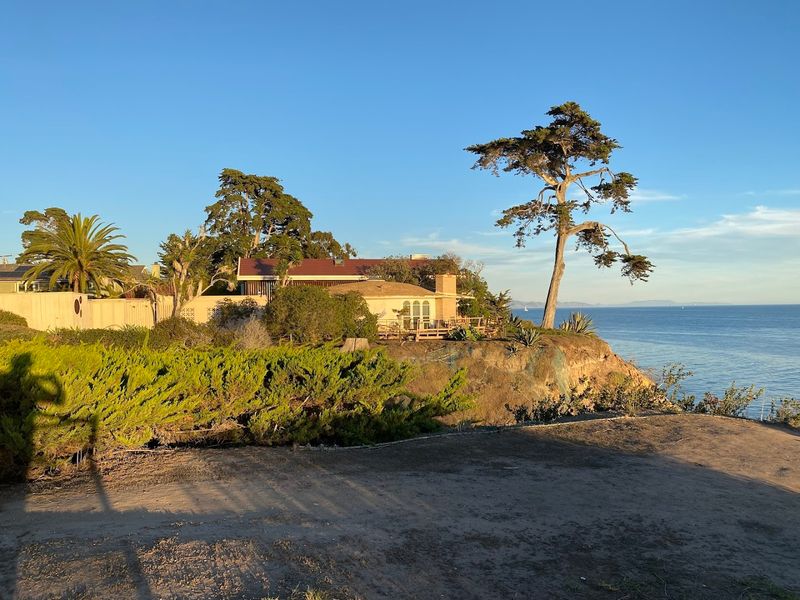
Spanish colonial architecture and palm-lined streets create an atmosphere that feels distinctly Mediterranean along this coastal city.
Spring brings comfortable temperatures and blooming gardens throughout the area. The waterfront stretches for miles with beaches, a harbor, and paths for walking or cycling.
Stearns Wharf extends into the water, offering shops and restaurants alongside views back toward the city and mountains.
The historic downtown area centers around State Street, where shops and restaurants occupy buildings with red-tiled roofs and white stucco walls.
The architectural style remains consistent throughout the area, creating visual cohesion. The Santa Barbara Mission sits in the foothills above the city at 2201 Laguna Street, featuring gardens and historic buildings.
The grounds provide peaceful spaces for walking while offering views across the city toward the ocean. Botanical gardens showcase both native plants and species from similar climates around the world.
Spring blooms make this an particularly appealing time to visit these spaces. The arts scene includes galleries, theaters, and museums.
The Santa Barbara Museum of Art at 1130 State Street houses collections ranging from ancient to contemporary works. Wine tasting rooms in the downtown area offer alternatives to driving into wine country.
Several local wineries maintain tasting spaces within walking distance of each other along the Funk Zone near the waterfront.
15. Ojai Valley
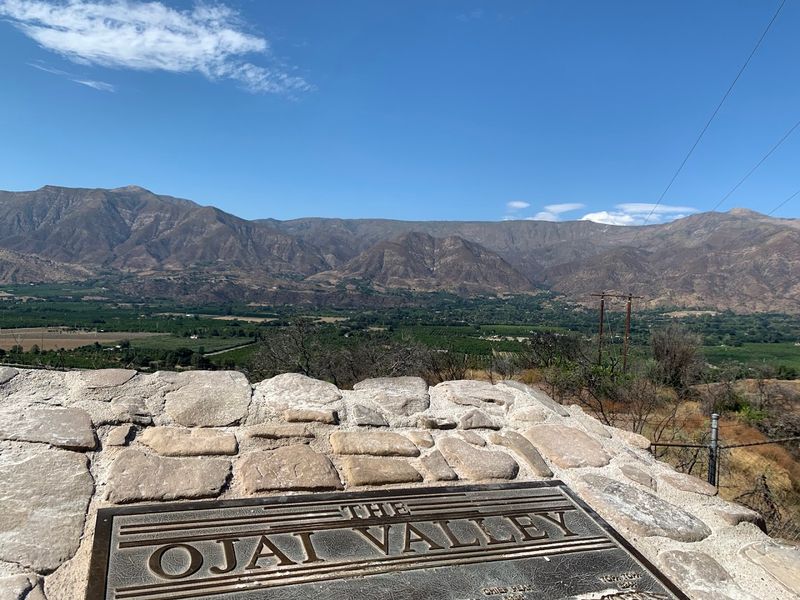
Mountains surround this inland valley where orange groves and oak trees create a landscape that feels removed from coastal development.
Spring brings comfortable warmth without the intense heat of summer months.
The town of Ojai, California maintains a small-scale character with local shops and restaurants along the main street.
The arcade downtown features a distinctive tower and covered walkway housing various businesses.
Hiking trails in the surrounding mountains offer varying difficulty levels and different perspectives on the valley.
The Shelf Road trail provides relatively gentle walking with views across the agricultural land and town below.
Orange groves throughout the valley may still have fruit during early spring while trees also bloom, creating a mix of scent and visual appeal. The agricultural character remains strong despite development pressures.
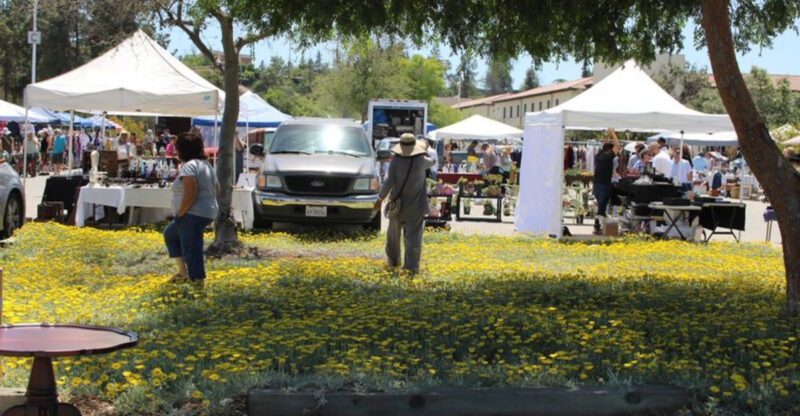
Libbey Park in the center of town hosts a farmers market on Sundays where local growers sell produce and other products.
The park itself provides shade and space for relaxing between other activities. Art galleries and studios reflect the creative community that has developed in the area.
First Friday events bring people out to explore the arts scene with special openings and extended hours.
The valley’s orientation creates particularly striking sunsets when light hits the mountains. This phenomenon has earned the area nickname recognition for its evening light quality.
16. Joshua Tree National Park
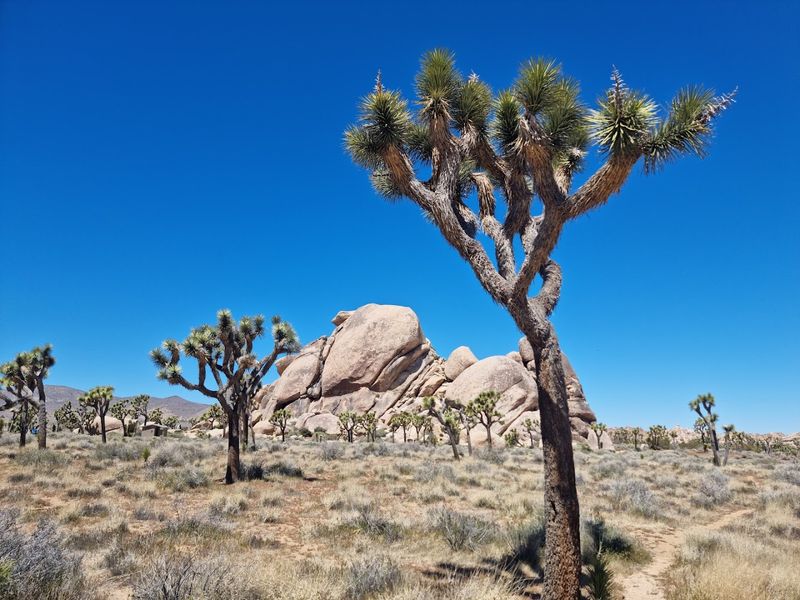
Strange-looking trees give this desert park its name while creating landscapes that feel otherworldly.
Spring brings the possibility of wildflower blooms and temperatures comfortable for hiking before summer heat arrives. Two distinct desert ecosystems meet within the park boundaries.
The higher Mojave Desert supports the Joshua trees while the lower Colorado Desert contains different plant communities.
Rock formations throughout the park attract climbers and create dramatic scenery for hikers and photographers.
Massive boulder piles formed through geologic processes create unique shapes and spaces to explore. Wildflower blooms depend heavily on rainfall timing and amounts, making them unpredictable.
When conditions align, the desert floor can become covered with colorful displays typically peaking in March or April. Hiking trails range from short nature walks to longer backcountry routes.
The Cholla Cactus Garden offers an easy loop through dense stands of these distinctive cacti, particularly photogenic during morning or evening light.
The park’s relatively high elevation keeps spring temperatures moderate, though deserts experience significant temperature swings between day and night. Layers help visitors stay comfortable as conditions change throughout the day.
Stargazing draws many visitors since the remote location and dry air create exceptional viewing conditions. Spring typically offers clear nights before summer monsoon moisture arrives.
17. Death Valley National Park
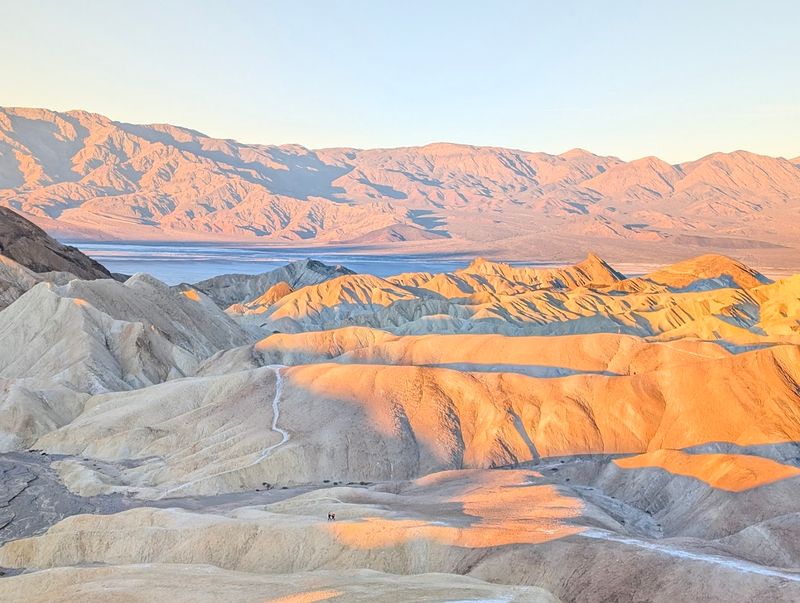
Extreme conditions define this desert landscape where summer temperatures regularly exceed 120 degrees.
Spring provides one of the most comfortable seasons for visiting while occasionally producing spectacular wildflower displays. Super blooms occur unpredictably when winter rains arrive at the right times and amounts.
These rare events can cover the valley floor in carpets of flowers, drawing visitors from around the world to witness the transformation.
Even without a super bloom, spring brings more moderate temperatures suitable for exploring the park’s varied features.
Badwater Basin sits at the lowest elevation in North America, creating a vast salt flat that extends across the valley floor.
Zabriskie Point provides sunrise views over eroded badlands where colorful sedimentary layers create patterns across the landscape. The overlook requires only a short walk from the parking area.
Sand dunes near Stovepipe Wells offer opportunities to walk on shifting sands with mountains rising in the background. The contrast between dunes and rocky peaks creates striking compositions.
Artist’s Drive winds through hills where mineral deposits have colored the rocks in shades of pink, green, and purple. The one-way road allows stops at pullouts for closer looks at the geological features.
Visiting during spring means arriving prepared with plenty of water and sun protection despite more moderate temperatures. The desert environment remains harsh even during the most pleasant season.
18. Sequoia National Park
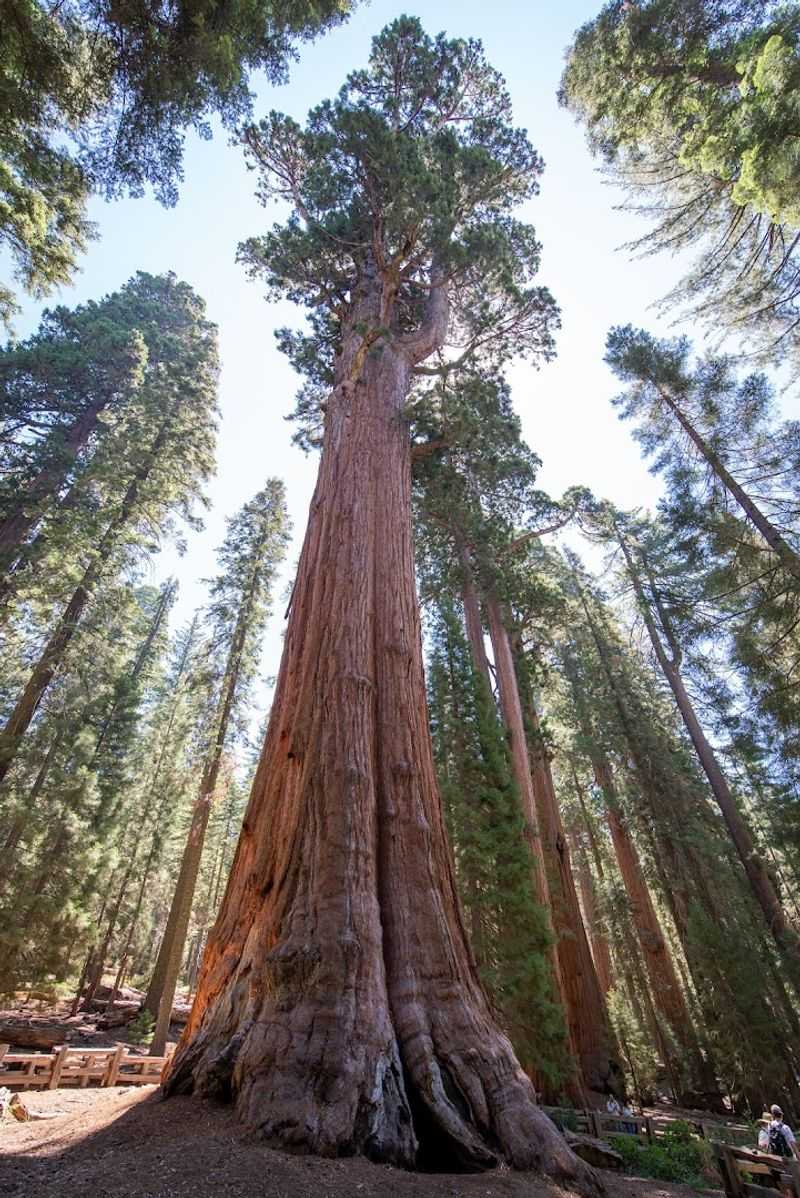
Giant sequoia trees tower over the California landscape in groves scattered throughout the park. Spring brings fresh growth to the forest floor and smaller crowds than summer months while most areas become accessible as snow melts.
The General Sherman Tree stands as the largest tree by volume on Earth. A paved trail leads to this massive sequoia, allowing visitors to grasp the scale of these ancient trees.
Congress Trail loops through the Giant Forest, passing numerous large sequoias. The relatively flat path makes it accessible for most visitors while providing close encounters with these impressive trees.
Elevation in the park ranges from foothills to high peaks, creating varied environments and ecosystems.
Lower areas warm earlier in spring while higher elevations may retain snow into May or June. Moro Rock offers panoramic views after climbing over 350 stairs to its summit.
The granite dome provides perspectives across the forested landscape and toward the high Sierra peaks.
Crystal Cave requires advance reservations for tours that lead into a marble cavern beneath the surface.
The cave remains cool year-round, providing a different experience from surface exploration. Black bears become more active during spring as they emerge from winter dormancy.
Proper food storage remains essential throughout the park to protect both visitors and wildlife. Wildflowers bloom at various elevations throughout spring, with timing depending on snowmelt and exposure.
19. Kings Canyon National Park
Deep canyons carved by rivers create dramatic landscapes adjacent to Sequoia National Park. Spring brings rushing water from snowmelt and access to areas closed during winter months.
Kings Canyon itself drops thousands of feet, creating one of the deepest canyons in North America. The canyon drive descends into this gorge, following the river through increasingly narrow walls.
Cedar Grove sits at the bottom of the canyon, providing a base for exploring trails that lead deeper into the backcountry.
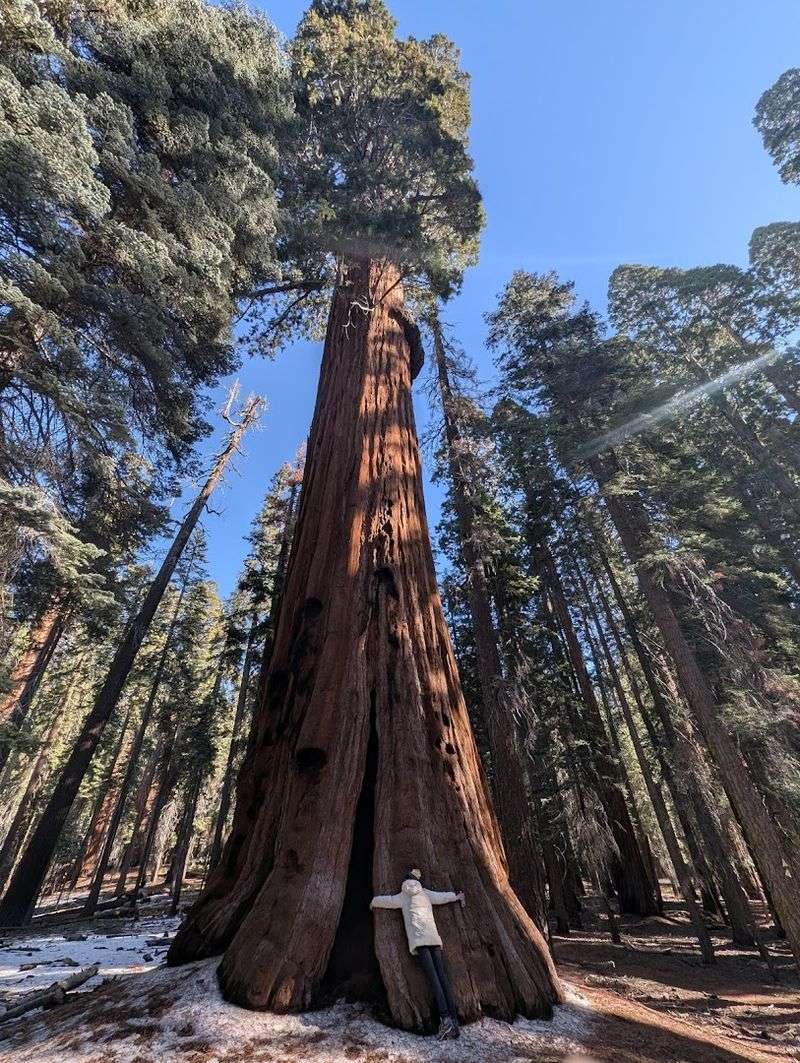
The area typically opens in May, depending on snow conditions and road clearing. The General Grant Tree, another massive sequoia, stands in Grant Grove near the park entrance.
This area remains accessible year-round, unlike the deeper canyon areas that close during winter. Waterfalls throughout the park flow most impressively during spring snowmelt.
Roaring River Falls provides easy access via a short trail to a powerful cascade. Hiking options range from short walks to multi-day backpacking routes into the high country.
Spring conditions mean checking trail status since higher elevations remain snow-covered well into the season.
The South Fork of the Kings River rushes through the canyon, creating white water that attracts rafters during peak flow. Several outfitters offer guided trips through sections of the canyon during spring months.
Wildlife sightings increase during spring as animals become more active and visible throughout the park.
20. Golden Gate Park
Over 1,000 acres of parkland stretch through San Francisco, containing gardens, museums, and recreational spaces.
Spring brings blooms to various gardens throughout the park while keeping temperatures comfortable for exploring.
The Japanese Tea Garden features traditional landscaping with ponds, bridges, and carefully maintained plants.
Cherry blossoms typically bloom in March or early April, drawing visitors to see the delicate pink flowers.
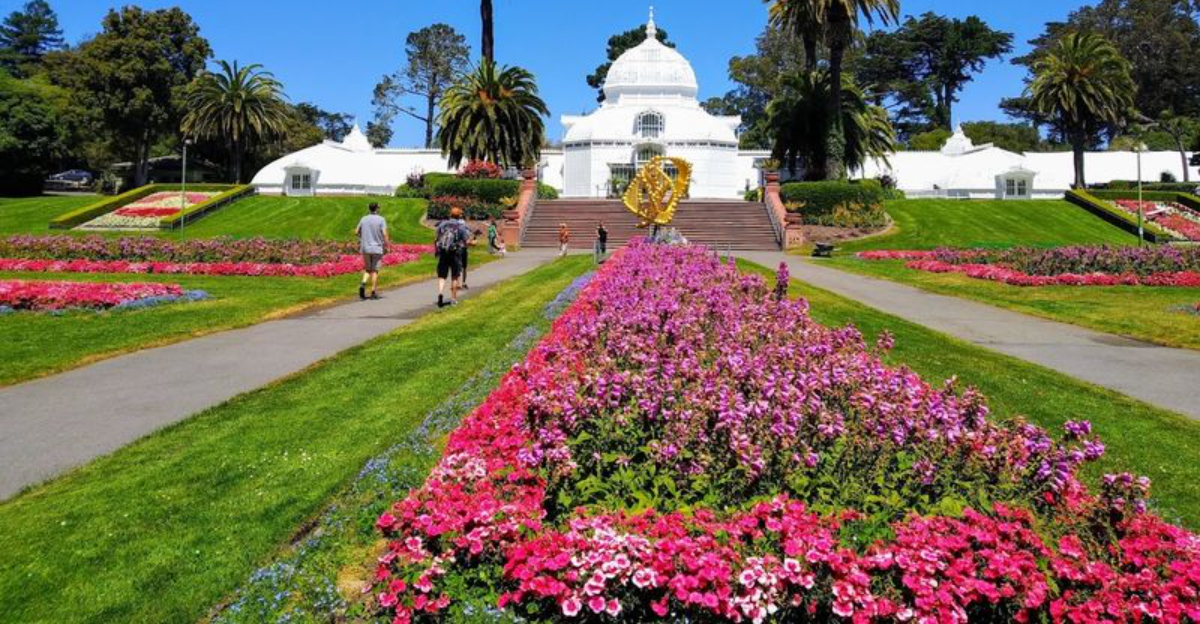
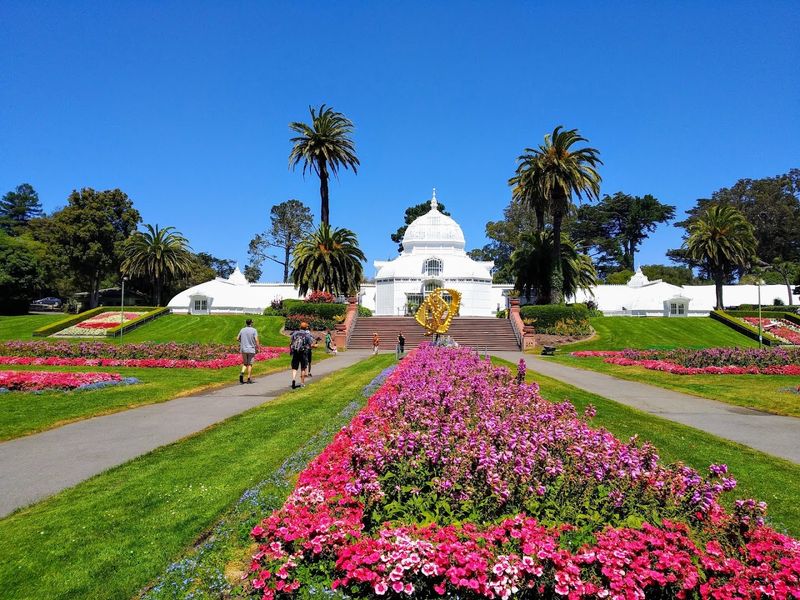
The Conservatory of Flowers at 100 John F. Kennedy Drive houses tropical plants in a Victorian greenhouse. Special displays change seasonally, often featuring spring blooms and themed arrangements.
The San Francisco Botanical Garden contains plants from around the world organized by geographic origin.
Spring brings blooms to many sections, with particularly impressive displays in the California native plant area.
Stow Lake provides opportunities for paddle boat rentals and walking around its shoreline. The lake sits in the center of the park, offering a peaceful break from urban surroundings.
The de Young Museum at 50 Hagiwara Tea Garden Drive showcases art collections ranging from American pieces to international works. The building itself features distinctive architecture with a tower offering city views.
Bison have lived in the park since the 1890s, maintained in a paddock where visitors can observe these large animals. The herd represents one of the park’s more unusual features.
21. Torrey Pines State Natural Reserve
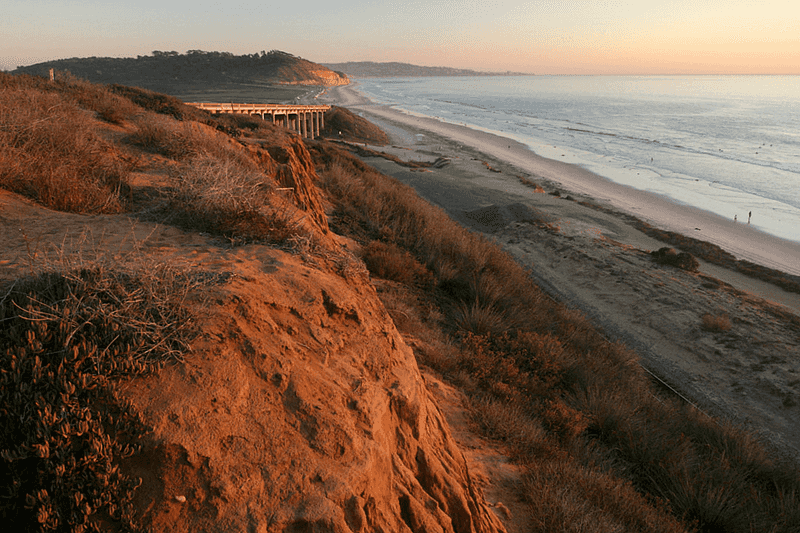
Rare Torrey pine trees grow naturally only in this coastal reserve and one island location. The reserve protects these trees along with coastal sage scrub and dramatic sandstone cliffs overlooking the Pacific.
Trails wind along the bluffs and down to the beach, offering varied perspectives on the landscape. Spring brings wildflowers to the coastal scrub while keeping temperatures comfortable for hiking.
The Torrey pines themselves create distinctive silhouettes against the sky with their irregular branching patterns.
These trees adapted to harsh coastal conditions, growing in poor soil with salt spray and wind. Beach access requires descending trails that can be steep and sandy.
The beach below the cliffs stretches for miles, popular with walkers and surfers who appreciate its relatively undeveloped character.
The reserve visitor center provides information about the ecology and geology of the area. Docents often lead guided walks explaining the unique features of this protected landscape.
Erosion continually shapes the sandstone cliffs, creating interesting formations and textures. The soft rock weathers into curves and hollows that change gradually over time.
Parking fills quickly on weekends and during peak visiting times. Arriving early in the day improves chances of securing a spot and provides cooler temperatures for hiking.
The reserve sits within San Diego’s northern reaches, making it accessible for visitors staying in the city while offering a natural setting that feels removed from urban development.