17 Places In Idaho That Feel Especially Rewarding To Visit In Spring
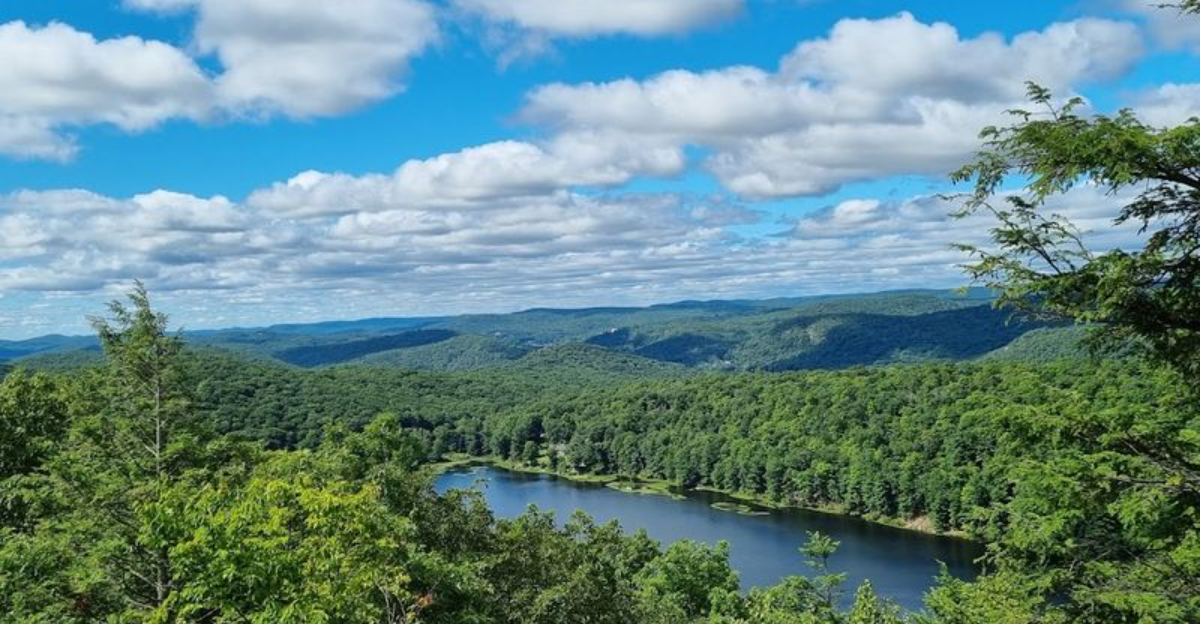
Spring shows up in Idaho like an overconfident houseguest, loud, dramatic, and absolutely impossible to ignore.
Wildlife is strolling back onto trails with the unbothered energy of someone returning from a very long vacation.
The season does not ease you in gently, it just throws the whole state at you and dares you to keep up.
1. Idaho Botanical Garden
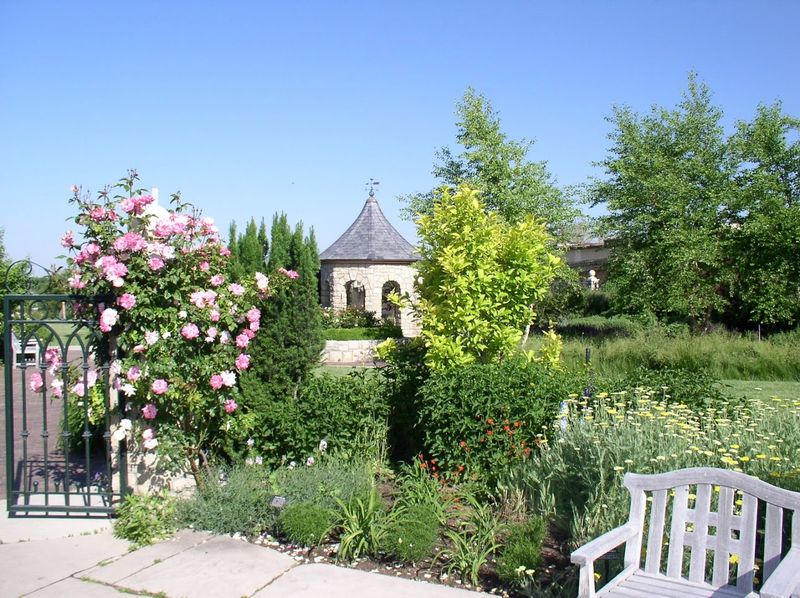
Color is the whole point of a spring visit to the Idaho Botanical Garden, and it delivers from the moment you step through the gate. Spread across 15 acres near the old state penitentiary, the garden functions as a living museum with flowers, trees, sculptures, and a peaceful koi pond.
You can find it at 2355 N Old Penitentiary Rd, Boise, ID 83712, making it an easy addition to any Boise spring itinerary.
Fresh blooms and green pathways make every corner feel like a new discovery. Families, photographers, and casual walkers all find something to enjoy here.
As Boise warms up through April and May, this garden becomes one of the most cheerful spots in the entire city.
2. University Of Idaho Arboretum And Botanical Garden
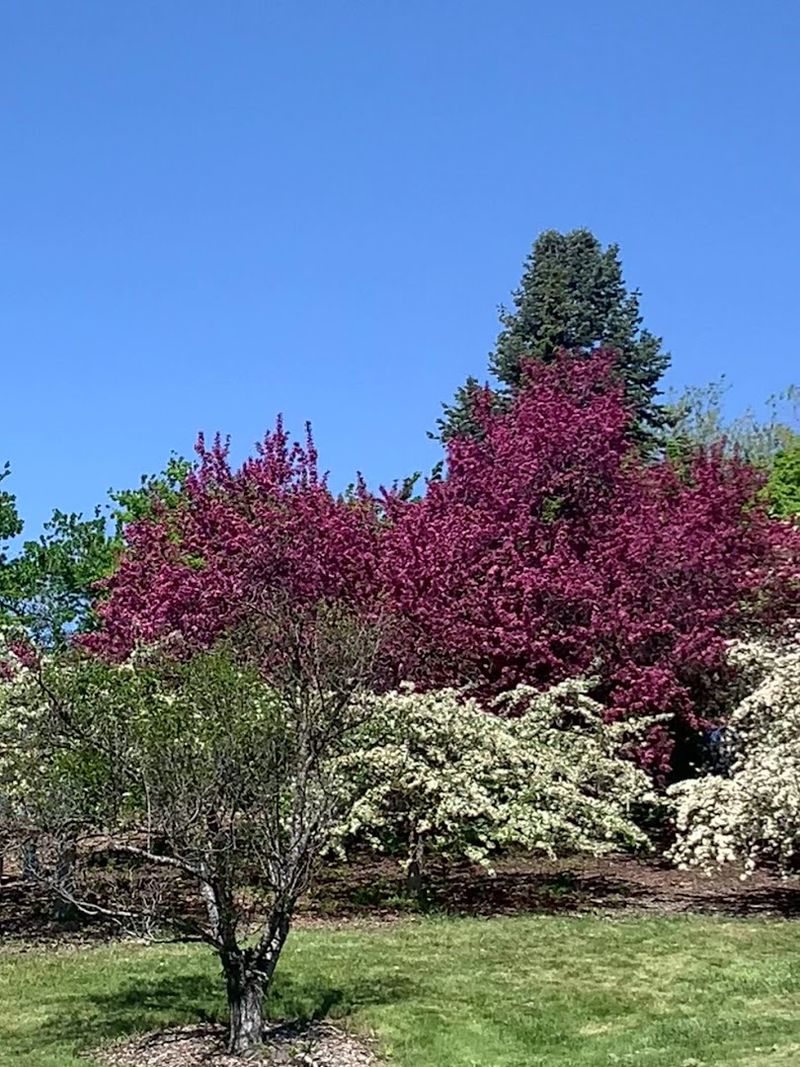
Moscow gets one of its best spring walks from the University of Idaho Arboretum and Botanical Garden. Current University of Idaho pages place it at 1200 West Palouse River Drive and describe a collection of more than 17,000 plants representing over 2,400 species and cultivars.
That scale matters in spring because the season does not arrive here as one isolated burst. It moves through the arboretum in layers, with trees, gardens, hillsides, and open views across the Palouse making the whole place feel fuller by the week.
The university recently highlighted the site again as a place for gardens, trees, and sweeping spring scenery, which fits the experience well. It is a quiet kind of payoff, but a strong one.
3. World Center For Birds Of Prey
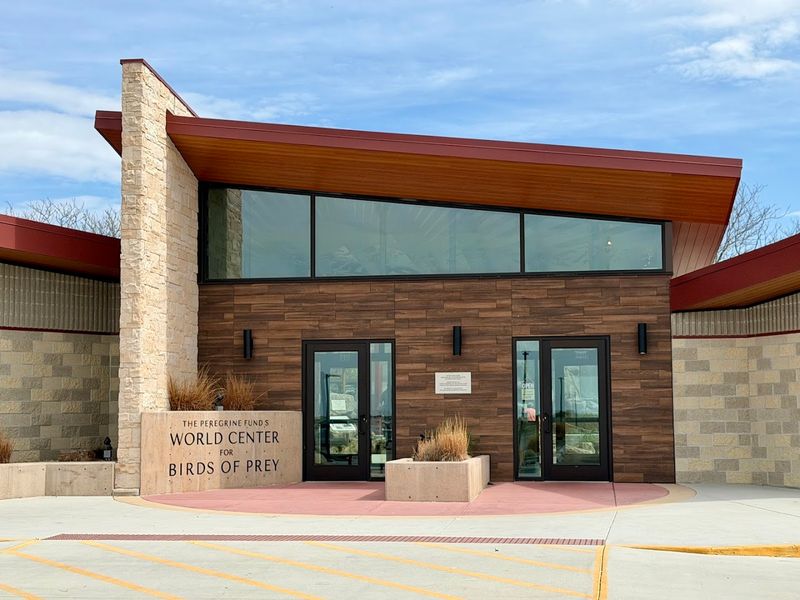
Spring is already one of Idaho’s best wildlife seasons, and the World Center for Birds of Prey gives that season a powerful head start. Current visitor pages place it at 5668 West Flying Hawk Lane in Boise and list regular public hours from 10 a.m. to 5 p.m., with live bird programs at 11 a.m., 1 p.m., and 3 p.m.
What makes it especially rewarding in spring is the timing. Many people are already thinking about migration, raptors, and getting outside, so visiting a center built around eagles, falcons, condors, and other birds of prey sharpens the whole season immediately.
Seeing these birds up close before heading out into the field changes how the rest of spring birding feels.
4. Thousand Springs State Park
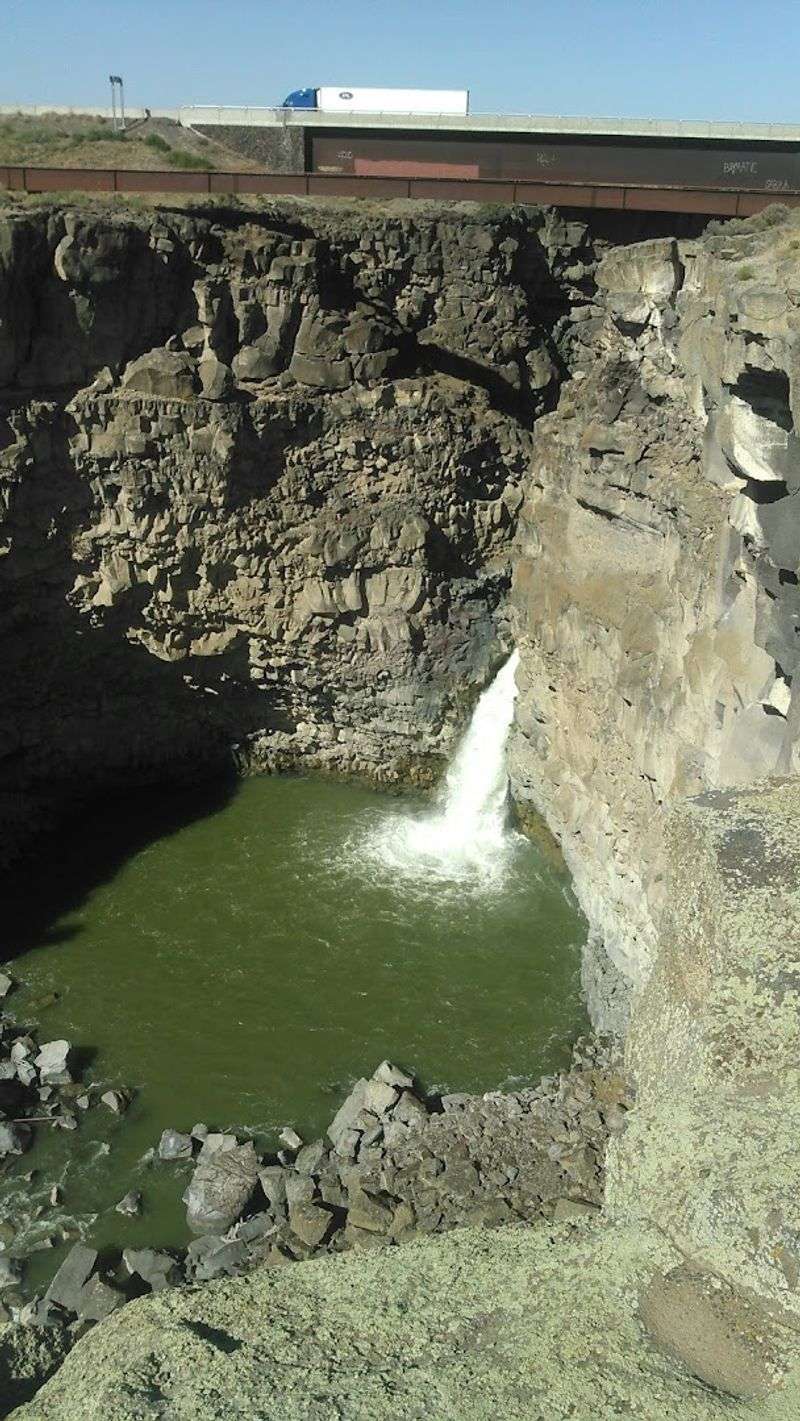
Nothing in southern Idaho feels quite as surprising in spring as water erupting straight from canyon walls. Idaho Parks lists the Thousand Springs Visitor Center at 17970 U.S.
Highway 30 in Hagerman and currently shows spring visitor-center hours running Thursday through Monday from 9 a.m. to 3 p.m. The park’s larger appeal comes from its multiple units, which means the spring reward is not one single view but a whole collection of springs, waterfalls, pools, and canyon-edge landscapes.
Water and fresh green growth make the contrast with the dark basalt even stronger at this time of year. It is one of those places where spring does more than improve the scenery.
It explains it. The landscape suddenly looks alive in a way that is harder to feel in drier months.
5. Mesa Falls
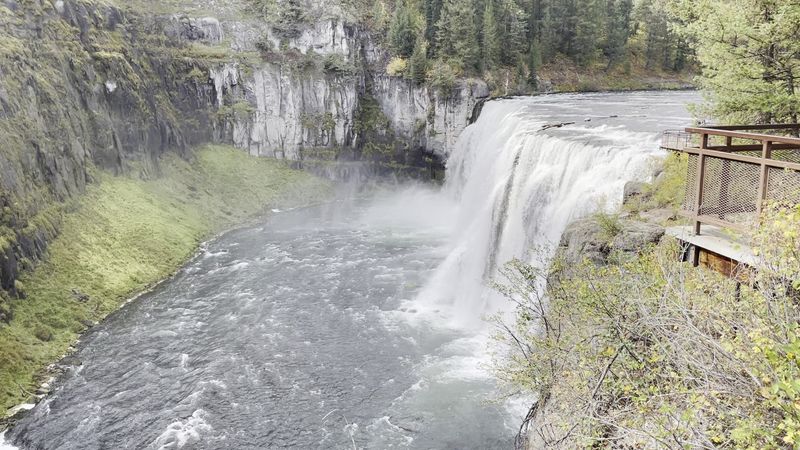
Snowmelt gives Mesa Falls its strongest voice, which is why spring belongs to it. Visit Idaho continues to describe Upper and Lower Mesa Falls as two of the most spectacular waterfalls in the West, and current forest pages keep the Mesa Falls Visitor Center in active use near Island Park.
The falls remain especially rewarding in spring because higher flow adds force, sound, mist, and a stronger sense of scale all at once. Upper Mesa Falls does most of the dramatic work, but the scenic byway and surrounding forest matter too.
Pine country, cool air, and boardwalk access make the whole stop feel easy to enjoy without flattening the impact. Spring does not just make this waterfall prettier.
It makes it louder, fuller, and much harder to forget.
6. Morley Nelson Snake River Birds Of Prey National Conservation Area
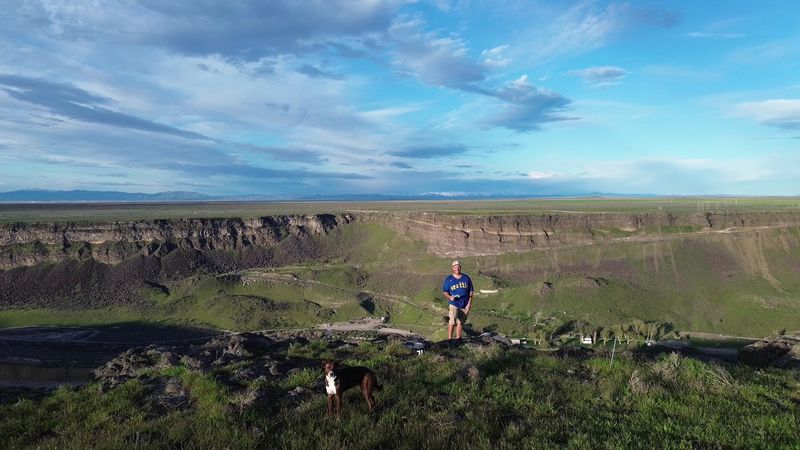
More than 700 pairs of raptors nest along the Snake River Canyon each spring, making this one of the most concentrated birds-of-prey habitats anywhere in North America. Eagle flight displays peak in March, and by May you can watch chicks being fed at active nests.
The conservation area stretches along the Snake River Canyon south of Boise, and BLM visitor information can help travelers choose specific access points.
Visit Idaho specifically highlights this site as one of the state’s most season-specific spring wildlife payoffs. Binoculars are a must, and early morning visits tend to offer the most activity.
For anyone drawn to wildlife over crowds, this place offers a raw and unforgettable spring experience.
7. Shoshone Falls
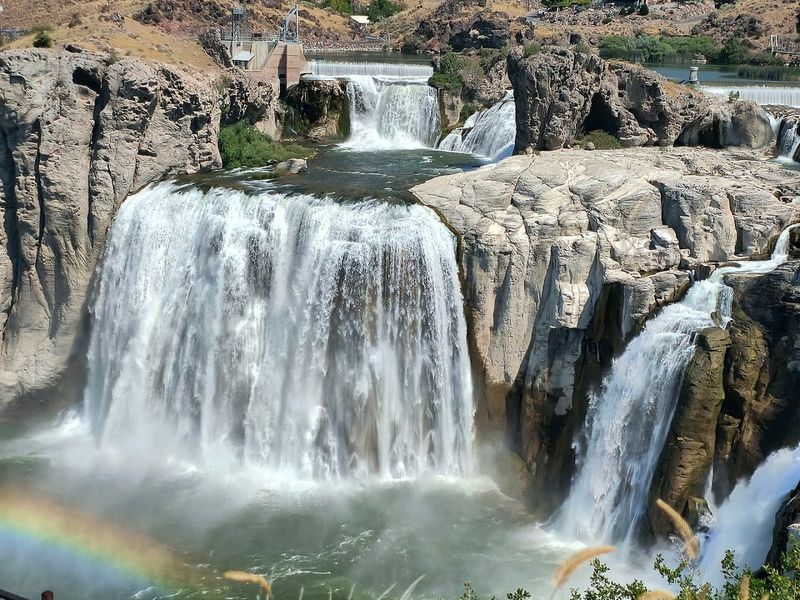
Twin Falls saves some of its best drama for spring, when Shoshone Falls runs hardest. City information says the falls drop 212 feet and span 900 feet wide, and the city also announced the 2026 seasonal reopening of the ticket booth on April 1.
Those details matter because spring is the moment when the falls look closest to their reputation. The nickname “Niagara of the West” only really feels earned when the water volume is high, the mist is rising, and the basalt canyon is amplifying the whole scene.
Picnic areas, trails, and viewing points make the stop easy to use, but the payoff is pure force. You hear it before the full view lands, and that is part of the reward.
8. Camas Prairie Centennial Marsh Wildlife Management Area
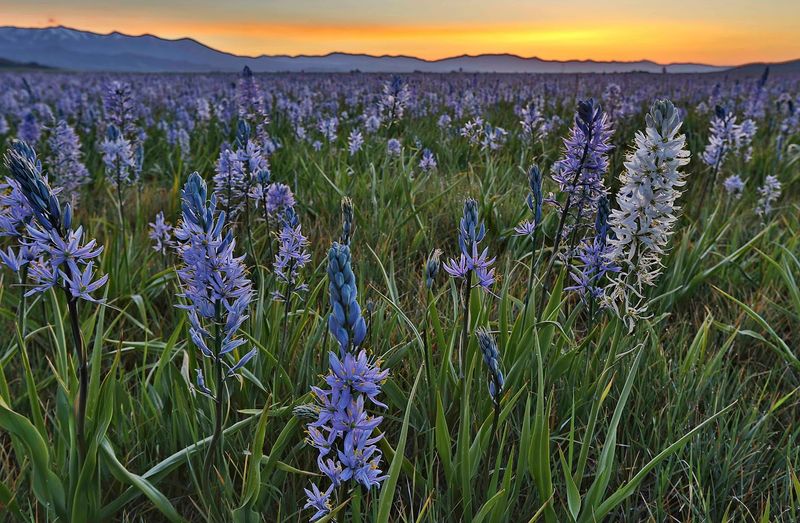
Late spring is when Camas Prairie becomes one of Idaho’s most distinctive seasonal sights. Idaho Fish and Game describes the area as a seasonally flooded wetland that draws thousands of visitors for birding, camas lilies, and broad open-country beauty.
The Idaho Birding Trail guide adds the key timing detail: the purple camas bloom begins in late May and generally peaks about mid-June, right as thousands of waterfowl, shorebirds, and other waterbirds are active in the area. That combination is what makes this stop especially rewarding in spring rather than merely interesting.
Flowers and birds are both carrying the experience at once. The visual effect is unusual enough to feel almost staged, but the draw is completely natural.
9. Harriman State Park
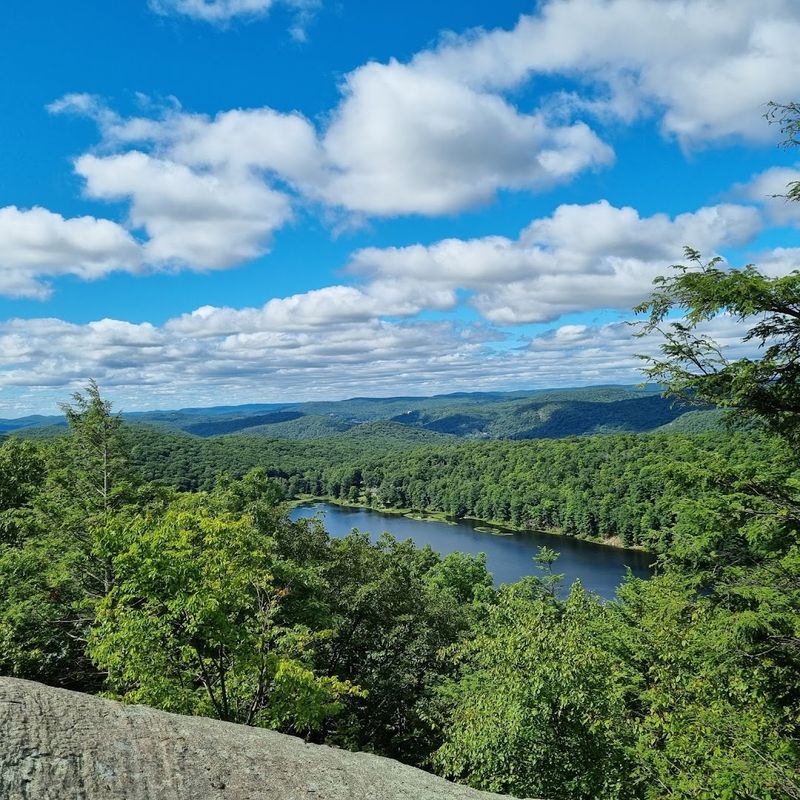
Wildlife and quiet trail time give Harriman State Park its spring advantage. Idaho Parks says the park lies within an 11,700-acre wildlife refuge and offers 22 miles of hiking, biking, and horseback trails through meadows, riverbanks, and evergreen forest.
Visit Idaho adds the seasonal hook by specifically mentioning moose, elk, and trumpeter swans as spring rewards in the park. That makes the season feel especially worthwhile before heavier summer use arrives.
Spring at Harriman is not about one giant visual spectacle. It is about the whole landscape relaxing back open after winter and suddenly feeling available again.
Meadows brighten, water edges get more active, and the wildlife-viewing odds rise in a very satisfying way. Some places are best once crowds build.
This one feels especially good just before that.
10. Bruneau Dunes State Park
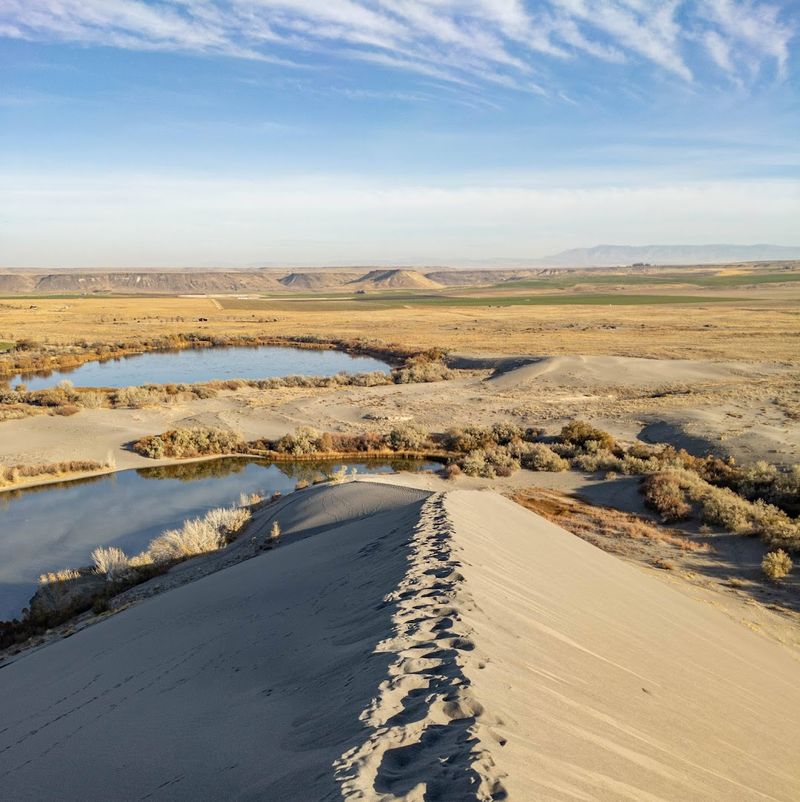
Mild weather is the reason Bruneau Dunes shines in spring. Idaho Parks says the park contains the tallest single-structured sand dune in North America at 470 feet high, and that giant climb is far more pleasant in spring than in the harsher summer heat.
The season also makes the park’s other strengths easier to appreciate. Hiking the dunes, spending time around the small lakes, and staying late for observatory programs all feel more comfortable when the desert is not pushing as hard.
Bruneau is always visually strange in the best way, but spring helps people enjoy the whole place instead of racing through it. Cooler temperatures are not a minor perk here.
They are the difference between impressive and deeply rewarding.
11. City Of Rocks National Reserve
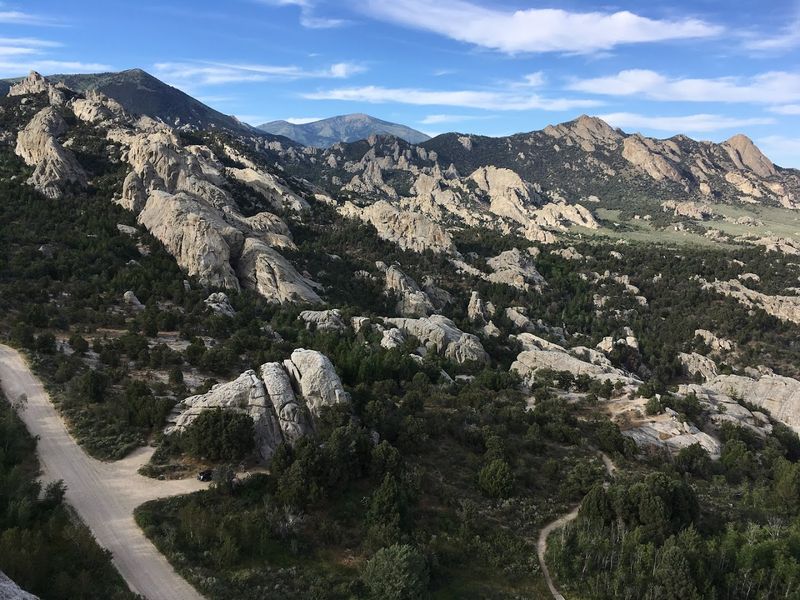
Massive granite formations that look like a skyline carved by nature have made City of Rocks one of Idaho’s most visually distinctive destinations for generations. Spring brings friendlier hiking temperatures and the chance to explore the reserve’s dramatic spires before summer heat sets in.
The reserve is located at 3035 S Elba-Almo Rd, Almo, ID 83312, in a quiet corner of southern Idaho that rewards the detour.
Rock climbers, photographers, and history enthusiasts all find reasons to linger here. The rocks themselves are estimated to be around 2.5 billion years old, which adds a humbling sense of scale to every visit.
Spring wildflowers blooming at the base of the formations create a contrast that feels almost too beautiful to be real.
12. Craters Of The Moon National Monument And Preserve
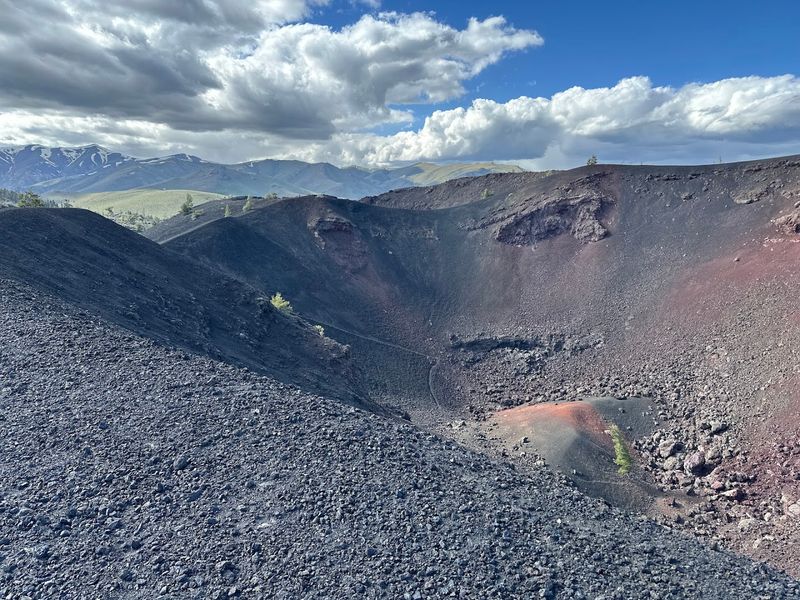
Cooler temperatures are the simplest reason spring works so well at Craters of the Moon. Current National Park Service conditions show most of the scenic loop road open while the caves area remains seasonally limited, and that already makes the season useful because visitors can experience the monument before summer heat starts radiating hard off the black lava.
The volcanic landscape is visually extreme no matter when you go, but spring gives it better walking conditions and a little more breathing room. That matters in a place where sun exposure and dark rock can intensify quickly.
Wildflowers also begin pushing against the basalt in ways that make the monument feel even stranger and more rewarding. Spring does not make Craters gentle.
It makes it more approachable without taking away any of the alien shock.
13. Lava Hot Springs
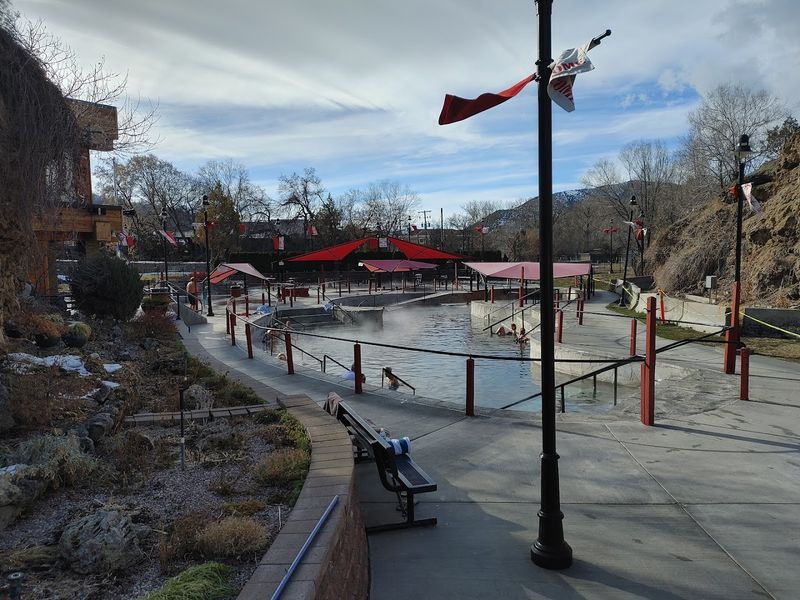
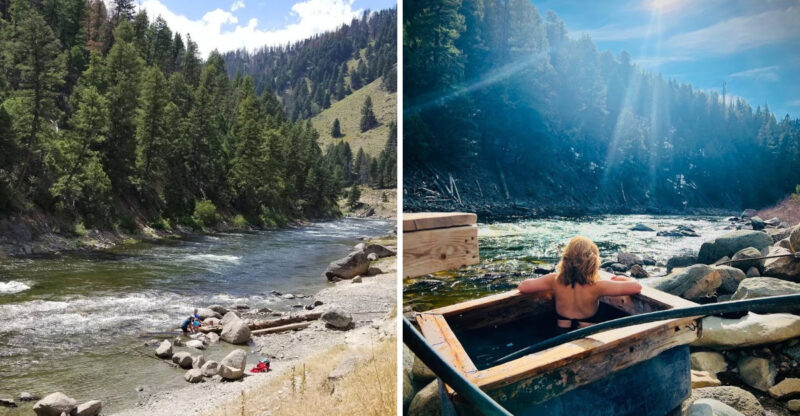
Soaking in mineral-rich geothermal pools while cool spring air surrounds you is one of those experiences that feels genuinely restorative. Lava Hot Springs is a classic Idaho resort town built entirely around natural hot springs in the scenic Portneuf River valley.
The main facilities are at 430 E Main St, Lava Hot Springs, ID 83246, and the town itself is compact, charming, and easy to navigate on foot.
Visit Idaho describes the destination as a popular year-round retreat, but spring offers the sweet spot of mild weather and smaller crowds compared to summer. The combination of outdoor soaking, river views, and small-town atmosphere makes it an easy weekend escape.
After a week of hiking or travel, a long soak here feels like exactly the right reward.
14. The Springs At Idaho City
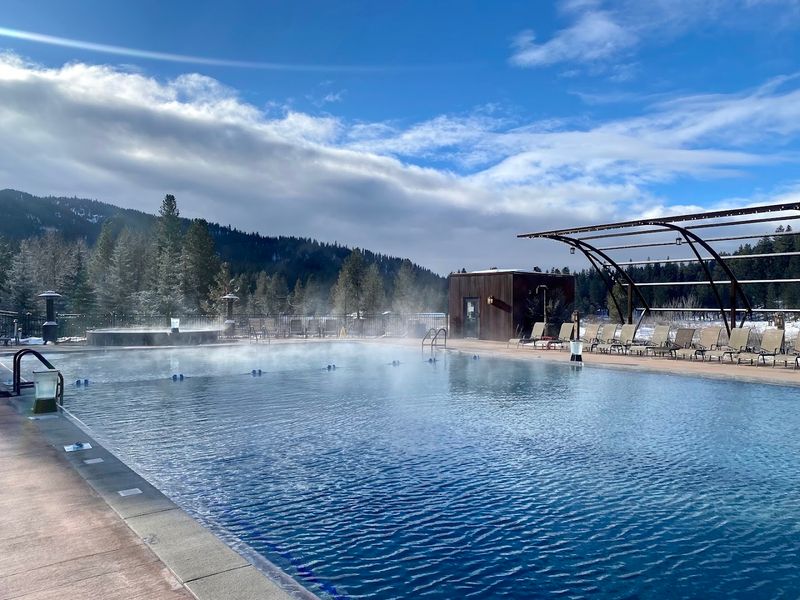
Forest air and hot water are a very strong spring combination, which is exactly why The Springs near Idaho City works so well at this time of year. Visit Idaho still describes it as a natural hot springs retreat a short drive northeast of Boise, where guests can soak in developed pools fed by a natural hot spring.
That setup makes it especially rewarding in spring because the foothills are greening up, the road there feels scenic again after winter, and the soaking experience still carries that nice cold-air contrast people want from a hot spring outing. The drive itself helps.
Idaho City and the route along Highway 21 already feel like a getaway, and spring gives the whole trip fresher energy without the heavier summer rush. It is one of the easiest ways to make a normal weekend feel more restorative.
Reservations are required, and visitors should check age policies before going because some days are adults-only.
15. Goldbug Hot Springs
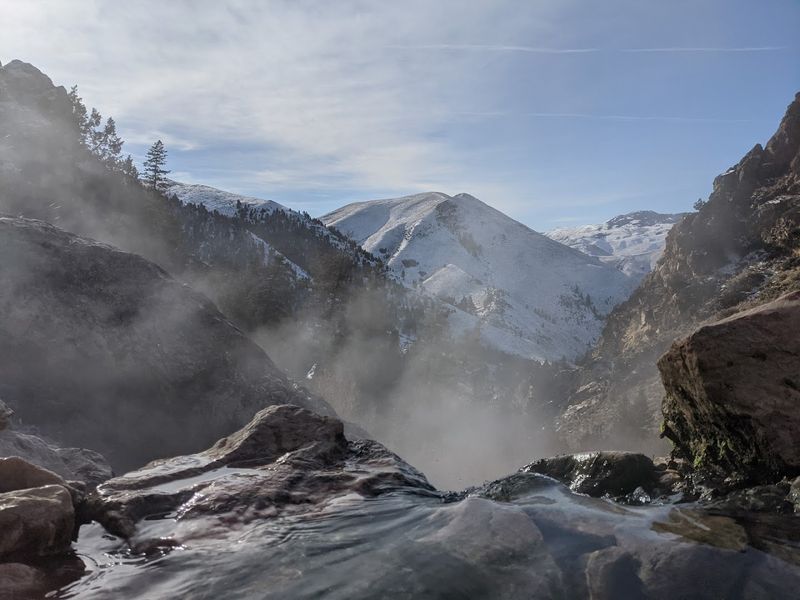
Earning your soak with a hike makes every warm pool feel twice as good, and Goldbug Hot Springs delivers that experience in full. The trail climbs through a narrow canyon south of Salmon before opening into a series of cliff-side pools that overlook a dramatic mountain landscape.
The trailhead is near US-93 mile marker 282 in Elk Bend, ID 83467, and the effort involved makes planning, footwear, and timing more important.
Visit Idaho describes Goldbug as one of the state’s most dramatic and rewarding hot spring destinations. Spring temperatures make the hike comfortable and the soak refreshing rather than sweltering.
Watching steam rise from the pools while snow still dusts the surrounding peaks is one of Idaho’s most memorable seasonal images.
16. Sawtooth National Recreation Area
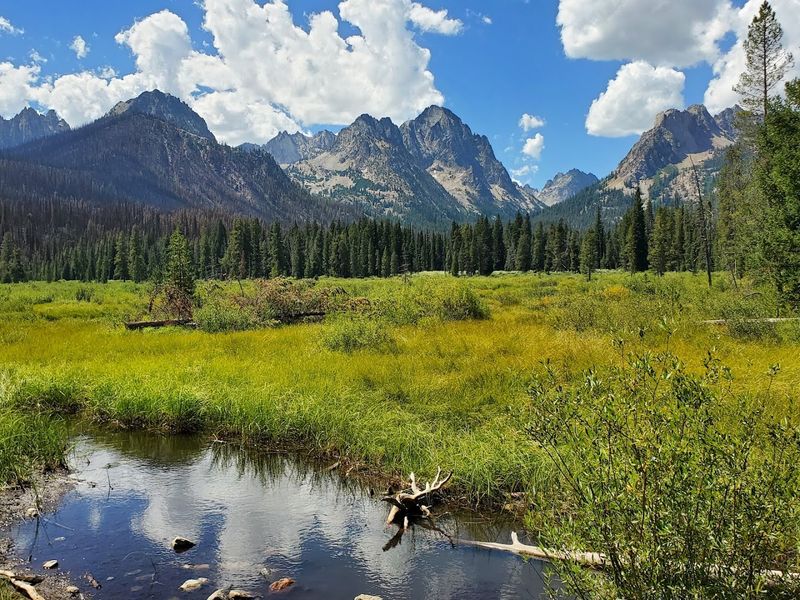
Seven hundred and fifty-six thousand acres of peaks, lakes, trails, and river valleys make the Sawtooth National Recreation Area one of the grandest spring destinations in the American West. Visit Idaho notes more than 700 miles of trails and 40 peaks rising above 10,000 feet, all beginning to open up as the season shifts from winter.
The main access hub is near 5 Northfork Canyon Rd, Ketchum, ID 83340, which also puts you close to the charming town of Stanley.
Wildlife watching, scenic drives, and early-season hiking all come together here in a way that feels genuinely exciting before summer crowds arrive. The scale of the landscape rewards anyone who takes time to explore beyond the main road.
Spring light on the Sawtooth peaks is a sight that stays with you long after you leave Idaho.
17. Wild Horse Trail Scenic Byway
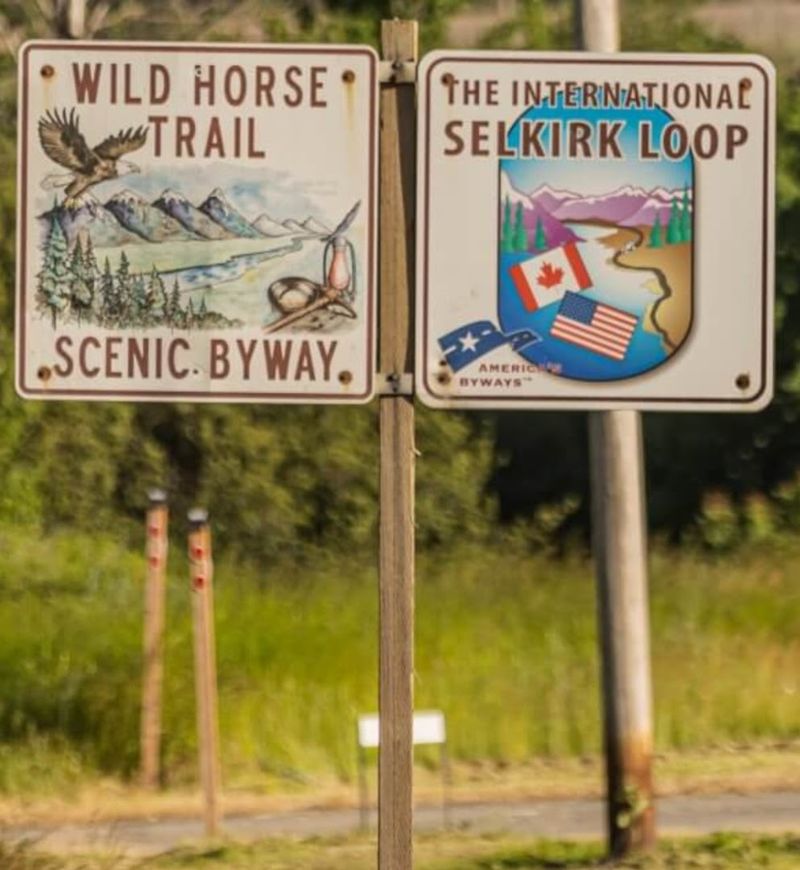
Spring is one of the key seasons for Idaho’s Wild Horse Trail Scenic Byway, and current Visit Idaho byway listings still say exactly that. The route runs 35.9 miles as part of the International Selkirk Loop, beginning in Sandpoint and carrying drivers toward Bonners Ferry with views shaped by Lake Pend Oreille, the Selkirk Mountains, and northern Idaho’s broader spring greening.
What makes it especially rewarding this time of year is variety. Water, mountains, forests, and small towns all contribute to the drive without making it feel repetitive.
Spring does not need to overdecorate the byway for it to work. It just needs to wake everything back up.
Lake views brighten, roadside vegetation sharpens, and the route starts feeling less like a drive through scenery and more like a proper seasonal outing.