10 Places In Nebraska Where The Sandhills Rise Into Their Most Unforgettable Views
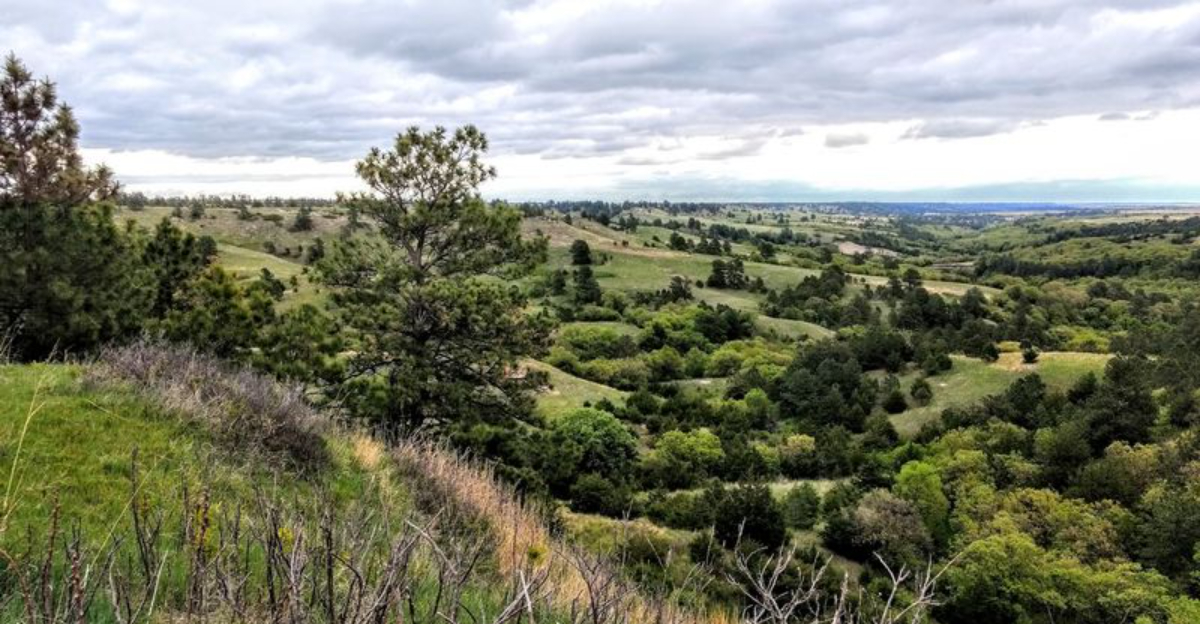
The Sandhills do not hit all at once.
They sneak up on you. A soft rise here. A wide curve there. Then the road lifts, the horizon opens, and Nebraska suddenly looks much bigger.
That is the moment worth chasing.
Sandhills views have a different kind of power.
They are not loud. They stretch and roll. They make space feel like scenery instead of emptiness.
One overlook can turn a normal drive into a pause nobody wants to rush.
Grass moves in the wind. Sky takes over half the view. The land keeps folding into itself until distance starts feeling almost endless.
These 10 places show the Sandhills at their best.
Not flat. Not plain. Not forgettable.
Just wide, beautiful country that makes people understand why this part of Nebraska stays with you.
1. Sandhills Journey National Scenic Byway, Nebraska Highway 2
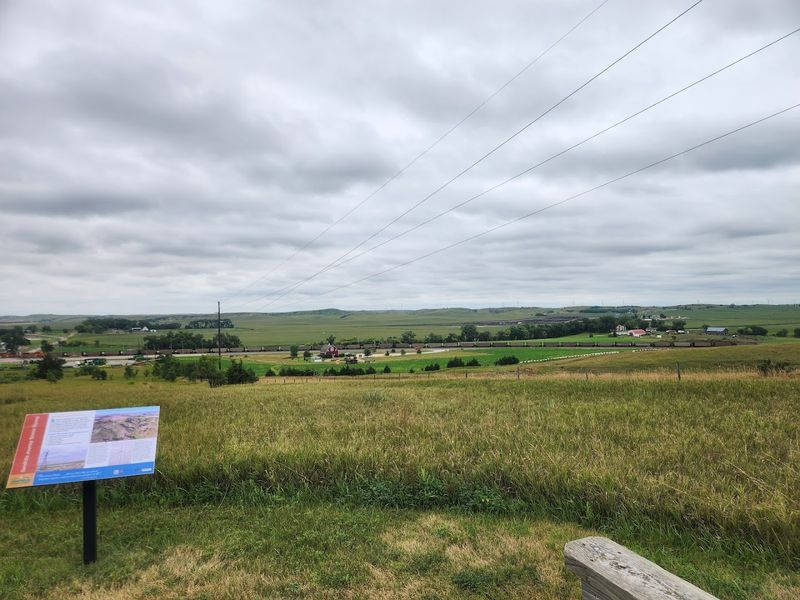
At 272 miles long, Nebraska Highway 2 is the kind of road that makes you forget to check your phone.
Running from Grand Island to Alliance, the Sandhills Journey National Scenic Byway passes through open dune country, swaying native grasses, small prairie towns, and skies so wide they feel almost theatrical.
There are no traffic jams here, no billboards crowding the view, and no guardrails blocking the horizon.
The byway is paved the entire way, making it accessible without a four-wheel-drive vehicle.
Pullouts along the route offer good spots to stop, stretch, and look out over the rolling landscape without any distractions.
Wildlife sightings along this corridor tend to be common, with deer, sandhill cranes during migration, and various grassland birds visible from the roadside.
After dark, the byway corridor becomes one of the best stargazing stretches in the state due to minimal artificial light for miles in every direction.
Planning the drive during golden hour adds a warm glow to the dunes that photographs well and feels even better in person.
The full drive takes roughly five to six hours without stops, though most visitors find it hard not to pull over often.
2. Nebraska National Forest, Bessey Ranger District, Halsey
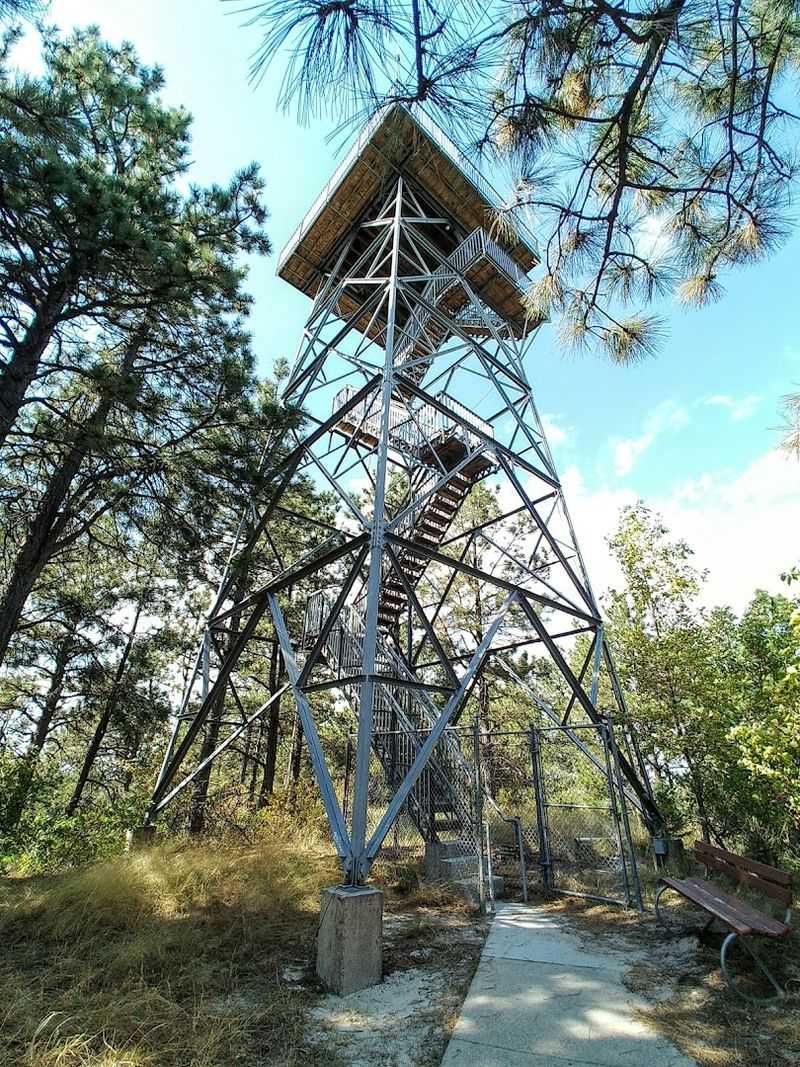
Something unusual happens near Halsey, Nebraska, where planted ponderosa pines rise out of sand dunes in a forest that should not technically exist.
The Bessey Ranger District of Nebraska National Forest holds the distinction of being the largest hand-planted forest in the United States, a feat accomplished starting in the late 1800s when foresters worked to stabilize the shifting dunes.
The contrast between the open Sandhills and the dense pine stands creates a landscape that feels genuinely surprising.
Hiking trails wind through both environments, giving visitors a chance to move from open grassland to shaded forest within minutes.
The Scott Lookout Tower inside the district offers one of the more elevated vantage points in the region, with panoramic views of the surrounding dunes and treetops spreading out in every direction.
Camping is available within the district, and the area tends to be quieter than more well-known Nebraska parks.
Wildlife including wild turkeys, white-tailed deer, and various songbirds can be spotted throughout the forest and along its edges.
The combination of forest, dunes, and open sky makes this one of the most visually layered stops in the entire Sandhills region.
3. Valentine National Wildlife Refuge, Valentine
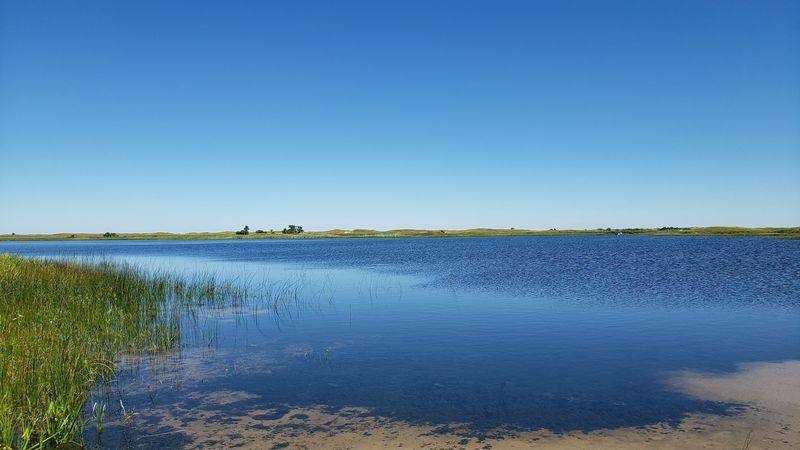
Rolling dunes covered in native grasses, shallow lakes reflecting open sky, and marshes full of bird activity define the landscape at Valentine National Wildlife Refuge near Valentine, Nebraska.
The refuge covers roughly 71,000 acres and represents some of the most intact Sandhills scenery anywhere in the region. The scale of it tends to catch first-time visitors off guard in the best possible way.
More than 280 bird species have been recorded at the refuge, making it a reliable destination for birdwatchers during spring and fall migration periods.
Waterfowl, shorebirds, and grassland species all use the habitat here, and the shallow lakes provide feeding and resting areas that support large numbers of birds at once.
Even outside peak migration windows, the refuge holds steady wildlife activity throughout the warmer months.
A network of gravel roads allows visitors to explore the interior of the refuge by vehicle, which is especially useful given the distances involved.
The combination of big grass-covered dunes, open water, and wide prairie views gives this refuge a sense of endless space that is hard to find anywhere outside the Sandhills.
Mornings here tend to be especially calm and clear, with mist sometimes sitting low over the lakes before burning off by midday.
4. Crescent Lake National Wildlife Refuge, Oshkosh
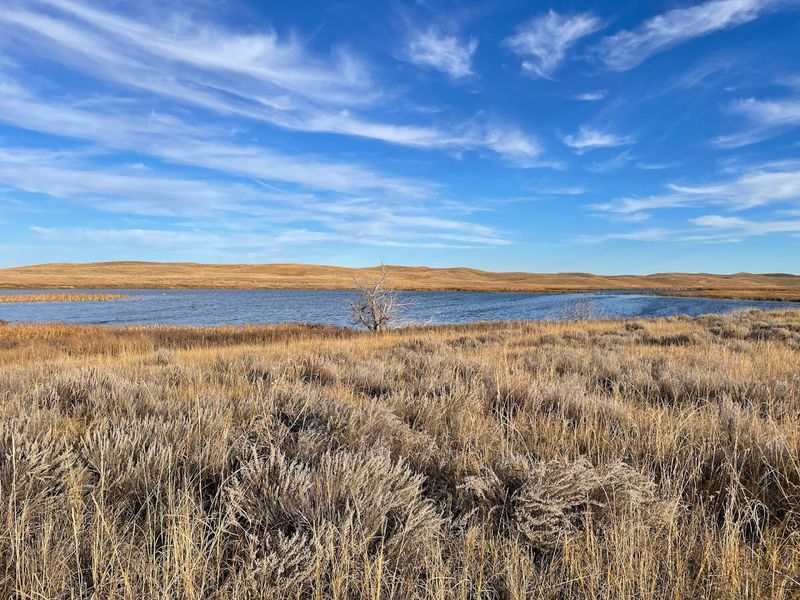
Getting to Crescent Lake National Wildlife Refuge requires a 28-mile drive north of Oshkosh on unpaved roads, and that remoteness is a large part of what makes it so striking.
Sitting at the southwestern edge of the Sandhills, the refuge covers over 45,000 acres of prairie, dunes, wetlands, and shallow lakes with almost no development visible from inside it.
The sense of being genuinely far from everything is immediate and real.
The refuge contains more than a dozen named lakes, and the surrounding dunes and grasses create a layered, textured landscape that changes character depending on the season and light.
Spring brings migrating waterfowl in impressive numbers, while summer reveals the full green of the native grass cover rolling across the dunes.
Fall strips the palette back to gold and amber, and winter visits are rare but stark in a way that feels almost cinematic.
Because of its remote location, visitor facilities are minimal, so arriving with water, food, and a full tank of fuel is practical advice worth following.
High-clearance vehicles handle the access roads more comfortably, especially after rain.
The reward for making the effort is a landscape that feels genuinely undisturbed, where the Sandhills look much as they have for thousands of years without interruption from development or heavy foot traffic.
5. Merritt Reservoir State Recreation Area, Valentine
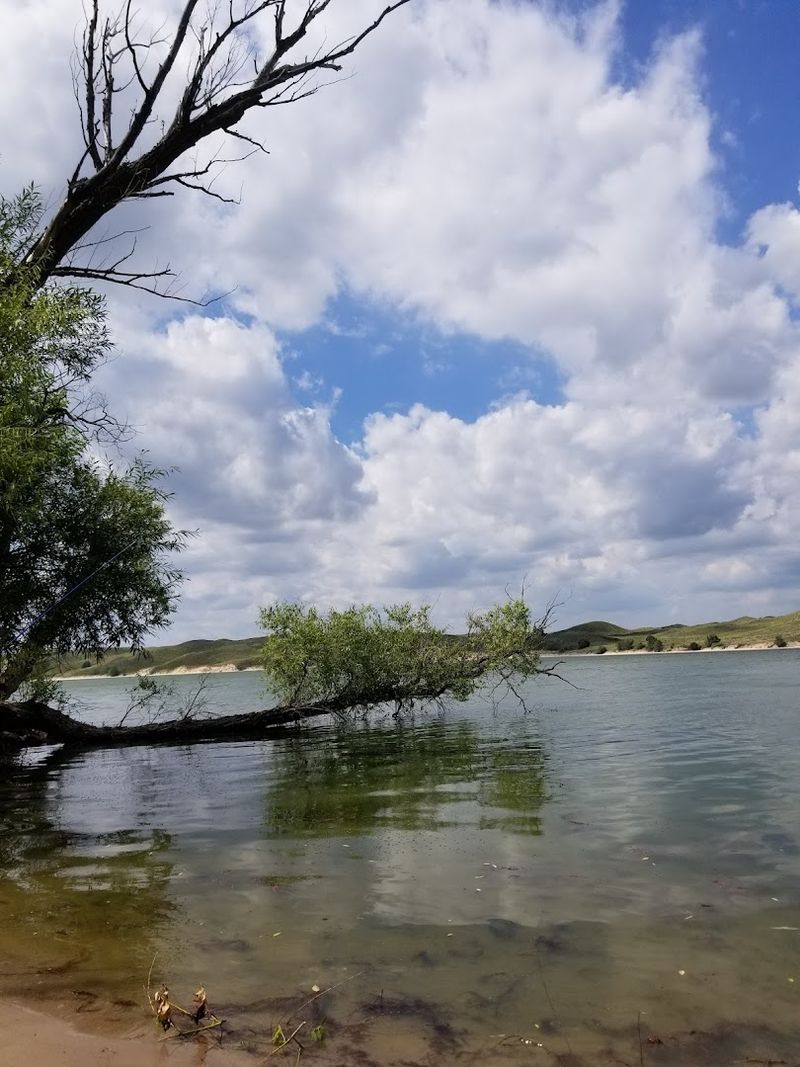
Few places in Nebraska combine water, wide-open Sandhills scenery, and genuinely dark skies the way Merritt Reservoir does southwest of Valentine.
The reservoir sits in the heart of Sandhills country, surrounded by rolling grass-covered dunes that keep the horizon low and the sky enormous.
At night, the absence of artificial light allows the Milky Way to appear with a clarity that surprises even experienced stargazers.
Merritt Reservoir is the annual host of the Nebraska Star Party, a gathering of amateur astronomers who travel specifically for the exceptional darkness of the skies here.
Even outside the star party, the night sky at Merritt tends to be among the best in the state for unaided-eye and telescope viewing.
The reservoir itself reflects the stars on calm nights, creating a visual effect that doubles the sense of depth in the darkness.
During daylight hours, the recreation area offers camping, fishing, swimming, and boating on the 2,906-acre reservoir.
The surrounding Sandhills landscape provides a scenic backdrop that feels unhurried and genuinely open.
Tent campers and RV visitors both use the area regularly, and weekday stays tend to be quieter than summer weekends.
Arriving in the evening to catch both sunset and the full transition into dark-sky conditions makes for one of the most satisfying experiences in the region.
6. Samuel R. McKelvie National Forest, Nenzel
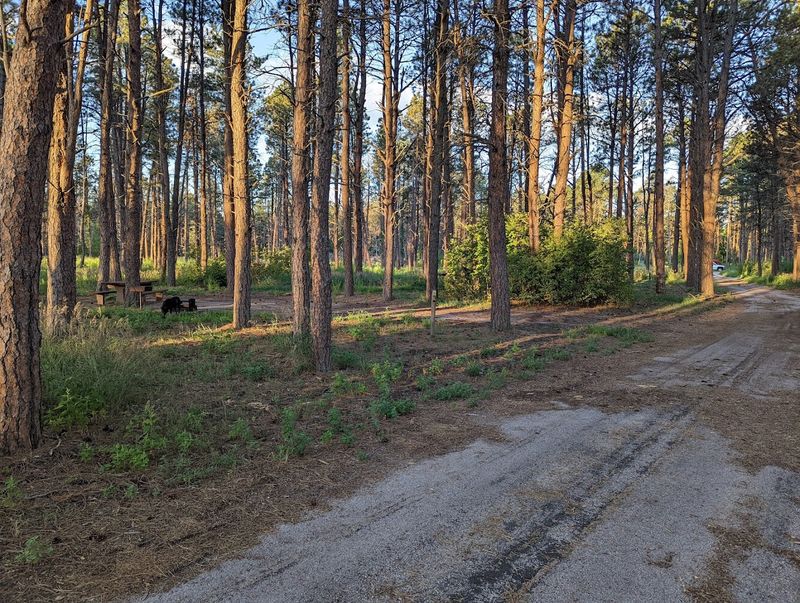
Samuel R. McKelvie National Forest near Nenzel carries the name of a forest but feels far more like the Sandhills than a traditional woodland, and that unexpected openness is exactly what makes it worth visiting.
The landscape here is a mix of rolling dunes, native grasses, and scattered ponderosa pine stands that never quite close off the view.
The wide, unobstructed feel of the place gives the surrounding terrain a sense of scale that denser forests simply cannot offer.
The forest sits close to Merritt Reservoir, making it a natural pairing for visitors exploring this part of the Sandhills.
Trails and gravel roads allow exploration by foot or vehicle, and the lack of crowds means most visits feel genuinely quiet.
Birdlife throughout the forest includes species that favor open grassland edges, and the transition zones between dune grass and pine provide particularly active habitat.
Because the tree cover is sparse, the sky remains a constant presence throughout the landscape, which is part of what keeps the Sandhills character intact even within a designated national forest.
Sunsets here tend to spread across the entire western horizon without obstruction, and the color shifts from late afternoon through dusk can be extended and vivid.
Visiting in late summer or early fall tends to bring the warmest light and the most comfortable temperatures for exploring on foot.
7. Fort Niobrara National Wildlife Refuge, Valentine
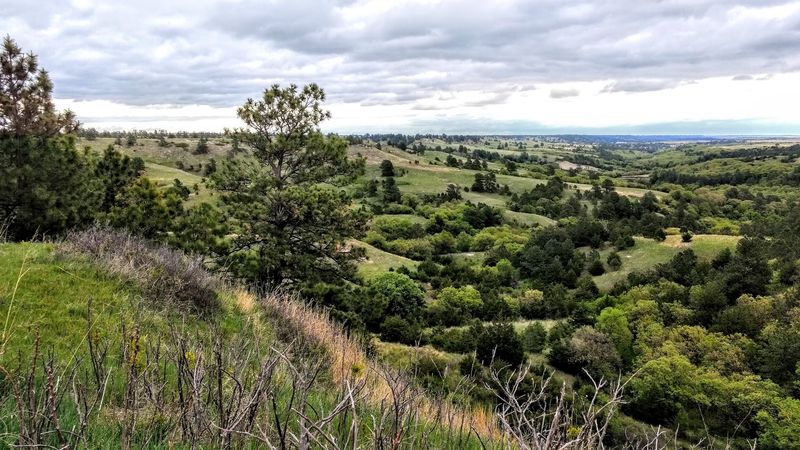
Located at 39983 Refuge Rd. in Valentine, Fort Niobrara National Wildlife Refuge sits at the intersection of Sandhills dunes and Niobrara River canyon scenery, giving it a visual range that few single destinations can match.
The refuge was established in 1912 and today manages herds of American bison, elk, and longhorn cattle on its open grasslands.
Driving the auto tour route through the refuge offers close views of these animals moving through native prairie.
The Niobrara River forms the northern boundary of the refuge, and the river valley here drops into a canyon with wooded slopes and exposed rock that contrasts sharply with the surrounding open dunes.
Fort Falls, a small but picturesque waterfall accessible by a short trail near the refuge, adds a detail to the landscape that most visitors do not expect to find in the middle of Sandhills country.
The trail to the falls is relatively short and manageable for most fitness levels.
Floating the Niobrara River through and near the refuge is a popular warm-season activity, with canoe and kayak rentals available from outfitters in Valentine.
The combination of wildlife viewing, river scenery, hiking, and floating makes this refuge one of the most activity-rich stops in the entire Sandhills region.
8. Calamus Reservoir State Recreation Area, Burwell
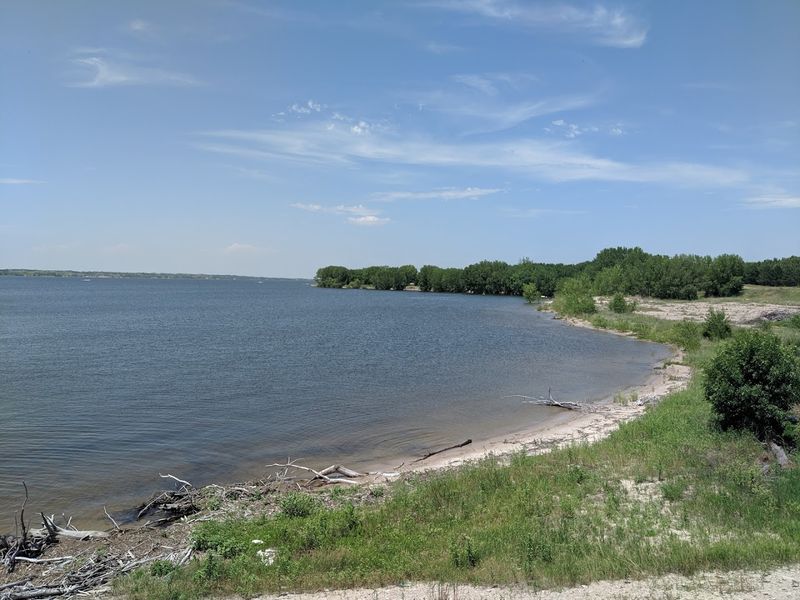
Covering 5,123 acres of open water, Calamus Reservoir near Burwell is one of the larger lakes in the Sandhills and one that feels genuinely embedded in the surrounding dune landscape rather than imposed upon it.
The shoreline is edged with native grasses and gently rolling hills, and the water reflects the sky in a way that makes the whole scene feel expansive even on overcast days.
The recreation area surrounding the reservoir draws visitors for fishing, camping, boating, and swimming throughout the warmer months.
Walleye, white bass, and channel catfish are among the species regularly caught in the reservoir, giving anglers a reason to return across different seasons.
The surrounding grassland terrain also provides habitat for deer, wild turkey, and various shorebirds that use the reservoir edges during migration.
Watching shorebirds work the shallow margins of the lake during spring and fall adds a wildlife dimension to what is already a visually appealing destination.
The recreation area has multiple campground loops with varying levels of amenity, from full hookup sites to more primitive tent areas closer to the water.
Sunsets over Calamus tend to be broad and colorful, with the open horizon to the west allowing the full color progression from orange to deep blue to play out without obstruction.
The combination of big water and Sandhills backdrop makes this one of the more photogenic recreation areas in central Nebraska.
9. Long Pine State Recreation Area, Long Pine
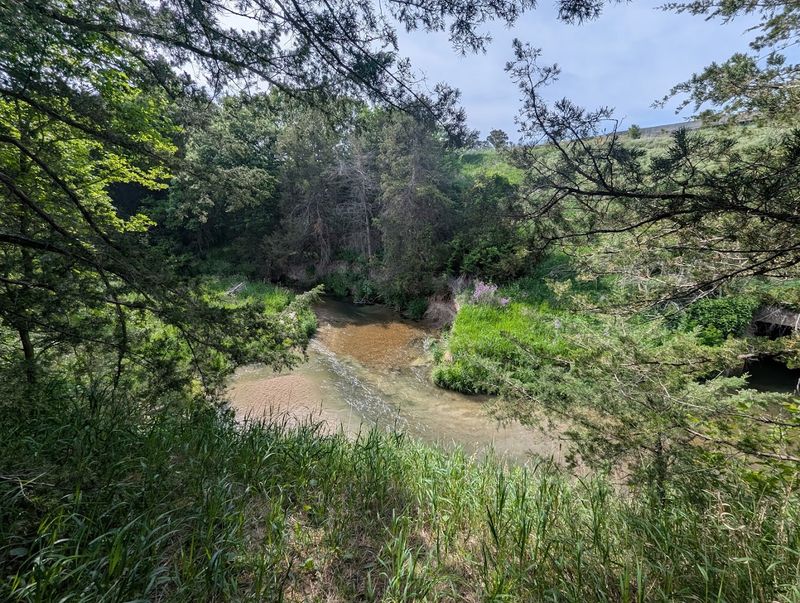
Located at 87770 Willow Ridge Ave. in Long Pine, the state recreation area here offers a version of the Sandhills edge that looks and feels noticeably different from the open dune country to the west.
Long Pine Creek cuts through a small but genuine canyon, lined with deciduous trees, exposed rock, and a trail system that follows the water through the valley floor.
The green canopy and shaded creek corridor create a cooler, more sheltered environment that contrasts well with the open grassland terrain nearby.
Hiking along the creek trail provides close views of the canyon walls and the moving water below, with the sound of the stream present throughout most of the route.
The trail is not technically demanding but does involve some uneven terrain near the creek banks, so footwear with good grip is worth wearing.
The canyon itself is modest in scale but feels surprisingly enclosed and distinct given how flat and open the surrounding landscape tends to be.
Camping is available at the recreation area, and the combination of creek access, tree cover, and canyon scenery makes it a comfortable base for a night or two.
Fishing in Long Pine Creek is possible for those who enjoy smaller-stream angling in a shaded setting.
The area tends to attract visitors looking for a greener, more wooded Sandhills experience, and it delivers that character reliably across the spring and summer seasons.
10. North Platte Sandhills Scenic Drive, Highways 83, 92, and 97 Loop
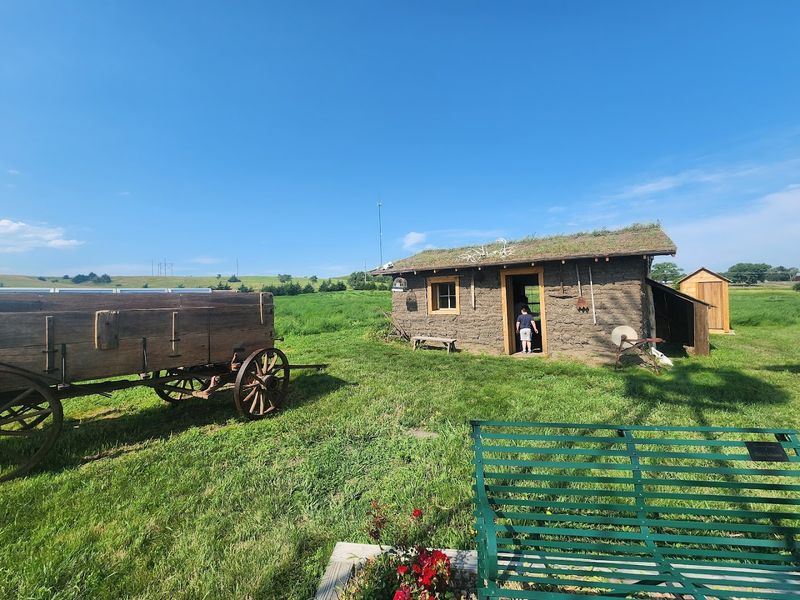
Not every great Sandhills drive requires a full day or a gravel road, and the loop formed by Highways 83, 92, and 97 north of North Platte proves that point directly.
The route is entirely paved, covering a circuit through genuine Sandhills terrain without requiring a high-clearance vehicle or extensive trip planning.
The dunes here roll in the same unhurried way as the more remote parts of the region, but the accessibility makes this loop a realistic option even for travelers with limited time.
The drive passes through open grassland, small cattle operations, and stretches of road where the nearest town is far enough away that the landscape fills every direction without interruption.
Wildlife along the route can include pronghorn, deer, and various grassland birds, particularly in the early morning and late afternoon hours when animal activity tends to peak.
Pulling over on the road shoulder to sit quietly for a few minutes often yields more sightings than driving continuously through.
The loop connects back to North Platte without backtracking, making it easy to incorporate into a larger Nebraska road trip as a half-day or full-day detour.
The best light for the drive tends to fall in the late afternoon, when the low sun casts long shadows across the dune faces and the grass takes on a warm, golden color that holds until the sun drops below the horizon.