10 Places To Experience Hawaii’s Rich Cultural Heritage
In Hawaii, history skips the glass display case and instead dances, sings, and breathes.
Ancient temples carved into black volcanic rock and living villages keep the deep past awake.
Hands-on culture means you feel the heritage here instead of merely reading a plaque. Royal halls, green valleys, and sacred grounds each hold centuries of layered, living story.
One site honors old royalty, and the next revives everyday village craft and song.
Curious travelers and lifelong locals alike come away with a deeper love for these islands.
Who would have thought a single road trip could feel this quietly, movingly profound?
1. Bishop Museum, Honolulu
This might be the most packed cultural treasure chest in all of Hawaii.
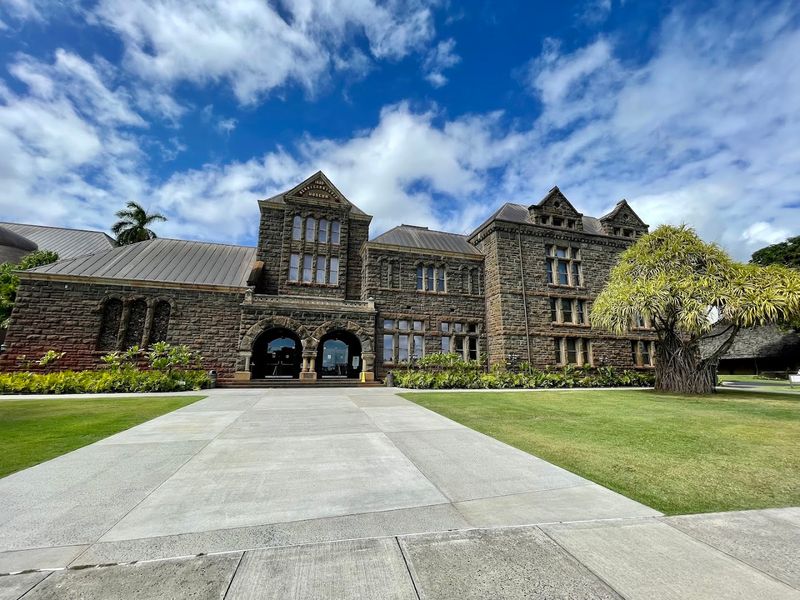
The Bishop Museum, at 1525 Bernice St in Honolulu stands as the state’s largest natural and cultural history museum. Founded in 1889, it holds millions of artifacts that tell the story of Hawaii and the Pacific.
Walking through the Hawaiian Hall feels like flipping through centuries of living history. Ancient feathered cloaks, carved wooden idols, and royal heirlooms fill the galleries with quiet power.
The building itself, made of volcanic stone, adds to the atmosphere in a way that modern buildings rarely match.
The Science Adventure Center brings interactive exhibits that connect younger visitors to the islands’ volcanic geology.
Planetarium shows add a layer of wonder that ties Hawaiian navigation traditions to the stars. There is also a rotating schedule of cultural demonstrations, from hula to traditional crafts, that keep every visit feeling fresh.
Plan at least three hours here, because rushing through would be doing it a disservice. The museum’s gardens and outdoor spaces are equally worth exploring between gallery visits.
If you want one place that captures the full depth of Hawaiian culture, this is it.
2. Hawaii Heritage Center, Honolulu
Most tourists walk right past this destination without a second glance, and that is a real shame.
Inside Honolulu’s historic Chinatown district at 1040 Smith St, the Hawaii Heritage Center tells the layered story of the many immigrant communities that shaped modern Hawaii.
Chinese, Japanese, Korean, Filipino, and Portuguese laborers all left their mark on these islands, and this center honors every chapter.
The exhibits here are thoughtfully curated, mixing photographs, documents, and everyday objects that paint a picture of plantation-era life.
You get a real sense of the sacrifices and celebrations that defined generations of families. It is a quieter experience than some of the larger museums, but no less powerful for it.
The center also hosts walking tours through Chinatown, where history literally lines the streets. Those tours are a fantastic way to connect what you see inside the building to the neighborhood around it.
Guides bring the stories to life with details that you would never find in a guidebook.
For anyone curious about the multicultural roots of Hawaiian society, this is a must-see stop. The staff is genuinely passionate about preserving these stories for future generations.
A few hours here will completely change how you see the islands.
3. Iolani Palace, Honolulu
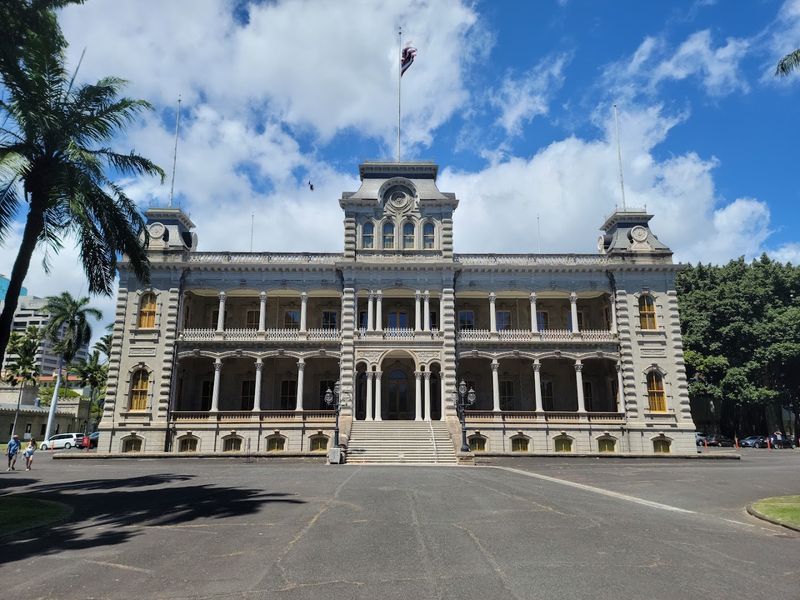
Just imagine for a second standing inside the only royal palace on American soil, because that is exactly what awaits at Iolani Palace.
Located at 364 S King St in Honolulu, Hawaii, this stunning building served as the official residence of Hawaii’s last monarchs, King Kalakaua and Queen Liliuokalani.
Completed in 1882, it blends Victorian architecture with Hawaiian royal tradition in a way that feels unlike anything else in the United States.
The palace was the center of Hawaiian political life until the monarchy was overthrown in 1893, and that history gives every room a weight that is hard to describe.
Guided tours walk you through the throne room, the royal bedchambers, and the upstairs room where the queen was once held under house arrest. Each space carries stories that are both inspiring and sobering.
The craftsmanship throughout the building is extraordinary, from the hand-carved woodwork to the imported chandeliers.
Restoration efforts over the decades have brought the palace back to much of its original grandeur. The grounds surrounding the building are equally beautiful and open to the public year-round.
Booking a tour in advance is strongly recommended, as spots fill up quickly, especially during peak travel months. The palace gift shop carries thoughtful, locally made souvenirs.
This is Hawaiian history at its most regal and most real.
4. Polynesian Cultural Center, Laie
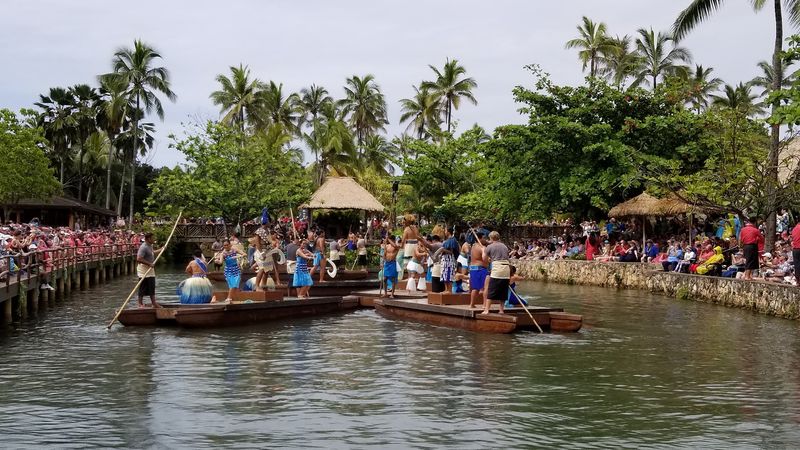
The Polynesian Cultural Center, at 55-370 Kamehameha Hwy in Laie, Oahu, is a sprawling 42-acre living museum dedicated to the cultures of the Pacific.
Six distinct island villages, representing Hawaii, Samoa, Tonga, Fiji, Tahiti, and Aotearoa, each bring their own traditions to life with authentic demonstrations and performances.
Canoe rides along the central lagoon connect the villages in a way that feels genuinely adventurous. In each village, you can try your hand at traditional crafts, games, and cooking techniques.
The staff and performers are students from Brigham Young University Hawaii, many of whom come from the very cultures they represent.
The evening show, called Ha: Breath of Life, is a full-scale theatrical production that traces a Polynesian family’s journey through generations. The fire performances alone are worth the trip from anywhere on Oahu.
It is the kind of show that earns a standing ovation without even asking for one.
The center is open most days except Sunday, so plan accordingly when scheduling your Oahu itinerary. The luau dinner package is a popular add-on that gives you a taste of traditional Pacific Island flavors.
Few places on earth offer this much cultural depth in a single afternoon.
5. Maui Historical Society, Wailuku
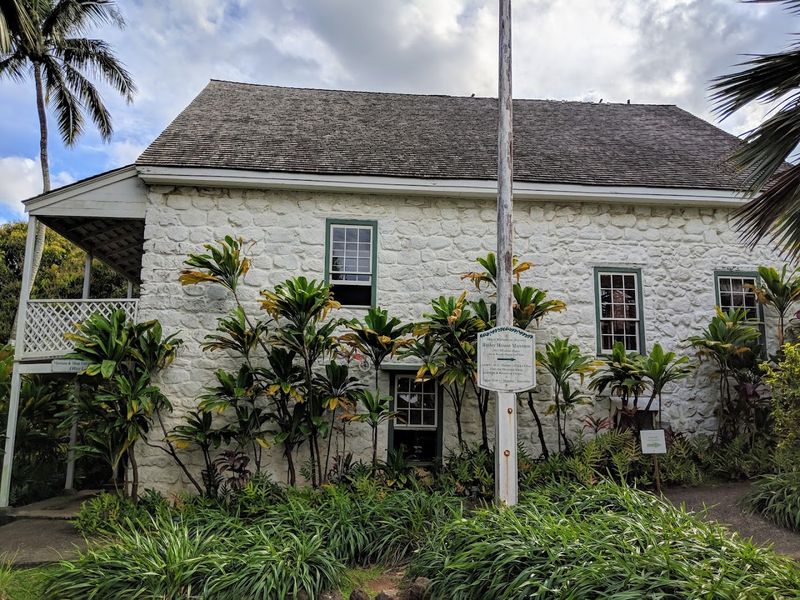
Some of the best history on Maui is found not on a beach, but in a quiet neighborhood in Wailuku.
The Maui Historical Society, housed in the historic Bailey House at 2375A Main St, Wailuku, Maui, preserves the cultural and natural history of the island in a setting that feels genuinely intimate.
The building itself dates to the 1830s and was once the home of missionary and artist Edward Bailey.
Inside, you will find a remarkable collection of Hawaiian artifacts, including kapa cloth, stone tools, and traditional fishing implements.
Bailey’s own landscape paintings of 19th-century Maui hang alongside the historical pieces, giving visitors a rare visual record of how the island looked before modern development. The combination of art and artifact makes the experience feel layered and rich.
The garden surrounding the house features native Hawaiian plants, many of which were used medicinally and ceremonially by early Hawaiians.
A traditional outrigger canoe on display outside adds another dimension to the story. The staff is knowledgeable and happy to answer questions that go well beyond what the exhibit labels cover.
Wailuku itself is a charming town worth exploring before or after your museum visit. The area has a relaxed, unhurried energy that feels refreshingly different from Maui’s resort areas.
History lovers will find the Maui Historical Society a deeply rewarding stop.
6. Puuhonua O Honaunau National Historical Park
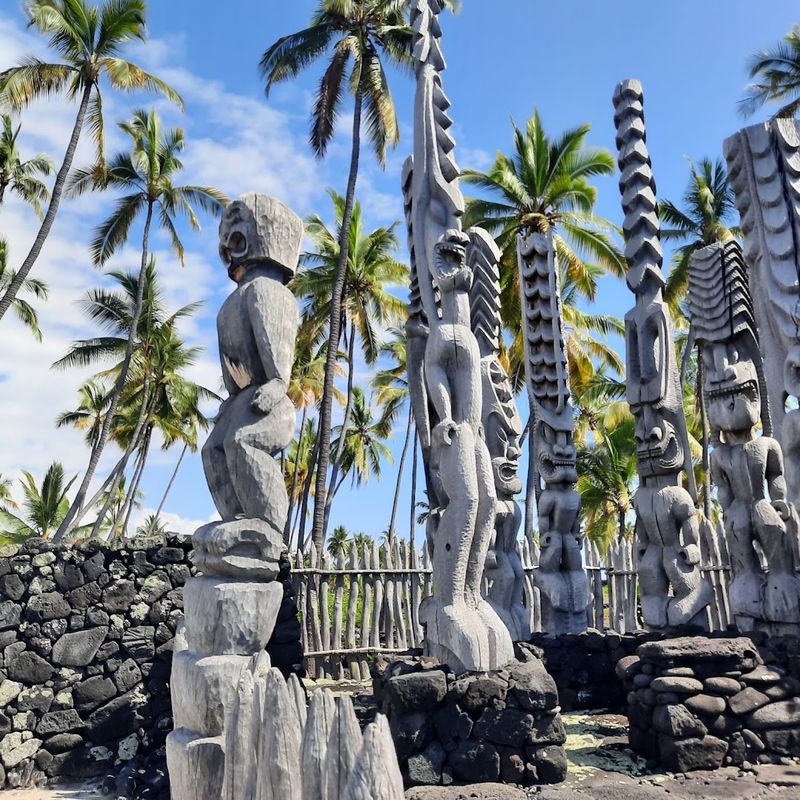
Puuhonua o Honaunau National Historical Park, located along State Highway 160 in Honaunau on the Big Island of Hawaii, was once a sacred refuge in ancient Hawaiian society.
Those who broke the strict kapu laws could find safety here, and the park still carries that sense of sanctuary today.
The site features a massive stone platform called the Great Wall, which once separated the royal grounds from the place of refuge.
Carved wooden ki’i statues stand guard near the reconstructed temple, creating a visual that is both striking and deeply respectful of tradition. The park rangers here are exceptional at explaining the cultural significance of every structure and carving.
The coastline surrounding the park is stunning, with black lava rock meeting clear turquoise water in a scene that feels almost surreal.
Sea turtles are frequently spotted resting along the rocky shore, adding a natural magic to the cultural experience. Self-guided trail maps are available at the visitor center for those who prefer to explore at their own pace.
Early morning is the best time to arrive, before the midday heat sets in and tour groups begin to arrive. The park is open most days of the year and is free to enter with a national park pass.
Few places in Hawaii carry this level of spiritual and historical resonance.
7. Hawaii Plantation Village, Waipahu
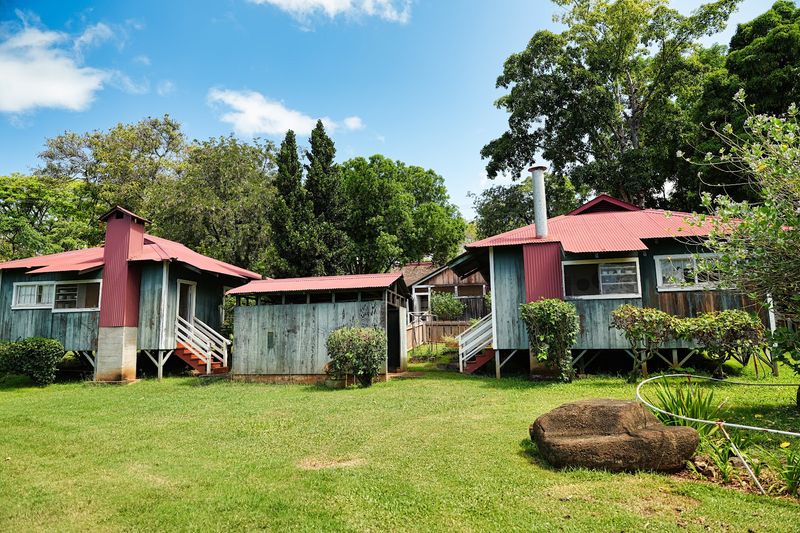
The story of Hawaii’s sugar plantations is one that doesn’t always make it into the glossy travel brochures.
Hawaii Plantation Village, at 94-695 Waipahu St in Waipahu, Oahu, changes that by preserving and interpreting the lives of the workers who built the island’s agricultural economy.
More than 25 restored or recreated structures represent the homes and community buildings of the many ethnic groups who labored on Oahu’s plantations.
Each building is furnished with period-accurate items that reflect the daily lives of Chinese, Japanese, Korean, Puerto Rican, and other immigrant communities.
Walking through these small but carefully arranged homes gives you a visceral sense of how families lived, cooked, celebrated, and survived.
The contrast between the cramped workers’ quarters and the plantation manager’s house tells its own story without needing a single word of explanation.
Guided tours are the best way to experience the village, as the docents bring each structure to life with personal stories and historical context. The tour typically runs about 90 minutes and covers the full grounds at a comfortable pace.
Photography is encouraged throughout the property.
The village is also an active center for cultural programming, hosting events tied to the traditions of the communities it represents.
School groups visit regularly, which speaks to how seriously the village takes its educational mission. It is a moving, honest, and deeply human piece of Hawaiian history.
8. Lyman Museum, Hilo
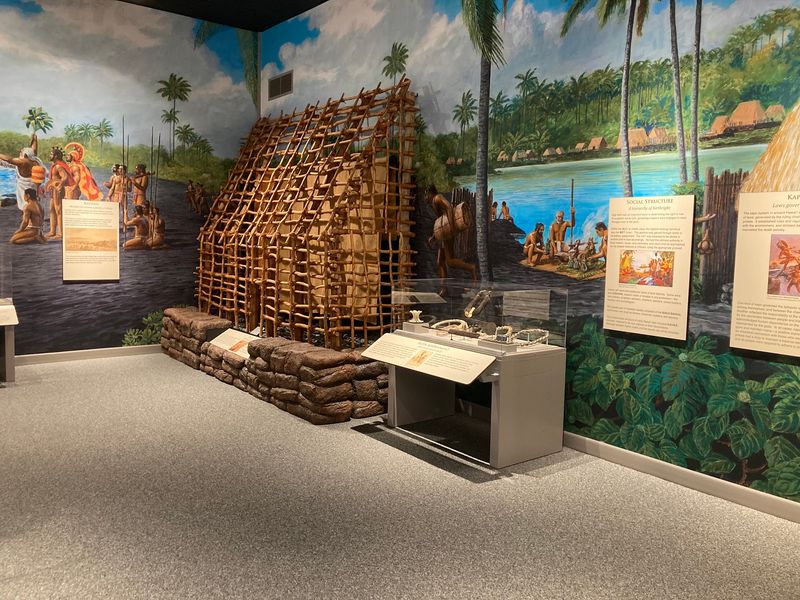
What if one museum could take you from the volcanic birth of an island all the way through its cultural evolution, all in a single afternoon?
The Lyman Museum, located at 276 Haili St in Hilo, on the Big Island of Hawaii, does exactly that. Founded in 1931, it is the oldest wood-frame building still standing in Hilo, and it anchors a modern gallery wing that covers both natural and cultural history.
The original missionary home, built in 1839, has been preserved as a house museum and offers a fascinating look at early American missionary life in Hawaii.
Period furniture, personal letters, and household objects bring the 19th century into sharp focus. The contrast between the old home and the modern gallery next door mirrors the broader story of Hawaii’s transformation over time.
The Earth Heritage Gallery traces the geological forces that created the Hawaiian Islands, with a particularly compelling section on the volcanic activity that continues to shape the Big Island today.
The Island Heritage Gallery covers the cultural traditions of Hawaii’s many communities, from native Hawaiians to the waves of immigrants who followed. Both galleries are thoughtfully designed and easy to navigate.
Hilo itself is a wonderfully underrated town, and the museum sits at its cultural heart. Nearby Kalakaua Park and the Hilo waterfront make for a lovely extension of your visit.
The Lyman Museum rewards curiosity at every turn.
9. Waimea Valley, Haleiwa
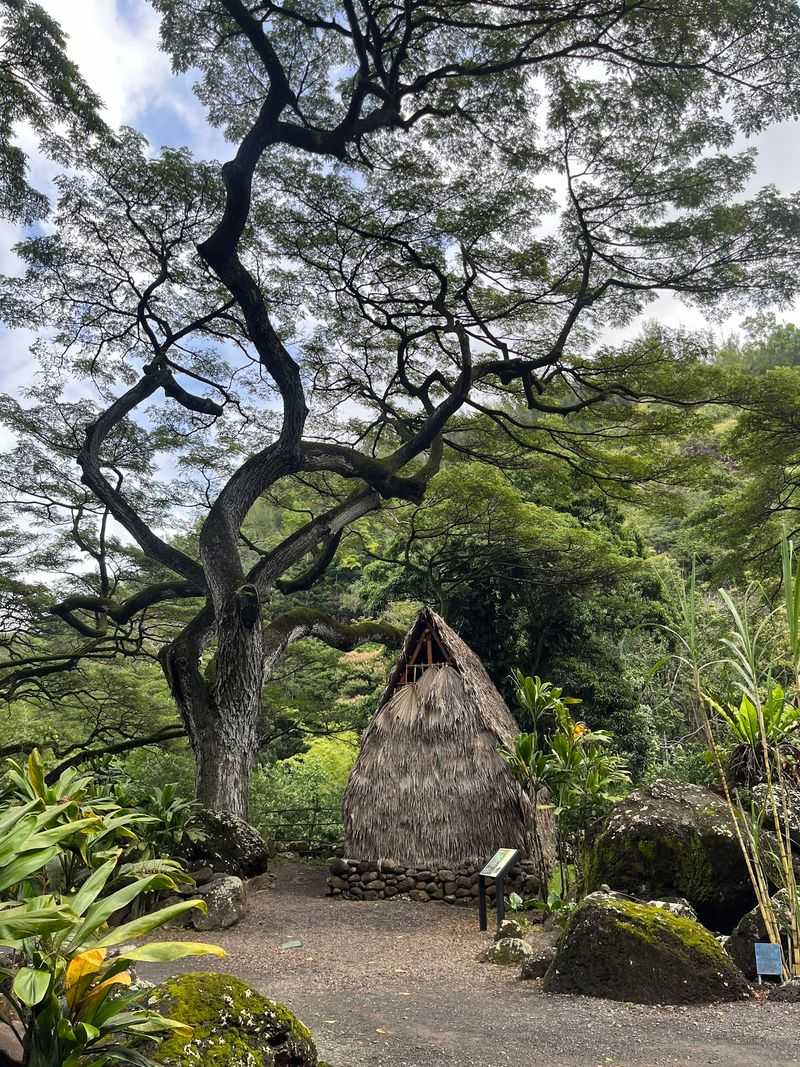
I had to do a double-take the first time I saw how green and alive this valley truly is, even by Hawaiian standards.
Waimea Valley, located at 59-864 Kamehameha Hwy in Haleiwa, Oahu, is one of the most culturally and ecologically significant sites on the North Shore.
The valley has been continuously inhabited for over a thousand years and was once a center of Hawaiian spiritual life, agriculture, and community.
Today, the valley operates as a nature park and cultural preserve, maintaining more than 5,000 acres of native Hawaiian plants and archaeological sites.
A paved path winds gently through the botanical garden, passing heiau (ancient temple platforms), traditional fishponds, and reconstructed Hawaiian structures.
Cultural demonstrations, including hula, Hawaiian games, and plant medicine, are offered regularly throughout the day.
The trail ends at a beautiful 45-foot waterfall with a natural swimming area, which is one of the most refreshing rewards at the end of a cultural walk you will ever find.
Life jackets are provided for swimmers, and the water is generally calm and inviting. The combination of nature and history in a single walkable space is what makes Waimea Valley truly special.
Early mornings offer the best light for photography and the coolest temperatures for the walk. Weekdays tend to be quieter than weekends, making for a more peaceful experience.
Nature and culture rarely coexist this beautifully anywhere in the Pacific.
10. Kauai Museum, Lihue
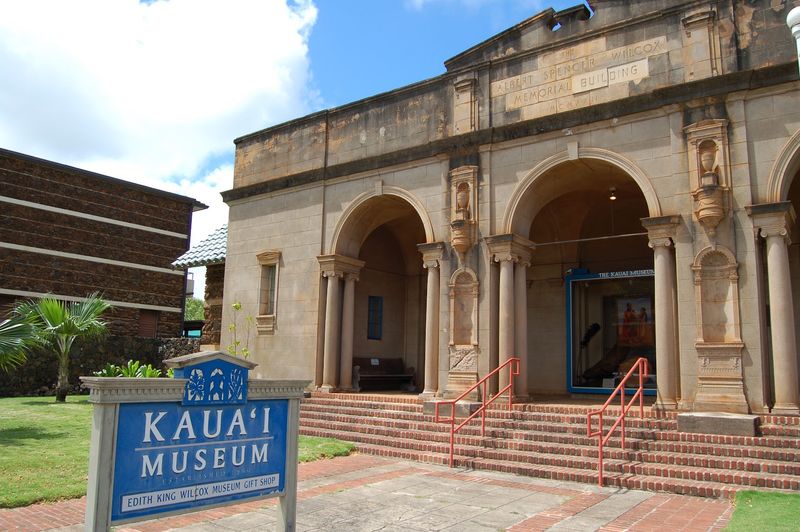
Correct me if I’m wrong, but Kauai doesn’t always get the cultural credit it deserves when people talk about Hawaiian heritage.
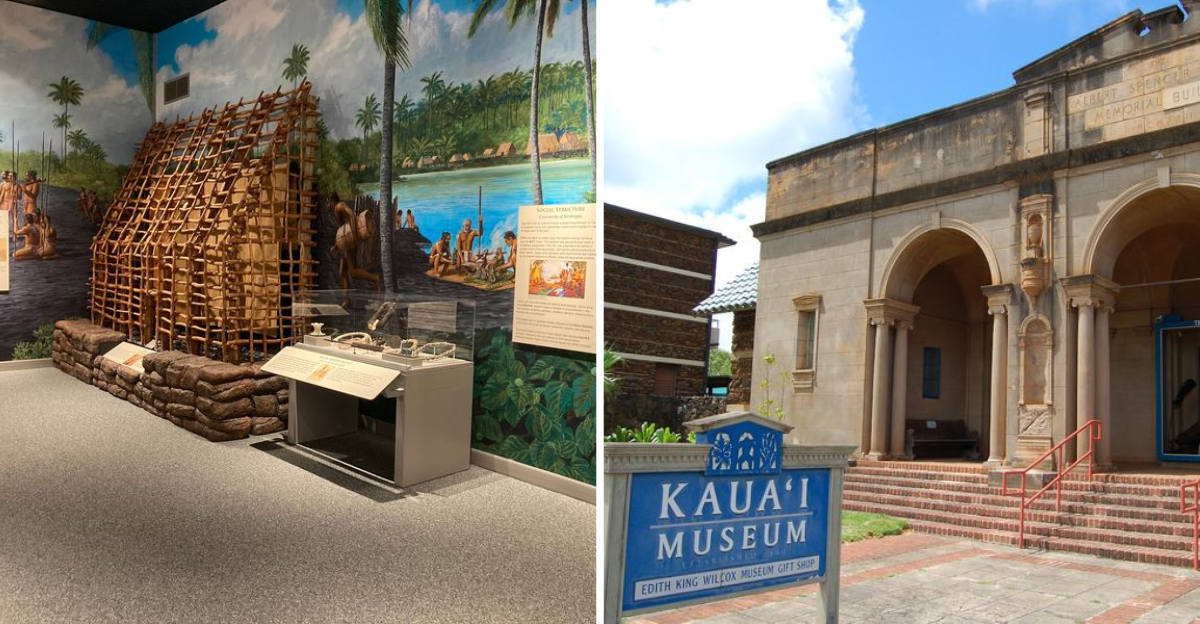
The Kauai Museum, located at 4428 Rice St in Lihue, Kauai is here to set the record straight.
Spread across two historic buildings in the heart of Lihue, the museum chronicles the natural and human history of the Garden Isle from its volcanic origins to the present day.
The William Hyde Rice Building houses the main permanent collection, which includes ancient Hawaiian artifacts, traditional tools, and objects connected to Kauai’s unique cultural identity.
The Albert Spencer Wilcox Building next door focuses on the island’s more recent history, including the plantation era and the communities that shaped modern Kauai. Together, the two buildings offer a remarkably complete portrait of one island’s long story.
A highlight of the collection is the display of lauhala weaving, a traditional Hawaiian craft that Kauai is particularly known for preserving.
Demonstrations and workshops are occasionally offered, giving visitors a hands-on connection to the tradition. The museum shop carries a well-curated selection of books and locally made crafts that make for meaningful keepsakes.
Lihue is Kauai’s main town and makes for an easy base when exploring the island’s other cultural and natural sites.
The museum is compact enough to explore in a couple of hours but rich enough to leave a lasting impression. For anyone serious about understanding Kauai beyond its postcard scenery, this is the place to start.