Pull Off Highway 21 For This Idaho Ghost Town Where The Old Mill Still Stands
Some drives end with a gas station and a shrug. This one ends with wooden boardwalks, weathered storefronts, and a whole town that once buzzed louder than anywhere else in the territory.
Tucked into the mountains along Highway 21, an old gold-rush settlement still holds onto its story, and a guided walk brings every creaky building back to life. If you love finding places that feel far bigger than their size, this stop in Idaho is worth the turnoff.
Where Highway 21 Slows Down And History Speaks Up
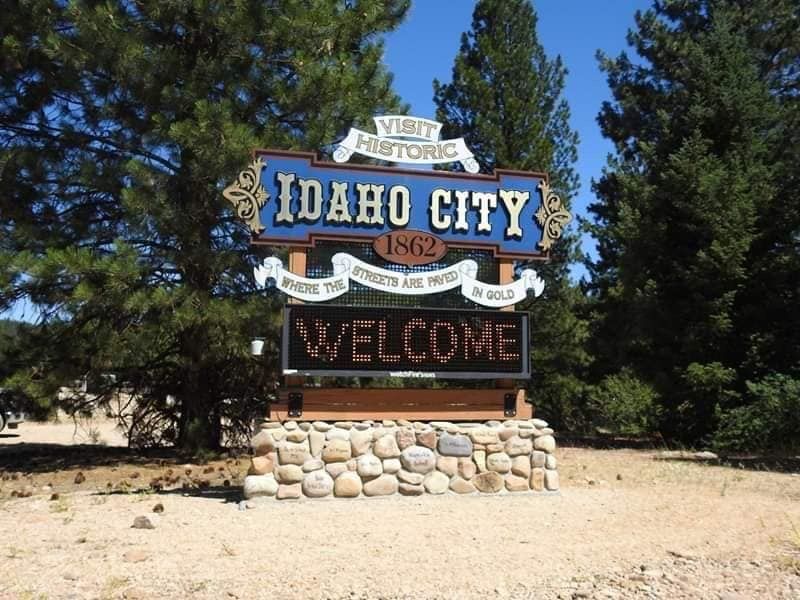
Roughly 36 miles up Highway 21 from Boise, the pavement bends through pine forest and suddenly opens onto a cluster of weathered buildings that seem lifted straight out of the 1860s. Idaho City sits in the Boise Basin, in the mountains of central Idaho, and it once ranked among the busiest settlements in the entire Pacific Northwest.
The walking tours here give shape to what could otherwise feel like a scattering of old wood and faded signs. A guide leads you along the boardwalks, pointing out which storefront was a mercantile, which was a print shop, and which foundation belonged to something long gone.
What makes the experience stick is how ordinary details turn extraordinary. A doorframe worn smooth by countless hands, a stone wall that outlasted its building, a street name that hints at forgotten ambition.
You walk the same paths thousands of gold-seekers once hurried down, and the mountain air fills in the rest of the scene for your imagination.
A Boomtown Built On Golden Ambition
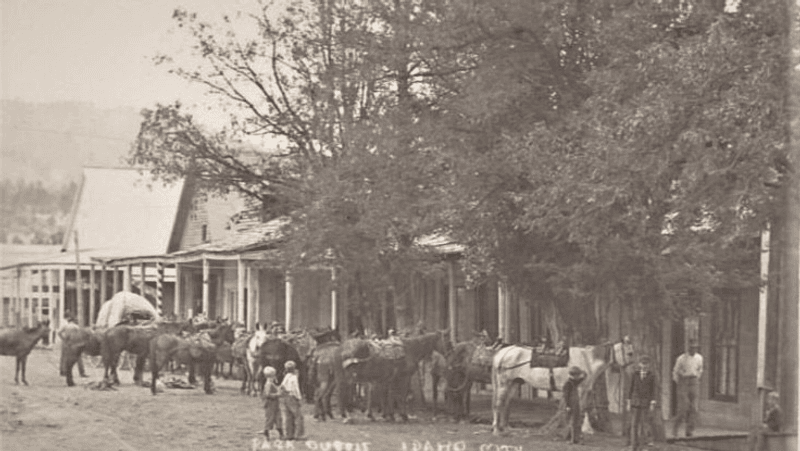
Picture a mountain gulch in the early 1860s suddenly swarming with tens of thousands of hopefuls, each convinced the next shovelful would change everything. That was Idaho City at its peak, when gold strikes in the Boise Basin turned a quiet valley into one of the largest population centers the region had ever seen.
Stores, workshops, and offices sprang up almost overnight. Freight wagons rolled in loaded with supplies, and the town hummed with the constant clatter of commerce and mining.
The walking tour leans into this rise and fall, explaining how quickly fortunes shifted once the easy gold thinned out. Guides describe the boom years with enough concrete detail that you can almost hear the crowds and smell the wood smoke.
Understanding that history changes how you see the empty spaces between buildings. Each gap once held a business, a family, a plan.
Learning the arc of the town, from frenzy to quiet, gives the whole district an emotional weight that a simple photo never captures.
The Old Mill That Refuses To Fade
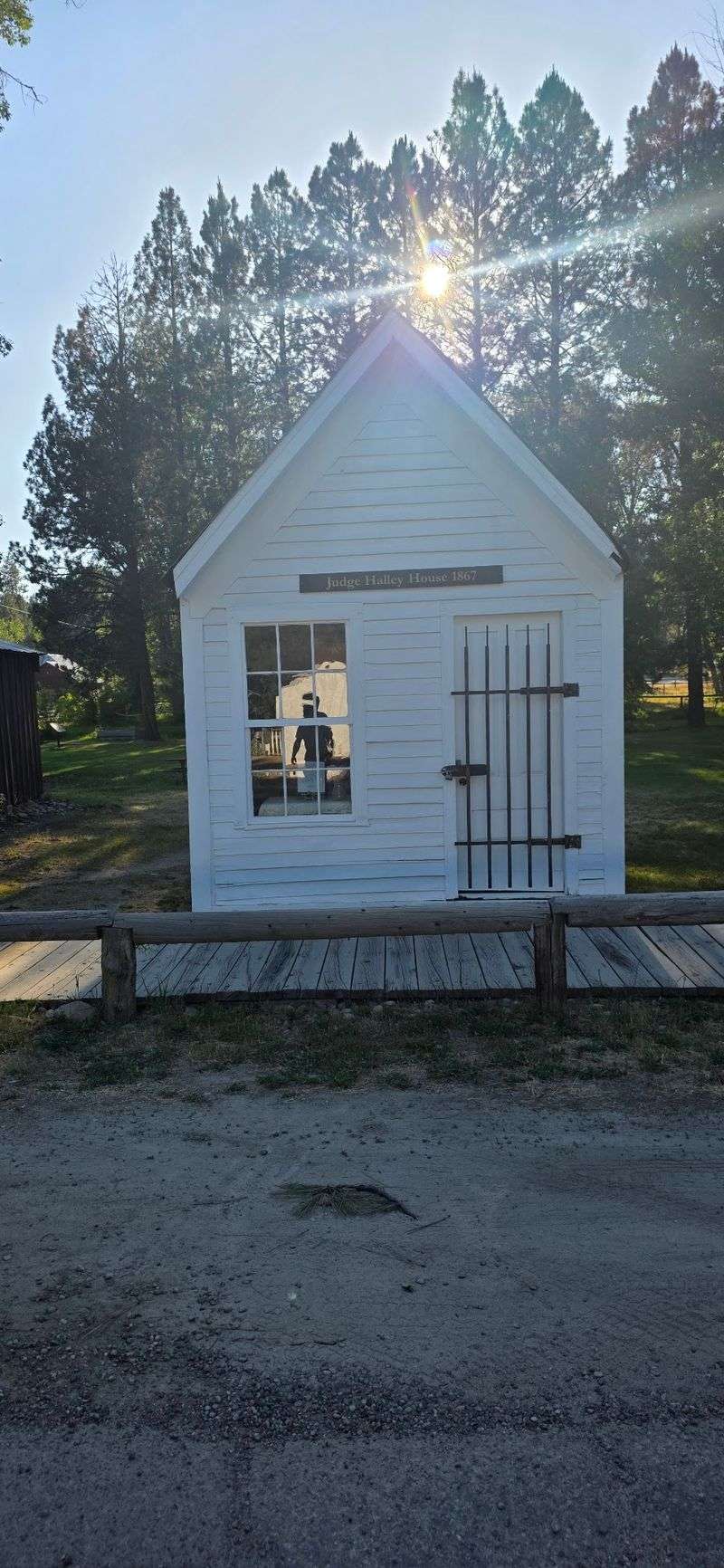
Weathered timbers, rusting gears, and beams stacked with the confidence of another century – the old mill remains one of the most striking sights around the district. It stands as a reminder of the industry that once powered the town, when raw ore and lumber moved through machinery that never seemed to rest.
Mills like this were the beating heart of any mining settlement. Without them, the gold and timber pulled from the surrounding hills had nowhere to go.
On the walking tour, guides use structures like this to explain how the whole operation fit together, from the diggings in the gulches to the finished product ready for shipment. Seeing the size of the surviving framework helps you grasp just how much labor and money flowed through this place.
There’s something quietly powerful about a structure that outlasts the town that built it. While storefronts came and went, the mill kept standing, a stubborn wooden landmark that ties the present-day visitor directly to the workers who kept it running.
Boardwalks, False Fronts, And Frozen Time
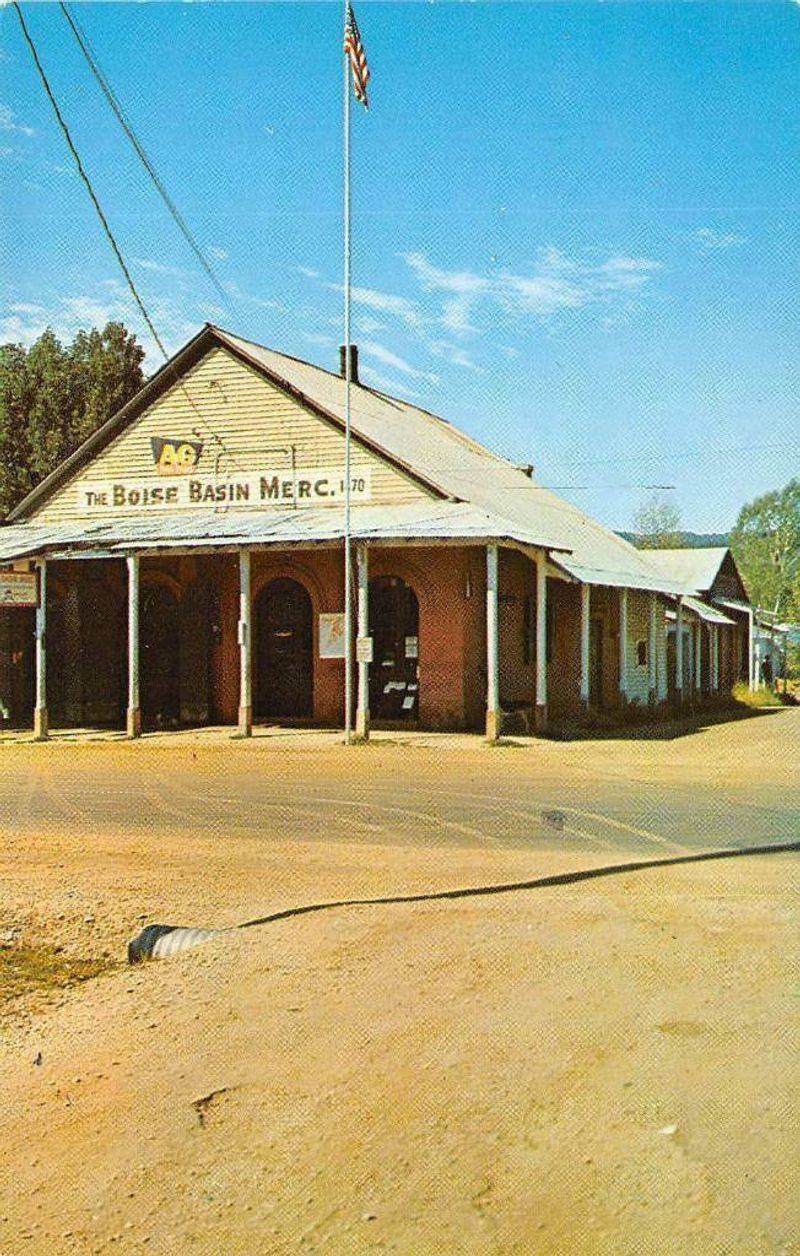
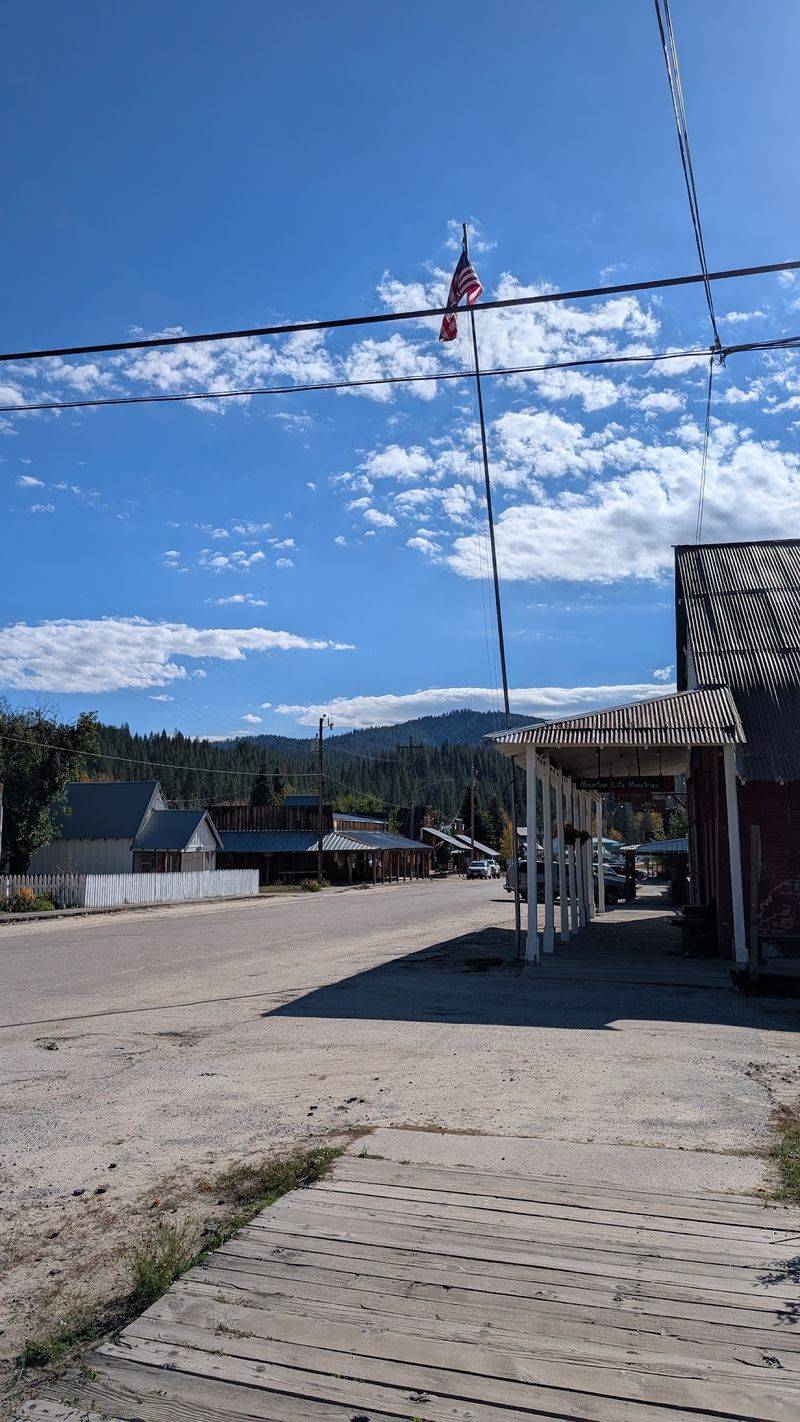
Step onto the wooden boardwalks and your footsteps announce themselves with a hollow knock that no modern sidewalk can match. The false-front buildings lining the street lean and settle in ways that make each one feel handmade, because it was.
These tall, flat facades were a frontier trick, meant to make modest shops look grander and more permanent than they really were. Standing beneath them now, you can read the ambition in the architecture.
A guide walking you past each one turns a row of old buildings into a living directory. This was where miners bought supplies, that was where letters were mailed, and over there business was conducted for the whole basin.
What lingers is the texture of the place – warped glass, hand-cut nails, paint faded to soft grays and browns. The tour slows you down enough to notice these things, and once you do, the district stops looking like a movie set and starts feeling like a town that simply paused and waited for you to arrive.
The Guide Who Brings The Basin To Life
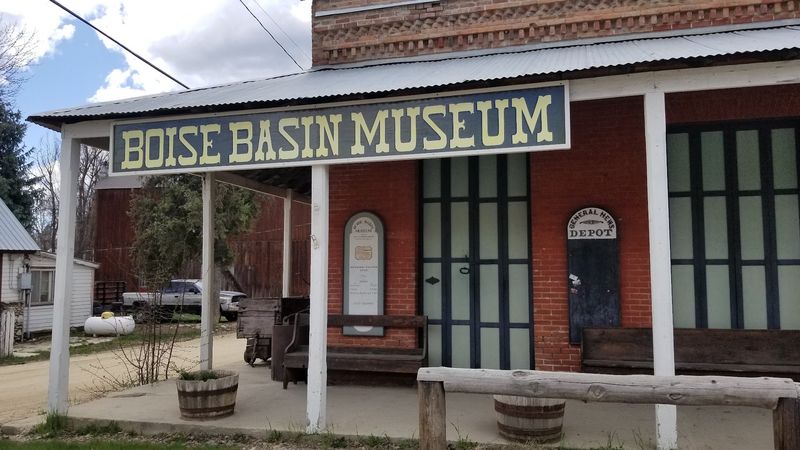
Facts on a plaque only go so far. What transforms a stroll through old buildings into something memorable is a knowledgeable guide who can connect the dots between a foundation, a family name, and a moment that shaped the town.
The walking tours here are led with real enthusiasm for the district’s story. Instead of reciting dates, the guide weaves the everyday lives of shopkeepers, miners, and families into the route, so the town feels populated again.
Visitors who have taken the tour mention how much richer the buildings become once someone explains what happened inside them. A plain wall gains a purpose, an empty lot gains a ghost of a structure.
Because the group stays small and the pace stays relaxed, there’s room for questions and side stories. You leave not just with photos but with a mental map of how the whole basin worked, who lived here, and why the town rose and quieted the way it did.
That kind of storytelling is exactly what turns a quick stop into a genuine outing.
Who This Slow-Paced Outing Suits Best
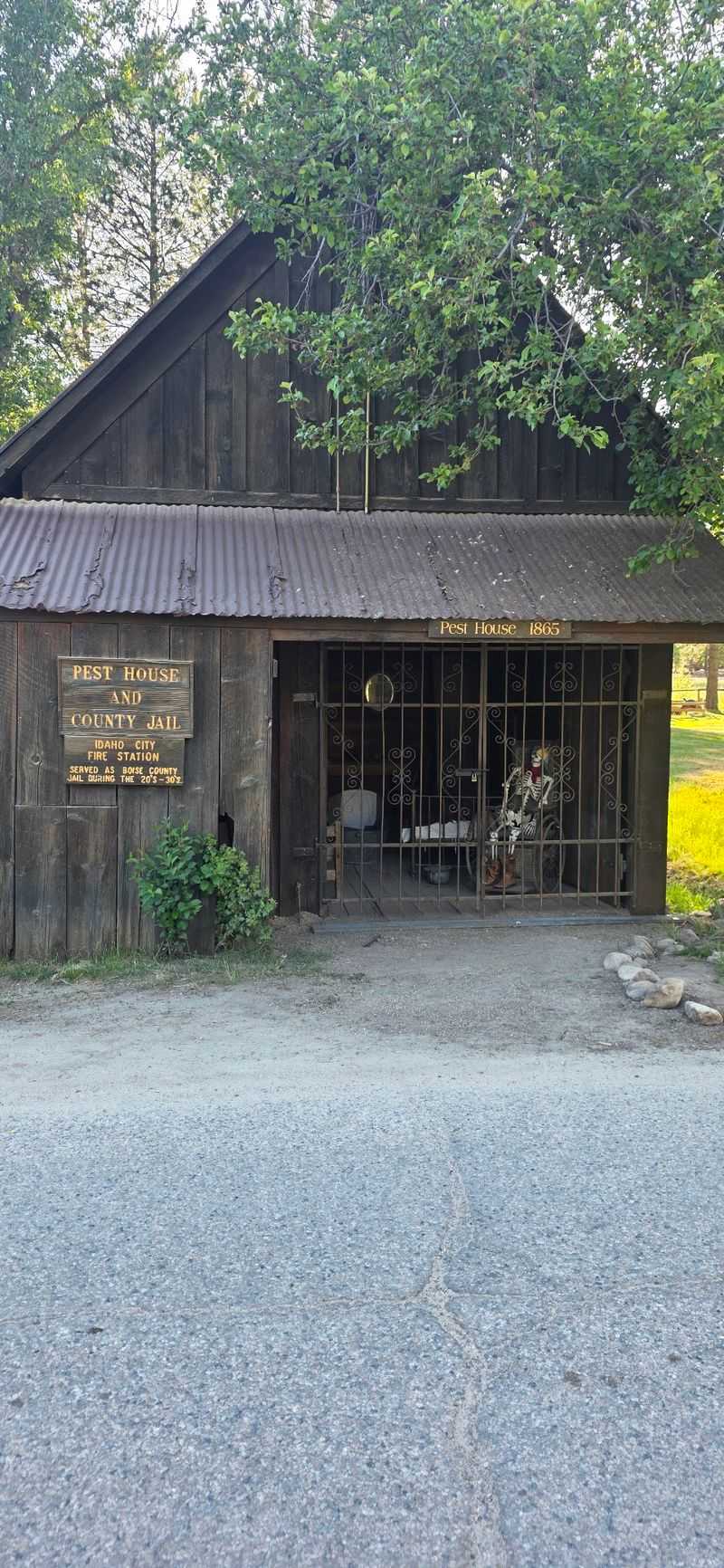
Not every attraction rewards curiosity, but this one practically runs on it. If you’re the kind of traveler who reads every historical marker twice and wonders what the empty spaces used to hold, the walking tour was built for you.
Families with older kids find it works well too, since the stories are vivid enough to hold attention and the walking is gentle. Photographers love the weathered textures, and history buffs get more depth than any roadside stop could offer.
It also pairs nicely with a broader day trip. The drive up Highway 21 is scenic on its own, so the tour becomes the anchor of an afternoon rather than the whole event.
People who prefer flashy, fast-moving entertainment might find the pace too calm, and that’s fair. This is a place for lingering, listening, and letting your imagination fill in the crowds.
For anyone who appreciates the quiet thrill of standing where a vanished world once thrived, it hits exactly the right note without ever trying too hard.
The Cemetery On The Hill And Its Silent Stories
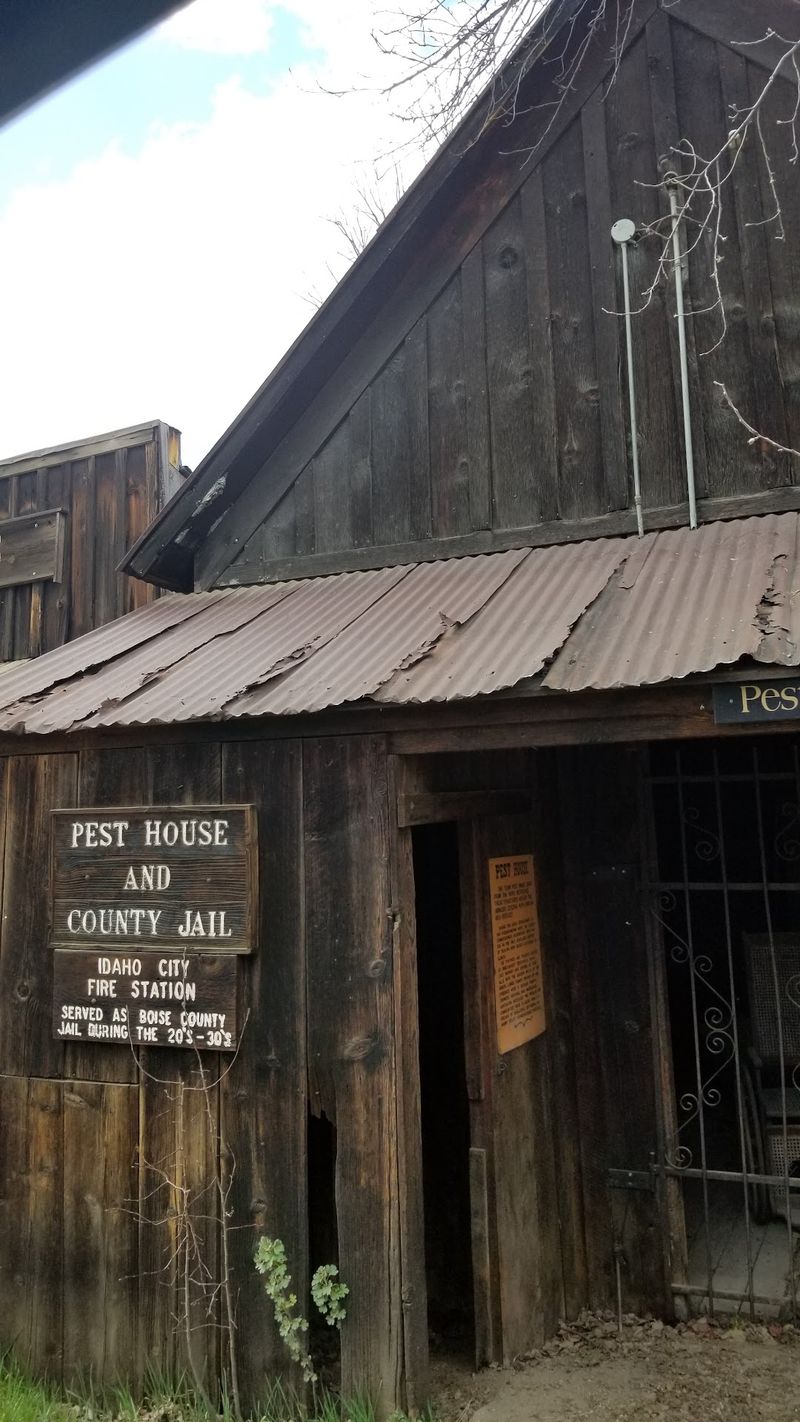
Just beyond the main street, the old pioneer cemetery climbs a pine-covered slope, its weathered markers tilting gently in the mountain soil. Walking among them offers one of the quieter, more moving chapters of any visit.
The markers tell fragments of stories – families, ages, origins scattered from across the country and around the world. Together they sketch a portrait of just how far people traveled to chase their fortunes in this basin.
Guides often work these grounds into the larger narrative, explaining how the makeup of the resting place mirrors the boomtown’s diverse and hopeful population. It grounds all the tales of gold and commerce in the real people who lived them.
Standing beneath the trees, with the town spread out below, you get a sense of continuity that’s hard to find elsewhere. The cemetery isn’t a somber detour so much as a reminder that this was a genuine community, not just a mining operation.
It rounds out the picture and gives the whole outing a thoughtful, human close.
Getting There Along The Scenic Highway 21
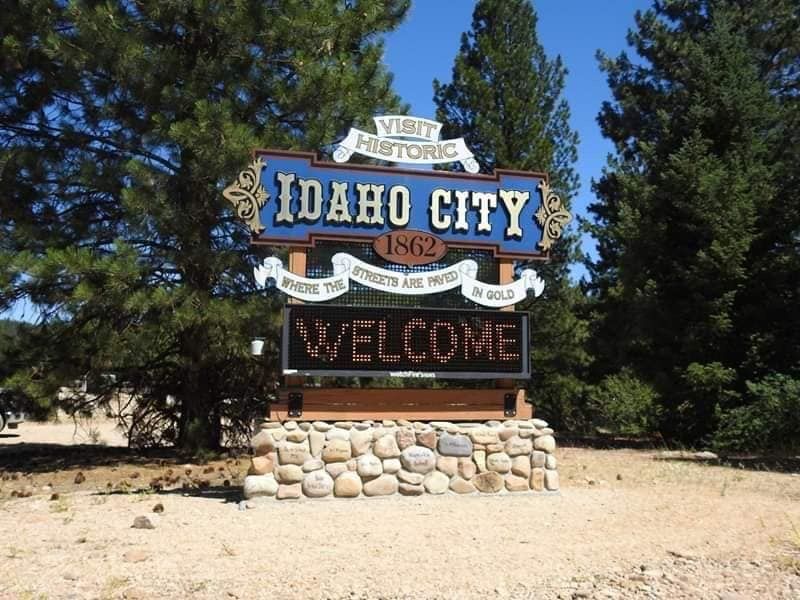
Half the fun starts before you ever set foot on a boardwalk. Highway 21, often called the Ponderosa Pine Scenic Byway, climbs out of the Boise area and winds through forested ridges and river valleys on its way up.
The route runs roughly 36 miles from Boise, an easy morning drive that turns the outing into a proper day trip rather than a rushed errand. Pullouts along the way give you reasons to stop, stretch, and take in the scenery.
Once you reach town, everything sits within a compact, walkable core, so parking and finding the meeting point are refreshingly simple. The tours themselves gather right in the historic district at 206 B Main Street in Idaho City.
Warmer months make the smoothest visit, since mountain weather can turn quickly and winter brings snow to the higher elevations. Aim for a clear day from late spring through early fall, pack layers regardless, and the drive alone will have you glad you pulled off the highway.
Planning Your Walk: Timing And Practical Notes
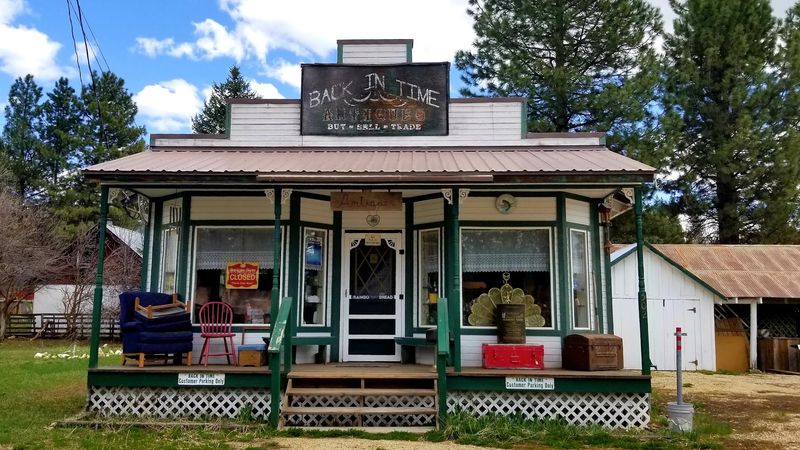
A little planning goes a long way with a tour this specialized. The walks operate on a limited schedule, generally running on select mornings during the week, so checking ahead before you make the drive is the smart move.
Because the sessions tend to happen in the morning hours, it works best as an early outing that leaves your afternoon free for wandering the shops and lanes on your own. Building the rest of your day around that window keeps everything relaxed.
Details can shift with the seasons, and mountain towns often adjust their offerings as the year turns. Confirming current availability before you head up avoids the disappointment of arriving on a closed day.
Wear comfortable shoes, since the boardwalks and dirt paths aren’t polished flat, and bring water for the elevation. The pace is easy and the route stays compact, so almost anyone can manage it.
With a bit of forethought and a flexible morning, you’ll slot right into one of the more rewarding history walks in this corner of Idaho.
Why This Turnoff Earns The Detour
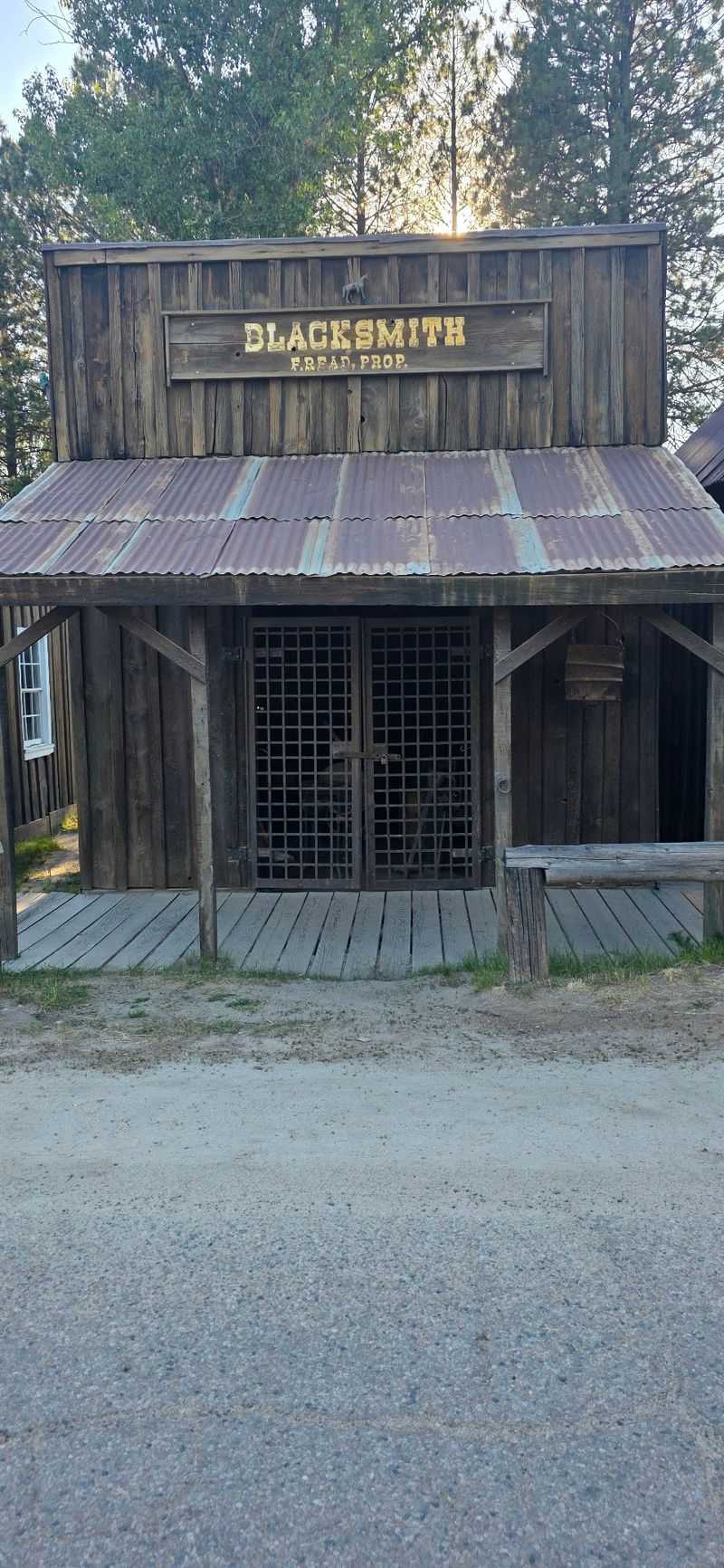
By the time you walk back to your car, the row of old buildings looks entirely different than it did an hour earlier. What started as a curious cluster of weathered wood has become a place with names, purposes, and stories stitched into every plank.
The combination is what makes it work: a scenic mountain drive, a genuine gold-rush town frozen in time, an old mill still standing watch, and a guide who ties it all together with real care.
Few day trips out of Boise offer this much substance for so little effort. You get fresh pine air, a satisfying history lesson, and the quiet satisfaction of discovering a spot that feels like a secret even though it sits right off a major highway.
Whether you grew up passing the Highway 21 turnoff or you’re chasing a new weekend adventure, this stop delivers more than its modest size suggests. Pull off, take the walk, and let one of Idaho’s most storied little towns remind you how much history can hide just past the next bend in the road.