10 Quiet California Getaways To Escape The Crowds This August
August crowds can turn even a beautiful getaway into a test of patience.
Parking lots fill early. Popular trails feel busier than expected. Waterfronts lose some of their calm once everyone arrives with the same weekend plan.
Yet there are still places where summer moves at a gentler pace and the loudest interruption might be wind through the trees.
Across California, quieter escapes remain possible even during one of the busiest travel months.
The right destination can make a few days away feel restorative again.
Think slower mornings, peaceful walks, and enough breathing room to enjoy the scenery without constantly navigating around groups.
These getaways are not about racing through a checklist. They are for lingering over breakfast and letting an afternoon unfold without much structure.
1. McCloud, Siskiyou County
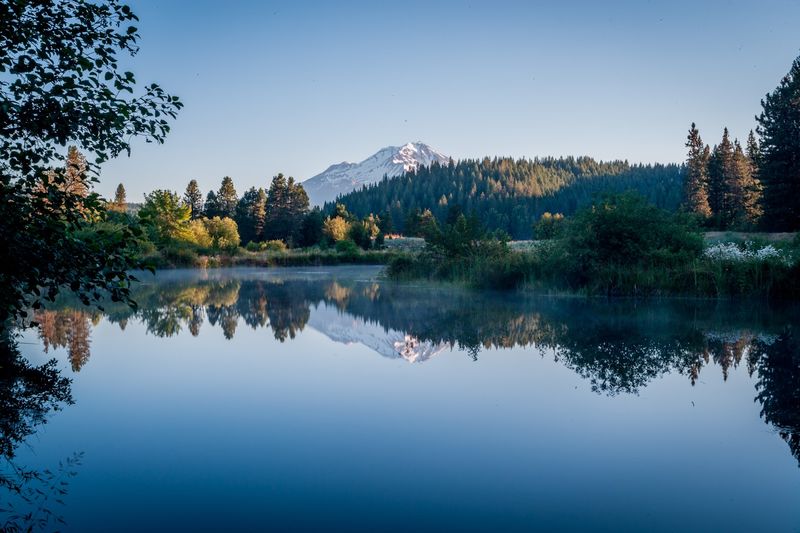
Perched on the southern slopes of Mount Shasta, this small Northern California town carries a quiet confidence that larger destinations rarely manage to hold onto.
The entire downtown area is recognized as a Nationally Registered Historic District, featuring seventeen landmark buildings that give the streets a lived-in, unhurried character.
Wandering through town on a warm August afternoon feels genuinely relaxed, with small businesses and local shops welcoming visitors without any sense of rush.
The McCloud River Falls Trail is an accessible and easy path leading to three distinct waterfalls – Lower, Middle, and Upper – making it a satisfying outing for most fitness levels.
For those who prefer longer stretches of open space, the Great Shasta Rail Trail offers miles of non-motorized pathways through forests and mountain terrain.
Access points along Pilgrim Creek Road and Esperanza Road both offer off-road parking, though trail conditions could vary by season.
The Heritage Junction Museum preserves the town’s lumber and railway history through photographs and artifacts that tell a grounded, honest story.
McCloud tends to stay quieter than nearby Mount Shasta City, making it a genuinely low-key base for exploring the region throughout August.
2. Ferndale, Humboldt County
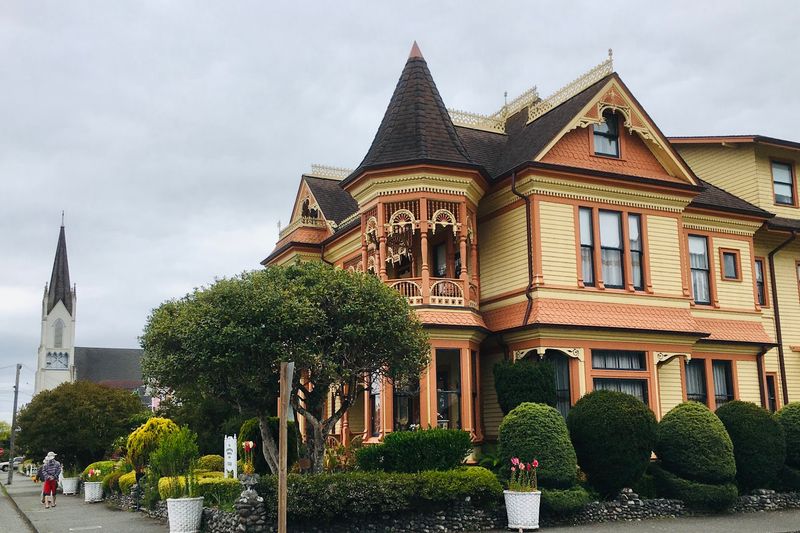
Few towns in California feel as genuinely preserved as Ferndale, a small community in Humboldt County where Victorian architecture lines the main street in a way that feels organic rather than staged.
The entire town is a California Historical Landmark, and the buildings along Main Street reflect a careful effort to maintain the character of an earlier era without turning the place into a theme park.
Visiting on a weekday in August tends to offer a noticeably quieter experience than weekend afternoons.
The surrounding dairy farmland gives Ferndale a pastoral, almost pastoral quality that sets it apart from coastal towns further south.
Gentle hills roll outward from the town’s edges, and the cool Humboldt County air keeps temperatures comfortable even during peak summer months.
Strolling the streets without a set agenda is genuinely enjoyable here, as the storefronts, galleries, and small shops reward slow exploration.
The Ferndale Museum offers a thoughtful look at the region’s agricultural and Victorian-era history through well-organized exhibits.
The pacing of a visit here tends to be calm and easy, making Ferndale a strong choice for anyone wanting a low-pressure August escape in Northern California.
3. Trinidad, Humboldt County
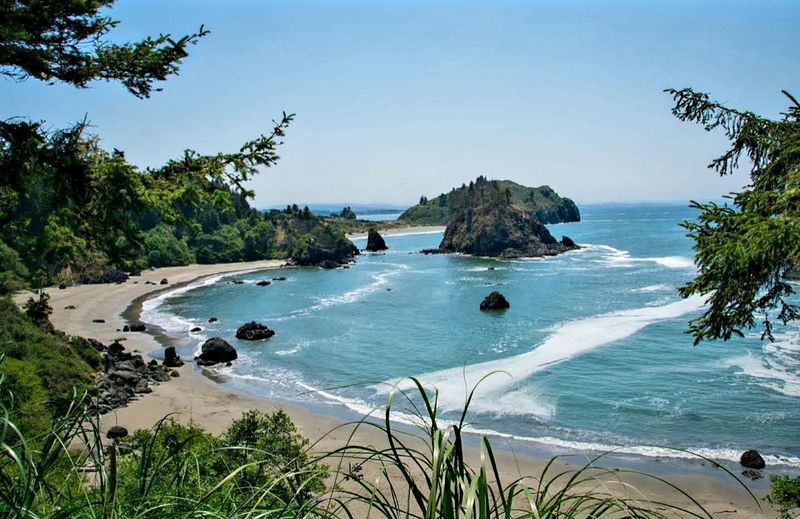
Sitting above a dramatic stretch of Northern California coastline, Trinidad is a small fishing village that has managed to stay genuinely quiet despite its undeniable beauty.
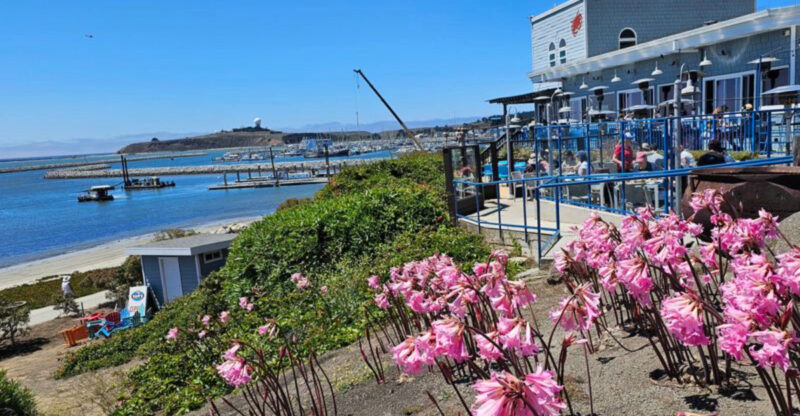
The harbor is compact and photogenic, with colorful boats bobbing near sea stacks that rise directly from the water.
August mornings here tend to arrive with soft coastal fog that burns off by midday, leaving clear skies and cool ocean breezes that make outdoor time comfortable without the heat found further inland.
Trinidad State Beach offers tide pools, short coastal trails, and sandy coves that rarely feel overcrowded even during summer.
The Trinidad Head Trail loops around a prominent headland with sweeping views of the Pacific and the surrounding coastline, and the walk is short enough to complete in under an hour at a relaxed pace.
Parking near the harbor can fill up on busy weekends, so arriving earlier in the day tends to make the experience smoother.
The Trinidad Memorial Lighthouse at Edwards Street and Trinity Street, Trinidad, CA 95570 is a well-known local landmark that sits near the bluff overlooking the harbor.
Trinidad’s combination of coastal scenery, manageable scale, and calm atmosphere makes it one of the most rewarding small-town stops on the Northern California coast during summer.
4. Point Arena, Mendocino County
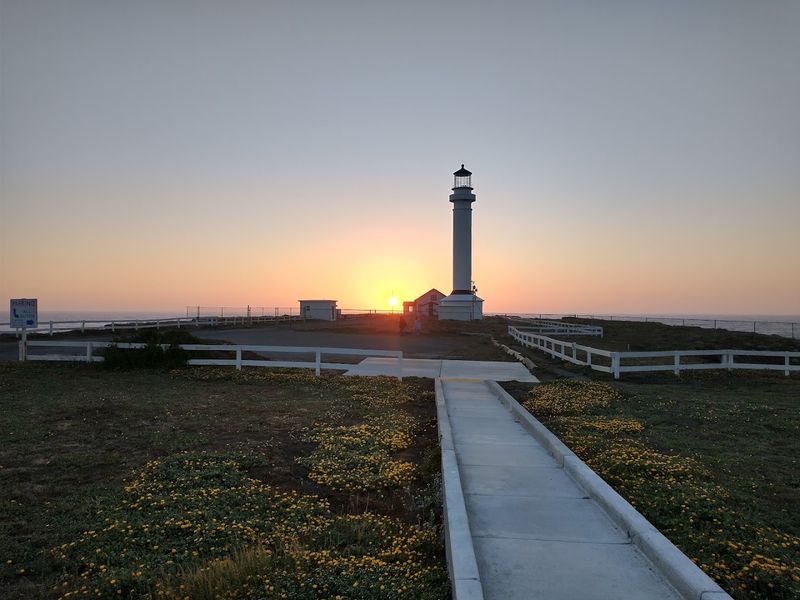
Along the Mendocino Coast about two and a half hours north of San Francisco, Point Arena is the kind of place that rewards visitors who take the time to find it.
The town itself is small and unpretentious, with a handful of local businesses, a modest main street, and a pace that feels genuinely removed from the urgency of urban life.
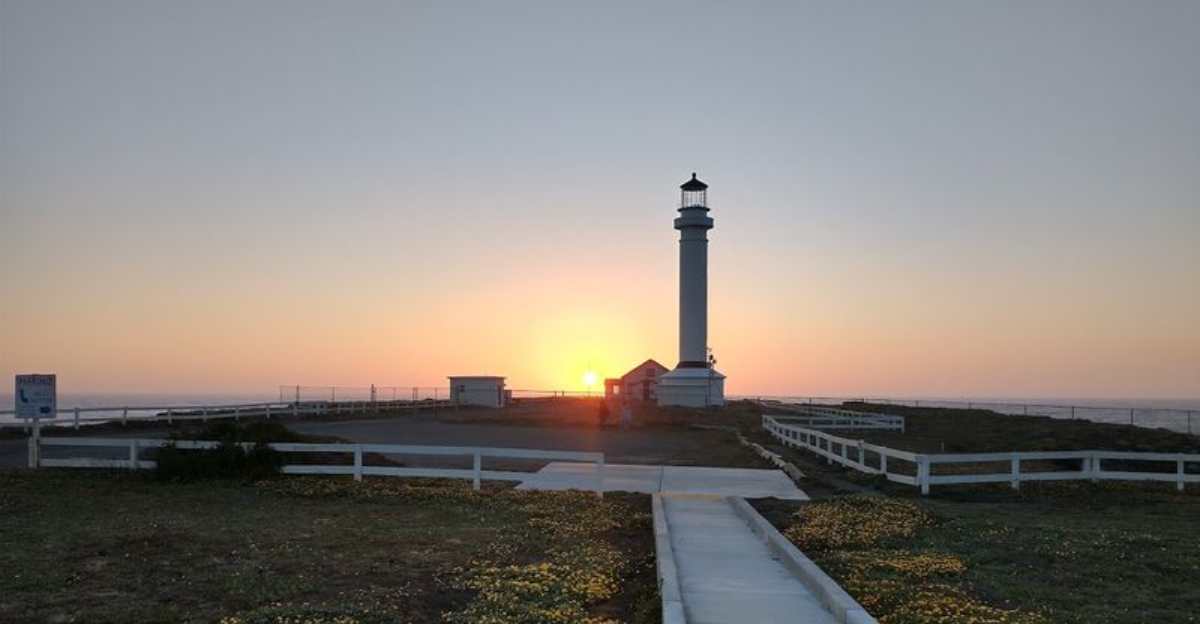
August here brings mild coastal temperatures and long evenings with fading golden light over the Pacific.
The Point Arena Lighthouse is the most recognizable landmark in the area and one of the tallest lighthouses on the West Coast at 115 feet.
The lighthouse is open to visitors and offers guided tours that cover the structure’s history and its role in maritime safety along this stretch of coastline.
Climbing to the top provides sweeping views of the ocean and the rugged shoreline that stretches in both directions.
The surrounding area also includes the Garcia River and nearby coastal access points that attract birdwatchers and hikers looking for quiet outdoor time.
Point Arena tends to draw visitors who prefer substance over spectacle, and the town’s low-key energy makes it a fitting stop for an unhurried August road trip along the Mendocino Coast.
5. Graeagle, Plumas County
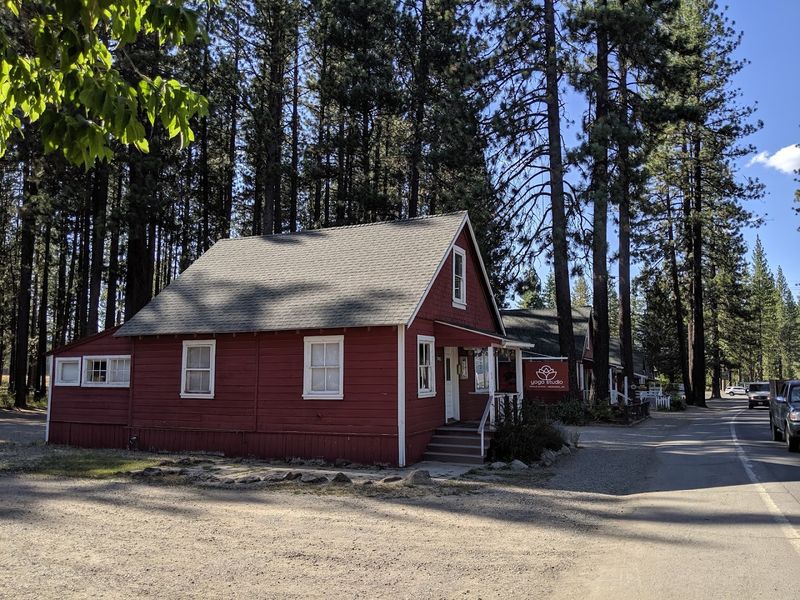
Settled into a narrow mountain valley in Plumas County, Graeagle is a small resort community that tends to fly under the radar even among frequent California travelers.
The town centers around a cluster of red mill buildings near the Middle Fork of the Feather River, and the combination of rushing water, tall pines, and mountain air gives the place a distinctly refreshing quality during August.
The elevation sits around 4,400 feet, which keeps summer temperatures noticeably cooler than the Central Valley below.
Fly fishing along the Feather River is a popular activity here, and the stretch of water near town offers accessible spots for both beginners and experienced anglers.
The nearby Plumas-Eureka State Park provides hiking trails through conifer forests and past historic gold mining sites, adding a layer of history to the natural scenery.
Trails in the park vary in length and difficulty, making it easy to find something suitable for different energy levels.
The community of Graeagle also sits close to several mountain lakes, including Frenchman Lake and Lake Davis, both of which offer fishing and non-motorized water activities.
The overall pace of the area encourages slow mornings, afternoon walks, and the kind of restorative quiet that August in the mountains tends to offer more reliably than the coast.
6. Quincy, Plumas County
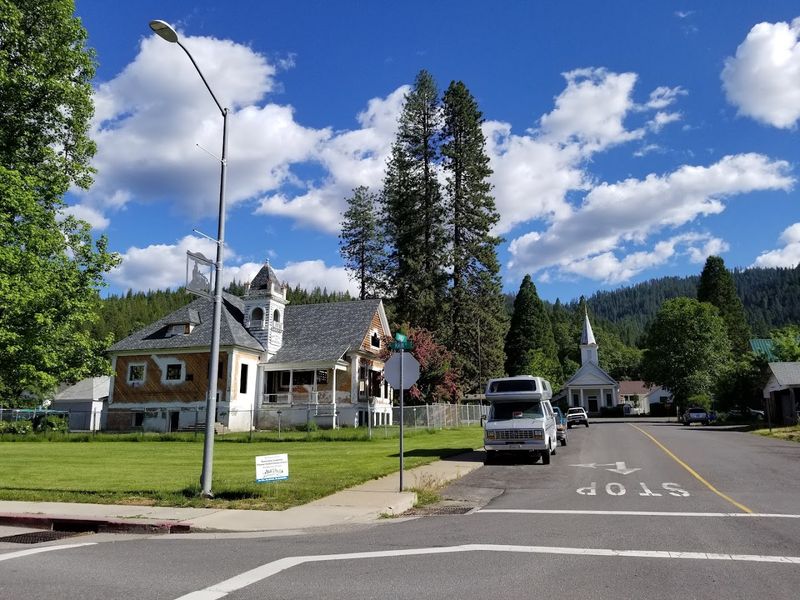
Sitting at roughly 3,400 feet in the heart of Plumas County, Quincy is a genuine mountain town with a working downtown and a surrounding landscape that offers serious outdoor recreation.
The air is clean and noticeably cooler than lower elevations, making August afternoons here far more comfortable than those in Sacramento or the Bay Area.
The town has a lived-in quality that comes from being a county seat with real community infrastructure rather than a resort built around tourism.
The Plumas County Museum offers a well-maintained collection of artifacts and exhibits covering the region’s mining, railroad, and ranching history.
Nearby trails in the Plumas National Forest provide access to meadows, streams, and forested ridgelines that reward hikers with solitude and scenery in roughly equal measure.
The Spanish Creek Trail near town is a relatively easy walk that follows a clear mountain stream through shaded forest.
Quincy’s small downtown has a handful of local restaurants and shops that cater to both residents and visitors without feeling overbuilt for tourism.
The overall character of the town is unpretentious and welcoming, and the surrounding national forest makes it a strong base for exploring Plumas County’s quieter corners throughout the summer.
7. Sierra City, Sierra County
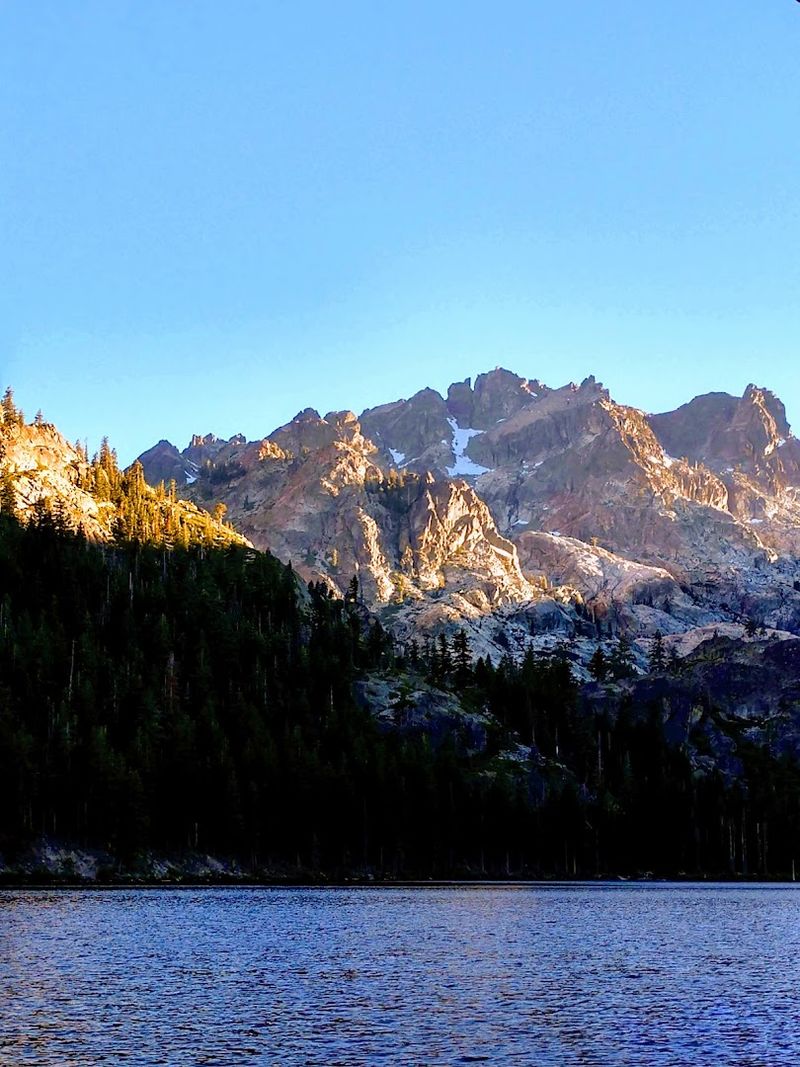
Sitting at the base of the dramatic Sierra Buttes in one of California’s least populated counties, Sierra City is the kind of place that rewards visitors who are willing to make the drive.
The jagged rocky peaks of the Sierra Buttes rise sharply above the town, creating a backdrop that feels more dramatic than anything the elevation alone might suggest.
August brings warm days and cool nights at this elevation, making it an appealing destination for hikers, backpackers, and anyone seeking genuine mountain quiet.
The Sierra Buttes Trail leads to a fire lookout tower at the summit with panoramic views stretching across the northern Sierra Nevada, and the hike is considered moderately challenging but achievable for reasonably fit hikers.
The Pacific Crest Trail also passes near Sierra City, making it a popular resupply stop for long-distance hikers moving through the area during summer.
The nearby North Yuba River offers swimming holes and fishing spots that stay refreshingly cold even in August.
The Kentucky Mine Museum preserves the area’s gold mining history through artifacts and guided tours of the original stamp mill.
Sierra County as a whole has a population of only a few thousand people, which means the roads and trails around Sierra City tend to stay impressively quiet even during peak summer weekends.
8. Lassen Volcanic National Park, Shasta and Lassen Counties
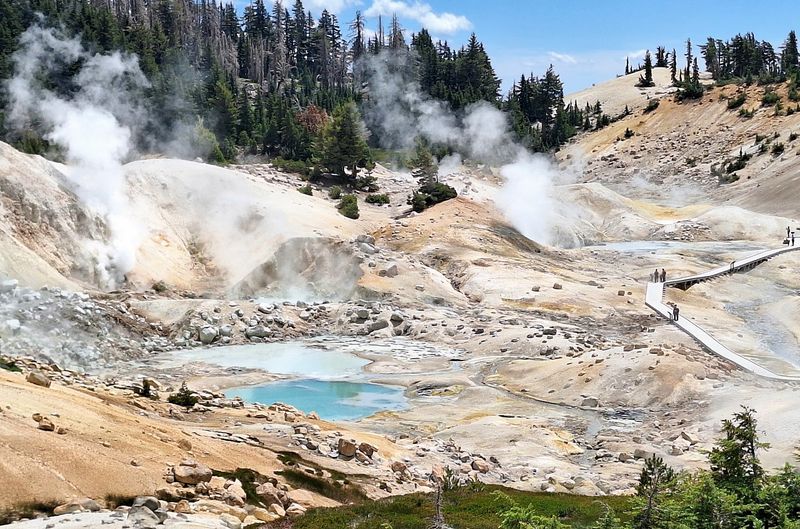
Among California’s national parks, Lassen Volcanic consistently draws fewer visitors than Yosemite or Sequoia, which means August here tends to feel noticeably more spacious despite the park’s geological drama.
The landscape is shaped by active volcanic forces, with boiling mud pots, steaming fumaroles, and hydrothermal pools scattered across the park’s interior.
Bumpass Hell, the park’s largest hydrothermal area, is accessible via a moderately easy trail of about three miles round trip and offers a close-up look at volcanic activity that feels almost surreal.
Lassen Peak itself rises to 10,457 feet and can be summited via a strenuous but rewarding trail that begins near the park’s main road.
The hike gains significant elevation quickly and requires good physical preparation, but the views from the top stretch across a vast volcanic landscape unlike anything else in the state.
Manzanita Lake near the park’s northwest entrance offers calmer options, including a flat loop trail, canoe rentals, and reflective views of the peak.
The Lassen Volcanic National Park Visitor Center provides maps, ranger programs, and exhibits covering the park’s volcanic history and ecology.
Arriving on a weekday tends to reduce wait times at trailheads and make parking more manageable throughout the summer season.
9. Arnold, Calaveras County
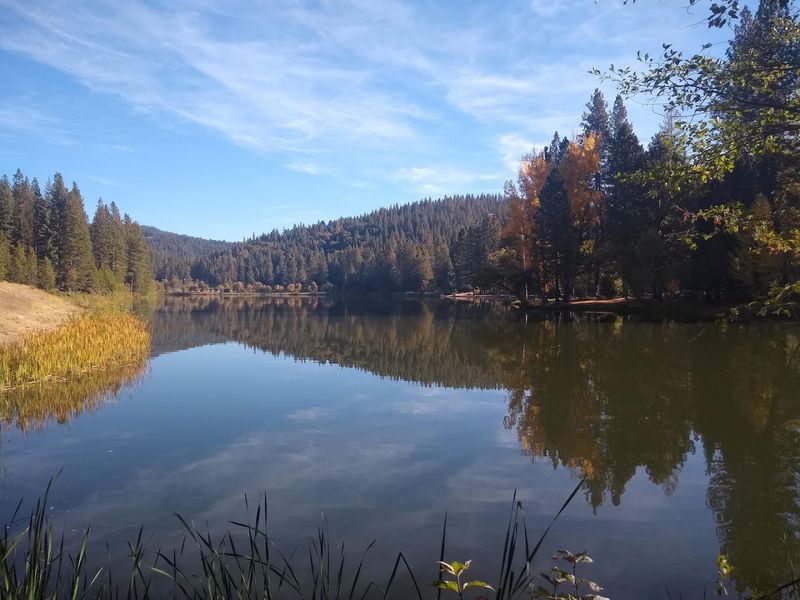
Sitting at around 4,000 feet in the Sierra Nevada foothills of Calaveras County, Arnold is a small mountain community that serves as a gateway to some genuinely impressive natural scenery.
The town itself is modest and functional, with local shops and a few restaurants clustered along Highway 4, but the surrounding landscape is the real reason to visit.
Tall ponderosa pines shade the roads in and out of town, and the air carries that particular dry, resinous quality that northern Sierra forests are known for.
Calaveras Big Trees State Park sits just a short drive from Arnold’s center and protects two groves of giant sequoias that visitors can walk among on well-maintained trails.
The North Grove Trail is about a mile long and loops through towering trees that have been growing for thousands of years, offering a perspective on scale and time that tends to quiet even busy minds.
The South Grove offers a longer, less crowded experience for those willing to hike a few additional miles.
The park’s visitor center offers exhibits on sequoia ecology and the history of the park’s conservation.
August weekends can bring more visitors to the Big Trees, so arriving early in the morning tends to provide a more peaceful experience among the giants.
10. Los Alamos, Santa Barbara County
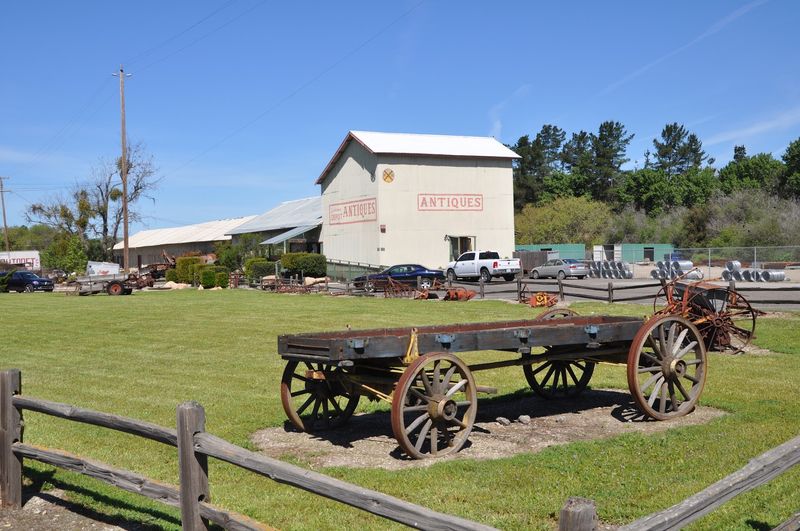
In the Santa Ynez Valley about an hour north of Santa Barbara, Los Alamos is a small town with a distinctly unhurried character that sets it apart from the better-known wine country towns nearby.
The main street is lined with historic storefronts, antique shops, and a handful of restaurants that give the town a genuinely old-fashioned quality without feeling frozen in time.
August here brings warm days that cool noticeably in the evenings, and the surrounding golden hills take on a dry, sun-bleached tone that feels quintessentially Californian.
The town’s compact scale makes it easy to explore entirely on foot, moving from shop to shop at whatever pace feels right without any pressure to cover ground quickly.
Antique hunting is one of the most popular activities here, and the density of dealers along Bell Street means a slow walk can turn up genuinely interesting finds from different eras and regions.
The overall atmosphere rewards a slow visit rather than a quick stop.
Bell Street Farm is a local market and garden shop that carries fresh produce, plants, and specialty goods in a relaxed, open setting.
Los Alamos tends to draw visitors looking for a quieter alternative to nearby Solvang or Santa Ynez, and the town’s low-key energy makes it a fitting stop on a Central Coast road trip during summer.