13 Quiet California Mountain Towns That Haven’t Been Spoiled By Tourists Yet
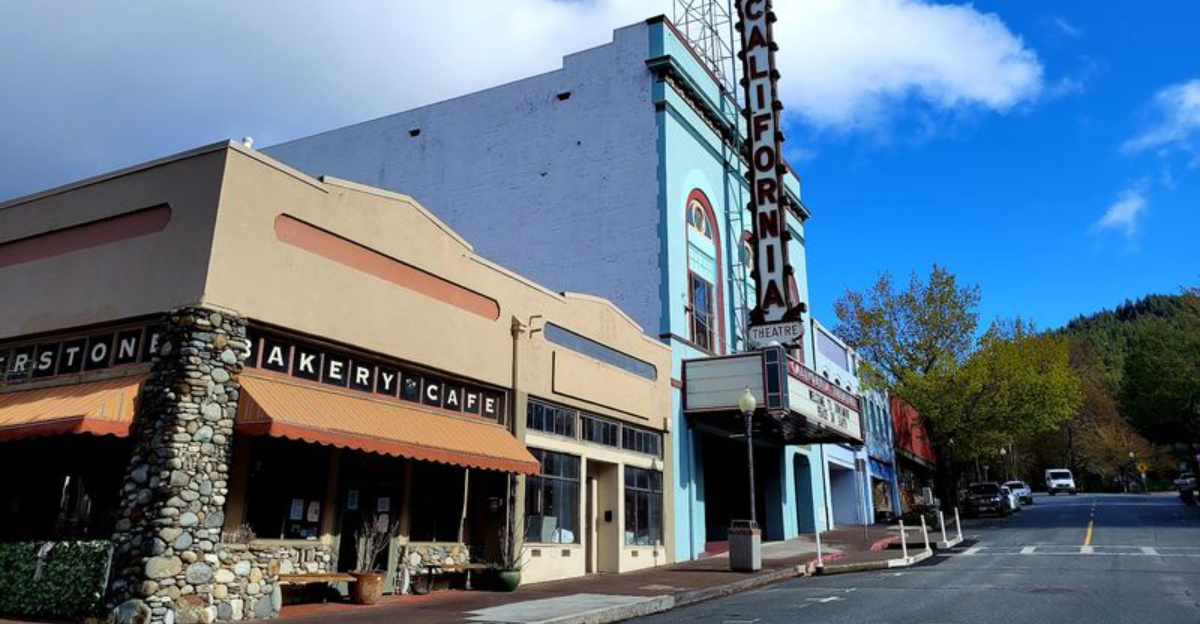
There should still be mountain towns where finding a parking space does not qualify as the day’s first victory. Thankfully, there are.
Beyond California’s headline-making alpine destinations sit smaller communities where the pace remains refreshingly ordinary.
Main streets do not exist solely for souvenir shopping. A weekday afternoon can actually feel quiet. The surrounding peaks provide the spectacle without requiring a crowd to prove they are beautiful.
That low-key character is exactly what these 13 towns have going for them. Come prepared to meet them on their own terms.
Local businesses may keep shorter hours. Entertainment might mean a trailhead down the road or an evening when the temperature drops enough to pull on a sweatshirt.
Perfect. Not every mountain escape needs an itinerary packed from breakfast onward.
1. Sierra City, Sierra County
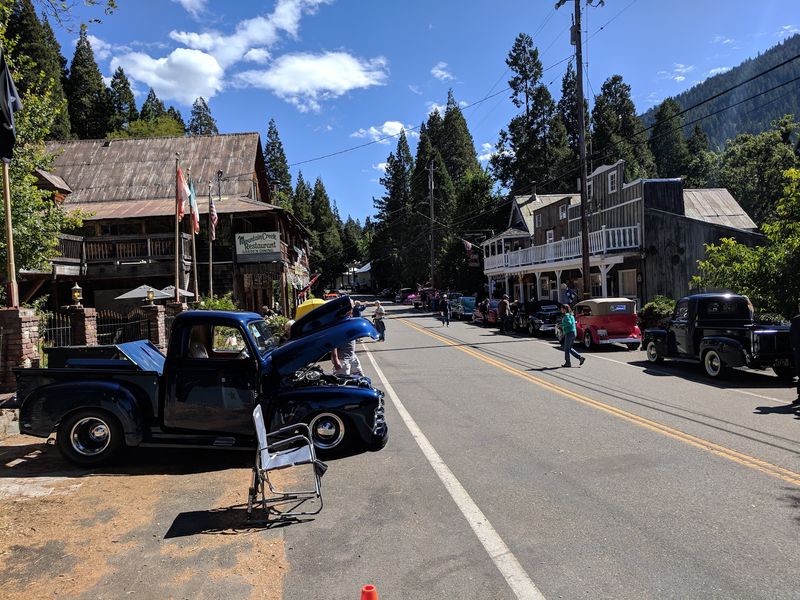
Jagged granite spires called the Sierra Buttes rise straight above this tiny gold rush settlement, and they set the mood for everything below.
The Kentucky Mine Museum and Stamp Mill preserves one of the few intact stamp mills left in the region. Walking through the mill building gives a clear sense of how loud and dusty mining work once was.
Downtown amounts to a short stretch of highway lined with wood-front buildings, a general store, and a lodge or two. A walk from one end to the other takes only minutes, which makes the town easy to explore without a plan.
The North Yuba River runs close by, and the sound of moving water carries through much of the settlement during spring runoff.
Hikers often use the area as a launch point for trails climbing toward the Buttes and the Lakes Basin, so boots and water matter more than any itinerary.
Snow can arrive early and linger on higher roads, meaning some access points open late in the season. Checking road conditions before driving up is a practical habit.
2. Downieville, Sierra County
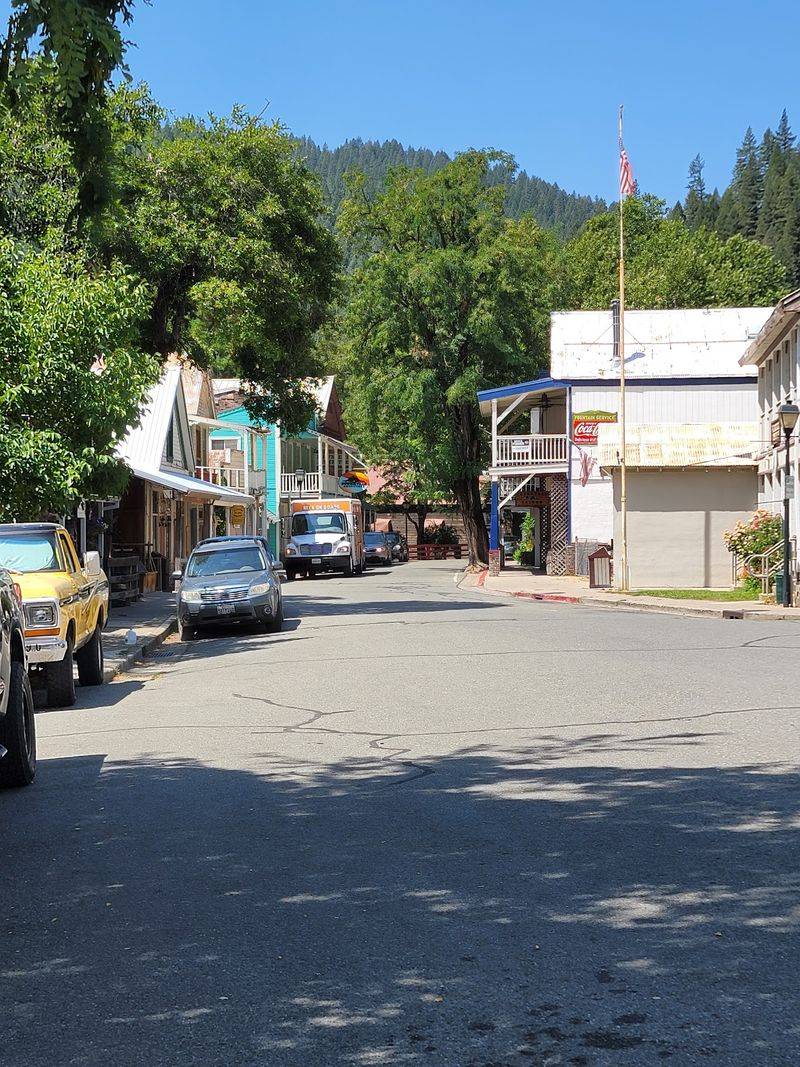
Two rivers meet right at the edge of this old mining camp, and the constant rush of water becomes the background sound of the whole visit.
Streets stay narrow and short, with wooden storefronts, a footbridge, and benches placed where the water view is best. Walking the whole town takes under half an hour at an easy pace.
Mountain bikers know the area well because long descending trails drop toward town from higher ridges. Shuttle services and rentals operate seasonally rather than year-round.
Anglers often work the North Yuba for trout, and swimming holes fill up on hot afternoons during summer.
Fall brings thinner crowds and cooler air, which can make the canyon feel especially quiet. Cell service may be spotty in the canyon, so downloading maps ahead of time helps.
Parking sits mostly along the main street and near the bridge, and spaces are generally easy to find outside peak summer weekends.
3. Graeagle, Plumas County
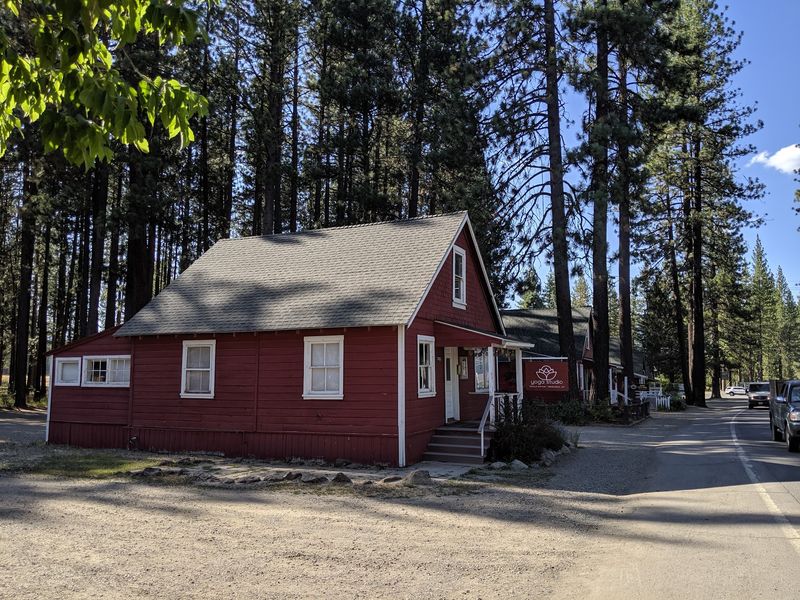
Bright red buildings lined up along the highway give away this village’s past as a company lumber town.
Railroad history sits a short drive away at the Western Pacific Railroad Museum. Full-size locomotives and rail cars fill the yard, and the scale of the equipment surprises most first-time visitors.
Back in the village, the Mill Pond offers a flat, easy loop with paddleboat rentals available in warmer months. Families with young kids often find it the simplest outing in the area.
Meadows spread out around town, and golf courses take advantage of the open ground and mountain backdrop.
The Lakes Basin Recreation Area lies nearby with trails ranging from short lake walks to longer climbs. Trailhead roads usually clear of snow by late spring, though timing shifts year to year.
Shops and cafés cluster close enough together that walking between them works well, and sidewalks stay level.
Winter shifts the mood entirely, with fewer businesses open and snow play taking over from paddleboats.
Parking is straightforward in and around the village, with open lots near the main cluster of red buildings.
4. Quincy, Plumas County
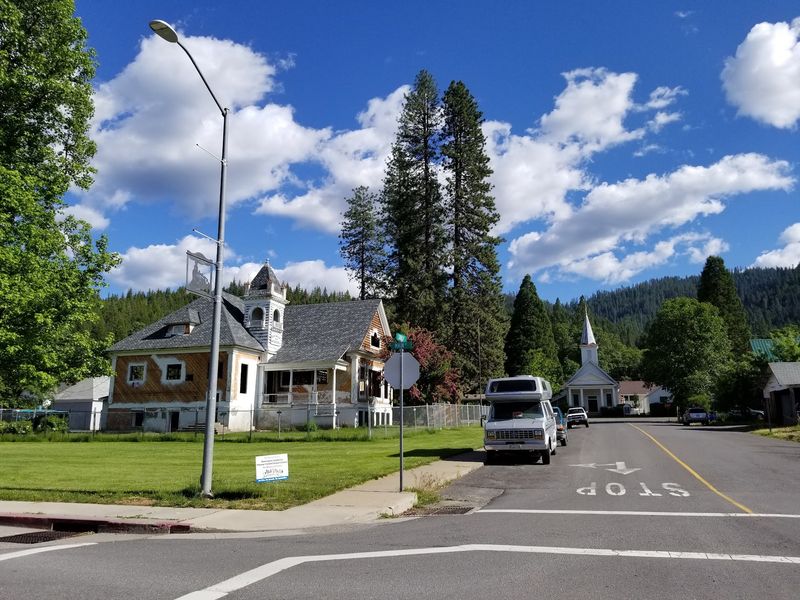
A grand old courthouse anchors this county seat, and its scale feels almost surprising for a town this size.
Regional history lives at the Plumas County Museum. Exhibits cover Maidu culture, mining, ranching, and railroad work across the county.
Main Street stays walkable and shaded, with bookstores, bakeries, and hardware shops sitting side by side. Sidewalks are wide and mostly flat, which makes browsing comfortable for a slow afternoon.
Because Quincy serves as a service hub, groceries, fuel, and pharmacies are all available, which helps when planning longer trips into the surrounding forest.
Plumas National Forest surrounds the valley with hiking, picnic spots, and forest roads worth a slow drive.
Weekday mornings feel especially quiet, while local events can bring a modest bump in activity during summer.
Autumn colors along the valley edges tend to peak in October, though exact timing varies with weather.
Bring layers regardless of season, since mountain evenings cool off quickly even after warm days.
5. Chester, Plumas County
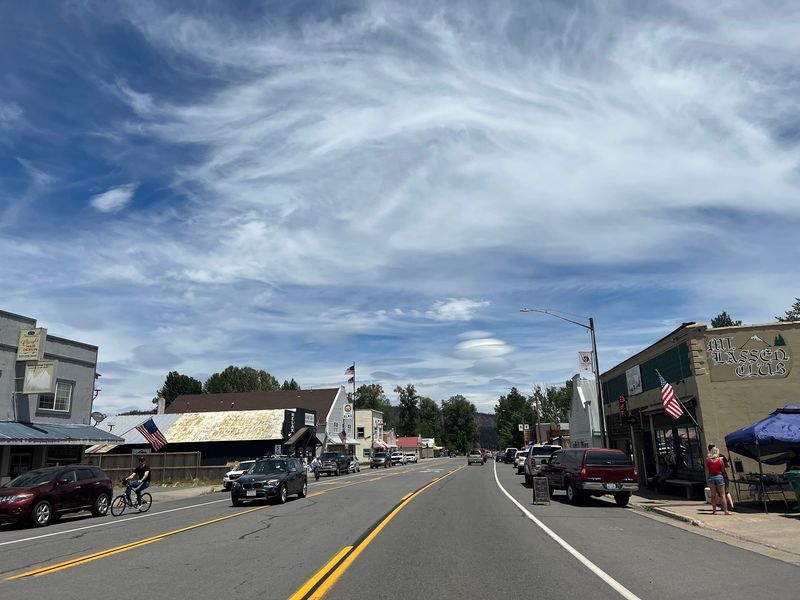
Lake Almanor stretches out just beyond the edge of town, and Lassen Peak often shows up on the horizon like a painted backdrop.
The Chester Library serves as a community anchor. Quiet reading space and local information make it a useful first stop for visitors new to the area.
Summer here revolves around the water, with boating, fishing, and swimming filling long warm afternoons. Shoreline access points vary, so checking which areas are public before heading out saves time.
Lassen Volcanic National Park lies within reasonable driving distance, offering hydrothermal features and alpine trails.
The town itself keeps a simple layout, with a main road, a few restaurants, and small shops within easy walking distance.
Winter turns the area genuinely quiet, and snow can affect park roads for much of the year.
Mornings by the lake often stay still and glassy before afternoon wind picks up, which matters for paddling plans.
Parking is generally uncomplicated around town and at lake day-use areas, though popular spots fill faster on holiday weekends. Mosquito repellent earns its place in a summer bag here.
6. Dunsmuir, Siskiyou County
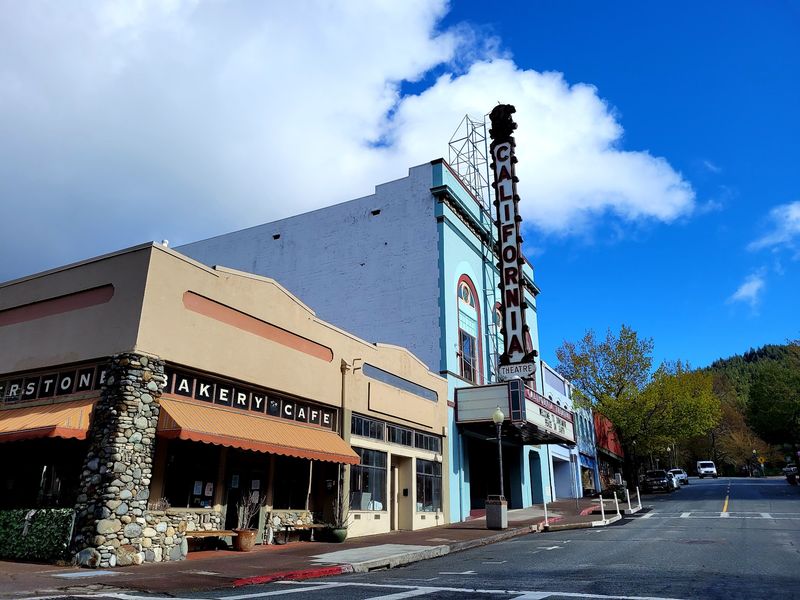
Few towns can claim water good enough to brag about, but the tap here comes from springs filtered through volcanic rock near Mount Shasta.
Shaded paths and mature plantings fill the Dunsmuir City Park and Botanical Gardens. River access sits close to the garden paths, making it an easy combination stop.
Railroad heritage shaped the town, and long freight trains still roll through the canyon, adding a low rumble to the soundtrack.
Hedge Creek Falls draws hikers because a short trail leads to a cave-like ledge behind the falling water. The path includes stairs and uneven footing, so sturdy shoes help.
Castle Crags State Park is a short drive south with steep trails and dramatic granite spires.
The historic downtown climbs a gentle grade, with brick storefronts, coffee spots, and small galleries within a few blocks.
Shoulder seasons often bring the quietest streets, while summer stays moderate compared to bigger Shasta-area destinations.
Canyon shade means mornings can feel cool even in August, so a light jacket is worth packing.
7. McCloud, Siskiyou County
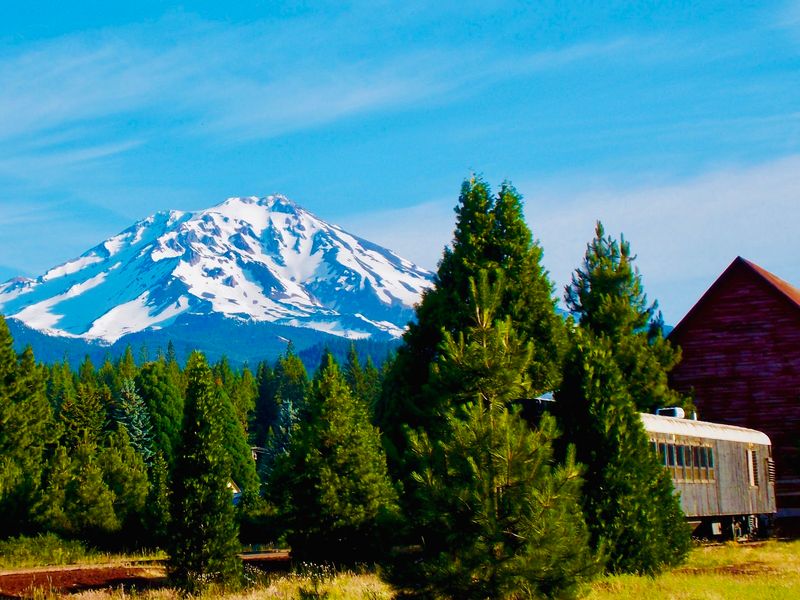
Old company houses still line the streets of this former lumber town, and Mount Shasta looms close enough to feel like part of the neighborhood.
Logging and railroad stories fill the McCloud Heritage Junction Museum. Photographs and equipment inside show how completely one industry shaped daily life here.
Waterfalls are the main outdoor draw, and the McCloud River Falls trail links three separate falls with connecting paths and viewpoints.
Distances between them are short, which makes it a flexible hike for mixed abilities.
Lake McCloud offers calm paddling and fishing in warmer months, with limited development around the shoreline.
The downtown core is compact and flat, so a walking loop past the historic hotel and shops takes little effort.
Snow arrives reliably in winter, opening up cross-country skiing and snowshoeing on forest roads.
Because services are limited, filling up on gas and groceries before arriving is a smart move.
8. Etna, Siskiyou County
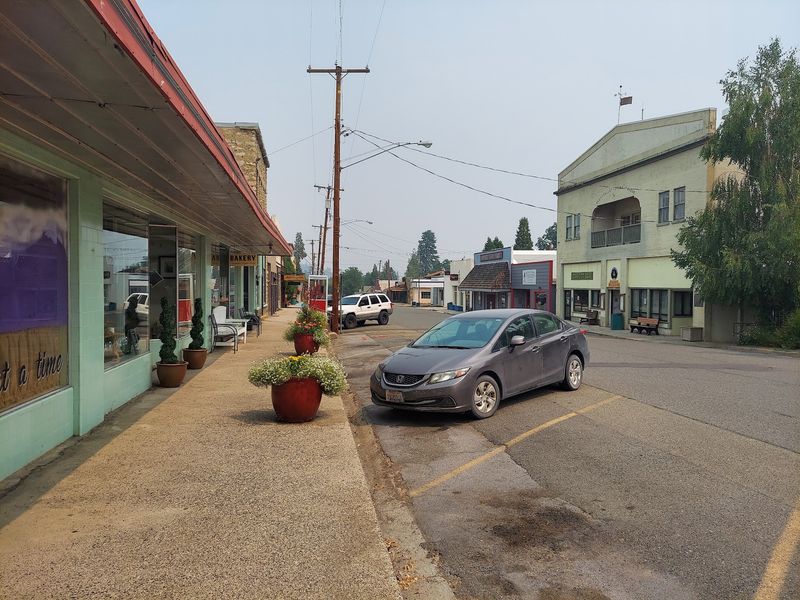
Hikers on the Pacific Crest Trail treat this Scott Valley town as a welcome resupply stop, which says a lot about its friendliness.
Main Street keeps an old-fashioned look with brick buildings, a soda fountain style shop, and ranch supply stores mixed among them. Walking the few blocks feels unhurried, and traffic stays light most of the day.
Farms and pastures spread across the valley floor, so the drive in offers open views rather than tunnel-like forest.
The Marble Mountain Wilderness rises to the west with alpine lakes and long backcountry routes. Trailhead access roads are unpaved in places, and high-clearance vehicles handle them more comfortably.
Summer afternoons can get warm in the valley, while nights cool quickly thanks to elevation.
Fall brings harvest activity and quieter streets, which suits travelers who prefer empty sidewalks.
Services are basic but sufficient, with fuel, a grocery option, and a handful of places to eat.
Because the town sits off the main interstate corridor, casual through traffic stays minimal, and that isolation is part of the appeal.
9. Markleeville, Alpine County
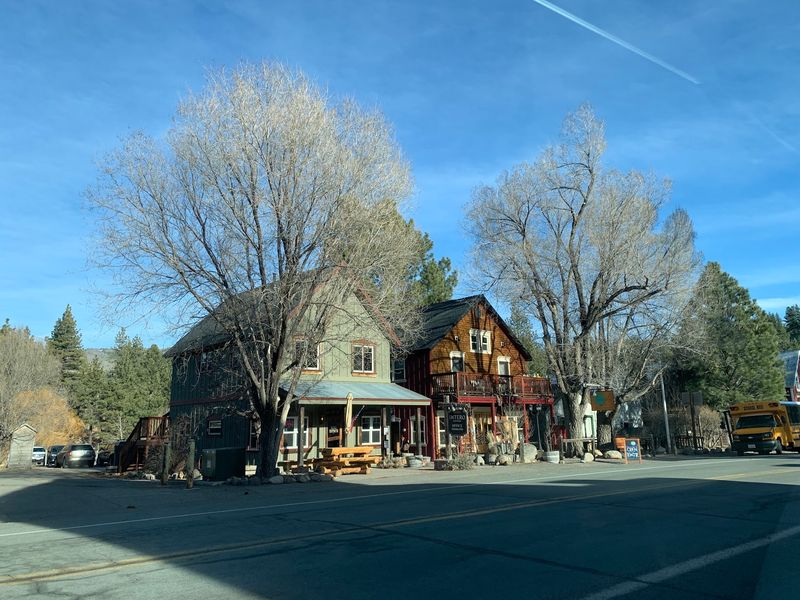
With fewer residents than many city blocks, this county seat may be the smallest place of its kind in the state.
Aspen groves surround the valley, and their color change in autumn draws photographers without ever creating real crowds.
Ebbetts Pass climbs west from nearby, offering one of the most dramatic and narrow scenic drives in the Sierra.
Snow closes the pass for much of the year, so checking Caltrans updates before planning a loop is essential.
Fishing on the Carson River branches is popular, and hot springs in the area attract soakers when facilities are operating.
The Alpine County Museum on a rise above the highway. Exhibits cover Washoe culture, silver mining days, and the schoolhouse that once served scattered families.
The town itself amounts to a couple of short blocks, easily covered on foot in ten minutes.
Services are extremely limited, meaning fuel and supplies are better handled in larger towns beforehand.
Solitude here is genuine, and travelers who like empty roads often leave wanting to return in a different season.
10. Bridgeport, Mono County
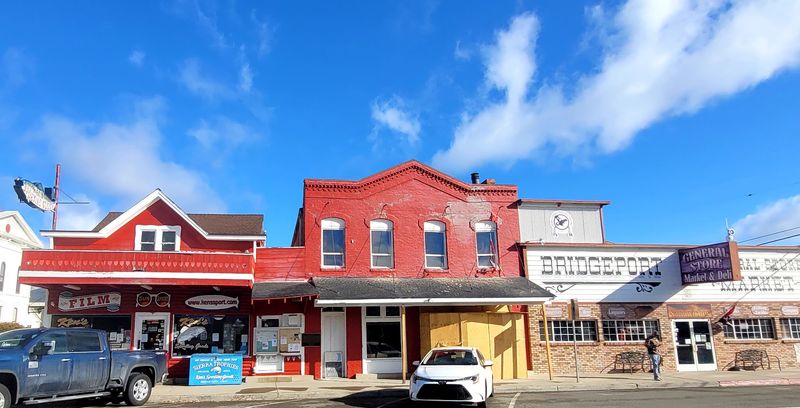
A white wooden courthouse from the 1880s stands out against sagebrush and snowy peaks, and it still functions today.
Anglers arrive for the reservoir and the East Walker River, and fishing seasons drive much of the town’s rhythm.
The ghost town of Bodie lies east on a partly unpaved road, and the final stretch can be rough on vehicles.
Hot springs and hiking routes toward the Hoover Wilderness give a range of outdoor options within a short drive.
Downtown consists of a handful of blocks along the highway, so services sit close together and walking works fine.
Elevation above 6,400 feet means cold nights year-round and short summers, so warm layers matter even in July.
Winter thins activity considerably, with some businesses closing seasonally.
Parking is generally easy along the main highway and side streets. Open views across the valley make even a quick fuel stop feel worth pulling over for.
11. Trinity Center, Trinity County
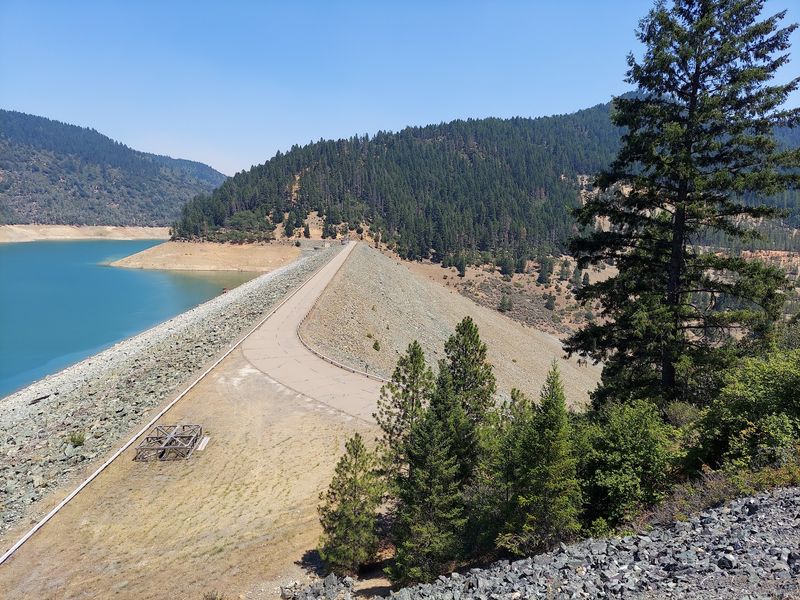
Quiet arrives quickly at the north end of Trinity Lake, where forest and water take up far more space than buildings.
Boating, swimming, and fishing fill summer days, though lake levels shift with the season and water year. Checking current conditions before hauling a boat saves disappointment.
The Trinity Alps Wilderness rises just west with granite basins, alpine lakes, and long demanding trails. Backpackers often find far less traffic here than in more famous Sierra ranges.
The community itself is small enough that a vehicle is needed for most outings, but short walks near the shore are pleasant.
Services stay limited, so groceries and fuel are better stocked in Weaverville or Redding first.
Summer heat can build in the afternoons, making early starts more comfortable for hiking. Nights get dark in a way that makes stargazing genuinely rewarding, with little light pollution nearby.
12. Foresthill, Placer County
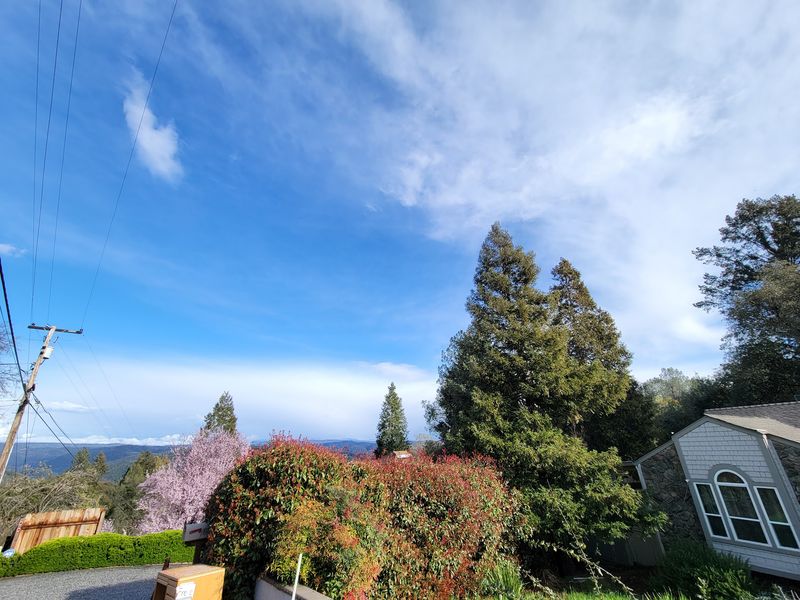
One of the tallest bridges in the country crosses a deep canyon just outside this ridge-top town, and the view down is genuinely startling.
Gold mining and logging stories are kept at the Foresthill Divide Museum. Opening days are seasonal and limited, so confirming hours before visiting is wise.
Tahoe National Forest surrounds the divide with trails, forest roads, and river access on both sides.
Mountain bikers favor the Foresthill Divide Loop for its rolling singletrack and canyon views. Trails can get dusty and hot by midsummer, making spring and fall more comfortable.
Whitewater rafting on the American River forks operates seasonally depending on flows. The town keeps a practical feel with a market, gas, and a few restaurants rather than boutique shopping.
Because the drive up follows a winding two-lane road, allowing extra travel time helps.
Weekdays feel notably calmer, and early starts beat both heat and traffic on the ridge road.
13. Wrightwood, San Bernardino County
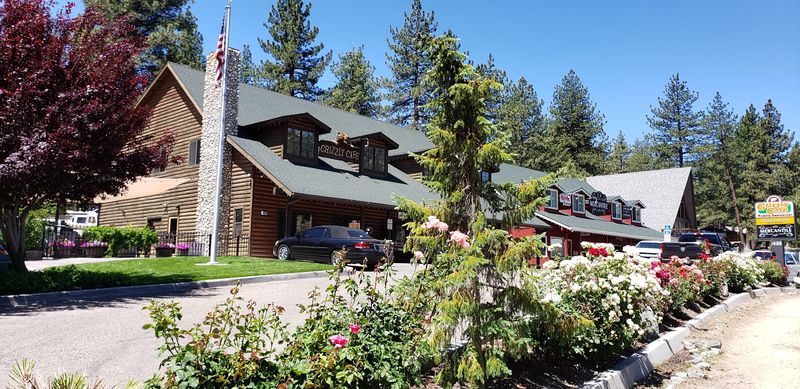
Four distinct seasons show up clearly here, which is not something every Southern California town can claim.
Local artwork fills the Wrightwood Arts Center and Gallery. Rotating exhibits give the small village a creative side alongside its outdoor reputation.
The Pacific Crest Trail passes close by, and hikers often appear in town looking for a hot meal and a resupply.
Mountain High Resort operates skiing and snowboarding in winter and other activities in warmer months. Village streets stay compact, with cafés, a market, and gear shops within a few walkable blocks.
Winter weekends bring the busiest traffic thanks to snow seekers from the valleys below, so midweek visits feel calmer.
Summer offers pleasant temperatures and shaded forest trails, and wildflowers appear along higher routes.
Roads in and out can close during storms, and chain requirements sometimes apply, so checking conditions is important.
Parking is typically available on village streets and in small lots. Elevation near 6,000 feet means afternoon warmth fades fast once the sun drops behind the ridge.