8 Quiet Hiking Trails In Connecticut That Tourists Haven’t Discovered Yet
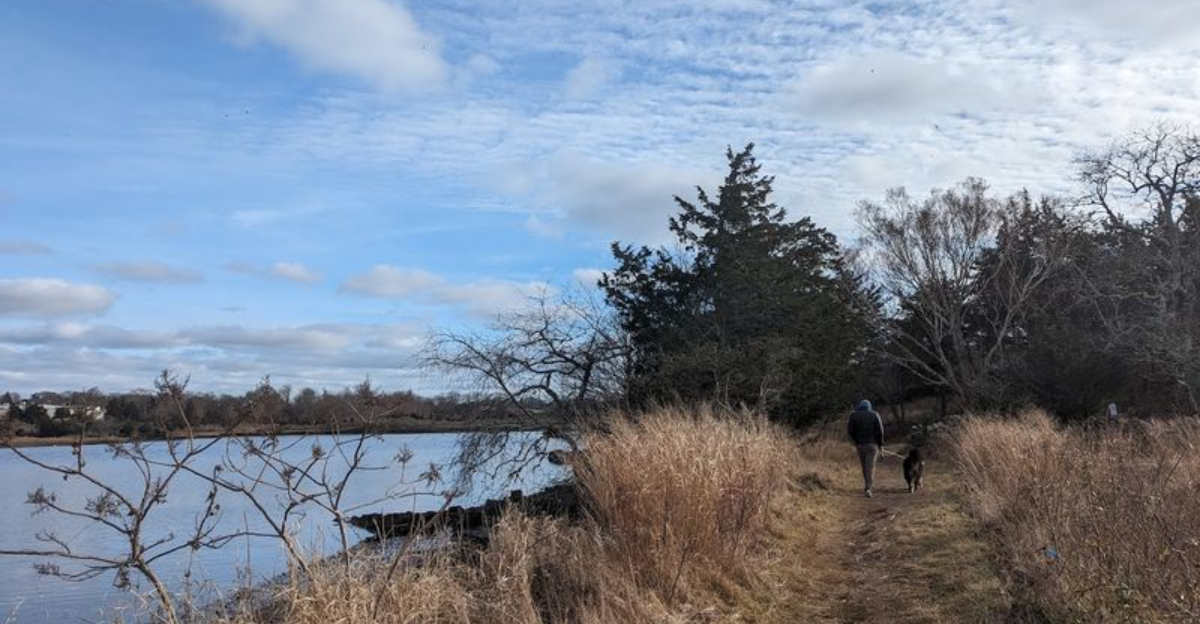
Some of the best hikes happen on trails that nobody is talking about and these ones are a perfect example of exactly that.
The crowds have not found them yet and the experience of being out on a trail this peaceful without having to navigate around anyone else is genuinely one of the better feelings a free morning can produce.
The scenery does not need foot traffic to validate it and these routes prove that completely.
Quiet Connecticut hiking trails that tourists have not discovered yet are out there waiting and the people already walking them are in absolutely no rush to share the coordinates with anyone beyond their most trusted circle.
Getting curious about what exists beyond the obvious trail maps turns out to be a very rewarding habit and these hidden routes are the most compelling argument for developing it immediately.
1. The Ledges, Brookfield
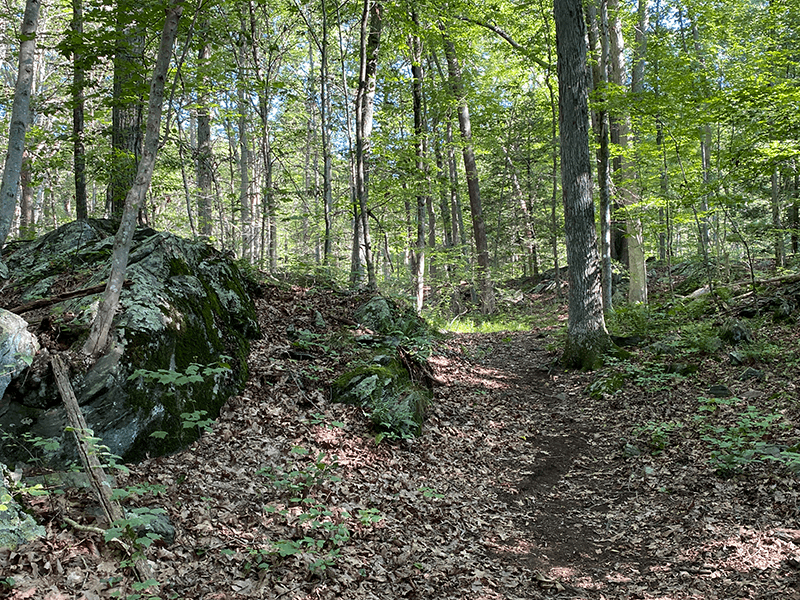
A quiet forest walk can feel extra special when the trail still has that newly discovered charm. The Ledges in Brookfield brings exactly that feeling, with 45 acres of protected woodland, rocky scenery, and a short loop that makes it easy to enjoy nature without turning the outing into an all-day hike.
Protected in 2024 and managed by the Northwest Connecticut Land Conservancy, this public nature preserve offers a one-mile white-blazed trail that starts with a brief, steep climb before easing into a calmer forest route.
Once the path levels out, the walk becomes more relaxed, passing through stands of Eastern hemlock, black birch, and yellow birch.
You will find the preserve at 5 Banquo Brae Road in Brookfield, where the trail begins near the parking area and quickly leads into a landscape shaped by stone, trees, and seasonal wetlands.
Rocky outcrops give the route character, while a vernal pool adds a quieter natural highlight in spring, when peepers and wood frogs may be heard nearby.
Wildlife also adds to the appeal. White-tailed deer, coyotes, bobcats, black bears, and a variety of birds all use this forested area.
Since The Ledges is still a newer public preserve, the trail often feels calmer than more familiar parks nearby. For a peaceful morning outdoors, it is a refreshing little escape.
2. Dismal Brook Wildlife Preserve, North Granby
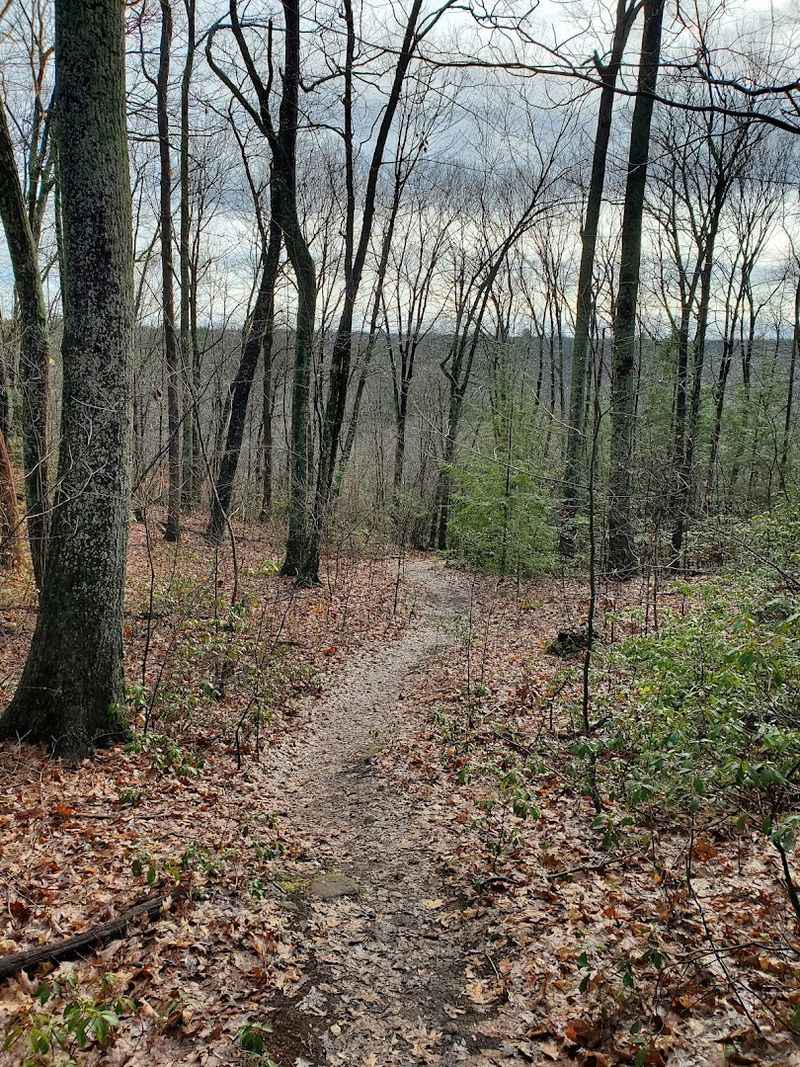
The name may sound a little moody, but this Granby preserve is anything but bleak. With 210 acres of woods, wetlands, open fields, and ridgeline trails, Dismal Brook Wildlife Preserve offers the kind of walk that keeps changing just enough to stay interesting from start to finish.
Opened to the public in 2020 after the land was donated to the Granby Land Trust, the preserve has quickly become a rewarding outdoor stop for hikers who enjoy variety.
Its nearly 3.5 miles of maintained trails lead past Creamer Pond, the North and South Marshes, and the historic Glazier Cabin, which gives the landscape a quiet sense of local character.
The entrance is at 253 Loomis Street in North Granby, with trails that range from easy strolls to moderately challenging sections. Some routes include gentle climbs, especially near the ridgeline, where the views make the extra effort worthwhile.
Along the way, benches and observation platforms create easy excuses to slow down, look around, and enjoy the mix of water, forest, and open space.
History adds another layer to the visit. Day Cemetery, which dates back to 1795, sits within the preserve and gives the walk a deeper connection to the area’s past.
Dogs may join on leash, though pets are not allowed to swim. The preserve is open daily from dawn to dusk, year-round, and visitors should note that bathrooms are not available on site.
3. Jones Mountain, New Hartford
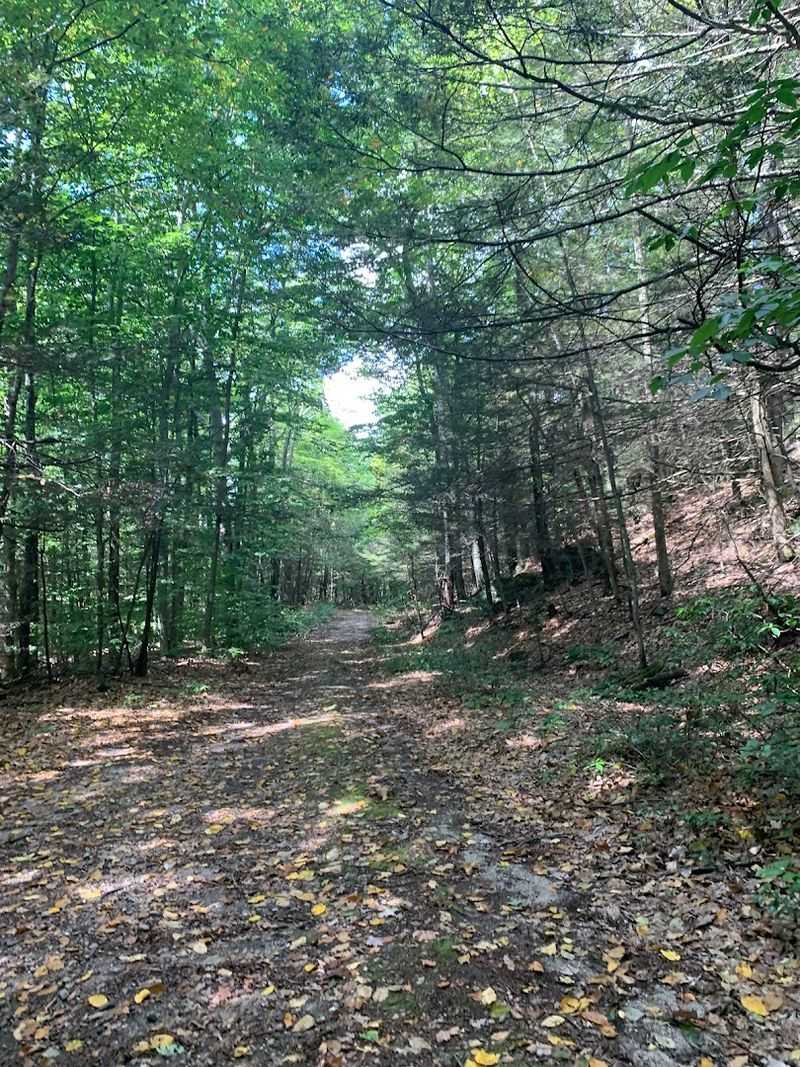
A simple footbridge gives this New Hartford hike an inviting start, hinting at the mix of forest, stonework, history, and hilltop scenery waiting ahead.
Jones Mountain Preserve is a town-owned open space with a trail system that feels approachable but still rewarding, especially once the climb begins to open toward wider views.
The main route is the red-blazed Vista Trail, which follows old carriage-road sections for much of the way before rising toward the summit area.
Across roughly 2.5 miles of trails, hikers gain about 367 feet in elevation, enough to make the overlook feel earned without turning the outing into a strenuous trek.
The difficulty generally lands between easy and moderate, with a steady incline that most regular walkers can handle at a comfortable pace.
Parking is available at 161 Steele Road in New Hartford, and the trail quickly brings visitors into a wooded setting shaped by small streams, stone features, and quiet ridgeline terrain.
A second footbridge crosses a narrow stream farther along the route, adding another pleasant detail to the walk.
Near the top, views stretch toward the Farmington River, downtown New Hartford, Route 44, and the surrounding hills. Older mill ruins, stone monuments, and carved ledges also point to the property’s layered past, giving the preserve more personality than a basic woodland loop.
The New Hartford Land Trust helped protect this land for public use. During hunting season, bright clothing is smart, especially near areas bordering private land, and marked trails should be followed.
4. Prospect Mountain Preserve, Litchfield

Rugged, wooded, and layered with history, Prospect Mountain Preserve in the Litchfield Hills offers a hiking experience that feels more remote than its location suggests.
The preserve is located at 309 Prospect Mountain Road, Litchfield, CT 06759, managed by the Litchfield Land Trust, and covers 340 acres with approximately 4.1 to 4.5 miles of trails.
Difficulty ranges from moderate to strenuous, and hikers should come prepared for steep and rocky stretches.
The Blue Trail, known as the Dallett Hoopes Trail, climbs roughly 400 feet to a viewpoint near the 1,350-foot summit, where the surrounding hills stretch out in a satisfying panorama.
Old stone walls cross the landscape in several places, remnants of the farmland that once defined this part of Litchfield County.
Historic nickel mining explorations in the 19th century left behind mine shafts along the trail system, which are worth noticing but should be approached carefully.
The Red Trail, or Granniss Pond Trail, provides a comparatively gentler route that passes along the quiet edge of Granniss Pond. Dogs are permitted on leash throughout the preserve.
Parking is limited to roughly six to eight cars at the main trailhead, and no restrooms are available on site, so arriving early on pleasant days is a practical approach to securing a spot.
In quieter months, the land trust also welcomes birding, photography, cross-country skiing, and snowshoeing, giving the preserve appeal beyond peak foliage season for visitors who enjoy slower outdoor exploring here.
5. Risley Pond Loop Trail, Vernon
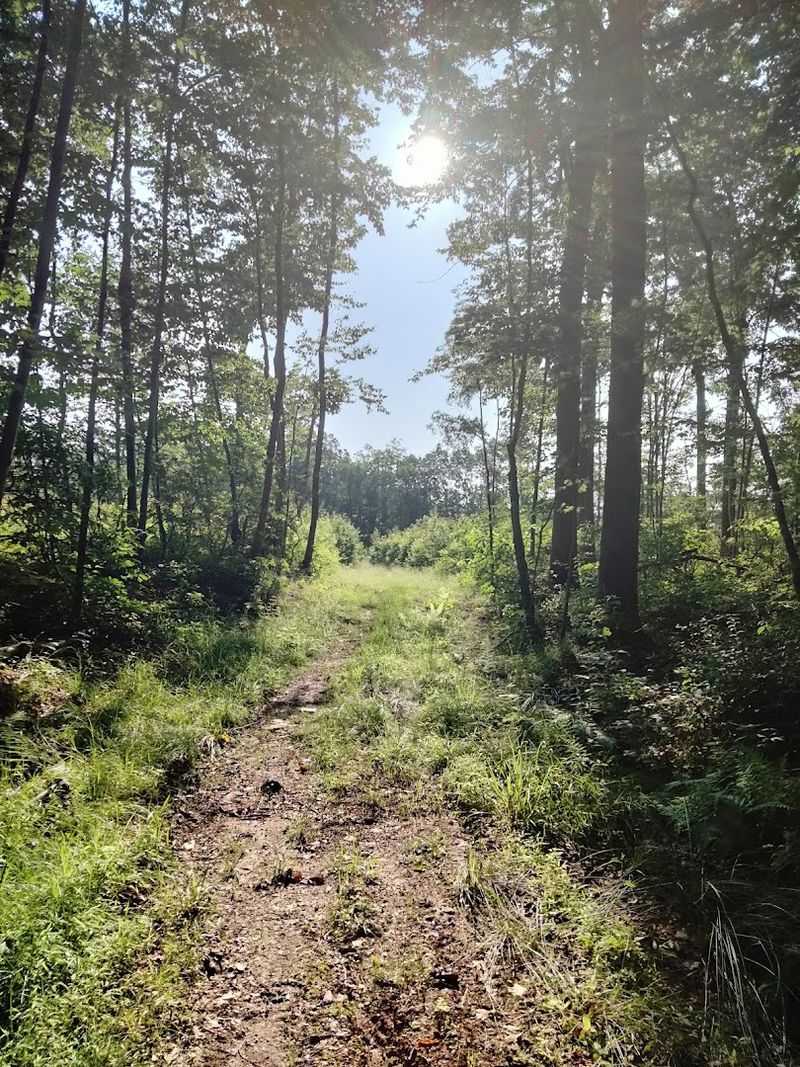
Late June brings one of the prettiest rewards on this quiet trail, when mountain laurel blooms along the ridge and turns an ordinary woodland hike into something much more memorable.
Risley Pond Loop Trail has a wild, varied feel, with rocky footing, muddy patches after rain, and enough elevation change to keep the route lively.
The trail covers roughly 2.4 to 3.3 miles, depending on the route followed, across land connected to Vernon, Bolton, and Manchester.
It is maintained with help from the Manchester Land Conservation Trust and the Connecticut Forest & Park Association, and it sees lighter traffic than many trails with this much scenery.
Access is near 366 Lake Street in Vernon, close to Risley Pond, an active water source for the Manchester Water Company. Because of that, swimming and boating are not allowed.
Fishing is permitted year-round, and ice skating is allowed in winter when conditions cooperate.
The loop leads through mixed forest, wet areas, and up toward Box Mountain, where a ridgetop view opens over historic Railroad Valley. White-tailed deer and wild turkeys are often seen along the way, while owls may be heard during quieter visits.
Fall brings another standout season, when swamp maples turn the hillsides a brilliant red. With its mix of pond views, rugged trail sections, and seasonal color, this is a compact hike that feels bigger than its mileage suggests.
6. Koons Preserve, Southbury
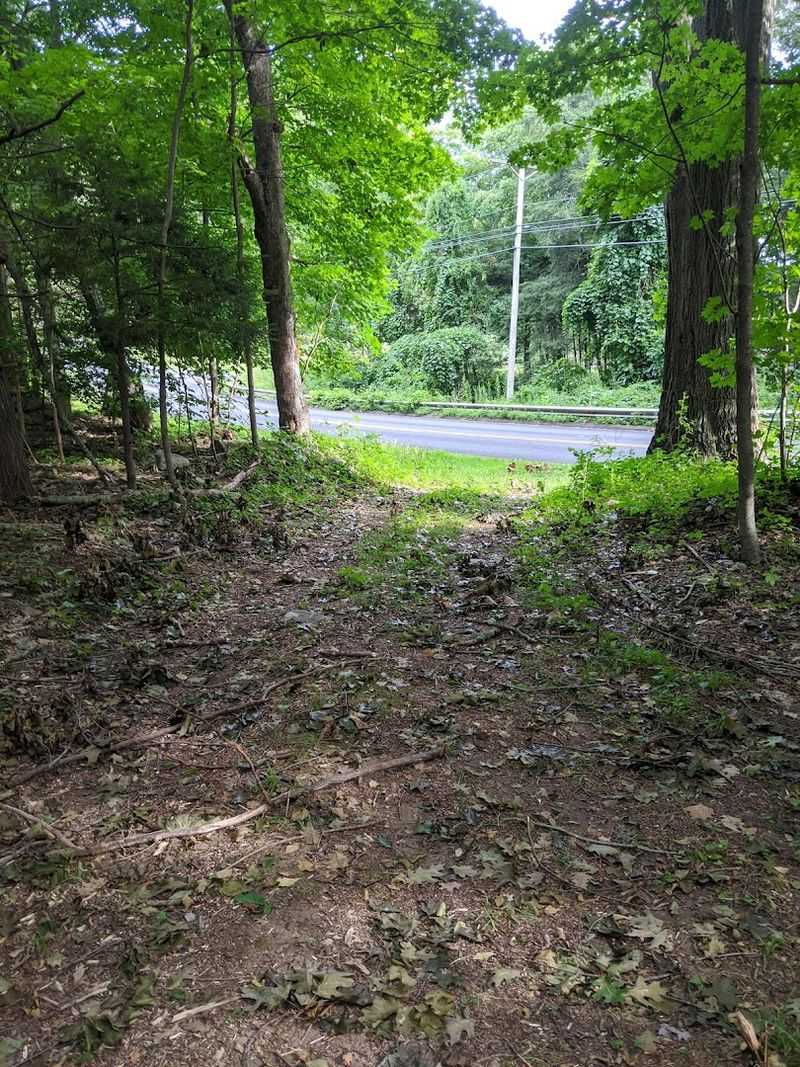
Hidden inside a quiet stretch of Southbury, Koons Preserve rewards those who make the short drive with one of the most dramatic natural features in the region. Located at 195 Spruce Brook Road, Southbury, CT 06488, this 40-acre property is owned and managed by the Southbury Land Trust.
The preserve was dedicated in 1999 and has remained a peaceful, lightly visited destination ever since.
Spruce Brook is the undeniable centerpiece of the experience, carving through a rocky gorge and dropping 170 feet in elevation as it creates a series of cascading waterfalls along the way.
The sound of rushing water follows hikers along much of the trail, providing a natural soundtrack that changes character depending on the season.
Spring snowmelt tends to bring the falls to their most dramatic volume, while summer visits offer a cooler, shadier atmosphere beneath the canopy.
Visitors are welcome from sunrise to sunset, and leashed pets are permitted on the trails. Motorized vehicles are not allowed on the property, and the Southbury Land Trust follows a carry-in, carry-out policy to keep the preserve clean.
During hunting season, wearing red or orange is recommended as a straightforward safety precaution for anyone exploring the wooded sections of the trail.
7. Turtle Creek Preserve, Essex
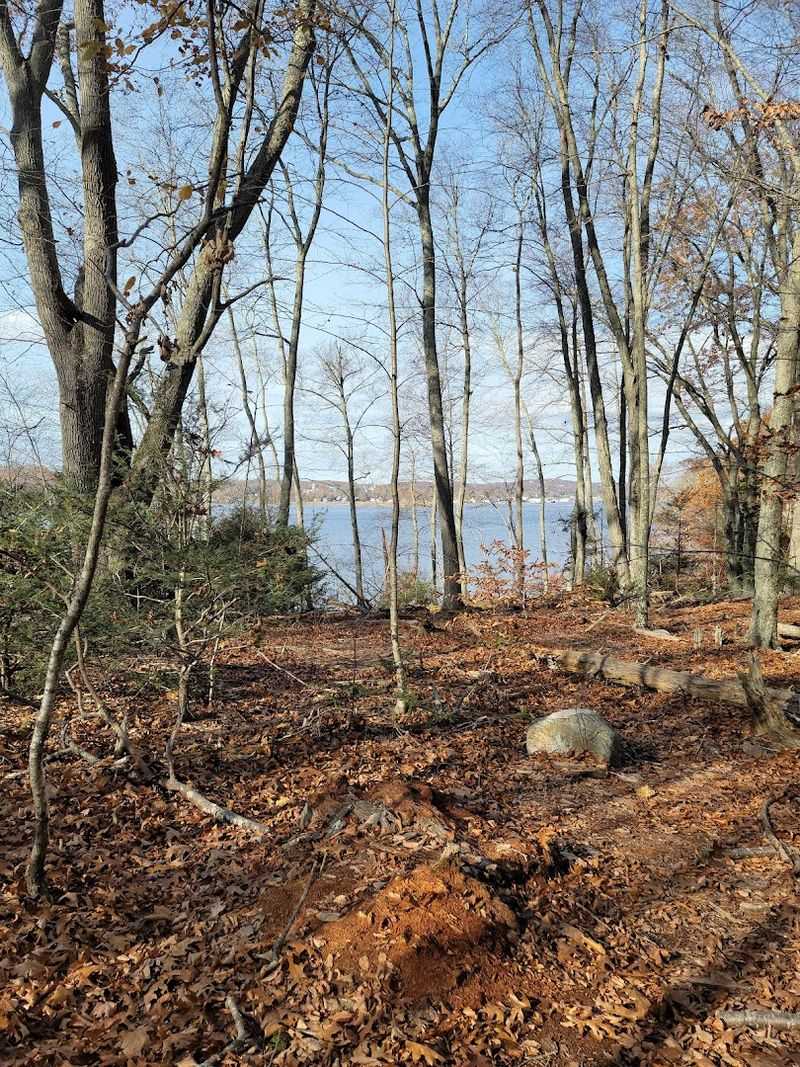
Between river views, quiet woodland paths, and a tidal estuary rich with wildlife, Turtle Creek Preserve offers a surprisingly full nature experience without demanding a long hike.
The landscape stretches across Hayden’s Point, where the Connecticut River, South Cove, and Turtle Creek come together in one of the state’s most valuable wetland settings.
Managed by the Essex Land Trust, the preserve covers about 96 acres and forms part of the globally recognized Tidelands of the Connecticut River wetlands complex.
Its trails are easy and relaxed, adding up to roughly a mile through mountain laurel thickets, beech groves, wetland edges, and shoreline scenery.
The walking is gentle enough for a casual outing, but the views and habitat make the route feel much richer than its distance suggests.
Parking is available off Watrous Point Road, just beyond Laurel Way, with the address commonly listed as 13 Watrous Point Road in Old Saybrook.
From there, paths lead toward open looks across South Cove and the river, along with quieter pockets of forest where the preserve’s plant life takes center stage.
Deitsch’s Pond is one of the prettiest stops, especially on sunny days when turtles may be seen basking near the water. The surrounding tidal estuary also attracts bald eagles, ospreys, ducks, swans, and wading birds throughout the year.
Leashed dogs are allowed, and the trails are generally open year-round, with spring and fall offering especially pleasant conditions.
8. Knox Preserve, Stonington
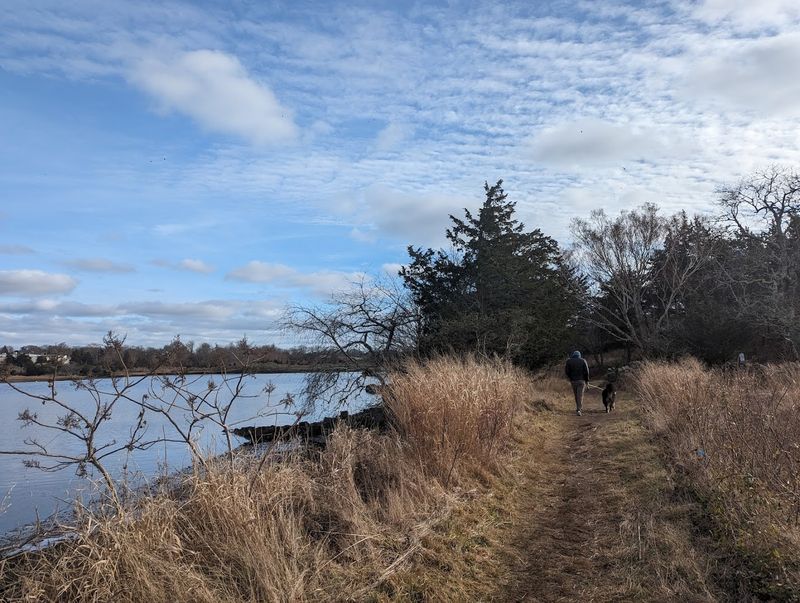
Birders, shoreline walkers, and anyone who appreciates a preserve that feels genuinely alive will find something worth returning to at Knox Preserve in Stonington.
Managed by the Avalonia Land Conservancy, the preserve is located at 84 Wilcox Road, Stonington, CT 06378, with ample parking available on the north side of Wilcox Road.
The property covers 16.7 to 26.78 acres and offers approximately 1.1 miles of unmarked trails across a mix of meadows, packed earth paths, and light woodland.
Trails run along the edge of Quiambaug Cove, providing multiple access points to the shoreline and open water views throughout the walk. A rocky knoll near the interior of the preserve offers a slight elevation change and a broader perspective over the surrounding landscape.
Knox Preserve is recognized as a birding hot spot, particularly during fall migration, and hosts an active colony of state-listed Purple Martins that nest on the property each season.
To protect nesting birds, the fields within the preserve are closed to all activity from April through August, so planning a visit outside those months ensures full access. Leashed dogs are welcome, and kayak access to the preserve is also available for those arriving by water.
The preserve borders the historic Miner Cemetery, noted as Stonington’s oldest, which adds a quiet layer of local history to the experience.