10 Quiet Northwest Delaware Towns That Feel Worlds Away From City Life
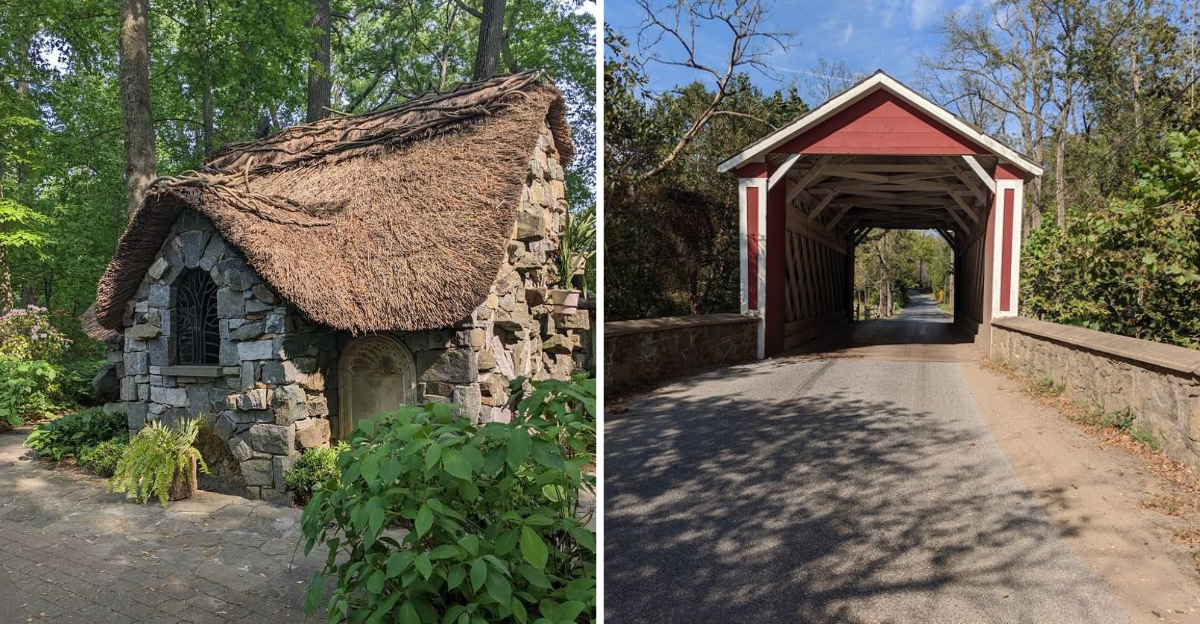
The road narrowed, the traffic disappeared, and suddenly I was passing old stone buildings and covered bridges instead of shopping centers.
That change happens surprisingly quickly here.
Northwest Delaware can make an ordinary afternoon drive feel much farther removed from city life than the mileage suggests.
Small communities sit among historic mills, gardens, creeks, and preserved landscapes, giving the area an easy pace that invites wandering.
I would not build a strict itinerary for this trip. Follow a country road. Stop when something looks interesting. Stay for lunch if the town feels right.
Sometimes the best getaway is simply the one that makes you forget to check the clock.
1. Yorklyn
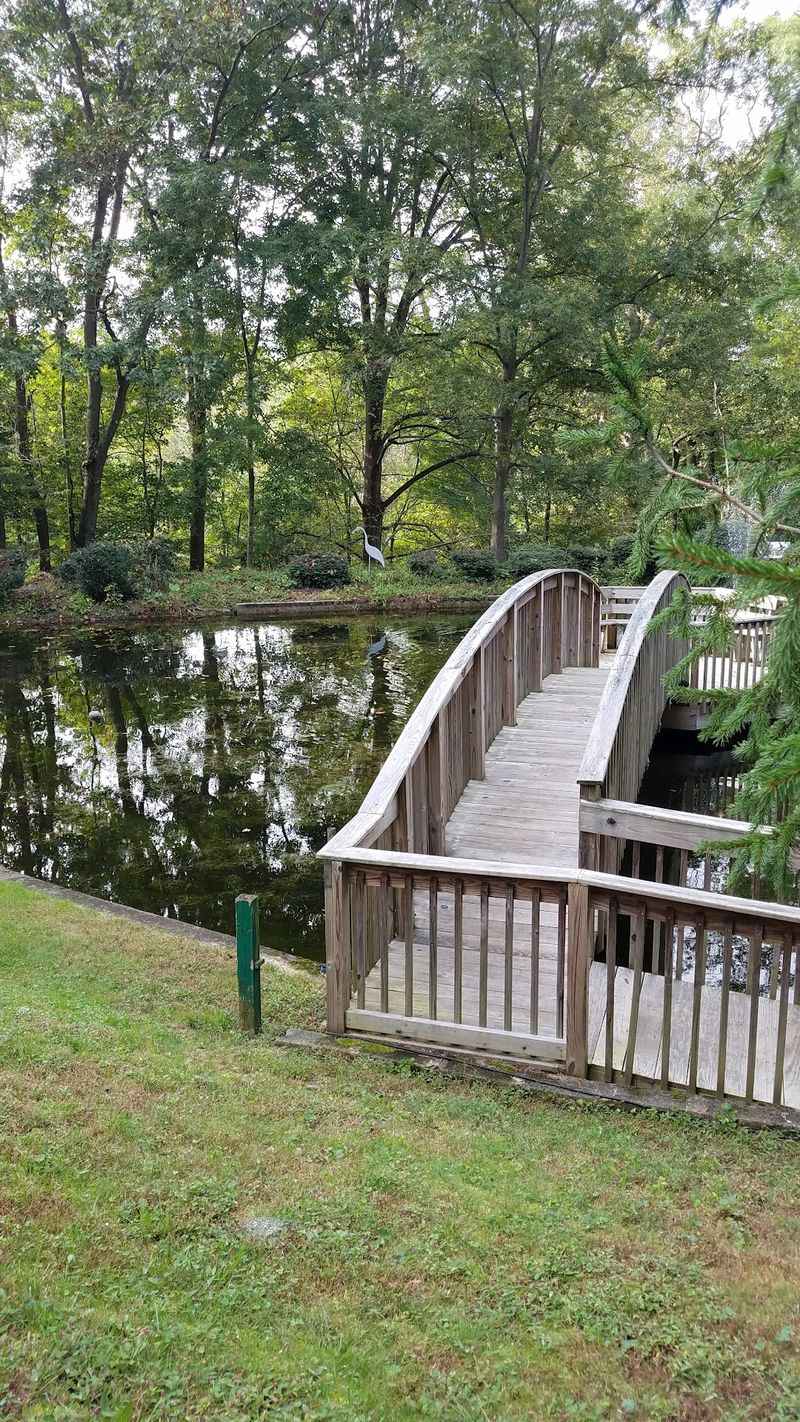
A steam train really does chug through this pocket of the Red Clay Creek valley. Only a few hundred people call Yorklyn home, and the winding approach roads keep it that way.
Milling built the community long ago. The Garrett Snuff Mill complex once hummed with industry, and part of it now holds a bike shop and a brewing operation.
Auburn Valley State Park sits close by with historic buildings and easy walking trails. The paths follow the creek, shaded and flat enough for families with small legs.
The Wilmington and Western Railroad runs right through, and it ranks among Delaware’s top tourist attractions. Riding it in fall means bright leaves framing every window.
Local groups keep working to revitalize the valley. Vacant manufacturing plants are slowly being reimagined as outdoor recreation and cultural spaces.
Spacious homes sit tucked behind trees, giving the area a residential hush. Northwest of Wilmington, yet the traffic noise never seems to follow you here.
Photographers love the stone mill walls beside the water. Morning light hits them just right, especially after a rain.
Bring sturdy shoes and a little curiosity about industrial history. There is more here than the quiet suggests at first glance.
Few corners of the state pair old machinery and birdsong quite so comfortably.
2. Centerville
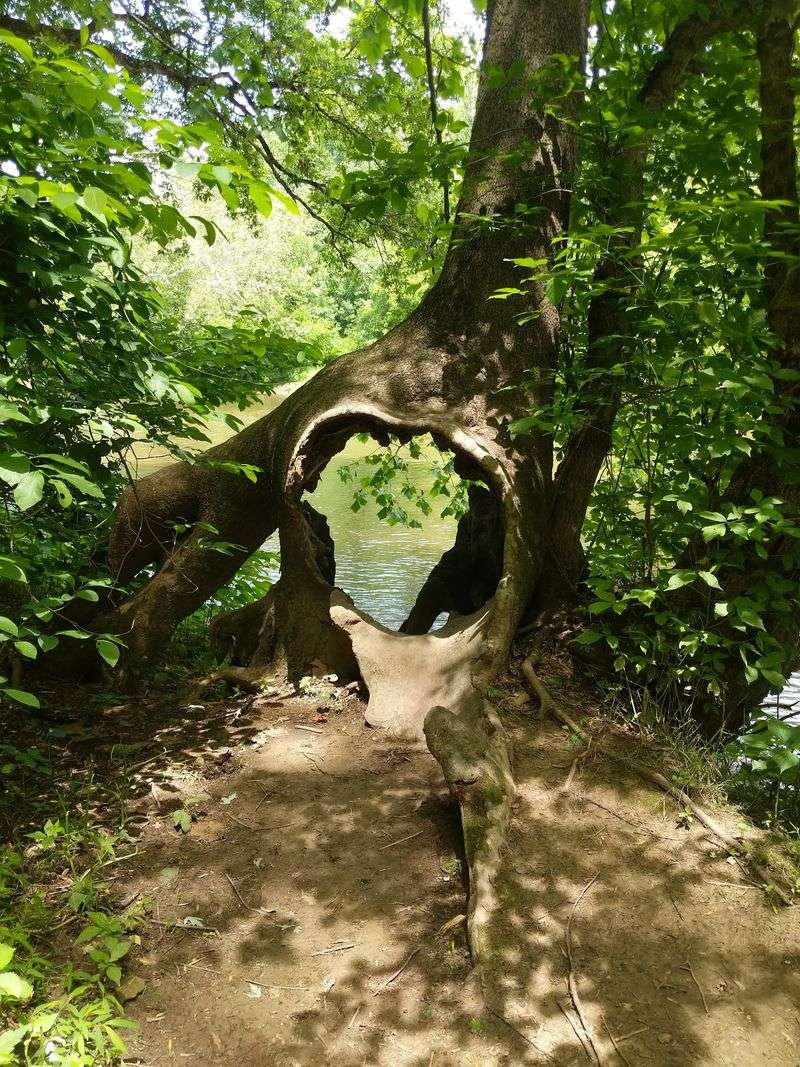
Some villages simply refuse to grow. Centerville sits along Kennett Pike, also known as Delaware Route 52, and looks much as it always has.
The name came from geography. The village landed roughly midway between Kennett Square, Pennsylvania, and Wilmington, on a turnpike chartered back in 1811.
Horse farms and wide estates spread out on either side of the road. Many of those grand properties belong to the Du Pont family and other longtime Wilmington business families.
Commercial development stayed minimal, which explains the quiet. No big-box stores interrupt the hedgerows or stone walls.
The Centreville Historic District, a cluster of fifteen houses, joined the National Register of Historic Places in 1983. Walking past them takes only a few minutes but rewards slow eyes.
Antique shops and art galleries fill the small commercial strip. The Centreville Cafe draws people in for afternoon teas and handmade treats.
The whole stretch forms part of the Brandywine Valley Scenic Byway. Driving it in spring, when the pastures green up, is a small pleasure worth planning around.
Cyclists like the shoulder-free challenge, though caution matters on curves. Weekday mornings tend to be calmest. Elegant, unhurried and quietly proud, this village makes a fine first stop.
3. Rockland
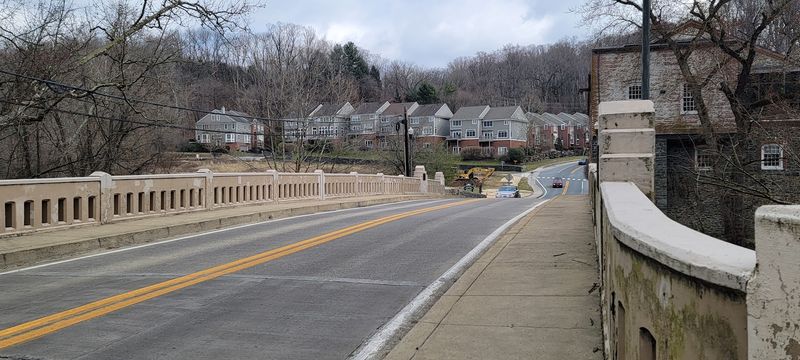
Finding this one takes intention. No major highway touches Rockland, which sits north of Wilmington against the Brandywine Creek.
Local roads wind in from a few directions, and that limited access does the heavy lifting. Traffic stays light and the pace stays slow.
Milling shaped everything. Adam Kirk built his first grist mill around 1724 in what is now the southern edge of Brandywine Creek State Park.
William Young followed with a paper mill in 1793. That operation grew into the Rockland Manufacturing Company, which turned out textiles for decades.
Many of those sturdy mill buildings became housing. Their thick walls and tall windows survived the conversion beautifully.
The Rockland Historic District and the William Young House both appear on the National Register of Historic Places. History sits in plain view along the roadside.
A village store dating to 1881 still functions as a post office and a small business. Stopping in feels like a courtesy call.
Residents guard the surrounding natural areas fiercely, pushing back on development proposals. That protectiveness keeps the creek corridor wooded and calm.
You will find the community along Rockland Road, Wilmington, DE 19803. Come for the water sounds, stay for the stonework, and drive out slower than you arrived.
4. Mt. Cuba
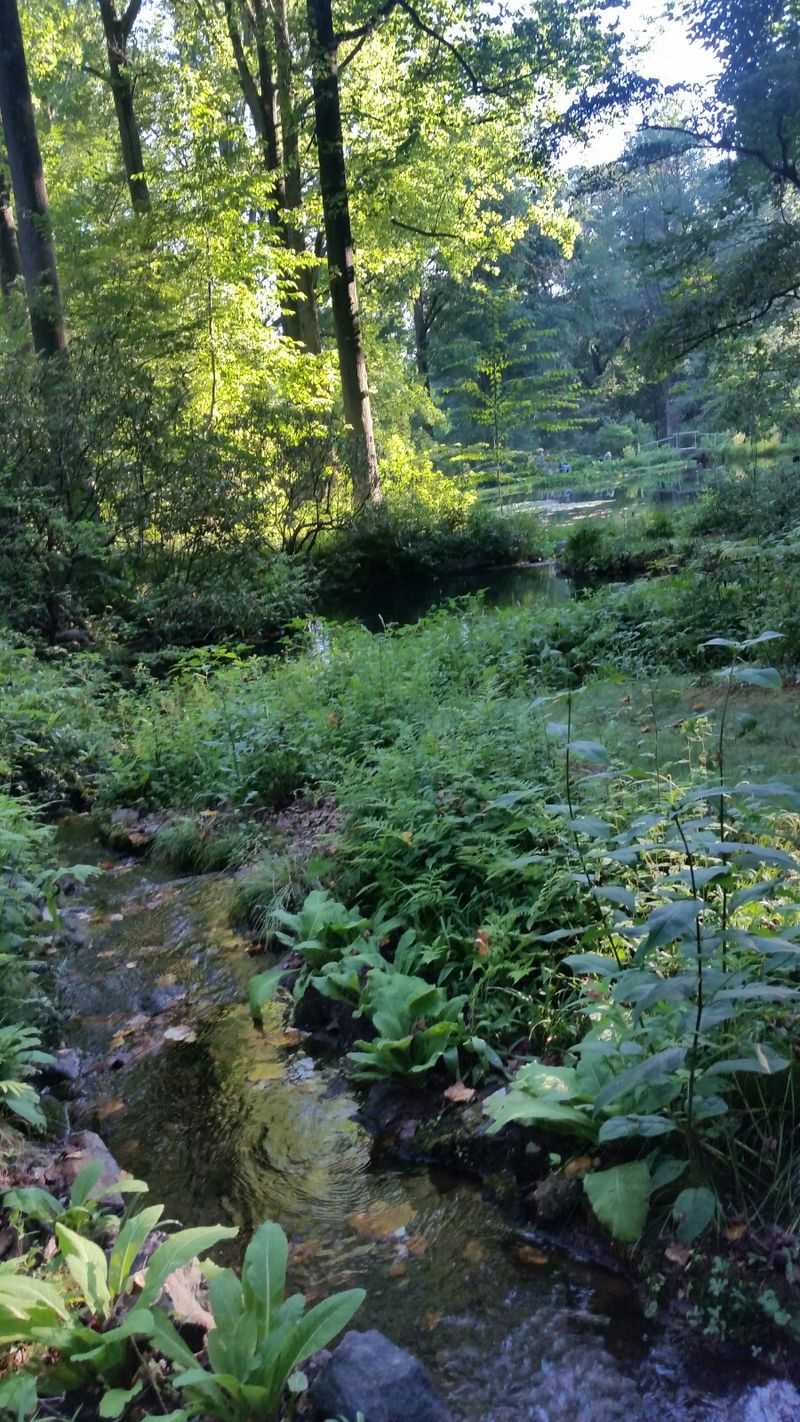
Hundreds of acres of gardens, woodlands, meadows, and conservation land surround Mt. Cuba Center’s celebrated native-plant collections.
That is the reality at Mt. Cuba, an unincorporated community anchored by its celebrated botanical garden.
The Mt. Cuba Center sits in Hockessin and earns steady praise for mid-Atlantic wildflower displays. Spring brings carpets of trillium, phlox and woodland bloom.
Lammot du Pont Copeland and his wife, Pamela Cunningham Copeland, once lived on the estate. They believed beautiful native plantings could inspire real conservation habits.
Paths lead guests from tidy formal gardens into meadows, woodlands and quiet ponds. Benches appear exactly where your legs start asking for one.
Gates open to the public from April through November. General admission, guided tours and special programs run throughout that season.
Learning options continue year-round, including a Certificate in Ecological Gardening. Home gardeners often leave with a notebook full of plant names.
Preserved land wraps the community, buffering it from surrounding development. Birdsong easily outvolumes any engine noise.
Research into native species and open space preservation drives much of the mission. The trails double as living experiments.
The address is 3120 Barley Mill Rd, Hockessin. Arrive early on a weekday and you may have whole woodland paths entirely to yourself, which is rare luck anywhere.
5. Hockessin
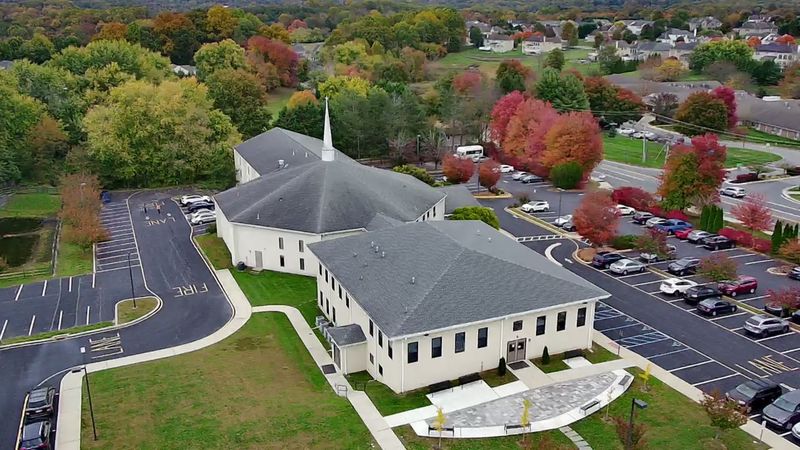
A settlement dating to 1688 still manages to feel uncrowded. Hockessin spreads across open countryside near the Pennsylvania border, cushioned by wooded buffers.
Low density is the defining trait. Homes sit apart, parks fill the gaps, and local festivals bring everyone together a few times a year.
The Hockessin Friends Meetinghouse, built in 1738, still stands as proof of deep Quaker roots. Its simple lines have outlasted centuries of change.
Coffee Run Mission started as a humble log cabin in 1790. Small beginnings, long memory.
The broader northern Delaware region has important Underground Railroad history, including sites connected to Quaker communities.
That courageous chapter remains an important part of local identity. Tweed’s Tavern, also from 1790, was originally nicknamed the Mudfort. The name alone deserves a chuckle.
Today the Hockessin Historical Society preserves and interprets many of these structures. Guests can learn plenty without much planning ahead.
Trails and green space make afternoons easy. Families gravitate toward the parks while runners take the quieter shoulders.
Farm stands appear seasonally, and the surrounding fields keep the horizon low and open. Preservation efforts, both natural and historic, explain why the character has held on so well. Give yourself half a day, then wander the back roads until the light fades.
6. Arden
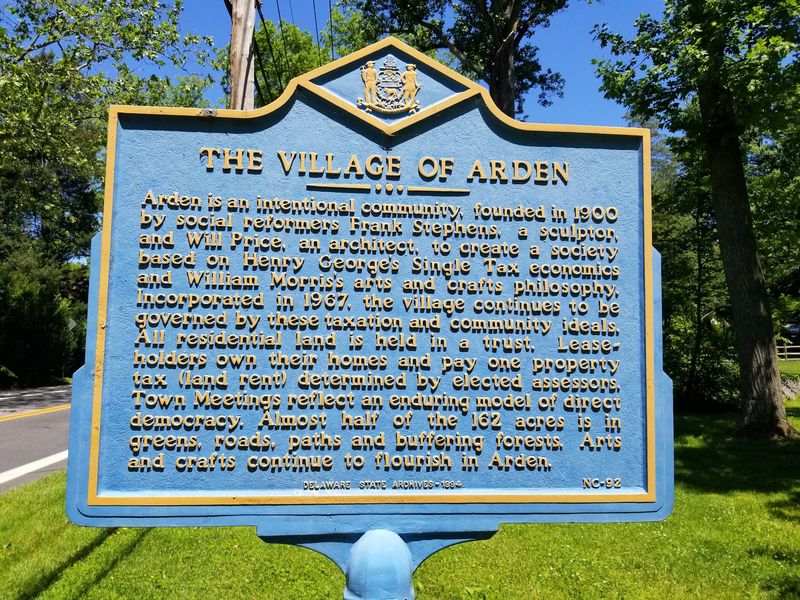
Here is something you rarely encounter: a utopian art colony still running after more than a century. Arden covers 160 acres near Rockwood Park’s hiking trails.
Sculptor Frank Stephens and architect Will Price founded the village in 1900. They built it around Henry George’s single-tax theory and William Morris’s Arts and Crafts ideals.
Almost half of Arden’s land is devoted to greens, roads, paths, and buffering forest. Trees outnumber buildings by a wide margin.
Fewer than 500 residents live here, and the whole village appears on the National Register of Historic Places. Its cultural landscape is considered one of a kind.
Daily life revolves around Gilds, meaning interest groups. The Dinner Gild, Shakespeare Gild, Gardening Gild and Concert Gild all host events at The Arden Club.
That volunteer-run club acts as the social heart. Something is almost always scheduled.
Cottages carry whimsical names such as Friendly Gables and Green Gate, many designed by Price himself. Walking the lanes turns into a game of reading nameplates.
Residents lease land for 99 years and pay land rent set by elected assessors. Unusual, and it works.
Shakespeare plays are staged outdoors in the Field Theater during warm months. Show up for a performance and you will understand why nobody here wants to leave.
7. Greenville
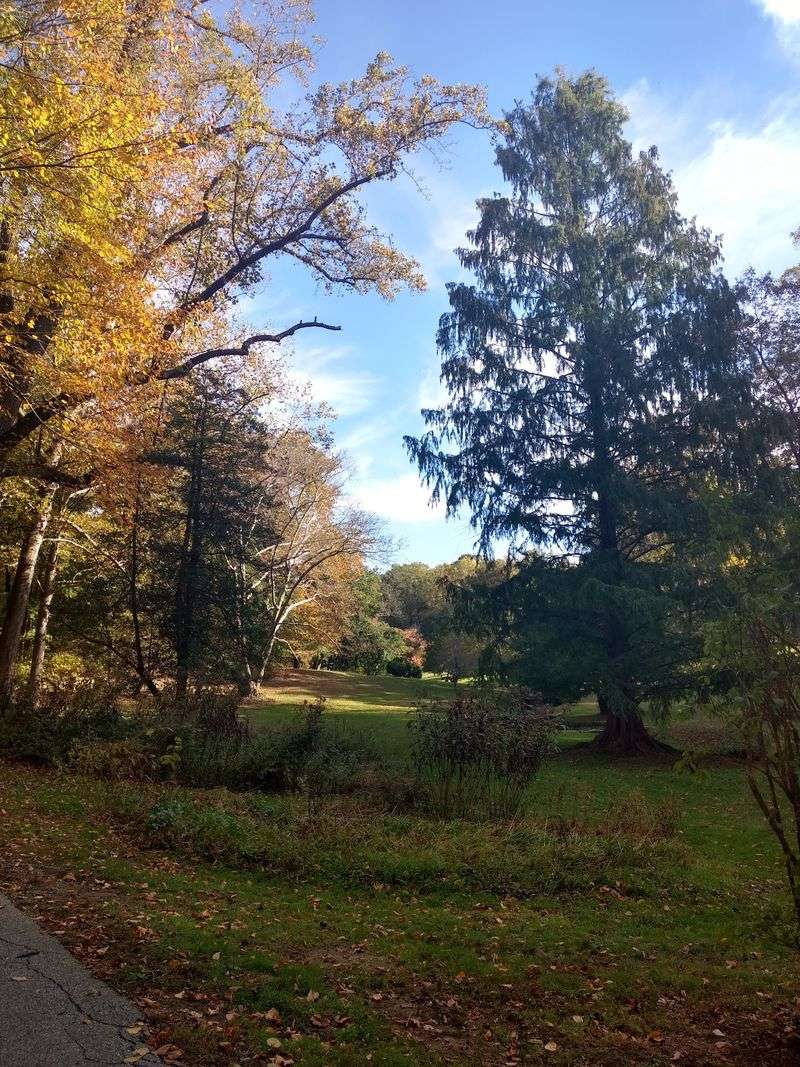
Green hills, white fences, and not a single billboard in sight. Greenville stretches along the Delaware-Pennsylvania line where estates and horse pastures rule the view.
Quakers and other European settlers arrived in the 17th and early 18th centuries, drawn by fertile Brandywine Valley meadows and forests. Nineteenth century maps labeled the area Green Hill and Green Ville, likely for the scenery.
Real transformation came later. Wilmington industrialists, especially the Du Pont family, built regal homes and manicured landscapes here as retreats.
Architectural styles vary widely across the properties. Horticultural ambition shows in nearly every hedge and allee.
Strict zoning laws have protected the open space against suburban pressure. Commercial noise stays remarkably scarce for somewhere this close to a city.
Descendants of the Du Pont family still live in the area. Continuity runs deep.
The Nemours Estate ranks among the finest attractions nearby, with formal French gardens and a mansion worth lingering in. The Delaware Museum of Natural History adds a family-friendly stop.
Autumn drives are especially rewarding, when the meadows turn gold. Spring works too, once the dogwoods pop.
Widely regarded as one of Delaware’s wealthiest corners, it stays refined rather than flashy. Roll the windows down and let the pasture air do its work.
8. Montchanin
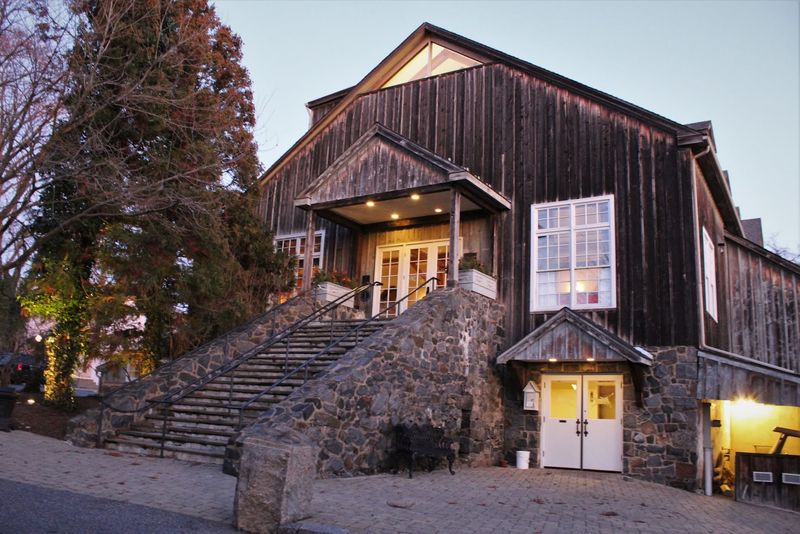
A village of 2.4 acres sounds made up, yet that is exactly how this one began. Montchanin grew in the early 19th century as housing for workers at the nearby DuPont Black Powder Mills.
The Wilmington and Northern Railroad reached the settlement in 1869. Growth followed quickly, and the hamlet became an important shipping point for the mills.
Its formal name arrived in 1889. It honors Anne Alexandrine de Montchanin, mother of Pierre Samuel du Pont de Nemours.
Local topography forced an asymmetrical street grid. The result is a tangle of winding, cozy pathways that still slow everyone down.
The Montchanin Historic District joined the National Register of Historic Places in 1978. Several architectural styles sit side by side within a few short blocks.
The Inn at Montchanin Village restored eleven historic structures that were once private homes. Staying overnight puts you inside the history rather than beside it.
Brandywine Valley greenery presses in from every direction. Stone walls, iron gates and old chimneys fill the frame. You will find it at the intersection of Delaware Route 100 and Kirk Road.
Photographers should aim for early evening, when shadows stretch across the lanes. Small in size, generous in atmosphere, and easy to fall for on a single stroll.
9. Winterthur
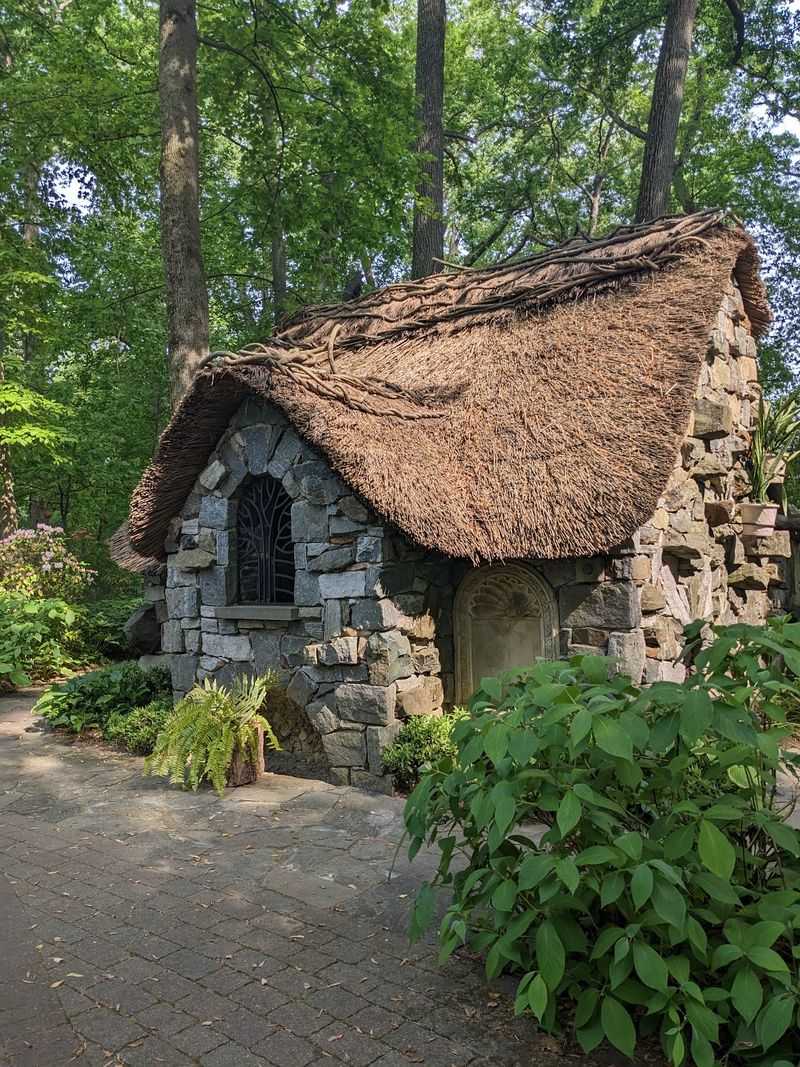
One thousand protected acres surrounding a single household is a hard number to picture. Winterthur wraps an unincorporated community around a famous estate, garden and library.
Henry Francis du Pont established the museum that anchors everything. His 60-acre garden design ranks among the finest in America.
Meadows, woodlands, ponds and waterways fill the rest of the property. Color rotates through the plantings across all four seasons.
The mansion holds 175 rooms and nearly 90,000 objects made or used in America since 1640. Decorative arts collectors treat it as a pilgrimage.
The Old-Growth Forest Network recognizes the property, which tells you plenty about the trees. Some trunks predate the collections inside.
Guided tours run regularly, and general admission tickets are often valid for two consecutive days. That extra day helps, because rushing here is a mistake.
Scholars come for the research library and graduate programs run with the University of Delaware. Study of American art and culture continues year-round.
Preserved land buffers the community from traffic and noise. Even parking areas sit tucked among trees.
The address is 5105 Kennett Pike, Winterthur. Wear comfortable shoes, follow the garden paths downhill, and let the azaleas decide your route.
10. Ashland
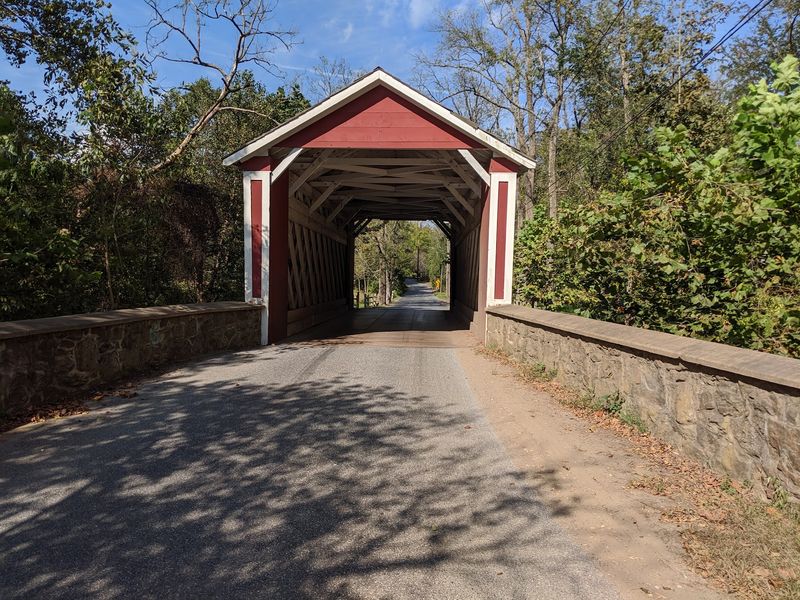
Covered bridges do something to a landscape, and this hamlet has one. Ashland sits along Red Clay Creek with almost no commercial presence at all.
The Ashland Covered Bridge is the headline landmark. It frames the water perfectly for anyone with a camera or a sketchbook.
Red Clay Creek runs 12.7 miles through southeastern Pennsylvania and northern Delaware. Red Clay Creek winds through northern Delaware and forms the natural spine of the Ashland area.
Lenape communities relied on these waters long before mills arrived. Fish, drinking water and crop irrigation all came from the same creek.
The Wilmington and Western Railroad follows the waterway south from Yorklyn. Hearing a whistle while standing on the bank is a nice bit of timing.
Hiking trails trace the creek corridor through woods and open pockets. Spring and fall bring the best footing and the best colors.
The Ashland Nature Center sits nearby for anyone wanting guided programs or trail maps. Kids usually leave muddy and happy.
You will find the hamlet at the intersection of Delaware Route 82 and Barley Mill Road. Parking is limited, so weekday mornings are the smart choice.
Of all ten stops, this one delivers the purest quiet, and the creek never stops talking.