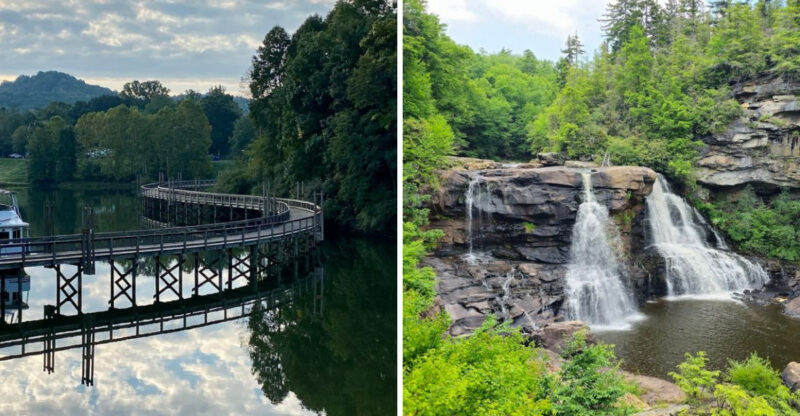
9 Quiet Towns In West Virginia’s North Fork Mountain Region
There are weekends when I want entertainment everywhere. Then there are weekends when one mountain road sounds like enough.
West Virginia’s North Fork region offers little towns surrounded by trout water, dramatic rock formations, trails, and wide-open mountain country.
The communities may be small, but the possibilities around them certainly are not.
Climbing, hiking, caves, scenic rail experiences, and riverside stays can all find their place on the itinerary.
Still, I would leave plenty of time unclaimed. This landscape seems made for pulling over simply because the view deserves another minute.
Pick a town as your base, then let the surrounding mountains fill in the rest.
1. Franklin, Pendleton County
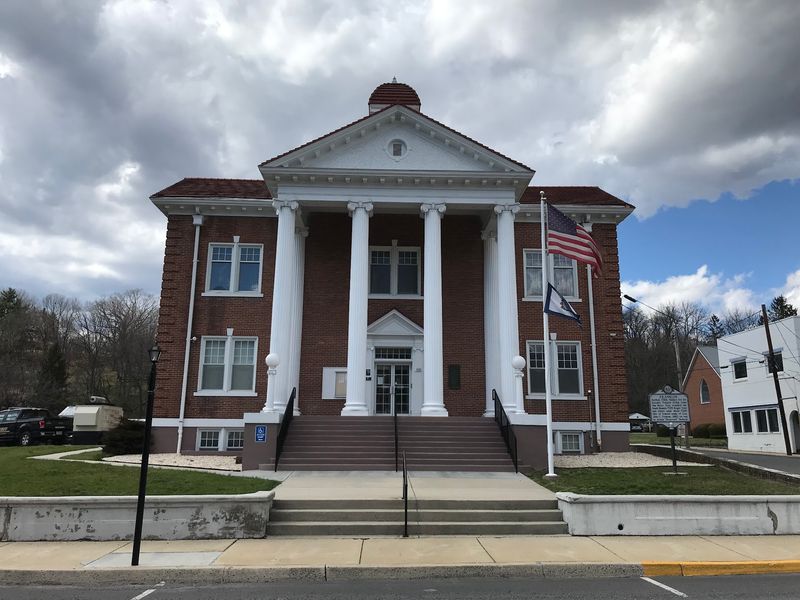
Few small towns anchor so much adventure in one tidy grid of streets. The county seat of Pendleton sits neatly between Spruce Knob and Seneca Rocks.
That position makes Franklin a natural basecamp for long weekends outdoors. Paddlers launch on the headwaters of the South Branch Potomac River. Anglers work the same water with fly rods and patience.
Climbers head for Smoke Hole Canyon, the limestone sport area between Franklin and Petersburg. More than 170 routes climb roughly 70-foot cliffs there. Bolted lines mean lighter packs and quicker starts.
Downtown keeps its own rhythm through the year. Festivals celebrate Appalachian heritage and frontier history with music and craft. Sidewalks fill, then empty again by evening.
The Brandywine Recreation Area adds another layer nearby. Shady trails, swimming, and picnic tables suit slower days. Families often pair it with a morning on the river.
Cell service can be patchy once you leave town, so download maps first. Fuel up here too, because stations thin out fast in the valley.
Mornings bring fog over the fields, and evenings bring stars in absurd numbers. Bring layers, since mountain air cools quickly after sunset.
Franklin, West Virginia, rewards travelers who plan loosely and wander often. Give it two nights, and the surrounding peaks start feeling like neighbors.
2. Petersburg, Grant County

A town with a scenic railroad already has my attention. Grant County’s seat pairs old storefronts with easy access to water and woods.
Petersburg sits along the eastern edge of the Monongahela National Forest. That location makes it a doorway to Dolly Sods and Smoke Hole Canyon.
The Potomac Eagle Scenic Railroad runs trips through the Trough, a steep river gorge. Passengers watch for bald eagles from open-air cars. Cameras stay busy the whole ride.
Paddlers often put in at Big Bend Campground on the South Branch. The current stays mellow enough for casual floats in summer.
Hikers use town as a launch point for the North Fork Mountain Trail. That route stretches 22 miles along a dry, rocky ridge. Views open constantly toward Germany Valley and beyond.
Carry extra water on that trail, since reliable springs are scarce up top. Start early and let the afternoon light guide you back.
Downtown handles the practical side with lodging and places to eat. Climbing at Seneca Rocks sits only minutes away by car.
Fall colors here arrive in waves, sweeping down the ridges through October. Winter brings quiet streets and clear, cold views. Come for the train, stay for the trails, and leave planning a return trip.
3. Seneca Rocks, Pendleton County
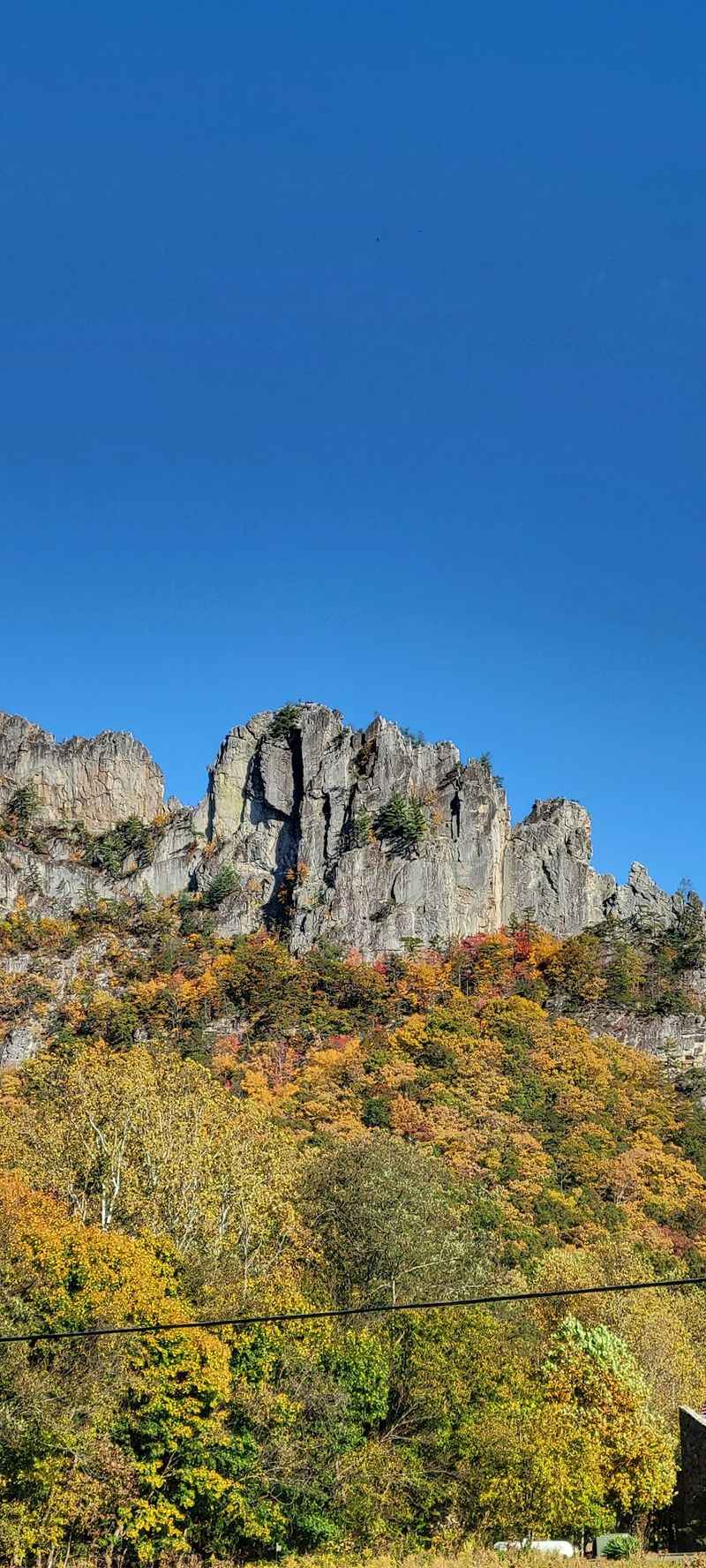
My jaw literally dropped the first time that stone fin appeared through the windshield. Nearly 900 feet of Tuscarora quartzite rises straight out of the valley floor.
Seneca Rocks, an unincorporated community in Pendleton County, built its reputation on that skyline. The formation stands above the North Fork River like a narrow blade.
Climbers know it well, with more than 450 mapped routes across the walls. Most lean toward traditional climbing, so gear racks get heavy.
No ropes? No problem at all. A maintained trail switchbacks up to an observation platform near the summit. Sturdy shoes and water handle the rest of the job.
The Discovery Center supplies maps, exhibits, and friendly answers about the region. Rangers there help sort out trail conditions before you commit.
Beyond the cliffs, the community works as a gateway to Spruce Knob and Dolly Sods. Both sit within an easy morning drive.
Photographers favor late afternoon, when sunlight warms the quartzite to amber. Mornings often bring mist curling along the river.
Parking fills quickly on autumn weekends, so arrive before nine if possible. Weekdays feel remarkably calm by comparison. Few landmarks in the state deliver so much drama for so little effort.
4. Circleville, Pendleton County
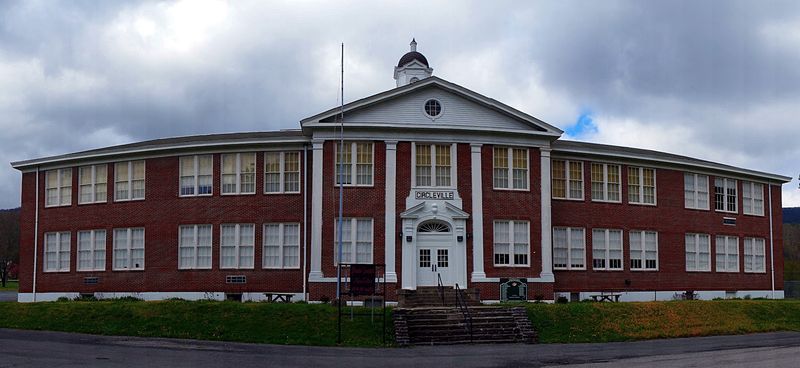
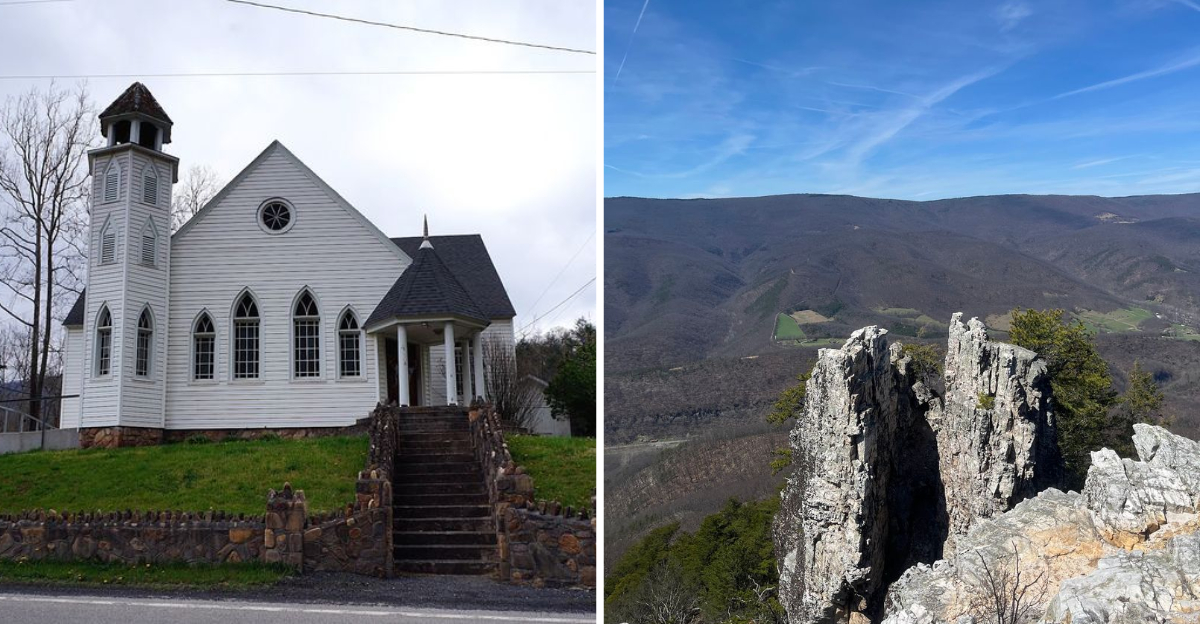
Circleville rests in Pendleton County with roughly 530 residents. The community carries no significant industry, which explains its untouched character.
Originally spelled Zirkleville, the name traces back to early settlers in the area. Local history runs deep, even where buildings are few.
The old Circleville School stands as the community landmark. Listed on the National Register of Historic Places, it anchors memories for generations of families.
West Virginia Route 28 threads through, tracing the North Fork of the South Branch Potomac River. Pike Gap and Bouses Runs join the flow right here.
Writers once called it a lonely outpost in the ice-cold mountains. Winter mornings certainly earn that description.
Anglers appreciate the river’s cold, clear runs during spring. Cyclists enjoy Route 28 for its low traffic and steady scenery.
Services are limited, so pack snacks and fill your tank in Franklin. Signal drops out regularly along the valley floor.
Stargazing might be the best free activity around. With almost no light pollution, the Milky Way shows up plainly. Slow down, roll the windows down, and let the river do the talking.
5. Riverton, Pendleton County
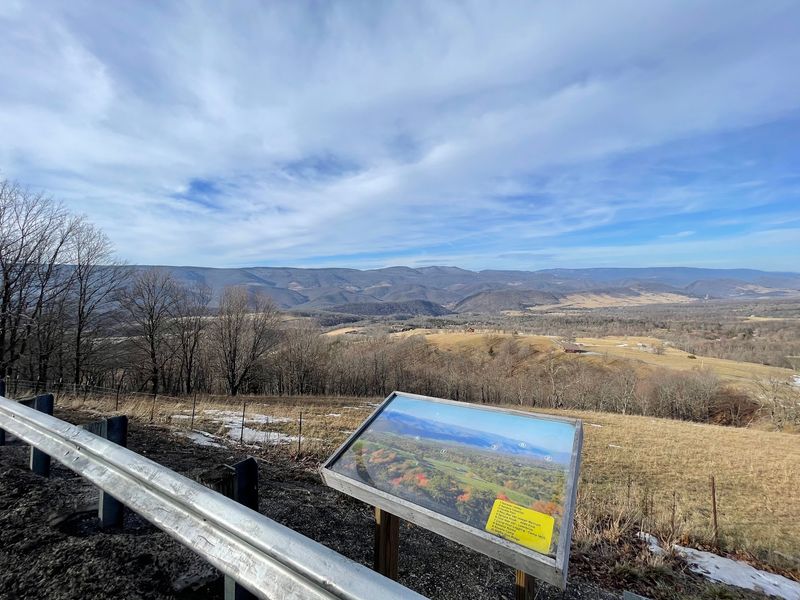
Let me be real for a second, not every drive doubles as a geology lesson. Cliffs press so close that the road has nowhere to go but along the water.
Riverton sits in Pendleton County, shaped entirely by stone. Those sheer limestone walls block commercial sprawl before it can start.
Drivers wind through Germany Valley on the approach. The valley is famous karst country, riddled with caves and sinkholes.
Ancient limestones carved the basin, while Tuscarora Sandstone built the crags above. The contrast makes every curve worth a second look.
Water escapes through gaps in those crags, including the Riverton rocks. From there it feeds the North Fork of the South Branch Potomac River.
The Germany Valley Overlook, along Highway 33 between Riverton and Franklin, deserves a stop. Panoramas stretch across rolling farmland, dark forest, and thin silver streams.
Take the hairpin turns slowly, especially in a longer vehicle. Pull-offs are limited, so use marked areas only.
Caving here requires permission and experience, since many systems are on private land. Admire the sinkholes from the roadside instead.
Morning fog pooling in the valley makes for unforgettable photographs. Bring a wide lens if you have one. Rock, river, and road hold a long conversation in this valley, and travelers get to eavesdrop.
6. Onego, Pendleton County
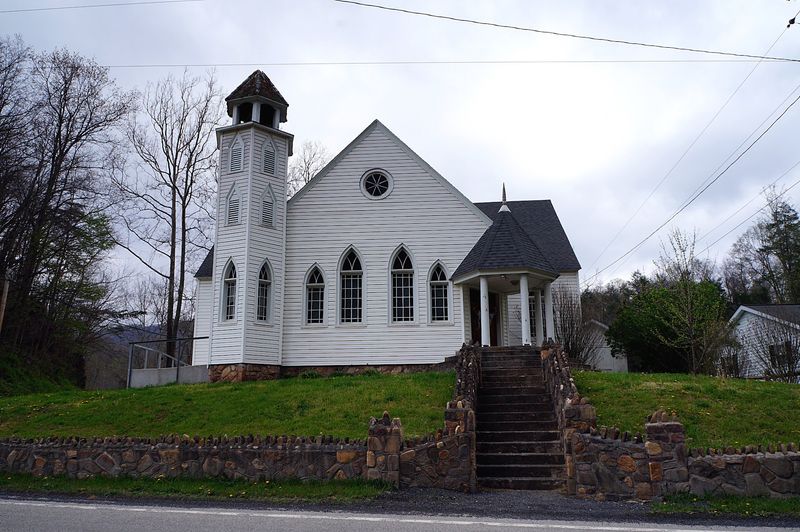
Here is a name that trips up nearly every traveler passing through. Locals hear the mispronunciations often and just smile.
Onego is an unincorporated community in Pendleton County with about 200 residents. Lush forest and rolling hills surround it on all sides.
German immigrants settled the area in the early 19th century. Farming and lumber shaped the economy for generations afterward.
The name may come from a Native American word meaning place of rocks. Another explanation points to a Seneca word meaning pool.
U.S. Highway 33 runs through, right where Seneca Creek meets Roaring Creek. All of it sits inside the Monongahela National Forest.
Today agriculture, tourism, and outdoor recreation keep things running. Trout streams and forest roads draw weekend explorers.
An annual Bluegrass Festival showcases the musical traditions passed down here. Fiddles, banjos, and folding chairs fill the air with warmth.
The Onego Historic District preserves several well-kept 19th-century buildings. A short stroll reveals stonework and porches worth studying.
Spruce Knob sits within reach for anyone chasing the state’s highest point. Pack a jacket, because summit winds stay brisk year-round. Small on the map, generous with scenery, this community rewards anyone willing to pull over.
Small family cemeteries scattered along the back roads hint at just how long these West Virginia hills have been settled.
7. Upper Tract, Pendleton County
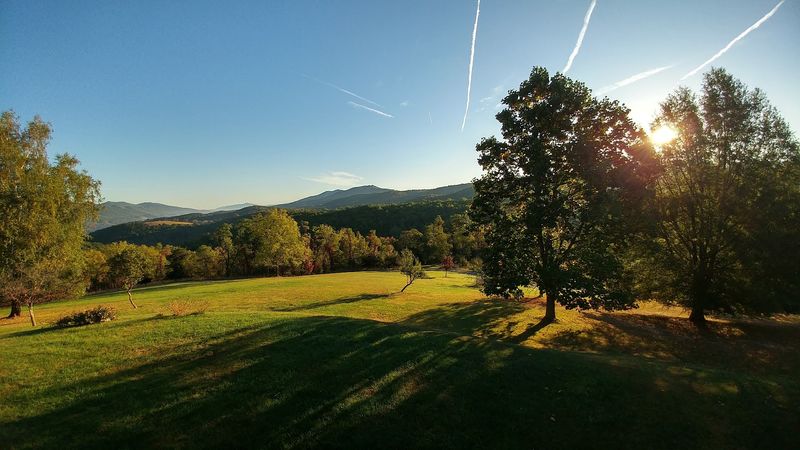
Correct me if I am wrong, but dry weather rarely defines an Appalachian town. Here it absolutely does, and geography deserves the credit.
Upper Tract, an unincorporated community in Pendleton County, ranks among the driest locations in the eastern United States. A rain shadow cast by Spruce Knob to the west causes the effect.
Sheer sandstone walls line U.S. Route 220 through the area. Those walls block side roads and keep commercial sprawl from taking hold.
The nearest interstate sits more than an hour away. Remoteness is not a bug here, it is the entire appeal.
Reeds Creek joins the South Branch Potomac River nearby. The confluence creates a pretty pocket of bottomland and shade.
An 18th-century pioneer settlement gave the community its unusual name. History lingers in the fields and fencerows.
Two properties appear on the National Register of Historic Places. The Cunningham-Hevener House and the Pendleton County Poor Farm both preserve regional architecture.
Because rainfall is low, hiking here stays pleasant when other trails turn muddy. Cactus and dry-loving plants even grow on the sunniest slopes.
Bring binoculars for hawks riding thermals above the sandstone. Quiet like this is getting harder to find anywhere. The dry climate also means star-filled nights come with unusually little haze, a bonus for anyone who packs a tripod.
8. Sugar Grove, Pendleton County
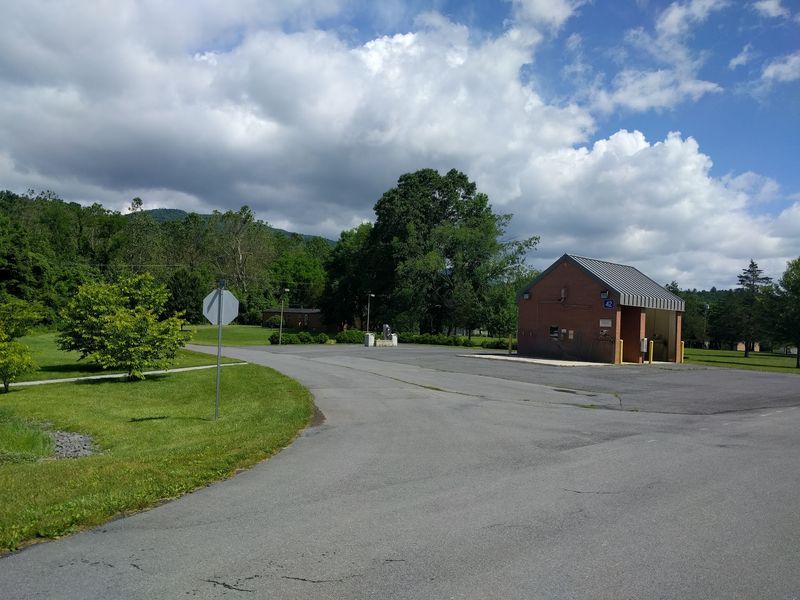
Imagine for a second a community where your phone genuinely gives up. Signals are limited by law, not by luck.
Sugar Grove sits in Pendleton County with roughly 500 residents. Broad hayfields spread beneath the long spine of Shenandoah Mountain.
The area falls inside the United States National Radio Quiet Zone. Strict limits on electromagnetic waves protect sensitive scientific equipment across the region.
That regulation creates something rare in modern travel: true digital silence. Conversations get longer and evenings feel unhurried.
The name comes from a historical sugar orchard at the original townsite. Maple sap once shaped the local calendar each late winter.
The Bowers House holds a listing on the National Register of Historic Places. Its lines reflect the building traditions of the valley.
A former Navy Operations Information Command base here was auctioned in 2017. New owners plan a healthcare facility serving active-duty military members, veterans, and families.
Photographers love the hayfields in June, when bales dot the green like punctuation. Sunsets behind Shenandoah Mountain stretch out slowly.
Print directions before arriving, since navigation apps may stall without service. Tell someone your route as a simple precaution.
Unplugging happens automatically here, and most travelers end up grateful for it. The surrounding West Virginia hills stay remarkably dark after sunset, another quiet perk of living inside the Quiet Zone.
9. Cabins, Grant County
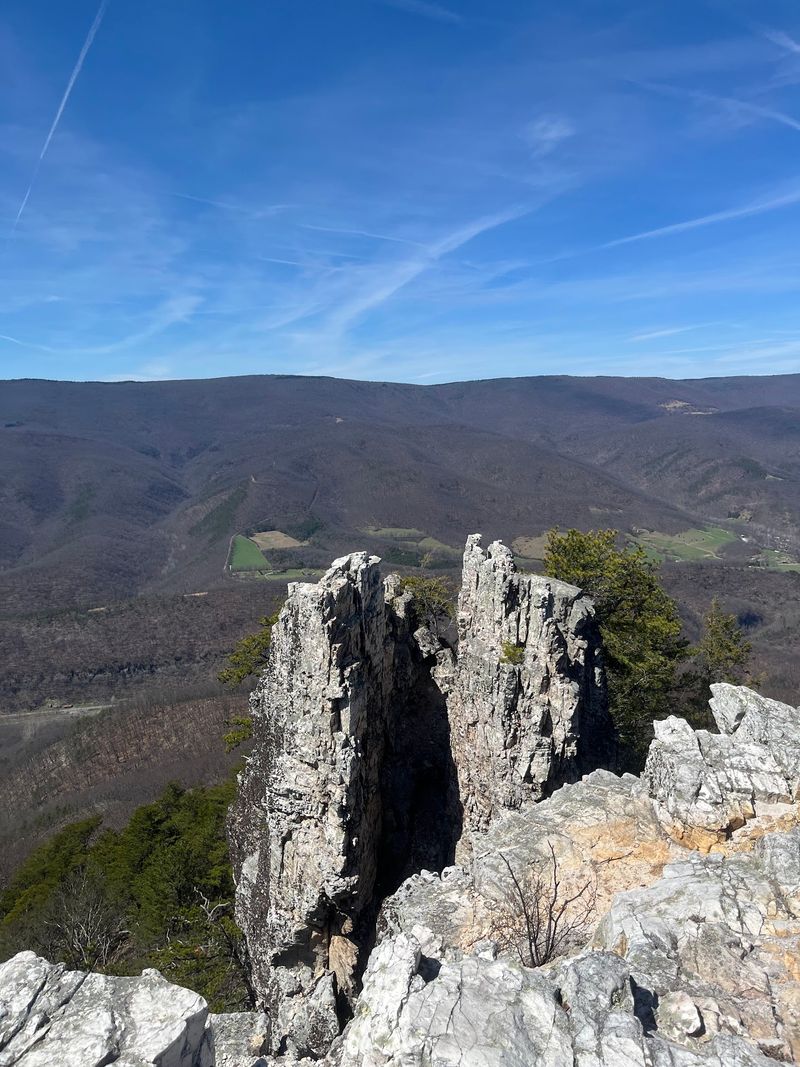
Some names leave nothing to the imagination, and that is refreshing. Log dwellings inspired this one generations ago.
Cabins sits in Grant County with an estimated 300 inhabitants. The North Fork River slides past homes and pastures throughout the community.
Hopeville Canyon frames the scene with steep, wooded walls. Harman’s Luxury Log Cabins occupies a riverside stretch with mountain views in every direction.
Trout fishing draws anglers here season after season. The river runs right through, so casting starts a few steps from the porch.
The North Fork Mountain Inn provides direct access into the Monongahela National Forest. Hikers use it as a launch pad for the North Fork Mountain Trail.
Rock climbers point their gear toward Champe Rocks instead. The twin sandstone towers rise sharply above the valley floor.
Adventurous hikers sometimes follow the unmarked ridge atop North Fork Mountain. Navigation skills matter up there, since the route offers little signage.
Spring brings high water and strong fishing, while October delivers unbeatable color. Winter stays quiet, with woodsmoke drifting over the river.
Book lodging well ahead for fall weekends, because options are limited. River sounds replace traffic noise entirely, and sleep comes easy after a day on the ridge.
West Virginia’s local outfitters can arrange guided fishing trips for visitors who’d rather learn the river’s best pools than search for them alone.