12 Quirky California Museums That Will Leave You Scratching Your Head
Some museums follow the rules, and then there are the ones that throw the rulebook out entirely.
The door opens, and something shifts before you can name it. Not louder. Not brighter. Just different. The kind of difference that slows your step without asking permission.
A hallway stretches a little longer than it should. A room holds more questions than answers. Objects sit in quiet defiance.
The usual rhythm disappears. No neat sequence. No clear conclusion. Only fragments that begin to gather into something you feel more than follow.
Bizarre museums across California turn confusion, curiosity, and unexpected design into the entire experience.
Not polished. Not predictable. A place where the strange is given space to exist without apology, and curiosity becomes the only real guide.
Each stop carries its own logic, its own quiet insistence on being experienced rather than explained.
You don’t leave with everything resolved. You leave with something unsettled – in the best way. And long after the visit ends, it’s that feeling that stays.
1. Museum Of Jurassic Technology, Culver City
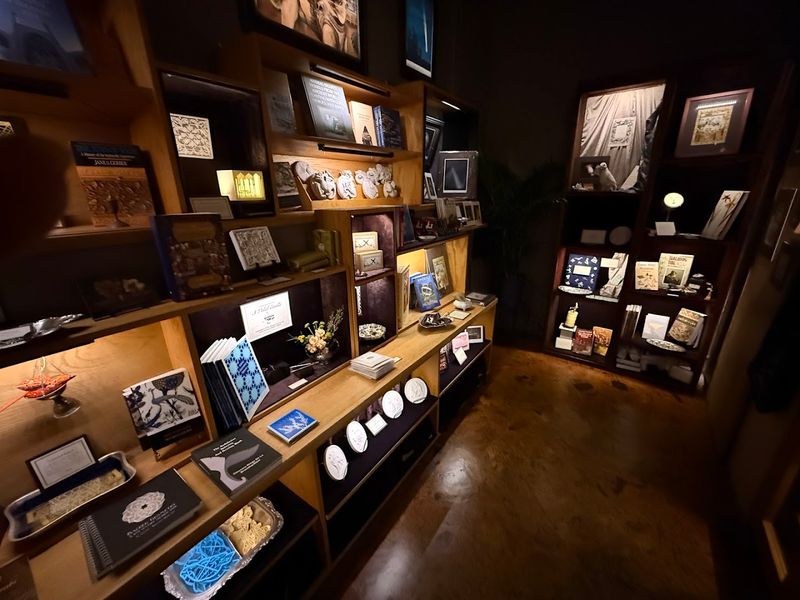
Walking through the front door of the Museum of Jurassic Technology feels a little like stepping into someone else’s dream.
Located at 9341 Venice Blvd, Culver City, CA 90232, the museum blends real science, folklore, and art in a way that makes it genuinely hard to know what to believe.
That uncertainty is entirely the point.
Exhibits cover topics ranging from micro-miniature sculptures to obscure natural history, and the lighting inside tends to be dim and theatrical, giving every display a hushed, almost sacred quality.
Some pieces are presented with such scholarly seriousness that visitors often find themselves nodding along before realizing the subject matter is completely surreal.
The museum does not explain itself, and that restraint is part of its charm.
Admission is reasonably priced, and the experience tends to reward slow, curious visitors more than those rushing through.
A small rooftop tea room offers a calm pause between exhibits, which can feel like a welcome reset after the conceptual density below.
For anyone who enjoys art that asks more questions than it answers, this museum is a genuinely one-of-a-kind stop in the Los Angeles area.
2. Valley Relics Museum, Van Nuys
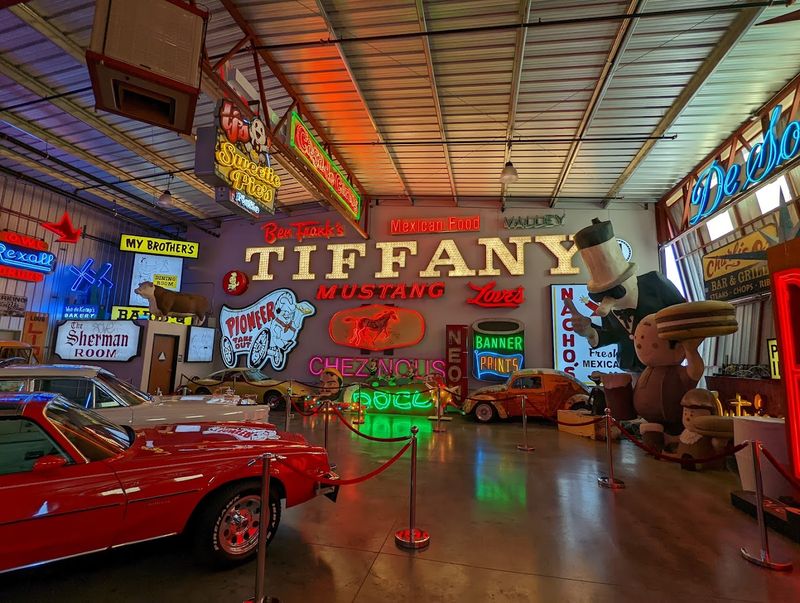
Nostalgia hits differently at the Valley Relics Museum, where decades of San Fernando Valley history are preserved through signs, artifacts, clothing, vehicles, and pop culture relics that span the mid-twentieth century through the early 2000s.
The collection feels less like a curated exhibit and more like stumbling into the world’s most organized attic, in the best possible way.
Every corner holds something unexpected.
The museum is located at C3 & C4 Entrance on, 7900 Balboa Blvd, Stagg St, Van Nuys, CA 91406, and the space is large enough that multiple visits could surface new details each time.
Neon signs, vintage fast food displays, old amusement park props, and local business memorabilia fill the warehouse-style building.
The scale of the collection is genuinely impressive, and the curation reflects a real passion for preserving regional history that might otherwise be lost.
Families with older kids and teens often find the pop culture references especially engaging, while adults who grew up in Southern California tend to experience strong waves of recognition throughout the visit.
Hours and admission details are worth checking in advance, as the museum operates on specific days.
For anyone curious about what the Valley looked and felt like across different eras, this museum offers a vivid and entertaining answer.
3. World Famous Crochet Museum, Joshua Tree
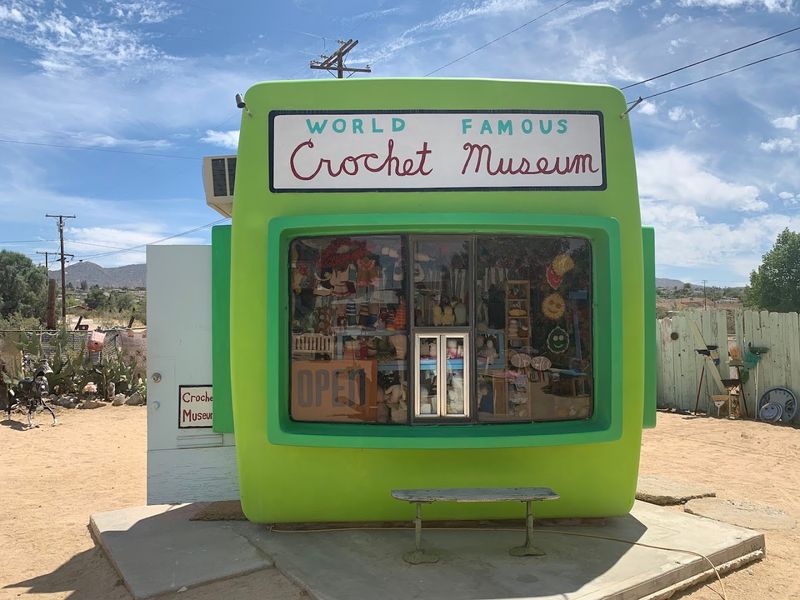
Technically the smallest museum on this list, the World Famous Crochet Museum in Joshua Tree occupies a converted fast food order booth and packs a surprising amount of personality into a very compact space.
The exterior is painted white and filled with colorful crocheted figures, animals, and objects that visitors can view through the windows.
Admission is free, and the whole experience takes about five minutes, which somehow makes it even more charming.
Situated at 61855 CA-62, Joshua Tree, CA 92252, the museum sits along a stretch of road that already has an eccentric, sun-baked character to it.
The collection inside is maintained and updated periodically, so repeat visitors may notice new additions.
The museum is a favorite stop for road trippers heading to or from Joshua Tree National Park.
The appeal here is not really about crochet specifically but about the joy of discovering something absurd and delightful in an unexpected place.
It photographs beautifully, and the surrounding desert backdrop adds to the surreal quality of the whole encounter.
For anyone who appreciates roadside oddities and the kind of grassroots creativity that does not need a grant or a gallery to exist, this tiny museum is an absolute must-see stop in the high desert.
4. Winchester Mystery House, San Jose
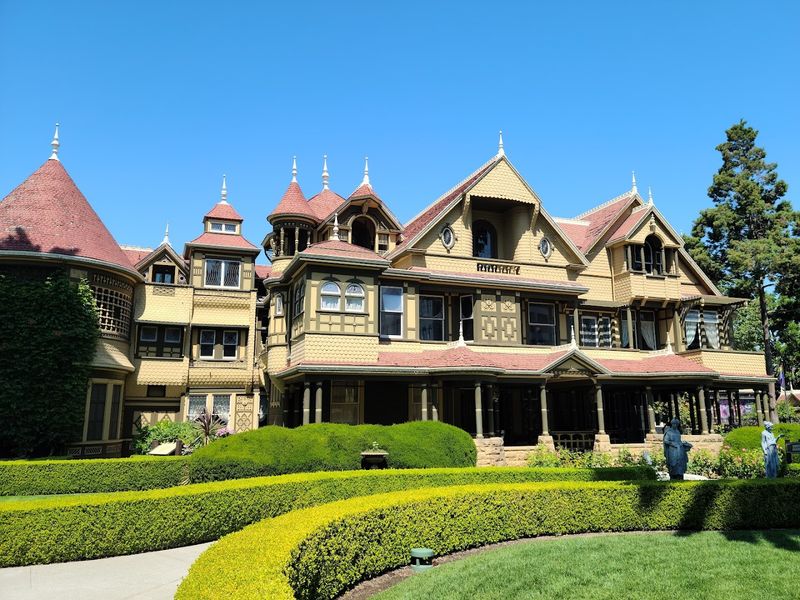
Few buildings in California carry as much architectural strangeness as the Winchester Mystery House, a Victorian mansion that grew continuously for 38 years without a conventional plan.
The house contains staircases that end at ceilings, doors that open into walls, windows built into floors, and corridors that double back on themselves for no apparent structural reason.
The result is a building that seems to have been designed by someone actively trying to confuse future guests.
Located at 525 S Winchester Blvd, San Jose, CA 95128, the mansion is open for guided tours year-round, with multiple tour options available depending on how deeply visitors want to explore the property.
The house covers over 24,000 square feet and includes 160 rooms, though not all are accessible on every tour.
Booking tickets in advance is recommended, especially during weekends and holiday periods.
The history of the house is tied to Sarah Winchester, who reportedly built it continuously to confuse spirits she believed were following her, though historians debate how much of that story is legend versus fact.
Regardless of the backstory, the architecture itself is extraordinary and worth seeing on its own terms.
The grounds include gardens and outbuildings that add additional context to the overall scale of the estate.
5. Santa Cruz Mystery Spot, Santa Cruz
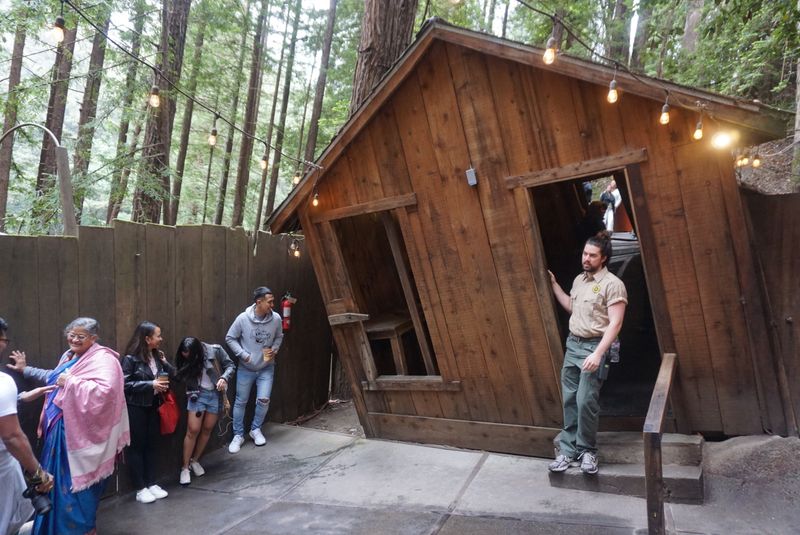
Gravity seems to behave differently at the Santa Cruz Mystery Spot, or at least that is what the experience strongly suggests.
Balls roll uphill, people appear to grow taller or shorter depending on where they stand, and the small tilted cabin at the center of the attraction makes every sense of balance feel slightly unreliable.
The effect is disorienting in a fun and genuinely puzzling way.
Situated at 465 Mystery Spot Rd, Santa Cruz, CA 95065, the site has been drawing curious visitors since 1940, making it one of California’s longest-running roadside attractions.
Tours are guided and run regularly throughout the day, typically lasting around 45 minutes.
Parking requires a fee separate from admission, so factoring that into the budget before arriving is worth doing.
The scientific explanation involves a combination of optical illusions, the tilted angle of the cabin, and the surrounding landscape creating a disorienting visual frame of reference.
Knowing the explanation does not fully cancel out the experience, which is part of what makes the Mystery Spot so durable as an attraction after more than eight decades.
The surrounding redwood forest adds a cool, shaded atmosphere that makes the visit comfortable even in warmer months, and the overall tone is playful and family-friendly throughout.
6. Gold Bug Mine And Museum, Placerville
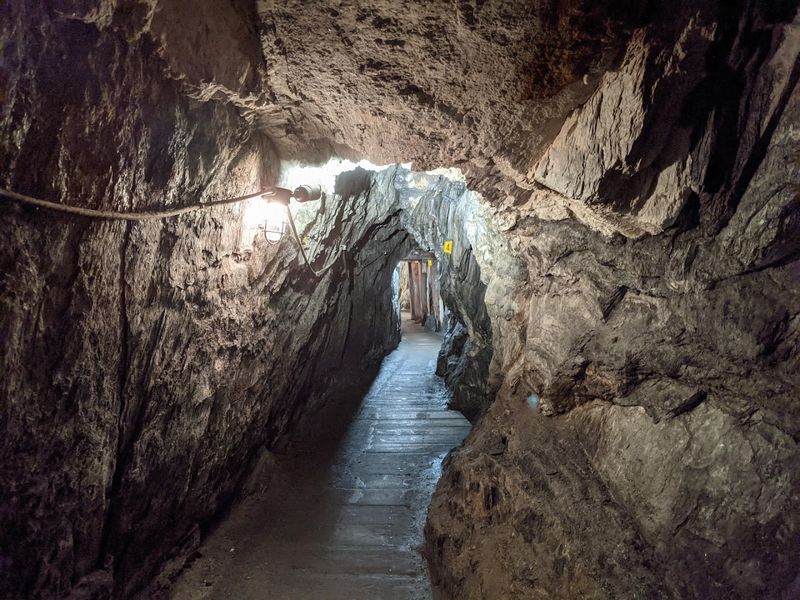
Walking into a real gold mine from the California Gold Rush era is an experience that history books simply cannot replicate.
Gold Bug Mine in Placerville offers self-guided tours through an actual illuminated hard-rock mine tunnel, complete with mining equipment, interpretive panels, and the cool, earthy atmosphere of a space carved out of solid rock by hand in the nineteenth century.
The walls genuinely shimmer.
The mine is part of Gold Bug Park at 2635 Gold Bug Ln, Placerville, CA 95667, a city-owned park that also includes a stamp mill and a small museum with exhibits on local Gold Rush history.
Admission is affordable, and the self-guided format lets visitors move at their own pace through the tunnel, which is fully lit and accessible without special equipment.
The stamp mill demonstrations, offered on select days, show how ore was processed after extraction.
Placerville itself sits in the Sierra Nevada foothills and has a strong Gold Rush identity throughout its downtown, so the mine visit fits naturally into a broader day of exploring the area.
The tunnel stays at a cool temperature year-round, which makes it a particularly refreshing stop during hot summer days.
Families with kids who enjoy hands-on history tend to find the experience memorable and easy to connect with.
7. Calaveras County Museum Complex, San Andreas
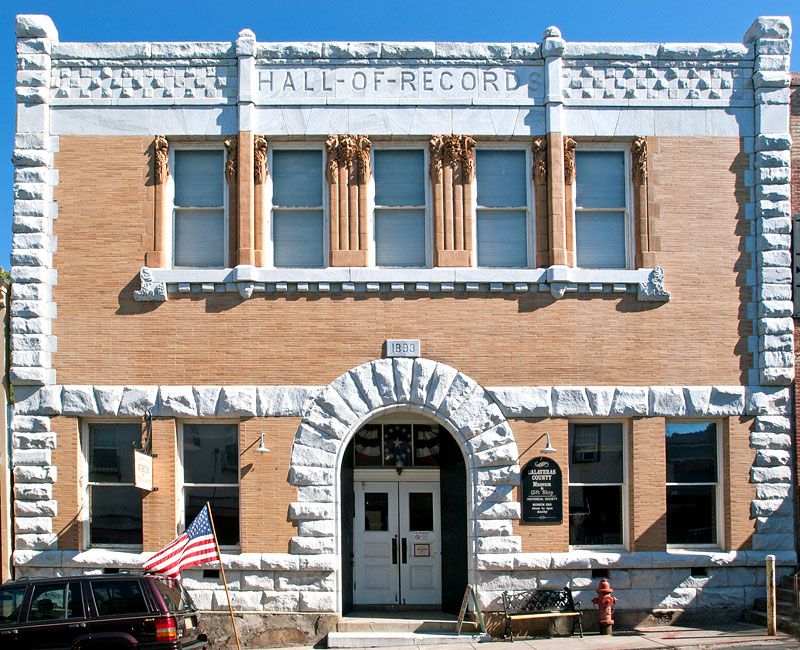
History in California’s Gold Country has a rougher, more tangible edge than most museum exhibits manage to convey, and the Calaveras County Museum Complex in San Andreas captures that quality with unusual honesty.
The complex includes a historic courthouse, a jail, and several exhibit spaces covering Native American history, the Gold Rush era, and the development of Calaveras County through the nineteenth and twentieth centuries.
The original jail cells are still intact and open for viewing.
The complex is located at 30 N Main St, San Andreas, CA 95249, right in the center of a small town that has retained much of its Gold Rush character in the surrounding streets and buildings.
Admission is modest, and the staff tend to be genuinely knowledgeable about the local history rather than reciting scripted information.
The courthouse building itself dates to 1867 and is worth examining as an architectural artifact on its own.
A notable piece of local lore tied to the site involves the outlaw Black Bart, who was allegedly held in the jail before being tried in the courthouse, though visitors should verify specific historical claims with the museum staff directly.
The museum complex rewards visitors who take time to read the interpretive materials rather than moving quickly through the space.
San Andreas is a reasonable base for exploring the broader Mother Lode region of the Sierra Nevada foothills.
8. Cabot’s Pueblo Museum, Desert Hot Springs
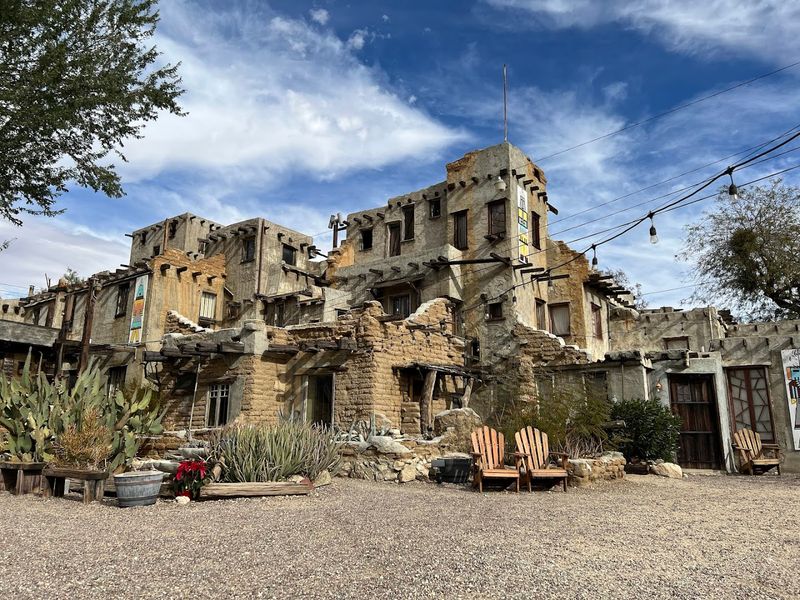
Built entirely by hand over several decades by a single person, Cabot’s Pueblo Museum is one of the most remarkable examples of individual determination and creative vision in California.
The four-story, 35-room Hopi-inspired adobe structure was constructed by Cabot Yerxa beginning in 1941 using salvaged materials, found objects, and handmade adobe bricks.
The building itself is the exhibit, and every room tells part of the story of how it came to exist.
Located at 67616 E Desert View Ave, Desert Hot Springs, CA 92240, the museum offers guided tours that walk visitors through the structure and explain the history of Yerxa’s life in the desert, his relationships with Indigenous communities, and the artistic choices embedded throughout the building.
The tour length and frequency vary by season, so checking the schedule before visiting is advisable.
The surrounding desert landscape adds a stark beauty to the experience, and the scale of what one person built without professional construction help becomes more impressive the longer a visitor spends inside.
Artifacts, artworks, and personal items belonging to Yerxa are displayed throughout the rooms, giving the tour a biographical depth that goes beyond typical historic house visits.
For anyone traveling through the Coachella Valley, this museum offers a genuinely moving and unusual stop that is unlike anything else in the region.
9. Noah Purifoy Outdoor Desert Art Museum, Joshua Tree
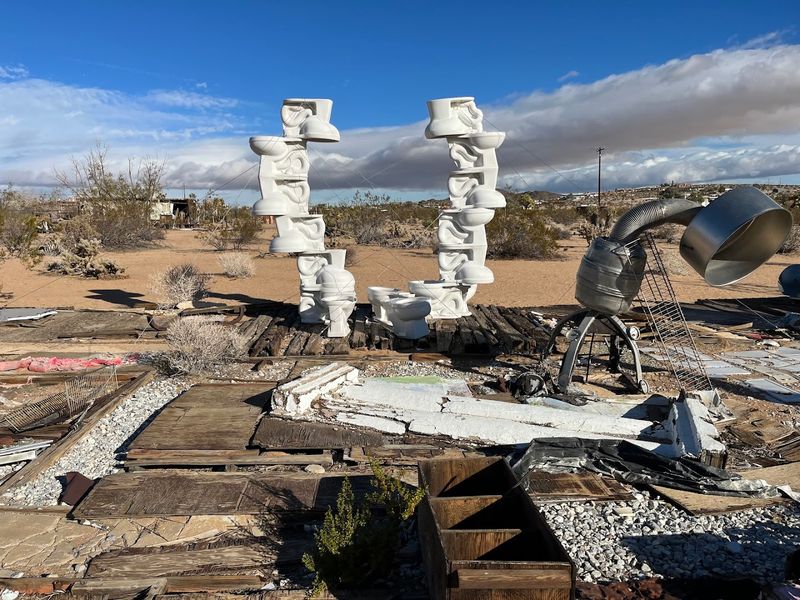
Spread across ten acres of open Mojave Desert, the Noah Purifoy Outdoor Desert Art Museum is one of the most visually striking free attractions in California.
The site displays large-scale assemblage sculptures created by artist Noah Purifoy using salvaged and found materials, and the contrast between the raw desert landscape and the intricate human-made structures is genuinely arresting.
No building required, no roof needed.
Located near 62975 Blair Ln, Joshua Tree, CA 92252, the outdoor museum is free and open to the public year-round during daylight hours.
Comfortable walking shoes are strongly recommended since the terrain is uneven and sandy throughout.
Visiting in the early morning or late afternoon helps avoid the most intense desert heat, especially during summer months.
Purifoy spent the last years of his life creating this body of work in the desert, and the pieces range from meditative to unsettling to quietly funny.
The site is maintained by the Noah Purifoy Foundation, which works to preserve the sculptures and their original arrangement.
For visitors making the trip to Joshua Tree National Park, adding this stop to the itinerary requires very little extra time and offers a completely different kind of artistic experience from anything found inside a traditional gallery.
10. Museum Of Neon Art, Glendale
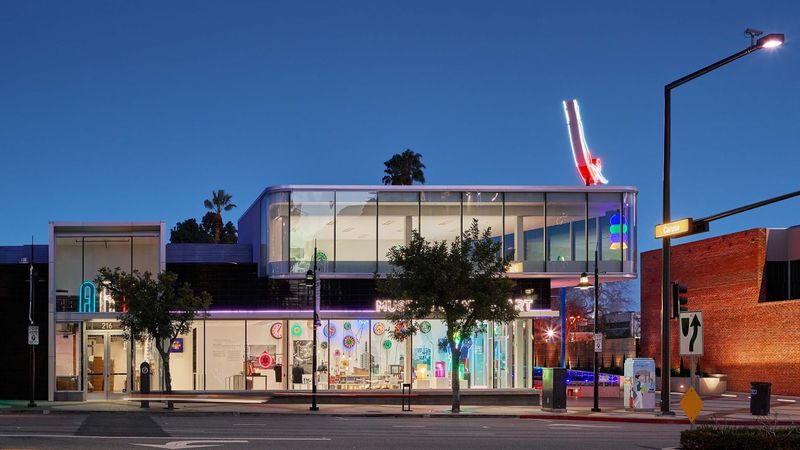
The glow pulls you in before anything else has a chance to register. Colors hum softly against the walls, shifting between nostalgia and something almost futuristic.
The Museum of Neon Art at 216 S Brand Blvd, Glendale, CA 91204 turns light into storytelling, creating a space where signage becomes art and everyday visuals take on a completely different meaning.
Inside, California’s quirky museum spirit feels right at home. Vintage neon signs, kinetic sculptures, and contemporary light installations line the galleries, each piece carrying its own slice of history.
Old motel signs and classic storefront lettering sit alongside modern works, showing how this medium has evolved while still holding onto its bold, unmistakable character.
There is something unexpectedly personal about it. Neon is usually passed in a hurry, glimpsed from a car window or across a busy street. Here, it slows down. Details stand out. Craftsmanship becomes impossible to ignore.
Live demonstrations add another layer, revealing how glass tubes are shaped and filled to create that signature glow. It is equal parts art, history, and process.
In a state that embraces the unusual, this museum proves that even light itself can become an experience worth stepping into, something vibrant, nostalgic, and impossible to overlook.
11. The Exploratorium, San Francisco
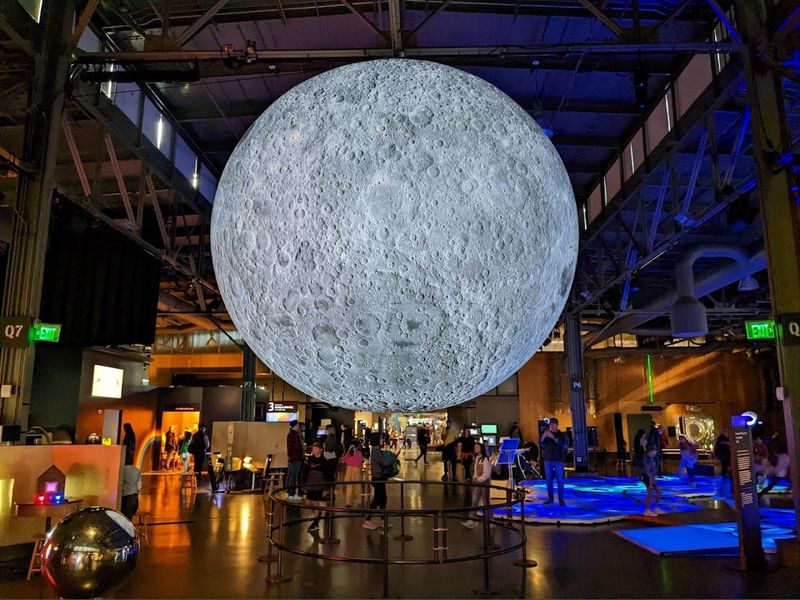
Some museums ask you to look. This one asks you to touch, test, and question everything in front of you.
The Exploratorium at Pier 15 Embarcadero at, Green St, San Francisco, CA 94111 turns curiosity into the main event, pulling visitors into a space where science feels less like a subject and more like something you experience in real time.
Set along the waterfront, it fits naturally into California’s world of quirky museums by refusing to stay still or predictable.
Hundreds of hands on exhibits invite you to play with light, sound, motion, and perception. One moment you are stepping into total darkness inside the Tactile Dome, the next you are watching fog swirl and shift in ways that feel almost alive.
Nothing here is meant to be observed from a distance. Every display encourages interaction, making it easy to lose track of time while experimenting, failing, and trying again. It is as much about the process as it is about the result.
What makes it stand out is how it blends learning with pure curiosity. California is home to museums that break the usual rules, and this one does it by turning science into something personal, immersive, and unexpectedly fun.
12. Pacific Pinball Museum, Alameda
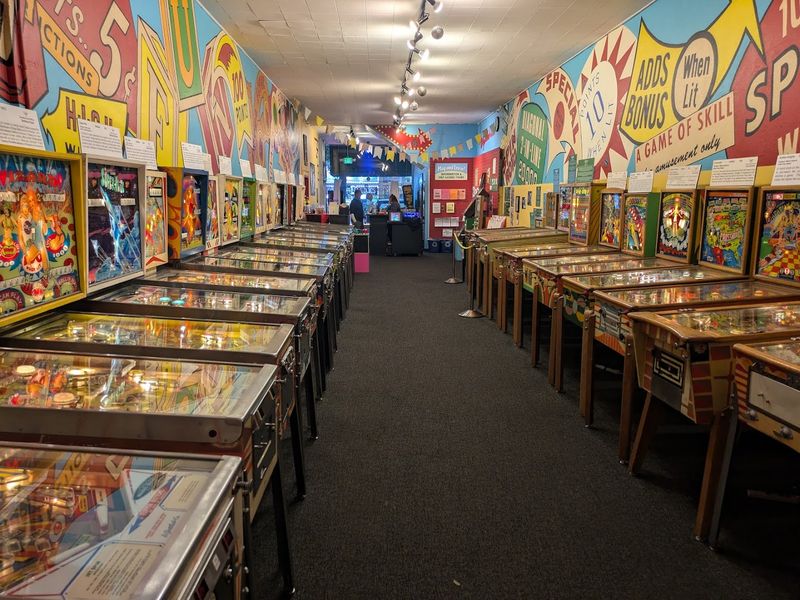
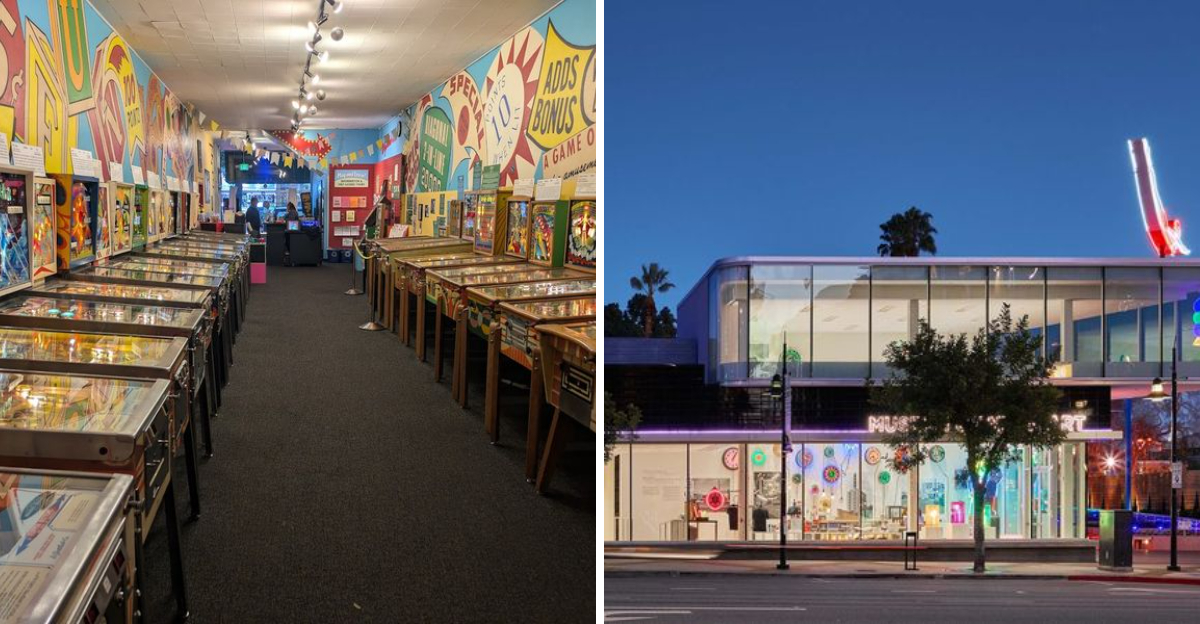
Inside California’s world of quirky museums, few places blur the line between exhibit and experience quite like the Pacific Pinball Museum in Alameda.
At first glance, it feels nostalgic – rows of brightly lit machines, retro artwork, and the familiar clatter of silver balls bouncing through bumpers. But this is more than a collection. It is a fully interactive journey through time.
Founded in 2004, the museum at 1510 Webster St, Alameda, CA 94501 houses over a thousand machines, with more than 100 set to free play, allowing visitors to move from one era to the next without interruption.
From early bagatelle-style games dating back to the 1800s to modern, high-tech tables, each room quietly tells a story about design, technology, and culture.
What makes it stand out in California’s quirky museum scene is the hands-on approach. Nothing sits behind glass. You learn by playing, noticing how flippers changed the game in the 1940s or how sound and storytelling evolved over decades.
Murals, vintage jukeboxes, and rotating exhibits add another layer, turning the space into something that feels equal parts arcade, gallery, and time capsule.
It is unusual, immersive, and unexpectedly thoughtful – exactly the kind of place that defines California’s love for the strange and unforgettable.