12 Quirky California Small Towns With Populations Under 500 People
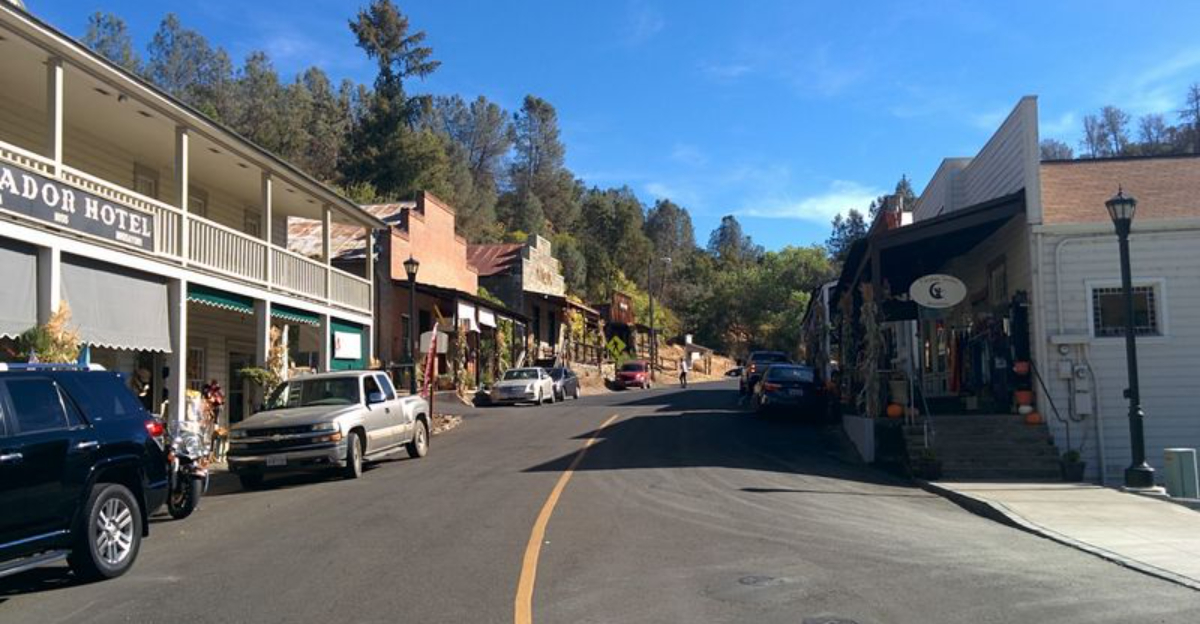
In a town of 300 people, it is considerably harder to be anonymous.
The person pouring your coffee may know who owns the strange sculpture down the road. The building that looks abandoned might have a story stretching back generations.
And whatever odd local tradition catches your attention probably comes with somebody nearby who can explain the whole thing.
California gets especially interesting when the population sign drops below 500.
These tiny communities have little room for generic suburbia. Their personalities come from unusual histories, remote settings, and residents who have learned to make smallness part of the appeal.
That does not mean every stop is packed with attractions. Quite the opposite.
A quirky town might give you one peculiar sight, a few weathered buildings, and a main street you can cross before your coffee cools.
But that is the fun of these 12 places. They are tiny enough that the weird stuff has nowhere to hide.
1. Bombay Beach, Imperial County (Population 231)
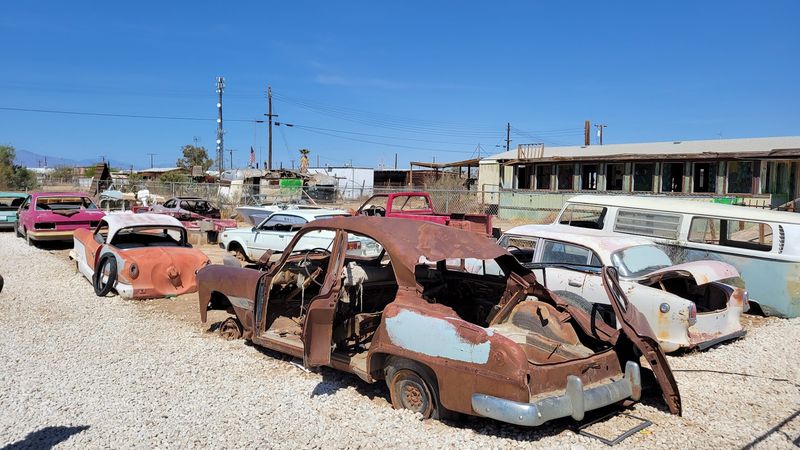
Sitting 223 feet below sea level, Bombay Beach is the lowest community in the entire United States.
Back in the 1950s and 60s it was a breezy Salton Sea resort where celebrities water-skied and families rented boats.
Then the water turned salty, fish passed and by the 1980s most visitors were gone. What remained looked like a ghost town baking in the sun, with broken trailers, crumbling docks and sand-covered streets.
Artists noticed. Over the past decade, painters, sculptors and musicians have turned those empty lots and weathered walls into open-air galleries.
The annual Bombay Beach Biennale draws creative crowds for a few unpredictable days of art, music and big ideas.
One of the strangest attractions is the Bombay Beach Drive-In, where old art cars sit in the desert facing a screen with no theater around it.
The Ski Inn, meanwhile, holds bragging rights as the lowest bar in the Western Hemisphere, and its walls are papered with signed dollar bills.
Visiting takes a little planning. Summer temperatures can be brutal, services are extremely limited, and the smell from the shrinking sea can be strong on certain days, so cooler months work best.
Bring water, sturdy shoes and plenty of respect for the roughly 231 people who actually live here year round.
Photograph the art, support the tiny local businesses and remember that many of the odd structures sit on private property, so looking is welcome while wandering inside is not.
2. Pioneertown, San Bernardino County (Population Around 420 to 489)
Imagine a movie set where the actors did not go home at night, because the set was home.
That was the idea in 1946 when Hollywood investors, including Roy Rogers and Gene Autry, built Pioneertown high in the desert near Joshua Tree.
Designed to look like an 1880s frontier settlement, the little community became the backdrop for hundreds of Westerns and early television shows such as The Cisco Kid and The Gene Autry Show.
Cameras rolled on the same unpaved street where cast and crew ate breakfast.
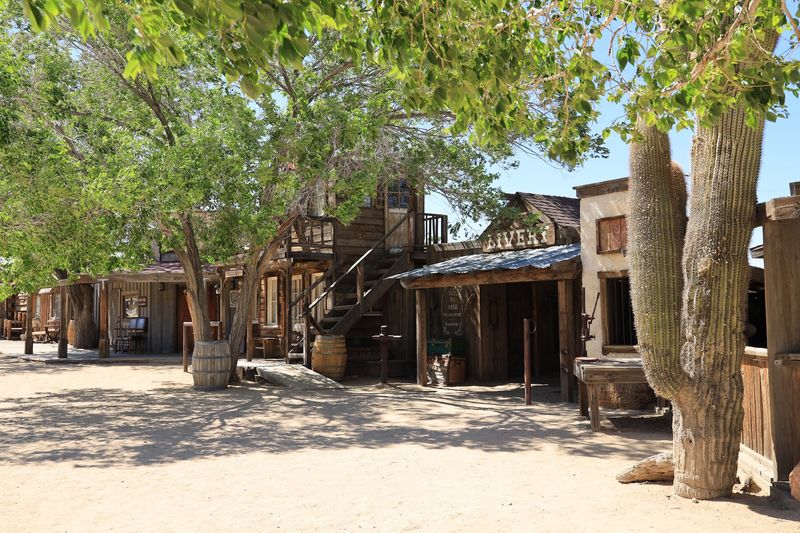
Mane Street still has dirt underfoot and original movie-set storefronts standing shoulder to shoulder.
Instead of props, those buildings now hold real shops, a bathhouse, a pottery studio, a bowling alley and gift stores run by people who genuinely live nearby.
Recognition arrived in 2020 when the Mane Street Historic District joined the National Register of Historic Places, a rare honor for a place invented as a film location.
Music fans usually come for Pappy and Harriet’s Pioneertown Palace, a roadhouse where famous touring bands have played to a few hundred lucky people in the middle of nowhere.
The restaurant does not take reservations for parties of eight or fewer, while live shows are separately ticketed.
Some Satudays bring staged Wild West reenactments and small crowds, while weekdays feel almost eerily quiet.
Wear closed shoes for the sandy street, expect chilly desert nights, and take the short drive over to Joshua Tree National Park while you are in the neighborhood.
3. Locke, Sacramento County (Population About 70)
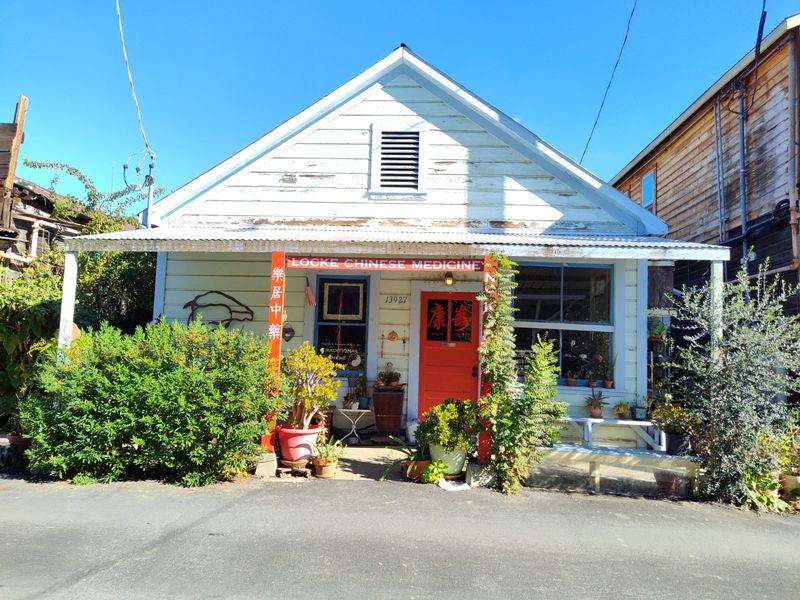
Roughly 70 people live in Locke today, yet this pocket-sized Delta town carries a story big enough for a museum, and in a way, the whole place is one.
After fire destroyed the Chinese section of nearby Walnut Grove, Chinese immigrants began building their own town here in 1915.
California’s Alien Land Law of 1913 barred non-citizens from owning property, so residents leased the land and constructed the buildings themselves.
Historians consider Locke the only town in the United States built by Chinese immigrants for a Chinese community.
Wooden storefronts with sagging balconies lean over a narrow main street, and more than fifty historic structures still stand.
In 1990 the entire community earned National Historic Landmark district status, which is why the peeling paint and weathered boards are protected rather than replaced.
Two stops usually top a visitor’s list. The Dai Loy Museum and Al the Wop’s Saloon which serves steaks under a ceiling covered in stuck dollar bills.
Because so few residents remain, respectful behavior matters more here than almost anywhere.
Park where signs allow, keep voices down, skip peeking into windows and spend a few dollars at the local shops and art galleries.
Pear orchards and levee roads surround the town, making it an easy add-on to a Sacramento Delta drive. Spring and fall bring the mildest weather and the clearest river light.
4. Darwin, Inyo County (Population 36)
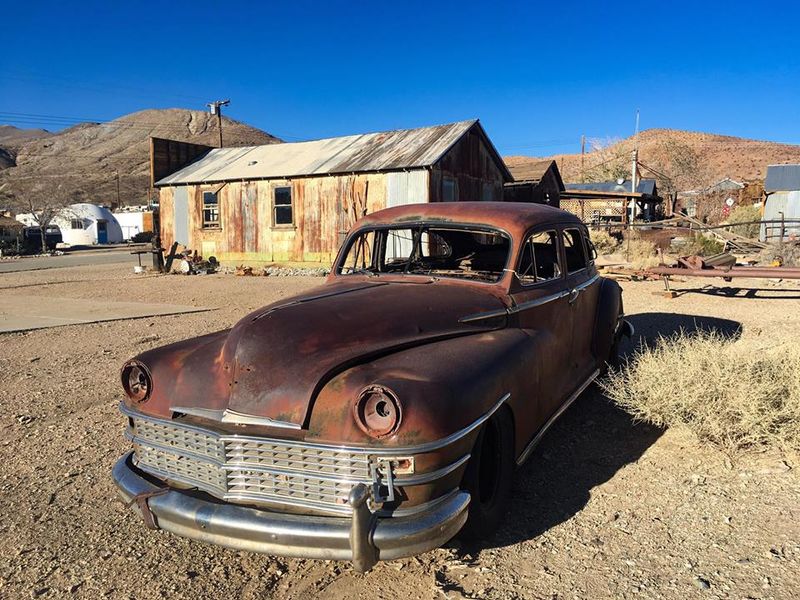
Thirty-six residents. No cell service. No gas station, no grocery store, no stoplight. Darwin might be the closest thing California has to living off the map, tucked in the desert just west of Death Valley.
Silver and lead brought people here after an 1874 discovery, and for a while the mining camp buzzed with hundreds of hopeful workers. When the ore ran thin, most of them left and the desert quietly took over.
Those who stayed built something unusual. Artists, retired miners, writers and independent thinkers settled in on purpose, drawn to what one documentary called absolute disconnection.
Wander the dirt lanes and you will spot welded sculptures, painted signs and odd assemblages of scrap metal poking out of abandoned lots. Nothing is arranged for tourists, which is exactly why it feels honest.
Recent reports put the year-round population closer to thirty, meaning a single family moving away noticeably changes the census. Residents share a small water system and drive long distances for supplies.
If you go, prepare like you would for a wilderness trip. Fill your gas tank in Lone Pine or Panamint Springs, carry extra water, download maps ahead of time and check your spare tire.
Above all, treat Darwin as somebody’s home rather than a photo backdrop. Say hello, ask before photographing people or property, and stay off private land.
5. Randsburg, Kern County (Population 45)
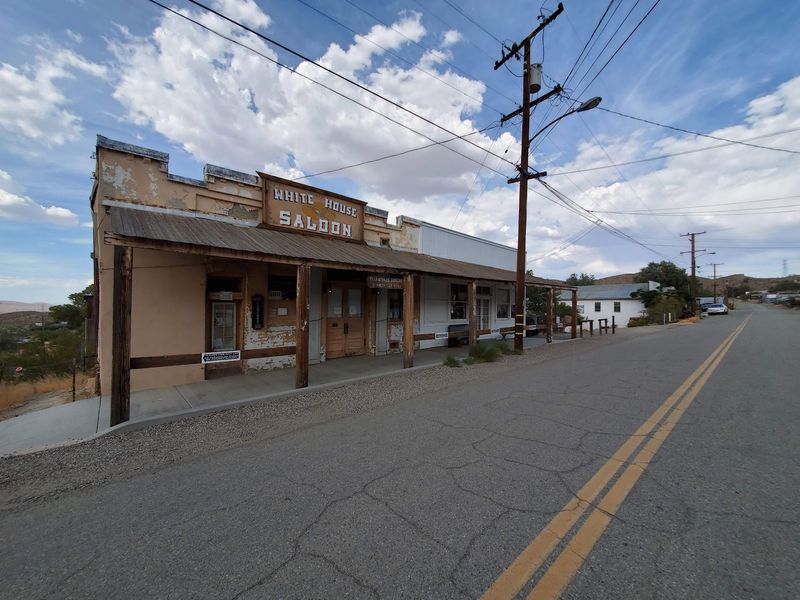
Locals call it a living ghost town, and that nickname fits perfectly. Only about 45 people call Randsburg home, yet its old mining street still opens for business on weekends.
Gold turned up in the Rand Mountains in 1895, and a rowdy camp exploded almost overnight with miners, gamblers and shopkeepers. Unlike most boomtowns that vanished entirely, Randsburg simply shrank and kept going.
Butte Avenue looks much as it did a century ago, lined with wooden false-front buildings, antique shops, a small museum and dusty pickup trucks parked at odd angles.
The White House Saloon dates to 1897, but the historic bar is now closed.
Across the way, the historic Randsburg General Store has been closed since 2022; its operators moved their business to The Vault nearby, but the original 1904 soda fountain stayed behind.
That means the old soda-fountain counter where visitors once ordered milkshakes is no longer operating.
Weekends are the time to visit, since many businesses close midweek and the town gets very quiet. Off-road riders often roll through from nearby trails, adding a modern rumble to the historic scenery.
Practical tips: bring cash, watch for open mine shafts if you explore the hills, and remember that summer heat here climbs above 100 degrees.
6. Amador City, Amador County (Population 200)
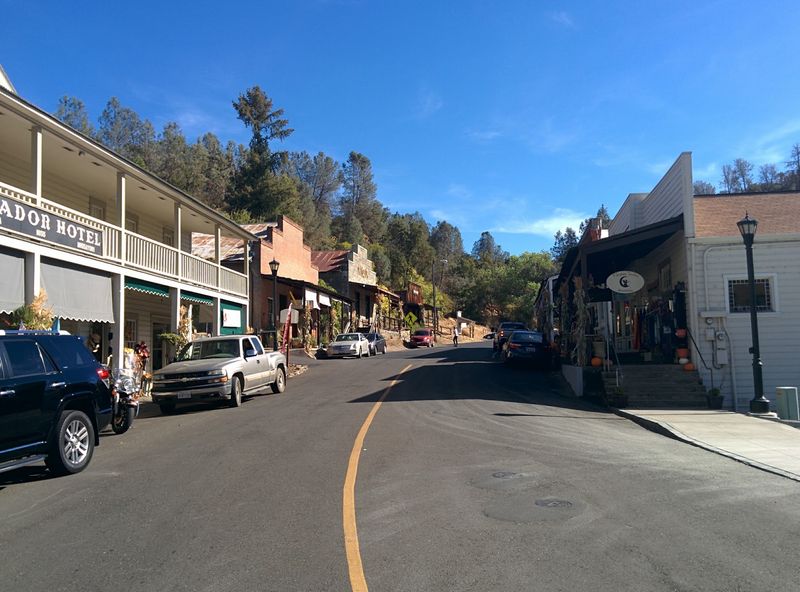
California’s smallest incorporated city by land area covers roughly three-tenths of a square mile, which means you could walk from one end to the other before a song finishes playing.
About 200 people live in Amador City, a Gold Country spot named after Jose Maria Amador, a wealthy rancher who mined gold along Amador Creek in 1848.
Highway 49 curves right through the middle, and the historic district hugging that curve feels almost like a model railroad village come to life.
Brick and stone buildings from the mining era lean into each other along a single short stretch.
Those old structures now shelter antique dealers, wine tasting rooms, an artisan bakery, a couple of restaurants and the handsome Imperial Hotel, whose upstairs rooms have hosted travelers since the 1870s.
The Keystone Mine once produced serious wealth here, and remnants of the operation still stand near the roadside as a reminder of the money that built the town.
Because everything sits so close together, this is a wonderful place to park once and explore on foot. Shops keep small-town hours, so aim for late morning through afternoon, especially Friday through Sunday.
Pair the stop with nearby Sutter Creek, Volcano or the Shenandoah Valley wine region for a full day.
Spring brings green hills and wildflowers, autumn brings grape harvest energy, and both beat the dry heat of midsummer in the foothills.
7. Trinidad, Humboldt County (Population 307)
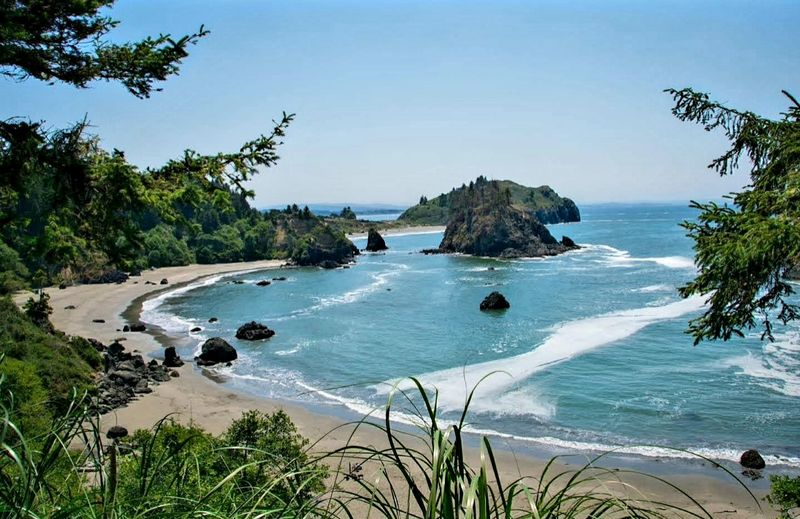
Perched on a bluff above the Pacific with only 307 residents, Trinidad may be one of the smallest incorporated cities in California, and definitely one of the prettiest.
Fishing boats bob in the harbor below town while rugged sea stacks rise out of the surf offshore. Those rocks belong to the California Coastal National Monument, and Trinidad serves as an official Gateway City to it.
Ten public beaches sit within reach, from sheltered coves good for tide pooling to wide stretches where driftwood piles up after winter storms. Trails along Trinidad Head deliver whale-watching views in spring and fall.
Commercial fishing still matters here. Crab pots stacked on the pier are working gear, not decoration, and local restaurants serve rockfish and Dungeness crab that traveled a very short distance.
The small memorial lighthouse, one of the most photographed spots on the North Coast, now stands at Trinidad Rancheria Harbor after being moved from the bluff because of coastal erosion.
Redwood parks practically surround the community, so a morning on the sand can turn into an afternoon under trees taller than office buildings.
Pack layers regardless of the season, since fog rolls in fast and summer rarely feels warm. Lodging is limited to a handful of inns and vacation rentals, so reserve early during the busy months of July and August.
8. Sand City, Monterey County (Population 325)
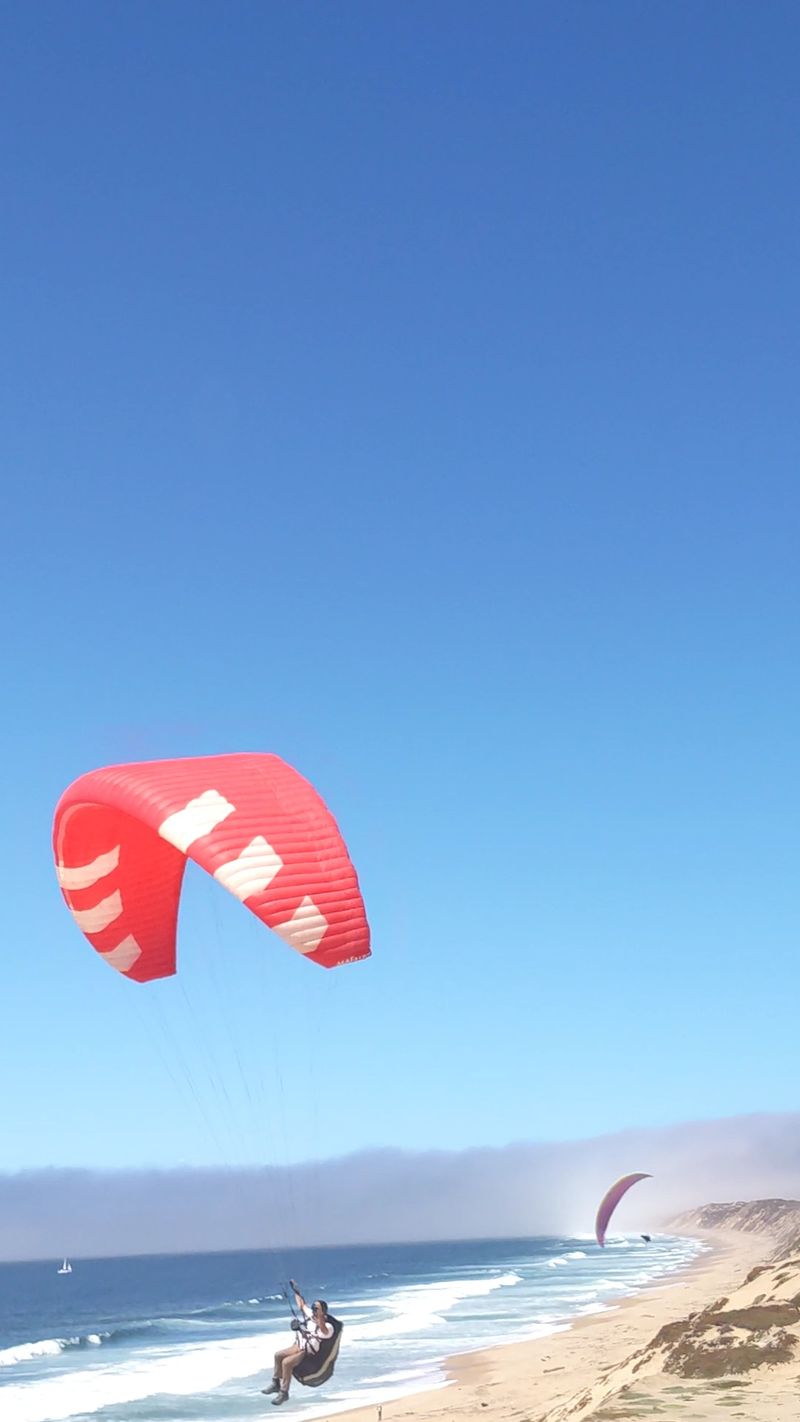
Here is a riddle: how does a city of just 325 people end up with big-box stores, warehouses and a thriving artists’ colony all at once? Sand City manages it, squeezed between Seaside and Monterey along the bay.
Sand mining gave the place its name and its early purpose, and the industrial bones from those years are still visible in low concrete buildings and wide loading yards.
Rather than tearing everything down, creative people moved in. The West End neighborhood filled with painters, sculptors, glassblowers, metalworkers and musicians who found cheap space with high ceilings and great light.
Murals now cover walls that once held nothing but gray stucco, and the annual West End Celebration turns the streets into a free festival of art booths, live bands and food vendors each summer.
Retail plays a strange supporting role, since shoppers from all over the Monterey Peninsula drive here for stores that would never fit in the pricier towns next door.
The beach on the far side of the dunes stays surprisingly empty, with strong currents that make it better for walking and photography than swimming.
Visiting works well as a half-day detour from Monterey or Carmel. Look for open studio events, ask artists about their work, and expect a gritty look that contrasts sharply with the polished tourist areas just minutes away.
9. Downieville, Sierra County (Population 290)
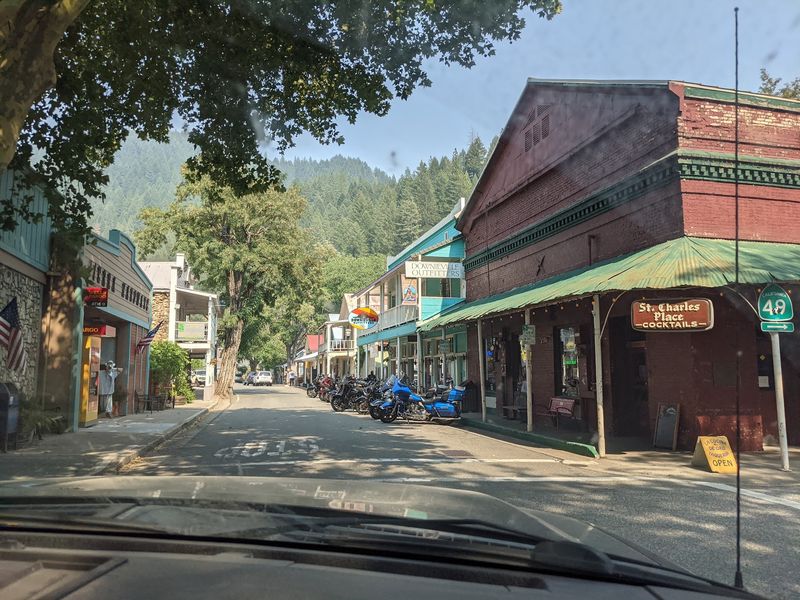
Two rivers meet at the bottom of a steep canyon, and wedged into that narrow space sits Downieville, home to roughly 290 people and one of the best-preserved Gold Rush downtowns anywhere.
Hard to believe now, but in 1851 more than 5,000 miners crowded these riverbanks chasing gold, making it one of the busiest camps in the northern mines.
What survived is remarkable. Stone and wood buildings with iron shutters line the short main street, footbridges cross clear water, and the old museum, courthouse and general store still anchor daily life.
Mountain bikers changed the town’s modern story. The famous Downieville Downhill drops thousands of feet through forest singletrack, and shuttle vans full of riders keep cafes, bike shops and lodges busy through summer.
Anglers wade the Yuba River for trout, and swimming holes below town turn into the local air conditioning during August heat.
Winter tells a different tale, with heavy snow, quiet streets and a handful of businesses that close until spring. Check ahead before making the drive up Highway 49 in cold months.
Cell coverage is spotty, so download directions before leaving Nevada City or Sierraville. Fill your gas tank early too, because stations are scarce on that winding mountain highway.
Spend a night if you can. Once the day visitors head home, the canyon fills with the sound of moving water and a sky absolutely loaded with stars.
10. Sierra City, Sierra County (Population 235)
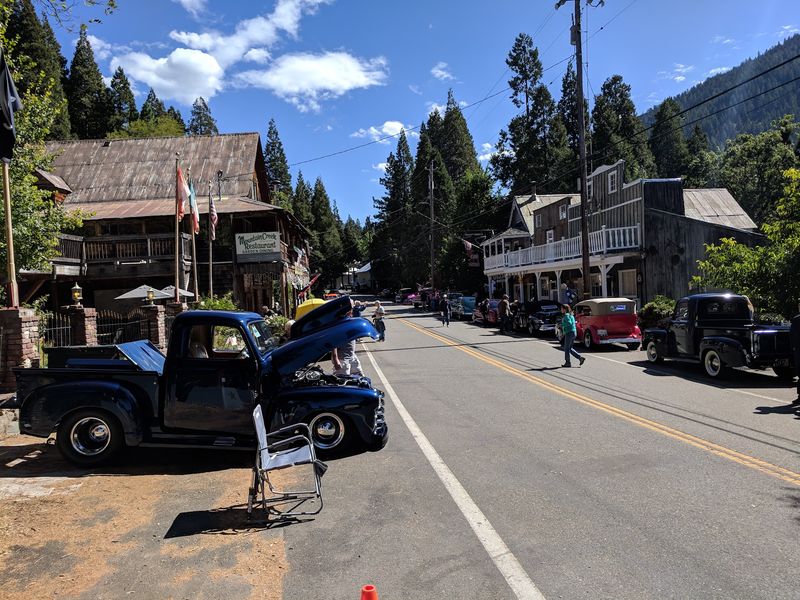
Look up in Sierra City and the jagged Sierra Buttes seem to hang directly over the rooftops. That backdrop makes a village of 235 residents feel even tinier than it already is.
Mining built the place in the 1850s, and reminders sit everywhere: rusted equipment, tailings piles, stone foundations and the Kentucky Mine museum with its original stamp mill that still runs during demonstrations.
A local point of pride is the old one-room schoolhouse, built in 1883, which joined the National Register of Historic Places on January 9, 2024.
Volunteers reinstalled its bell in the belfry in July 2024, and hearing it ring again brought neighbors together.
Hikers treat the town as a resupply stop, since the Pacific Crest Trail passes close by and thru-hikers wander in for burgers, showers and mail drops.
The climb to the Sierra Buttes fire lookout is the signature adventure, ending with metal staircases bolted to bare rock and a view stretching for a hundred miles on clear days.
Below town, the North Yuba River offers fishing, cold swimming holes and shady picnic spots among boulders.
Services stay limited to a general store, a couple of lodges and seasonal restaurants, so bring supplies and cash. Snow arrives early and lingers, making June through October the practical window for most visitors.
11. Chinese Camp, Tuolumne County (Population 90)
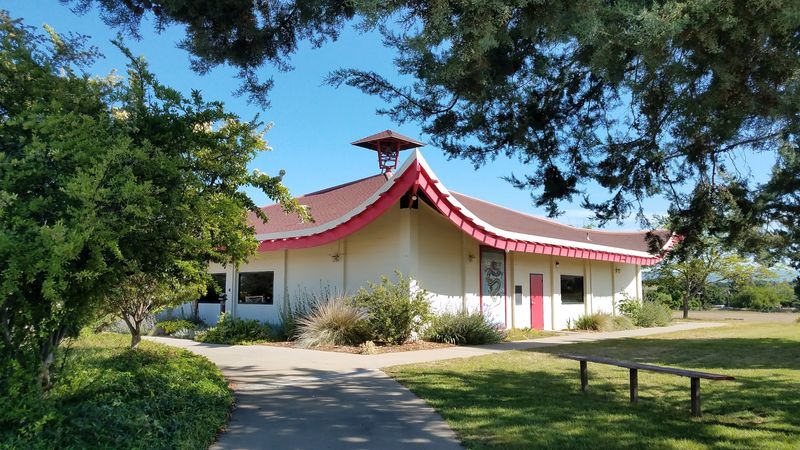
Ninety people live in Chinese Camp today, a number that becomes astonishing once you learn an estimated 5,000 Chinese miners once worked this ground.
Gold drew them here in the early 1850s, and the settlement grew into a major hub for Chinese labor in the southern mines.
It also became the site of California’s first recorded tong war, a conflict between rival organizations that drew hundreds of participants in 1856.
Today the state recognizes the site as California Historical Landmark number 423, and the little post office built in 1854 remains in service, which makes it one of the oldest working post offices in the region.
Scattered stone walls, brick ruins and a weathered church stand among tall trees planted long ago by Chinese residents, and those trees have spread across the surrounding hills ever since.
There is no visitor center, no gift shop and no tour guide waiting. Exploring means reading roadside markers, walking a few quiet lanes and imagining a bustling camp where only foundations remain.
Because the community is so small and much of the land is private, staying on public roads and marked areas is essential.
Combine the stop with Jamestown, Sonora or Columbia State Historic Park for a fuller Gold Country day. Cooler months are far more comfortable, since foothill summers routinely push past ninety degrees and shade is in short supply.
12. Point Arena, Mendocino County (Population 460)
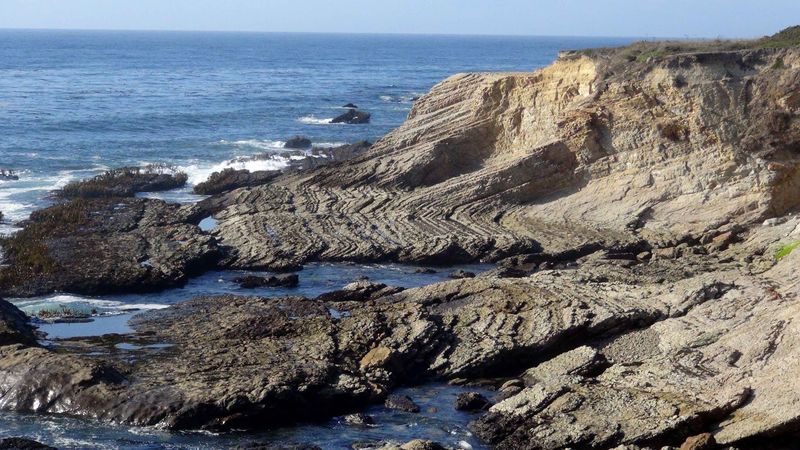
With 460 residents, Point Arena is technically a city, complete with a mayor and city council, though it feels far more like a village at the edge of the world.
Highway 1 doubles as the main street, lined with a theater, a handful of cafes, a bookstore and buildings that have weathered decades of salt air.
Down the hill, a steel-and-concrete municipal pier and small cove serve fishers, divers and kayakers, while sea lions bark from the rocks nearby.
The area’s superstar sits a few miles north: the Point Arena Lighthouse, one of the tallest on the West Coast, where visitors can climb the tower for a dizzying look at cliffs, sea stacks and passing whales during migration season.
Counterculture history runs deep too. Hippies and back-to-the-land communities settled this stretch of Mendocino coast decades ago, and their influence still shows in the local music scene, organic farms and independent spirit.
Nearby Stornetta Public Lands offer bluff-top trails where waves crash into hidden sea caves and wildflowers cover the headlands each spring.
Weather here can shift from sunny to socked-in fog within minutes, so a windbreaker belongs in every bag. Lodging options are few and the drive along Highway 1 takes longer than mapping apps suggest, thanks to endless curves.
Go slowly, stop often and let a town smaller than most apartment complexes remind you how quiet the California coast can still be.