Rattlesnakes Head Into Idaho Rock Dens As Nights Cool, So Hikers Watch Sunny Ledges This Month
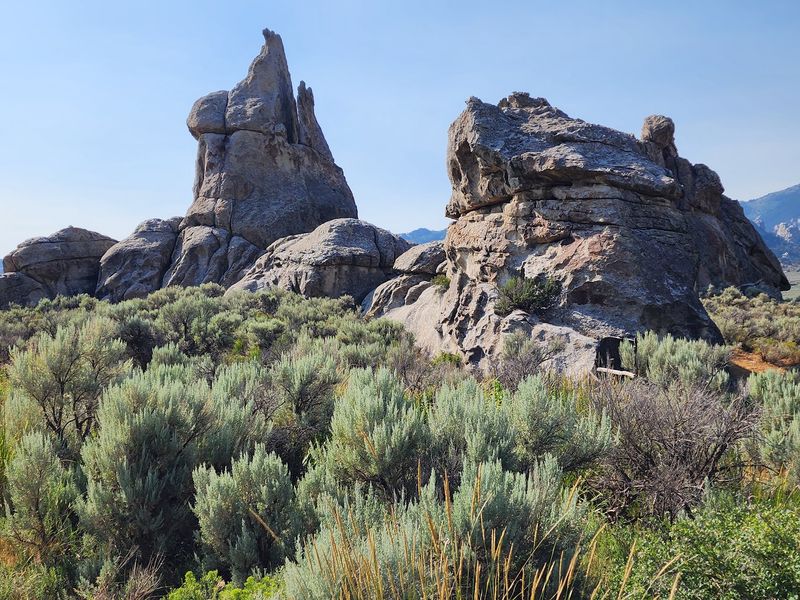
Rattlesnakes can return to the same rock den year after year, and some dens get shared with dozens of other snakes. Gopher snakes and racers sometimes crowd in too.
I love that a pile of basalt can work like a winter apartment building.
The snakes don’t truly hibernate, either. They brumate, a sluggish state that still lets them wake up and crawl out on a mild afternoon.
A sunny fall day can pull them right back onto warm rock.
That timing matters for anyone hiking in Idaho right now. As the nights cool, rattlesnakes drift toward den sites and bask near the entrances.
South-facing ledges, boulder piles, and canyon rims become prime real estate.
None of this is a reason to skip the trail. It’s a reason to look before you sit, step, or reach.
So where should your eyes be working hardest this month?
1. Table Rock
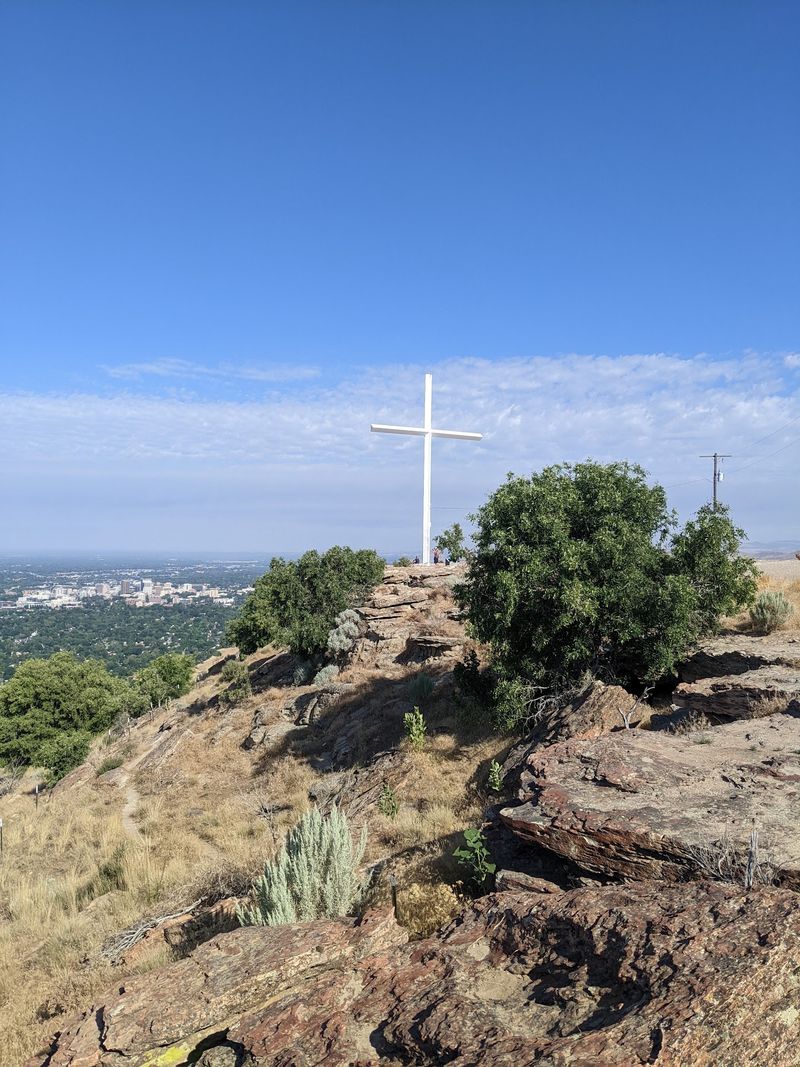
Boise’s favorite sunset perch also happens to be a rattlesnake’s favorite sunbathing deck. The sandstone rim and broken rock below it soak up afternoon heat long after the air turns crisp.
Western rattlesnakes live in the Boise Foothills, and fall pulls them toward rocky shelter. That puts the busy trails around Table Rock squarely in the zone where you should watch your feet.
The good news is that these snakes would much rather avoid you. Most bites happen when people step on, grab, or pester a snake they never noticed.
So keep to the established trail and skip the shortcut through scattered rock. Tall grass and brushy edges can hide a coiled snake better than you’d think.
Planning to sit on a ledge for that famous city view? Give the spot a good look first, and check under any overhang before you settle down.
Dogs are another reason to stay alert here. A curious nose poking into a crevice can earn a painful lesson, so a short leash helps on warm fall afternoons.
A buzzing rattle means you’ve already been spotted. Freeze, find the snake, and back away slowly the way you came.
Address: Table Rock Rd, Boise, ID 83712
2. Camel’s Back Park
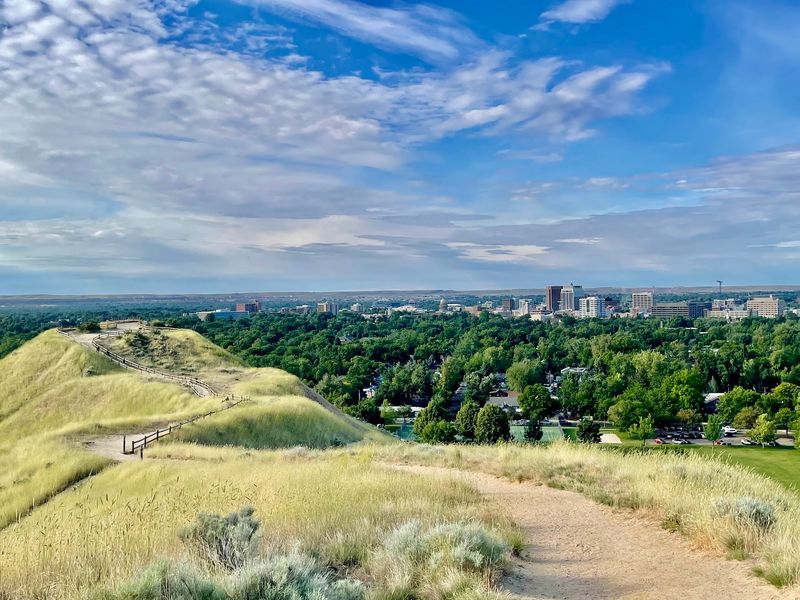
A neighborhood park with a playground might seem like the last place to talk snakes. Yet Camel’s Back Park sits right at the doorstep of the Boise Foothills trail system.
That means the grassy picnic area flows quickly into sagebrush hills and the Hulls Gulch area. Rattlesnakes call those foothills home, and fall sends them hunting for warm rock and sheltered holes.
You don’t need to panic about the lawn. The smarter move is to shift into trail mode once the pavement ends and the dirt begins.
Watch the edges of the path where sun hits bare soil and rock. A snake stretched across warm dirt can look a lot like a stick at first glance from a distance.
Mountain bikers share these trails too, so speed adds a twist. Riding a little slower on sunny stretches gives you time to spot something crossing ahead.
Kids love scrambling up the big sandy hill, and that’s part of the fun. Just teach them a simple rule before they head off: never put hands where eyes can’t see.
It’s an easy lesson that works far beyond this park in Idaho.
Address: 1200 W Heron St, Boise, ID 83702
3. Celebration Park
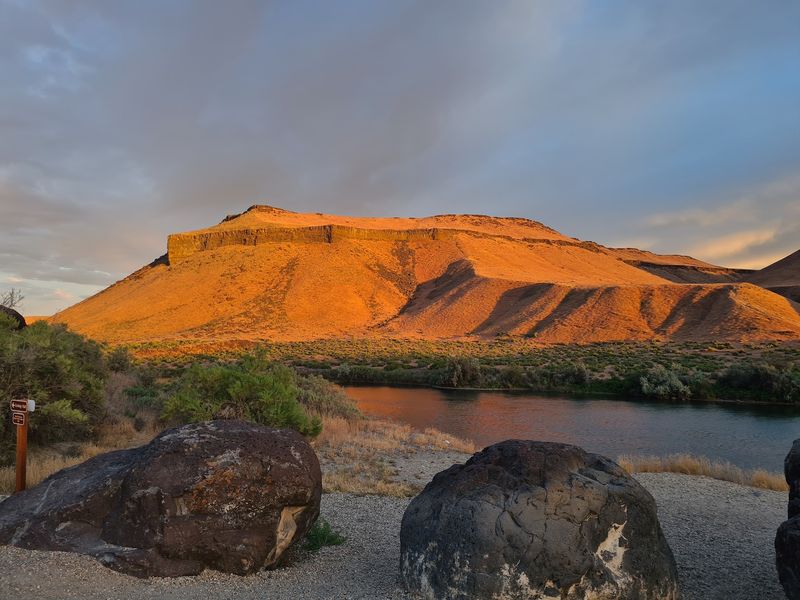
Ancient petroglyphs carved into basalt boulders are the headline at Celebration Park. The same dark rock that holds those carvings also stores heat like a stovetop.
Billed as Idaho’s only archaeological park, this Canyon County site sits along the Snake River near Melba. Basalt boulders scattered by the ancient Bonneville Flood cover the landscape here.
Boulder fields like these create the gaps and crevices that snakes use for shelter. On a bright fall day, the rock surface can stay pleasantly warm when the breeze feels chilly.
That makes petroglyph viewing a two-part task. Look at the art, and also glance at the ground and rocks around your feet.
Leaning on boulders or reaching into shadowy spaces for a better photo angle is a bad habit here. Snakes tuck into exactly those spots.
The park also connects to river views and historic sites nearby, so you’ll likely wander. Sturdy boots and long pants make sense on sandy paths lined with brush.
Bring binoculars too. Raptors patrol this stretch of the Snake River canyon, and watching them hunt is a fine reward for staying alert.
Address: 6530 Hot Springs Rd, Melba, ID 83641
4. Snake River Birds of Prey National Conservation Area
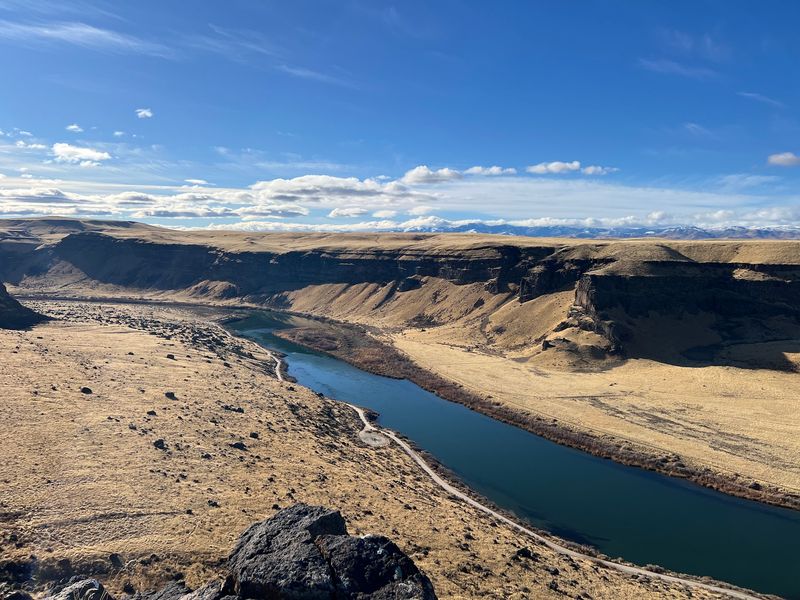
Hundreds of hawks, eagles, and falcons nest in these canyon walls, and plenty of them eat snakes. Even so, the rattlesnakes here hold their own.
This conservation area stretches along the Snake River canyon south of Kuna. Its layered basalt cliffs and talus slopes offer endless cracks for wildlife to use.
Dedication Point along Swan Falls Road is a popular overlook with a short trail. The canyon rim there gives you big views and plenty of sun-warmed rock.
Fall is a lovely time to visit, with softer temperatures than summer. That comfort can tempt you to wander off trail toward the edge for photos.
Stay on the path, and scan rocky patches before stepping onto them. Basalt rubble near the rim is just the sort of place a snake might bask.
The snakes play a real role in this food web. They help control rodent populations, which in turn support the raptors overhead.
So if you spot one, admire it from a respectful distance. You’re seeing a piece of the same system that makes this canyon famous.
Address: Swan Falls Rd, Kuna, ID 83634
5. Bruneau Dunes State Park
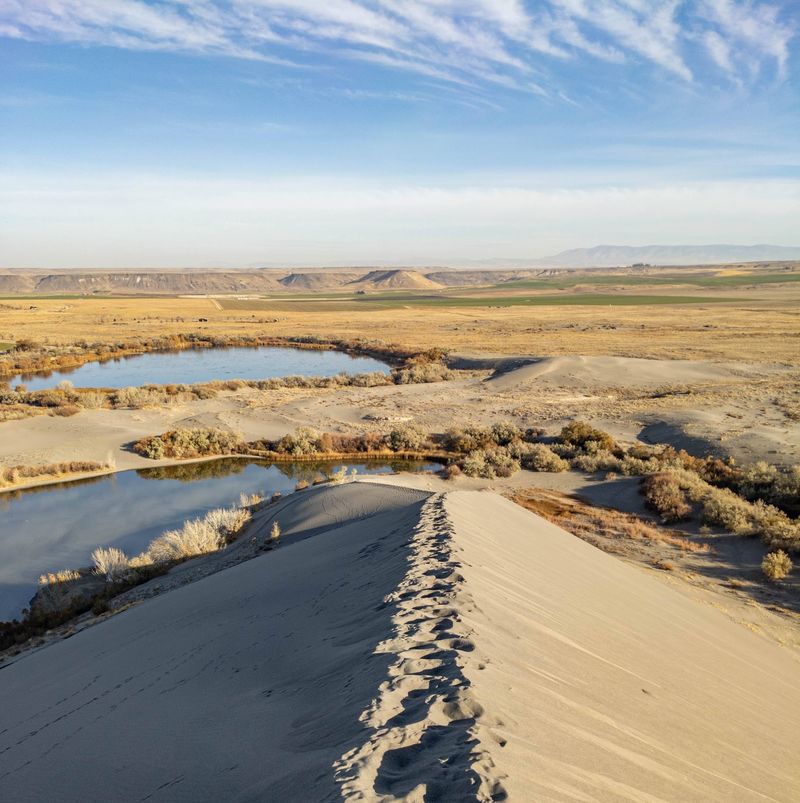
North America’s tallest single-structured sand dune rises about 470 feet here. Sand gets most of the attention, but the desert around it hosts reptiles too.
Bruneau Dunes State Park sits in the high desert south of Mountain Home. Sagebrush, grasses, and rocky ground surround the dunes and small lakes.
Fall is prime time for dune climbing because the sand no longer bakes. Snakes appreciate those same mild afternoons for a last round of basking.
Watch the brushy edges between sand and scrub as you hike. Trails through desert vegetation give snakes cover right beside your path.
Campers should take a little extra care at dusk. Shaking out shoes and checking around gear left on the ground is a smart habit in desert country.
The park also has an observatory known for star viewing programs. Check before driving, since schedules change through the seasons.
A headlamp helps if you walk back to camp after dark. Snakes move less on cold nights, yet a quick sweep of light across the trail costs you nothing.
Address: 27608 Sand Dunes Rd, Mountain Home, ID 83647
6. Three Island Crossing State Park
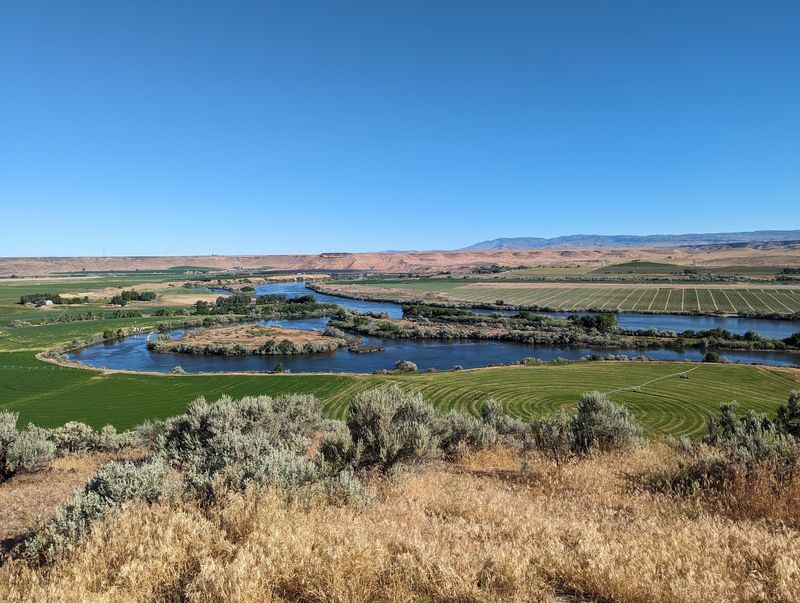
Oregon Trail emigrants once forded the Snake River right here, and that crossing still draws history fans. The surrounding dry hills draw a quieter crowd of reptiles.
Three Island Crossing State Park sits near Glenns Ferry in the Magic Valley stretch of southern Idaho. Its interpretive center tells the story of the crossing and the people who made it.
Outside, paths lead toward river views and sagebrush slopes. Rocky bluffs and dry ground nearby provide classic snake habitat.
Fall visits here feel relaxed, with camping and picnicking still on the table. Mild days make it easy to linger along the river and wander a bit farther.
Keep an eye out as you head toward rocky areas away from the mowed grass. A sunny patch near rock is worth a careful look before you pass.
Fishing along the riverbank brings its own caution. Tall vegetation near water can hide snakes, so watch where you set down your tackle box.
History buffs will enjoy imagining wagons rolling down to the water. Just picture the pioneers watching their step too, because they surely had to.
Address: 1083 S Three Island Park Dr, Glenns Ferry, ID 83623
7. Hagerman Fossil Beds National Monument
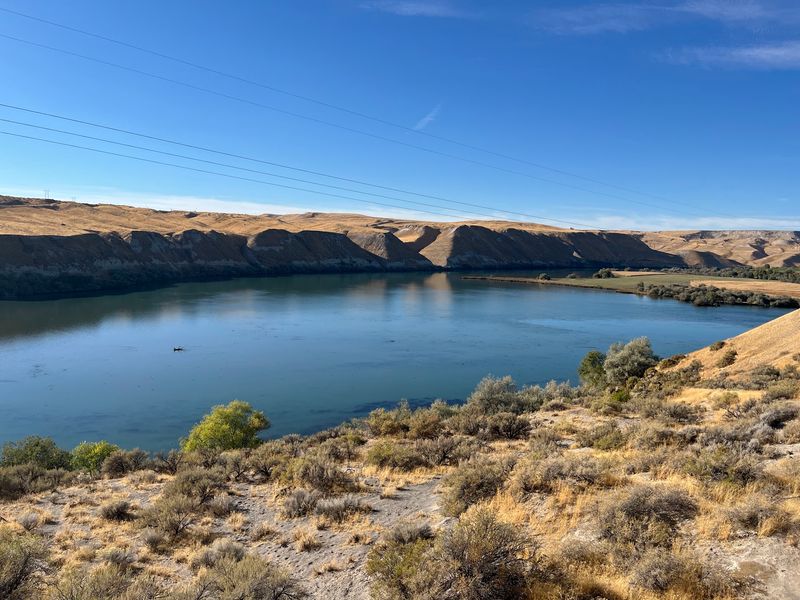
Ancient zebra-like horses left their bones in these bluffs millions of years ago. Today, living wildlife roams the same slopes, including rattlesnakes.
Hagerman Fossil Beds National Monument protects the site where the Hagerman horse was found. That species is Idaho’s state fossil, a fun fact worth bragging about.
The visitor center in Hagerman shares fossils and exhibits. Overlooks and trails above the Snake River give you sweeping views of the bluffs.
Out on those trails, sagebrush and dry ground set the scene. It’s open country where snakes can sun themselves on warm fall days.
Stay on marked paths, which also protects fragile fossil areas. Collecting fossils on monument land isn’t allowed, so look but leave them be.
That same rule fits snakes nicely. Watch, take a photo from a safe distance, and let it go about its business.
The views across the river valley are a strong reason to visit in autumn. Softer light makes the bluffs glow, and cooler air makes hiking more pleasant.
Address: 221 N State St, Hagerman, ID 83332
8. Shoshone Falls
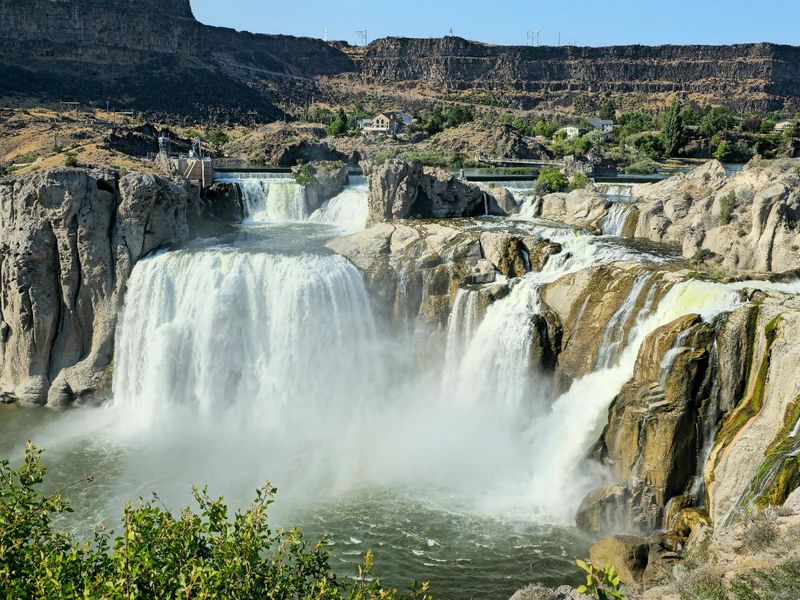
Nicknamed the Niagara of the West, Shoshone Falls drops about 212 feet. That’s taller than Niagara Falls, which is a fun line to toss out at a family picnic.
The falls cut through the Snake River Canyon near Twin Falls. Dark basalt walls and rocky slopes line the canyon, creating plenty of warm, broken rock.
Most visitors stick to the overlooks and park areas, and that’s a fine plan. Trails that leave the busy spots lead into terrain where snakes feel at home.
Fall flows can be lower since water gets diverted for irrigation earlier in the year. Even so, the canyon scenery makes the trip worthwhile.
Scrambling on rocks for a unique photo angle is where trouble can start. Keep your hands out of cracks you can’t see into.
Families with little ones should keep kids close near rocky edges anyway. The canyon drop is reason enough, and snakes add another.
Check before driving, since access and fees can change by season. A quick look ahead saves a surprise at the gate.
Address: 4155 Shoshone Falls Grade, Twin Falls, ID 83301
9. City of Rocks National Reserve
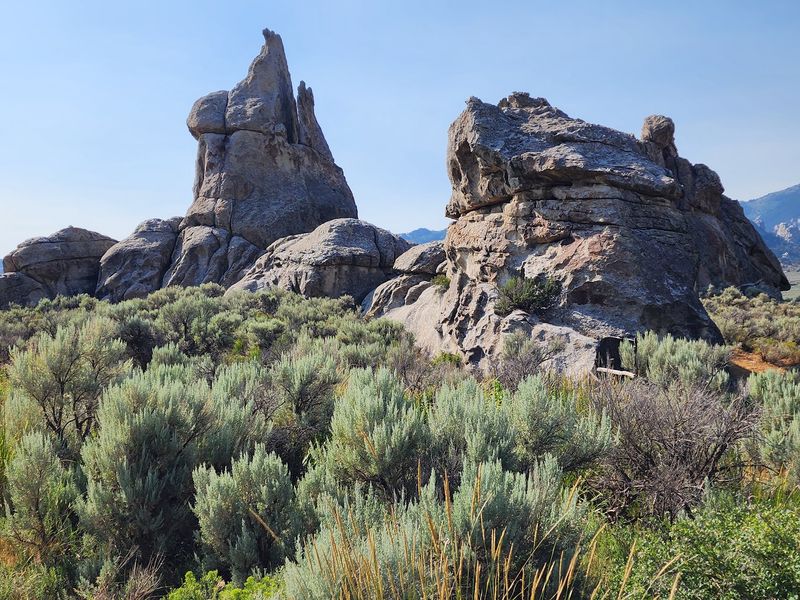
Pioneers on the California Trail scrawled their names in axle grease on these granite spires. Some of those signatures still survive on the rocks.
City of Rocks National Reserve near Almo is a world-class climbing destination. Its granite towers, domes, and boulder piles create a giant maze of ledges and gaps.
Climbers face a special challenge here. Reaching blindly over a ledge or into a crack is part of the sport, and it’s also where a basking snake might rest.
So climb with a habit of looking before you grab. Peeking over a hold before committing your hand is a small step with a big payoff.
Hikers and campers wander among the boulders too. Sitting on a sunny slab for lunch sounds great, as long as you check the surroundings first.
Fall is a popular climbing season here with cooler temperatures. The visitor center in Almo can share current conditions and trail information.
The pioneer inscriptions deserve a slow, respectful look. Leave them untouched, and give any snake you meet the same courtesy.
Address: 3035 Elba-Almo Rd, Almo, ID 83312
10. Hells Gate State Park
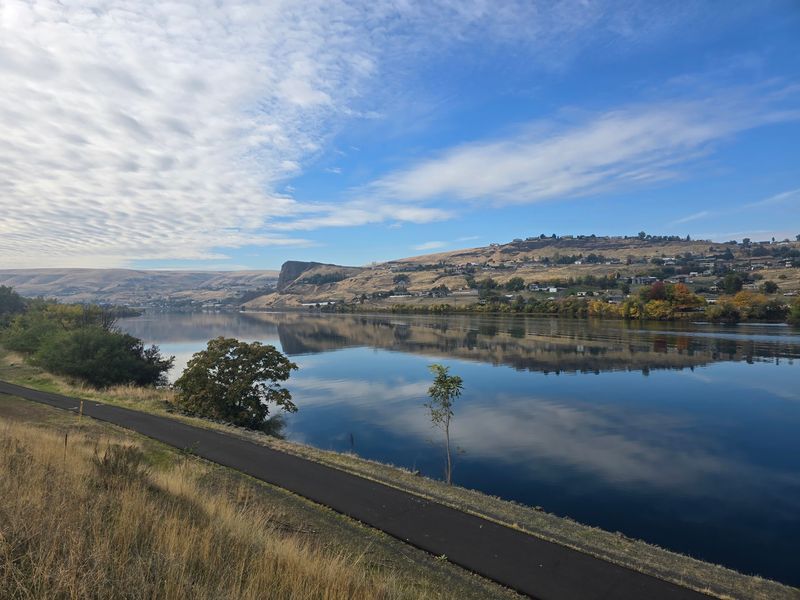
Lewiston sits at the lowest elevation in Idaho, which keeps the canyon country around it mild. That gentler climate stretches the season for snakes and hikers alike.
Hells Gate State Park lies along the Snake River just south of town. It serves as a gateway to Hells Canyon, the deepest river gorge in North America.
The dry, grassy hills and rocky slopes around the park suit rattlesnakes well. Up north, these snakes belong to the northern Pacific rattlesnake group.
Paved paths along the river make easy walking. Venture onto dirt trails into the hills, and you’ll want sharper eyes.
The park’s discovery center explains the region’s natural and cultural history. It’s a smart first stop before exploring.
Warm fall afternoons can still bring snakes out to bask near den sites. Give rocky outcrops a wide berth, and keep pets leashed.
If you see one, stay calm and step back slowly. The snake wants space, and the river views are a lovely place to wait until it moves along.
Address: 5100 Hells Gate Rd, Lewiston, ID 83501