10 Reasons Late September Is The Best Time To Visit Florida’S Gulf Coast
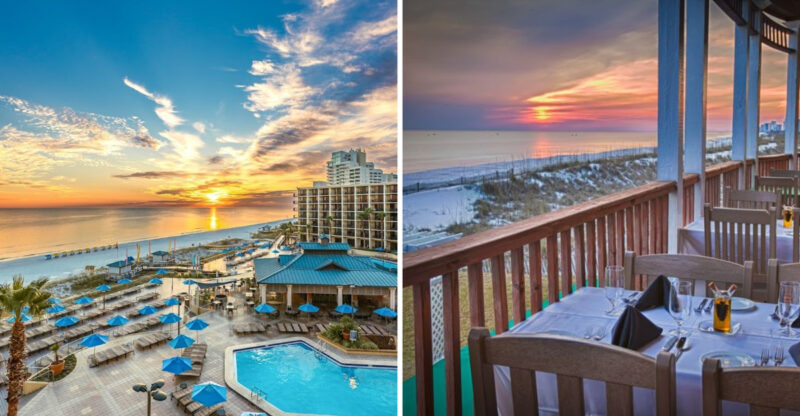
Late September lands in an interesting middle ground.
Summer has not fully disappeared, yet the busiest travel stretch may begin easing along Florida’s Gulf Coast.
Warm water can still tempt swimmers, while some beaches and attractions may feel less hectic than they did weeks earlier. That balance deserves attention.
Nobody wants to spend half a getaway hunting for parking or squeezing between packed chairs.
Of course, quieter conditions are never guaranteed. Still, this part of the calendar can offer a different rhythm.
Sometimes the same coastline feels completely new once there is a little more room to enjoy it.
1. Sunset Celebration At Pier 60, Clearwater
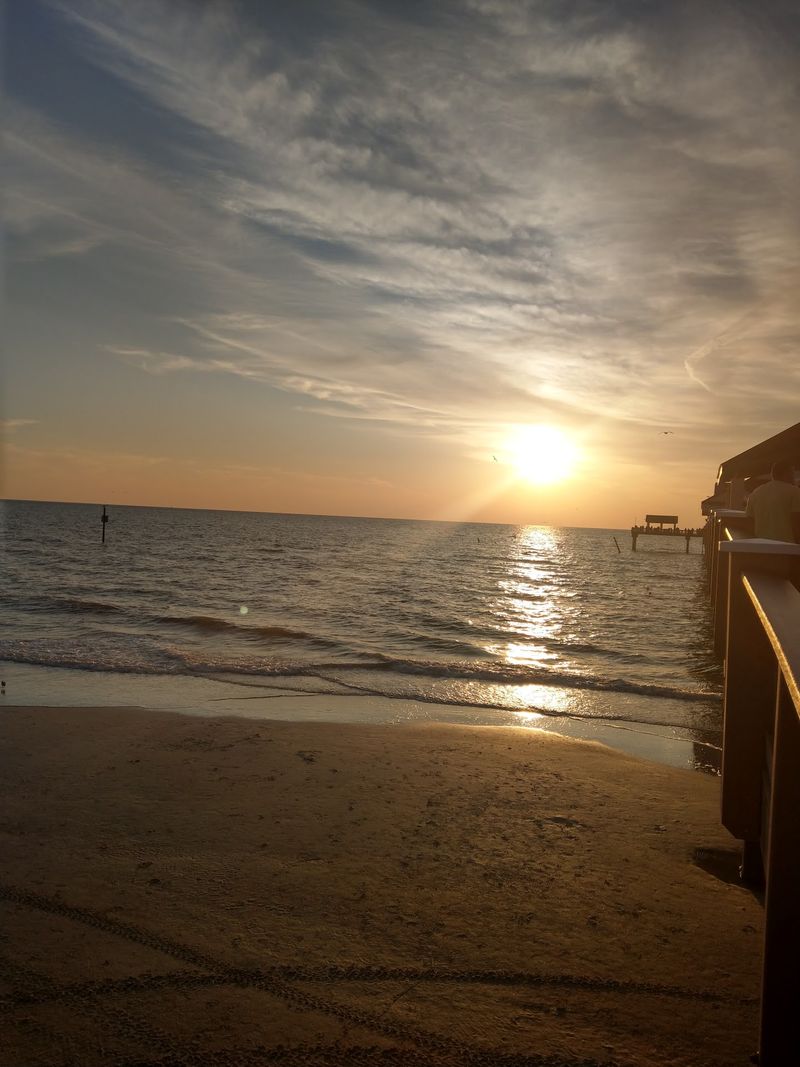
There is a beach party that happens every single evening here. It starts two hours before sunset and keeps going two hours after.
Sunsets at Pier 60 brings local artisans, vendors, and street performers to Pier 60 Park every evening, weather permitting. Admission costs nothing, which makes it an easy addition to any evening plan.
The nightly celebration continues through late September, giving visitors a chance to browse local arts and crafts before and after sunset.
Pier 60 stretches 1,080 feet into the Gulf, but as of September 2026 the fishing section and bait house remain closed because of hurricane damage; visitors can still walk the open portion of the pier.
Clearwater Beach is famous for sugar-white sand that stays soft underfoot even at midday. Paddleboarding and jet skiing rentals line the shore, and the water stays warm well into fall.
Pier 60 Park includes a playground, while other beach amusements can vary by season and operator.
Arrive about 90 minutes early to claim a good railing view of the horizon. Sunsets in late September tend to land a little earlier, so check the time before heading out.
Find the fun at 370 Mandalay Ave, Clearwater. Few evenings wrap up this pleasantly.
2. St. Pete Pier, St. Petersburg
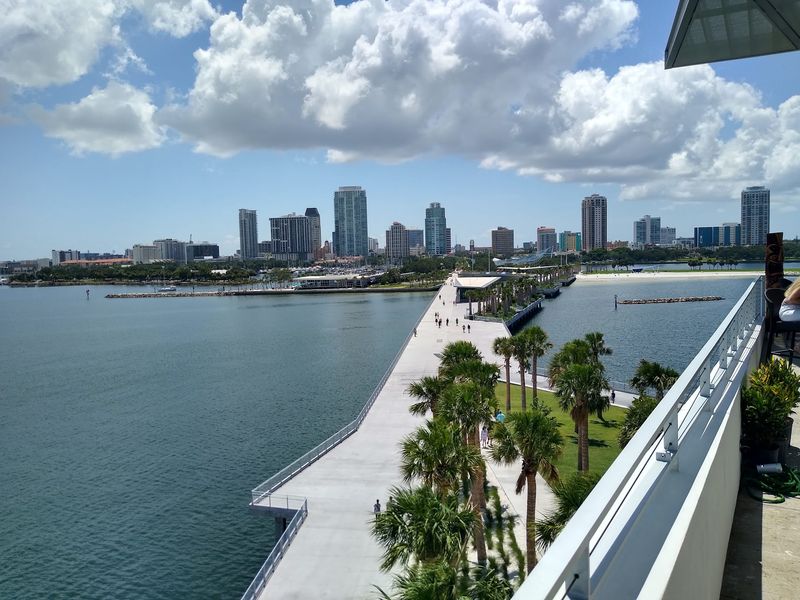
Just imagine for a second an entire waterfront built purely for wandering. Twenty-six acres of it, right on the edge of a downtown skyline.
St. Pete Pier opened in 2020 as a 26-acre waterfront district with parks, dining, public art, play areas, and environmental exhibits. Panoramic views stretch across Tampa Bay in one direction and city rooftops in the other.
Late September can still be hot and humid, so mornings and evenings are generally the more comfortable times for long walks or bike rides around the pier.
Families gravitate toward the Majeed Foundation Splash Pad and the sprawling Glazer Family Playground. Both remain popular family features throughout the year.
Spa Beach sits alongside, ready for beach volleyball, kayaking, and paddleboarding sessions. The Tampa Bay Watch Discovery Center adds interactive exhibits and eco-vessel tours that explain the estuary below your feet.
Hungry wanderers have choices, including the Polynesian-inspired rooftop Pier Teaki and fine dining at Teak. Both come with a view worth lingering over.
The Marketplace stocks local artwork and goods, while public art installations pop up along the walkways.
The modern pier was designed as a major waterfront public space, but severe weather can still affect events, access, and operations.
Point your map to 800 2nd Ave NE, St. Petersburg. Bring a camera and comfortable shoes.
3. Marie Selby Botanical Gardens, Sarasota
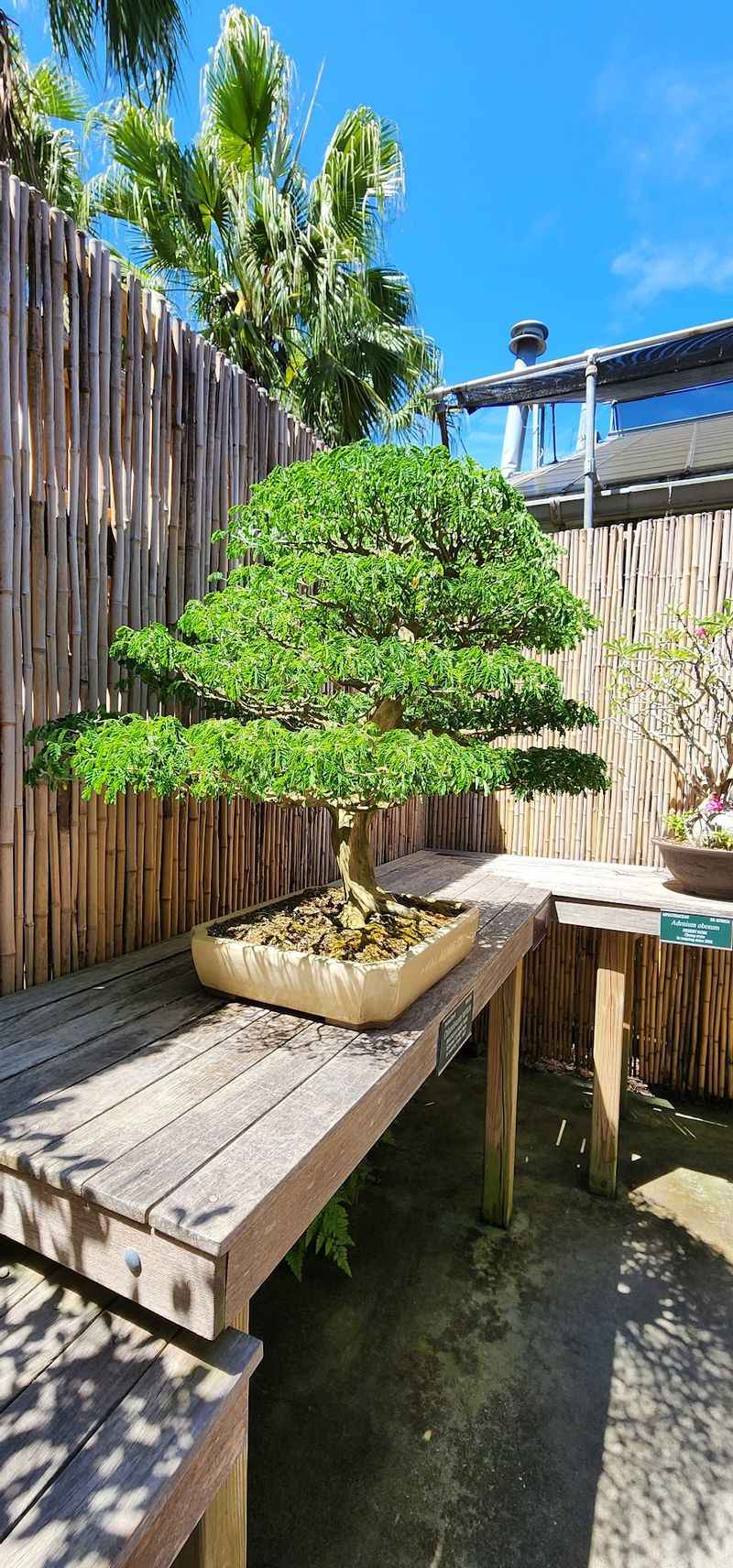
Let’s look at it from this angle: orchids do not care that summer ended. They keep blooming, and late September gives you quiet paths to admire them.
Marie Selby Botanical Gardens in Sarasota spreads across two campuses, with the downtown grounds covering 15 bayfront acres. It holds a title no other garden on the planet can claim.
Research and display here focus on epiphytic orchids, bromeliads, gesneriads, and ferns. Selby Gardens maintains roughly 4,400 live orchid accessions across its collections, while the Tropical Conservatory is the only one of its eight greenhouses open to visitors.
Paths wind past an outdoor butterfly garden and hushed bamboo groves. Shade makes the whole walk comfortable even when the sun is out.
Younger explorers head straight for the Ann Goldstein Children’s Rainforest Garden. A 12-foot waterfall, swinging bridges, caves, and an adventure trail keep small legs moving.
Rotating exhibitions follow a Living Museum model, often pairing sculptures with elaborate floral installations. Something new appears on the calendar every few months.
The Historic Spanish Point campus sits less than 10 miles south with 30 acres of native Florida plantings. Nature trails there reveal regional history alongside the greenery.
Go early in the day for the best light and the fewest footsteps ahead of yours. The address is 1534 Mound St, Sarasota.
Plant lovers tend to lose track of time here, and that is entirely the point.
4. Venice Beach, Venice
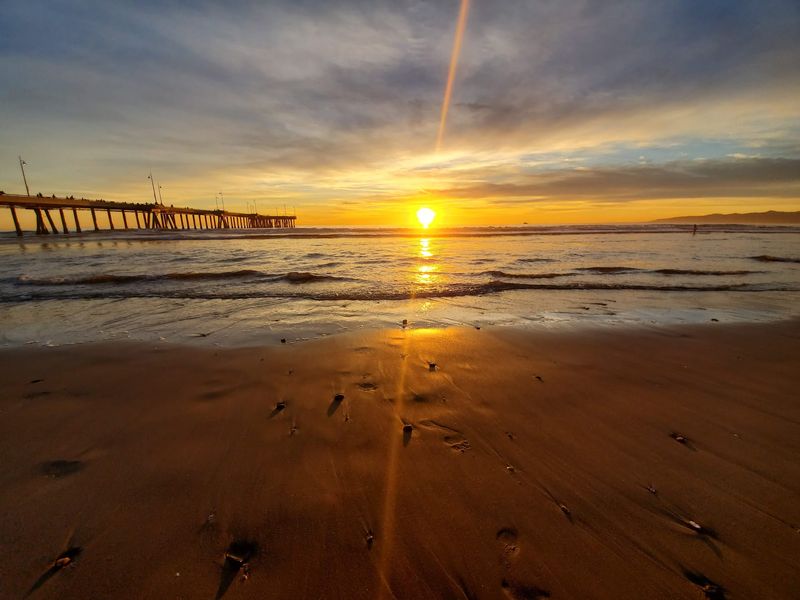
Your souvenir could be millions of years old. All it takes is patience and a scoop of wet sand.
Venice Beach in Venice carries the nickname Shark Tooth Capital of the World. Fossilized shark teeth are commonly found along Venice-area beaches, remnants of prehistoric marine life that once inhabited the region.
Waves, currents, and shifting sand continue to expose fossilized shark teeth along the Venice coastline. Beachcombers sift for teeth from extinct and modern shark species alike.
Caspersen Beach nearby is especially productive if you want to improve your odds. A mesh sifting scoop makes the hunt far easier than fingers alone.
Free parking is a rare luxury on this coast, and it exists here. Lifeguards keep watch and a concession area handles snack emergencies.
The iconic sail-style pavilion was dedicated in 1964 and was designed with a hyperbolic-paraboloid roof engineered to withstand strong winds. It doubles as a shady meeting point.
Water here turns a dreamy turquoise that begs for a long swim. Views stretch toward the Venice Fishing Pier just up the shoreline.
Sea turtles nest along these beaches from May through October, so late September still counts. Watch for marked nests and give them plenty of room.
5. Edison And Ford Winter Estates, Fort Myers
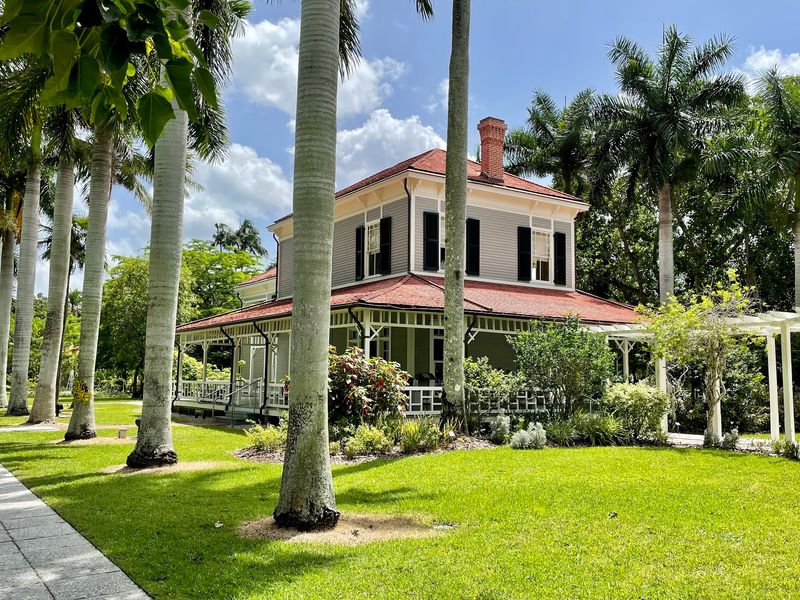
Edison and Ford Winter Estates in Fort Myers covers more than 20 acres along McGregor Boulevard. Thomas Edison bought his land in 1885 and built Seminole Lodge there.
Henry Ford picked up the adjacent property in 1916 and named his house The Mangoes. Both residences remain beautifully maintained, along with a guest house and an early Florida pool complex.
Edison conducted extensive botanical experiments on the estate, particularly while searching for domestic sources of rubber.
A massive banyan tree anchors the grounds, joined by bamboo, orchids, and a Moonlight Garden of night-blooming flowers. Shade from all that greenery makes late September strolling pleasant.
Inside the 15,000-square-foot museum sit inventions, artifacts, and antique cars. Edison’s Botanic Research Laboratory holds a national historic chemical landmark designation.
Visitors can explore the homes, gardens, laboratory, museum, and antique automobiles through self-guided and specialty tours.
The estates are open daily, and the official self-guided audio portion takes about an hour, with additional time needed for the museum, laboratory, homes, and gardens.
The entrance sits at 2350 McGregor Blvd, Fort Myers. History buffs rarely leave disappointed.
6. Naples Botanical Garden, Naples
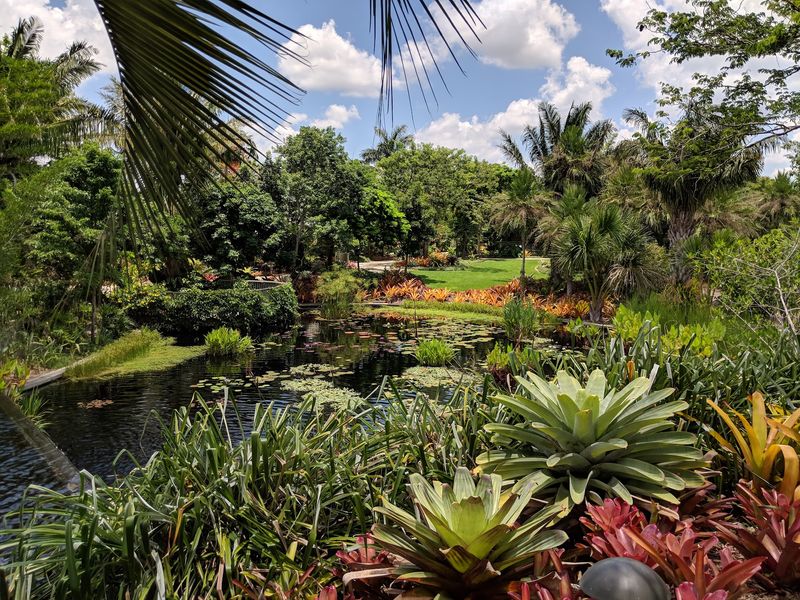
My jaw dropped at the scale of this green sprawl. One hundred seventy acres of it, arranged like a trip around the tropics.
Naples Botanical Garden in Naples recreates landscapes from Florida, Brazil, the Caribbean, and Asia. Rare, threatened, and endangered plants fill its living collections.
The Kapnick Brazilian Garden bursts with bromeliads and orchids in colors that look unreal. Nearby, the Lea Asian Garden calms everything down with bamboo groves and water features.
Winding pathways in the Scott Florida Garden lead past a man-made waterfall and traditional chickee huts. Local flora takes center stage there.
Collections include over 2,000 orchids, 600 tropical fruit trees, and enormous Victoria waterlilies. A National Plumeria Collection rounds things out with sweet-smelling blooms.
Behind the cultivated areas lies a 90-acre Preserve protecting Southwest Florida’s native ecosystems. A mile-long paved path and boardwalks make it accessible to almost everyone.
Gopher tortoises plod along the sandy edges while wading birds stalk the shallows. Binoculars are a smart addition to your bag.
During late September, Naples Botanical Garden is still on its summer schedule of 8 AM to 2 PM daily, making a morning visit especially practical.
Head to 4820 Bayshore Dr, Naples to start exploring. Few gardens pack this much variety into one ticket.
7. Three Sisters Springs, Crystal River
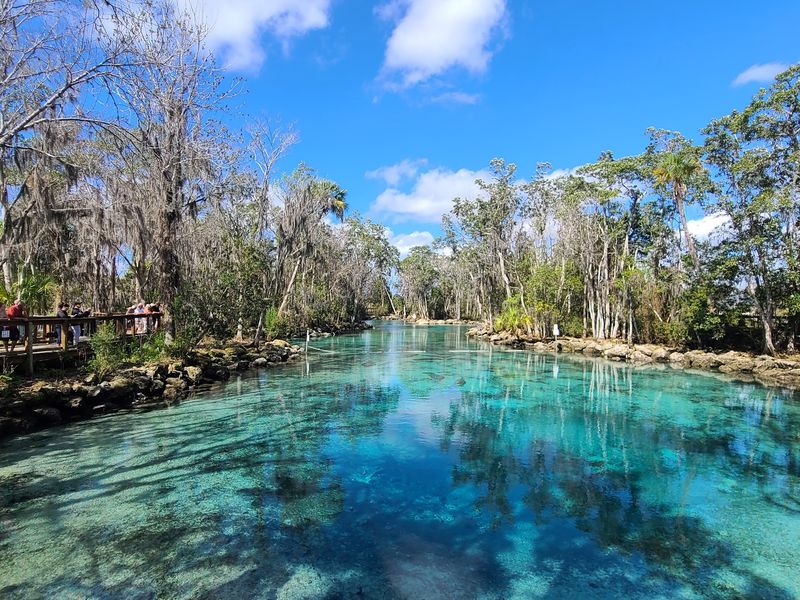
Are you seeing what I’m seeing in that water? Clarity so complete that the sandy bottom looks close enough to touch.
Three Sisters Springs in Crystal River is famous worldwide as a winter refuge for Florida manatees.
Crystal River National Wildlife Refuge defines November 15 through March 31 as manatee season, when warm-water sanctuaries are in effect and larger numbers of manatees gather in the area.
Late September falls within the April 1 through November 14 period when paddle craft may enter Three Sisters Springs from surrounding waterways; the land-based refuge entrance itself does not provide water access.
Early-fall paddling can provide a different experience from winter manatee season, although boat traffic and visitor levels vary from day to day.
The Three Sisters Springs unit encompasses 57 acres, with the spring basin forming the centerpiece of the protected property.
A scenic boardwalk circles the springs with overlooks built for peering into the depths. Around it spreads 57 acres of restored wetlands.
Birds treat those wetlands like a buffet, so bring patience and a zoom lens. Herons, ibis, and songbirds all make appearances.
Guided manatee tours operate from town if you plan a return trip in cooler months. Booking ahead saves headaches during peak season.
The springs belong to the Crystal River National Wildlife Refuge, so rules protect both wildlife and water. Follow posted guidance closely.
Access is at 917 Three Sisters Springs Trail, Crystal River. This corner of the coast rewards quiet visitors most.
8. HarborWalk Village, Destin
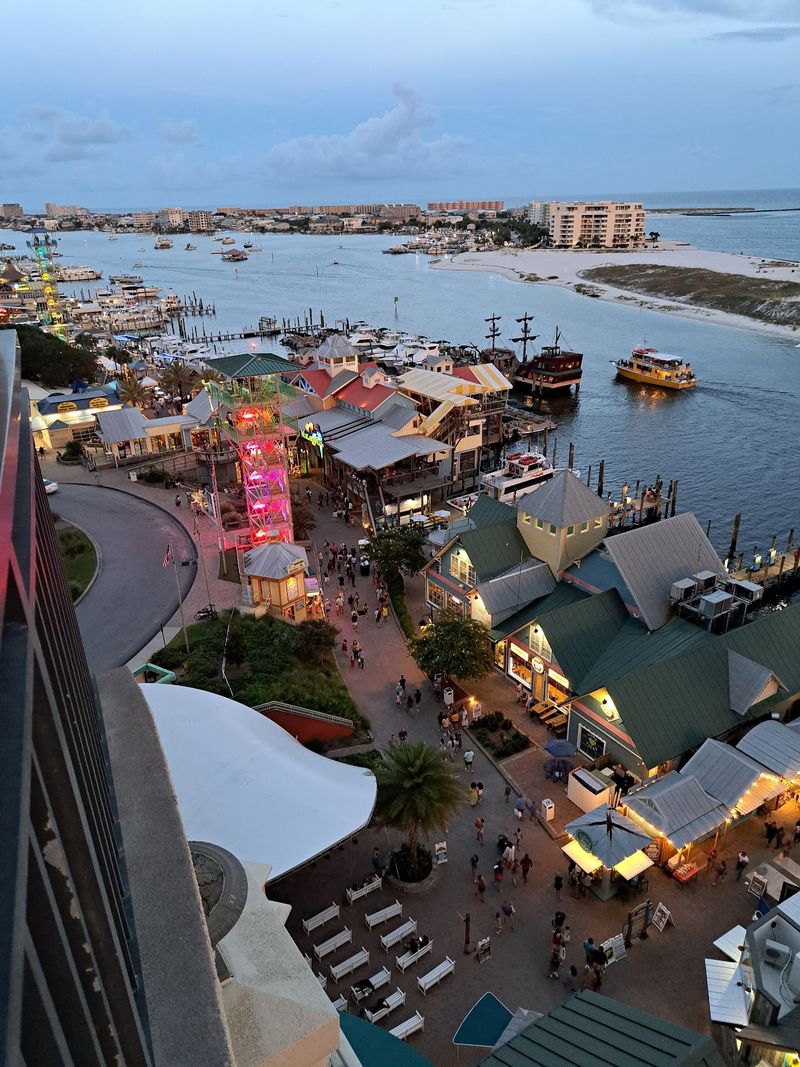
A harbor packed with ziplines and dolphin boats, all of it clustered along one busy stretch of water? Yes! Take me there!
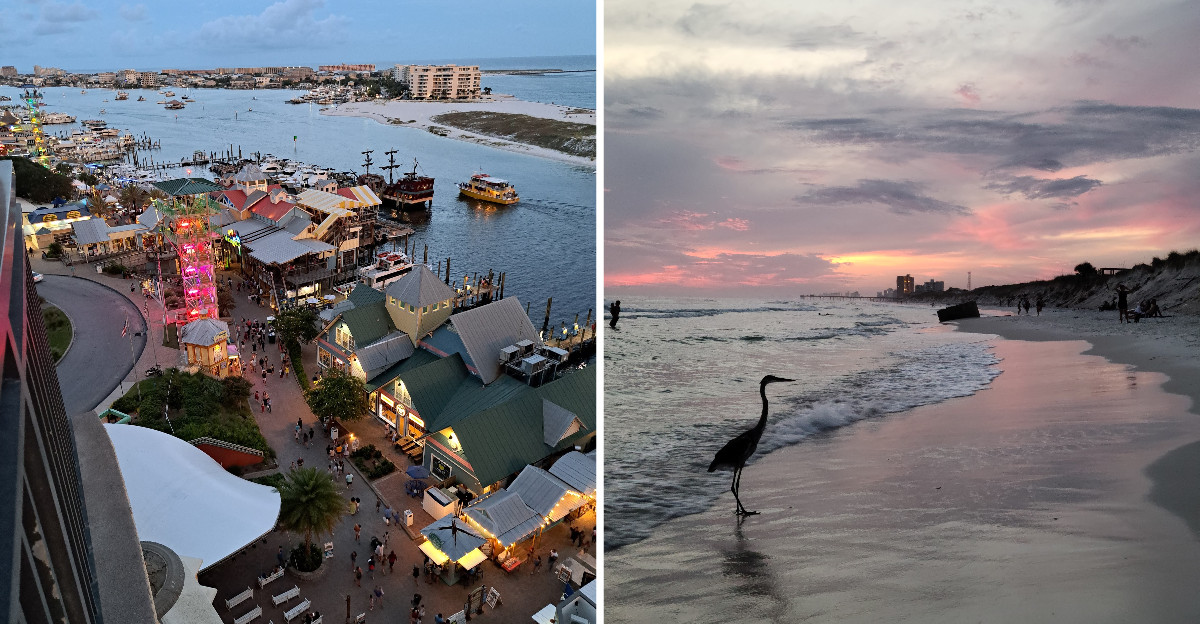
HarborWalk Village in Destin lines the harbor with waterfront dining, shopping, and steady live entertainment. Charter boats and cruise vessels launch from the docks all day.
Dolphin cruises, pirate cruises, and snorkeling or shelling excursions all depart from here. Late September still offers numerous harbor excursions, although passenger loads vary by operator, weather, and day of the week.
Fishing runs deep in local heritage, with inshore and deep-sea charters available. Boat rentals suit anyone who prefers steering themselves.
Dry-land attractions include a nine-hole mini-golf course, a 40-foot LED climbing wall, and a 1,000-foot round-trip zipline. Riding that line at sunset delivers harbor views you will not forget.
Little ones can climb aboard the Cubby Caboose train while caricature artists sketch nearby. Souvenirs here get personal.
HarborWalk hosts live entertainment, seasonal festivals, and special events, with programming changing throughout the year. Check the events calendar before you arrive so you do not miss one.
Evenings are the sweet spot, when the harbor lights flicker on and the breeze picks up. Plan dinner with a dockside table.
HarborWalk Village’s main address is 10 Harbor Blvd in Destin, while several individual attractions operate from nearby addresses within the complex.
9. Pensacola Beach Boardwalk, Pensacola Beach
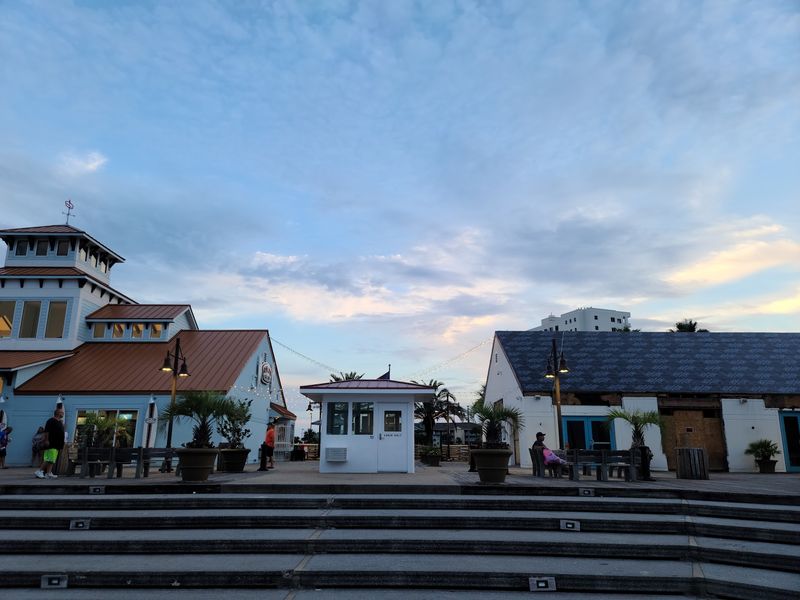
Shops, dining, live entertainment, dolphin cruises, and calm-water beach access cluster around the Pensacola Beach Boardwalk.
Pensacola Beach Boardwalk on Pensacola Beach mixes island-style shopping with casual eateries and live music venues. Clothing boutiques and souvenir shops sit shoulder to shoulder.
Laguna’s Adventure Park offers go-karts, zip rails, a ropes course, and other activities at 460 Pensacola Beach Blvd, a separate location near the boardwalk.
The Quietwater Beach Shell hosts seasonal music and special events, while the 2026 Bands on the Beach series runs through October 27 at the nearby Gulfside Pavilion.
Premier Dolphin Cruises depart seasonally from the boardwalk aboard a double-decker catamaran, with opportunities to spot dolphins, birds, and other wildlife along the coast.
Quietwater Beach sits just behind the boardwalk with calm, shallow water suited to swimming, while paddleboarding and other water activities are available from operators around Pensacola Beach.
The Pensacola Beach Gulf Pier delivers long views, dolphin spotting, and solid fishing. Sunrise there is worth the early alarm.
The free Island Trolley ended its 2026 season on Labor Day, September 7, so late-September visitors need another transportation plan.
Aim for 400 Quietwater Beach Rd, Pensacola Beach. Sunset here has a habit of stealing the show.
10. St. Andrews State Park, Panama City Beach
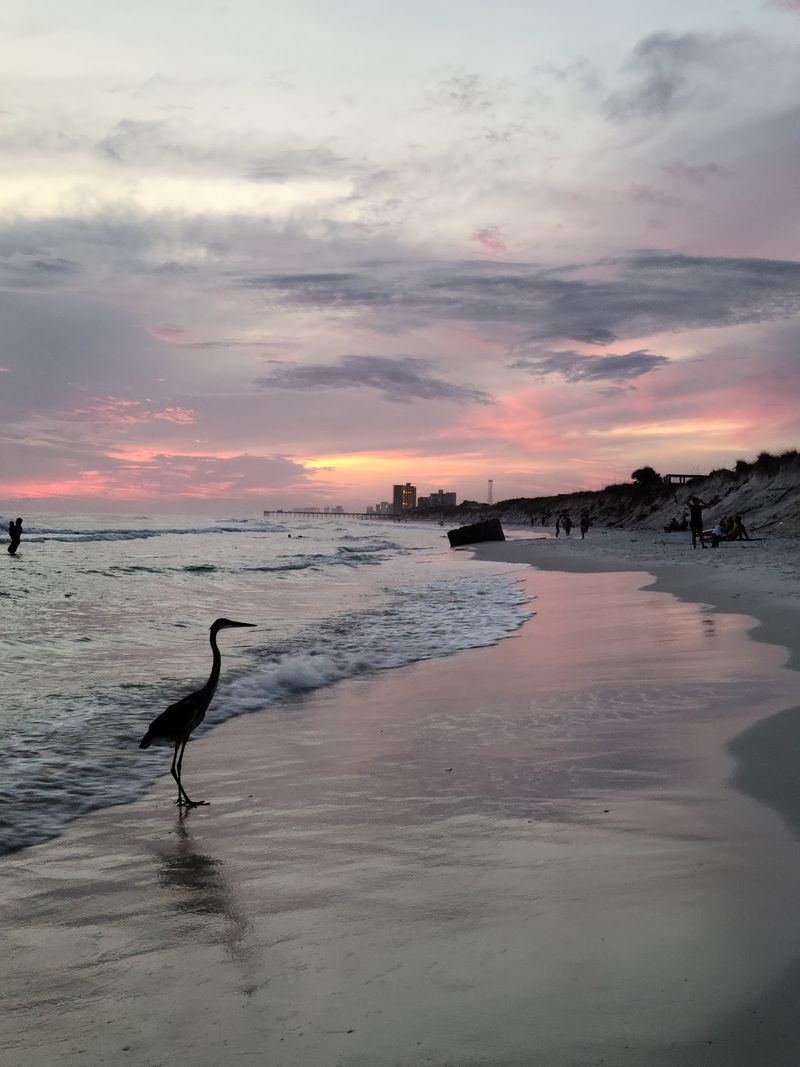
I’m still trying to wrap my head around how many habitats squeeze into one park. Dunes, marshes, pine flatwoods, and open Gulf, all within a short drive.
St. Andrews State Park in Panama City Beach protects over 1,200 acres between the Gulf of Mexico and St. Andrews Bay. Sugar-white beaches stretch more than 1.5 miles.
Swimming, snorkeling, and surfing all happen on the Gulf side. The jetties concentrate marine life, making them a favorite for snorkelers with masks and curiosity.
Seasonal ferry service runs from St. Andrews State Park to undeveloped Shell Island, which is accessible only by boat.
Deer often browse near the dunes in early morning light. Alligators keep to Gator Lake, and bird species rotate with the seasons.
Two nature trails, Heron Pond and Gator Lake, wind through shaded terrain. A paved two-mile bike path covers more ground quickly.
Camping options include RV, tent, and waterfront sites for anyone wanting to hear waves overnight. Campsites remain reservable in late September, but availability varies and should be checked before the trip.
Pack water, bug spray, and a mask for the jetty snorkeling. Shell Island ferry service is weather dependent and operates seasonally, so confirm the current September schedule before arriving.
Find the gate at 4607 State Park Ln, Panama City Beach. Nature does the talking here.