These 12 Reasons Make Daufuskie Island A Unique No-Car Destination In Georgia
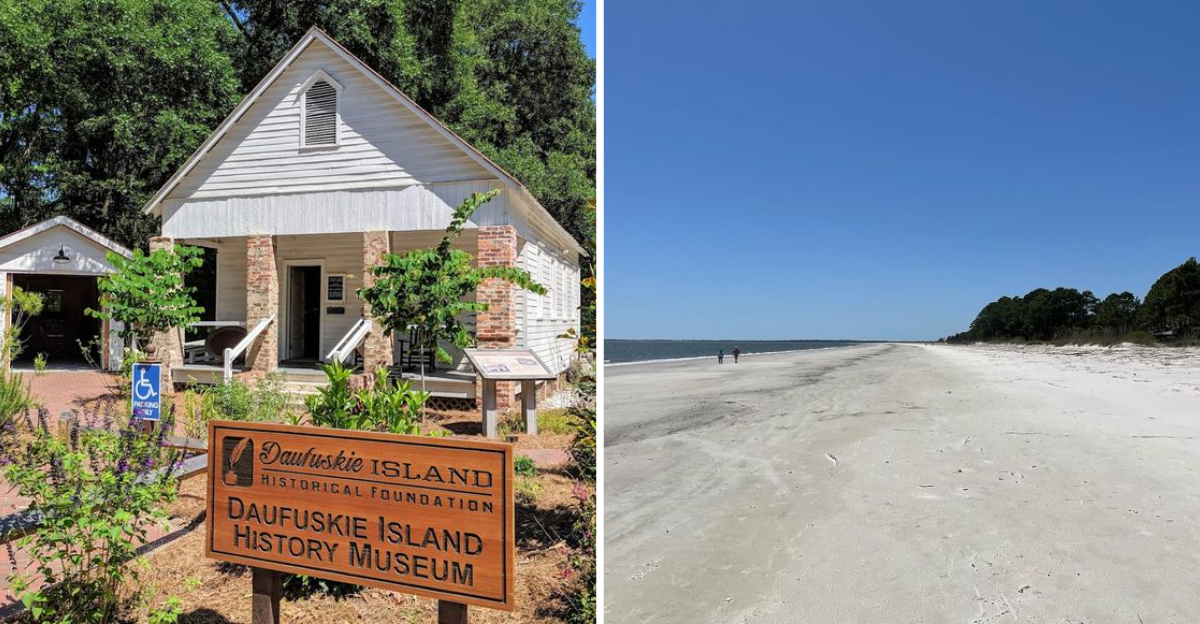
No keys in the ignition, no traffic to think about, just the sound of tires on sand and the breeze off the water. Daufuskie Island, tucked between Savannah and Hilton Head, trades the usual rush for something slower, quieter, and far more personal.
Getting there is part of the experience. A ferry ride separates you from the mainland, and once you arrive, golf carts and bikes take over. Roads feel softer, time feels looser, and the whole island moves at its own pace.
The landscape adds to that feeling. Marshes stretch out toward the horizon, live oaks frame quiet paths, and the shoreline feels untouched compared to busier coastal spots. History is woven in too, from Gullah culture to weathered landmarks that tell stories without needing much explanation.
What stands out most is the simplicity. There is no need to plan every minute or chase the next stop. You explore, you wander, and you let the island unfold as it wants to.
For anyone looking for a coastal escape that feels truly different, Daufuskie Island offers a visit that is calm, distinctive, and hard to forget.
1. Car-Free Travel by Golf Cart and Bicycle
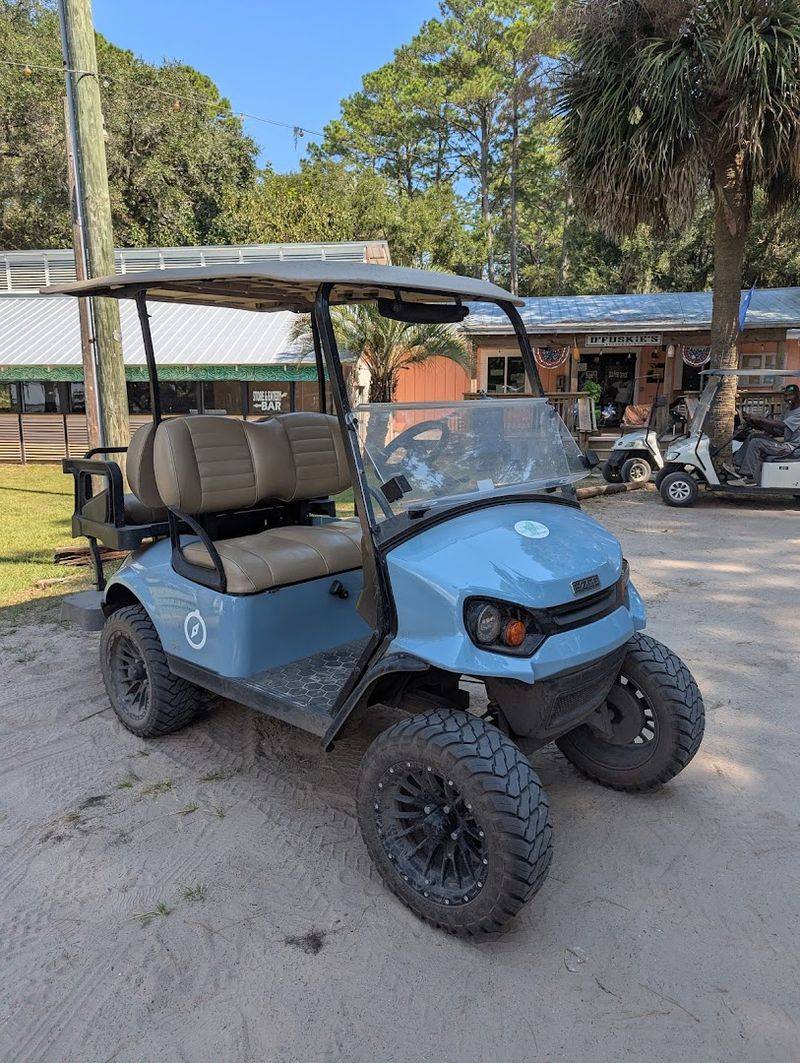
Forget parallel parking and rush-hour stress because Daufuskie Island runs on a completely different kind of fuel. With no bridges connecting it to the mainland, the island has naturally stayed free of conventional automobiles, and that single fact changes everything about how a visit feels. Golf carts are the go-to mode of transport here, and rental options are available near the ferry landing for arriving visitors.
Bicycles are another popular choice, especially for those who want to slow down even further and take in the canopy of ancient live oak trees draped in Spanish moss. The unpaved roads feel more like nature trails than traffic corridors, which is part of the magic. Weekday visits tend to be quieter, making cart and bike rides even more enjoyable without the weekend ferry crowd adding extra foot traffic to the mix.
Planning ahead and reserving a golf cart rental before arrival is a smart move, especially during warmer months when demand picks up noticeably.
2. Ferry-Only Access Creates a True Escape
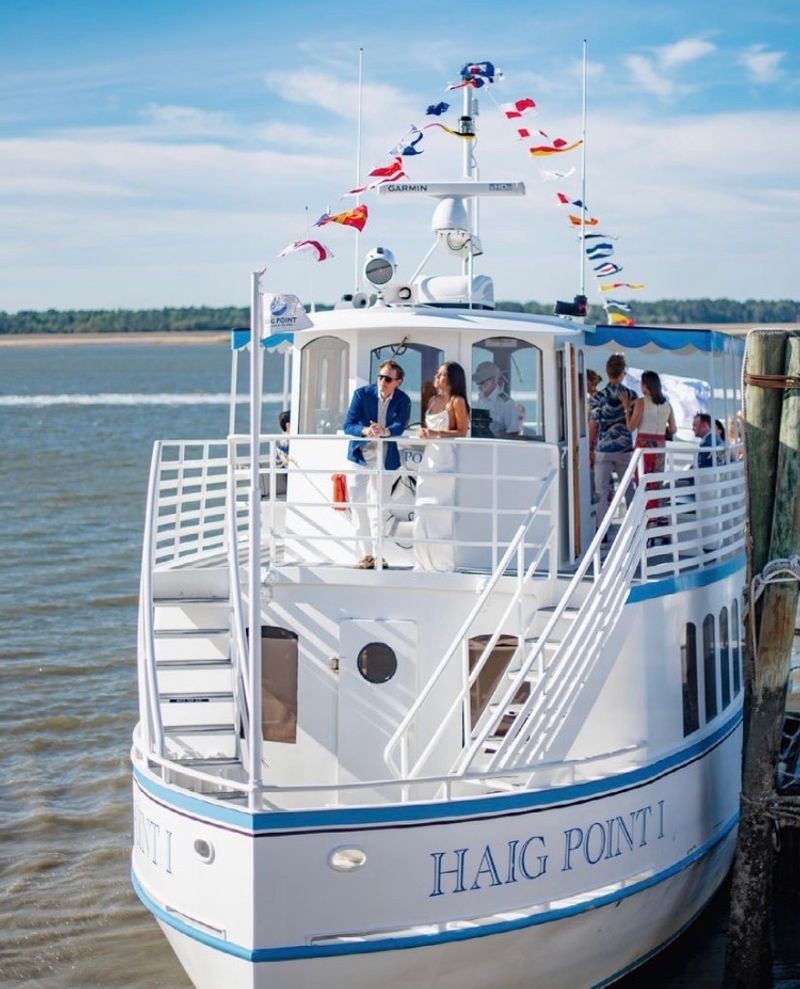
Reaching Daufuskie Island requires stepping onto a ferry, and that small act of crossing the water sets the tone for the entire visit. There is something almost ceremonial about leaving the mainland behind and watching the dock shrink in the distance as the marsh grasses sway alongside the boat. Public ferry service operates from Hilton Head Island, with schedules that vary by season, so checking departure times before planning a day trip is essential.
The ferry ride itself is a gentle introduction to the island’s unhurried pace, taking roughly 45 minutes depending on conditions. Passengers often spot dolphins alongside the boat, and the views of the Calibogue Sound are genuinely scenic. Private water taxi services also operate for those who prefer a more flexible schedule or are traveling in a group.
Arriving by water rather than by road immediately signals that this destination plays by different rules, and most visitors find that shift in mindset to be exactly what they needed.
3. Gullah Heritage Woven Into Every Corner
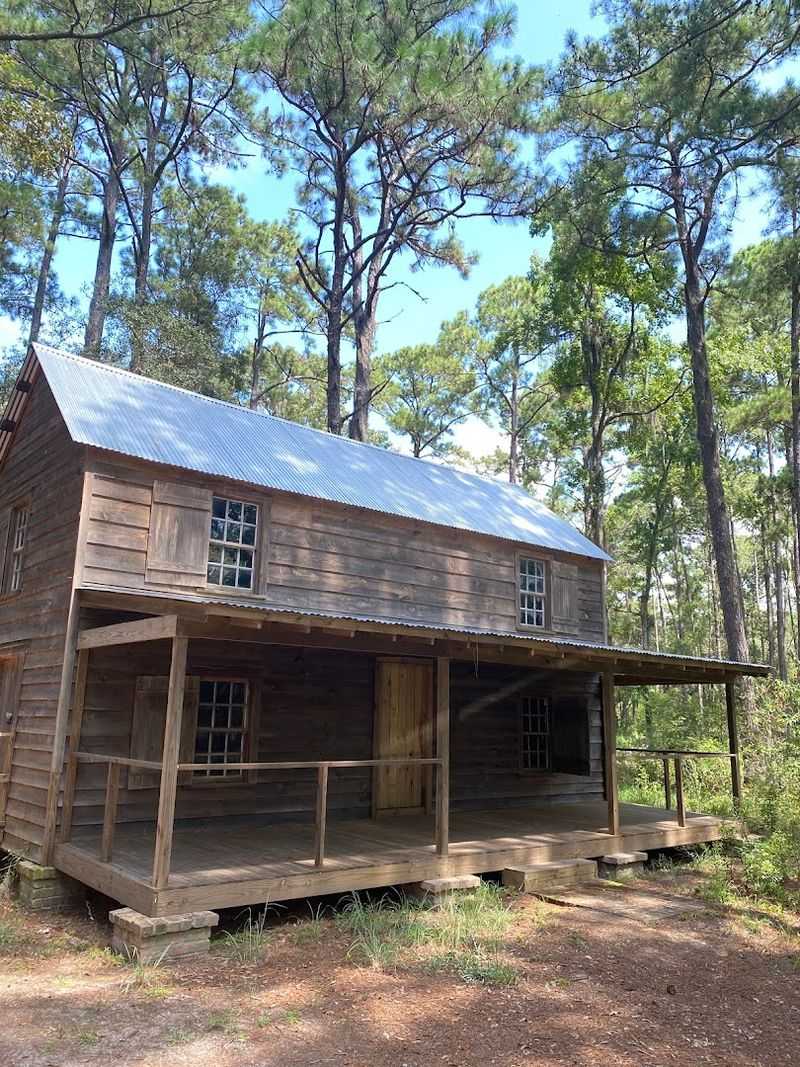
One of the most meaningful things about spending time on Daufuskie Island is the living presence of Gullah culture, a tradition carried forward by descendants of enslaved Africans who built deeply rooted communities along the South Carolina and Georgia Sea Islands. The Gullah people developed a distinct language, cuisine, and set of traditions that continue to shape the island’s identity today. Visitors who take time to learn about this heritage leave with a much richer understanding of the region’s history.
Local storytellers, artists, and community members occasionally share their knowledge with visitors through guided tours and informal conversations. Sweetgrass basket weaving, traditional cooking techniques, and oral histories are all part of what makes this cultural thread so distinctive. The Gullah influence is not a museum exhibit here; it is lived and present.
Approaching this heritage with curiosity and respect goes a long way, and many locals genuinely appreciate when visitors take a real interest rather than treating culture as a backdrop.
4. First Union African Baptist Church, A Living Landmark
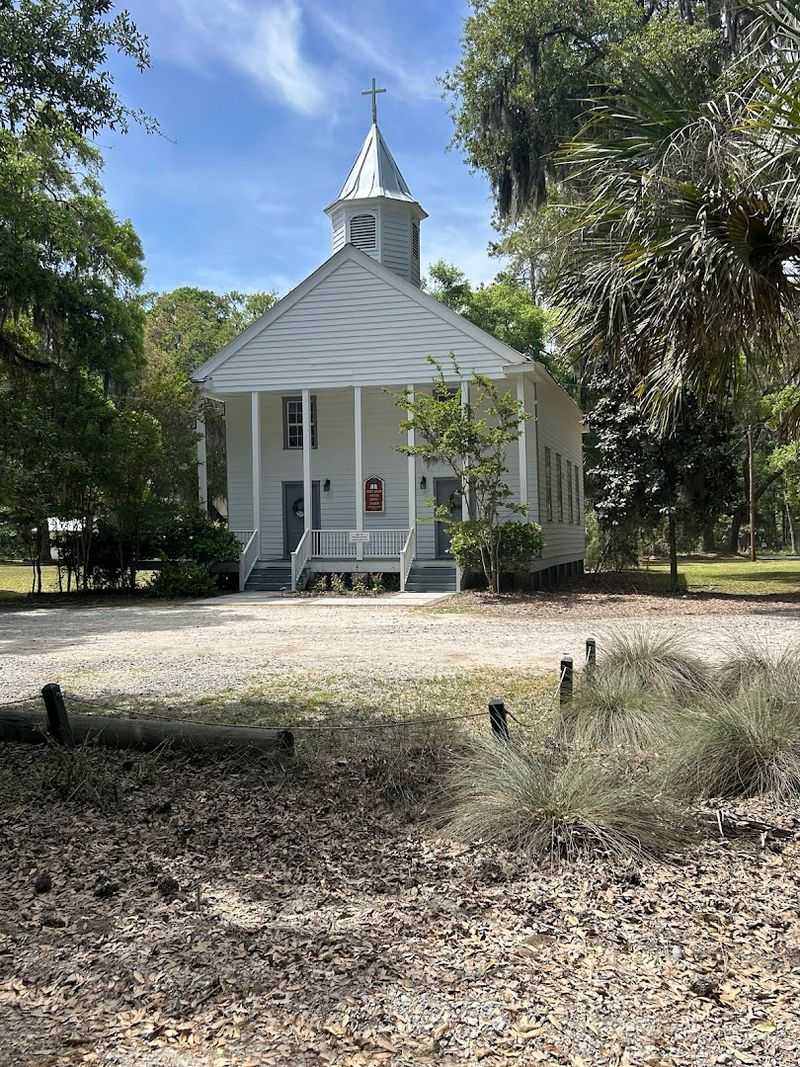
Built in 1881, the First Union African Baptist Church stands as the oldest building still in active use on Daufuskie Island, and walking up to its weathered wooden exterior feels like stepping into a quiet chapter of American history. The church is located on Haig Point Road, Daufuskie Island, SC 29915, and it remains a functioning place of worship for the island’s Gullah community. Visiting with a respectful awareness of its ongoing religious significance is important for any traveler stopping by.
The structure itself is modest and unassuming, which somehow makes it more powerful. White painted wood, simple windows, and a small cemetery nearby all contribute to an atmosphere of quiet dignity. Sunday services occasionally welcome respectful visitors, though confirming schedules in advance is strongly recommended before planning a visit around them.
Historians and heritage travelers consistently rank this church among the most emotionally resonant stops on the island, and it is easy to understand why once you are standing in front of it.
5. Haig Point Lighthouse Framed by Marsh Views
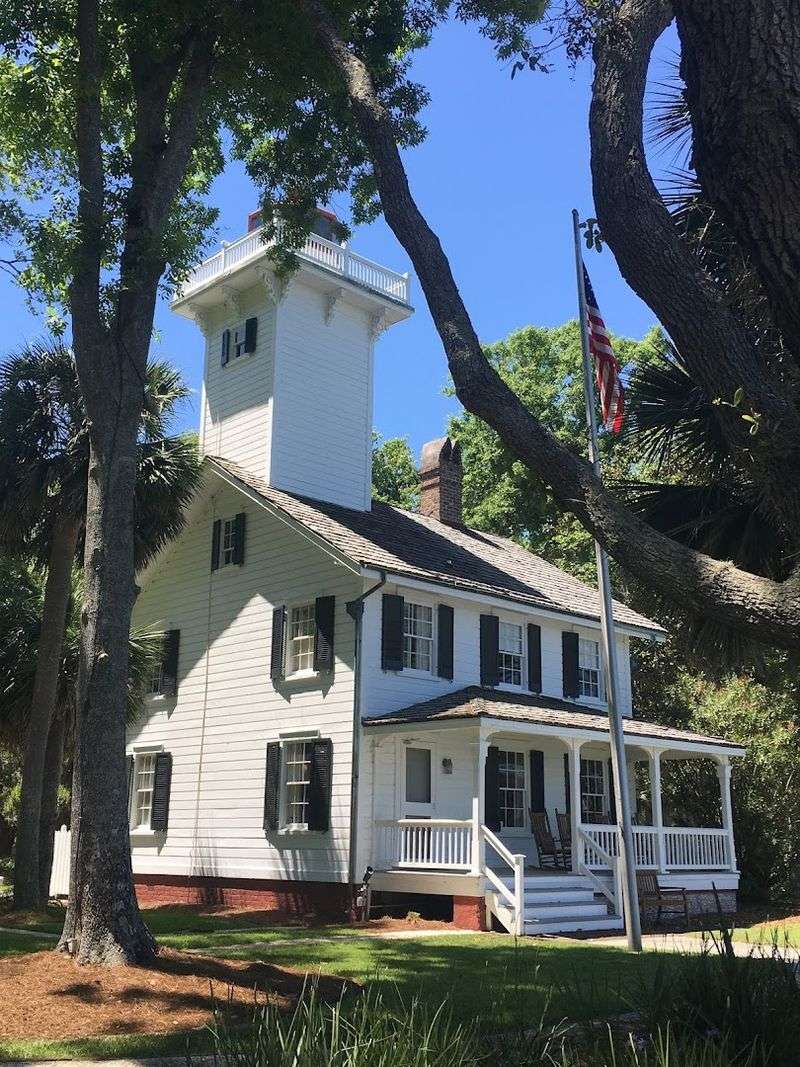
Standing at the northern tip of the island, the Haig Point Lighthouse has guided ships through the Calibogue Sound since 1873, and its reflection in the surrounding tidal marsh is the kind of image that tends to end up as someone’s phone wallpaper. Located within the Haig Point gated community on Daufuskie Island, SC 29915, the lighthouse is also listed on the National Register of Historic Places alongside its southern counterpart. Access to the immediate lighthouse grounds is restricted to Haig Point Club members and their guests.
Even from the publicly accessible shoreline areas nearby, the lighthouse makes a striking visual impression, especially during the golden hours of early morning or late afternoon when the light plays off the water and marsh grass. Photographers and history enthusiasts tend to make this a priority stop on any island itinerary.
Guided tours of the island sometimes include a closer look at the lighthouse exterior, so checking with local tour operators before arrival can open doors that solo exploration might not.
6. Over Three Miles of Uncrowded Beachfront
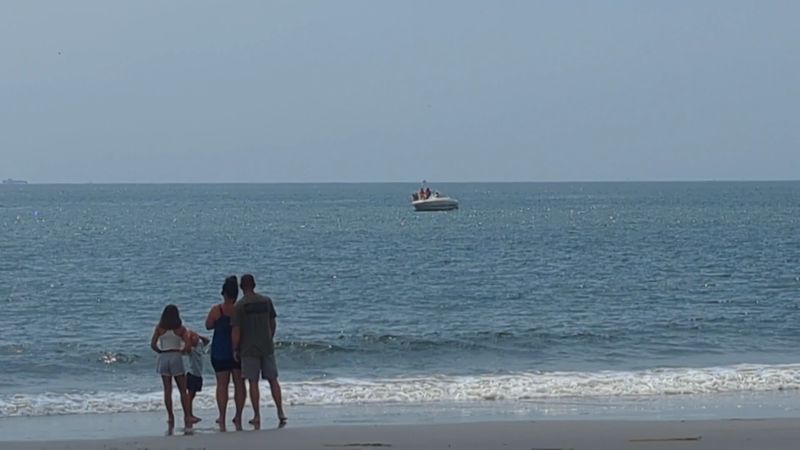
Some beaches feel like parking lots with waves, but Daufuskie Island’s shoreline is a completely different story. With over three miles of beachfront and no high-rise hotels or souvenir shops cluttering the view, the sand here feels genuinely wild and unhurried. The absence of road access means visitor numbers stay naturally low, which translates to stretches of beach where solitude is not just possible but practically guaranteed on weekday mornings.
The Atlantic-facing beaches on the eastern side of the island are the most accessible by golf cart or bicycle, and low tide reveals wide, flat expanses of packed sand that are easy to walk for long distances. Shelling is a popular activity, and the variety of intact shells found here tends to be better than at more heavily visited beaches nearby.
Swimming conditions vary by season and tide, so checking local conditions before heading into the water is always a good habit, especially for families with younger children visiting for the first time.
7. Gullah Cuisine Worth Every Bite

Eating on Daufuskie Island is not just about filling up between activities; it is genuinely part of the cultural experience. The island’s small eateries draw on Gullah cooking traditions that go back generations, featuring dishes built around locally sourced seafood, slow-cooked greens, red rice, and the kind of shrimp and grits that tends to ruin all future versions of the dish. The flavors here are rooted in both necessity and creativity, shaped by what the land and water provide.
The Freeport Marina area serves as a natural gathering point for visitors arriving by ferry, and a handful of casual dining spots operate in that vicinity with menus that rotate based on availability and season. Portions tend to be generous, and the atmosphere is relaxed enough that lingering over a meal feels completely natural. Weekends can bring more visitors, so arriving early for lunch helps avoid any wait.
Asking locals for current dining recommendations is always a reliable strategy since small island restaurants can shift hours and offerings more frequently than mainland spots.
8. A Thriving Arts Community in a Quiet Setting
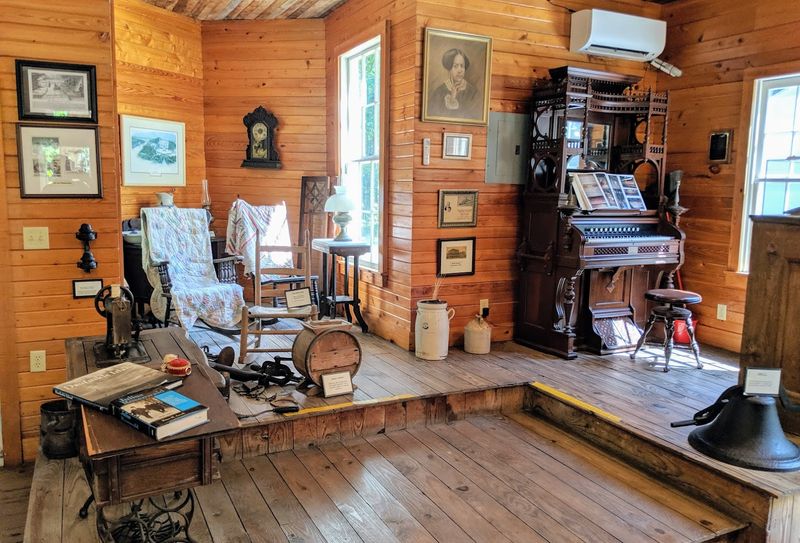
Quiet places have a way of nurturing creative people, and Daufuskie Island has quietly become home to a community of artists, painters, and craftspeople who draw deep inspiration from the island’s landscapes and cultural history. Small galleries and studio spaces dot the island, and some artists welcome visitors during open studio days or by appointment. The work tends to reflect the surrounding environment, with coastal imagery, Gullah-inspired themes, and natural materials appearing frequently.
Picking up an original piece of art or a handcrafted item directly from the maker is one of the more meaningful souvenirs a visitor can bring home from any trip, and the island makes that kind of direct connection genuinely accessible. Prices vary widely depending on the artist and medium, but the experience of meeting the creator behind the work adds a layer of value that mass-produced souvenirs simply cannot match.
Following local artist social media accounts before a visit can help identify any upcoming shows, open studios, or community art events scheduled during a planned travel window.
9. The Oyster Industry Legacy Still Felt Today
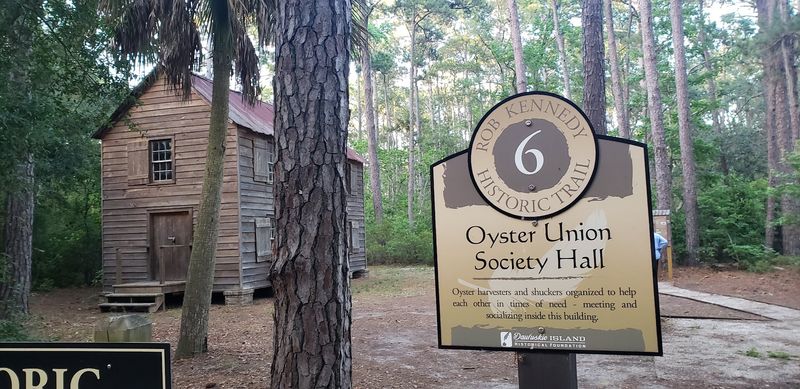
Back in the 1880s, Daufuskie Island was a busy hub of the oyster canning industry, and the remnants of that era are still visible in the landscape today. Old cannery ruins and shell middens scattered across the island tell a story of hard labor, industrial ambition, and an economy that once drew workers from across the region. The oyster beds that made this industry possible were among the most productive in the entire South Carolina Lowcountry during their peak years.
Historians and curious visitors who take the time to explore beyond the main paths can find physical traces of this history in the form of crumbling brick foundations and massive shell piles that have become part of the natural landscape over the decades. Guided island tours often include stops at or near these sites with context that helps bring the story to life.
Understanding this industrial past adds real depth to what might otherwise seem like just a beautiful, sleepy island, revealing the layers of effort and community that shaped it.
10. Salt Marshes and Forests Full of Wildlife
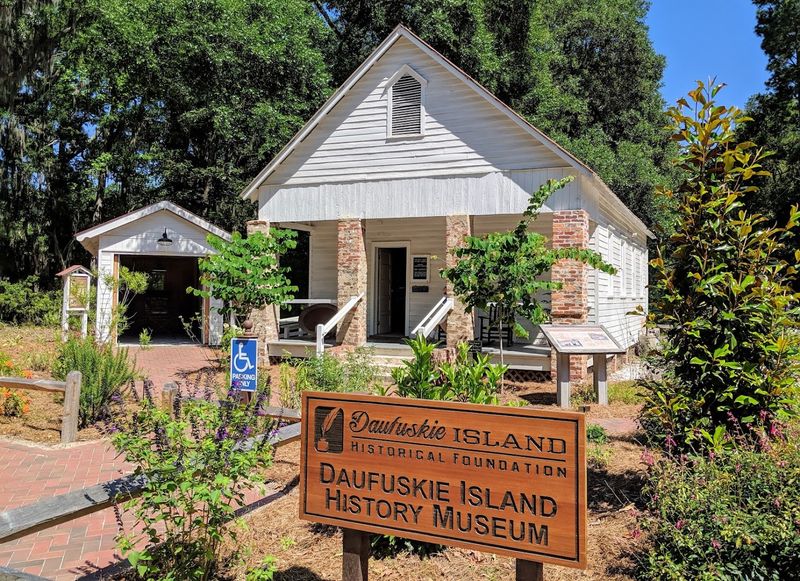
Beyond the beaches, Daufuskie Island is wrapped in a living network of salt marshes, maritime forests, and tidal creeks that support an impressive variety of wildlife. Bald eagles have been spotted nesting on the island, and the fox squirrel, a larger and rarer cousin of the common gray squirrel, also makes its home here. Birding enthusiasts often find the island rewarding across all seasons, though spring and fall migrations bring the greatest diversity of species through the area.
Kayaking through the tidal creeks is one of the most immersive ways to experience these ecosystems up close. Rental options may be available through island outfitters, and guided paddle tours occasionally run during peak visitor season. The marsh channels are calm enough for beginners while still offering enough visual interest to keep experienced paddlers engaged.
Fishing is another popular activity in these waters, with redfish and flounder among the common catches for anglers casting from the banks or from small boats during the right tidal windows.
11. Bloody Point Lighthouse and Its Storied Past
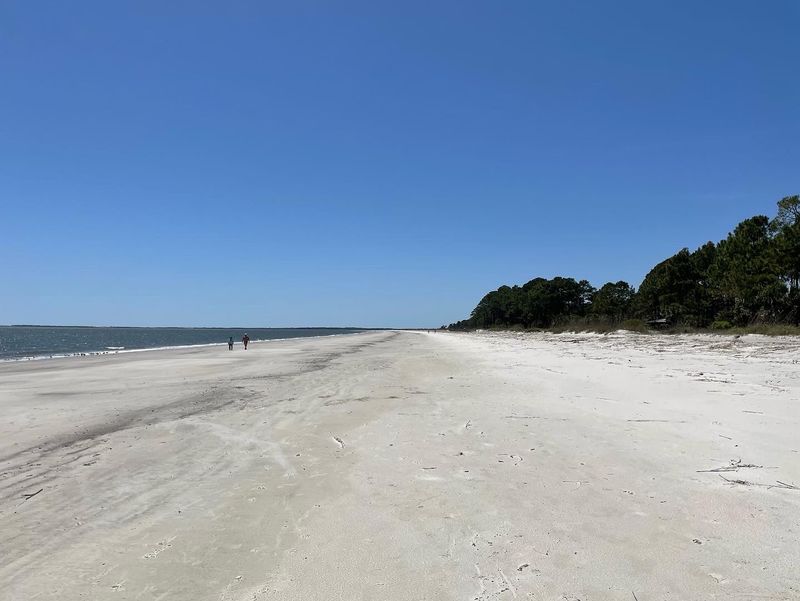
Named after a 1715 battle between British colonists and the Yemassee people, Bloody Point carries a history that runs far deeper than its picturesque appearance suggests. The Bloody Point Lighthouse, located at the southern tip of Daufuskie Island, SC, is listed on the National Register of Historic Places and dates back to 1883. Getting there by golf cart takes visitors through some of the island’s most scenic stretches of coastal landscape.
The lighthouse itself has been restored and is now part of a private resort community, which means access to the immediate structure can be limited depending on the day and any ongoing events. However, the surrounding area and the view from nearby beaches remain accessible and well worth the journey to the southern end of the island. The light no longer functions as an active navigational aid but serves as a beloved historical anchor.
Pairing a stop here with a walk along the adjacent shoreline makes for one of the more memorable afternoons the island has to offer.
12. Secluded Tidal Creeks
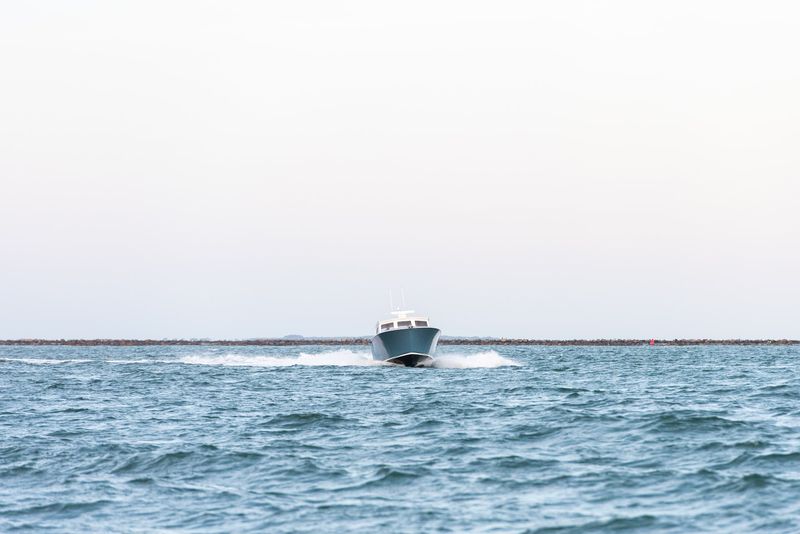
I love how Daufuskie reveals quiet pockets of natural beauty that feel untouched by time, and the tidal creeks are the calmest example. You can wander along shaded banks where fiddler crabs scurry and herons strike a patient pose, and the rhythmic hush of water makes conversation gentle and deliberate. The mix of salt and pine in the air somehow slows your breathing so you notice small wonders you might miss elsewhere.
Exploring these creekside paths invites reflection and a softer pace, and the views shift with the tide and the light. I often pause beneath a canopy of live oaks to watch the water mirror cloud shapes. For anyone craving stillness, these creeks deliver an honest, restorative experience that stays with you long after you leave.