16 Reasons Travelers Are Calling Georgia A Must-Visit US State For 2026
Travelers from around the world are discovering what makes Georgia one of the most exciting destinations in America right now.
From its sandy coastlines to its towering mountains, this southeastern state offers something special for every type of adventurer.
Whether you’re craving delicious Southern cuisine, exploring historic cities, or hiking through breathtaking natural landscapes, Georgia has it all waiting for you in 2026.
1. Atlanta’s World-Class Georgia Aquarium
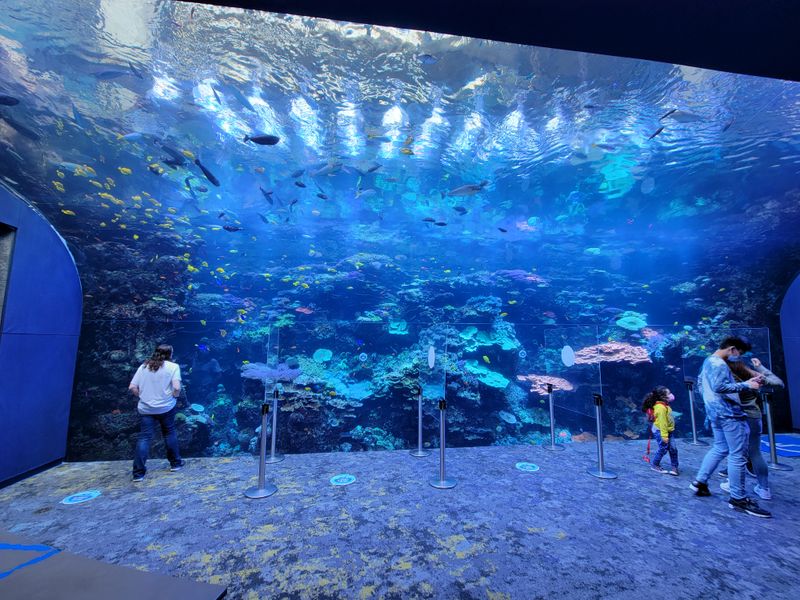
Imagine standing in front of a massive tank holding more than 6 million gallons of water, watching whale sharks glide past you like giants of the deep. That’s exactly what you’ll experience at one of the largest aquariums on the planet.
Located at 225 Baker Street NW, Atlanta, GA 30313, this incredible attraction houses thousands of marine animals from around the globe.
You can walk through an underwater tunnel where beluga whales swim overhead and manta rays soar by like underwater birds. The aquarium features multiple galleries, including a cold-water exhibit with playful sea otters and a tropical diver show where staff members interact with fish while you watch.
Kids absolutely love the touch pools where they can feel stingrays and other gentle creatures. The dolphin show is another crowd favorite, showcasing the intelligence and grace of these amazing mammals. Plan to spend at least three hours exploring all the exhibits and shows throughout the day.
2. Savannah’s Historic Architecture and Squares
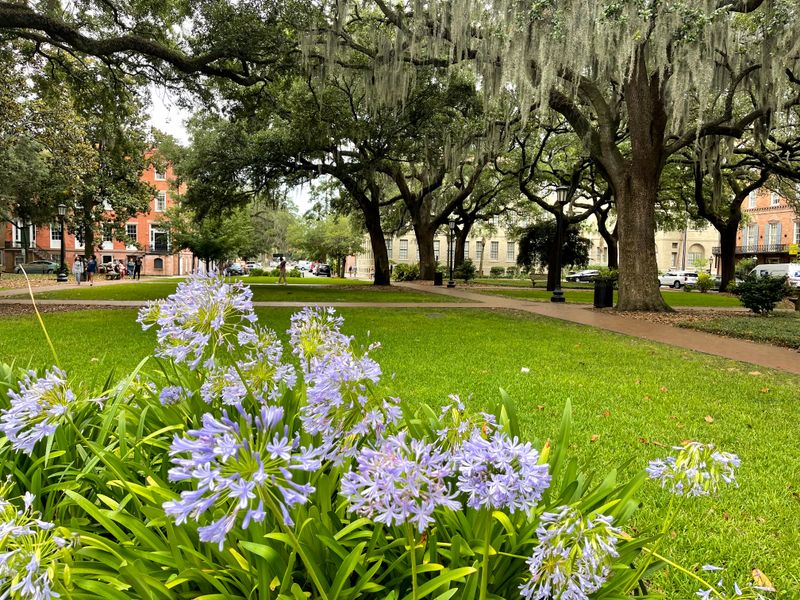
Walking through Savannah feels like stepping back in time to the 1700s and 1800s. The city preserved 22 beautiful public squares surrounded by historic homes, moss-draped oak trees, and cobblestone streets that tell stories of America’s past. Each square has its own personality and history, making every corner you turn a new discovery.
The Historic District spans 2.5 square miles in downtown Savannah, Georgia, and you can explore it on foot, by trolley, or even on a horse-drawn carriage. Forsyth Park, located at Gaston Street and Drayton Street, Savannah, GA 31401, features a famous fountain that’s become one of the most photographed spots in the South.
You’ll find incredible restaurants serving authentic Southern food in restored 19th-century buildings. Ghost tours run at night, sharing spooky tales about the city’s haunted history. Spring is the best time to visit when azaleas bloom in every shade of pink and purple.
3. The Masters Golf Tournament in Augusta

Every April, golf fans from around the world flock to Augusta National Golf Club for one of the sport’s most prestigious events.
Even if you’re not a huge golf enthusiast, the excitement and tradition surrounding this tournament create an atmosphere you won’t find anywhere else. The course itself is known for its perfectly manicured greens and the famous azalea blooms that frame every hole.
Augusta National Golf Club is located at 2604 Washington Road, Augusta, GA 30904, though getting tickets requires entering a lottery system well in advance. The tournament has been held at this location since 1934, making it one of golf’s longest-running traditions.
If you can’t score tournament tickets, Augusta still offers plenty of golf-related attractions and museums to explore. The city comes alive during Masters week with parties, events, and celebrations throughout downtown. Many visitors return year after year, making it a spring tradition for families and friends.
4. Blue Ridge Mountains Hiking Adventures
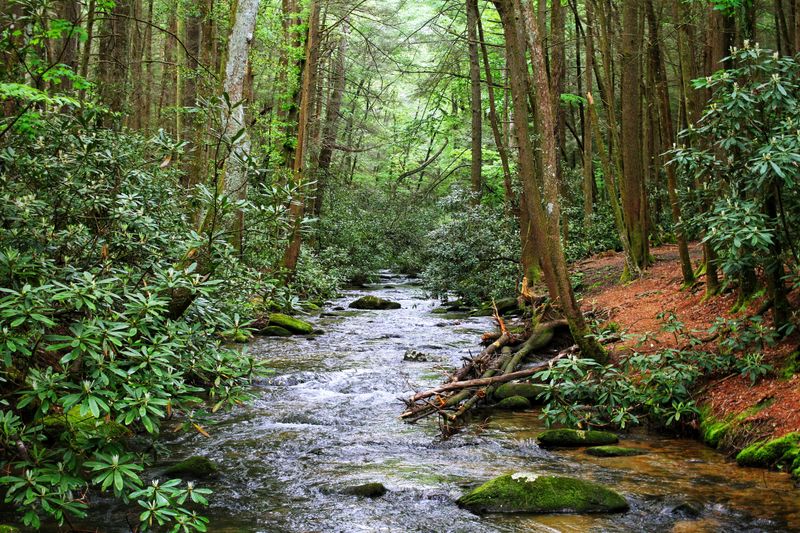
Northern Georgia’s mountain ranges offer some of the most spectacular hiking trails you’ll find anywhere in the Southeast. Trails wind through dense forests, past rushing waterfalls, and up to peaks with views that stretch for miles across multiple states. Fall brings a show of red, orange, and gold leaves that transforms the entire landscape into a natural masterpiece.
The Appalachian Trail actually starts (or ends, depending on your direction) at Springer Mountain in Georgia, located in the Chattahoochee National Forest near Dahlonega, GA. You don’t have to hike the entire 2,000-mile trail to enjoy the beauty—day hikes and shorter sections provide plenty of adventure.
Blood Mountain and Brasstown Bald are two popular peaks that offer challenging climbs and rewarding views. You’ll encounter wildlife like deer, wild turkeys, and if you’re lucky, black bears from a safe distance. Pack layers since mountain weather changes quickly, and always bring plenty of water for your trek.
5. Martin Luther King Jr. National Historic Site
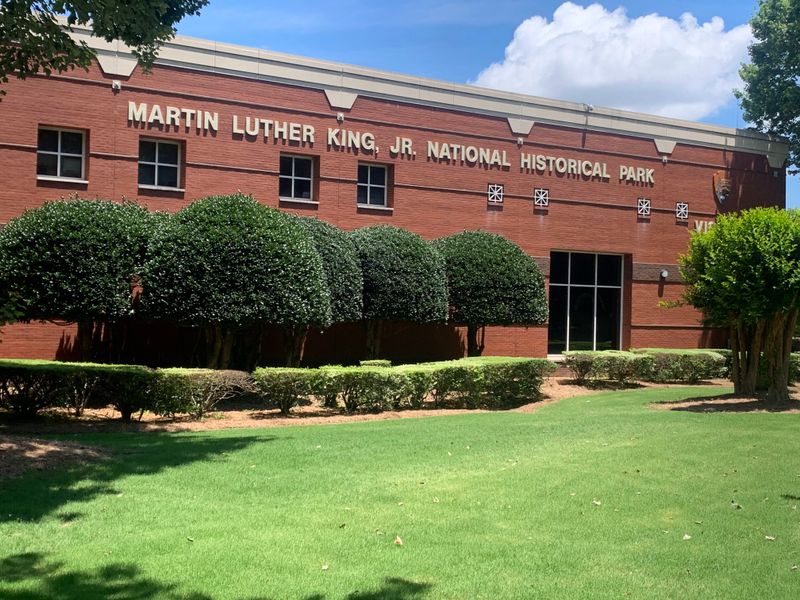
Learning about one of America’s most important civil rights leaders becomes a powerful experience when you visit the neighborhood where he grew up. This historic site preserves Dr. King’s childhood home, the church where he preached, and the places that shaped his vision for equality and justice. Walking these streets helps you understand the roots of the civil rights movement.
The site is located at 450 Auburn Avenue NE, Atlanta, GA 30312, in the Sweet Auburn neighborhood. You can tour Dr. King’s birth home with a park ranger who shares stories about his family and early life in segregated Atlanta.
Ebenezer Baptist Church, where both Dr. King and his father served as pastors, stands as a powerful reminder of the role faith played in the movement.
The King Center, which houses his tomb, sits nearby and offers exhibits about his life and legacy. Admission is free, though tours of the birth home require advance reservations due to high demand.
6. Golden Isles Coastal Beaches
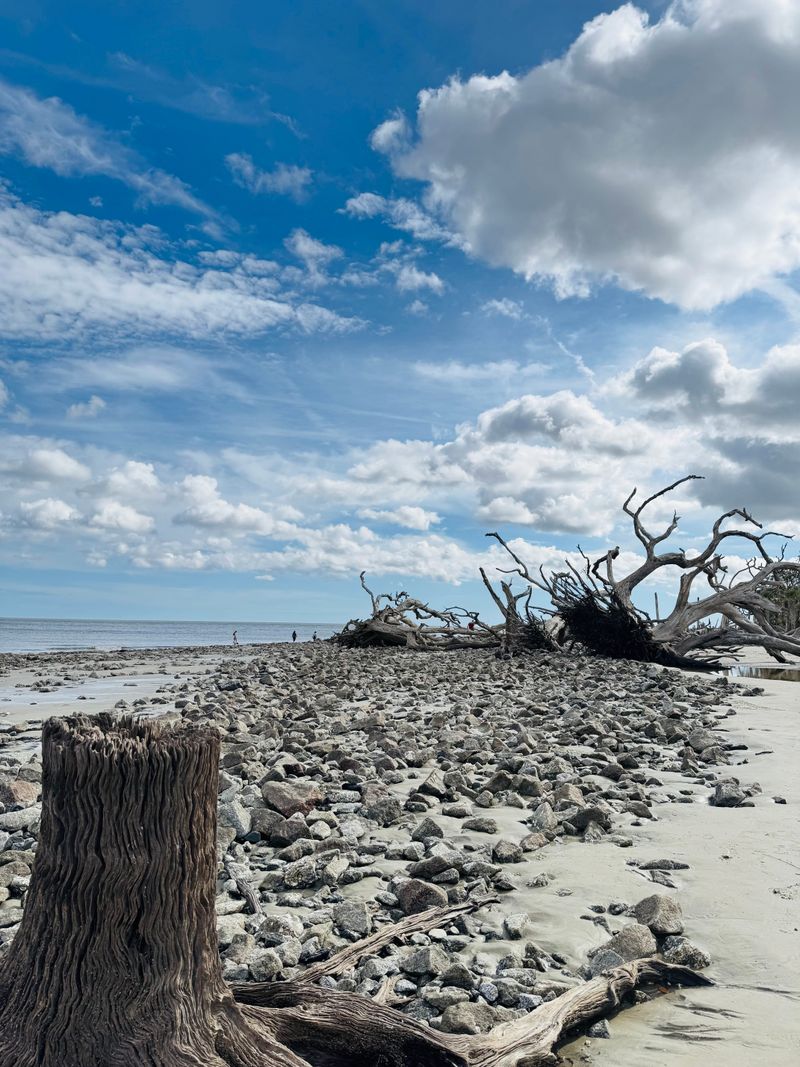
Georgia’s coastline might surprise you with its beautiful barrier islands and uncrowded beaches that feel like hidden treasures. The Golden Isles—including St. Simons Island, Sea Island, Jekyll Island, and Little St. Simons Island—offer soft sand, warm waters, and a more relaxed pace than many popular beach destinations. You can actually find stretches of beach where you’re almost alone with the waves and seabirds.
Jekyll Island, accessible via the Jekyll Island Causeway from Brunswick, GA, features 10 miles of beaches and a historic district with mansions from America’s wealthiest families. The island charges a small parking fee, but once you’re there, the beaches are free to enjoy.
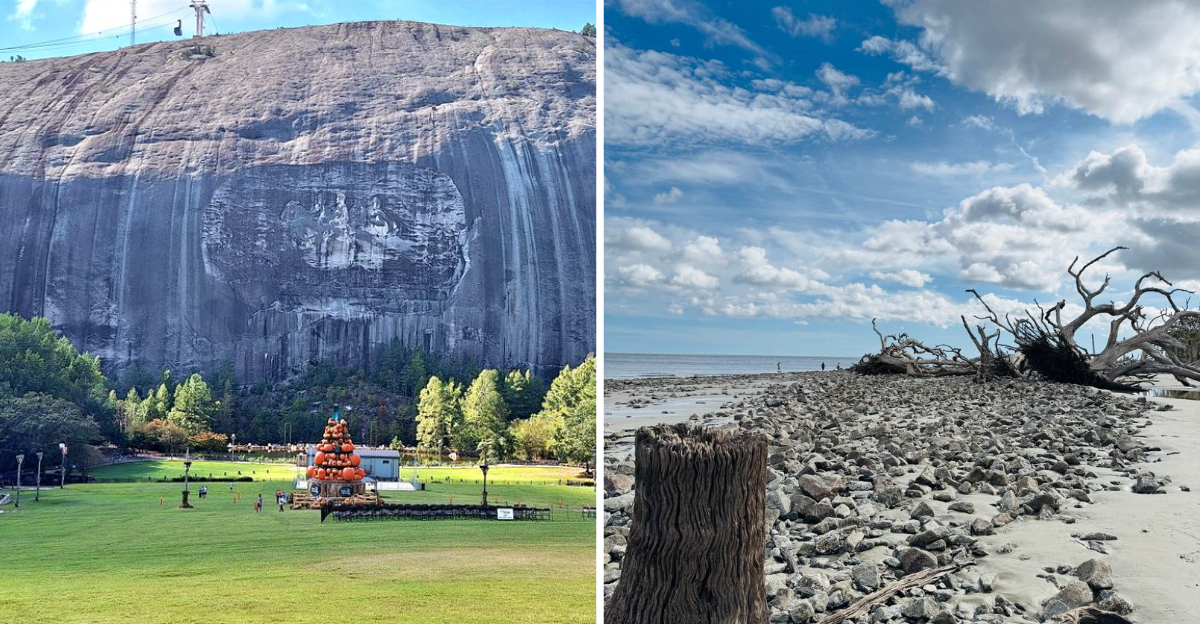
Driftwood Beach on Jekyll Island has become famous for its hauntingly beautiful trees that create a natural sculpture garden along the shore. You can spot dolphins playing in the surf, collect shells, or rent bikes to explore the island’s trails.
Summer brings warm swimming conditions, while spring and fall offer perfect temperatures for beach walks.
7. Authentic Southern Cuisine Experiences

Get ready to taste some of the best comfort food you’ve ever eaten. Georgia serves up Southern cooking that’s been perfected over generations, from crispy fried chicken to slow-cooked barbecue that falls off the bone. Every region of the state has its own specialties and secret recipes passed down through families.
Atlanta’s food scene ranges from traditional soul food restaurants to modern Southern fusion spots that reimagine classic dishes. The Colonnade Restaurant at 1879 Cheshire Bridge Road NE, Atlanta, GA 30324, has been serving home-style Southern meals since 1927.
Don’t miss trying shrimp and grits along the coast, peach cobbler made with Georgia’s famous fruit, or a proper meat-and-three plate lunch. Pimento cheese, boiled peanuts, and sweet tea are staples you’ll find everywhere. Food festivals happen throughout the year, celebrating everything from barbecue to peaches.
Many restaurants still use recipes and cooking methods that haven’t changed in decades, giving you a true taste of Southern tradition.
8. Stone Mountain Park Recreation
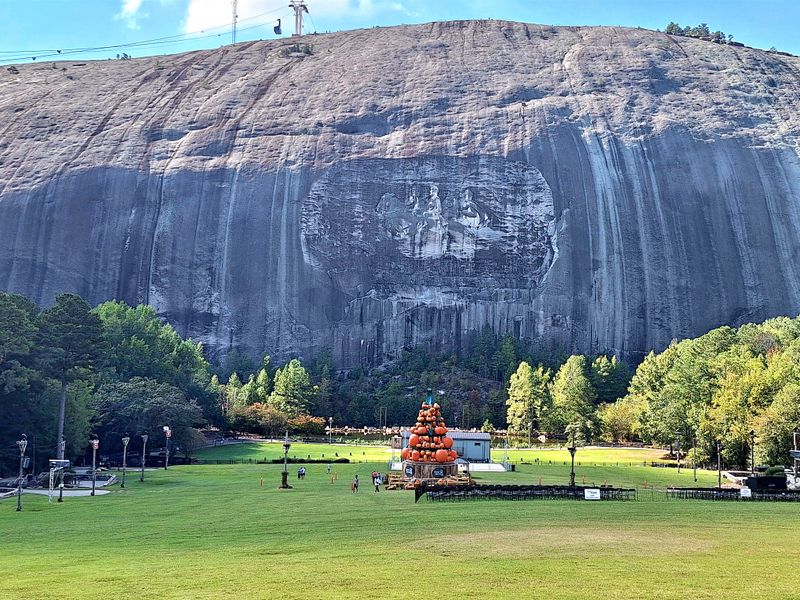
Rising 825 feet above the surrounding landscape, Stone Mountain is the largest exposed piece of granite in North America. This massive natural wonder features a carved memorial and serves as the centerpiece of a 3,200-acre park filled with attractions and activities for the whole family. You can hike to the summit for panoramic views or take a cable car if you prefer a more relaxed journey to the top.
Stone Mountain Park is located at 1000 Robert E. Lee Boulevard, Stone Mountain, GA 30083, just 16 miles east of downtown Atlanta. The park charges an admission fee per vehicle, which gives you access to most attractions throughout the day.
A laser light show projected onto the mountain face happens most evenings during warmer months, combining music, lights, and fireworks. The park also features a historic railroad, a riverboat cruise, and a 4-D theater experience. Kids love the playground areas and the SkyHike adventure course that challenges their climbing skills.
9. Okefenokee Swamp Wilderness
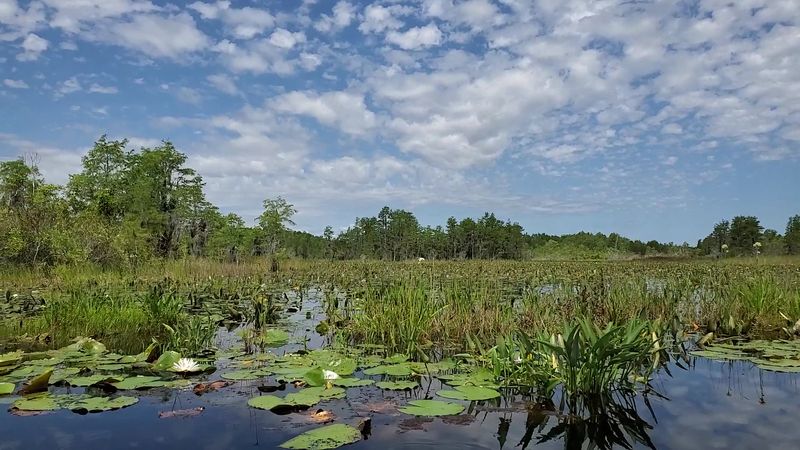
Exploring one of America’s largest intact swamps takes you into a mysterious world of dark waters, cypress trees, and wildlife you won’t see anywhere else. Okefenokee Swamp covers 438,000 acres of protected wilderness where alligators sun themselves on logs and rare birds nest in the trees. Paddling through the waterways by canoe or kayak gives you an up-close look at this unique ecosystem.
The Okefenokee Swamp Park entrance is located at 5700 Okefenokee Swamp Park Road, Waycross, GA 31503, in the southeastern corner of Georgia. Several other access points exist around the swamp’s perimeter, each offering different experiences and trail options.
Guided boat tours provide expert knowledge about the swamp’s history and inhabitants if you prefer not to paddle yourself. You might spot sandhill cranes, wood storks, or even a black bear along the edges.
The swamp’s name comes from a Native American word meaning “Land of the Trembling Earth” because the peat deposits actually shake when you walk on them.
10. Peach Orchards and Farm Experiences

Known as the Peach State, Georgia grows some of the sweetest, juiciest peaches you’ll ever bite into. Visiting an orchard during harvest season lets you pick your own fruit straight from the trees and taste the difference between supermarket peaches and the real thing. Many farms offer tours that explain how peaches are grown, harvested, and turned into everything from pies to preserves.
Lane Southern Orchards, located at 50 Lane Road, Fort Valley, GA 31030, is one of the largest peach packing facilities in the state and welcomes visitors during the season. The farm country around Fort Valley and Byron is nicknamed the “Peach Capital of Georgia.”
Peach season typically runs from May through August, with different varieties ripening at different times. You’ll also find farm stands selling homemade peach ice cream, cobbler, and other treats that showcase the fruit.
Many orchards host festivals during peak season with live music, hayrides, and family activities that make for a perfect day trip.
11. World of Coca-Cola Museum

Ever wondered what all the Coca-Cola flavors from around the world taste like? This interactive museum tells the story of the world’s most famous soft drink, which was invented in Atlanta back in 1886. You’ll learn secrets about the brand, see vintage advertisements, and yes, sample more than 100 different beverages from Coca-Cola’s global portfolio.
The World of Coca-Cola is located at 121 Baker Street NW, Atlanta, GA 30313, right next to the Georgia Aquarium in downtown Atlanta. Tickets can be purchased online in advance, which often saves you money and lets you skip some of the wait.
The tasting room is definitely the highlight where you can try exotic flavors like Beverly from Italy (which tastes pretty bitter!) and super sweet drinks from Asia. You’ll also get to meet the Coca-Cola Polar Bear mascot for photos. The vault room builds suspense around the secret formula that’s supposedly locked inside.
Plan about two hours to see everything and enjoy all the interactive exhibits throughout the building.
12. Chattahoochee National Forest Adventures
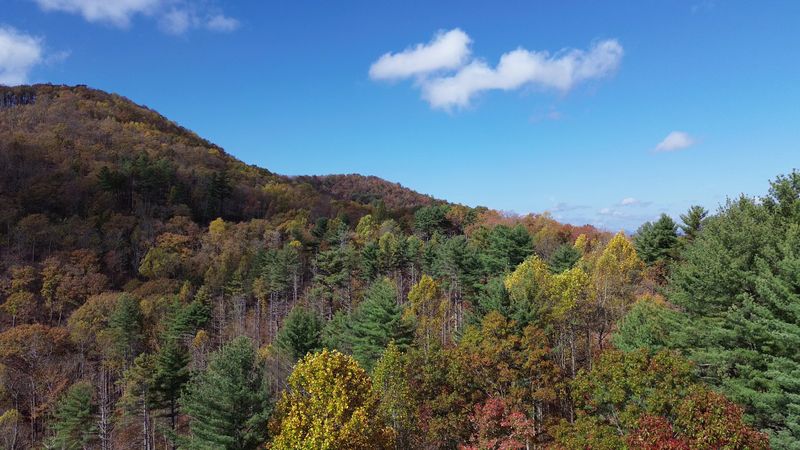
Covering more than 750,000 acres across northern Georgia, this massive forest offers endless opportunities for outdoor adventures. Waterfalls cascade down rocky cliffs, rivers rush through valleys perfect for tubing and fishing, and campgrounds nestle under tall pines where you can spend nights under the stars. Every season brings new reasons to explore these protected woodlands.
The forest stretches across multiple counties in North Georgia, with ranger stations in Gainesville, Dahlonega, and other towns providing maps and information. The Brasstown Ranger District office is located at 1881 Highway 515, Blairsville, GA 30512.
Anna Ruby Falls, one of the forest’s most popular attractions, features twin waterfalls that drop 153 feet in a stunning display.
You can rent tubes to float down the Toccoa River or cast a line for trout in countless streams. Mountain biking trails wind through the hills, and camping options range from primitive backcountry sites to developed campgrounds with facilities.
Wildlife watching opportunities abound, especially in early morning hours.
13. Athens Music Scene and College Town Culture

This college town has produced some of rock music’s biggest names, including R.E.M. and the B-52s. Walking down the streets of downtown Athens, you’ll pass venues where legendary bands got their start and bars that still host incredible live music every night of the week.
The energy of University of Georgia students mixes with music lovers to create a scene that feels both historic and cutting-edge.
Downtown Athens centers around Clayton Street and Broad Street in Athens, GA 30601, where dozens of music venues, restaurants, and shops line the walkable streets. The 40 Watt Club at 285 West Washington Street has been a launching pad for bands since 1978.
You can catch live shows any night, from indie rock to country to experimental music that defies categories. Record stores still thrive here, selling vinyl and hosting in-store performances. The Georgia Theatre, a historic venue that’s been rebuilt after a fire, books both local acts and national touring bands.
Food trucks and late-night eateries keep everyone fed between sets.
14. Callaway Gardens Nature Resort
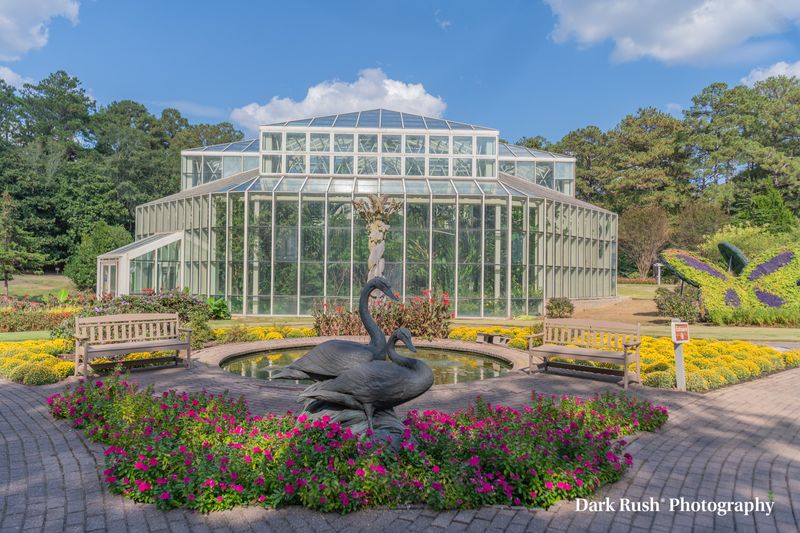
Spanning 6,500 acres of gardens, forests, and lakes, this family-friendly resort offers something different from typical Georgia attractions. You can explore themed gardens showcasing native plants and flowers, zip line through the treetops, or relax on a white sand beach that feels like the coast but sits 80 miles inland. The butterfly conservatory houses hundreds of tropical butterflies that land on visitors as they walk through.
Callaway Gardens is located at 17800 US Highway 27, Pine Mountain, GA 31822, about 70 miles south of Atlanta. The resort charges admission for day visitors, with separate pricing for resort guests staying overnight in the lodges or cottages.
Robin Lake Beach features sand imported from Florida and a swimming area perfect for families with young children. The treetop adventure course includes zip lines, rope bridges, and aerial obstacles at varying difficulty levels. During the holidays, the Fantasy in Lights display transforms the gardens with millions of twinkling lights.
You could easily spend two or three days exploring everything the property offers.
15. Antebellum Architecture and Plantation Tours
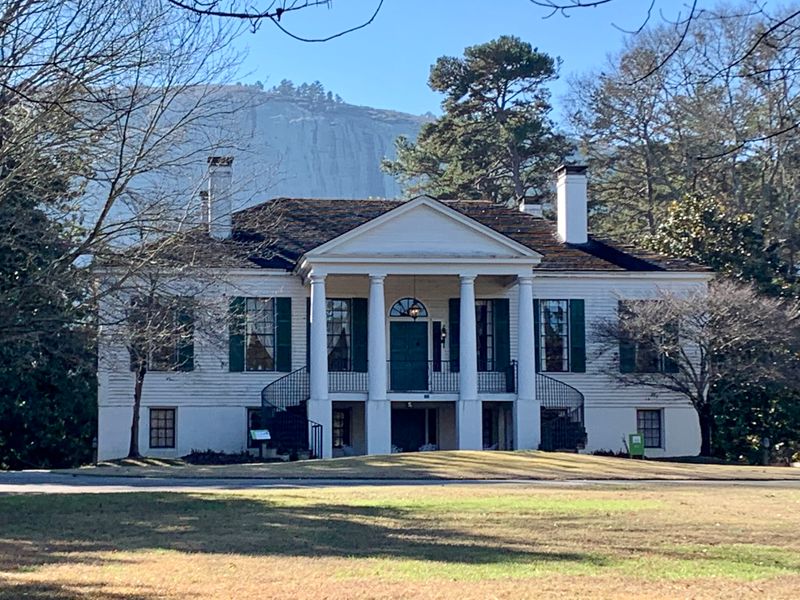
History comes alive when you tour the grand estates and plantations that survived the Civil War era. These historic properties tell complex stories about Georgia’s past, including the painful history of slavery and the architectural achievements of the period. Walking through the mansions and grounds helps you understand both the elegance and the troubling realities of the antebellum South.
The Antebellum Trail runs through central Georgia, connecting several historic towns. Jarrell Plantation Historic Site, located at 711 Jarrell Plantation Road, Juliette, GA 31046, preserves a working farm complex with 20 historic buildings dating from the 1840s to the early 1900s.
Many sites now focus on telling the complete story, including the experiences of enslaved people who lived and worked on these properties.
You’ll see original furnishings, learn about agricultural practices, and understand how these estates operated as self-sufficient communities. Guided tours provide historical context that helps visitors process the complicated legacy.
Spring brings blooming gardens that frame these historic homes beautifully.
16. Warm Springs and FDR’s Little White House
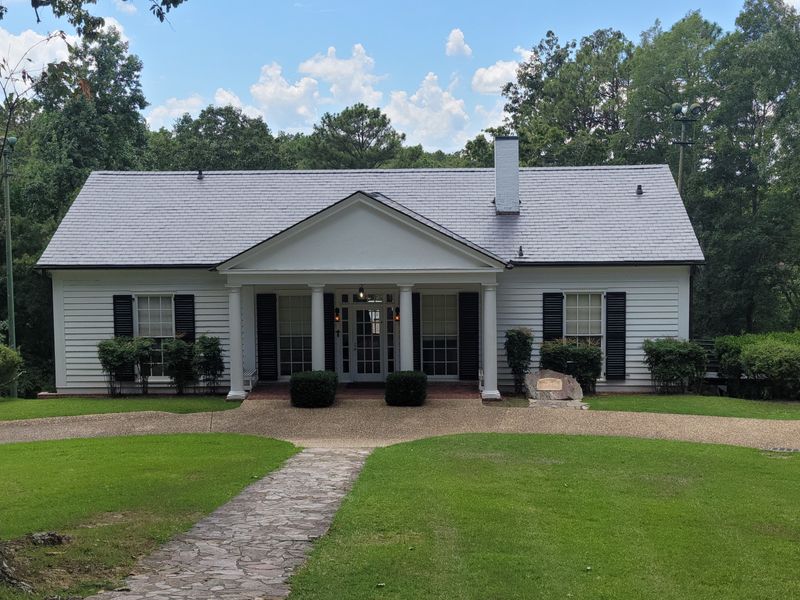
President Franklin D. Roosevelt found comfort and healing in the warm spring waters of this small Georgia town. He built a modest cottage here where he spent time away from Washington, seeking relief from polio in the naturally heated pools.
Touring his preserved home gives you an intimate look at the private life of one of America’s most important presidents.
The Little White House Historic Site is located at 401 Little White House Road, Warm Springs, GA 31830, in the rolling hills of western Georgia. The admission fee includes access to the house, museum, and the pools where FDR and other polio patients sought treatment.
The house remains exactly as it was on the day FDR died there in 1945, with his belongings and furniture still in place. You’ll see the unfinished portrait he was sitting for when he suffered his fatal stroke. The museum displays his custom-made car with hand controls and other personal items.
The springs themselves still bubble up at a constant 88 degrees, though swimming is no longer allowed in the historic pools.