9 Remote Alaska Towns You Can Only Discover Along The Inside Passage Ferry
Some of the best places in the world do not have airports. They have docks, and ferry schedules, and the kind of quiet that only exists when the highway literally ends at the water.
The Alaska Marine Highway is not a tourist attraction.
It is a working transportation system that happens to move people through some of the most staggering coastal scenery on the planet.
Glacier-fed inlets, old-growth forest, and fishing towns that have been doing things their own way since long before anyone thought to write about them line the route from start to finish.
I took the ferry because someone told me it was the only honest way to see Southeast Alaska, and that person was completely right.
You cannot appreciate these towns from a cruise ship deck six stories up. You need to walk off the gangway, smell the salt air, and sit in a diner where the halibut was in the ocean yesterday.
These stops along the Inside Passage changed how I think about travel entirely, and I have not stopped recommending this route to everyone I meet.
1. Ketchikan
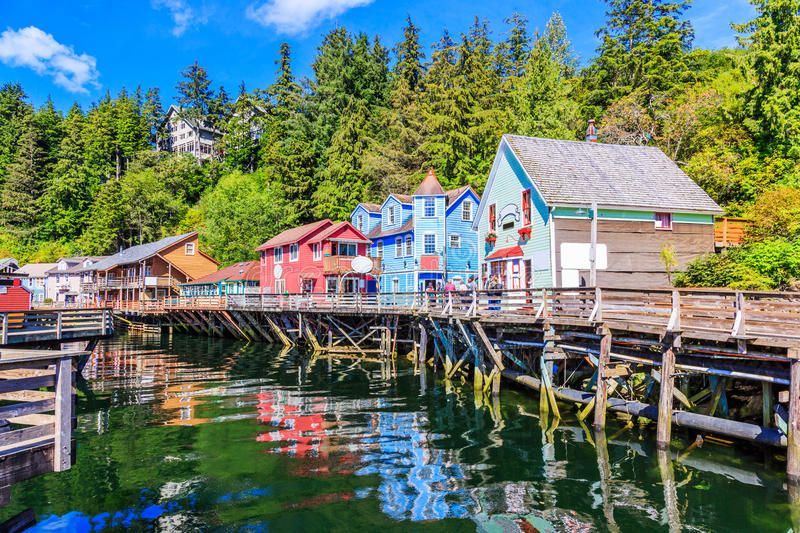
This town greets you like a postcard that somehow smells like fresh salmon and cedar. Perched on the edge of Revillagigedo Island, this is the first port of call on the Inside Passage and it sets the bar high.
Creek Street, a wooden boardwalk built over Ketchikan Creek, is lined with brightly painted buildings that once housed a booming commercial district.
The totem poles here are not decorations. Ketchikan has one of the largest collections of standing totem poles in the world, and the Totem Bight State Historical Park is an absolute must.
Each pole tells a story rooted in Tlingit, Haida, and Tsimshian culture that goes back centuries.
Grab a bowl of chowder at a waterfront spot and watch float planes land between fishing boats.
Ketchikan receives over 150 inches of rain per year, which explains the lush green hills that frame every view. Rain gear is not optional here.
But honestly, walking through the mist makes everything feel more dramatic, and Ketchikan is dramatic in the best way possible.
2. Wrangell
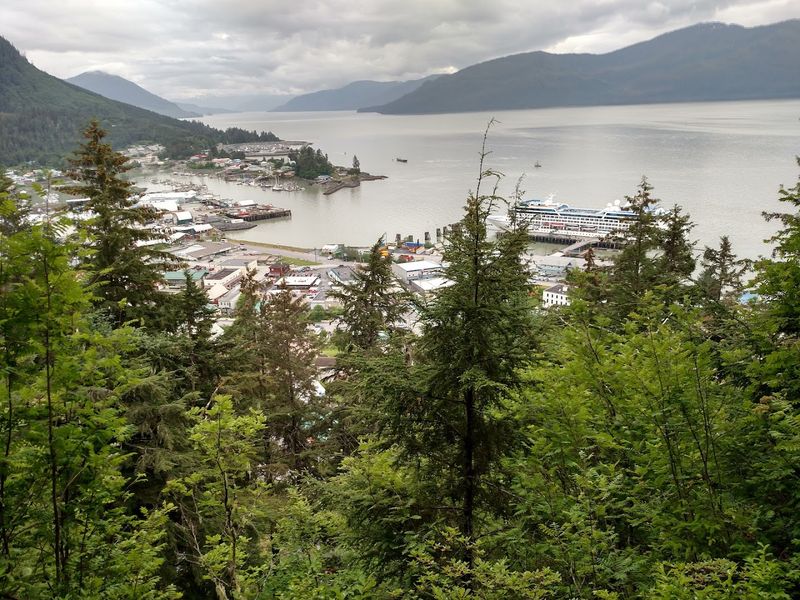
Wrangell is the kind of town that doesn’t try to impress you, and somehow that makes it more impressive. It is the only Alaskan city to have existed under four flags: Tlingit, Russian, British, and American.
That kind of history doesn’t shout at you from a billboard. It just sits quietly in the landscape, waiting for you to notice.
Chief Shakes Island is the heart of the town, accessible by a short footbridge over the harbor. The clan house there was reconstructed in the 1930s and still stands as a powerful symbol of Wrangell’s deep Indigenous roots.
Petroglyphs carved into the beach rocks near town are estimated to be over a thousand years old.
The harbor is small and real, full of working fishing boats rather than tourist yachts. In late spring, the Stikine River delta near Wrangell becomes a staging ground for one of the largest gatherings of bald eagles in North America.
Wildlife here is not a curated experience. It’s just Tuesday.
Located far north, Wrangell rewards the traveler who slows down enough to actually look around and listen to what the locals have to say.
3. Petersburg
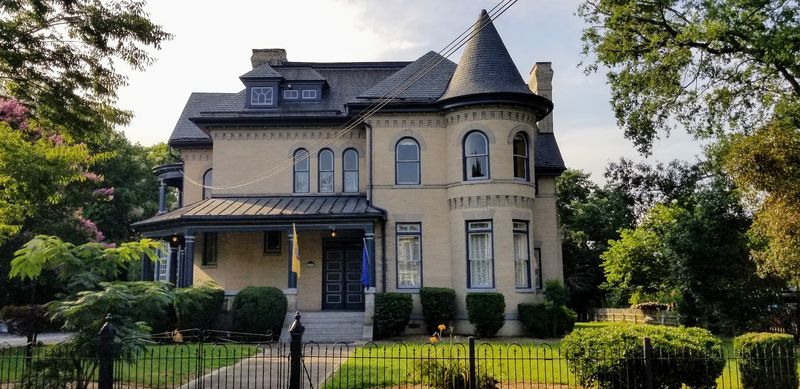
Nobody warned me that a Norwegian fishing village would appear in the middle of Southeast Alaska, but here we are.
Petersburg was founded by Peter Buschmann, a Norwegian immigrant, in the late 1800s, and the Scandinavian influence never really left.
The buildings downtown still sport rosemaling, a traditional Norwegian decorative painting style that makes the whole town feel like a folk art exhibit.
The fishing industry here is serious business. Petersburg is home to one of the most productive commercial fishing fleets in Alaska, and the docks reflect it.
resh halibut, king crab, and shrimp move through this harbor at a pace that keeps things lively year-round.
The Le Conte Glacier is nearby, and boat tours from town take you close enough to hear the ice crack.
Seeing a glacier from a small boat with no crowds around you is the kind of moment that resets your sense of scale entirely.
Petersburg sits north on Mitkof Island, and the surrounding Tongass National Forest makes every view feel impossibly green.
The town even holds an annual Norwegian festival called Little Norway that draws visitors who feel like they’ve accidentally booked a flight to Scandinavia.
4. Sitka
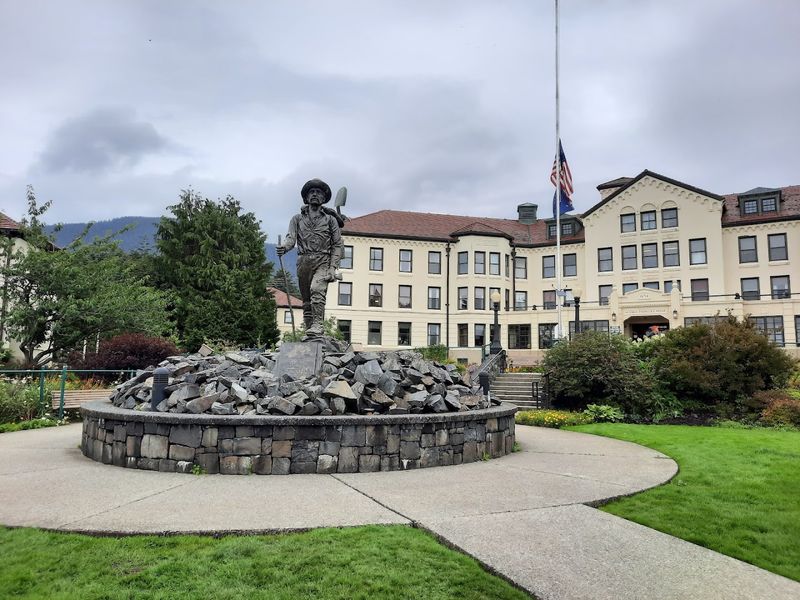
Sitka is the overachiever of the Inside Passage. It was once the capital of Russian America, and the bones of that history are still very much visible.
The onion-domed Saint Michael’s Cathedral sits right in the center of town, a striking reminder that this corner of Alaska once flew the Russian Imperial flag.
Sitka National Historical Park is the site of the 1804 Battle of Sitka between Russian forces and the Kiks.adi Tlingit clan.
Walking the totem pole trail through old-growth forest while knowing that history unfolded right under your feet adds serious weight to the experience. The park is free and genuinely beautiful.
The Alaska Raptor Center rehabilitates injured bald eagles and other birds of prey. Standing a few feet from a bald eagle that could not care less about your presence is humbling in the best possible way.
Sitka sits north on the west coast of Baranof Island, facing the open Pacific. That means weather can be dramatic.
It also means the sunsets, when they happen, are extraordinary. Sitka is the kind of place where history, wildlife, and landscape compete for your attention, and somehow all three win at once.
5. Juneau
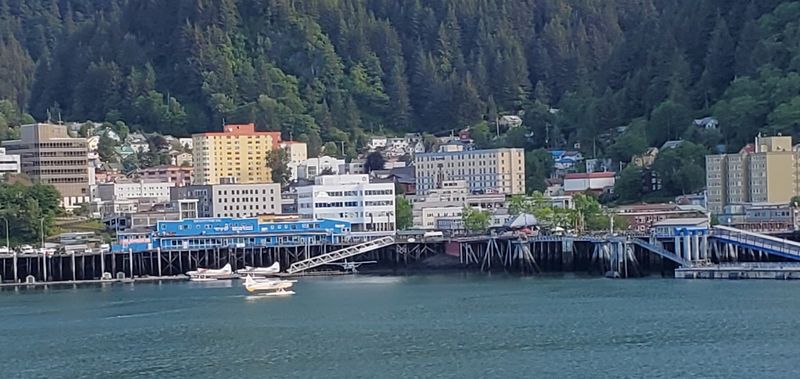
This is the only state capital in the United States that cannot be reached by road, which tells you everything you need to know about Alaska’s relationship with the concept of convenience.
The city sprawls between steep mountain walls and the Gastineau Channel, and it works with that geography rather than against it. The result is a place that feels genuinely dramatic just walking around downtown.
Mendenhall Glacier sits about twelve miles from the city center and is one of the most accessible glaciers in Alaska.
You can hike to the face of it on a trail that winds through old-growth forest and past salmon-filled streams. The glacier is retreating, so visiting now matters more than it did a decade ago.
Juneau has a surprisingly good food scene for a city of its size, and the Mount Roberts Tramway offers a bird’s-eye view of the whole channel.
The state capitol building is open for tours and is far less intimidating than you might expect from a seat of government.
Juneau gets around 61 inches of rain per year. Locals wear rain jackets the way other people wear t-shirts, and they do it with complete confidence.
6. Hoonah
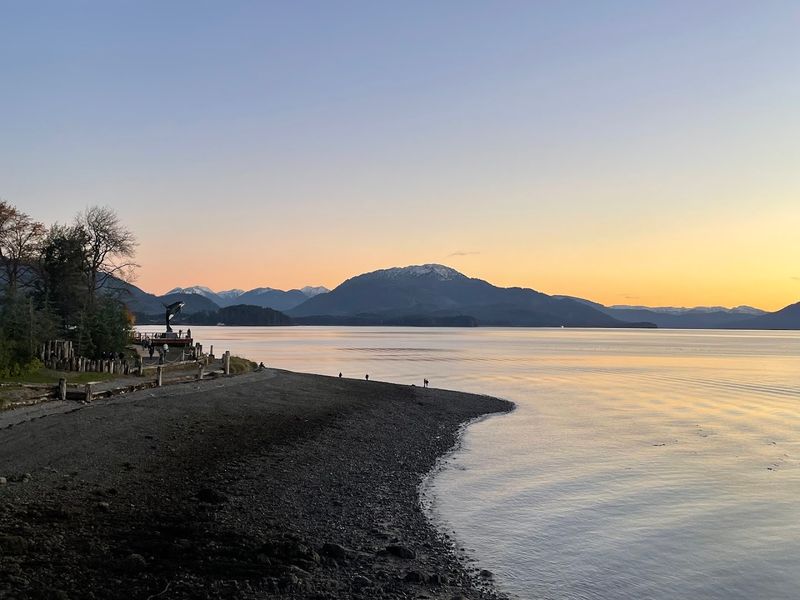
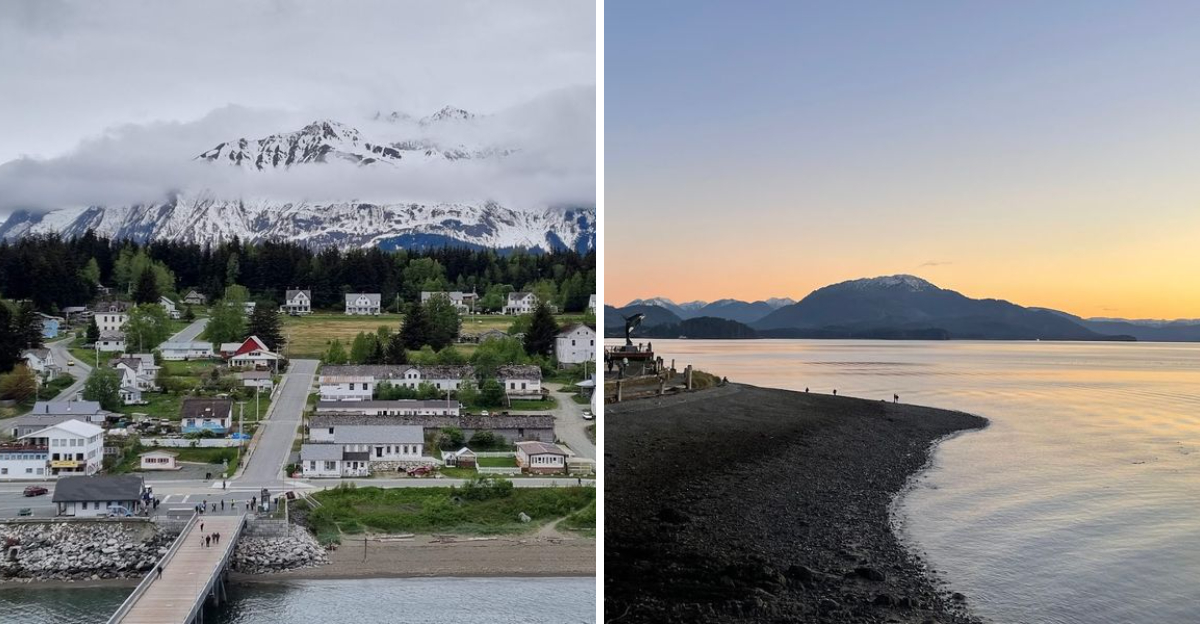
Hoonah is not on most people’s radar, and that’s exactly what makes it worth stopping for. It’s the largest Tlingit village in Alaska, sitting on the north shore of Chichagof Island along Icy Strait.
The community here has deep ancestral ties to Glacier Bay, land that their ancestors were displaced from when the ice advanced centuries ago.
Icy Strait Point, a former cannery turned cultural tourism destination, operates just outside of town. The cannery building itself has been preserved and converted into a museum and gathering space.
The zip line there is reportedly one of the longest in the Western Hemisphere, but the real draw is the whale watching. Humpback whales feed in Icy Strait in numbers that will genuinely make your jaw drop.
The town of Hoonah degrees north is small, quiet, and proud. Local guides offer forest and cultural tours that feel personal rather than packaged.
You get the sense that the people here are sharing something real, not performing it for tourists.
If you come on the ferry and stay even one night, you’ll understand why the Tlingit people have called this stretch of coastline home for thousands of years.
7. Angoon
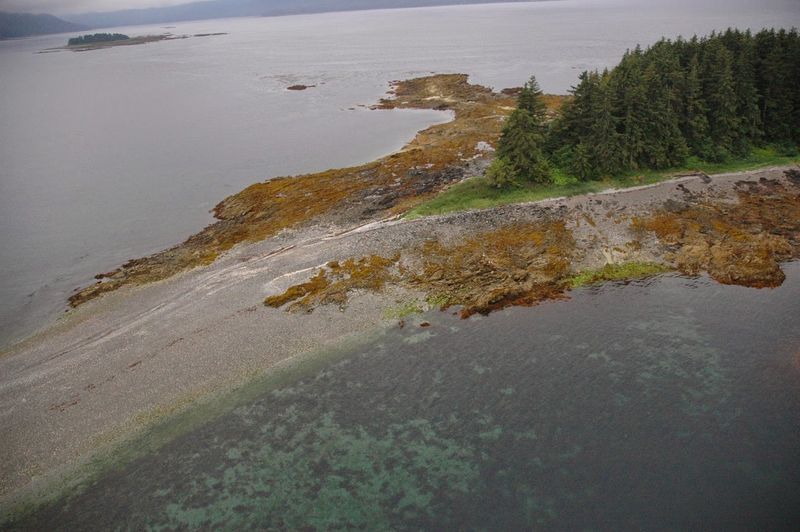
Getting to Angoon requires some commitment, and that’s part of what keeps it special.
This small Tlingit community on Admiralty Island is accessible only by ferry or floatplane, and it has no roads connecting it to anywhere else.
The population hovers around 450 people, which means everyone knows everyone, and visitors are noticed in a warm rather than uncomfortable way.
Admiralty Island National Monument surrounds the community and is one of the most bear-dense places on Earth. The island has more brown bears per square mile than almost anywhere in North America.
Canoe routes through the monument are legendary among wilderness paddlers who plan trips months in advance.
Pack Creek, a short boat ride from Angoon, is a world-famous bear viewing site managed by the U.S. Forest Service.
Watching brown bears fish for salmon in a tidal estuary with no guardrails and no crowds is a completely different category of wildlife experience.
Pace of life here is slow in a way that feels intentional. The community has resisted over-development for decades, and the result is a place that still feels genuinely untouched.
Come here if you want real Alaska, not a version of it designed for comfort.
8. Haines
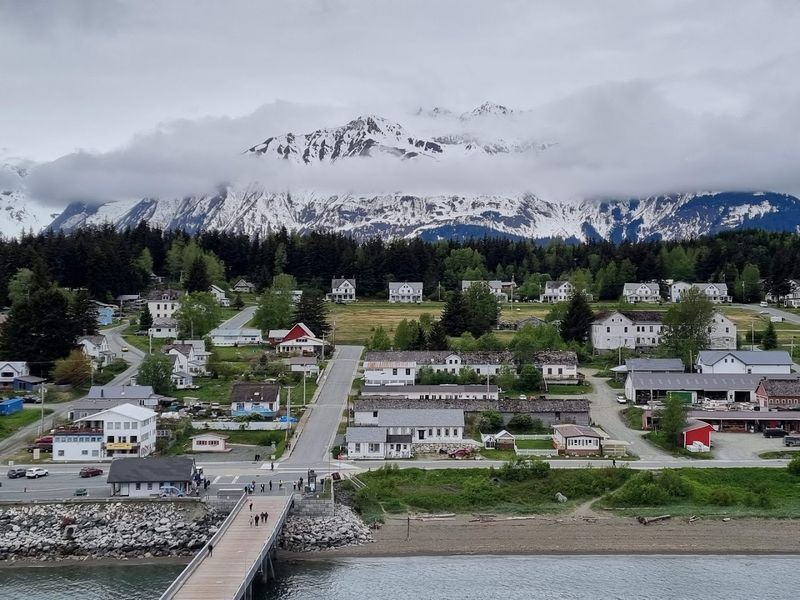
Haines sits at the end of the Lynn Canal, which is the longest and deepest fjord in North America, and the scenery on the ferry ride in will make you forget whatever you were worried about before you boarded.
The Chilkat Range frames the town on three sides, and when the light hits those peaks in the late afternoon, the whole scene looks almost too perfect to be real.
The Chilkat Bald Eagle Preserve outside of town protects the world’s largest gathering of bald eagles. Every fall, thousands of eagles congregate along the Chilkat River to feed on late-run salmon.
Thousands. Not dozens.
It’s one of those wildlife events that sounds exaggerated until you’re standing in the middle of it.
Haines has a creative community that punches well above its weight. Local galleries, a small brewery culture, and the Sheldon Museum and Cultural Center make the town feel lively year-round.
Fort William H. Seward, a decommissioned military post from the early 1900s, sits at the edge of town and has been repurposed into artist studios and cultural spaces.
Haines is one of the few Inside Passage towns connected to the road system, but the ferry approach is still the most memorable way to arrive.
9. Skagway
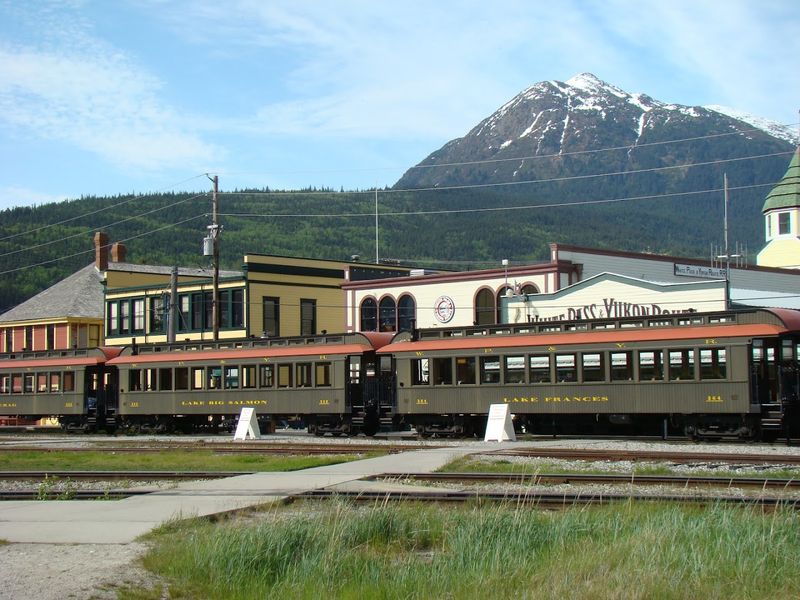
This town is where the Gold Rush happened, and the town has never quite gotten over it, in the most entertaining way possible.
During the Klondike Gold Rush of 1898, tens of thousands of prospectors flooded through this narrow valley on their way to the Yukon.
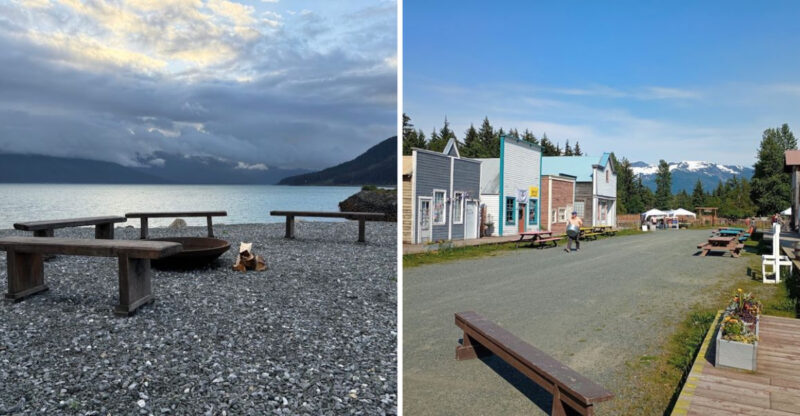
The buildings on Broadway Street have been preserved so well that walking through town feels like stepping onto a film set, except everything is real.
The White Pass and Yukon Route Railroad is one of the engineering marvels of the late 19th century.
The narrow-gauge line climbs 2,865 feet in 20 miles through some of the most dramatic mountain terrain you will ever see from a train window. Riding it even partway is worth every penny of the ticket price.
The mountains around it are steep and close.
The Klondike Gold Rush National Historical Park maintains the historic district and offers ranger-led programs that bring the story of 1898 to life without making it feel like a history lesson.
The town gets busy with cruise ship visitors in summer, but arriving by ferry gives you a slightly different perspective. You come in from the water the same way the gold seekers did, and that connection to the past is quietly powerful.