Residents In This Georgia County Forced A Vote On A $17 Billion Data Center Project
Organizers submitted a petition with about 14,800 signatures seeking to overturn the rezoning for a proposed $17 billion data center. That is not a typo.
Residents gathered enough signatures to force a countywide vote on whether to repeal the rezoning and restrict future data centers.
The plan calls for nine buildings and two substations on about 830 acres of rural land. It would need around 900 megawatts of power.
That is roughly what one nuclear reactor at Plant Vogtle produces.
I like how this fight shows that local government still belongs to local people. Here in Georgia, a rarely used rule in the state constitution gave residents a real shot at the final word.
Now the whole county gets to decide. Will voters keep the current zoning rules or adopt restrictions that could block the project?
I can’t imagine a more interesting ballot to watch.
A Quiet Rural County Suddenly Became The Center Of A Tech Fight
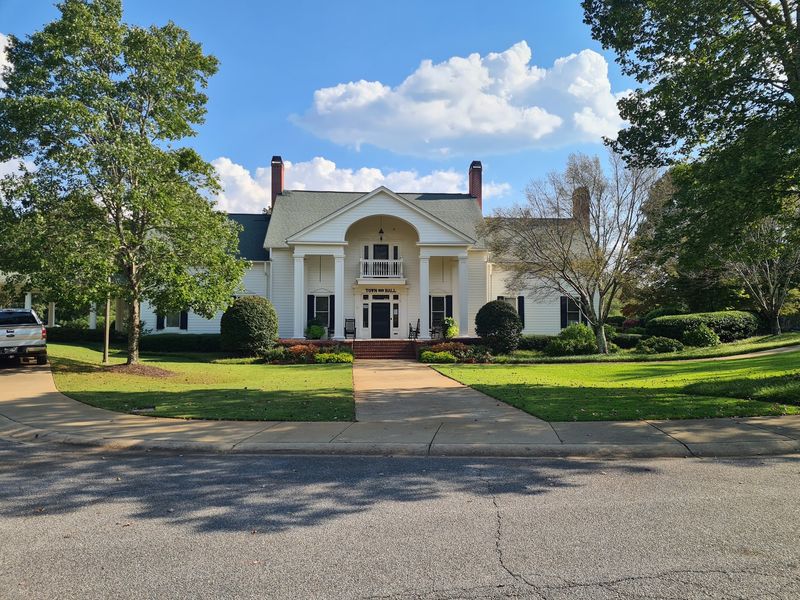
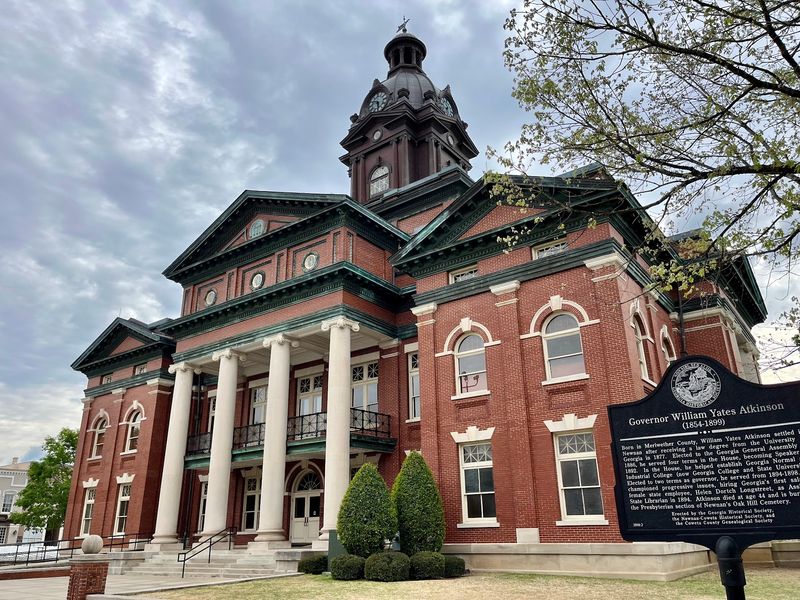
Coweta County, Georgia sits about 35 miles southwest of Atlanta. Its county seat is Newnan, and its 2020 census population was 146,158 people.
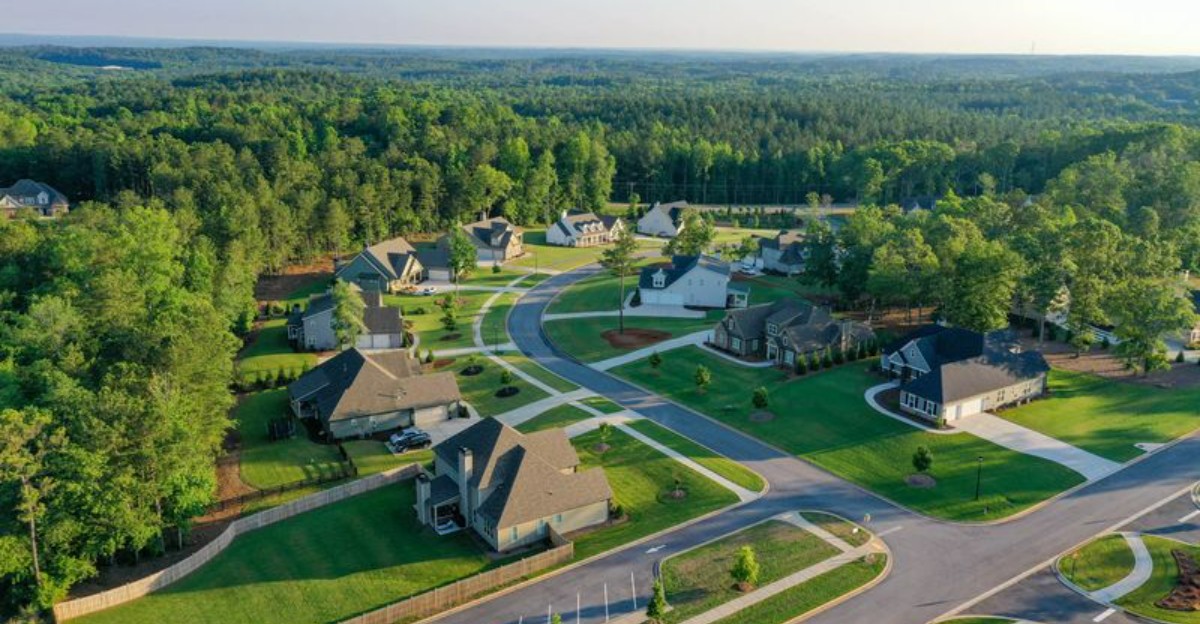
For years, plenty of the county has stayed green and open. Pastures, woods, and back roads still shape daily life outside the busier parts of town.
That calm got shaken by a proposal called Project Sail. The plan would put a massive data center campus on rural land near Welcome to Sargent Road and Wagers Mill Road.
Data centers are huge buildings full of computer servers. They power the apps, videos, and online tools people use every day.
The catch is size. Hyperscale campuses like this one use enormous amounts of electricity and water, so they change the land around them in a big way.
Coweta is part of metro Atlanta, which makes it attractive to tech developers. Land is available, and the city is close enough for business.
Residents, though, started asking a simple question. What happens to a rural place when industry this big moves in next door?
That question kicked off one of the most closely watched local fights in the state.
Nine Buildings, Two Substations, And A Very Big Price Tag
Seventeen billion dollars. That is the estimated value of Project Sail, and it is hard to wrap your head around.
The applicant is Atlas Development, LLC. Prologis, Inc. has been identified as the buyer of the land.
Plans call for nine buildings and two electrical substations. The campus would cover roughly 829 to 830 acres of Coweta County.
For comparison, a typical football field is a little over one acre. So this site could hold hundreds of football fields with room to spare.
The power needs are just as wild. The project would require around 900 megawatts of electricity.
That is about the same output as one of the nuclear reactors at Plant Vogtle. Yes, a single campus could need a reactor’s worth of energy.
Supporters point to the money such a project might bring in. Big investments can mean tax revenue and construction work.
Critics answer that the numbers deserve a hard look. Some analyses suggest actual tax revenue could come in lower than the developer’s claims.
That debate became a big part of why so many neighbors started paying attention.
The Land Underneath Matters More Than You Might Guess
Groundwater does not get much attention until somebody threatens it. In Coweta County, that moment arrived fast.
The Project Sail site sits in the Middle Chattahoochee River basin. Georgia has labeled the land a Most Significant Groundwater Recharge Area.
That label is a big deal. Recharge areas are spots where rain soaks into the ground and refills underground water supplies.
Paving and building over these areas can affect how much water reaches those supplies. Many rural families rely on wells, so the stakes feel personal.
Hyperscale data centers can use millions of gallons of water for cooling. Those servers run hot, and keeping them cool takes serious resources.
Residents worried about what that could mean for local water and the power grid. Both concerns came up again and again during the debate.
Here’s a helpful tip for anyone following land use in their own town. Look up whether a proposed site carries special state environmental labels.
Those designations often explain why neighbors push back so hard, and they can shape how officials weigh a project.
Rural Conservation Land Was About To Go Fully Industrial
Zoning sounds dull until it decides what gets built behind your house. Then everyone suddenly becomes an expert.
The Project Sail land was zoned for rural conservation. To build the campus, Atlas Development needed it changed to industrial use.
The developer first filed its rezoning request in December 2024. Months of public debate followed.
On December 16, 2025, the Coweta County Board of Commissioners approved a new data center ordinance. Community input helped shape that discussion.
Then, in January 2026, the developer revised its application. It asked for an even more intensive industrial classification.
The big moment came on April 7, 2026. Commissioners voted 3-2 to approve rezoning 829 acres for the project.
A split vote like that tells you something. Even the county’s own leaders did not fully agree.
For residents, the decision felt like a turning point. Many believed the rural character of the county was on the line.
Rather than accepting the result, they started looking for every legal tool Georgia law offered.
Neighbors Took The Fight Straight To Court
Less than a month after the vote, residents filed a lawsuit. They were clearly not in the mood to wait around.
On May 5, 2026, the case landed in Coweta County Superior Court. It named both Coweta County and Atlas Development, LLC as defendants.
The lawsuit argued the county abused its zoning powers. It also claimed the approval violated residents’ constitutional due process rights.
Due process simply means the government has to treat people fairly when it makes decisions. Residents felt that standard was not met.
The petitioners asked the court to declare the rezoning void. They also wanted construction of the data center campus permanently blocked.
That is a bold request. Courts usually give local governments plenty of room on zoning.
Still, the lawsuit added pressure. It meant Project Sail was now officially contested, even after winning approval.
The developer has said it remains committed to the project. So the legal fight continues alongside everything else.
If you ever face a zoning decision you disagree with, this case shows that appeals have tight deadlines worth knowing.
Fourteen Thousand Signatures Changed Everything
Collecting a few hundred signatures is hard work. Citizens for Rural Coweta gathered more than 14,800.
The grassroots group formed to oppose Project Sail. On October 16, 2026, it submitted its petition to the county.
Not every name counted, which is normal. Still, more than 11,000 signatures were certified as valid.
That mattered because the law set a clear target. Coweta County needed 10,971 valid signatures to force a public vote.
The group cleared that bar with room to spare. Somebody deserves a very long nap after that effort.
Think about what that number represents. Thousands of conversations, clipboards, and doorsteps across the county.
A practical lesson stands out here for any community group. Always collect well above the minimum, because some signatures will get tossed during review.
The push also shows how much residents cared about rural life, property values, and local resources. People rarely sign petitions in those numbers over something minor.
In Coweta, the response made it clear the data center question was not going away quietly.
An Old Georgia Rule Gave Voters The Final Say
Most people have never heard of the Home Rule provision. After this fight, plenty of Georgians probably know it by heart.
The rule lives in the Georgia Constitution. It lets residents challenge certain decisions made by their county government.
For counties with more than 50,000 people, the bar is high. Organizers need signatures from at least 10 percent of registered voters from the last general election.
Coweta easily qualifies as a large county. That is why the target landed at 10,971 names.
The developer did not sit quietly. Atlas Development LLC filed an objection to the petition.
On November 23, 2026, Coweta County Probate Court Judge Carrie B. Markham ruled on the matter.
She validated the petition and dismissed the developer’s objection.
Her orders cleared the path for a special election. That single ruling turned a neighborhood campaign into a countywide decision.
The takeaway is pretty encouraging. State law gives regular people real tools, even against billion-dollar projects.
Knowing those tools exist can make a big difference in how communities respond to major changes.
What A Yes Vote Would Actually Do
Mark your calendar for January 12, 2027. That is when Coweta County voters head to the polls for the special election.
The ballot question packs a lot into one choice. A yes vote would repeal the April 7, 2026, rezoning decision for Project Sail.
It goes further than that, though. A yes vote would also ban future data centers and cryptocurrency mining facilities in every zoning district across the county.
So this is not only about one project. It could shape what kind of development the county allows for years.
If approved, data center rules would come out of the county’s zoning code. That could stop other projects in unincorporated Coweta County too.
A smart move before any local election is reading the full ballot language early. Short summaries can leave out important details.
Voters should also check their registration status and polling place ahead of time. Special elections often draw smaller crowds, so each ballot carries extra weight.
In a race this important, a handful of votes could decide the future of 830 acres.
Why The Whole Country Is Watching Coweta
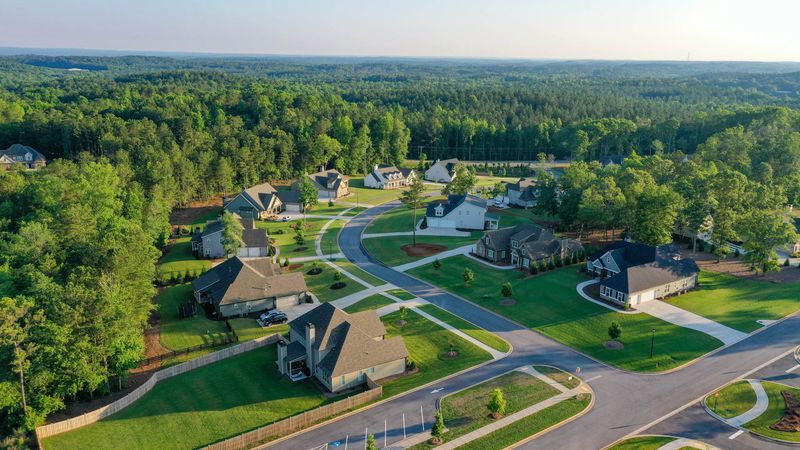
Data centers are popping up all over America. Few communities, however, have pushed back as loudly as Coweta County.
National outlets have covered the story, along with Atlanta news stations. The fight touches on questions many towns now face.
How much power can the grid handle? What happens to water supplies?
Who gets to decide what rural land becomes?
Residents here raised all of those concerns. They also worried about property values and the quality of everyday life.
The developer still believes in the project. Supporters see economic promise in a campus worth billions.
That tension makes the result worth following, no matter which side wins. Other Georgia counties may look to Coweta as an example.
Remember, both a lawsuit and a referendum are still in play. Project Sail remains approved on paper but very much under challenge.
For anyone living near proposed big developments, Coweta offers a clear roadmap. Show up to meetings, learn your zoning rules, and know your legal options.
One county’s ballot could end up shaping conversations far beyond west Georgia.