11 San Francisco, California Restaurants Hidden Away In Forgotten Historic Buildings
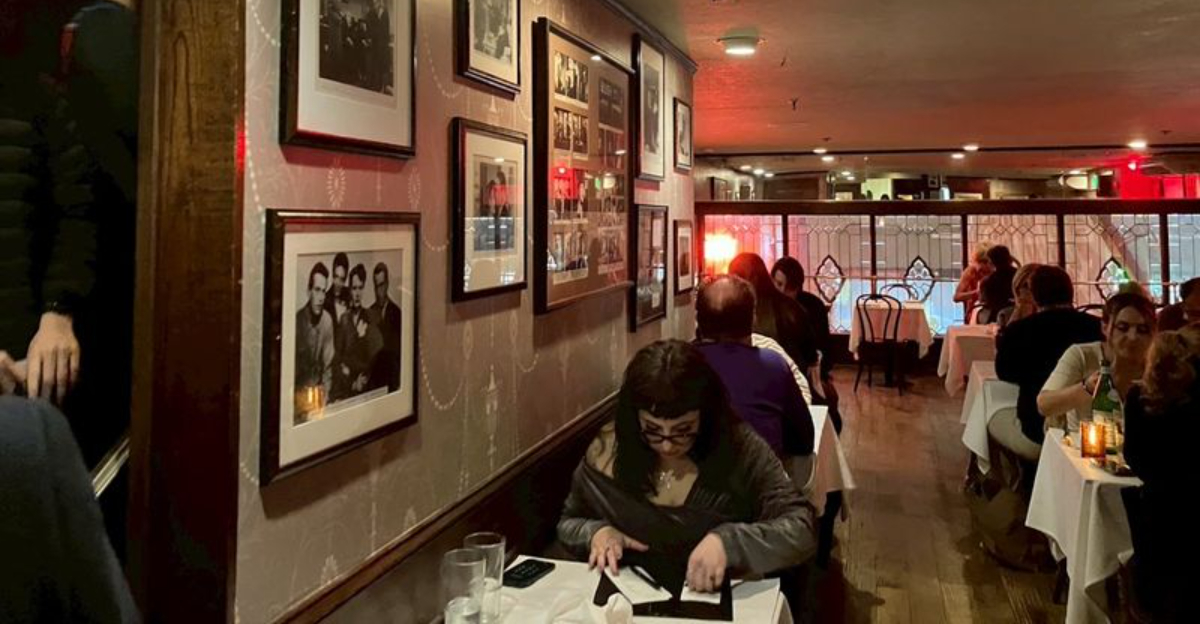
San Francisco dining can begin with a doorway that looks far too ordinary for what waits beyond it.
Step inside, and the setting may reveal old brick walls, weathered beams, former industrial spaces, or architectural details left behind by another era.
These restaurants do more than serve memorable food. They give overlooked buildings a second life without erasing the character that made them worth saving.
Across California, few cities layer history and dining quite so naturally.
Part of the appeal comes from discovery. A quiet facade may conceal a dramatic interior, while a building passed countless times can suddenly feel completely new.
The past remains visible, but the atmosphere never feels frozen in time.
These 11 restaurants invite guests to look beyond the menu and notice the rooms themselves. Every archway, staircase, and worn surface adds context to the meal.
1. Cafe Zoetrope
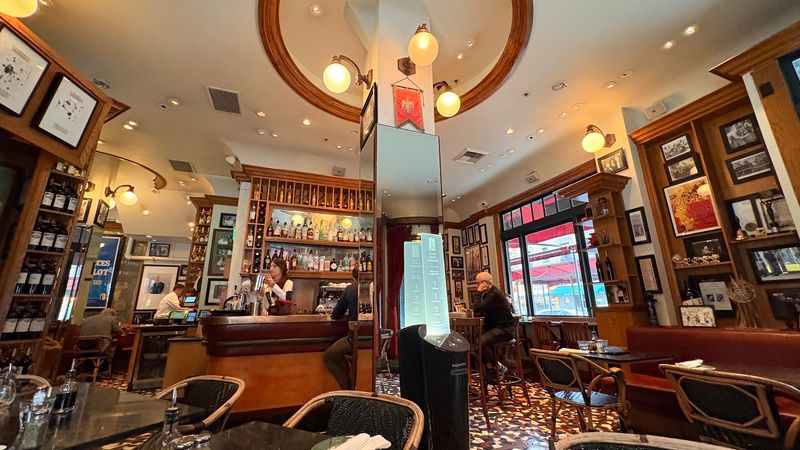
The copper-green Sentinel Building at 916 Kearny St, San Francisco, CA 94133 is the kind of landmark that stops people mid-stride on the sidewalk.
Shaped like a flatiron and finished in that distinctive oxidized patina, the building went up shortly after the 1906 earthquake and has been a recognizable part of the North Beach skyline ever since.
Most people admire it from the outside without realizing that a full Italian cafe operates on the ground floor.
Cafe Zoetrope is connected to filmmaker Francis Ford Coppola, and the interior reflects that cinematic identity clearly.
Film memorabilia lines the walls, and the dining room maintains an intimate scale that feels more like a neighborhood gathering place than a tourist stop.
Pasta, panini, and classic Italian plates make up the core of the menu, keeping things approachable and satisfying.
The cafe tends to draw a mix of locals and visitors who are curious about both the food and the building’s story.
Lunch is a particularly relaxed time to visit, when the pace slows and the North Beach neighborhood settles into its quieter rhythm.
The Sentinel Building alone is worth seeking out, and the cafe inside gives visitors a genuine reason to linger longer than a passing glance allows.
2. Bix
Finding the entrance to Bix requires a short detour down Gold Street, a narrow lane tucked into the Jackson Square Historic District that most visitors never notice.
The building itself was constructed after the 1906 earthquake as a warehouse, and its exterior still carries that restrained industrial character.
Found at 56 Gold St, San Francisco, CA 94133, nothing about the outside prepares a visitor for what waits within.
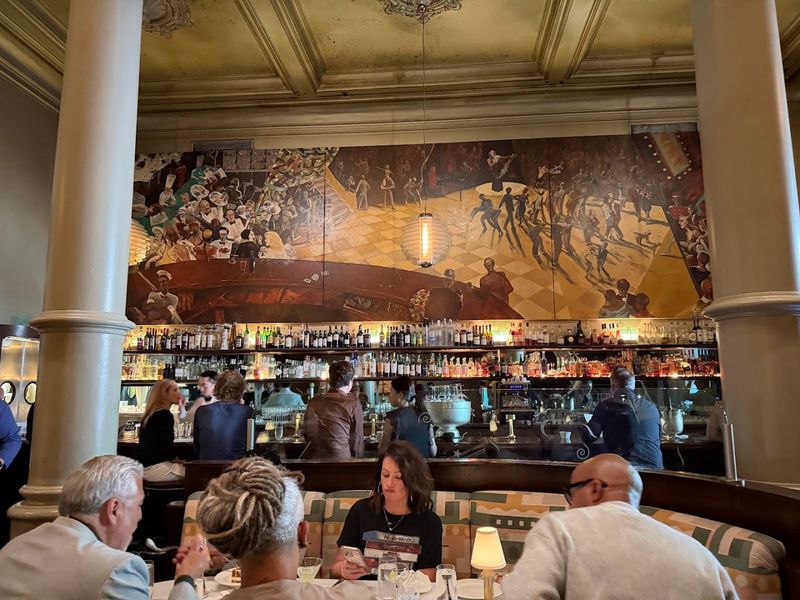
Beyond the door, the space opens into a soaring supper-club dining room with double-height ceilings, curved banquettes, and warm amber lighting that gives the room a cinematic quality.
Live jazz plays most evenings, filling the space with sound that feels genuinely suited to the architecture rather than added as an afterthought.
The combination of the music, the lighting, and the scale of the room creates an atmosphere that is difficult to find anywhere else in the city.
The menu leans toward classic American dishes with refined technique, and the kitchen handles both lighter starters and more substantial plates with equal care.
Bix works well for a leisurely dinner where the meal itself is only part of the reason for being there.
The sense of discovery that comes from finding the place on foot adds something to the experience that a more visible address simply could not replicate.
3. Old Ship Saloon
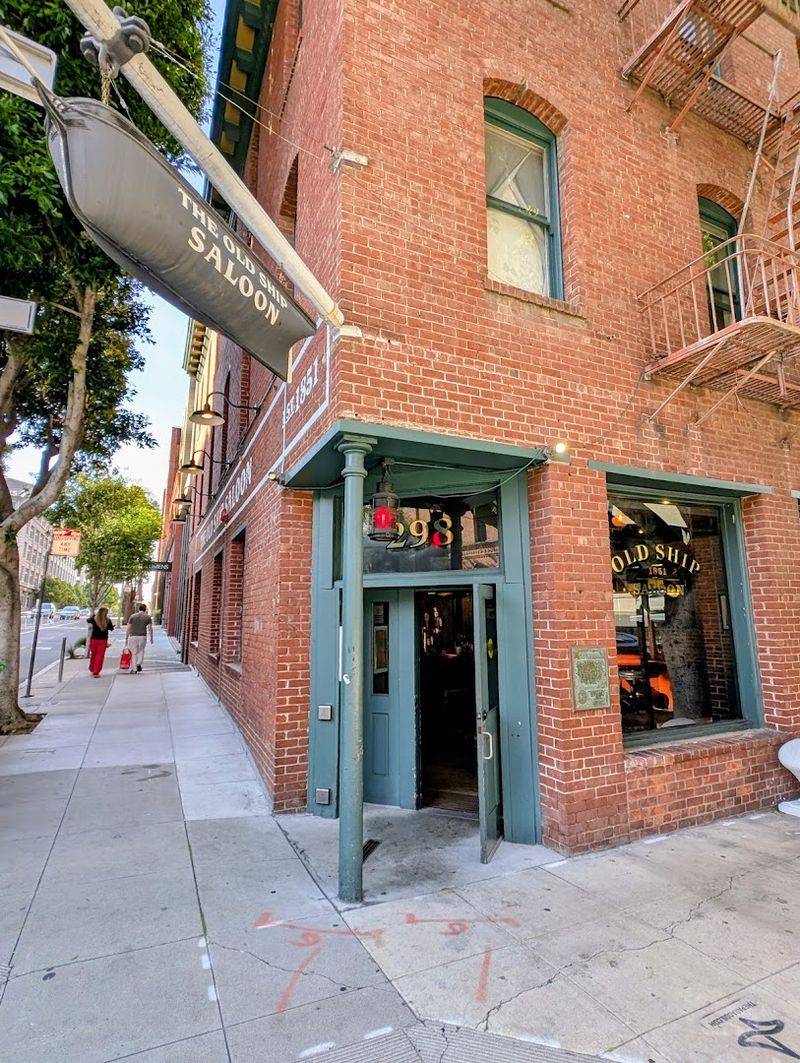
Few restaurants in San Francisco carry a backstory as layered as the one belonging to the Old Ship Saloon.
The history beneath this Jackson Square address reaches back to the Gold Rush, when the hull of the ship Arkansas was used as part of the building’s original foundation.
That kind of origin story is not something a newer construction can manufacture, and it gives the space a weight that feels genuinely earned.
The interior keeps things comfortable and unpretentious, with a menu built around burgers, sandwiches, and familiar comfort food that suits the casual energy of the room.
It is the sort of place where the food is satisfying without being the main reason people seek it out.
The Gold Rush-era character of the space is what lingers after the meal. Old photographs and period details give the dining room a sense of accumulated history rather than staged decoration.
Visiting on a weekday afternoon tends to offer a quieter experience, which makes it easier to appreciate the building itself and the remarkable fact that it has been welcoming guests in some form for well over a century.
Situated at 298 Pacific Ave, San Francisco, CA 94111, the building survived decades of transformation in the neighborhood around it and continues to operate as one of the city’s oldest continuously running hospitality spaces.
4. Foreign Cinema
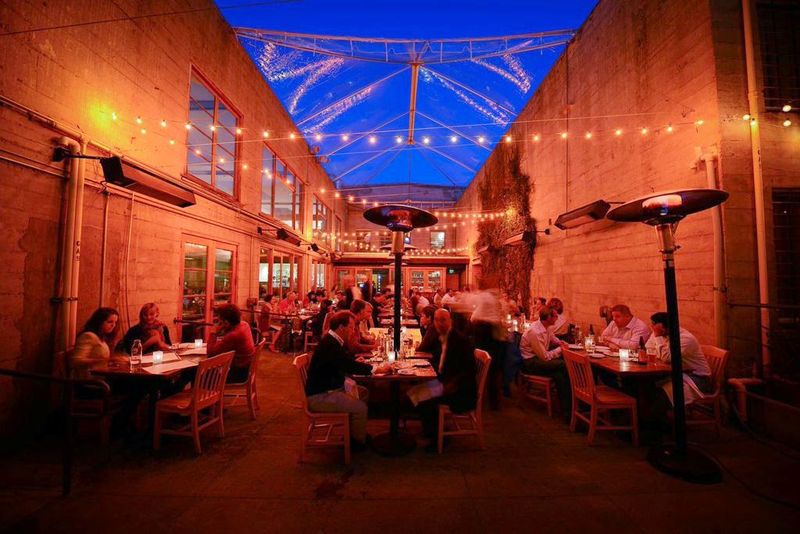
A plain entrance along Mission Street gives almost nothing away about what sits behind it.
Foreign Cinema at 2534 Mission St, San Francisco, CA 94110 was built around the shell and courtyard of an old neighborhood movie theater, and the building’s cinematic past remains visible in the most literal way possible.
Films are projected onto the courtyard wall during dinner service, turning the open-air space into something that feels part restaurant and part outdoor screening.
String lights overhead keep the courtyard warmly lit as the evening settles in, and the combination of the projected image, the ambient sound, and the surrounding brick walls creates an atmosphere that is genuinely hard to categorize.
The menu draws from California and Mediterranean influences, with oysters, seasonal produce, and wood-fired preparations appearing regularly throughout.
The kitchen takes the food seriously even as the setting encourages a relaxed pace.
The covered interior dining room offers a quieter option for guests who prefer a more sheltered seat, though the courtyard is the experience most visitors come specifically to find.
Brunch on weekends has developed a following of its own, drawing a neighborhood crowd that fills the space with an easy, unhurried energy.
Arriving with time to settle in before the film begins adds a layer of anticipation that makes the meal feel like a full evening rather than just a stop for food.
5. The Garden Court
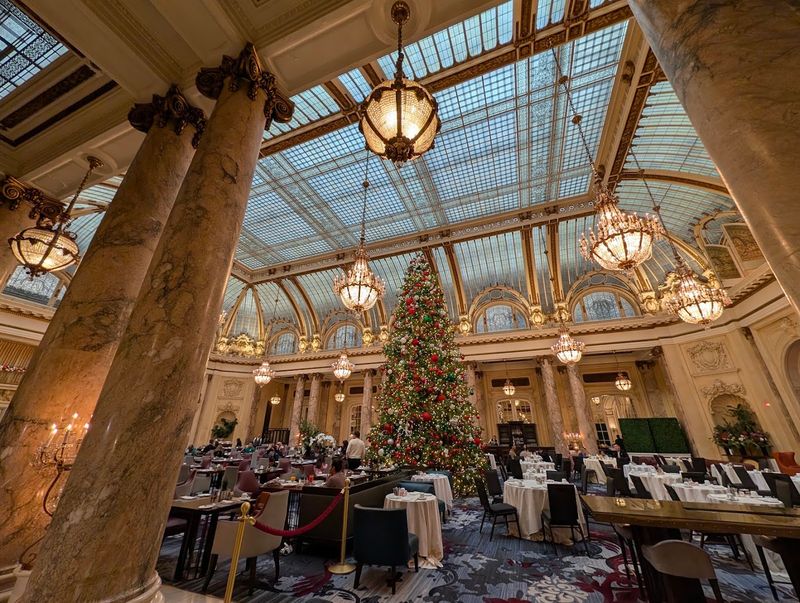
Walking through the lobby of the Palace Hotel does not fully prepare a visitor for the moment the Garden Court comes into view.
An enormous glass dome stretches overhead, flooding the room with diffused light that shifts gently throughout the day and gives the space a quality that feels almost impossible to achieve with modern construction.
The rebuilt hotel opened in 1909, and the Garden Court has been one of the city’s grandest surviving historic restaurant spaces ever since.
At 2 New Montgomery St, San Francisco, CA 94105, the Palace Hotel’s dining room operates at a scale that makes it feel more like a public monument than a private restaurant.
Ornate columns line the room, and the architectural details at every level reinforce the sense that this space was designed to leave an impression that outlasted any single occasion.
Weekend brunch is among the most popular times to visit, drawing guests who want the full effect of the room in its best light.
The menu leans toward classic American and continental preparations, with the kitchen maintaining a level of care that suits the formality of the surroundings.
Dress tends to be smart casual, and the pace of service matches the unhurried grandeur of the room itself.
For a dining experience where the architecture is as memorable as anything on the plate, the Garden Court holds a position in San Francisco that very few spaces can challenge.
6. Kokkari Estiatorio
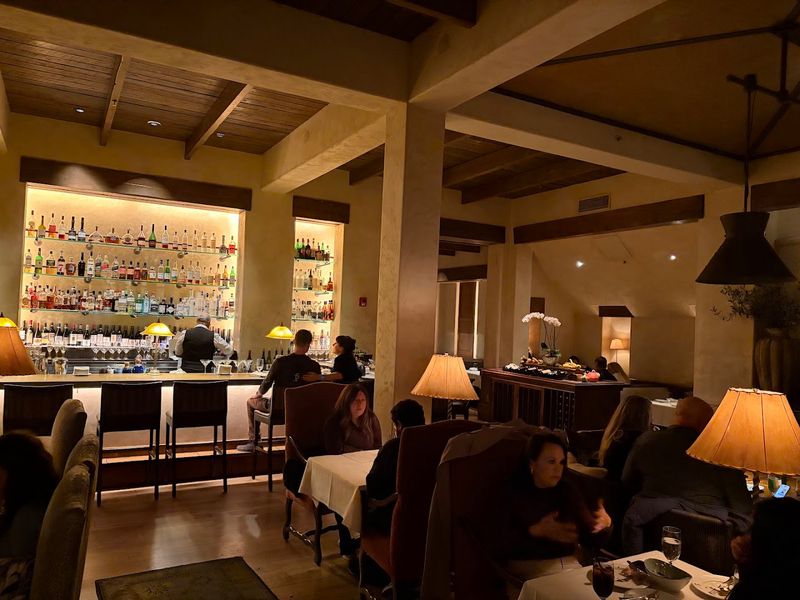
Heavy wooden beams run across the ceiling and a large fireplace anchors one end of the room with the kind of warmth that makes a cold San Francisco evening feel genuinely inviting.
Kokkari Estiatorio at 200 Jackson St, San Francisco, CA 94111 occupies a discreet brick structure near the historic Jackson Square waterfront.
The Greek restaurant’s interior feels as though it has been operating inside an old Mediterranean country house for far longer than its actual years in the city.
The rustic aesthetic is not decorative in a superficial sense. The materials feel substantial and the proportions of the room feel settled, as though the space grew into itself over time.
That quality of accumulated character is something the neighborhood around it shares, given that Jackson Square is one of the few areas in San Francisco where pre-earthquake commercial buildings still stand.
The menu focuses on traditional Greek cooking with a California sensibility, featuring roasted meats, fresh seafood, and vegetable preparations that reflect both the Mediterranean source material and the quality of local ingredients.
Lamb dishes and whole roasted fish appear regularly and are among the items that draw repeat visitors back.
The combination of the fireplace, the wooden beams, and the food makes Kokkari one of those restaurants that genuinely rewards a cold or foggy evening.
7. Wayfare Tavern
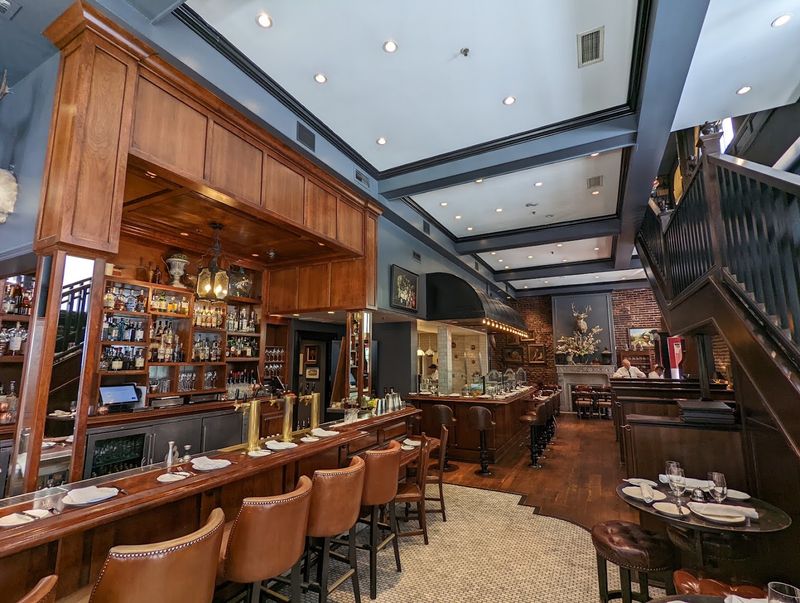
From the outside, the brick building housing Wayfare Tavern blends easily into the older architecture of the Financial District, offering no particular reason to stop unless a visitor already knows what waits inside.
The building’s exterior restraint is part of what makes the interior feel like a private discovery rather than a public spectacle.
Narrow rooms connect through the interior, with dark wood paneling, fireplaces, and vintage details creating a layered atmosphere that rewards attention.
The lighting stays warm and the noise level settles into a comfortable hum that makes conversation easy without requiring raised voices.
That combination of visual richness and acoustic comfort is harder to achieve than it might seem, and Wayfare Tavern manages it with the ease of a space that has found its own equilibrium.
Sitting at 201 Pine St, San Francisco, CA 94111, the tavern carries the character of a dining club that has been quietly operating for far longer than its actual years in the space.
The menu focuses on American cooking with a California sensibility, featuring roasted meats, seasonal vegetables, and hearty preparations that suit the tavern character of the room.
Popovers served at the start of the meal have become something of a signature, and they arrive warm and light in a way that sets a comfortable tone for everything that follows.
8. The Vault Steakhouse
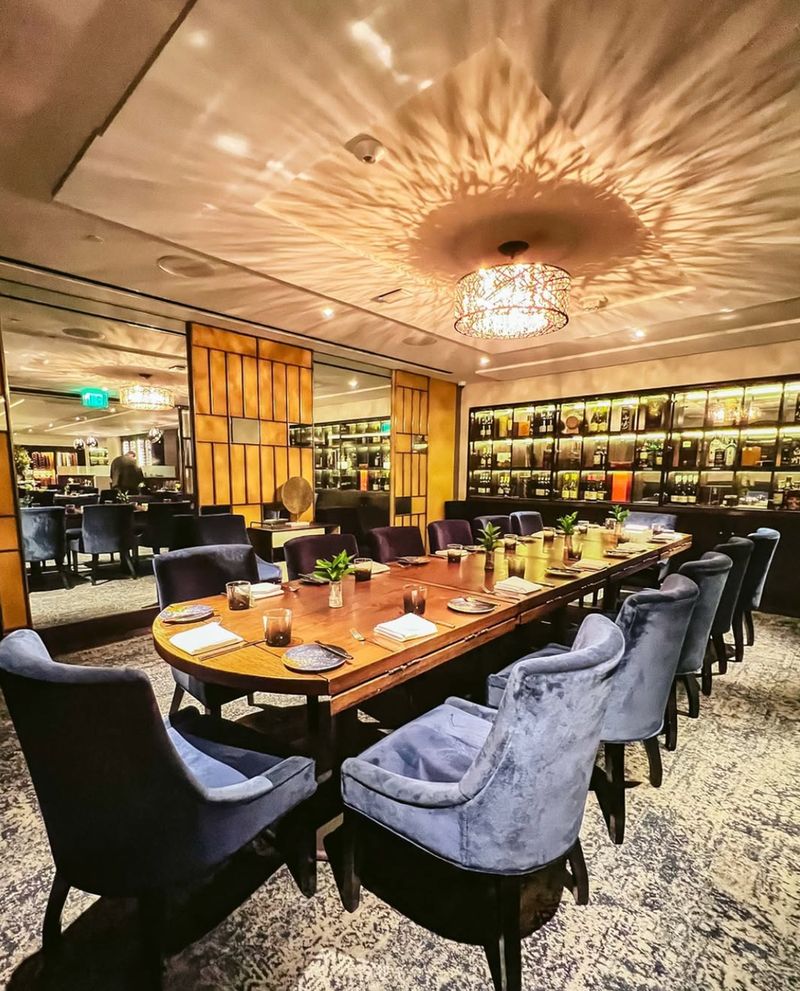
Descending below street level to reach a restaurant creates an immediate shift in atmosphere, and The Vault Steakhouse uses that transition deliberately.
The Financial District above moves at its usual pace while the dining room below operates in a quieter register, insulated from the foot traffic and noise of the surrounding office towers.
That sense of removal from the modern city overhead is built into the architecture itself rather than manufactured through decoration.
The space takes its identity from the banking history of the area, with structural details and proportions that reflect the era when financial institutions dominated this part of San Francisco.
Heavy materials, low ceilings in certain sections, and the general solidity of the construction give the room a density that feels different from above-ground dining.
At 555 California St, San Francisco, CA 94104, the restaurant occupies a space that rewards the descent required to reach it.
The menu centers on steakhouse classics, with dry-aged cuts and straightforward preparations that suit the serious character of the room.
Side dishes and starters follow the same direct approach, favoring quality of ingredient over elaborate technique.
The combination of the below-grade setting, the banking-era architecture, and a menu built around substantial food makes The Vault a particularly good choice.
9. John’s Grill
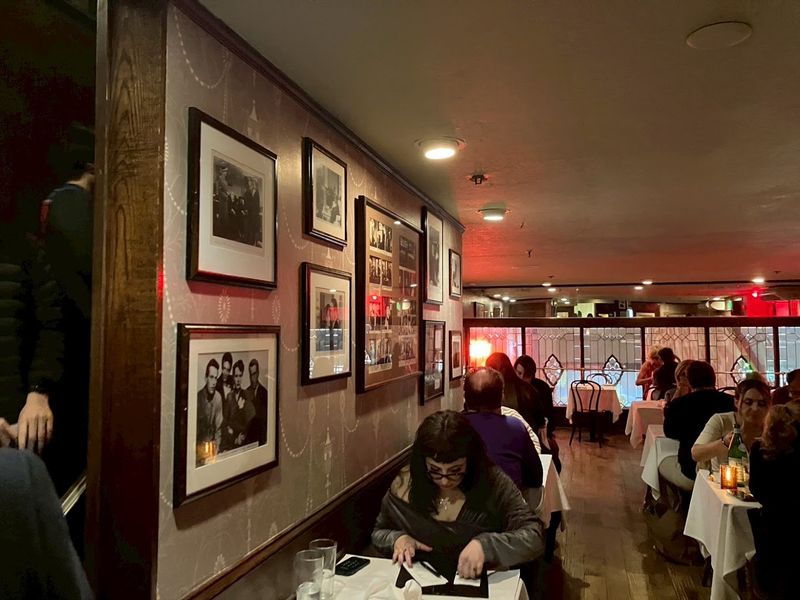
Continuously operating from the same Ellis Street location since 1908, John’s Grill holds a place in San Francisco’s downtown dining history that very few restaurants anywhere in California can match.
The wood-paneled walls, the historic photographs arranged throughout the room, and the dim, club-like lighting create an atmosphere that feels preserved rather than restored.
Sitting inside gives the impression of a private dining space that the city simply grew around without disturbing.
The Maltese Falcon connection adds a specific layer of literary and cinematic history to the room.
The novel’s protagonist reportedly dined at John’s Grill, and the restaurant has honored that association with memorabilia and references that feel genuine rather than gimmicky given the building’s actual age.
Located at 63 Ellis St, San Francisco, CA 94102, the grill sits in a part of downtown that has changed considerably over the decades while the restaurant itself has remained largely consistent.
The menu stays true to the classic American chop-house tradition, with steaks, chops, seafood, and straightforward preparations that have sustained the restaurant across more than a century of service.
Lunch draws a downtown crowd looking for a reliable and unhurried meal, while dinner brings in visitors who want to experience the room in its evening character.
Both are worth the visit, though the room feels particularly suited to a slow weekday lunch when the pace of the city outside slows just enough to match it.
10. The Big Four
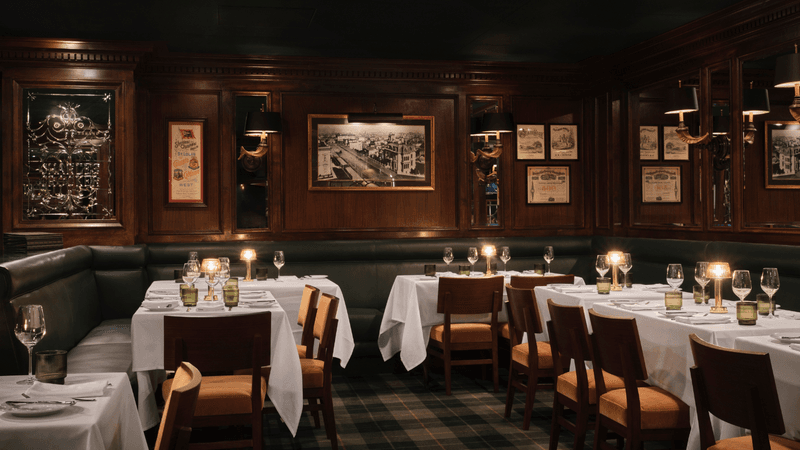
Nob Hill has always carried a particular kind of San Francisco gravity, and the Huntington Hotel at 1075 California St, San Francisco, CA 94108 sits comfortably within that tradition.
The Big Four restaurant, recently revived within the hotel, takes its name from the California railroad barons who shaped the state’s development in the nineteenth century.
Dark wood paneling covers the walls, railway-era artwork fills the frames, and the overall effect is of a room that has been quietly preserved rather than recently designed.
The dining room’s scale is intimate by the standards of the hotel’s exterior, which gives it a hushed, members-club quality that suits the Nob Hill neighborhood.
Seating is arranged to allow for private conversation, and the lighting stays low enough to create a sense of enclosure without becoming uncomfortable.
That combination of visual richness and physical comfort is part of what makes the room feel genuinely suited to a long, unhurried meal.
The menu draws from classic American preparations with California ingredients, maintaining a level of formality that matches the room without becoming stiff.
Breakfast and dinner are both served, and the morning meal in particular offers an unexpected opportunity to experience the room in a different light.
The Big Four rewards visitors who appreciate a dining room where the decor tells a specific and verifiable story rather than a generically historic one.
11. Maritime Boat Club
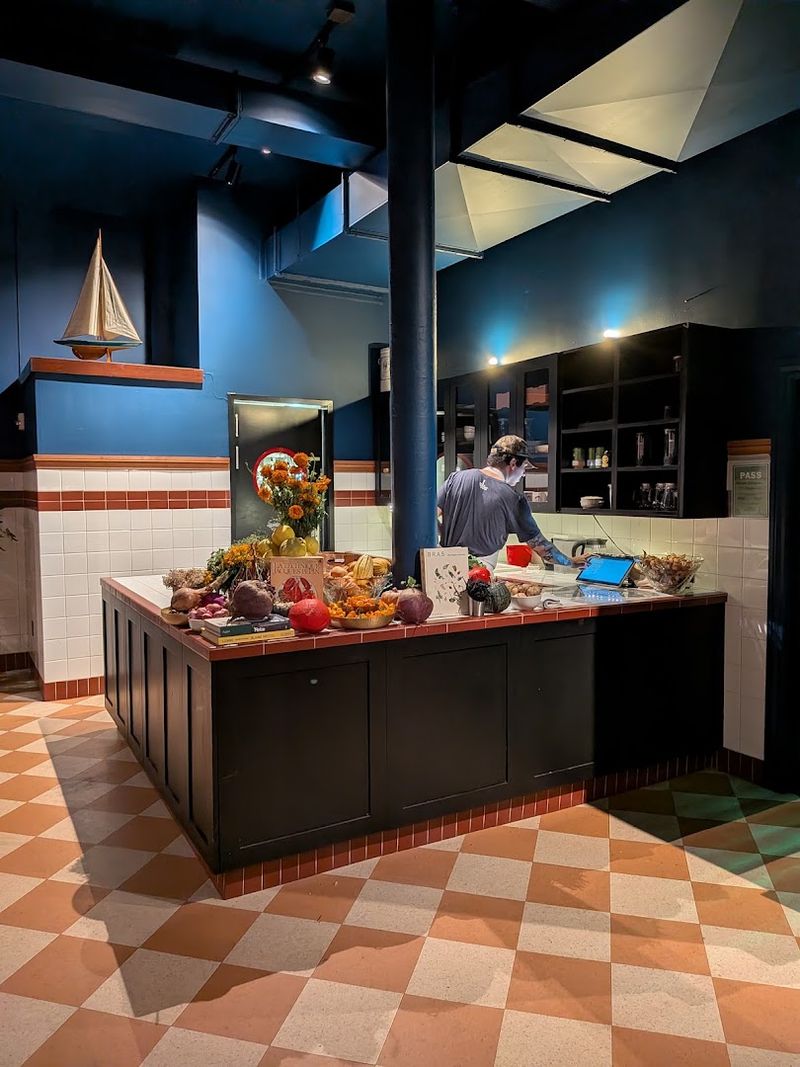
Reaching the Maritime Boat Club involves a small journey of its own.
Guests enter a historic Union Square hotel, climb to the second floor, pass through the dim Bar Maritime, and then continue behind a curtain to find a hushed dining room that most people in the hotel below have no idea exists.
That layered arrival creates a sense of arrival that feels earned rather than simply delivered, and the room beyond the curtain rewards the effort with an atmosphere that is genuinely unlike most dining spaces in the city.
The interior takes its inspiration from the inside of an old ship, with curved surfaces, low lighting, and nautical references woven throughout the decor in a way that feels considered rather than costume-like.
The scale of the room is deliberately small, which keeps the noise level low and the atmosphere intimate.
Tables are spaced to allow for private conversation, and the overall mood of the space encourages a slower, more attentive kind of dining.
The menu reflects the maritime theme without being limited by it, drawing from seafood and coastal preparations while remaining flexible enough to accommodate varied preferences.
The kitchen works within the constraints of a small and specialized space, and the results tend to be careful and precise rather than ambitious and sprawling.