Sandhill Lakes Surround This Nebraska Refuge Where Pelicans Stop Over Each Fall
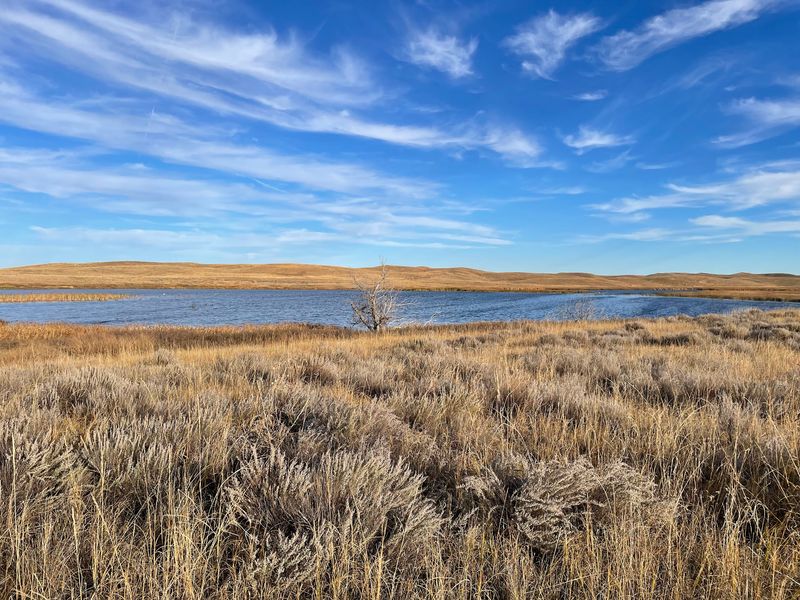
The gravel kept going, the phone signal quit, and the only company for miles was a hawk riding the wind above the hills. Then a lake flashed silver between two dunes, and another, and another, each one crowded with birds.
Somewhere deep in the Nebraska Sandhills sits a refuge that most people never see, and fall is the season it puts on its biggest show. Pack snacks, fill the tank, and keep reading before the lakes go quiet for winter.
Where the Pavement Gives Up
Picture a map of western Nebraska, then zoom in on the emptiest stretch you can find north of Oshkosh. Crescent Lake National Wildlife Refuge sits right there, south of Highway 2 and the tiny community of Antioch, with an Ellsworth mailing address on Road 181.
It is a federal refuge managed by the U.S. Fish and Wildlife Service, set aside so birds and prairie animals have room to live without much human interference.
And room is what it has. Grassy dunes roll in every direction, and lakes of all sizes fill the low spots between them.
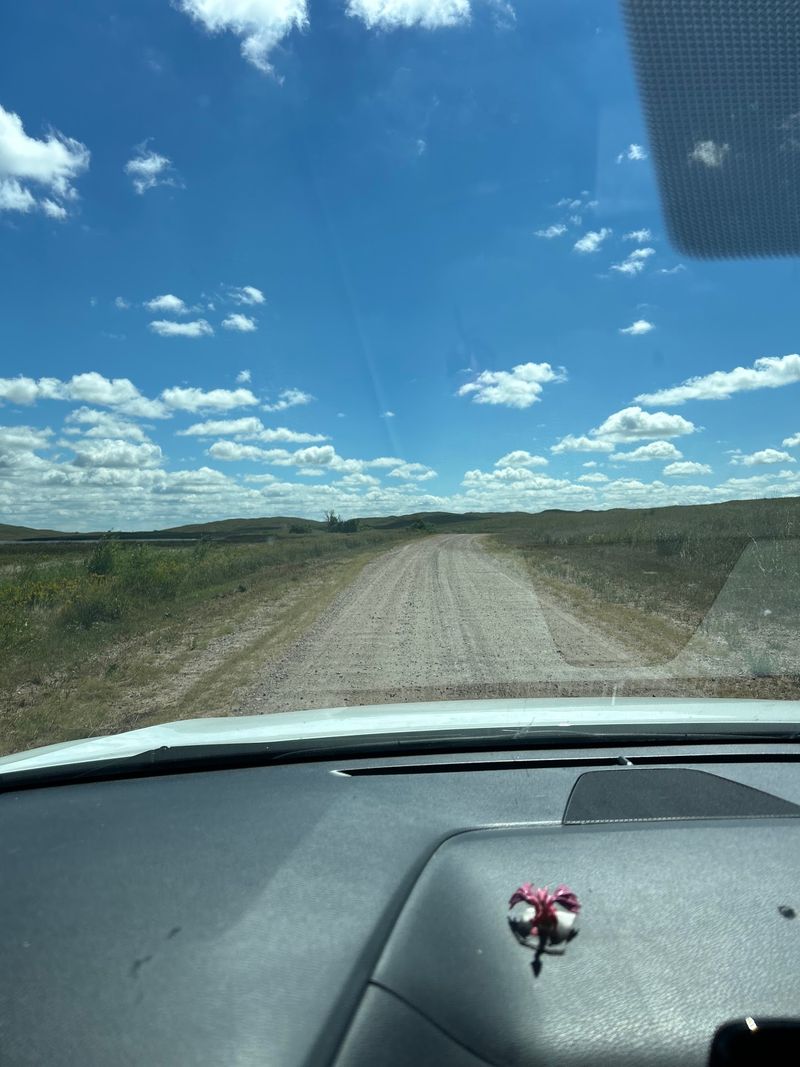
Getting there is part of the story. Roads leading in range from patched asphalt to potholed gravel to soft sand, and much of the route runs single lane.
One drive from Oshkosh up to Antioch through the refuge covers roughly 75 miles, and it can easily eat three hours at slow speeds.
That remoteness is the whole point. Few places in the state feel this far from a grocery store, a stoplight, or another car, which makes the reward on arrival feel earned rather than handed over.
Sand, Grass and a Surprising Amount of Water
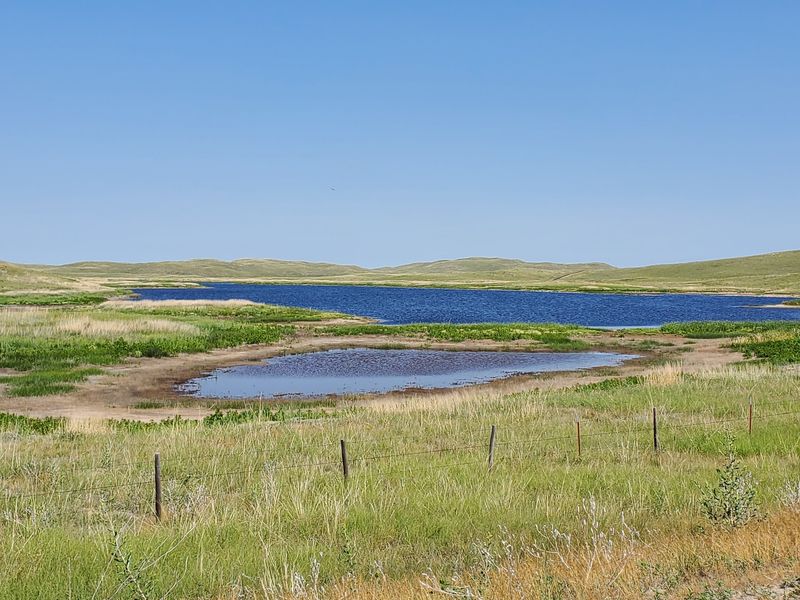
Sand usually means desert. Here it means the opposite, because the Nebraska Sandhills rest on top of the Ogallala Aquifer, a huge underground reservoir that pushes water up into the valleys between dunes.
The result looks almost impossible from a car window. Grass-anchored hills rise and fall like frozen waves, and tucked into the troughs are lakes, marshes, and wet meadows that shine against the tan and green.
Crescent Lake refuge holds a generous share of those waters, which is exactly why birds arrive in such numbers.
The Sandhills rank among the largest stretches of intact native prairie left in North America. Wind shaped these dunes over thousands of years, and grass has held them in place ever since, with very little plowing to disturb the pattern.
So what does that mean for someone standing on the refuge road? It means the view in front of you is close to what a traveler would have seen long before highways existed.
There are no crop rows, no billboards, and no subdivisions creeping in from the edges, only the long curve of the hills and the glint of water beyond the next rise.
Fall Wings Over the Lakes
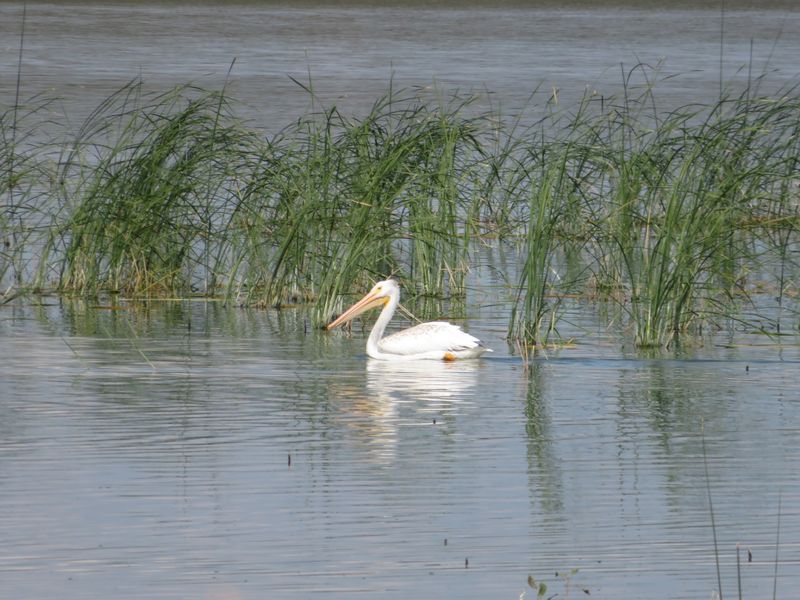
Big white shapes drifting in slow circles overhead can stop a car in the middle of a gravel road. American white pelicans pass through the Nebraska Sandhills during fall migration, and lake-heavy country like this gives them places to rest and feed on the long trip south.
These birds carry wingspans that can stretch around nine feet. Unlike brown pelicans on the coasts, they never plunge headfirst into the water.
Instead, they float along the surface and scoop fish up in their pouches, sometimes working together in a loose line to push fish toward the shallows.
September and October are prime months for pelican sightings across the Sandhills. Numbers shift from year to year and lake to lake, so there is no promise of a crowd on any given day, but patience and binoculars improve the odds considerably.
Timing matters beyond the pelicans too. Fall brings a steady stream of migrating waterfowl, and the prairie grass turns shades of copper and gold that make every photo look warmer.
Once the cold settles in for good, the lakes quiet down fast, so the autumn window is the one to circle on the calendar.
A Birding List That Keeps Growing
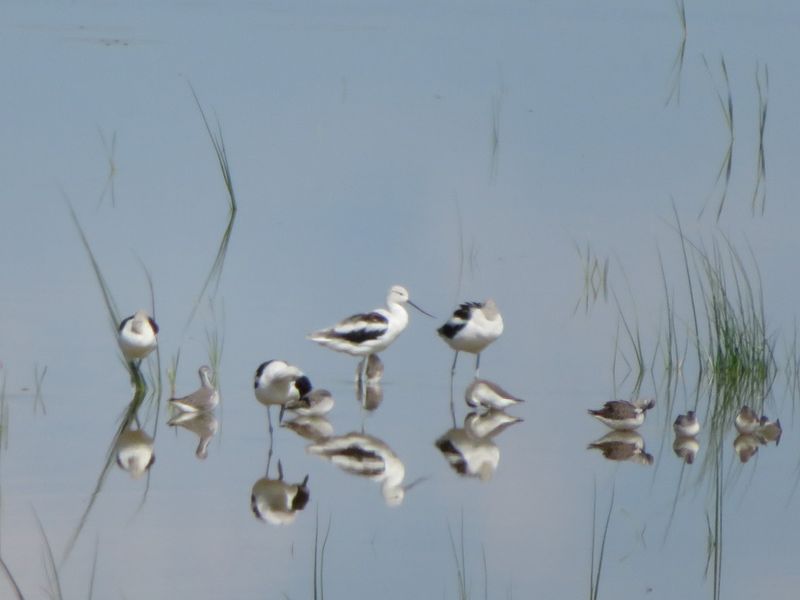
Binoculars earn their keep at Crescent Lake. Birding is the main event here, and the variety is broad enough to keep beginners busy and serious listers checking field guides.
Shorebirds are a highlight. Muddy lake margins attract long-legged waders probing for food, and birders plan whole trips around shorebird season.
Waterfowl add to the scene, with ducks scattered across open water in impressive numbers, bobbing and dabbling while the wind riffles the surface.
The mix changes with the calendar. Spring brings one cast of characters, summer brings nesting activity, and fall shifts toward migrants moving south.
A lake that seemed empty in the morning might host a dozen species by afternoon, so it pays to circle back.
Here is a simple approach for first-timers. Drive slowly, stop often, and scan every patch of water, reed edge, and fence post.
A spotting scope helps on the larger lakes where birds sit far from the road.
Bring a notebook or a birding app to track what turns up. By the end of the day, the list tends to be longer than expected, and the drive home becomes a conversation about which sighting was the best.
Antelope, Deer and Other Prairie Neighbors
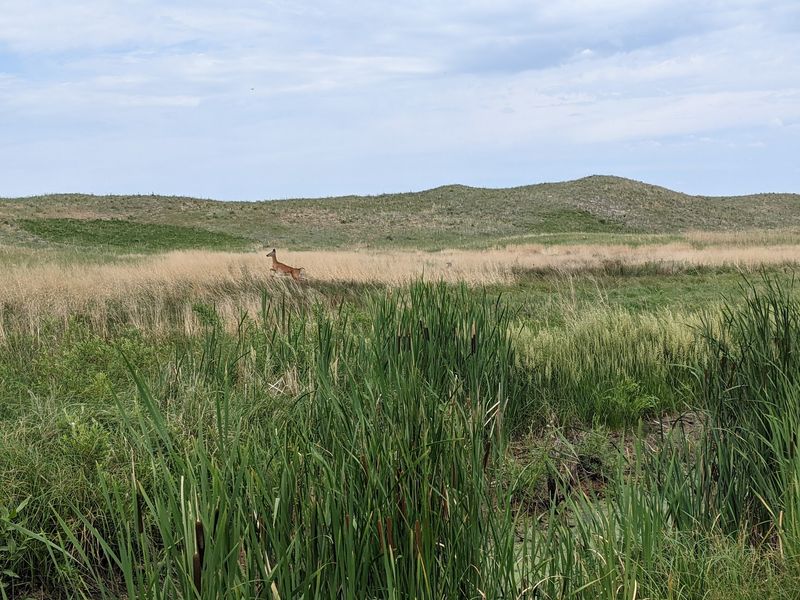
Not everything worth spotting has feathers. The refuge’s sheer isolation means mammals roam freely across the grasslands, and sightings come often for anyone paying attention.
Pronghorn antelope are a treat. They tend to stand on distant ridges, tan and white against the grass, before bolting off at speeds that seem unreal for an animal that size.
Deer are common too, grazing near lake edges in the early morning or slipping between hills as the light fades.
Cattle may also appear along the approach roads. Parts of the drive pass through open range, so livestock can wander onto the route, and a slow speed keeps everyone safe.
A quick tip makes a big difference. Wildlife moves most around dawn and dusk, but the refuge is a daylight destination, so aim for early arrival and a late afternoon exit.
Keep the engine off when stopping, and use the car as a blind, since animals often stay put when people remain inside.
Children tend to love the game of spotting movement on the hills. A pair of kid-sized binoculars turns a long drive into a scavenger hunt with real prizes.
Silence as the Main Attraction
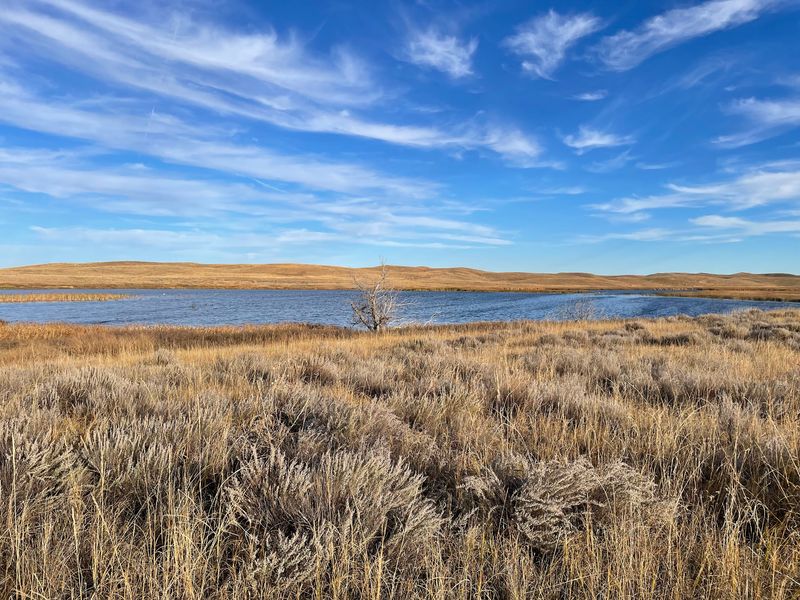
Turn off the engine, step out, and listen. Wind moving through grass, a far-off duck, maybe the buzz of an insect.
That is about all.
Quiet defines Crescent Lake more than any single feature. It is relaxing in a way that busy parks rarely manage, because there are no crowds, no concession stands, and often no other people as far as the eye can see.
Seeing a single other vehicle during an entire day is entirely normal.
For some, that solitude feels thrilling. For others, it takes a few minutes of adjustment before the mind stops waiting for noise.
Either way, the calm tends to sink in by the second or third stop.
This is a spot for people who enjoy simply riding and looking. No agenda is required.
A slow drive with the windows down, a thermos of coffee, and a willingness to pull over whenever something catches the eye makes for a full and satisfying day.
Photographers find plenty to work with here, too. Wide skies, uncluttered horizons, and soft light across the dunes create images that capture the space of the Sandhills without a single power line in the frame.
The Long, Winding One-Way Road
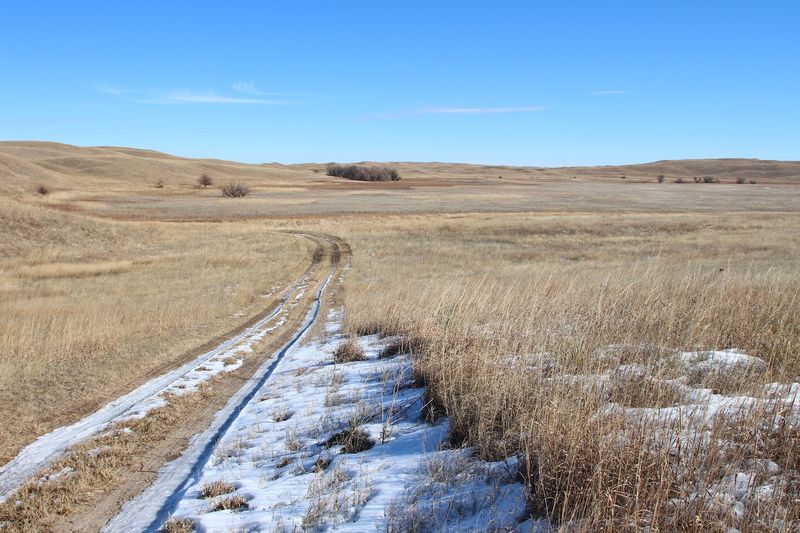
Speed limits hardly matter when the road itself sets the pace. Much of the route through the refuge is narrow and single lane, with sections of long one-way travel that wind between lakes and over dunes.
Surfaces change without warning. Smooth asphalt might turn into washboard gravel, which might then soften into loose sand that grabs at the tires.
Potholes appear in clusters, and some stretches demand crawling speeds of 15 to 25 miles per hour.
Sound tough? It can be.
Conditions vary with weather and season, and at least one stretch from the Oshkosh side has proven impassable for an ordinary truck. Heavy rain or deep sand can change the situation quickly.
A few habits help. Top off the gas tank before leaving town, pack water and snacks, and carry a paper map since cell coverage is unreliable.
Tell someone the planned route and expected return time.
Regular travel trailers are a poor match for these roads. Off-road trailers can manage, though slowly.
Motorcycles face their own challenge in the sand, so riders do best choosing the northern approach, which carries more pavement even if it is rough in spots.
Choosing an Entrance in Nebraska’s Sandhills
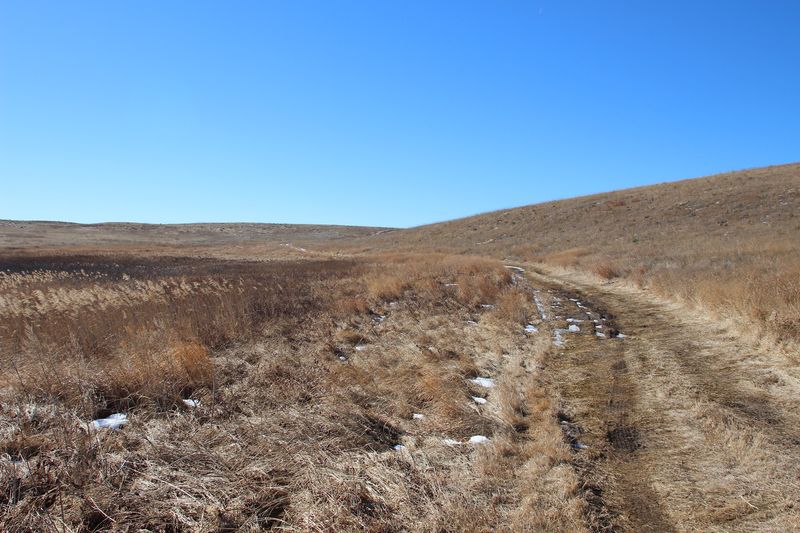
Direction changes everything here. The refuge can be approached from several sides, and each comes with its own personality.
From the south, a four-wheel-drive vehicle or a capable all-wheel-drive setup is strongly recommended. Sand dominates this side, and low-clearance cars struggle.
The north side is partly paved, though bumpy, making it the friendlier choice for motorcycles and standard vehicles.
The northeast approach has a rough track record. In June 2022, that route was in poor shape, and the south and northwest entrances offered a better experience.
Conditions shift year to year, so calling the refuge office ahead of a trip is the smartest move.
Many people link the refuge with a larger Sandhills drive. Coming up from Oshkosh and exiting near Antioch on Highway 2 makes a memorable cross-country route, one that shows off the region’s lakes, ranchland, and endless grass in a single sweep.
Plan on a full day rather than a quick detour. With slow roads and frequent wildlife stops, the refuge rewards anyone who treats it as the destination instead of a shortcut.
Arriving early leaves room to linger at the best lakes without rushing the drive out.
Ticks, Tall Grass and Long Pants
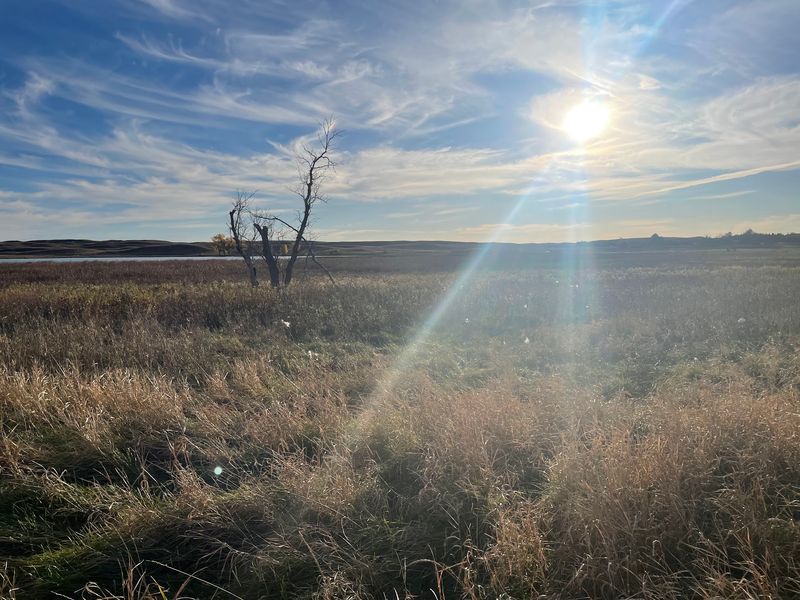
Tall grass hides small hitchhikers. Ticks are a real part of the refuge experience, especially around the visitor center area and anywhere the prairie grows thick.
Preparation beats regret. Long pants tucked into socks, closed-toe shoes, and a good insect repellent go a long way.
Light-colored clothing makes ticks easier to spot before they settle in.
After any walk, a thorough check is smart. Look along waistbands, behind knees, and around the neck and hairline.
Pets need the same attention, since dogs brushing through grass pick up ticks quickly.
Walking is part of exploring here. Some of the best lake views and birding spots require leaving the car, so sturdy footwear matters.
Trails and paths may be uneven or sandy, and distances can feel longer than they look across open country.
Sun protection belongs in the pack as well. Shade is scarce on the open prairie, and a wide-brimmed hat, sunscreen, and plenty of water make the difference between a pleasant hike and a tiring one.
None of this should scare anyone off. A few simple precautions keep the focus where it belongs, on the birds, the lakes, and that wide Sandhills sky.
Green Shoots After the Fire
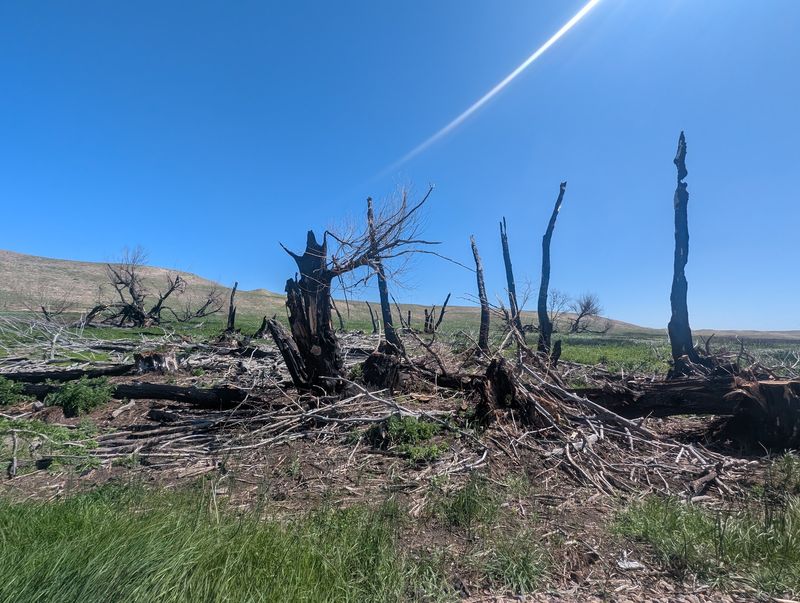
Blackened ground stretches along parts of the landscape around the refuge, a reminder of a recent wildfire that swept through the area. At first glance, the scene can feel a little heavy.
Look closer, though, and a different story emerges. Nature has already begun healing in many spots, with fresh green grass pushing up through the scorched soil.
Prairie ecosystems evolved alongside fire over countless centuries, and many native grasses bounce back with surprising energy once rain arrives.
Watching that recovery offers its own kind of lesson. Burned patches next to lush growth show how resilient the Sandhills can be, and returning over several seasons reveals the land knitting itself back together.
Wildlife often follows the new growth. Tender shoots attract grazing animals, and open ground can make certain birds easier to see.
Recovery is a process, though, and some areas may look rough for a while.
For anyone interested in how grasslands function, the contrast makes the refuge even more fascinating. It turns a simple scenic drive into a living classroom about change, patience, and the stubborn toughness of prairie plants that refuse to stay down for long.
Office Hours, Daylight Rules and Bare-Bones Amenities
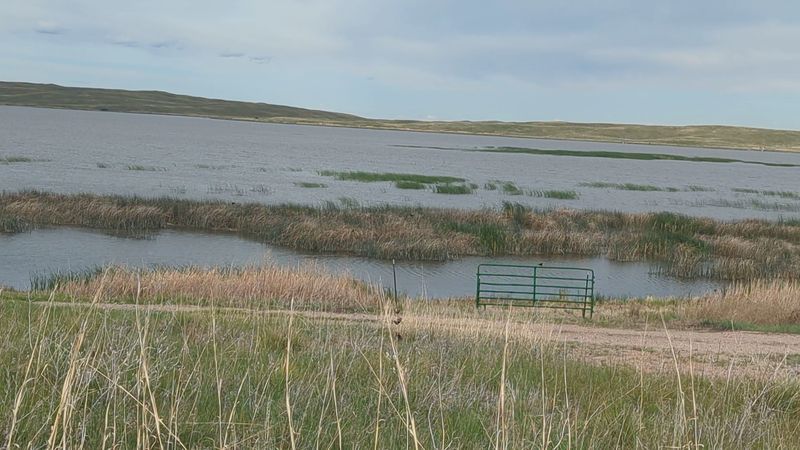
Amenities are scarce, and that is by design. Restrooms are available on the northern end of the refuge, and not much else in the way of services exists anywhere nearby.
The refuge office keeps weekday business hours, running from morning into mid-afternoon Monday through Friday, and stays closed on weekends. Calling ahead during those hours is the best way to check road conditions and current rules before making the drive.
Plan on a daylight visit. The refuge is generally a day-use area, and camping is not part of the setup, so arriving early and leaving before dark keeps things simple.
Double-check with staff for any special events or exceptions.
Special occasions have happened here, too. During the 2017 solar eclipse, staff prepared the area well, stocking restrooms and readying space for an unusual crowd.
It was a rare moment when this quiet corner of Nebraska filled with excited sky-watchers.
Pack everything needed for the day. Food, water, a first aid kit, a full gas tank, and a spare tire are all essentials.
Self-sufficiency is the price of admission to one of the most untouched landscapes in the region.
Who Should Make the Drive
Some places reward convenience. Crescent Lake rewards effort, and that difference shapes who will fall hardest for it.
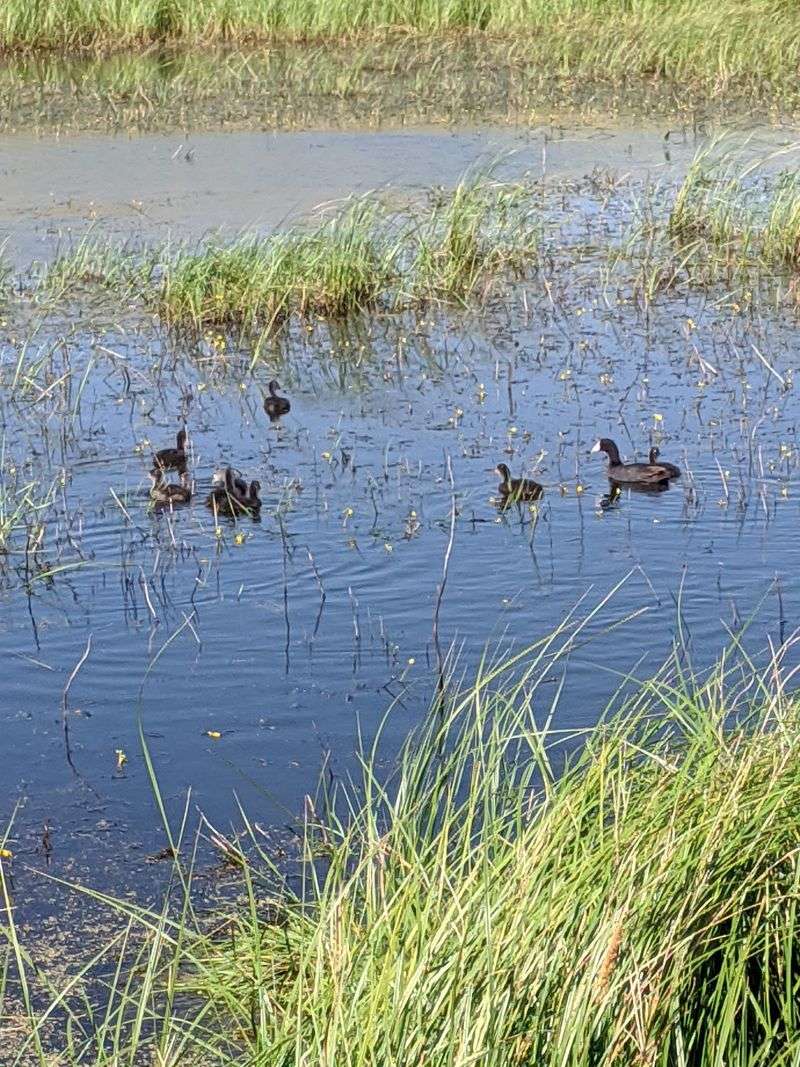
Birders top the list. Shorebirds, waterfowl, and fall migrants give serious watchers plenty to chase, and the lack of crowds means sightings come without jostling for space.
Photographers, wildlife fans, and anyone craving true Sandhills solitude will feel right at home, too.
Families can enjoy it with a little planning. Kids who like spotting animals will stay busy, though long drives and slow roads call for snacks and patience.
Retirees with a sturdy vehicle and a free weekday will find it an easy, affordable outing, since the main expense is fuel.
Who might pass? Anyone driving a low car, towing a standard trailer, or hoping for gift shops and restaurants may want another destination.
The refuge offers space and wildlife, nothing more and nothing less.
For those who fit the profile, fall is a smart time to go, with migrating birds on the lakes and the grass glowing gold. Fill the tank, pack binoculars, and give the Sandhills a full day to show what a quiet corner of Nebraska can hold.