Say It Right: 10 North Carolina Foods Everyone Mispronounces
Ordering food in the Tar Heel State can feel a little like walking into a pop quiz you didn’t study for, especially if you’re not from around here. From famous donuts to iconic cherry sodas and old-school comfort foods, North Carolina is packed with beloved eats whose names love to trip up even the most confident visitors.
Say one thing wrong, and you’ll get that knowing smile from a local who’s heard it a hundred times before.
But learning how to pronounce these foods the right way is part of the fun. It’s a small badge of honor, a sign that you’re paying attention and respecting the culture behind the cuisine.
Master these names, and you won’t just order like a pro, you’ll sound like you belong. Consider this your friendly guide to avoiding awkward pauses, earning nods of approval, and blending right in at the counter.
1. Krispy Kreme
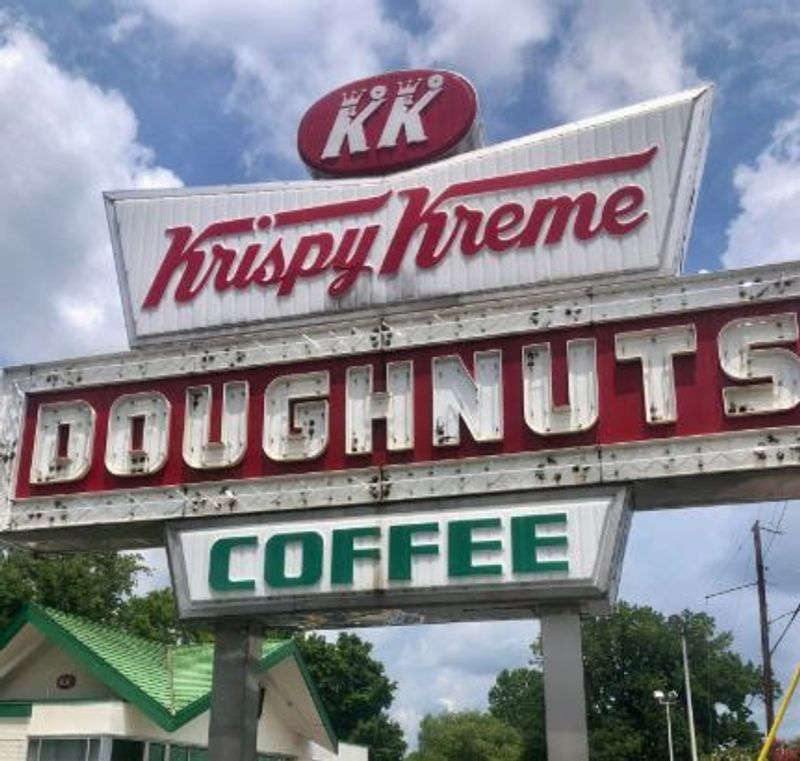
Walk into any donut shop, and you might hear someone asking for “Krispy Cream,” but locals know better. Krispy Kreme is pronounced “KRIS-pee KREEM,” with that distinctive double-E sound at the end that makes all the difference.
This isn’t just any donut chain, it’s a Winston-Salem institution that started back in 1937, at 259 S Stratford Road.
The famous glazed donuts are light, airy, and practically melt in your mouth when they’re fresh off the line. That iconic “Hot Now” sign has been luring customers for generations, promising warm, pillowy treats that define comfort food.
The spelling might look fancy, but the pronunciation is straightforward once you know the trick.
Many newcomers get confused by the creative spelling and default to saying “cream” instead of “kreme.” The founder chose this unique spelling to stand out, and it worked brilliantly. Now the name is recognized worldwide, though mispronunciations still happen daily.
Next time you’re craving something sweet, practice saying it correctly before you order. Your pronunciation will mark you as someone who knows their North Carolina food history.
Plus, the workers behind the counter will appreciate your effort to honor this beloved local treasure.
2. Livermush
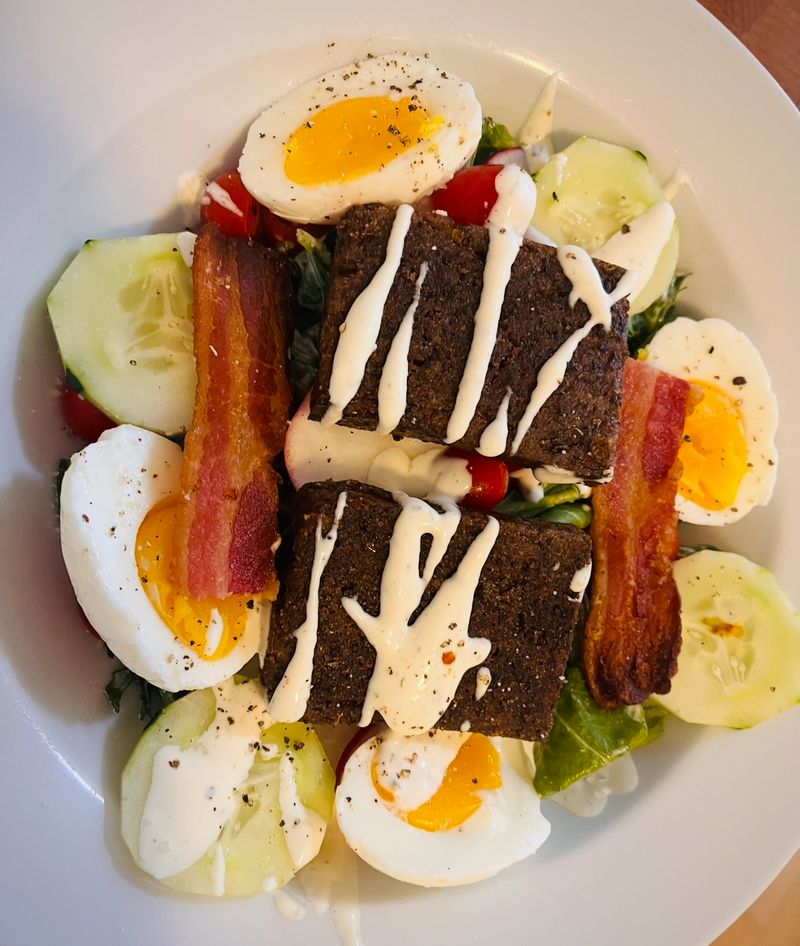
Breakfast tables across western counties feature a mysterious gray loaf that confuses plenty of first-timers. Livermush is pronounced “LIV-ermush,” said as one continuous word without any pause between the two parts.
Many people mistakenly separate it into “Liver Mush,” which sounds much less appetizing and marks you as an outsider immediately.
This savory creation combines pork liver, head meat, and cornmeal into a loaf that’s sliced and fried until crispy. The texture becomes wonderfully crunchy on the outside while staying soft inside, making it perfect alongside eggs and toast.
Some folks eat it in sandwiches, while others prefer it smothered in ketchup or mustard.
The name admittedly doesn’t sound glamorous, which is why pronunciation matters even more here. Saying it correctly with confidence helps overcome any hesitation about trying this regional specialty.
Once you taste it prepared properly, the flavor speaks for itself regardless of what it’s called.
Local diners and meat markets sell livermush by the pound, and families have been enjoying it for generations. It’s an acquired taste for some, but devotees swear by its unique flavor and texture.
Getting the name right is your first step toward appreciating this authentic mountain delicacy that defines western breakfast culture.
3. Boiled Peanuts
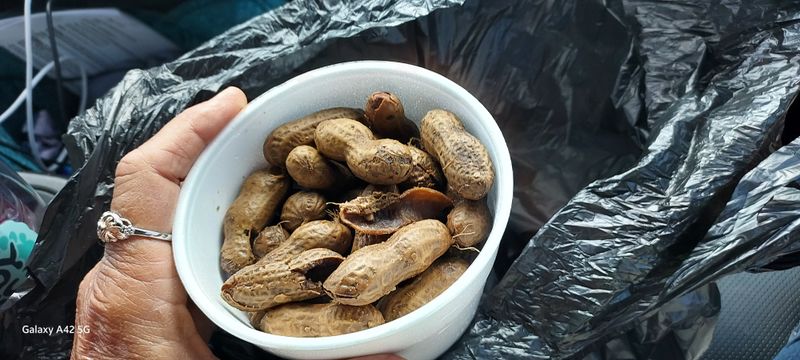
Roadside stands selling these salty snacks dot highways throughout the state during warmer months. Boiled Peanuts are pronounced “BOYLD PEE-nuts,” with the emphasis on the first syllable of peanuts, not “Boiled Pee-nuts” with that awkward emphasis that makes everyone giggle.
This might seem like a minor difference, but locals can spot a mispronunciation instantly.
Fresh green peanuts get boiled in heavily salted water for hours until they reach a soft, almost bean-like texture. The shells become soggy and easy to crack open, releasing the warm, briny nuts inside.
Some vendors add spices like Cajun seasoning or hot peppers for extra kick.
People from outside the South often find the texture surprising since they’re used to crunchy roasted peanuts. These are completely different, tender, salty, and almost addictive once you develop a taste for them.
They’re messy to eat, requiring you to crack shells and suck out the flavorful juice.
You’ll find them at gas stations, farmers markets, and roadside stands marked with handwritten signs. Eating them is a social activity, perfect for sharing with friends during baseball games or beach trips.
Pronouncing the name correctly shows you’re ready to embrace this uniquely Southern snack that’s been enjoyed for generations across the region.
4. Pimento Cheese
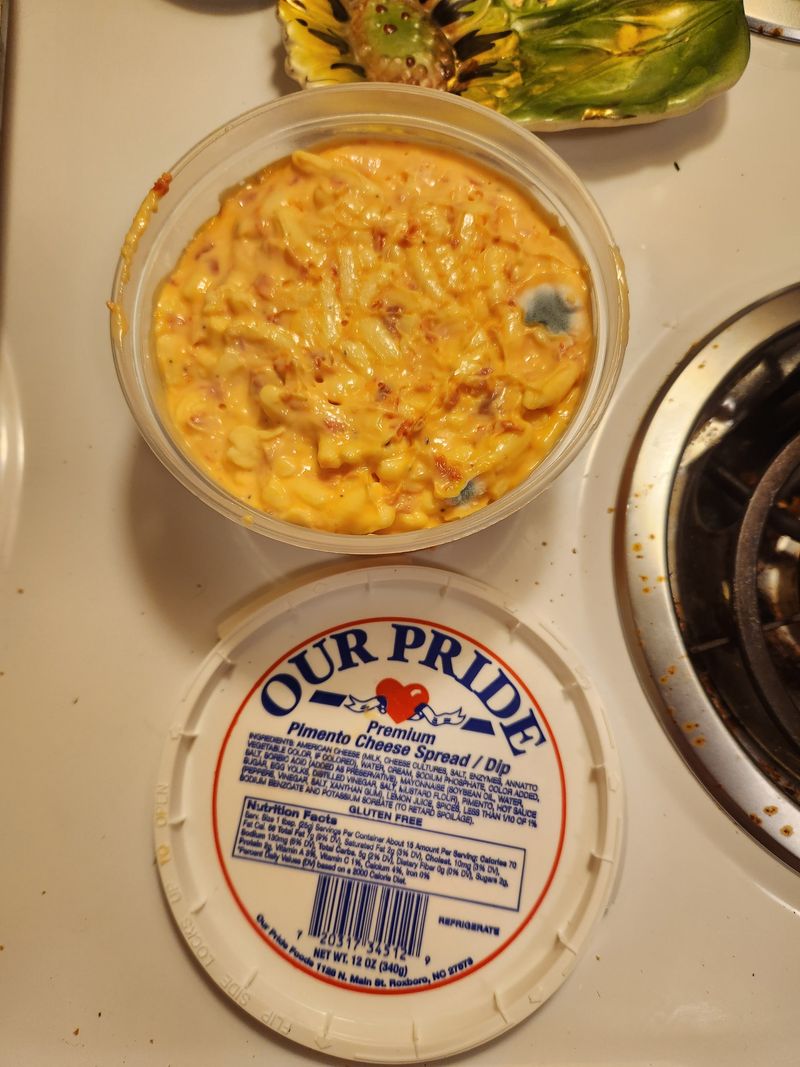
Southern gatherings wouldn’t be complete without this creamy orange spread gracing the table. Pimento Cheese is pronounced “pih-MEN-toh Cheese,” with the emphasis on the middle syllable, not “Pi-MEN-toe Cheese” with that awkward emphasis on the last syllable.
The correct pronunciation flows naturally and sounds much more sophisticated.
This beloved spread combines shredded cheddar cheese, mayonnaise, and diced pimentos into a mixture that’s perfect for sandwiches, crackers, or celery sticks. Some recipes add cream cheese for extra smoothness, while others include hot sauce for a spicy kick.
Every family claims their version is the best, and recipe debates can get surprisingly heated.
The pimentos themselves are sweet red peppers that add color and mild flavor to the mixture. They’re what give pimento cheese its distinctive appearance and name.
Without them, you’d just have regular cheese spread, which wouldn’t have nearly the same appeal or regional significance.
You’ll find pimento cheese at picnics, church potlucks, and even fancy restaurants that elevate it with gourmet ingredients. The Masters golf tournament famously serves pimento cheese sandwiches that have become legendary.
Getting the pronunciation right demonstrates your appreciation for this Southern staple that’s been bringing people together for generations across the region.
5. Moravian Cookies
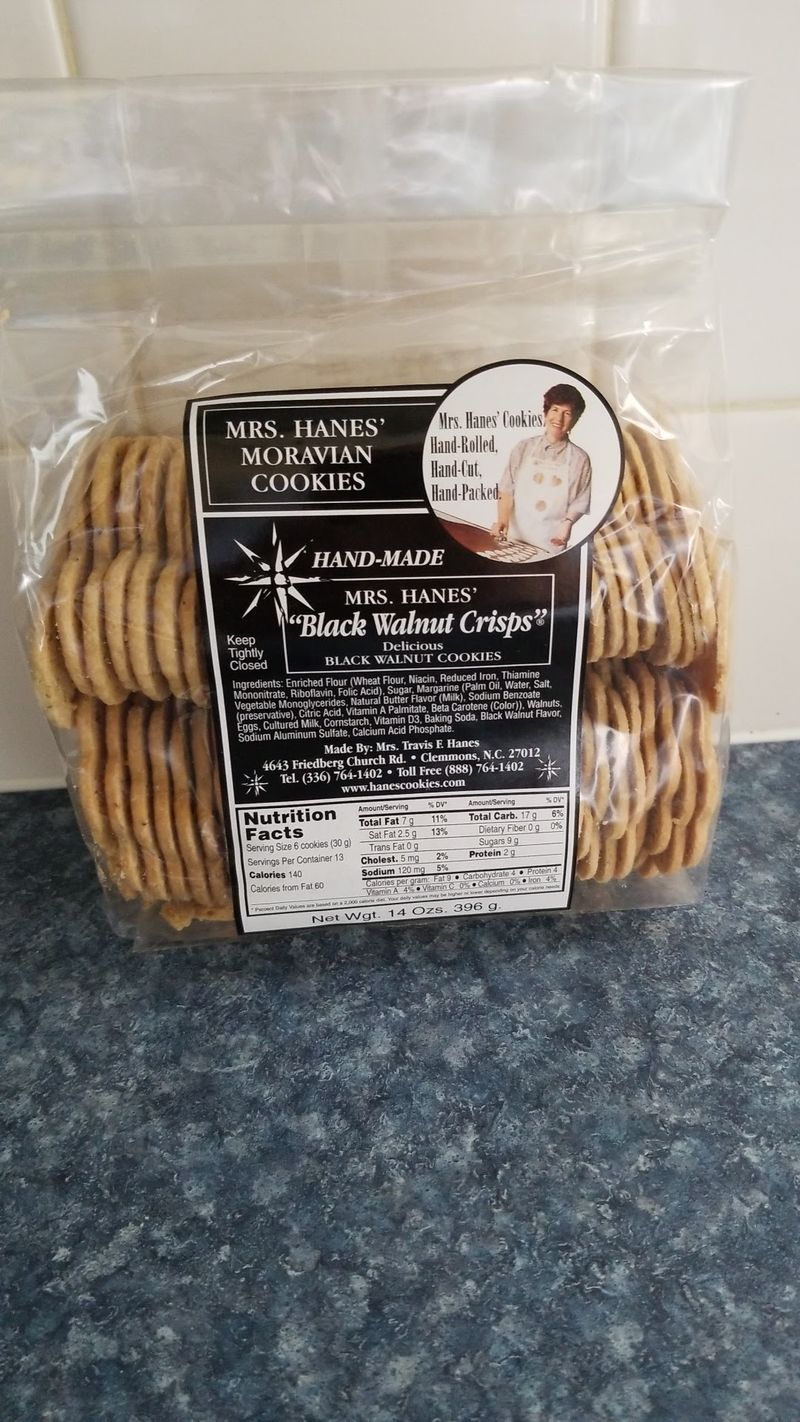
Christmas wouldn’t feel right in Winston-Salem without boxes of these paper-thin treats appearing everywhere. Moravian Cookies are pronounced “mo-RAY-vee-an,” with the emphasis on the second syllable, not “Mo-RAH-vee-an” with that flat, awkward emphasis.
The correct pronunciation honors the German heritage of the Moravian community that brought these recipes to America centuries ago.
These wafer-thin spice cookies are rolled incredibly flat and baked until they’re crispy and delicate. Traditional flavors include ginger, lemon, and black walnut, each one packed with warming spices that fill your kitchen with amazing aromas.
The dough requires patient rolling to achieve that signature thinness that makes them special.
The Moravian settlement in Winston-Salem has been baking these cookies since the 1700s, following recipes passed down through generations. During the holidays, local bakeries produce thousands of cookies daily to meet demand from locals and visitors alike.
Many families have their own treasured recipes that they guard carefully.
You can buy them at specialty shops year-round, though they’re most popular during the Christmas season. The cookies are so thin they’re almost translucent, snapping cleanly when you bite into them.
Pronouncing the name correctly shows respect for the cultural heritage these treats represent and the community that’s preserved these traditions for centuries.
6. Calabash Shrimp
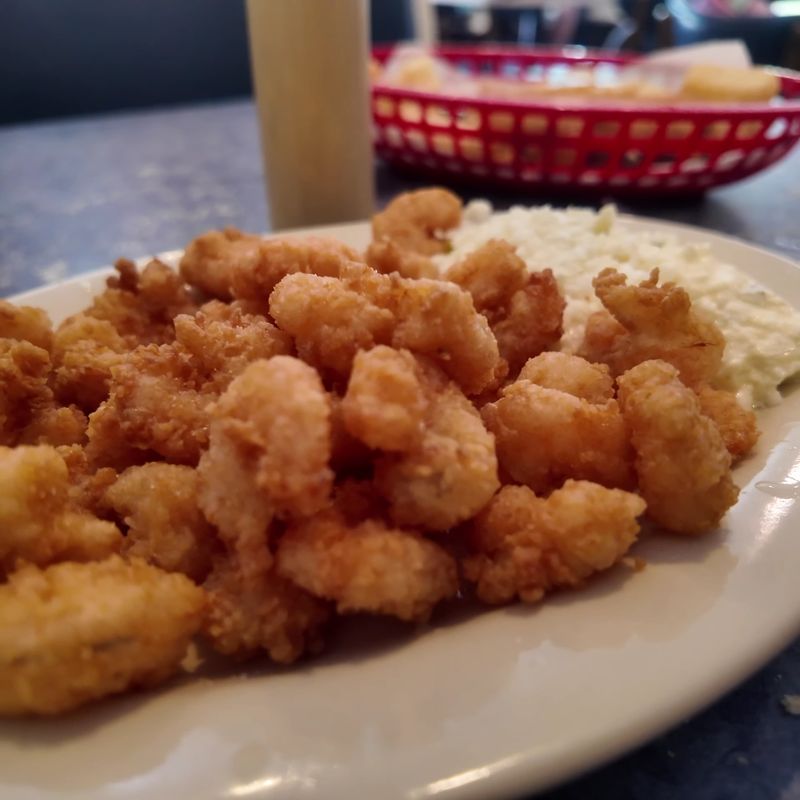
Coastal restaurants advertise this seafood style on nearly every sign along Highway 17. Calabash Shrimp is pronounced “CAL-uh-bash,” with the emphasis on the first syllable, not “CAL-a-bash” with equal emphasis on all syllables.
The town of Calabash near the South Carolina border gave its name to this distinctive cooking method that’s become famous worldwide.
The preparation involves coating seafood in a light batter and frying it quickly at high temperatures. This technique creates a delicate, crispy crust that doesn’t overpower the seafood’s natural flavor.
The result is much lighter than traditional heavily-battered fried fish you might find elsewhere.
Legend says the style developed when local fishermen’s wives would quickly fry the day’s catch using whatever ingredients they had available. The method proved so popular that restaurants began specializing in it, eventually attracting tourists from across the country.
Now “Calabash-style” appears on menus far beyond the coast.
Restaurants serving authentic versions typically offer all-you-can-eat options featuring shrimp, flounder, oysters, and other fresh catches. The portions are generous, and the atmosphere is usually casual and family-friendly.
Saying the name correctly shows you understand this coastal tradition and aren’t just another tourist passing through without appreciating the local culture and culinary history.
7. Brunswick Stew
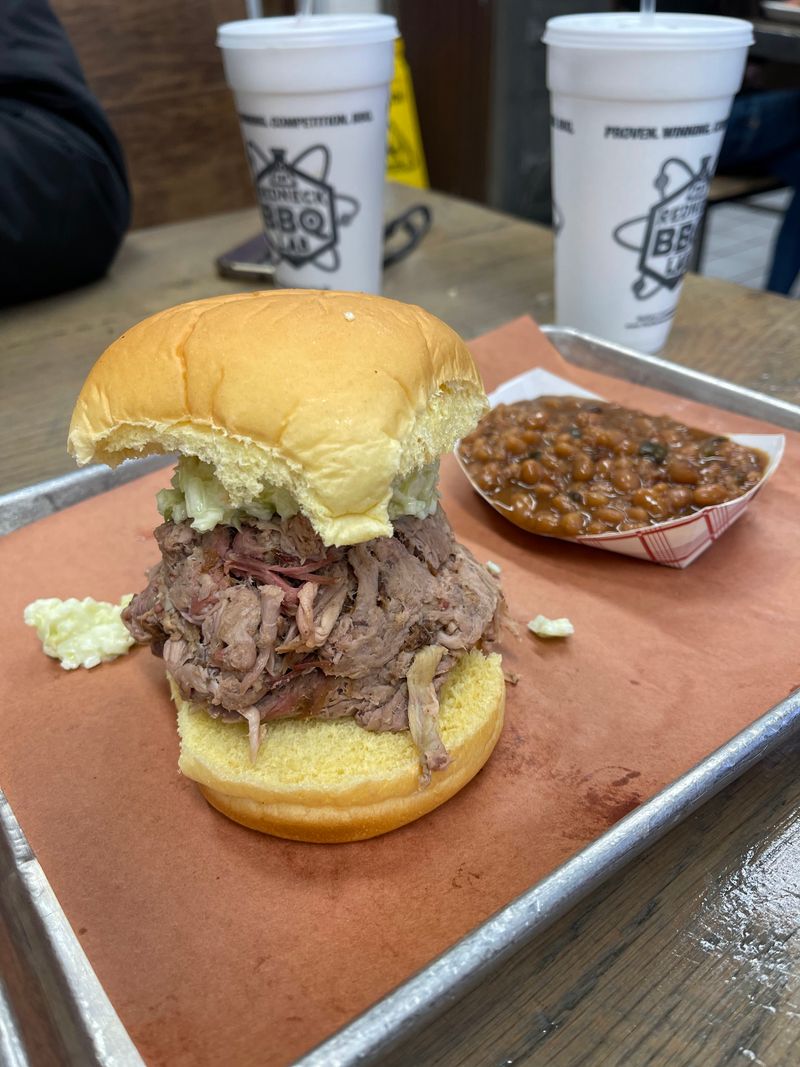
Church fundraisers and barbecue joints serve huge pots of this hearty concoction that warms you from the inside out. Brunswick Stew is pronounced “BRUNZ-wick,” with that Z sound in the middle, not “BRUNS-wick” with an S sound that sounds too proper and formal.
The correct pronunciation has a relaxed, casual feel that matches the stew’s down-home personality perfectly.
This thick, savory dish traditionally combines chicken or pork with tomatoes, corn, lima beans, and various seasonings simmered together for hours. The long cooking time allows all the flavors to meld into something greater than the sum of its parts.
Every cook has their own secret ingredient or technique that makes their version special.
The stew’s origins are hotly debated between Virginia, Georgia, and North Carolina, with each state claiming to have invented it. Regardless of where it started, it’s become a beloved staple throughout the region.
Some versions are tomato-based, while others use a vinegar base depending on local preferences.
You’ll often find it served alongside barbecue as a traditional side dish at community gatherings and restaurants. The consistency should be thick enough to eat with a fork, almost like a really chunky chili.
Getting the pronunciation right demonstrates your familiarity with Southern cooking traditions and shows respect for this comfort food classic.
8. Hush Puppies
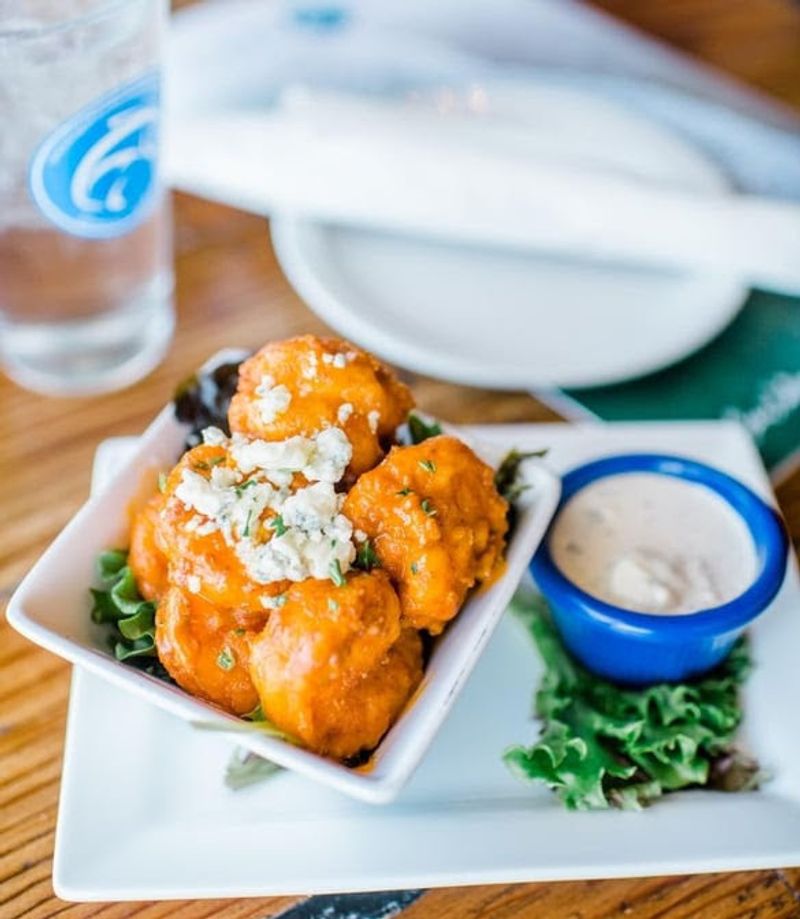
Every fish fry and seafood restaurant serves these golden balls of fried cornbread alongside the main course. Hush Puppies are pronounced “HUSH PUP-eez,” with the emphasis on “hush” and a lighter touch on “puppies,” not with equal emphasis on both words or stressing the second word too heavily.
The rhythm of the pronunciation should feel playful and light, matching these fun little treats.
The basic recipe combines cornmeal, flour, eggs, and buttermilk into a thick batter that gets dropped by spoonfuls into hot oil. They fry up crispy on the outside while staying soft and fluffy inside.
Some cooks add diced onions, jalapeños, or even bits of corn for extra flavor and texture.
Legend claims the name comes from hunters throwing fried cornbread to their barking dogs to quiet them down. Whether that story is true or not, the name has stuck for generations.
These little fritters are addictive, especially when served hot with butter melting on top.
You’ll find them at fish camps, barbecue joints, and any restaurant serving Southern comfort food. They’re the perfect vehicle for soaking up sauces or enjoying alongside fried seafood.
Pronouncing them correctly with that characteristic Southern rhythm shows you understand the casual, fun nature of these beloved bites that have been satisfying appetites for generations.
9. Cheerwine
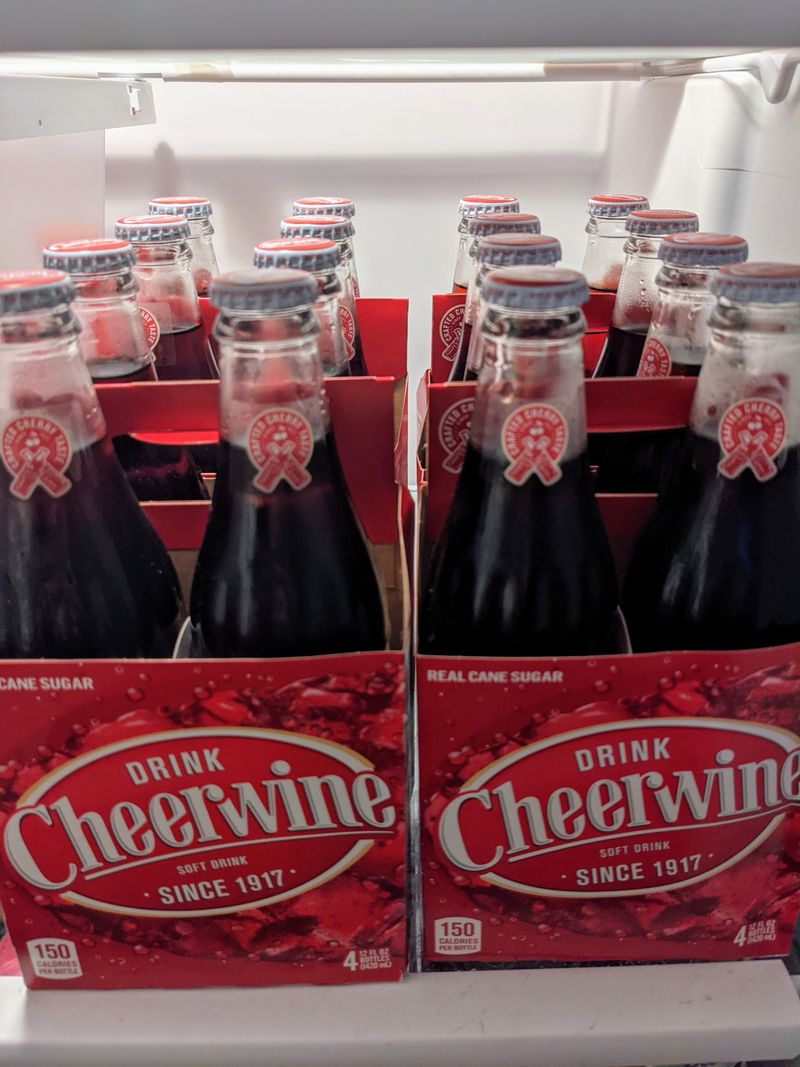
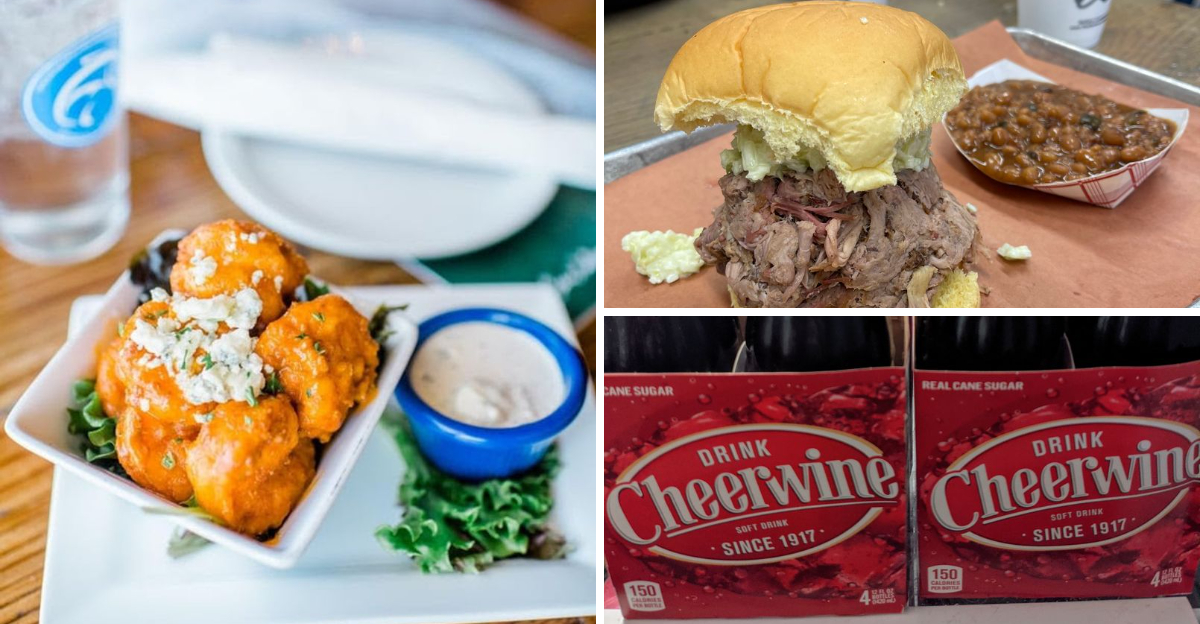
Spotting a burgundy can in someone’s hand usually means they’re sipping something special. Cheerwine is pronounced “CHEER-wine,” said as two distinct words pushed together, not “Cheer Wine” with a pause between them.
Despite what the name suggests, this cherry-flavored soda contains absolutely no alcohol whatsoever.
Since 1917, this fizzy beverage has been quenching thirsts across the state with its unique flavor profile. The taste combines sweet cherry notes with a hint of vanilla and other secret spices that create something truly original.
It’s become such a cultural icon that locals use it in cake recipes, barbecue sauces, and even cocktails.
Visitors often pause when ordering, unsure whether to emphasize both syllables equally or separate them completely. The correct way flows smoothly as one word, keeping the energy upbeat and cheerful.
This pronunciation matches the drink’s bubbly, fun personality perfectly.
You’ll find Cheerwine at restaurants, gas stations, and family gatherings throughout the region. Some people mix it with other sodas or use it as a mixer for adult beverages.
However you enjoy it, saying the name right shows you understand this beloved North Carolina tradition that’s been around for over a century.
10. Sweet Potato Pie
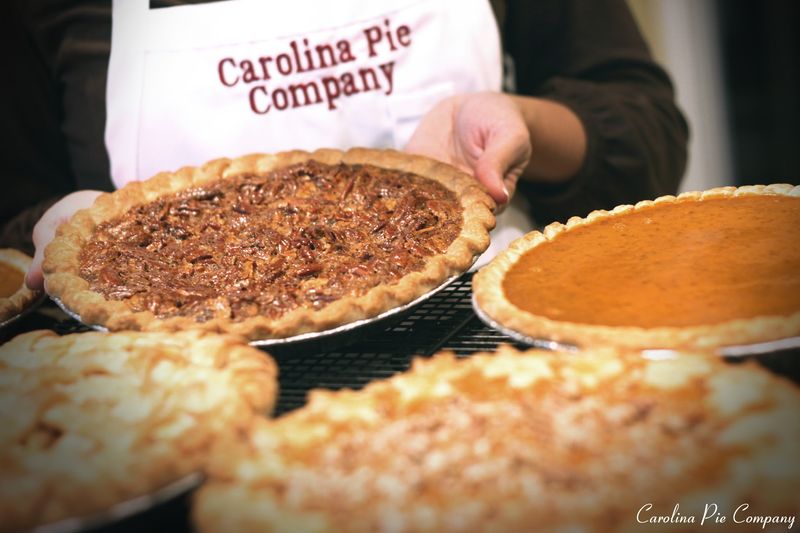
Holiday dessert tables overflow with this orange-hued treat that’s often confused with its distant cousin. Sweet Potato Pie is the correct name, not “Yam Pie,” even though many people use the terms interchangeably when shopping at the grocery store.
In North Carolina, what you’re eating in that pie is actually a sweet potato, not a yam, which is a completely different vegetable altogether.
True yams are starchy tubers from Africa and Asia that are rarely found in American supermarkets. What we call yams in the South are actually just a variety of sweet potato with orange flesh.
The confusion dates back decades to marketing campaigns that distinguished between different sweet potato varieties.
The pie filling combines mashed sweet potatoes with eggs, milk, sugar, and warming spices like cinnamon and nutmeg. The mixture gets poured into a flaky crust and baked until set, creating a smooth, creamy dessert.
The flavor is sweeter and more delicate than pumpkin pie, with earthy undertones from the sweet potatoes.
Calling it by the wrong name at a family gathering might earn you some gentle corrections from the older generation. They take their sweet potato pie seriously and want to preserve the proper terminology.
Using the correct name shows respect for Southern culinary traditions and demonstrates you understand the difference between these often-confused ingredients that define regional baking.