10 Scenic Lighthouses To See In Michigan On Your Next Great Lakes Road Trip
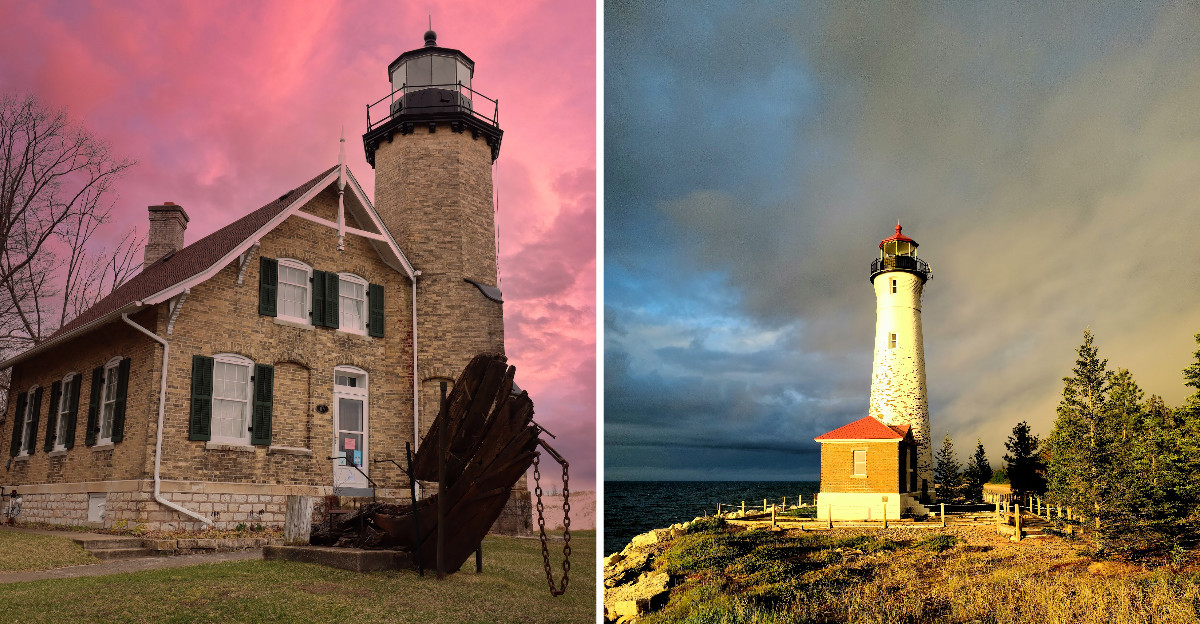
Okay, hear me out: one Michigan lighthouse keeper once warned ships away by lighting fires along the shore.
No fancy lens. No foghorn. Just flames on the sand and a whole lot of nerve.
That story hooked me immediately. Then I found towers at the end of sandy trails and one so remote its view gets called the end of the world.
I love that you can still climb many of these old lights yourself, sometimes for free. You get spiral stairs, shipwreck stories, and huge views across Lake Superior, Lake Huron, and Lake Michigan.
Your camera roll is going to work overtime!
I’d pack snacks, wear real shoes, and make a full road trip out of it next weekend. Which tower are you climbing first?
1. Mission Point Lighthouse, Traverse City
Driving to the very tip of a peninsula just to see a lighthouse sounds dramatic, and honestly, it is.
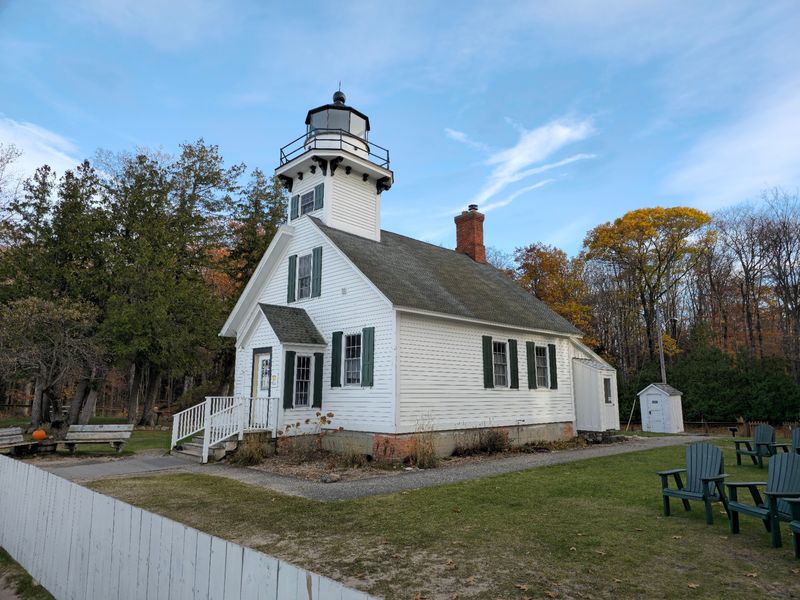
Center Road winds past orchards and vineyards before ending beside the white keeper’s house at Mission Point.
The station first illuminated Grand Traverse Bay on September 10, 1870. It continued operating until 1933, when an automatic offshore light took over.
Today, the building is a museum with restored rooms, exhibits about daily lighthouse life, and a climb to an upper viewing area.
A fifth-order Fresnel lens is displayed inside. It is an authentic historic lens acquired for the museum, rather than the original lens used at Mission Point. The distinction adds an interesting chapter to the story of the station’s equipment.
Another landmark is the nearby 45th parallel, a latitude halfway between the equator and North Pole.
Woodland walking trails and a beach provide reasons to stay after exploring indoors. The historic Hessler Log Cabin offers another glimpse of peninsula life.
The destination is 20500 Center Road near Traverse City. From May through October, the museum generally opens Wednesday through Monday, 10 a.m. to 5 p.m., and closes on Tuesday.
Some November weekends are available, while the surrounding public park remains accessible throughout the year.
The combination of scenic orchards, shoreline, and maritime history gives this stop an especially memorable approach.
2. South Haven Lighthouse
Red is clearly the color of confidence on this stretch of Lake Michigan.
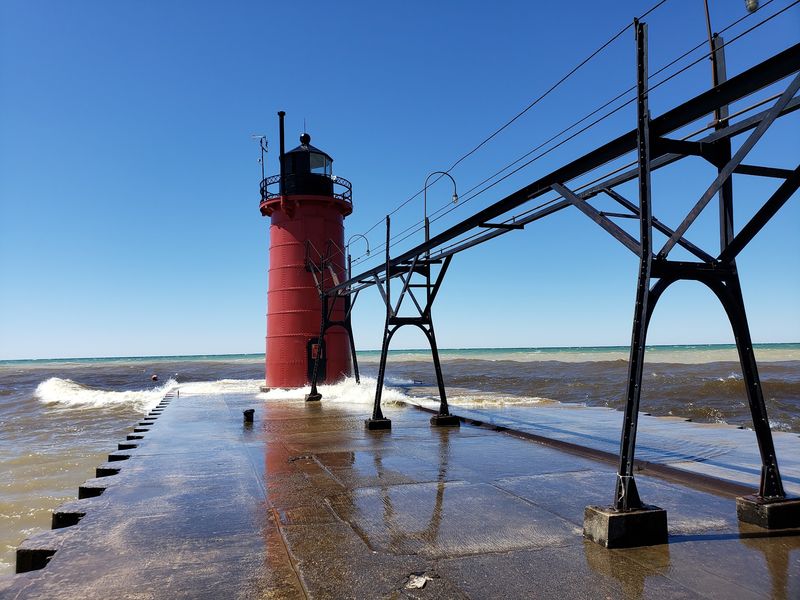
The South Haven South Pierhead Light stands at the end of a long pier, its brilliant red paint contrasting with the changing blues of the lake.
A harbor light first appeared here in 1872, while the present iron tower dates to 1903 and was moved to its current pier-end position in 1913.
The elevated metal catwalk connecting the structure toward shore is a particularly remarkable survivor of Great Lakes lighthouse engineering.
The experience is mostly outdoors. The tower is not ordinarily open for public tours, although limited lower-level access occasionally accompanies special community events.
Visitors instead enjoy the waterfront walk, the surrounding beaches, and views of boats entering the Black River harbor.
Wind and waves are important considerations. High surf can wash over the concrete, and icy conditions make the pier unsuitable for walking. Choosing a calm day is essential.
Few lighthouse settings combine a vivid landmark, a surviving catwalk, and a pleasantly walkable harbor quite like this one. Downtown shops and waterfront paths provide plenty to explore before returning to the lake.
Use 60 Water Street in South Haven as the waterfront destination, rather than the historical association’s office address on Hubbard Street. The pier can be approached from the South Beach area when conditions permit.
3. Big Sable Point Lighthouse, Ludington
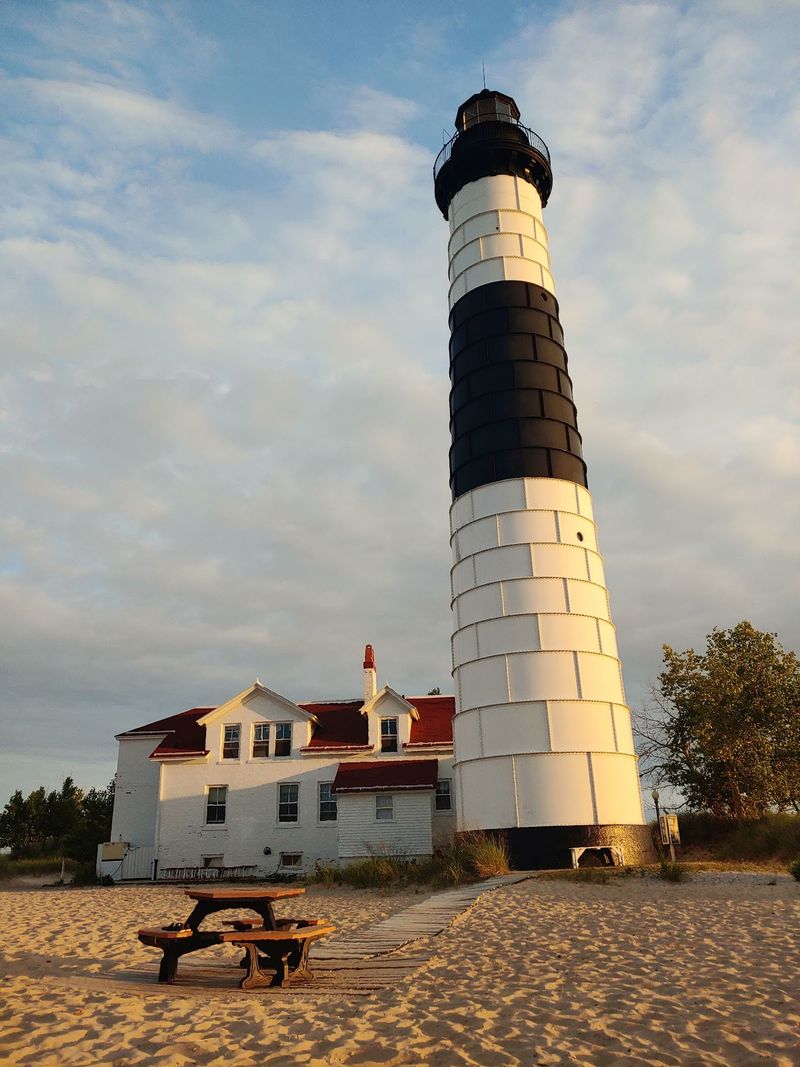
You have to earn this view, and that’s half the fun.
Reaching Big Sable Point Lighthouse means walking or cycling about 1.8 miles each way through Ludington State Park before the striped tower comes fully into view.
The route crosses a landscape of sandy paths, dune vegetation, and jack pines. Comfortable shoes and water are worthwhile companions, especially during warm weather.
The lighthouse’s striking black-and-white exterior makes an impressive contrast against the pale sand and the vast surface of the lake.
Completed in 1867, the tower stands 112 feet high. Its original brick exterior was later enclosed in metal cladding, helping give the structure its recognizable appearance.
When the tower is open, visitors can climb for panoramic views across the lake and surrounding park.
Start at Ludington State Park, 8800 West M-116, and follow the signed Lighthouse Trail from the park’s camping area.
The street address identifies the park entrance rather than a parking lot beside the lighthouse. A round trip on foot covers approximately 3.6 miles.
For fall 2026, public access is scheduled Thursday through Sunday from 10 a.m. until 5 p.m., ending October 25. Preservation work is also underway, so particular areas may be affected.
The walk gives this lighthouse something few roadside stops can offer: a rewarding adventure through the windswept dunes before the coastal landmark appears.
4. Point Betsie Lighthouse, Frankfort
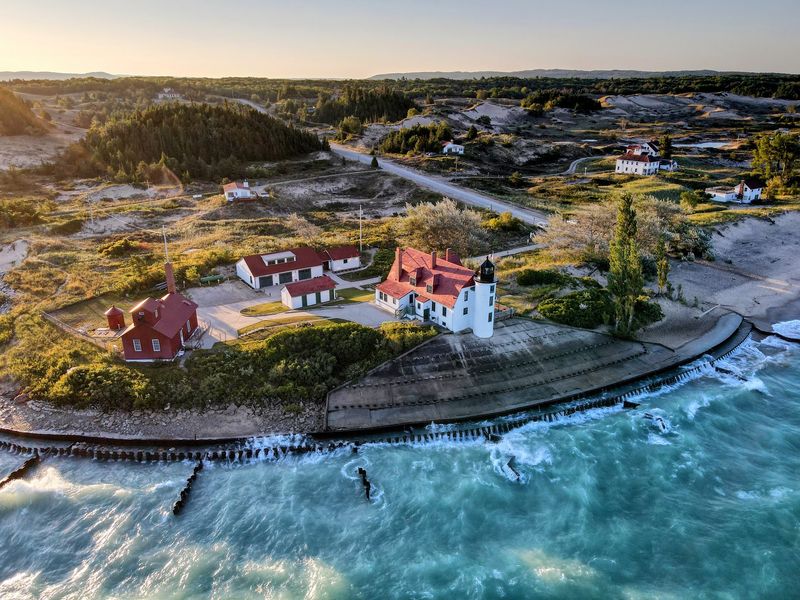
Listen closely and you’ll hear waves meeting the shoreline beside this beautiful red-roofed lighthouse.
Point Betsie occupies a narrow stretch of Lake Michigan coast where the beach and keeper’s house feel closely connected.
The lighthouse began operating in 1858. Its distinctive white walls, red roof, and attached tower have become recognizable features of the northern lakeshore.
During the visitor season, self-guided tours lead through the original keeper’s residence and up the 34-step tower. The lighthouse stands at 3701 Point Betsie Road near Frankfort.
Beach access is available outside the museum’s regular visiting season, although conditions along the water can vary.
The grounds also include a boathouse museum and a former fog-signal building, allowing visitors to learn how different structures contributed to navigation.
From the tower, the lake and beach stretch into the distance, making the climb a worthwhile addition to the exhibits.
The 2026 daytime tour season ran from May 16 through October 11, with selected daily closures.
Anyone traveling later in October should not assume the keeper’s house or tower will be available for an ordinary walk-in tour; special events have their own arrangements.
A shoreline visit is still rewarding when indoor spaces are closed. The sound of waves, low beach grasses, and red-roofed buildings create a distinctively colorful coastal scene, especially in the softer golden light of autumn.
5. McGulpin Point Lighthouse, Mackinaw City
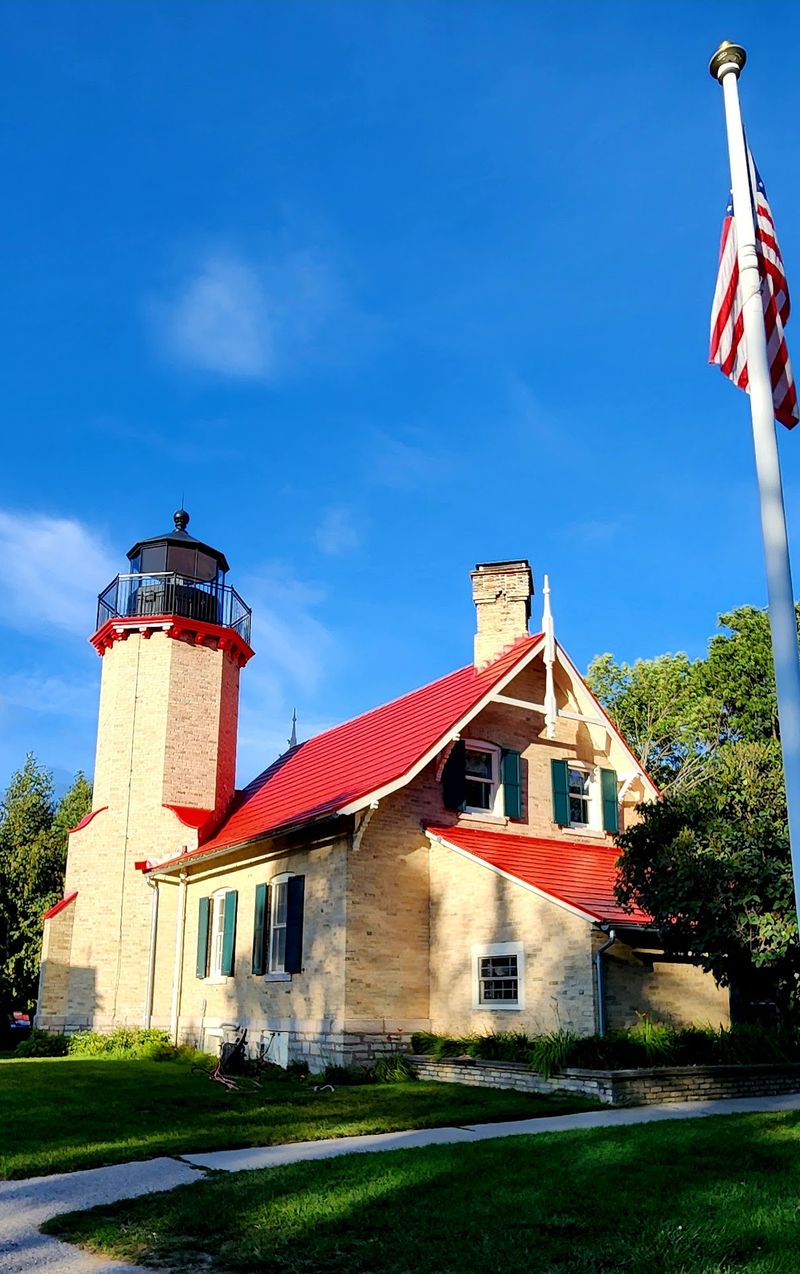
A relatively short tower climb leads to one of the most rewarding viewpoints near the Straits of Mackinac.
McGulpin Point Lighthouse combines a restored keeper’s house with woodland paths and glimpses of the Mackinac Bridge.
The brick lighthouse was completed in 1869 and guided vessels until 1906. It later served as a private residence before Emmet County acquired the site in 2008 and reopened the property to visitors the following year.
Its restored rooms explain lighthouse life and the importance of navigation through the Straits.
The tower contains a replica of its historic Fresnel lens, adding a visual reminder of the original lighting equipment. Climbing to the upper level gives visitors a different perspective on the nearby shoreline.
The grounds extend toward the water, with a path leading through trees to views across the Straits. The bridge appears between shoreline features, making this a pleasingly varied stop rather than a simple tower visit.
Visitors reach the property using 500 Headlands Road in Mackinaw City.
The county generally opens the lighthouse daily from 9:30 a.m. to 5 p.m. between May and October, but the published season also refers to a mid-October closing. Check the exact operating date before traveling late in the season.
For road-trippers crossing between peninsulas, it is an easy opportunity to explore a historic site while enjoying a quieter stretch of shoreline.
6. Whitefish Point Lighthouse, Paradise
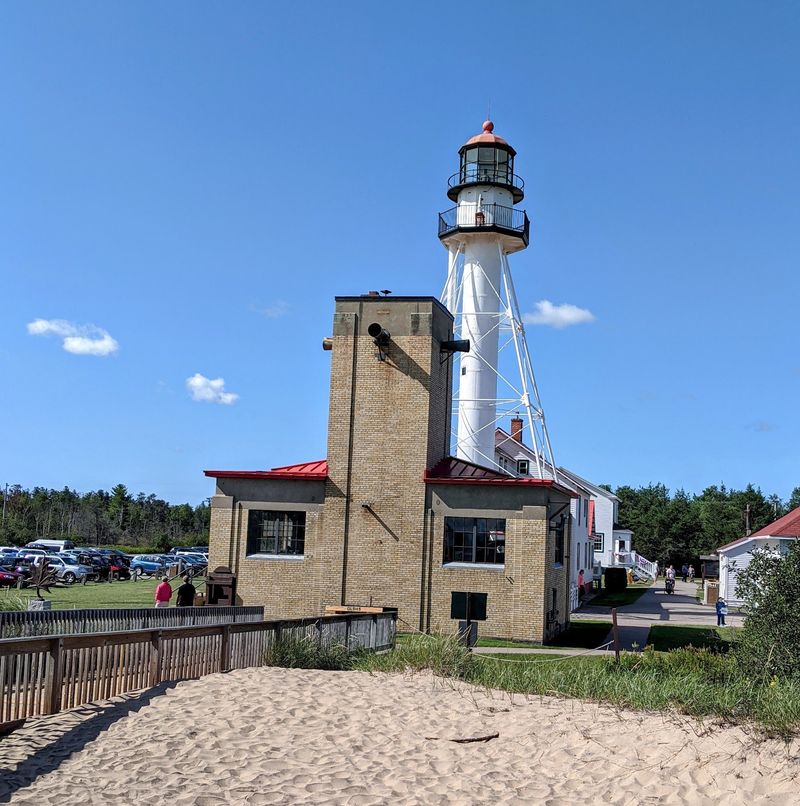
Lake Superior is famous for being big, cold, and a little moody.
Standing above its southeastern shoreline is the oldest operating lighthouse on the lake, with a light station established in 1849 and its present iron tower completed in 1861.
The Whitefish Point complex includes the Great Lakes Shipwreck Museum, restored keeper’s quarters, historic service buildings, and exhibits about navigation on this enormous body of water.
The museum displays maritime artifacts, models, and equipment illustrating how ships and shore stations worked together.
The lighthouse tower remains an active navigational aid. Visitors to the keeper’s quarters can enter the tower’s base and look up at its iron spiral staircase, but the museum’s ordinary admission does not include a climb to the top.
A boardwalk provides an accessible route toward the shoreline, where broad views open across Lake Superior. This stretch is also known for seasonal bird migration, giving nature enthusiasts another reason to pause.
Travel north along Whitefish Point Road to 18335 North Whitefish Point Road near Paradise. The museum’s 2026 season continues daily through October 31, from 9 a.m. to 5 p.m.
For a Michigan Upper Peninsula itinerary, this destination offers an unusually substantial combination of carefully preserved buildings, maritime history, and lakefront scenery.
7. Crisp Point Lighthouse, Newberry
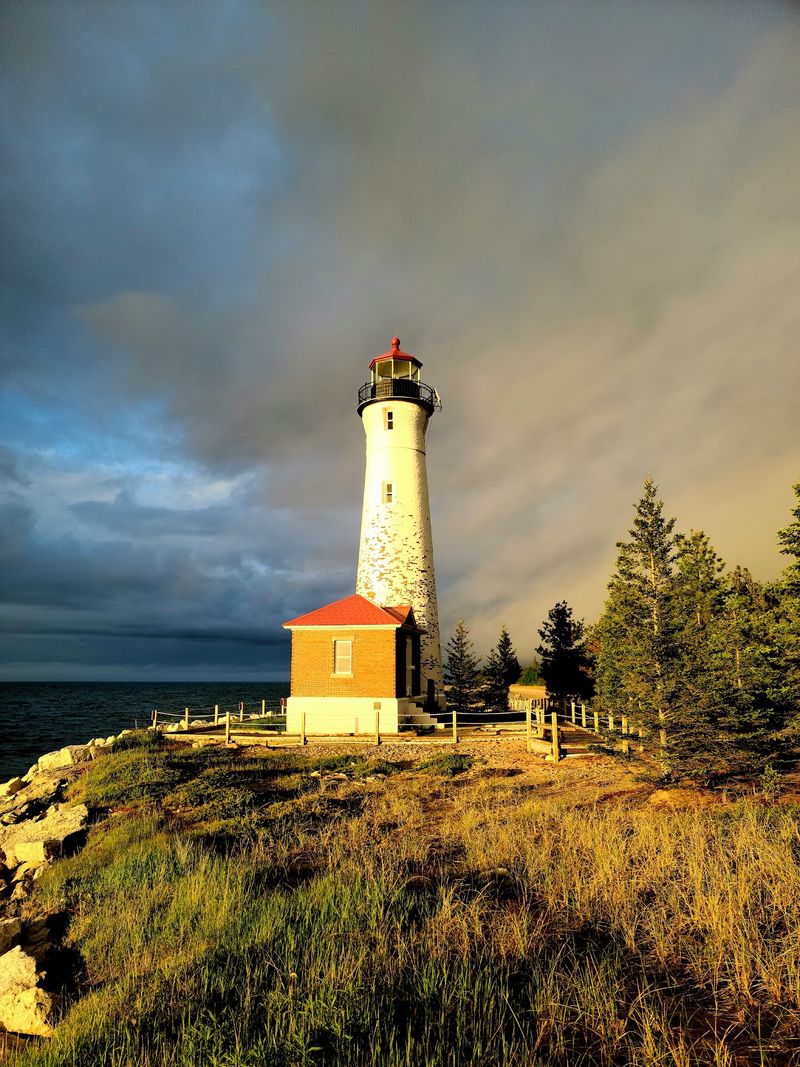
The view from this tower feels like the end of the world. After the long forest drive to Crisp Point, the immense Lake Superior horizon makes that description understandable.
The early-twentieth-century lighthouse stands in a remote stretch of shoreline reached by Luce County Road 412.
The final seven miles follow a seasonal route that is not plowed in winter, so road conditions are an essential part of any visit. Mobile reception can also be unreliable.
The lighthouse has been carefully restored, and its spiral staircase offers a climb to an upper viewing area when volunteers open the building.
A boardwalk connects the parking area with the tower, while the surrounding shore is scattered with stones and driftwood.
To find the site, use 1944 County Road 412, Newberry, and follow the historical society’s detailed driving directions rather than relying solely on a navigation app. The destination is much more remote than its mailing address might suggest.
Tower and visitor-center hours depend on volunteer availability and weather, generally falling between 10 a.m. and 6 p.m. during the warmer visiting season. The grounds remain open, while the visitor facilities close in winter.
Pack water, carry out any rubbish, and plan to complete the forest drive in daylight. The remoteness is part of Crisp Point’s extraordinary appeal, but it also rewards especially thoughtful preparation.
8. White River Light Station, Whitehall
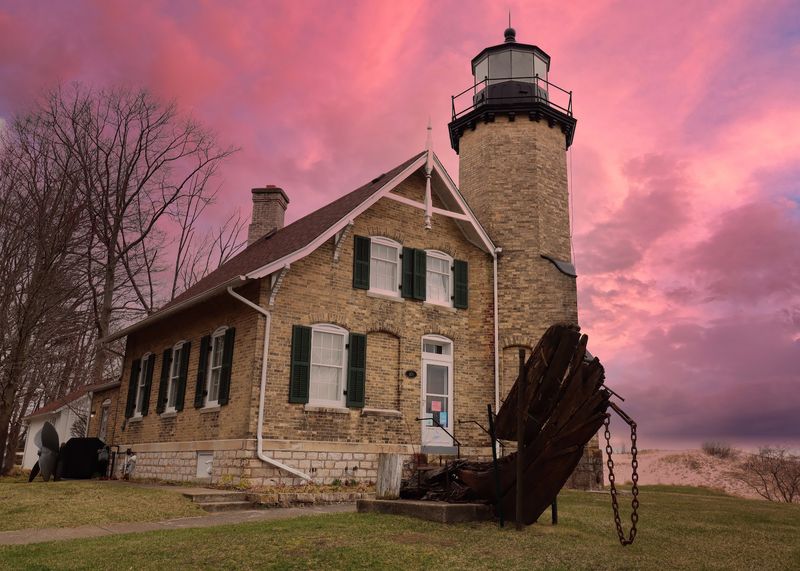
A lighthouse that doubles as a maritime museum makes this stop especially inviting.
White River Light Station stands near the channel between White Lake and Lake Michigan, with an attached keeper’s dwelling and a brick tower.
The station was built in 1875 after a navigation channel had opened in 1870, allowing lumber vessels to reach sawmills around White Lake.
Its light served the area until 1960. The building later became a museum, with displays that explain the duties and domestic routines of lighthouse keepers.
Visitors can climb the 38-foot tower and examine a historic fourth-order Fresnel lens in the museum. The lens’s carefully shaped glass demonstrates how lighthouse equipment concentrated light into a beam visible across the water.
Follow Murray Road to 6199 Murray Road near Whitehall. Parking is close to the building, and the adjacent channel and pier offer an extra waterfront walk.
The station’s history includes the last woman to serve as a lighthouse keeper in the state, making its exhibits especially interesting for anyone curious about the people behind the architecture.
During fall 2026, tours run Thursday through Sunday from 10 a.m. to 5 p.m., through October 25. Summer schedules allow more visiting days. Tower climbers need appropriate footwear, and height restrictions apply.
This is an absorbing place to see how a working navigation station became a carefully maintained local museum.
9. 40 Mile Point Lighthouse Park, Rogers City
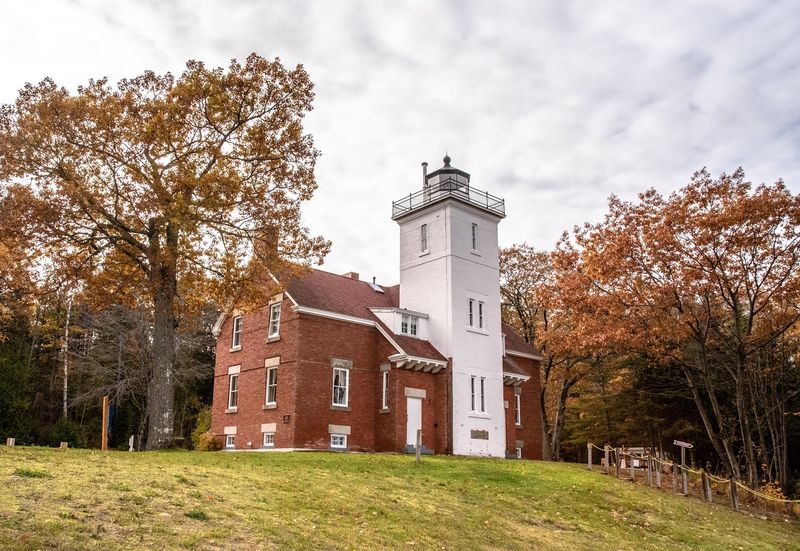
Sailors once faced a long unlit stretch along this part of Lake Huron. Forty Mile Point Lighthouse helped close that gap, and its unusual name reflects the distances between nearby navigation landmarks.
The station was completed in 1896, with the light operating the following spring.
Its brick tower rises from a substantial two-family keeper’s residence, which once provided separate living quarters for the keeper and assistant. The original fourth-order Fresnel lens remains part of the operating light.
The surrounding park contains several restored buildings and exhibits. A historic schoolhouse, the pilothouse from the Great Lakes vessel Calcite, and a museum in part of the keeper’s dwelling add layers of local history.
Near the beach, weathered remains of an old wooden vessel provide another visible reminder of the region’s shipping past. You’ll find Lighthouse Park at 7323 US-23 North, about seven miles beyond Rogers City.
The grounds are open year-round from 8 a.m. until sunset, with a beach and picnic areas available for a leisurely stop.
The museum, pilothouse, and schoolhouse operate seasonally from Memorial Day weekend through approximately mid-October.
Their usual hours are Tuesday through Saturday, 10 a.m. to 4 p.m., and Sunday afternoon. Indoor access is not guaranteed after the season closes.
Even without a tower tour, the preserved complex makes a rewarding place to connect shoreline scenery with nineteenth-century lighthouse architecture.
10. Marquette Harbor Lighthouse
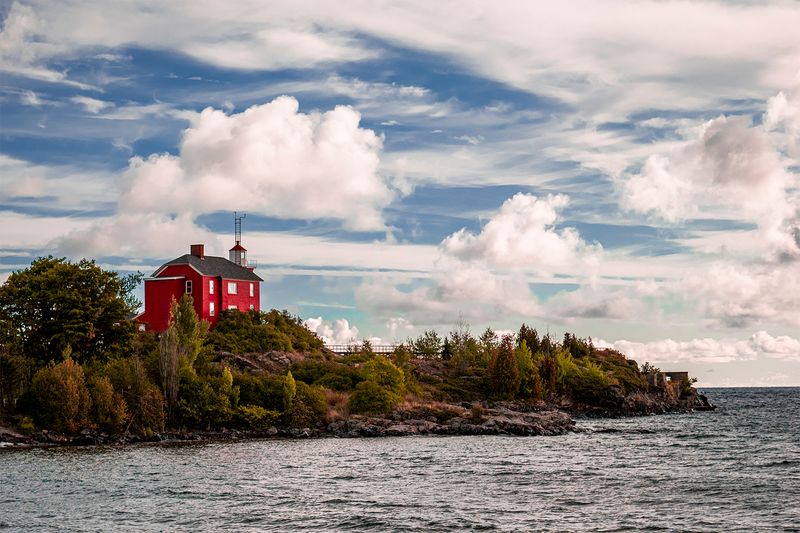
Red brick, a vivid red tower, and Lake Superior as a backdrop? Marquette Harbor Lighthouse certainly knows how to make an entrance.
The light station dates to 1853, although the present tower first illuminated the harbor in 1866.
From its raised position along the shoreline, the lighthouse looks toward the harbor and the city beyond. The historic structure remains an active navigational aid.
A guided tour provides access that ordinary visitors cannot obtain by arriving at the building alone. Tours are organized by the Marquette Maritime Museum and include a walk and more than forty steps to reach the lighthouse.
The interpretation covers the site’s history, its distinctive connecting walkway, and the changing harbor landscape.
Begin at the museum, 300 North Lakeshore Boulevard in Marquette, where the lighthouse tours depart.
The museum displays Fresnel lenses and other artifacts connected to the region’s shipping and navigation history, making the combined visit particularly interesting.
During the 2026 season, scheduled tours operated Tuesday through Sunday, usually at 11:30 a.m., 1 p.m., and 2:30 p.m. The regular season ended October 7, so later visitors should not expect indoor access without a specially announced event.
The bright building remains memorable from public waterfront viewpoints, even when tours are finished. It is a fitting final stop for a Great Lakes lighthouse itinerary, combining a lively harbor setting with over a century and a half of history.