Scientists Keep Finding Ancient Sharks Inside Kentucky’s Most Famous Cave
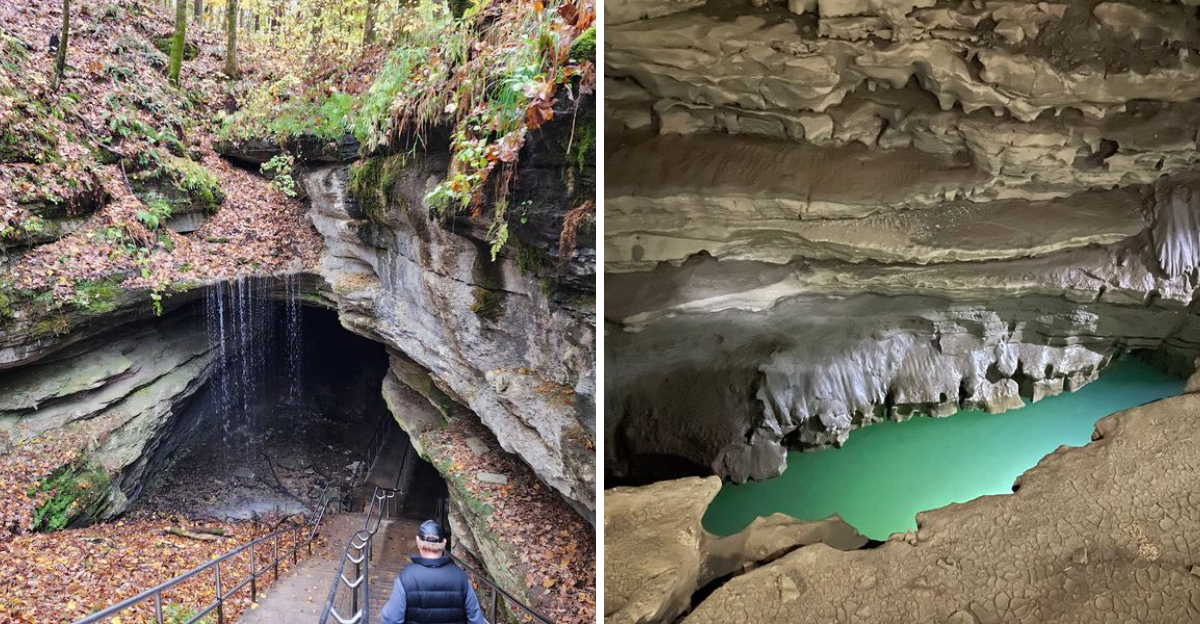
How do you feel about sharks turning up hundreds of miles from the nearest ocean? Kentucky has them, and they are underground.
Scientists have been crawling through the dark since 2019 and keep pulling out teeth belonging to sharks nobody had ever named. The count now sits above seventy shark and fish species, which is a startling number of predators for a landlocked state.
The reason is simple and slightly unsettling. All of this was warm shallow sea more than three hundred twenty five million years ago, back before the continents shoved themselves together.
Two of the newer species ran ten to twelve feet, roughly the size of an oceanic whitetip. One set of fossilized jaws and gills is still down there, wedged into a passage too narrow for the researcher to fit through.
Another find required crawling a quarter mile on hands and knees, which the paleontologist admitted starts to hurt.
Mammoth Cave Turned Out To Be An Ancient Seafloor
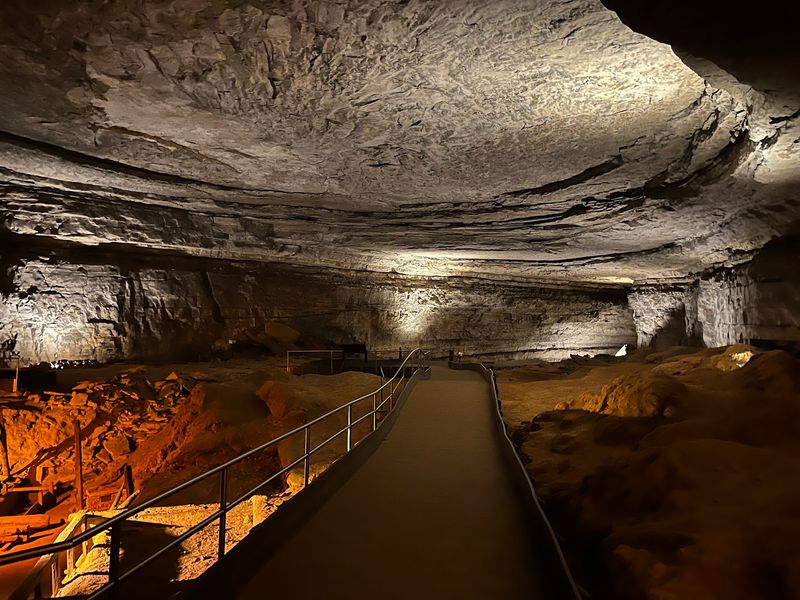
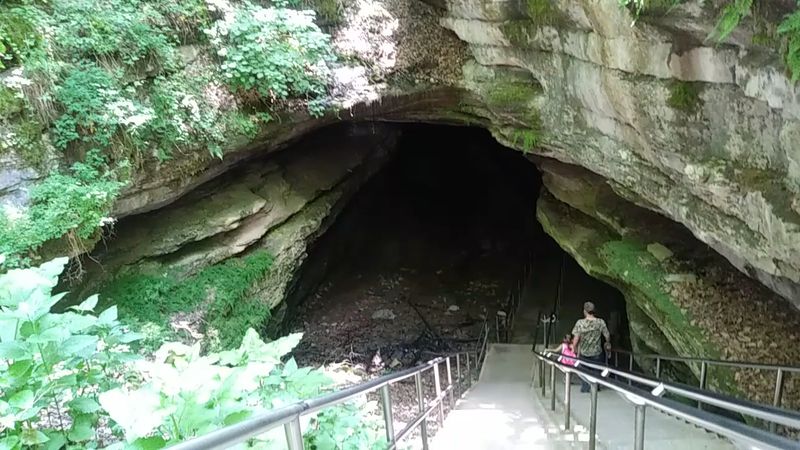
Mammoth Cave sits in southern Kentucky, and its walls are made of limestone. That limestone formed at the bottom of a shallow tropical ocean.
The rock dates to the Mississippian period, roughly 325 to 340 million years ago. Back then, this part of North America sat near the equator under warm salt water.
Shells, coral bits, and sea creatures piled up on that seafloor for millions of years. Pressure and time pressed them into thick sheets of stone.
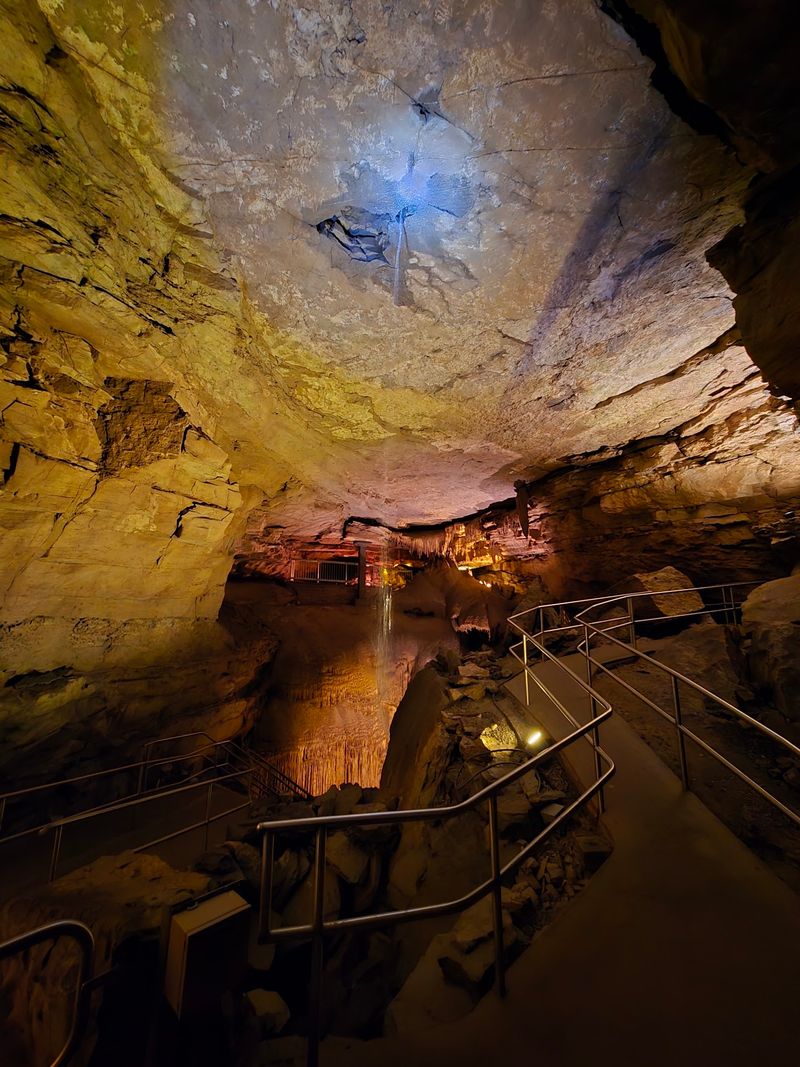
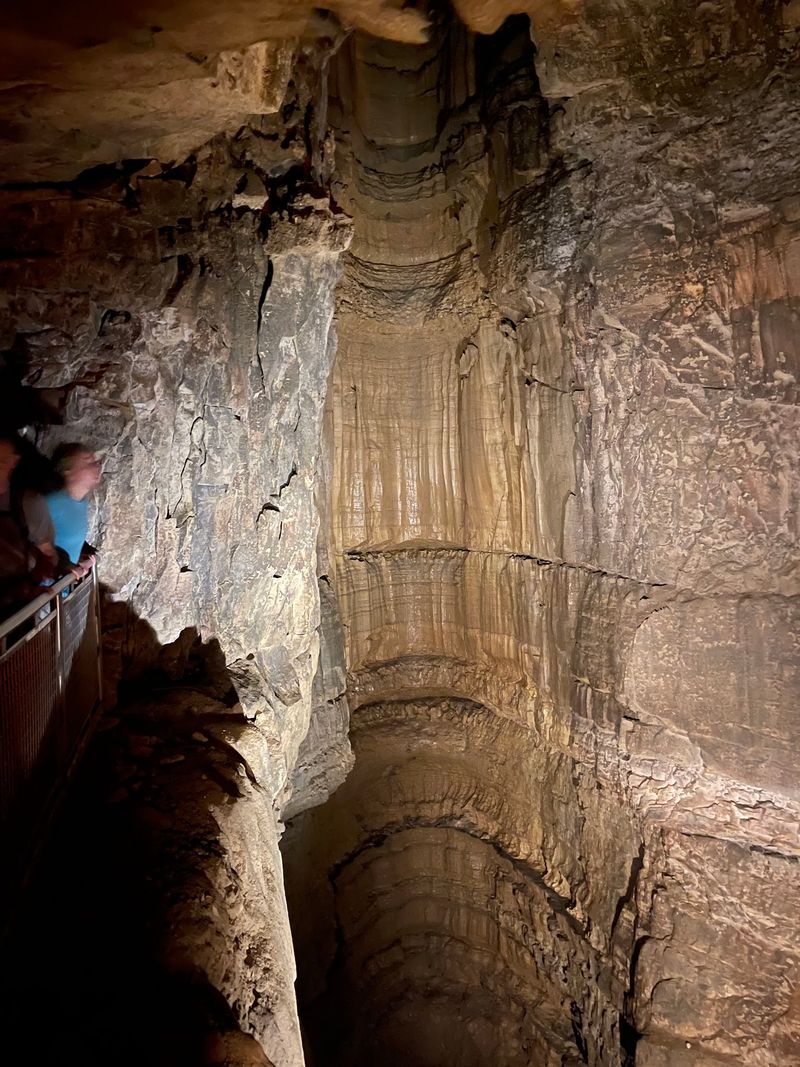
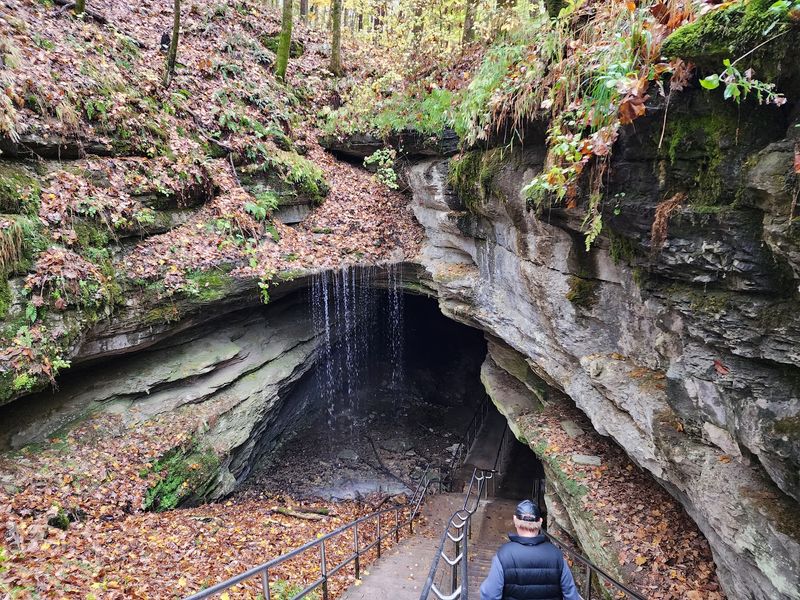
Later, water carved passages through the rock. The cave you walk today is basically a tunnel drilled through an old ocean bottom.
That is why fossils show up in the ceiling instead of the floor. Visitors crane their necks and spot the outlines with their own eyes.
I remember running my flashlight along one wall and seeing dozens of small circles. Those were crinoid stems, relatives of sea stars.
Once you understand the setting, the shark discoveries stop sounding strange. A seafloor should hold sea animals.
Mammoth Cave protects more than 400 miles of mapped passage. Every surveyed mile gives scientists more ancient ocean to read.
A Park Guide Spotted The First Big Clue
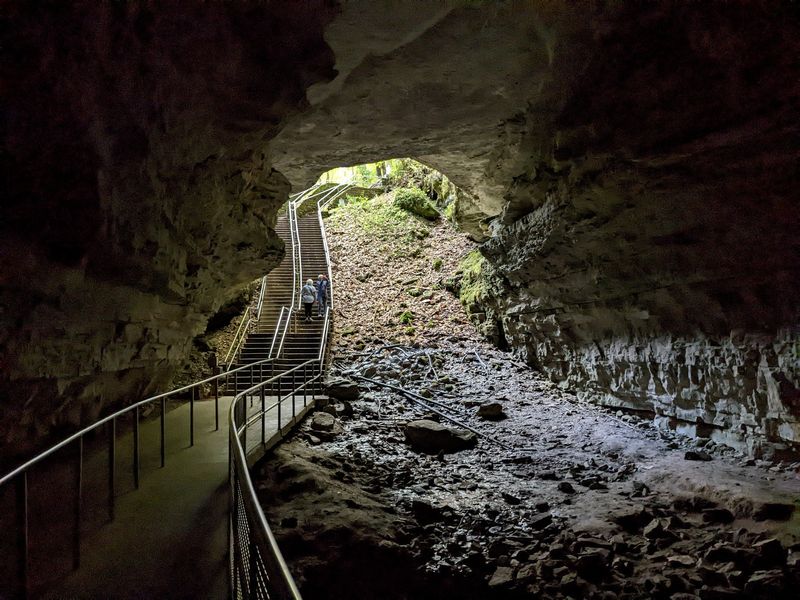
The shark story started with a photograph, not a shovel. In 2019, park specialists were mapping cave passages and noticed odd shapes in the ceiling.
Photos went out to paleontologists for a second opinion. The answer came back fast and loud: shark fossils.
Rick Toomey, a cave scientist at the park, helped connect the finds to outside experts. Vincent Santucci and John-Paul Hodnett of the National Park Service joined the effort.
Hodnett studies ancient sharks for a living. When he arrived and looked up, he found teeth and cartilage almost everywhere he pointed his light.
Word spread quickly in 2020 when the park shared early results. Suddenly a cave known for tourism became a research destination.
What makes the discovery charming is how ordinary the start was. Somebody paid attention on a routine survey.
I think about that every time I rush past something interesting. Curiosity did more here than fancy equipment ever could.
The team has kept working through the passages since then. New material keeps appearing in rock people walked past for a century.
Troglocladodus Trimblei, A Species Named For The Cave
One new species carries the cave right inside its name. Troglocladodus trimblei roughly means cave branching tooth.
Researchers announced it in 2024 after studying teeth found at Mammoth Cave and in northern Alabama. The teeth have a distinctive forked, three pronged shape.
Scientists estimate the animal reached about 10 to 12 feet long. Picture something close to an oceanic whitetip in size, gliding through warm shallow water.
The species name honors Barclay Trimble, a former park superintendent. He found the first tooth of the species himself.
That detail always gets a laugh on tours. The boss went for a walk and came back with a brand new shark.
Teeth are the usual clue for ancient sharks because they are hard and plentiful. Most of the rest of the body was cartilage, which rarely lasts.
Each tooth shape tells researchers about diet and hunting style. Sharp, slender points suggest a hunter that grabbed slippery prey.
Naming a species after the cave felt fitting. Mammoth Cave is now part of shark science vocabulary.
Glikmanius Careforum And A Family Pushed Back In Time
The second new species came with a bonus discovery. Glikmanius careforum showed up as teeth plus a rare piece of jaw and gill structure.
Finding that cartilage material is unusual. It let researchers compare the animal to relatives with real confidence.
The name honors the Cave Research Foundation, a group that has supported exploration and science at the park for decades. Volunteers there mapped passages long before the shark work began.
Size estimates put the animal near 10 to 12 feet as well. It belonged to a group called ctenacanths, known for stout heads and strong bites.
Here is the part paleontologists cared about most. The find pushed the known age of its genus back by roughly 50 million years.
That kind of shift matters because it rewrites timelines. Textbooks get updated over a few fossil fragments in a Kentucky ceiling.
Its teeth suggest a diet of smaller sharks, fish, and shelled creatures. A serious predator in a crowded reef system.
Two new species from one cave is a strong year. Researchers suspect more are waiting.
More Than 70 Kinds Of Ancient Fish In The Walls
Two named species barely scratch the surface. Surveys have identified more than 70 types of ancient fish inside the cave system.
At least 40 of those are sharks and their relatives. Skates, rays, and odd shelled swimmers round out the list.
Some fossils sit in the ceiling. Others appear in walls, in loose rock, and in the rubble along passage floors.
Researchers found material across dozens of separate spots inside the cave. That spread suggests a whole ecosystem, not one lucky burial.
Imagine a reef busy with hunters of every size. Small sharks the length of your arm shared water with 12 foot predators.
Crinoids, brachiopods, and corals filled in the background. Those fossils are the easiest ones for visitors to notice.
I once spent five minutes staring at what looked like a coin pressed into rock. A guide said it was a crinoid stem section.
The variety is what excites scientists most. Few places preserve so many species in one readable slice of ocean floor.
Kentucky, of all places, holds a shark encyclopedia.
Why A Dark Cave Beats An Open Cliff For Fossils
Sunlight, rain, and freezing weather wreck fossils. Caves skip all three.
Inside Mammoth Cave, temperatures hold steady near 54 degrees Fahrenheit year round. That stability protects delicate material for a very long time.
No wind sandblasts the surfaces. No frost cracks the rock apart each winter.
Because of that shelter, fragile cartilage survived here when it vanished elsewhere. The jaw piece from Glikmanius careforum is a good example.
Cave walls also give scientists a clean cross section. Water carved through the layers and exposed them like pages in a book.
On a cliff face, you get weathered fragments. Underground, you get crisp detail and original position.
The tradeoff is access. Some fossil sites sit far from any tour trail and require long crawls through tight passages.
Researchers document many finds photographically and leave them in place. Removing a fossil from a ceiling can damage both the specimen and the cave.
That patient approach means slower results. It also means the record stays intact for future scientists with better tools.
What Visitors Can See On A Tour
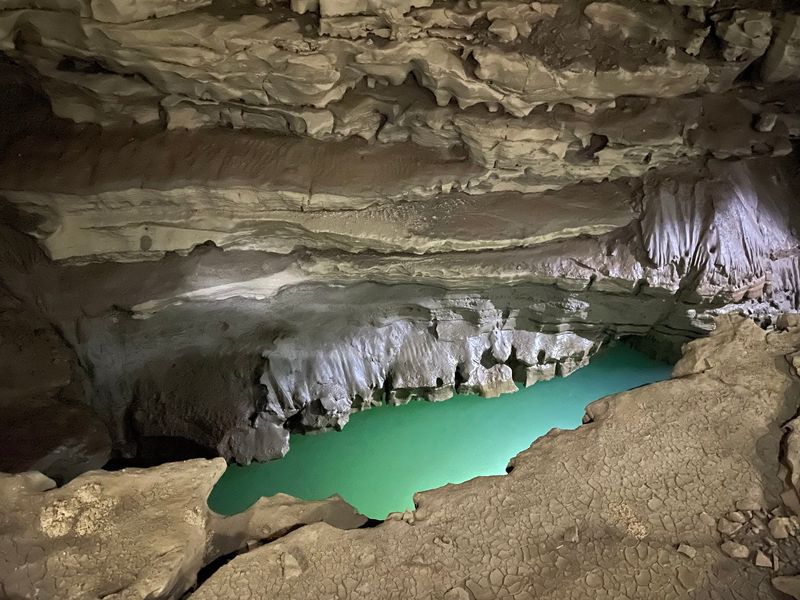
Good news for anyone planning a trip. You do not need a research permit to see fossils here.
Several popular tours pass rock loaded with crinoid stems, brachiopod shells, and coral shapes. Guides often point them out mid walk.
Shark teeth are harder to spot. Most sit in remote passages closed to the public for safety and protection.
Still, rangers share photos and updates during talks. Ask a guide about the shark research and you will usually get an enthusiastic answer.
Practical tips help a lot. Wear closed shoes with grip, since paths get damp and uneven.
Bring a light jacket even in July. That steady chill sneaks up on people in shorts.
Tickets for popular tours sell out during summer weekends. Booking ahead saves a long wait at the visitor center.
Photography is allowed on most routes, though lighting is dim. Steady hands beat flash every time.
My favorite move is simply looking up more often. The ceiling holds the oldest stories in the building.
The Search Is Far From Finished
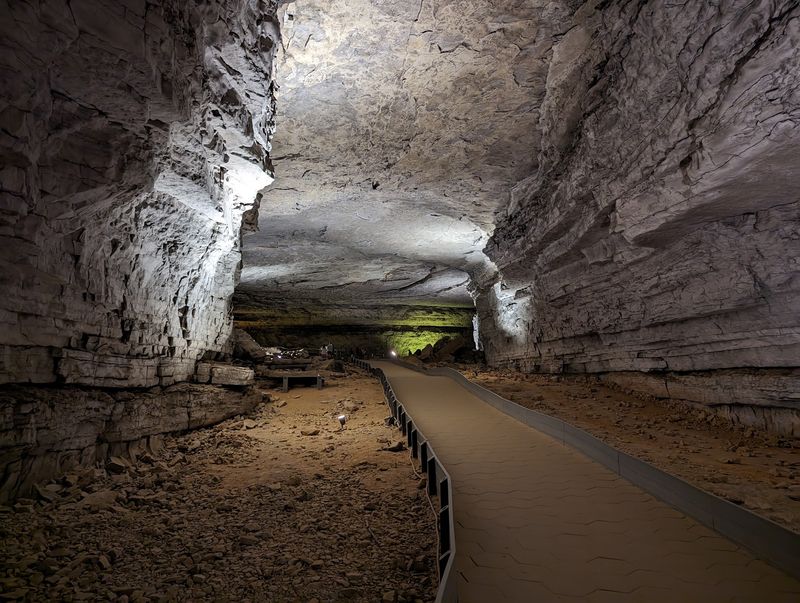
Mammoth Cave holds more than 400 mapped miles, and crews keep adding more. Every new passage is fresh ground for fossil hunting.
Researchers estimate large sections remain unexplored. Nobody knows how many species hide in that unmapped rock.
The park now runs shark related programs and shares findings with the public. Kids get to hold casts of ancient teeth during events.
Nearby parks in Kentucky, Alabama, and Missouri have produced related finds. The same ancient sea stretched across the region.
Comparing sites helps scientists map an entire prehistoric food web. One cave becomes a doorway to a lost ocean.
Volunteers still play a huge role. Cave Research Foundation members survey passages on their own time.
I like that the biggest lesson here is patience. Nobody found these sharks by rushing.
Announcements have come steadily since 2020, and more papers are in progress. Expect additional species names in the years ahead.
So the next time someone calls Kentucky landlocked, you have a comeback. Its most famous cave is packed with sharks.