7 Secluded Connecticut Neighborhoods That Feel Like Hidden Escapes
Every so often, a neighborhood feels like it is keeping a quiet little secret. The roads narrow, the noise drops off, and the whole pace changes before you even realize it.
A secluded neighborhood in Connecticut can feel like a peaceful escape with its own small world waiting nearby. That is the charm here.
These are the places where old houses sit behind leafy turns.
A village corner might feel unhurried enough to make you slow down without thinking. Then a stretch of water or woods appears and the drive suddenly feels more interesting.
Nothing feels staged. Nothing feels loud.
You get the sense that people love these spots because they still have room to breathe. They are calm without feeling empty. They are pretty without looking polished.
For anyone who enjoys quiet roads and places with real character, neighborhoods like these make a simple afternoon feel wonderfully far from the usual routine.
1. Noank, Groton
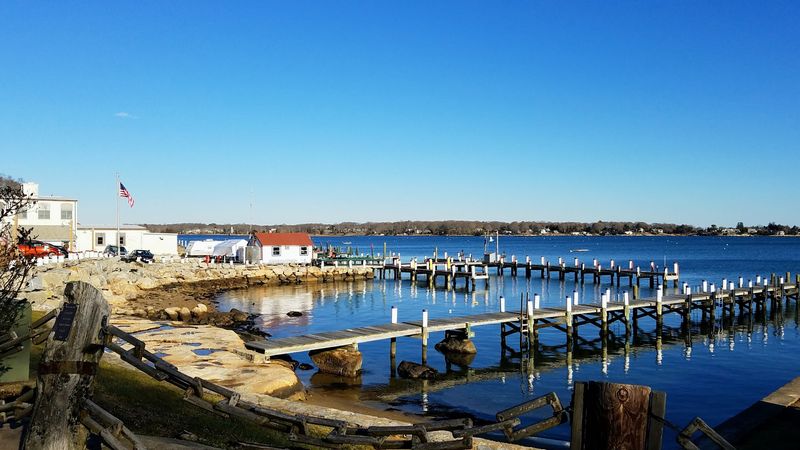
A coastal village does not need heavy tourism to feel memorable. Noank Village has the kind of quiet shoreline character that comes from working harbors, old homes, narrow streets, and everyday life unfolding close to the water.
Main Street runs through the heart of the village, passing Victorian-era houses, shingled cottages, small local businesses, and quick glimpses of blue between buildings.
The village’s maritime roots go back to the 1800s, when fishing, lobstering, and boatbuilding shaped both the economy and the look of the waterfront. Noank occupies a small peninsula near the mouth of the Mystic River, and its historic district is listed on the National Register of Historic Places.
That history still comes through in the slope of the streets, the harbor views, and the easy rhythm of a place that has not been polished into a tourist strip. On clear mornings, the water around Fisher Island Sound can look especially striking from the right vantage point.
Noank sits in the town of Groton, near Mystic, but it feels calmer and more residential than its busier neighbors. Parking near the village center is usually easier on weekdays, and the compact layout makes it pleasant to explore at an unhurried pace.
Abbott’s Lobster in the Rough, a famous seasonal seafood stop nearby, brings extra visitors in warm months. The village also has a small historical society with maritime exhibits and local memorabilia, adding another layer for visitors interested in its working-waterfront past.
Still, the village itself keeps its low-key personality. For travelers who want coastal scenery, history, and a slower walk by the water, Noank offers a refreshing change of pace.
2. Stony Creek, Branford
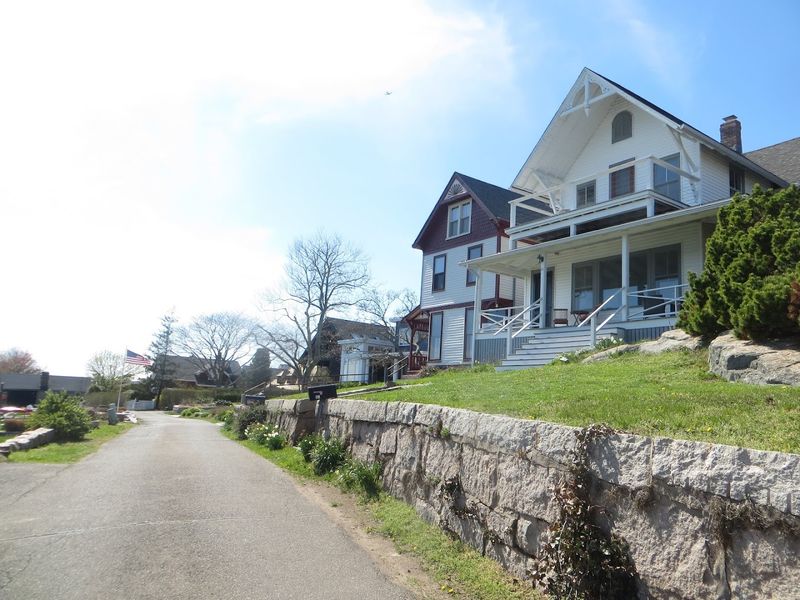
A shoreline escape can feel wonderfully secret when the road narrows, the pace softens, and the water suddenly appears between rooftops. Stony Creek has that hidden-away quality, even though it sits within Branford and close to better-known coastal routes.
The village rests at the edge of the Thimble Islands, a cluster of small rocky islands that gives the harbor its unmistakable sense of wonder.
Boat tours are a major part of the experience, especially in warmer months. The Stony Creek Dock area, reached from 4 Indian Point Road in Branford, serves as a departure point for narrated trips through the islands, where granite outcrops, summer cottages, and local legends all come into view.
The islands are known for their unusually high concentration of private homes, though many of the rocky outcrops remain small and undeveloped. Those tours make it easy to understand why this pocket of shoreline has drawn artists, boaters, and scenery seekers for generations.
The village itself is compact enough to explore slowly, with local spots, a small harbor, and views that shift as you move along the water. Pink Stony Creek granite gives the landscape a distinctive texture, setting it apart from the softer beach towns elsewhere along the coast.
That same granite was quarried locally and used in notable buildings and public works, including parts of the Statue of Liberty’s pedestal.
Summer weekends bring the most activity, especially when tours are running. For a quieter hidden-escape feel, midweek visits or shoulder-season days in late spring and early fall work beautifully.
The Stony Creek Museum adds helpful local context for visitors curious about the area’s quarrying, island, and village history.
3. Chester Center, Chester
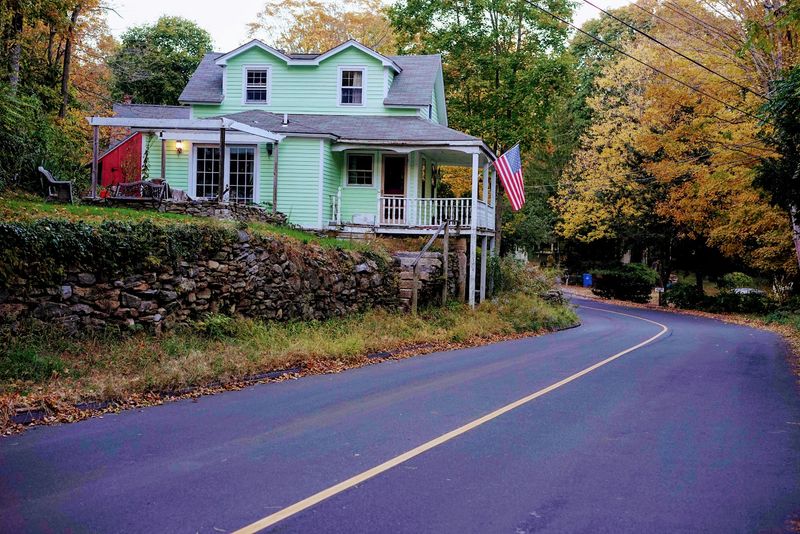
Chester has the kind of creative energy that tends to develop slowly in small towns over many decades and then suddenly feels completely natural.
Main Street, Chester, CT 06412 is lined with independent galleries, artisan studios, and locally owned shops that give the village a cultural richness that belies its small size.
The street is short enough to walk end to end in a few minutes but interesting enough to keep visitors moving slowly and stopping often.
The town has built a quiet reputation among artists and craftspeople who value its proximity to the Connecticut River and the surrounding woodlands without wanting to sacrifice access to a functioning community.
Farm-to-table dining options have taken root here in a way that feels organic rather than trendy and the food scene reflects the agricultural landscape that surrounds the town.
Chester also sits close to Gillette Castle State Park which adds an outdoor dimension to any visit without requiring much extra planning.
Weekend mornings on Main Street tend to bring out a mix of locals and visitors who browse at an unhurried pace and the atmosphere stays conversational rather than crowded.
The town does not have the commercial scale to feel overwhelming which is part of what makes it feel like a genuine discovery.
For anyone drawn to places where creativity and community overlap in quiet and unforced ways, Chester Center rewards a slow and curious visit.
4. Riverton Village, Barkhamsted
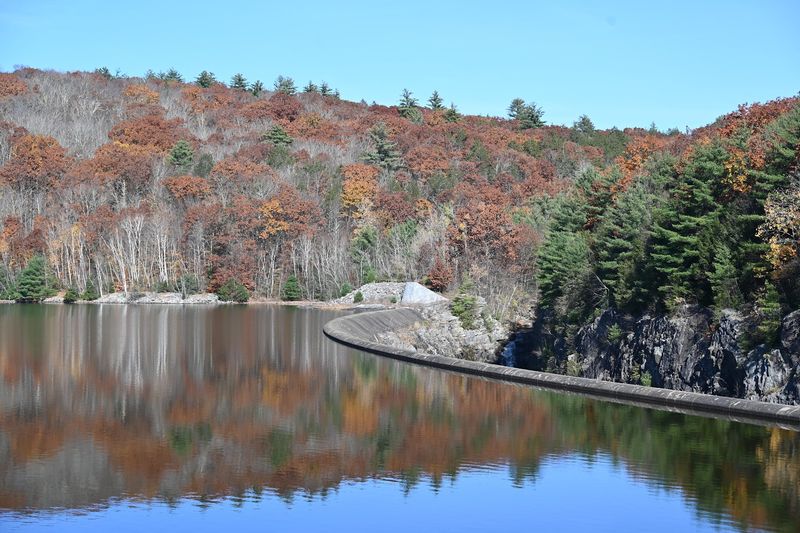
A hidden escape feels even better when it still functions like a real village, and Riverton has exactly that kind of quiet pull.
Set in the northwestern hills, this small Barkhamsted village feels remote in the best way, with wooded roads, river sounds, and a compact center that seems to appear almost suddenly after miles of forested scenery.
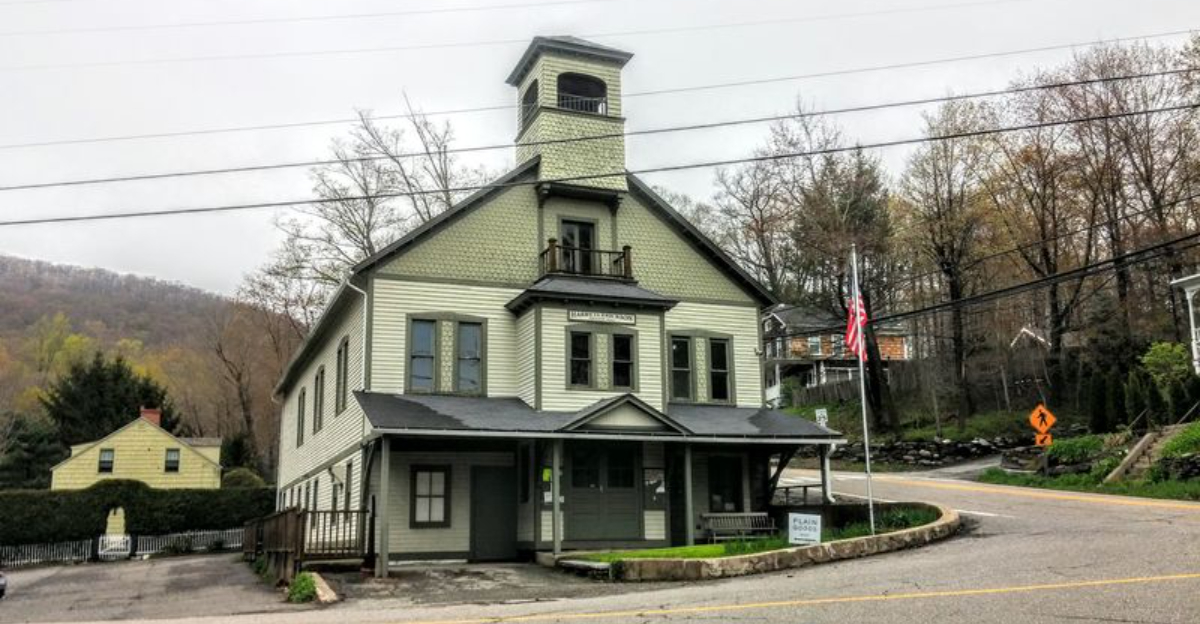
The village center around 2 Main Street includes the Riverton General Store, a longtime gathering point for breakfast, lunch, quick errands, and local conversation.
Nearby historic buildings, including a white-steepled church and old mill-era structures, give the area a sense of continuity that fits beautifully with the surrounding hills.
The Farmington River runs close by, adding movement and sound to a place that otherwise feels wonderfully still.
Riverton’s history is strongly tied to the Hitchcock Chair Company, whose name remains important in American craft and furniture history. During the nineteenth century, the village developed around small industry powered by nearby rivers, and that past still gives the streets their character.
Around it, large stretches of watershed land and state forest help keep the landscape dense, green, and mostly undeveloped.
Outdoor access is part of the appeal too, with fishing, hiking, and river walks nearby for visitors who prefer nature over resort-style polish. Autumn may be the most dramatic season, when the hillsides brighten and the light settles softly over the water.
For travelers drawn to secluded neighborhoods with real texture, Riverton offers simplicity, history, and a peaceful rhythm that feels deeply rooted.
5. Norfolk Historic District, Norfolk
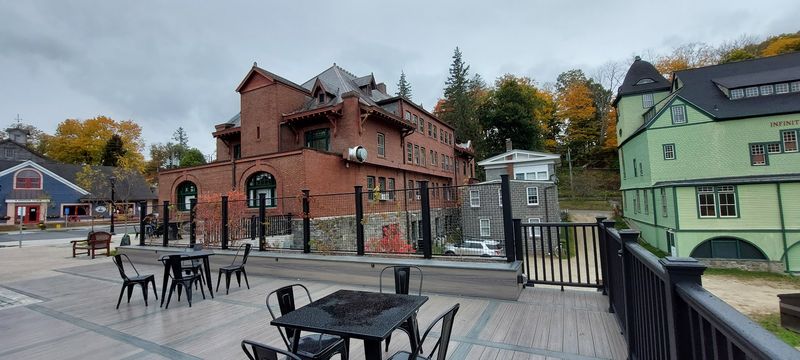
At an elevation that gives it cooler temperatures and longer winters than most of the state, Norfolk sits in the far northwestern corner of the state with a character shaped by both its geography and its history.
The village green at 13 Village Green, Norfolk, CT 06058 is one of the most intact historic greens in New England and the buildings surrounding it reflect the prosperity of the late nineteenth and early twentieth centuries when the town attracted wealthy summer residents.
The combination of architecture, open green space, and surrounding forest gives Norfolk a visual coherence that feels rare and genuinely unhurried.
Norfolk is well known for the Norfolk Chamber Music Festival which brings world-class performances to the Yale Summer School of Music each summer and draws visitors who might not otherwise find their way to this quiet corner of the state.
The Battell Stoeckel Estate which hosts the festival sits adjacent to the village and its grounds are beautiful in their own right.
Beyond the festival season Norfolk settles back into a stillness that feels almost complete.
The surrounding land includes portions of the Berkshire foothills and the hiking and wildlife viewing opportunities in the area are substantial. Campbell Falls State Park lies just north of the village near the Massachusetts border and the waterfall there is worth the short trail walk to reach.
Norfolk rewards visitors who appreciate the feeling of arriving somewhere that has not been packaged for tourism and where the quiet is a genuine feature rather than an absence of activity.
6. Southport Historic District, Fairfield
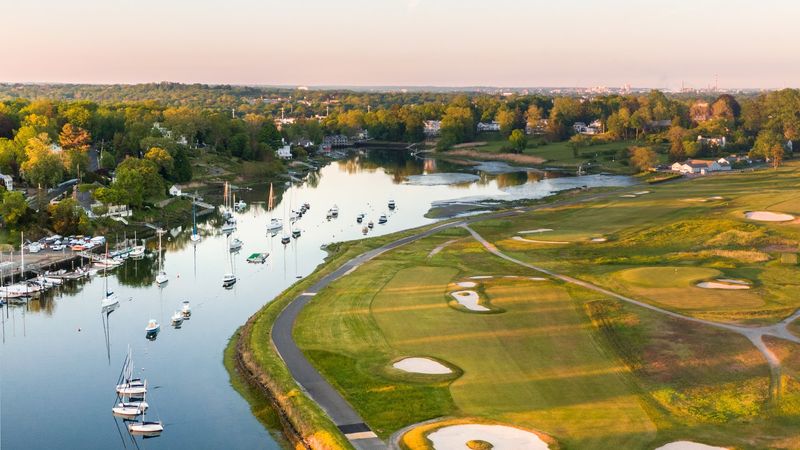
Southport feels like a neighborhood that has quietly resisted the pressure to change and the result is a streetscape and harbor that look remarkably similar to how they appeared more than a century ago.
Harbor Road, Southport, CT 06890 curves along the edge of Southport Harbor and the views across the water toward the sailboats and the opposite shore carry a calm that is easy to settle into.
The historic district encompasses a dense collection of Federal and Greek Revival homes that have been maintained with evident care over many generations.
Southport sits within the town of Fairfield which gives it access to a broader range of services and amenities while the historic district itself maintains a residential quietness that keeps it feeling separate from the surrounding suburban landscape. The harbor is small and sheltered which means the water stays relatively calm and the atmosphere along the waterfront feels more contemplative than active.
Walking along the harbor on a weekday morning offers a genuinely peaceful experience that contrasts sharply with the busier parts of coastal Fairfield County.
The village center has a handful of locally oriented businesses and the architecture along every street in the district reinforces the sense that preservation has been taken seriously here for a long time.
Southport is not a destination built around attractions or experiences but rather around the simple pleasure of being in a place that has been kept beautiful through consistent care.
For anyone passing through Fairfield County, taking the time to walk through Southport tends to be one of the more memorable parts of the visit.
7. New Preston Village, Washington
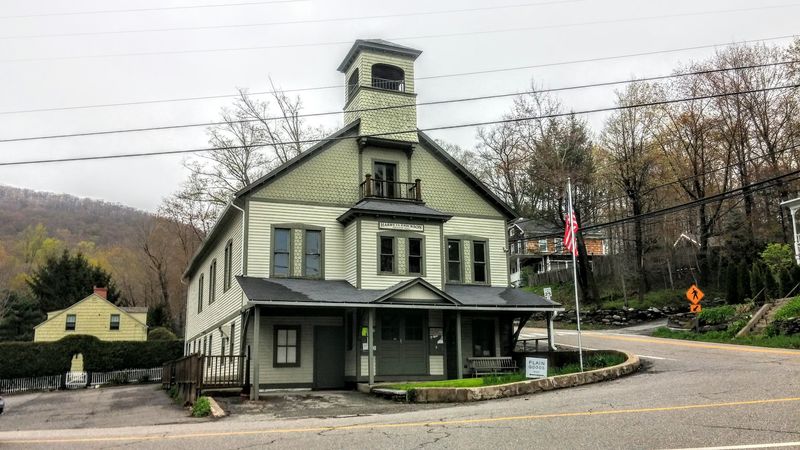
A lakeside village can feel quietly luxurious without trying to impress anyone. New Preston has that rare quality, with a compact center, wooded hills, reflective water nearby, and a calm that feels built into the landscape itself.
Set within the town of Washington, the village sits above Lake Waramaug, one of the most scenic bodies of water in the state, where tree-lined shores can look almost mirrorlike on still mornings.
The center near 13 East Shore Road brings together antique dealers, design shops, home stores, and specialty stops that give the village a refined but relaxed personality.
It draws weekend visitors and collectors from around the region, yet the pace usually stays manageable, especially on weekdays when browsing feels slower and more personal.
Shop owners tend to know their collections well, which makes the experience feel less rushed and more conversational.
The surrounding Litchfield Hills add to the sense of escape. Roads curve past meadows, ridgelines, old stone walls, and forested stretches that shift quickly from polished village scenery to open countryside.
Nearby, Hopkins Vineyard overlooks Lake Waramaug from a hillside, offering one of the area’s most memorable viewpoints.
What makes New Preston fit the idea of a hidden escape is not isolation alone. It is the way beauty, preservation, and everyday village life share the same small space.
Repeat visits tend to reveal more: a quiet shop detail, a better lake view, a softer afternoon light, or another reason to stay a little longer.