16 Secret Locations In Georgia Even Locals Don’t Always Know About
Georgia holds more than just the usual tourist spots you see in guidebooks.
Hidden throughout the state are places that even people who have lived here their whole lives might not have discovered yet.
I’m excited to share some of these secret locations that will make you feel like a true explorer in your own backyard.
1. Consolidated Gold Mine
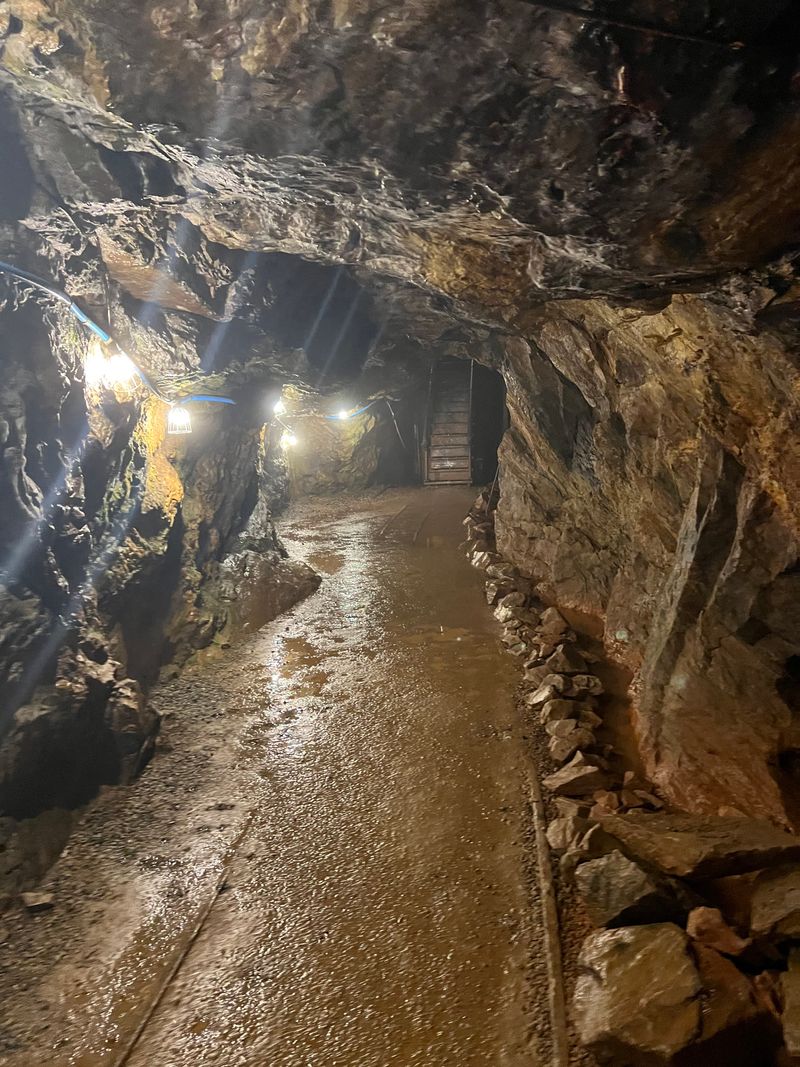
Gold fever isn’t just something from old Western movies. You can experience the real thing right here in North Georgia. The Consolidated Gold Mine in Dahlonega lets you walk through actual tunnels where miners once searched for fortune back in the 1800s.
Located at 185 Consolidated Gold Mine Road, Dahlonega, GA 30533, this underground adventure takes you 200 feet below the surface. The temperature stays a cool 60 degrees year-round, so bring a jacket even in summer.
Your guide will share stories about the miners who worked here and show you genuine gold veins still visible in the rock walls.
What makes this place special is how few people know about it compared to other Georgia attractions. You can even try your hand at panning for gold in the mining flume. Most visitors find at least a few flakes to take home in a small vial.
2. Sweetwater Creek Ruins
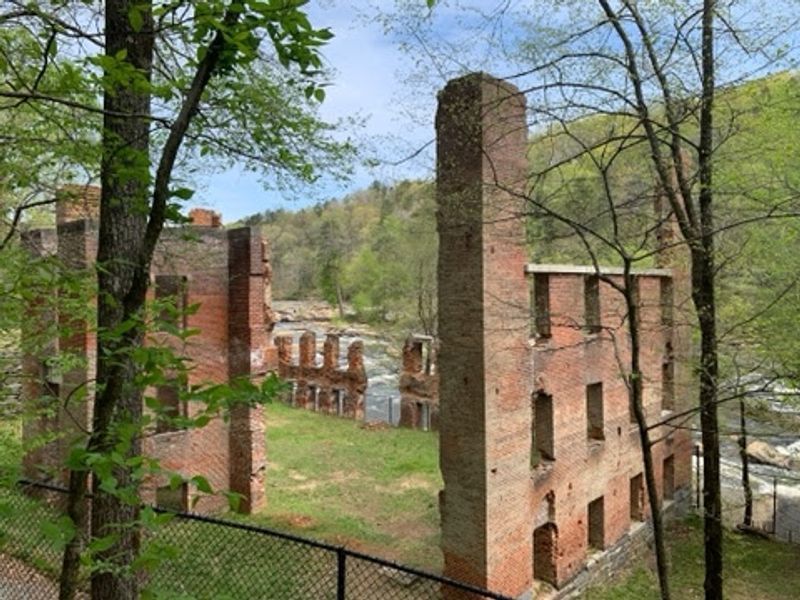
Imagine stumbling upon the skeleton of a Civil War-era mill standing silent among the trees. That’s exactly what you’ll find at Sweetwater Creek State Park. The New Manchester Manufacturing Company once thrived here until Union forces burned it down in 1864, and now nature has reclaimed the red brick structure.
You’ll find this hauntingly beautiful spot at 1750 Mount Vernon Road, Lithia Springs, GA 30122. The ruins sit right beside the rushing waters of Sweetwater Creek, creating a scene that photographers dream about. Moss grows on the old bricks, and trees sprout from where factory floors once stood.
The hiking trail to reach the ruins is easy enough for most fitness levels and only takes about 20 minutes. I recommend going during golden hour when the sunlight filters through the empty window frames. Few Atlanta residents know this gem exists just 15 miles from downtown.
3. Radium Springs
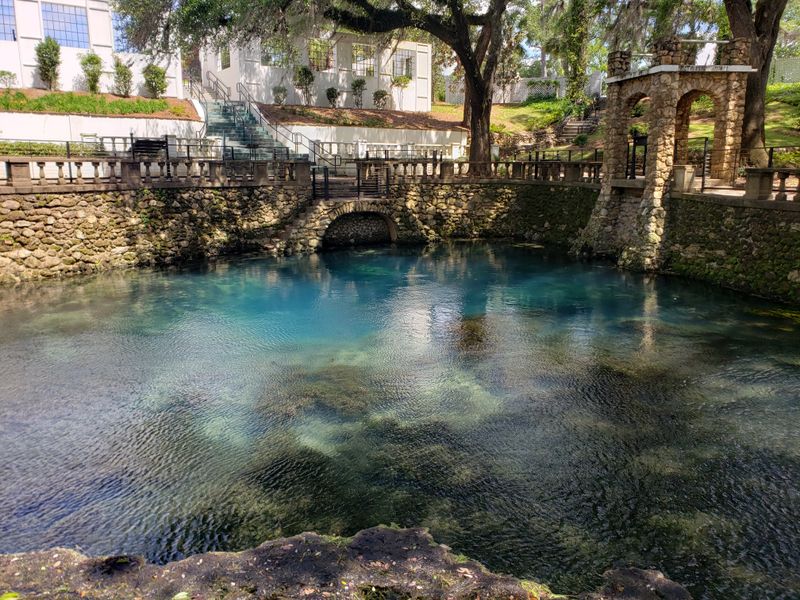
Crystal-clear water bubbling up from underground at 70,000 gallons per minute creates one of Georgia’s most mesmerizing natural wonders. Radium Springs earned its name from early 20th-century beliefs about the healing properties of its mineral-rich water. The spring maintains a constant temperature of 68 degrees regardless of the season outside.
Located at 2500 Radium Springs Road, Albany, GA 31705, this azure pool was once a popular resort destination in the 1920s. You can still see remnants of the old casino and gardens that attracted visitors from across the South.
The spring’s intense blue color comes from the depth and purity of the water reflecting sunlight.
While swimming is no longer allowed, the site offers beautiful gardens and walking paths perfect for a peaceful afternoon. The observation deck gives you the best view of the spring’s incredible color. This hidden treasure rarely appears on Georgia travel lists despite being absolutely stunning.
4. Dunlap Hollow Trail
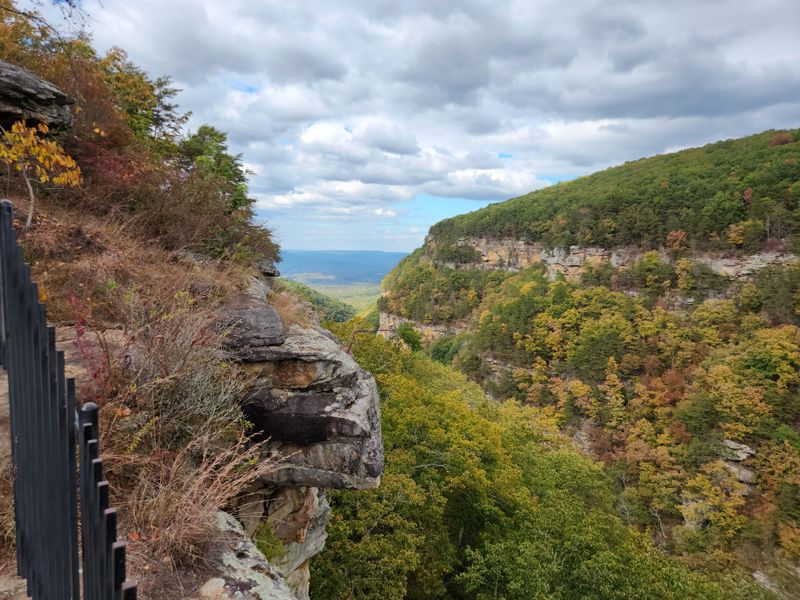
Slot canyons might seem like something you’d only find out West, but Georgia has its own version hiding in plain sight. Dunlap Hollow features narrow passages between towering rock walls that create an otherworldly atmosphere. Sunlight filters down from above, illuminating the sandstone in shades of orange and gold.
You’ll need to head to Cloudland Canyon State Park at 122 Cloudland Canyon Park Road, Rising Fawn, GA 30738, then follow the West Rim Loop Trail. The slot canyon section isn’t marked on most park maps, which is why it remains relatively unknown. You’ll need to scramble over some rocks and possibly get your shoes muddy.
The best time to visit is midday when the sun is directly overhead, lighting up the narrow passages. Bring a camera because the rock formations create incredible compositions. Just remember to check weather conditions first since flash floods can be dangerous in narrow canyons.
5. Fort Mountain Stone Wall
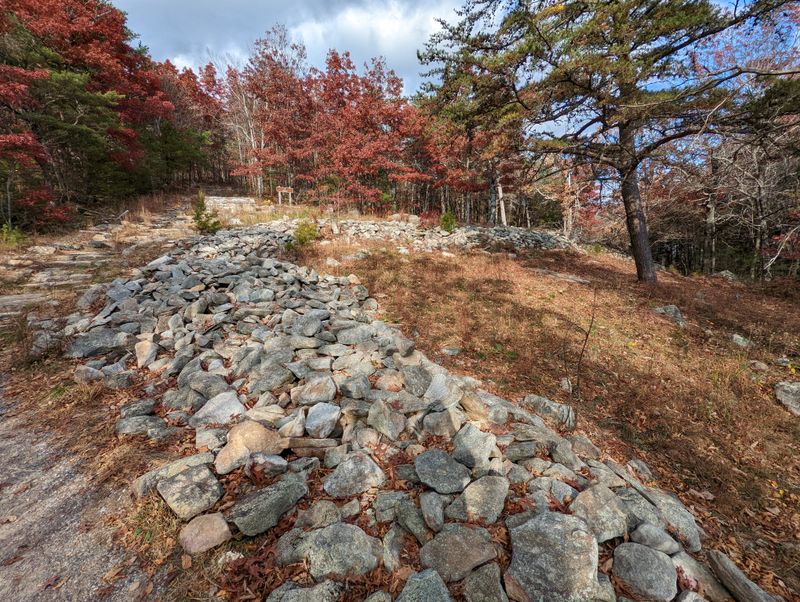
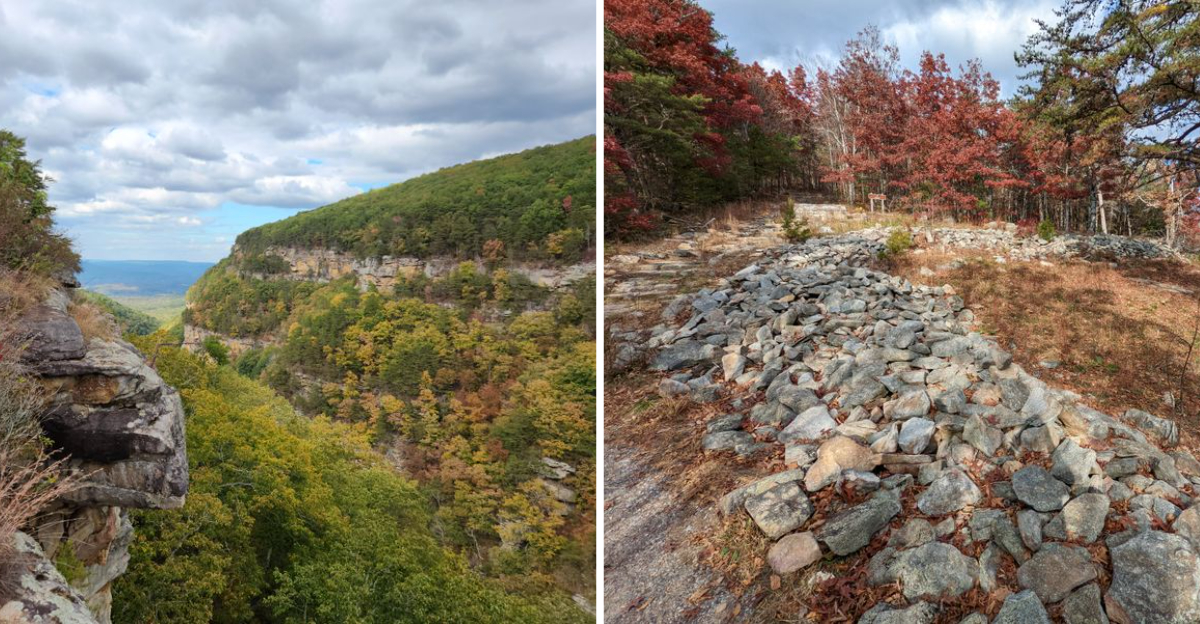
An ancient stone structure zigzags along a mountain ridge, and nobody knows for sure who built it or why. The wall at Fort Mountain stretches for 855 feet and has sparked theories ranging from Native American ceremonial sites to old Spanish fortifications. Archaeologists still debate its origins, making it one of Georgia’s most intriguing mysteries.
Located at 181 Fort Mountain Park Road, Chatsworth, GA 30705, the wall stands about three to six feet tall in most places. The rocks were carefully stacked without mortar, yet sections have survived for potentially thousands of years.
A hiking trail follows the wall’s length, giving you plenty of time to examine the construction and ponder its purpose.
Fall offers the best visiting conditions with cooler temperatures and colorful foliage. The observation tower near the wall provides sweeping views of the surrounding mountains. Pack a lunch and enjoy it at one of the picnic areas while contemplating this prehistoric puzzle.
6. The Tree That Owns Itself
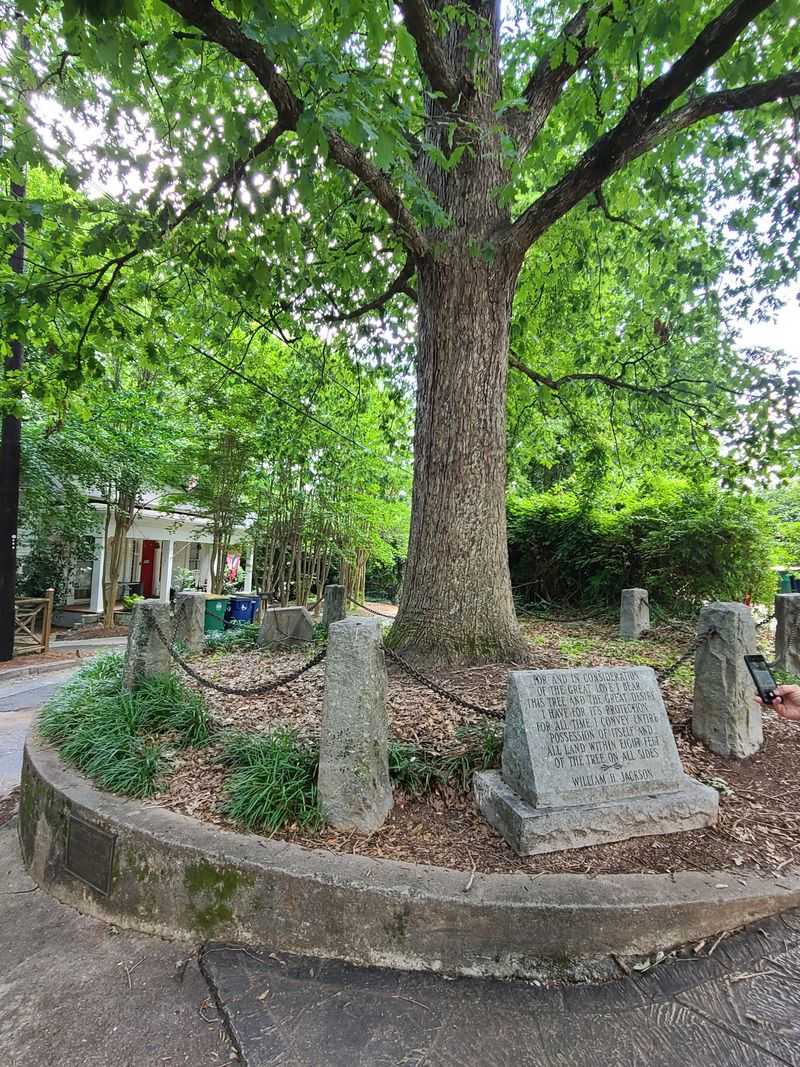
Property ownership gets weird when the owner is an oak tree. This unusual landmark in Athens has legal deed to itself and the land within eight feet of its base in all directions. The original tree fell in 1942, but a new one grew from one of its acorns and inherited the same property rights.
You can find this quirky attraction at the corner of South Finley Street and Dearing Street in Athens, GA 30605. Colonel William Jackson supposedly deeded the land to the tree in the 1800s because he loved sitting in its shade. While the deed’s legal validity is questionable, the story has become part of local folklore.
The current tree stands healthy and strong, surrounded by a small circular plot in a residential neighborhood. A plaque explains the tree’s unique history to curious visitors. It takes just a few minutes to visit, making it a perfect stop if you’re exploring Athens’ other attractions.
7. Bellamy Bridge
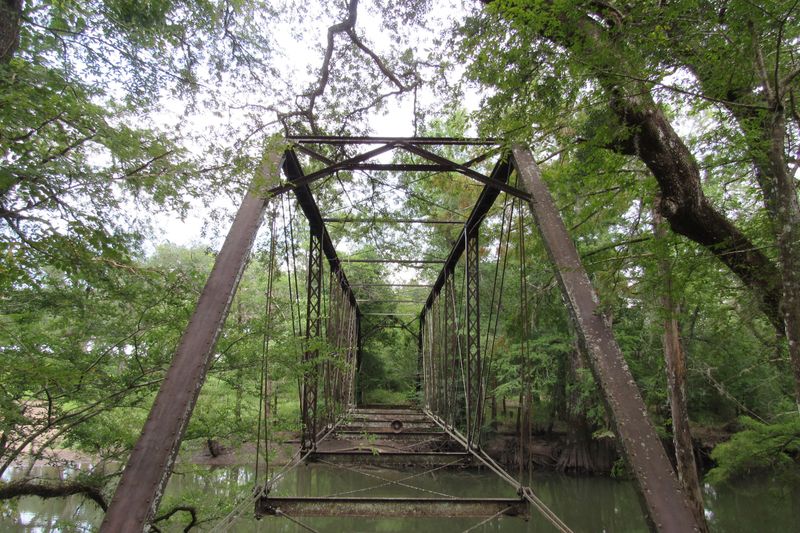
Love and tragedy intertwine at this crumbling bridge hidden in the woods of southwest Georgia. According to legend, a young bride named Elizabeth Jane Bellamy died when her dress caught fire on her wedding night in 1837. People claim her ghost still appears at the old bridge, searching for her lost love.
The ruins sit on Bellamy Bridge Road off Highway 90 near Marianna, just across the Georgia-Florida border at coordinates that place it near Greenwood, FL 32443, but accessible from Georgia.
Massive stone pillars are all that remain of the original structure that once crossed the Chipola River. Thick vegetation has overtaken the site, giving it an eerie, forgotten atmosphere.
Visit during daylight hours since the area is isolated and can be difficult to navigate. The bridge makes for atmospheric photography, especially when morning fog rolls through. Whether you believe in ghosts or not, the historical significance and natural beauty make this worth the drive.
8. Funk Heritage Center’s Appalachian Settlement
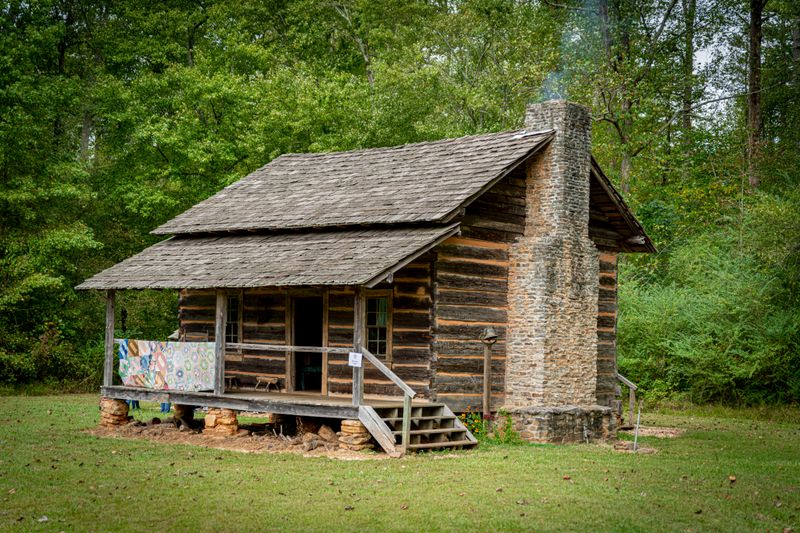
Step back in time to experience how Georgia mountain families lived in the 1800s. This living history museum recreates an authentic Appalachian settlement complete with log cabins, a blacksmith shop, and heritage gardens. Costumed interpreters demonstrate traditional crafts and skills that kept mountain communities thriving.
Located at 6437 Reinhardt College Circle, Waleska, GA 30183, the settlement is part of Reinhardt University’s campus. You can watch demonstrations of soap making, weaving, and woodworking using period-appropriate tools and techniques. The authentically furnished cabins show how families cooked, slept, and survived with limited resources.
What sets this place apart is its focus on Cherokee history alongside pioneer culture. The museum building houses artifacts and exhibits explaining how these two cultures intersected in North Georgia. Plan to spend at least two hours exploring the grounds and buildings.
The gift shop sells handmade items crafted using traditional methods demonstrated at the site.
9. Scull Shoals Historic Area
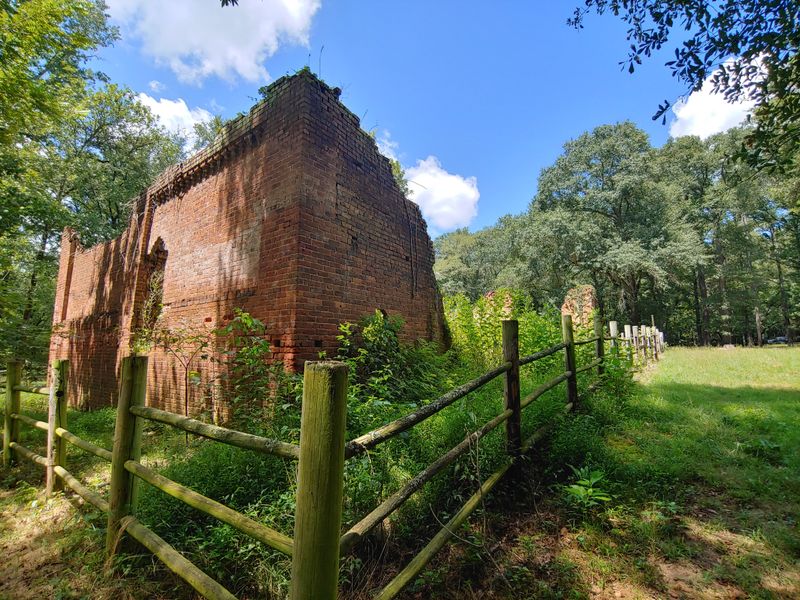
An entire town vanished into the forest, leaving only foundations and ruins behind. Scull Shoals once bustled with activity as a thriving mill town in the early 1800s. Now you can wander among the remnants of buildings, paper mills, and a dam while imagining life in this forgotten community.
The site is located within Oconee National Forest, accessible via Scull Shoals Road off Highway 15, near Greensboro, GA 30642. A seven-mile trail system connects the various ruins scattered throughout the woods. You’ll find remains of the paper mill, cotton gin, and several homes slowly being reclaimed by nature.
Bring water and wear sturdy shoes since the trails can be rugged and rocky. Interpretive signs explain what each ruin once was and how the town functioned. Spring wildflowers add color to the historic site, making it especially beautiful in April and May.
Few Georgians know about this ghost town despite its fascinating history.
10. Blue Hole
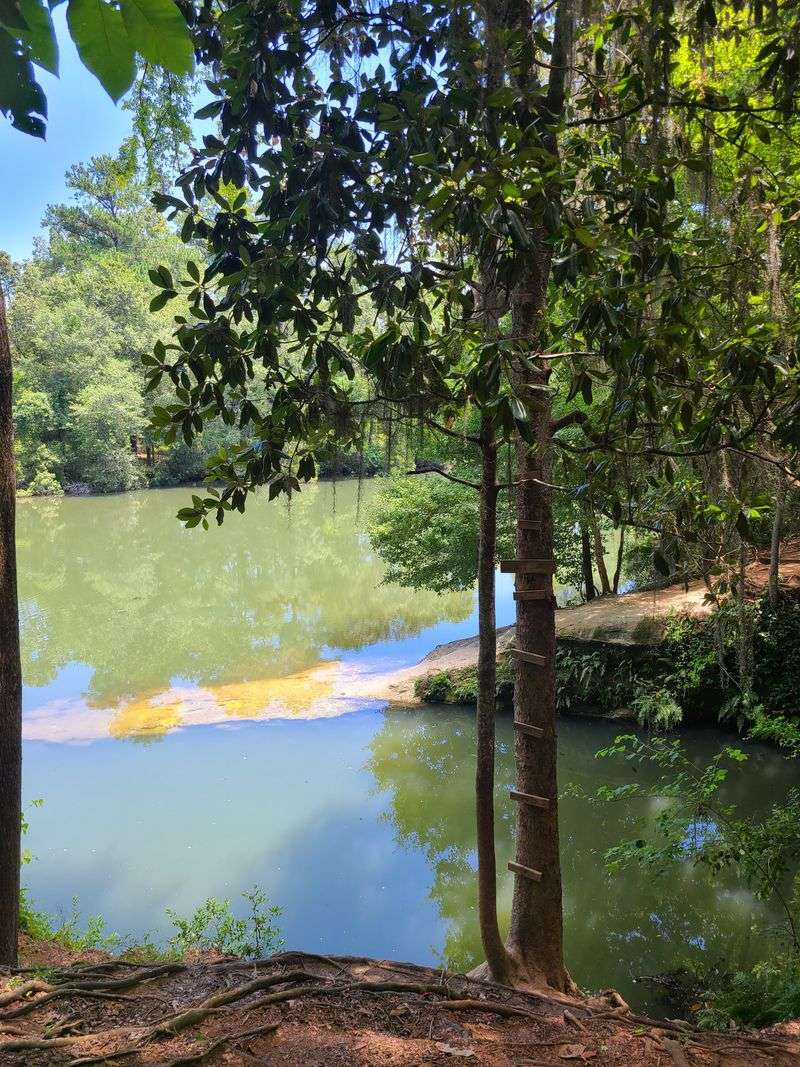
Swimming holes don’t get much more inviting than this deep, clear pool fed by natural springs. Blue Hole in Turner County offers a refreshing escape from Georgia’s summer heat. The water stays cool year-round thanks to the underground springs that feed it constantly.
You’ll find this local secret at Blue Hole Road near Ashburn, GA 31714, on private land that the owners generously allow public access to. The swimming area features a rope swing that launches brave souls into the deep water. Cypress trees line the edges, providing shade for picnicking families.
Weekdays are less crowded if you prefer a quieter experience. The water is surprisingly clear for a Georgia swimming hole, allowing you to see several feet down. Respect the property by taking all trash with you and following posted rules.
This place survives through community respect and the landowners’ continued generosity in sharing their property.
11. Lapham-Patterson House
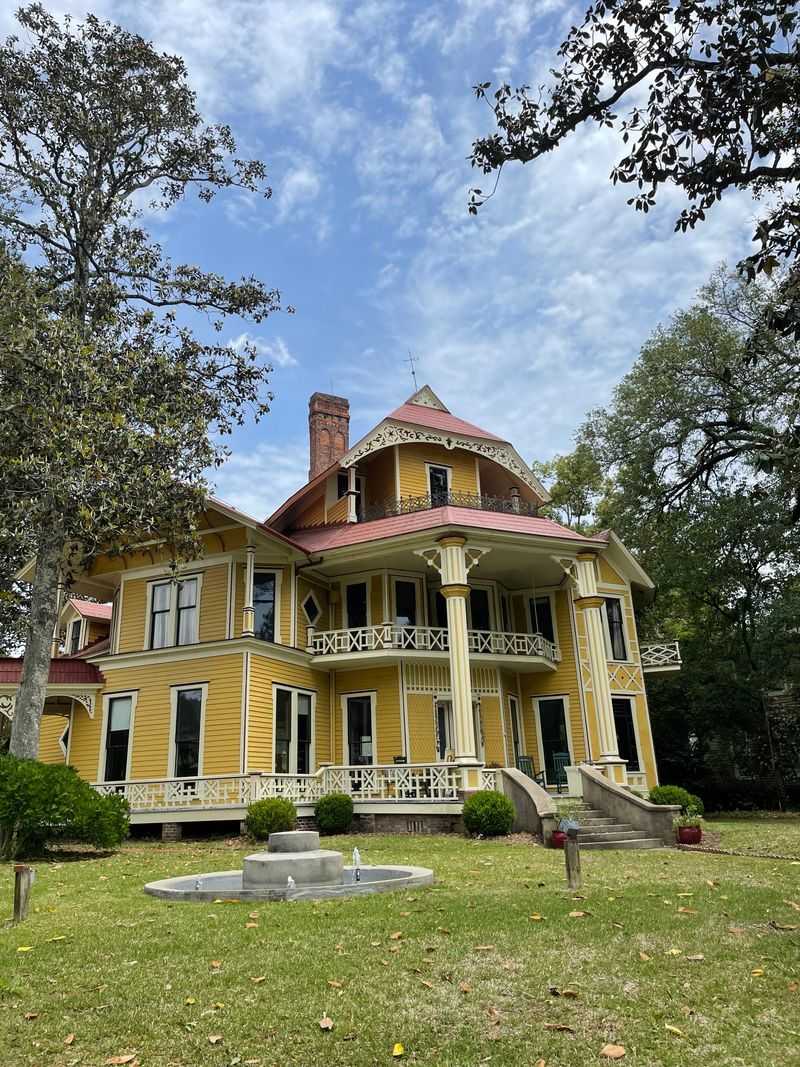
Victorian architecture takes a bizarre turn at this three-story mansion that defies conventional design. Built in 1884 as a winter cottage for wealthy shoe merchant Charles Lapham, the house features oddities like no right angles in the floor plan and doorways of varying heights.
Lapham’s fear of fire after surviving the Great Chicago Fire influenced many unusual design choices.
Located at 626 North Dawson Street, Thomasville, GA 31792, this National Historic Landmark showcases Victorian eccentricity at its finest. The house has 45 different angles, walk-in closets (rare for the era), and a unique ventilation system. Each of the 19 rooms features different design elements and decorative treatments.
Guided tours reveal the fascinating stories behind the architectural quirks. The double-flue chimneys, multiple exits from each room, and fishpond in the entryway all served specific purposes in Lapham’s vision. Photography enthusiasts love the ornate woodwork and period furnishings throughout the home.
12. Panola Mountain
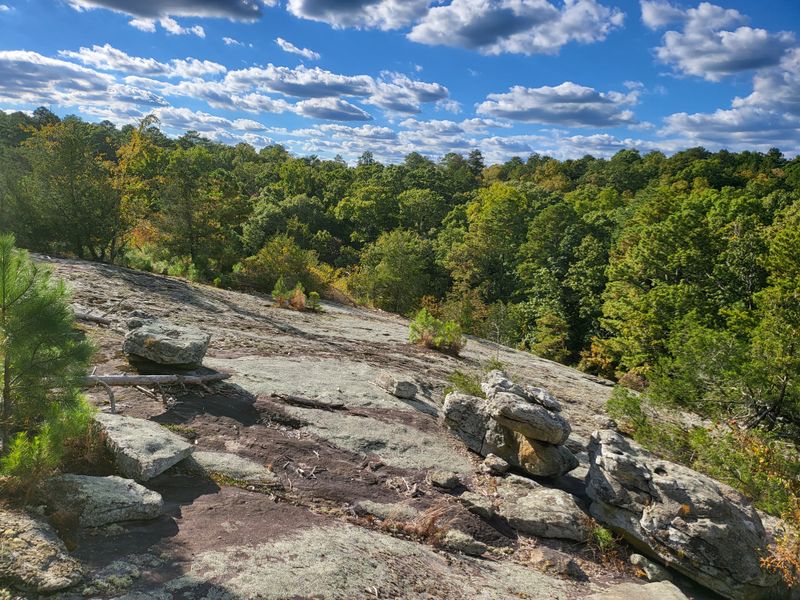
Most people flock to Stone Mountain, completely overlooking its smaller cousin just 20 miles away. Panola Mountain is a 100-acre granite monadnock that offers a more pristine and less commercialized experience. The mountain hosts rare plant species found nowhere else in the region, making it a protected natural area.
You’ll find this geological wonder at 2620 Highway 155 SW, Stockbridge, GA 30281, within Panola Mountain State Park. Unlike Stone Mountain, you can only access the actual granite outcrop through guided ranger hikes to protect the fragile ecosystem. These educational walks teach you about the unique plants and lichens that survive on bare rock.
The park also offers several miles of trails through surrounding forests and wetlands. The PATH Foundation trail connects to the park, making it accessible for cyclists. Rock climbing is prohibited to preserve the mountain’s delicate environment.
This hidden gem provides a wilderness experience surprisingly close to metro Atlanta’s sprawl.
13. Hofwyl-Broadfield Plantation
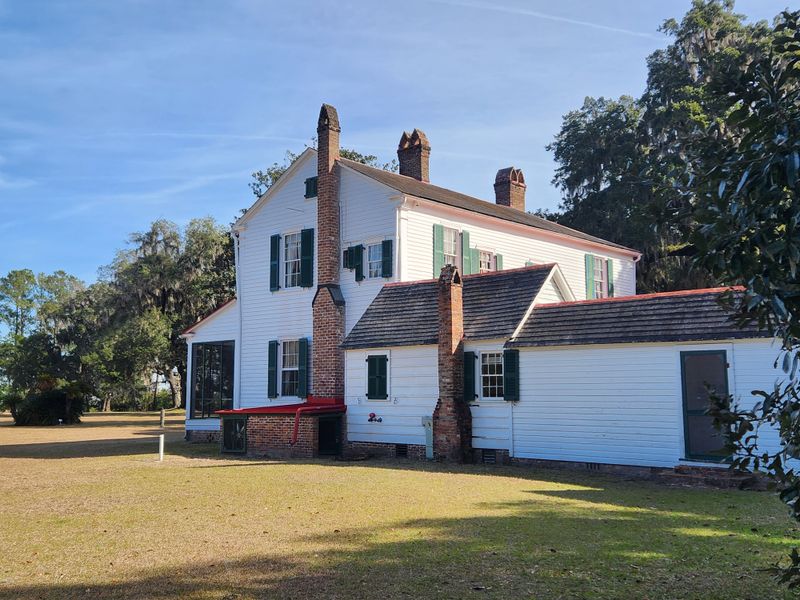
Rice plantations once dominated Georgia’s coastal landscape, but few remain to tell their story. Hofwyl-Broadfield Plantation preserves this important chapter of state history with original buildings, artifacts, and grounds. The plantation operated from the 1800s through the early 1900s, transitioning from rice to dairy farming.
Located at 5556 US Highway 17 North, Brunswick, GA 31525, the site includes the main house, commissary, and other outbuildings. The house contains furnishings and personal items from the Dent family who owned the property for generations. Exhibits explain the labor-intensive process of rice cultivation and the lives of enslaved people who worked the fields.
Walking trails wind through the old rice dikes and fields where you can spot wading birds and alligators. The visitor center provides context about coastal Georgia’s plantation economy. Spanish moss drapes from ancient live oaks, creating an atmospheric setting.
This lesser-known historic site offers important perspectives often missing from popular tourist attractions.
14. Tallulah Gorge’s Hurricane Falls
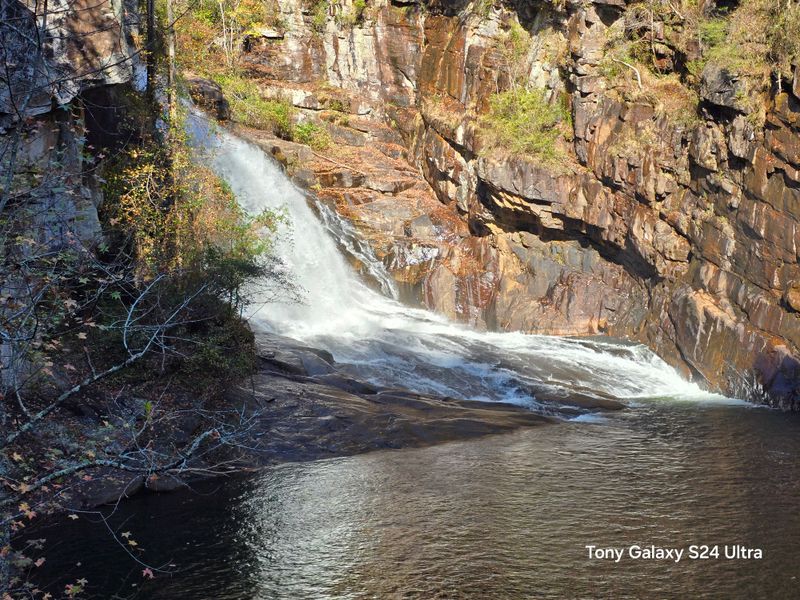
While many visitors admire Tallulah Gorge from the rim, few make the challenging descent to Hurricane Falls at the bottom. This requires obtaining a free permit and navigating over 600 stairs down into the gorge. Your effort gets rewarded with up-close views of thundering waterfalls in a dramatic canyon setting.
The gorge is located at 338 Jane Hurt Yarn Drive, Tallulah Falls, GA 30573, and Hurricane Falls is the most powerful of the gorge’s six waterfalls. The canyon walls tower 1,000 feet above you, creating an almost otherworldly atmosphere. Only 100 permits are issued daily to protect the fragile environment and ensure visitor safety.
Plan for at least three hours round-trip including time to explore the gorge floor. The stairs are steep and can be slippery, so wear appropriate footwear. Summer heat makes the climb back up especially challenging, so spring and fall offer better conditions.
Few people complete this hike, making it a true secret even among those who visit the park.
15. Pasaquan
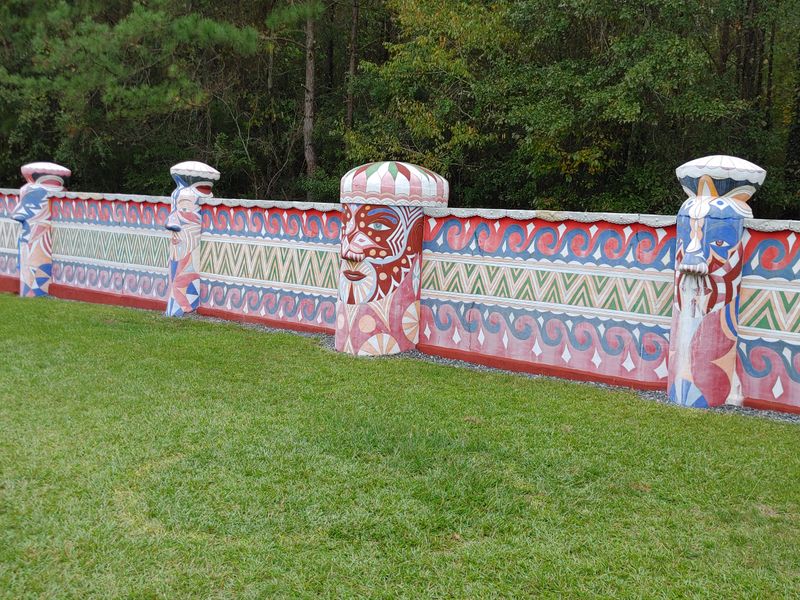
Outsider art reaches its most colorful and bizarre expression at this compound created by self-taught artist Eddie Owens Martin. He transformed his property into a psychedelic wonderland of bright murals, sculptural totems, and painted structures. Martin claimed visions guided his artistic mission after adopting the persona of St. EOM.
Located at 238 Eddie Martin Road, Buena Vista, GA 31803, Pasaquan covers nearly four acres of intensely decorated space. Every surface explodes with geometric patterns, faces, and symbols in eye-popping colors. Martin worked on his vision from the 1950s until his death in 1986, creating a complete artistic environment.
The Columbus State University-led restoration has preserved this unique cultural site for future generations. Guided tours explain Martin’s philosophy and artistic techniques. The site only opens on weekends, so plan accordingly.
Photography opportunities abound with every angle revealing new details and color combinations. This remains one of Georgia’s most unusual and least-known artistic treasures.
16. Etowah Indian Mounds
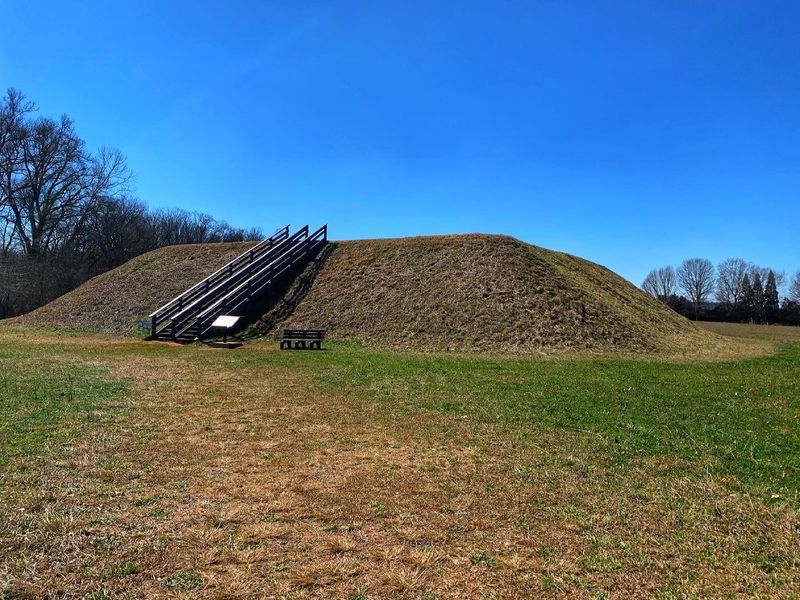
Long before European settlers arrived, sophisticated Native American societies built impressive earthwork structures across Georgia. The Etowah site preserves six mounds and a village area that was once home to several thousand people between 1000 and 1550 AD. The largest mound stands 63 feet tall and served as a platform for the chief’s house.
You’ll find these ancient structures at 813 Indian Mounds Road SW, Cartersville, GA 30120. A museum displays artifacts excavated from the site, including elaborate copper plates, stone effigies, and shell gorgets. The craftsmanship of these objects reveals a complex culture with extensive trade networks reaching across the continent.
Visitors can climb the stairs to the top of Mound A for panoramic views of the site and Etowah River. Interpretive trails explain how the village functioned and what daily life was like for its inhabitants. The site remains peaceful and uncrowded despite its historical significance.
This window into pre-Columbian Georgia rarely appears on most people’s travel radars.