13 Sleepy California Towns That Time Nearly Forgot
A sleepy town can make the modern world feel a little too loud.
Over here, porches seem to matter more, old signs carry extra charm and main streets move at their own stubborn pace.
A place like that can make a quick visit feel strangely personal. California has quiet towns where time feels less forgotten and more politely ignored.
That is the magic. Nothing rushes to impress you.
A weathered storefront can hold more character than a whole polished district. A tiny café can become the day’s main event.
They do not feel empty though, rather, they feel preserved.
And the best ones? They make visitors wonder how places this calm managed to stay just far enough out of the spotlight.
1. Amador City, California
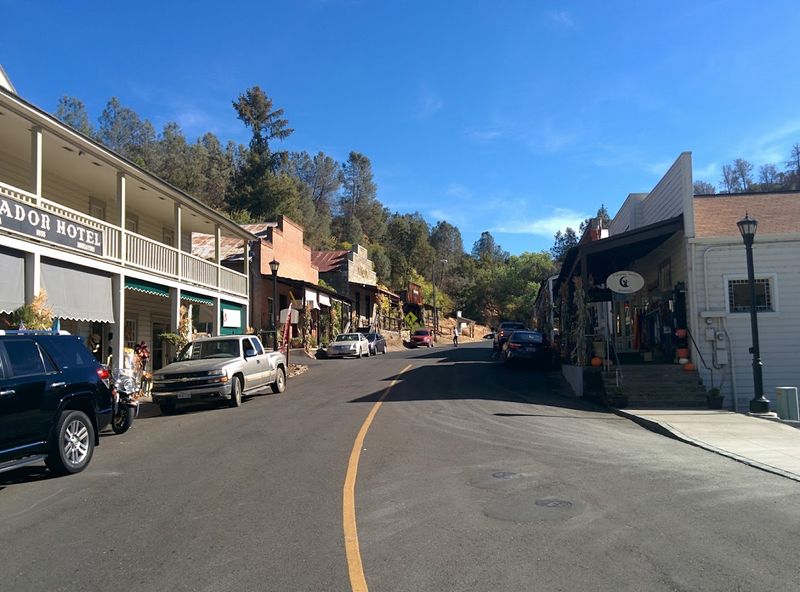
A slower rhythm settles in quickly here, where a very short Main Street and preserved Gold Rush buildings create a town center that feels easy to understand at a glance.
Amador City is one of the smallest incorporated cities in California, and that scale gives a visit a calm, almost tucked-away feeling.
Wooden details, old brick facades, and a few locally run businesses keep the experience grounded rather than busy.
Walking is simple because the historic core is compact, though the street edges and older sidewalks call for a little attention underfoot.
Weekdays often feel especially quiet, while weekends may bring a modest lift in visitors exploring nearby Amador County wine country and foothill routes.
Even then, the town usually remains more restful than crowded, which suits travelers looking for a low-key stop.
Practical planning stays easy because a visit works well as a short wander rather than a full agenda day. A little browsing, a meal, or time spent noticing original architecture often feels like enough here.
2. Ferndale, California
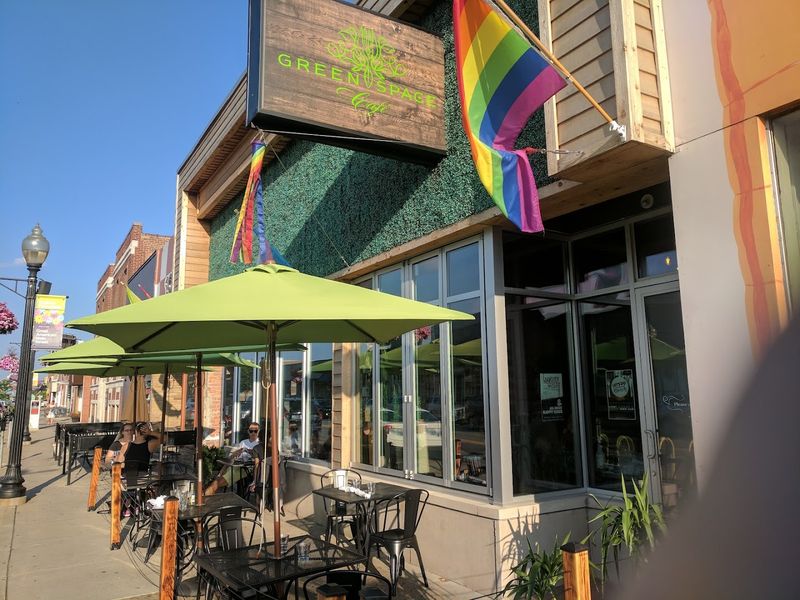
Color and craftsmanship shape the first impression here, where ornate Victorian buildings line a main street that feels carefully preserved without turning stiff or stagey.
Ferndale has a strong visual identity, yet the town remains relaxed enough for an unhurried stroll and a quiet afternoon.
Decorative facades, broad storefront windows, and nearby pastureland help the place feel both distinctive and lived in.
A visit tends to work best on foot through the compact center, where shops, cafes, and historic architecture sit close together. The setting near the North Coast means weather can shift quickly, so layers usually make the experience more comfortable even during brighter parts of the day.
Traffic is generally light, and the overall pace often feels noticeably calmer than busier coastal destinations.
Beyond appearances, the appeal comes from how easy the town is to settle into for a few hours. Streets feel approachable, the scale stays human, and there is enough to browse without any pressure to hurry.
3. Sierra City
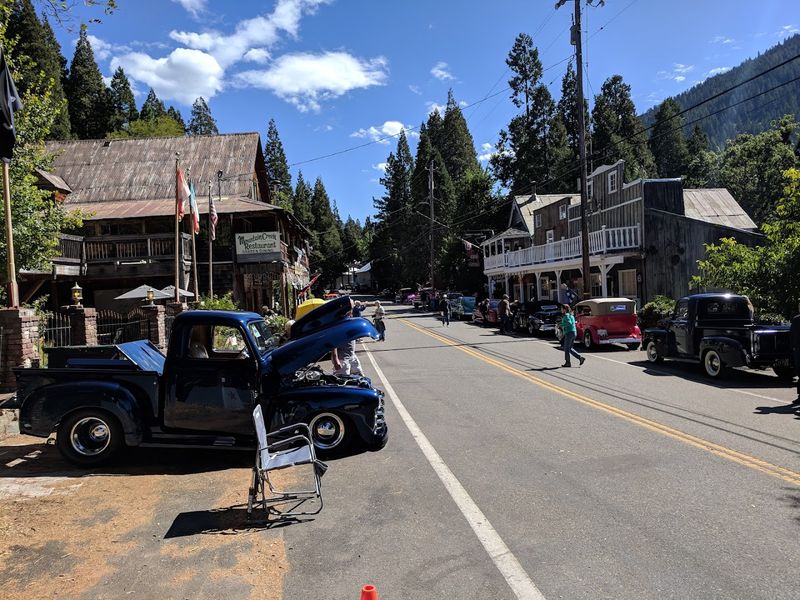
Mountain quiet defines the mood here, where a tiny settlement sits beneath dramatic Sierra Nevada slopes and keeps daily life looking wonderfully spare.
Sierra City feels remote in a comforting way, with a handful of historic buildings and a setting that does much of the talking. The Yuba River and surrounding forest add movement and texture, while the town itself stays modest and low-key.
Because the community is small, a visit is less about checking off attractions and more about slowing down enough to notice the setting.
Walkability depends on comfort with a very small mountain town layout, and services are limited compared with larger destinations.
Seasonal conditions matter, especially in colder months, so planning ahead remains important for road access and general timing.
What lingers most is the balance between rugged scenery and an almost miniature downtown scale. There is very little pressure to do much at all, which can be the whole point for travelers seeking space and silence.
4. Volcano, California
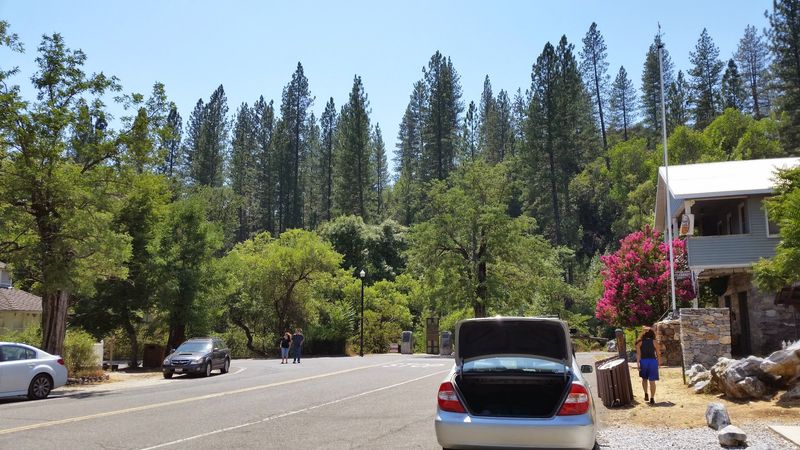
Names do a lot of work before arrival, yet the reality here is much gentler than dramatic, with a tiny historic village tucked into the Sierra foothills.
Volcano carries a Gold Rush legacy that still shows in its old buildings, compact center, and quietly preserved atmosphere. Instead of feeling frozen in time, the town feels lightly held together by history and everyday use.
The scale makes exploring easy because very little stands far apart, and the wooded setting softens the edges of the built environment.
Visitors often come for the historic character, but what stands out most is the calm between stops and the way the streets invite lingering.
Busy periods can happen around local events, though the town usually returns quickly to a peaceful baseline.
A short visit often works well here, especially for travelers who enjoy places that reveal themselves in small details rather than large landmarks.
Signage, architecture, and the surrounding trees create a quiet backdrop that rewards walking slowly and keeping expectations simple.
5. Julian, California
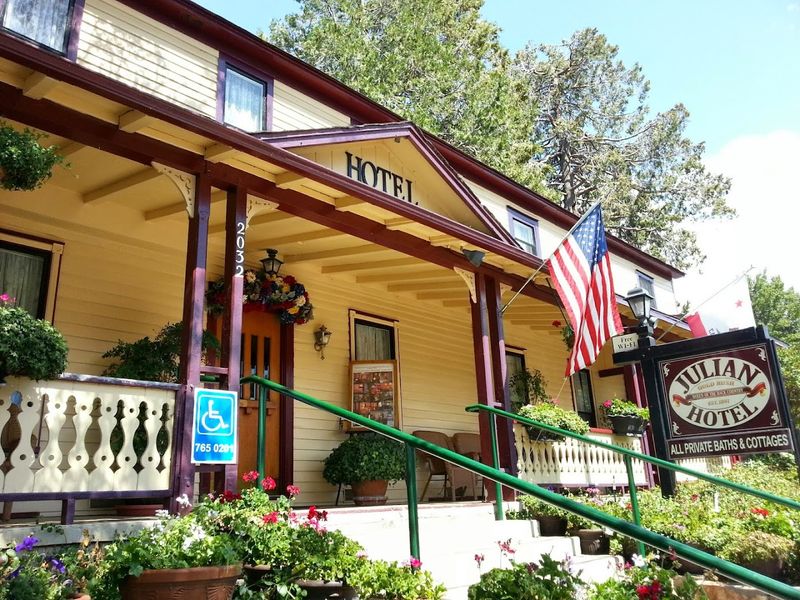
Mountain air and a historic main street give this well-known small town a welcoming pace that still feels slower than much of Southern California.
Julian has a stronger visitor profile than some places on this list, yet it keeps an old-fashioned center with wooden storefronts and an easy walkable core.
Seasonal shifts shape the mood, from cooler fall days to occasional winter weather that changes the tone completely.
Planning helps here because weekends and apple season often bring more foot traffic than quieter weekdays.
Even with that popularity, there are calmer corners, side streets, and moments early or late in the day when the town settles into a gentler rhythm.
The setting in the Cuyamaca Mountains adds a sense of retreat that offsets any brief bursts of activity.
What makes Julian feel memorable is the combination of small-scale historic character and a mountain environment that encourages slower movement.
A visit can be as simple as a walk, a meal, and time spent enjoying the cooler air and rustic texture of the streetscape.
6. Dunsmuir, California
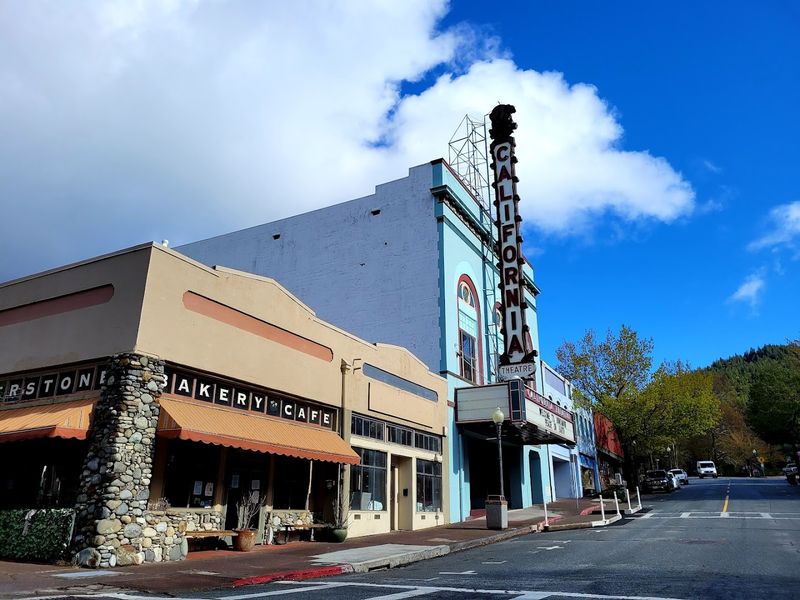
Railroad history and mountain scenery shape the feel of this northern town, where old commercial blocks sit beneath forested slopes and a slower pace comes naturally.
Dunsmuir has more everyday life than some tiny villages, yet its center still carries the comfortable scale of a place built for local use.
The surrounding landscape gives even short walks a cooler, fresher atmosphere than many inland stops.
Downtown is manageable on foot, with historic details and a few businesses that make browsing feel easy rather than overwhelming.
Proximity to outdoor recreation means some visitors use the town as a base, though the streets themselves often remain calmer than larger gateway communities.
Seasonal weather matters here too, especially during winter conditions in far Northern California.
The appeal rests in the balance between useful services and genuine small-town quiet, which makes a stop feel practical as well as atmospheric.
Time spent here often includes simple pleasures like noticing old signs, looking toward the mountains, and moving at a pace that does not demand much planning.
7. Cayucos, California
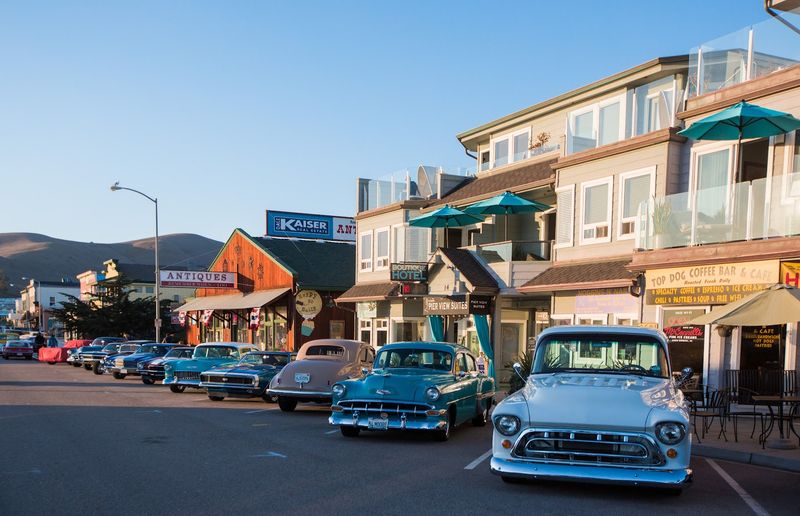
Salt air and a modest waterfront give this small coastal town an easygoing feel that stands apart from louder beach destinations.
Cayucos keeps a simple downtown near the shore, and that closeness between shops, sand, and the pier makes a visit feel naturally walkable.
The atmosphere often leans relaxed rather than polished, which suits travelers looking for comfort instead of scene-making energy.
Ocean weather shapes the experience in practical ways, with marine layers, wind, and changing temperatures often arriving within the same day.
Parking and pacing are usually more manageable than in larger seaside towns, though weekends and holiday periods can still bring extra activity.
Even at busier moments, the scale remains small enough that the town rarely feels overwhelming.
The charm here comes from ordinary pleasures such as hearing waves between errands, crossing short blocks, and settling into a slower afternoon without much planning.
Time in Cayucos often feels best when the schedule stays light and leaves room for a beach walk or time on the pier.
8. Downieville, California
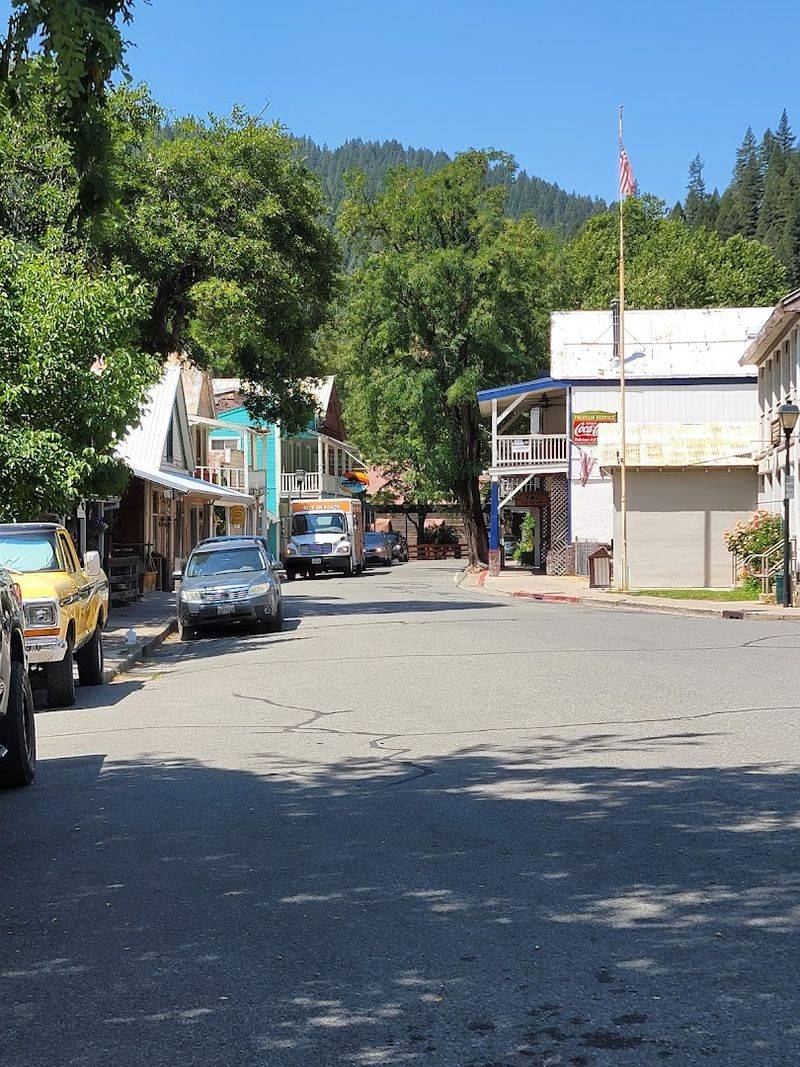
Steep hills and converging rivers give this old Sierra town a dramatic setting, yet daily life on the ground still feels small, practical, and refreshingly slow.
Downieville carries Gold Rush history in its buildings and layout, with a compact center that sits close to the water and surrounding forest.
The result is scenic without feeling manufactured, which makes the town easy to appreciate at face value.
Visitors often arrive for outdoor recreation, especially in warmer months, so energy can rise and fall depending on the season and the day.
Even with that activity, the historic core remains tiny enough that a walk through town still feels intimate rather than busy.
Road access through mountain terrain takes some planning, and travel times may be longer than the map first suggests.
The lasting impression comes from contrast, with rugged landscape pressing right up against a settlement that never grew beyond a manageable size.
Time here tends to favor simple routines such as walking, pausing by the river, and noticing how little has been smoothed into modern sameness.
9. Columbia, California
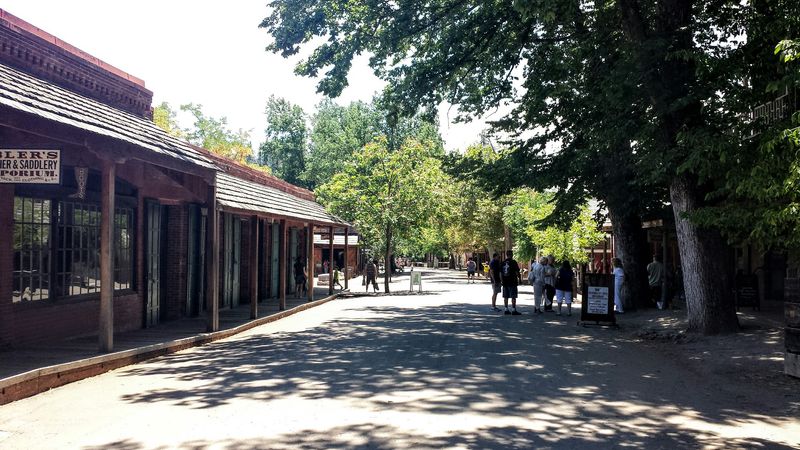
Wooden sidewalks and preserved Gold Rush streets define the experience here, where a historic district remains unusually intact and easy to explore at a gentle pace.
Columbia is best known through Columbia State Historic Park, which keeps much of the old town center accessible to the public.
Because the area is interpreted and maintained, the visit feels more structured than some towns on this list, yet still pleasantly slow.
Walking is the natural way to experience the historic core, and the car-free sections add to the sense of stepping back from modern noise.
Weekends and school break periods may bring more visitors, while quieter weekdays often allow more room to notice building details and the broader foothill setting. The atmosphere remains family friendly and approachable rather than hurried.
What makes Columbia sleepy in spirit is not emptiness but the way the town invites measured attention to ordinary things like boardwalk texture, shade, and street layout.
A few hours can feel full here without needing constant motion or a complex plan.
10. Jamestown, California
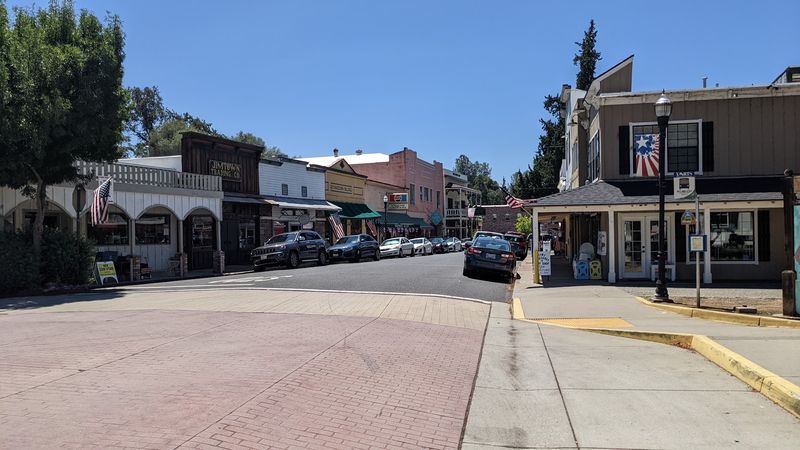
Historic storefronts and foothill light give this former Gold Rush town a straightforward charm that feels welcoming without much effort.
Jamestown sits along a compact stretch of old commercial buildings that still reads clearly as a small historic center.
The town has enough activity to avoid feeling empty, yet the overall tempo remains gentler than larger destinations in the Sierra foothills.
Strolling the main area is easy, and the preserved facades make short visits feel visually rewarding even without a packed itinerary.
Rail history nearby adds another layer of interest, especially for travelers pairing the town with a stop at Railtown 1897 State Historic Park.
Visitor levels can vary with events and weekend travel, but the streets usually keep their relaxed, small-town scale.
The appeal here comes from balance, with just enough history, daily life, and nearby attractions to make an outing feel complete.
There is room to browse, eat, and slow down without needing a long checklist or advanced planning.
11. Mendocino, California
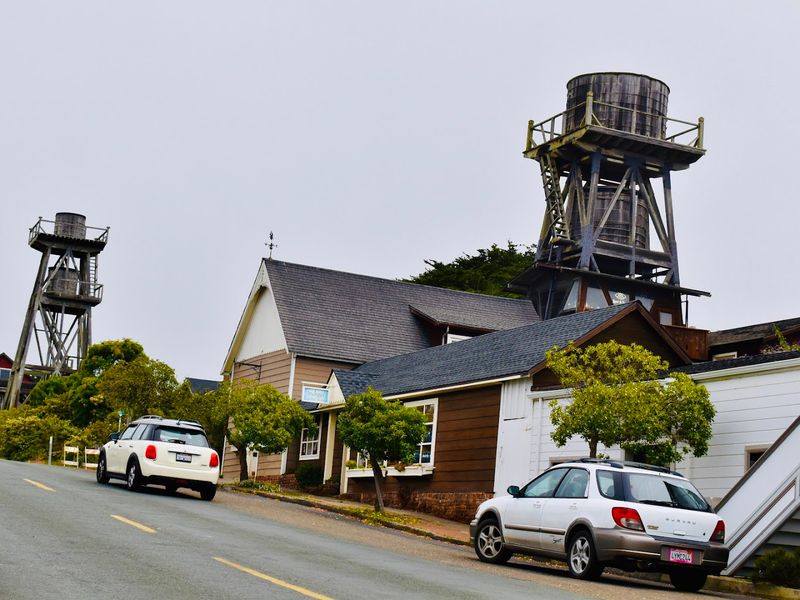
Ocean bluffs and weathered historic buildings shape the mood in this coastal village, where the scenery feels striking but the pace often stays measured.
Mendocino is better known than some hidden small towns, yet its compact center still supports slow walking and quiet observation.
The combination of headlands, salt air, and older architecture gives the town a settled character instead of a flashy one.
Fog, wind, and shifting coastal light are part of daily life here, so comfort depends on flexible layers and realistic timing.
The village itself is quite walkable, and many visitors find that the best moments come from moving between streets, gardens, and bluff-top views without trying to do too much.
Weekends may feel busier, but the edges of town and the open coastline can still restore a sense of calm.
What keeps Mendocino on a sleepy-town list is the way its beauty encourages quiet attention rather than fast consumption.
Shops and inns add convenience, but the strongest draw is often the simple experience of being somewhere compact, breezy, and visually textured.
12. Harmony, California
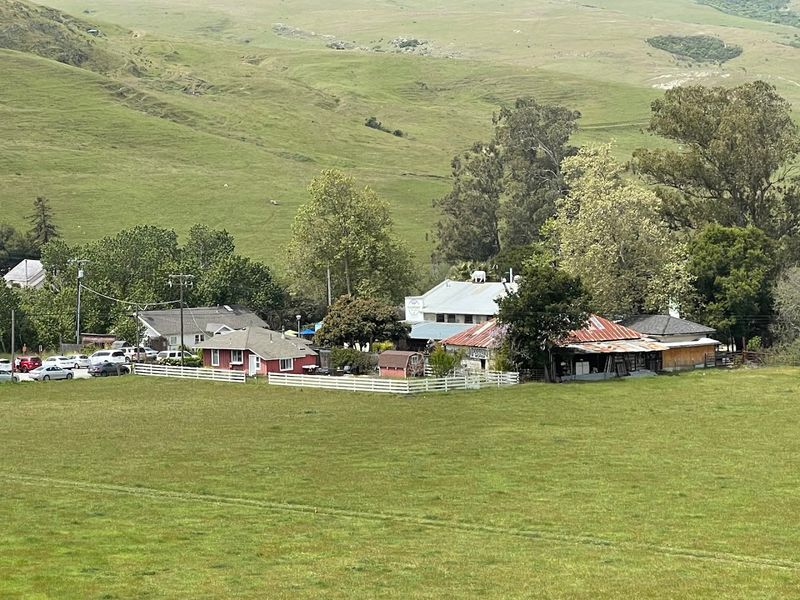
Tiny scale is the whole story here, where a few historic buildings and open roadside surroundings create one of the smallest stops on the Central Coast.
Harmony is not a full-service town in the usual sense, and that is exactly what makes it memorable. The place feels more like a preserved pause along the road than a destination built around constant activity.
A visit is naturally brief because the settlement is so small, but that brevity can be part of the appeal for travelers moving between larger coastal stops.
Historic creamery-era roots still shape the atmosphere, and the limited number of buildings makes details easier to notice.
Timing stays simple since there is little need for a complicated plan beyond checking open hours for any businesses of interest.
What makes Harmony fit this list is its unusual ability to slow a traveler down almost immediately through sheer modesty.
There is very little pressure to optimize the stop, which leaves room to appreciate the quiet, the weather, and the contrast with busier highway travel nearby.
13. Nevada City, California
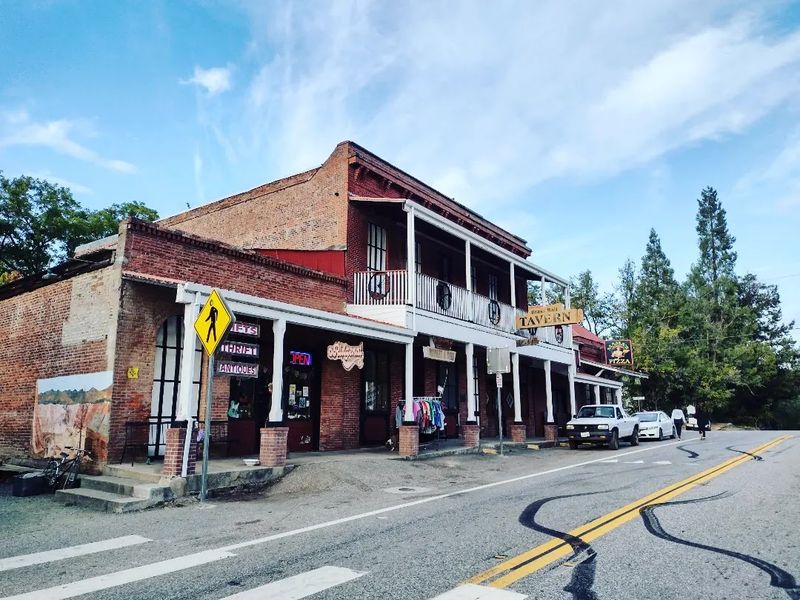
Brick buildings and a well-preserved downtown give this foothill town a stronger commercial center than many sleepy places, yet the atmosphere still encourages lingering.
Nevada City blends Gold Rush history with everyday local life in a way that feels active but not frantic. Streets, storefronts, and mature trees create a setting that is both visually rich and comfortable to explore on foot.
Because the town draws visitors year-round, the experience can change with festivals, weekends, and seasonal travel patterns.
Even so, there are usually quieter moments in the morning, on weekdays, or on side streets just off the main stretch.
The compact layout helps with walkability, though older sidewalks and foothill topography can make pace more important than distance.
The reason Nevada City still belongs on this list is that its energy rarely tips into impersonal busyness.
A visit can include browsing, coffee, and architectural wandering without needing much structure beyond time to look around.