11 Small California Towns That Get The State’s First Winter Snow
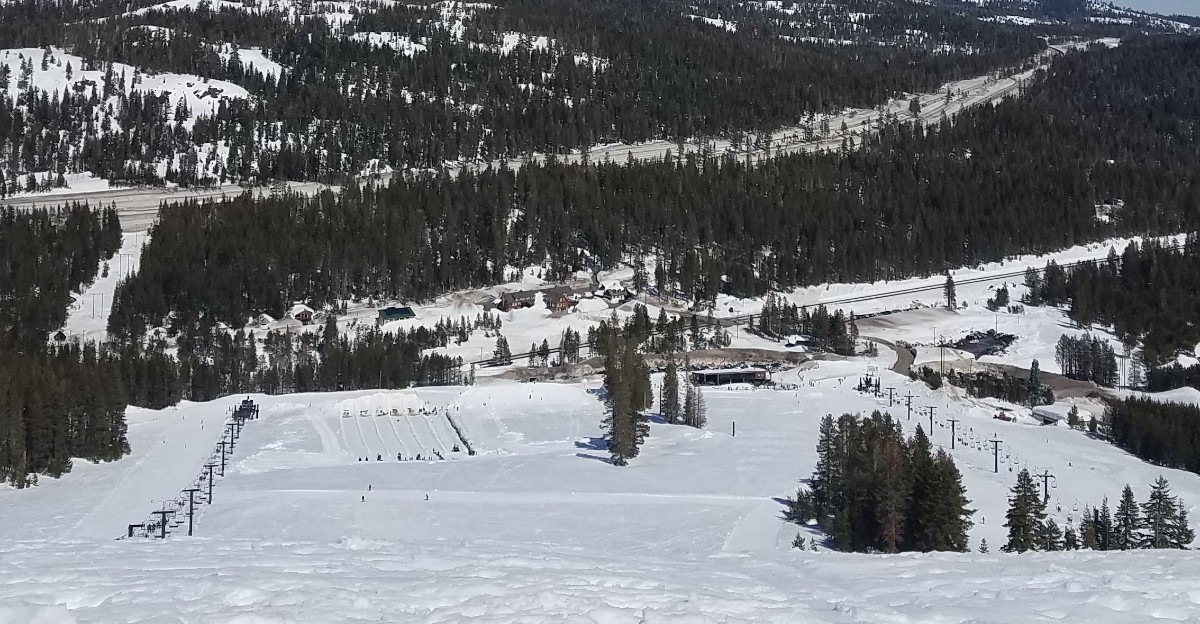
Snow can land in a few California mountain towns as early as October. That’s before most people have even carved a pumpkin.
One Eastern Sierra hamlet sits more than 7,600 feet up and has only about 600 full-time residents. Another high valley town is known for extreme cold snaps that show up surprisingly early in autumn.
I love that the same state famous for palm trees and surf also has towns where snow shovels come out first. A few of them have fewer residents than a big high school.
I can definitely get behind a list like this, because small towns make the first snowfall feel like a community event.
Main streets turn white, ski lifts wake up, and mountain roads start asking for chains.
Which tiny town will catch the most first flakes this year? I have a few guesses, so grab your thickest jacket, friend, and let’s find out.
1. Mammoth Lakes
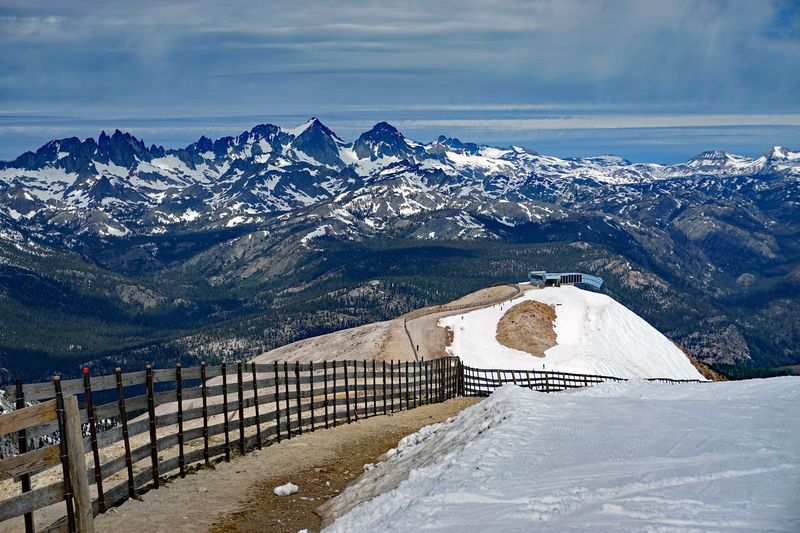
Halloween costumes sometimes need snow boots in this town. Sitting around 7,880 feet in the Eastern Sierra, Mammoth Lakes often logs its first measurable snow in October or early November.
That elevation is the secret ingredient. Freezing nights show up here early, so storms that bring rain to lower towns often drop powder instead.
The name sounds grand, but the town stays compact. About 7,200 people live here, and the community wraps around a walkable alpine village and a scenic main corridor.
A walkable village is a real gift when the sidewalks turn white. You can park once, bundle up, and wander without steering around on icy roads.
Early snow also makes this town a favorite for folks who can’t wait for winter. If you’re the type who checks forecasts in September, you’ll fit right in.
The town also earns serious bragging rights among California snow fans. Freezing this early means the season starts here while the beaches still feel like summer.
Want a smart tip? Pack layers, sunglasses, and chains, because Eastern Sierra weather can flip quickly in fall.
The payoff is huge. Granite peaks dusted in fresh white look like a postcard, and you get to watch the Golden State trade its sunny reputation for a snow globe.
2. Truckee
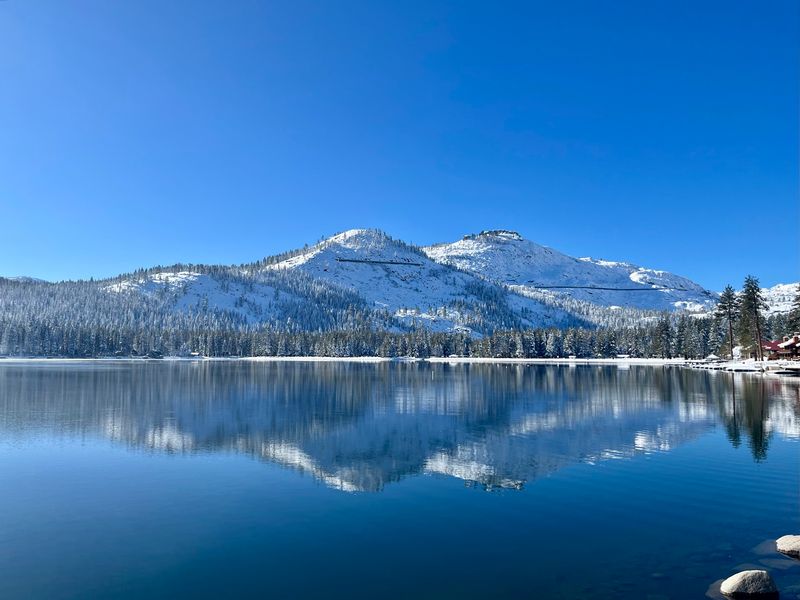
Snow in early October? Truckee has pulled that trick before, though its first measurable snow usually shows up around early November.
The town sits at 5,818 feet near Donner Pass in the northern Sierra Nevada. That spot catches early storms and some of the state’s first sub-freezing temperatures in mid-autumn.
History runs deep here. Truckee grew up as a logging and railroad town, and that character still shows along Commercial Row downtown.
Historic Downtown Truckee mixes old buildings with boutique shops, dining, and cultural arts. A snowy stroll here feels like stepping into an old Sierra photograph, minus the scratchy wool.
Start your visit at the Truckee Welcome Center, housed inside the historic Truckee Train Depot. It’s open daily from 10 am to 4 pm, so you can grab trip ideas before the flakes get heavy.
For a deeper look at the area’s past, head to Donner Memorial State Park. Its visitor center offers museum exhibits, and the park also has trails and camping.
The museum shares the story of the Donner Party and the hard winter they faced. Seeing the first snow nearby gives that history a powerful, real-world backdrop.
With around 16,700 residents, Truckee is the biggest town on this list. Still, it keeps a small mountain feel that makes early winter here easy to love.
3. June Lake
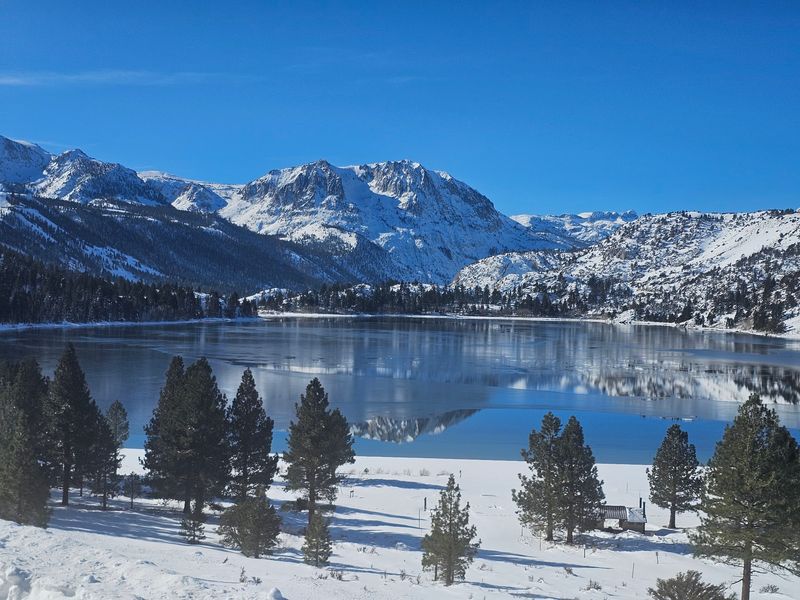
Roughly 600 people call June Lake home year-round. In fall, their tiny hamlet often gets snow before much bigger California towns even see a cloud.
The secret is altitude. June Lake sits at 7,654 feet beneath granite Sierra peaks, and its first measurable snow often arrives in October.
Heavier snow usually rolls in by mid-November. By December, the full ski season is typically running at June Mountain, the local spot for skiing and snowboarding.
The June Lake Loop deserves its own shout-out. This scenic drive is famous for fall colors, so early snow can mix bright leaves with fresh white peaks.
Winter turns the loop into a playground for snowshoeing. You don’t need fancy skills, just sturdy boots and a little patience with chilly fingers.
Forgot something important? The June Lake General Store sits in the heart of the village at 1 Main St.
It stocks groceries, hardware, camping supplies, and gifts. The store stays open year-round, seven days a week, with fall and winter hours from 8 am to 7 pm.
That kind of reliable stop matters in a remote mountain town. One forgotten pair of gloves can turn a fun snow day into a very short one.
June Lake proves small doesn’t mean boring. It just means the snow gets more elbow room.
4. Lee Vining
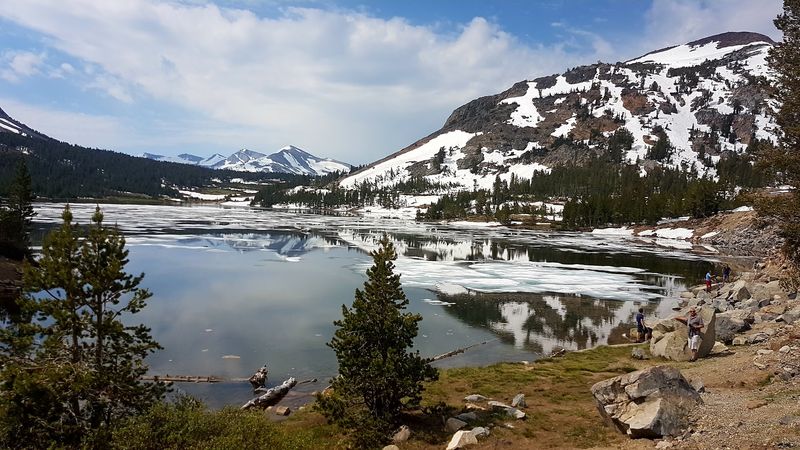
About 200 people live in Lee Vining, which means the first snowflakes might outnumber the residents pretty fast. This little community sits at 6,781 feet.
Location is everything here. The town rests at the base of Tioga Pass, right along the edge of Mono Lake.
Early winter storms slide down the Sierra crest and drop snow on the area ahead of many California towns. Those storms often lead to early seasonal closures on the high pass above town.
That makes Lee Vining a kind of weather messenger. When snow starts piling up here, you know winter is knocking on the Eastern Sierra’s door.
Mono Lake gives the setting a striking look. Picturing a wide lake below snowy peaks is easy, and seeing it in early winter is even better.
Since the community is tiny and unincorporated, don’t expect a long main drag. Think of it as a quiet stop where the scenery does most of the talking.
Smart travelers check road conditions before heading this way in fall. Pass closures can change your plans, so having a backup route keeps the trip stress-free.
Bring layers, snacks, and a full gas tank. Mountain weather here doesn’t wait for anyone, and services in small towns can be limited.
Small town, big views, early snow. That’s a combo worth a road trip.
5. Markleeville
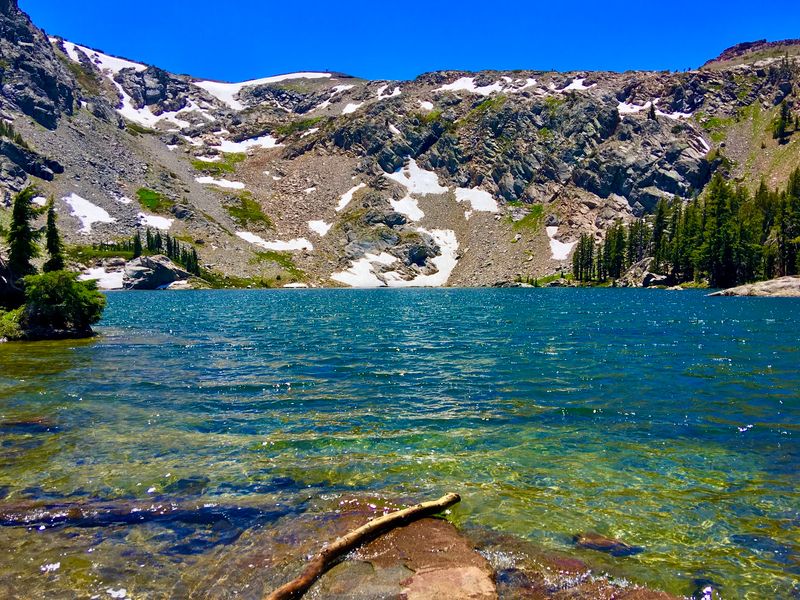
Fewer than 200 people live in Markleeville, yet it runs an entire county. This isolated alpine town is the seat of Alpine County, the least populated county in California.
That tiny size is part of the charm. You won’t find crowds here, just mountains, pine trees, and a whole lot of quiet.
Markleeville sits at about 5,500 feet among the high peaks of the central Sierra. Early-season cold fronts from the north swing through and deliver early winter snow.
That elevation is lower than some towns on this list. Still, its position in the high country helps it catch snow while many California valleys stay bare and brown.
Why visit a place this small? Because seeing a little mountain town wake up under its first snow feels like finding a scene from an old storybook.
Remote towns need extra planning, especially in winter. Fill your tank, pack food, and check the forecast before heading up the mountain roads.
Chains are smart to keep in your trunk during snowy months. A sudden storm can turn a quick drive into a slow crawl.
Bring a camera and some patience. Early snow on these central Sierra peaks can be breathtaking, especially when the sky clears afterward.
Markleeville may be small, but it holds its own on this snowy list. Sometimes the quietest towns make the loudest impression.
6. Soda Springs
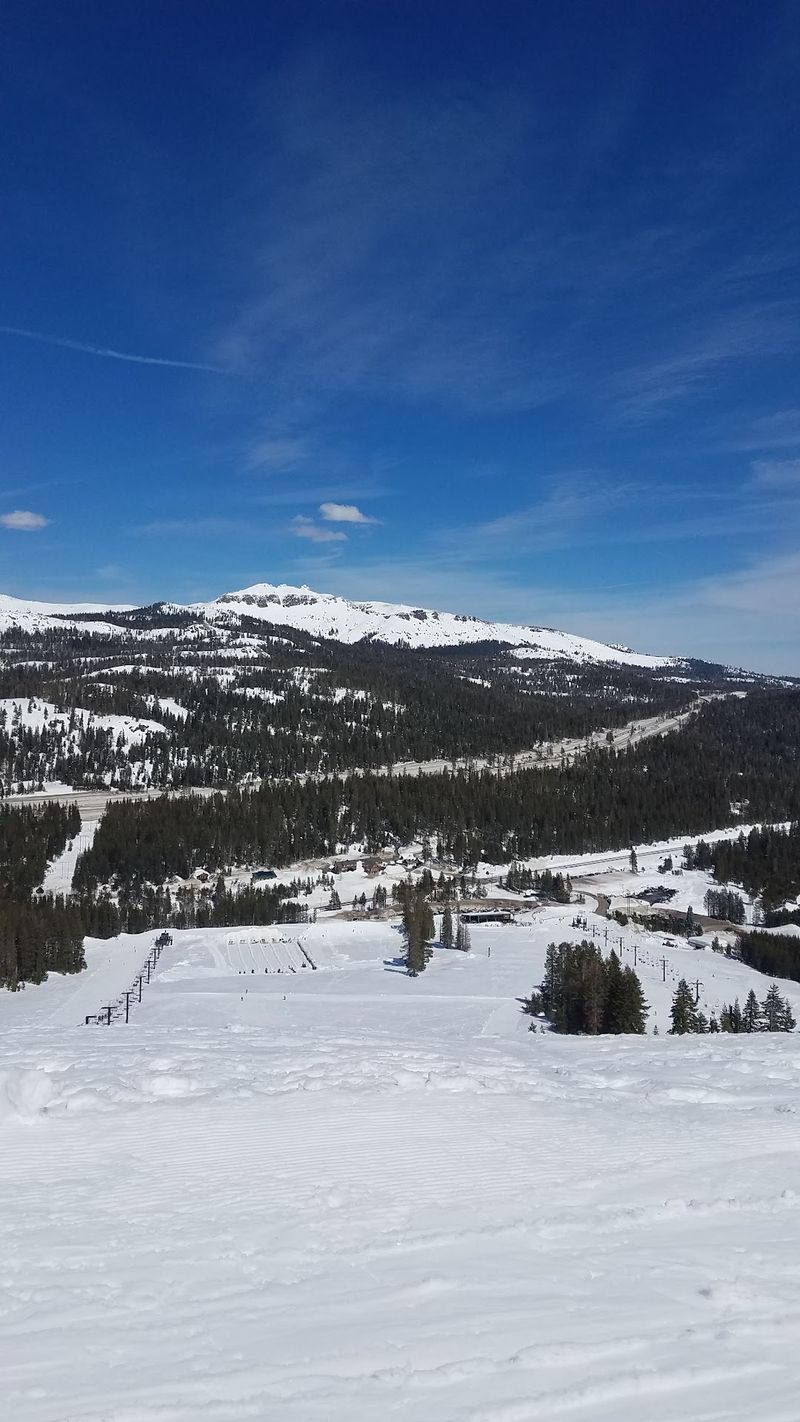
Around 100 people live in Soda Springs year-round. That’s barely enough for a good snowball fight, but the snow itself shows up in big numbers.
This unincorporated enclave sits on Donner Summit at roughly 6,750 feet. It perches right on the crest of the Sierra Nevada.
Historically, Soda Springs ranks among the first inhabited communities in California to get significant early winter snowfall. When storms hit the summit, this little spot catches them head-on.
Life on the crest means weather moves fast. One afternoon can bring sunshine, then a sudden curtain of white that coats the pines.
The Donner Summit area is famous for heavy Sierra snow. Soda Springs gives you a front-row seat without the bustle of a bigger town.
Planning a visit? Keep an eye on road conditions over the summit, since early storms can slow traffic quickly.
Chains, a shovel, and an ice scraper make great travel buddies up here. They may not be fun to pack, but you’ll be glad they came along.
Dress in waterproof layers too. Snow at this elevation tends to stick around, and cold, wet socks can end a snow day early.
Soda Springs feels like winter’s welcome desk. If you want to greet the season early, this tiny summit community is a smart place to wait for the first flakes.
7. Kirkwood
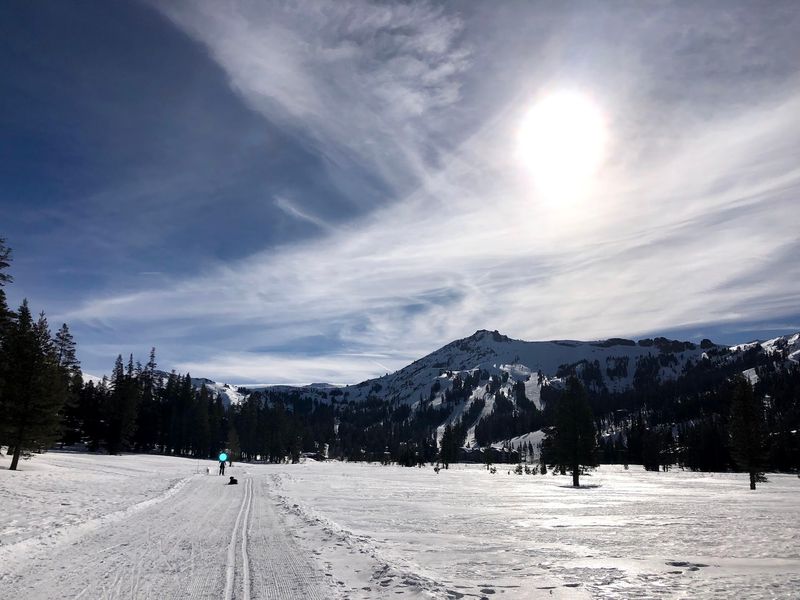
Deep snow is basically Kirkwood’s claim to fame. This tiny valley is known for some of the deepest and earliest seasonal snowfalls in California.
Only about 100 people live here permanently. That small crowd gets a big reward when winter storms start rolling across the Sierra Nevada.
The location explains a lot. Kirkwood sits in a high alpine bowl at about 7,700 feet, which helps trap cold air and snow.
Picture a giant mixing bowl surrounded by peaks. Storms pour in, and the snow piles up fast, sometimes before many California towns even think about winter.
That bowl shape also makes the scenery dramatic. Steep slopes rise around the valley, so fresh snow looks like frosting on a huge mountain cake.
Because Kirkwood is so small and high, travel takes planning. Check road reports, carry chains, and leave extra time for slow winter driving.
Pack serious winter gear before you go. At this elevation, temperatures drop quickly, and the snow tends to stay put for a while.
Snow lovers have a simple reason to watch this valley closely. When Kirkwood starts collecting early storms, it’s a good sign the Sierra winter has officially begun.
Fewer people, more snow, and big mountain views make this alpine bowl unforgettable. It’s the kind of place that makes a regular snow day feel like an expedition.
8. Olympic Valley
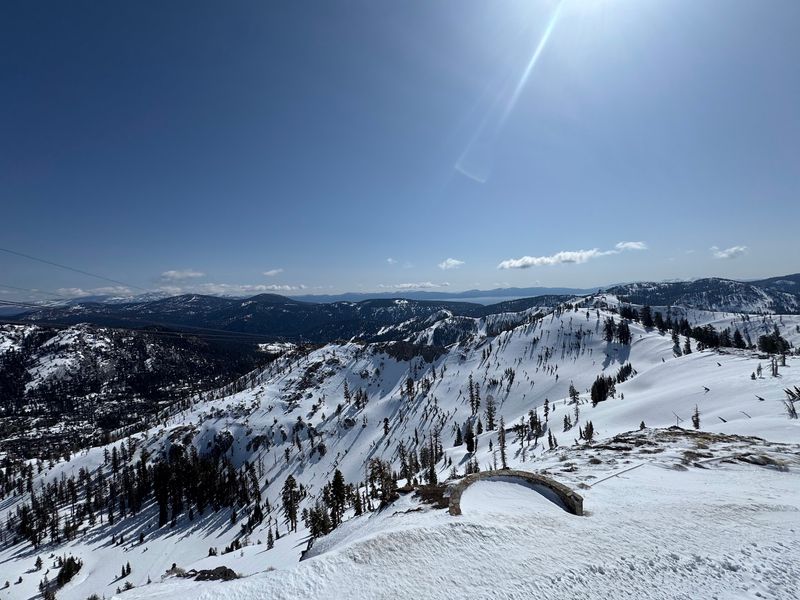
A town named after the Olympics had better handle snow well. Olympic Valley earned its name after hosting the 1960 Winter Olympics, and it still takes winter seriously.
About 900 people live in this alpine resort community near Lake Tahoe. The valley floor sits at roughly 6,200 feet, with towering peaks rising all around.
Those peaks matter. As winter storm tracks slam into the northern Sierra, Olympic Valley regularly records early snowfall starting in October.
October snow can surprise first-time visitors. One week you might see fall sunshine, and the next week the mountains wear a fresh white coat.
The valley shape gives you dramatic views in early winter. Snow lines creep down the slopes first, then reach the valley floor as storms grow stronger.
Want to catch the season early? Watch the forecast in fall and keep a flexible schedule, since the first big storm doesn’t follow a calendar.
Remember your winter driving kit. Chains and a good ice scraper make mountain roads near Tahoe much easier to handle.
Layers are your best friend here too. Sun on the snow can feel bright and mild, but temperatures can drop fast once clouds roll in.
Olympic Valley mixes small-town size with big winter history. It’s a fun reminder that California’s snow story includes a real Olympic chapter.
9. Tahoe City
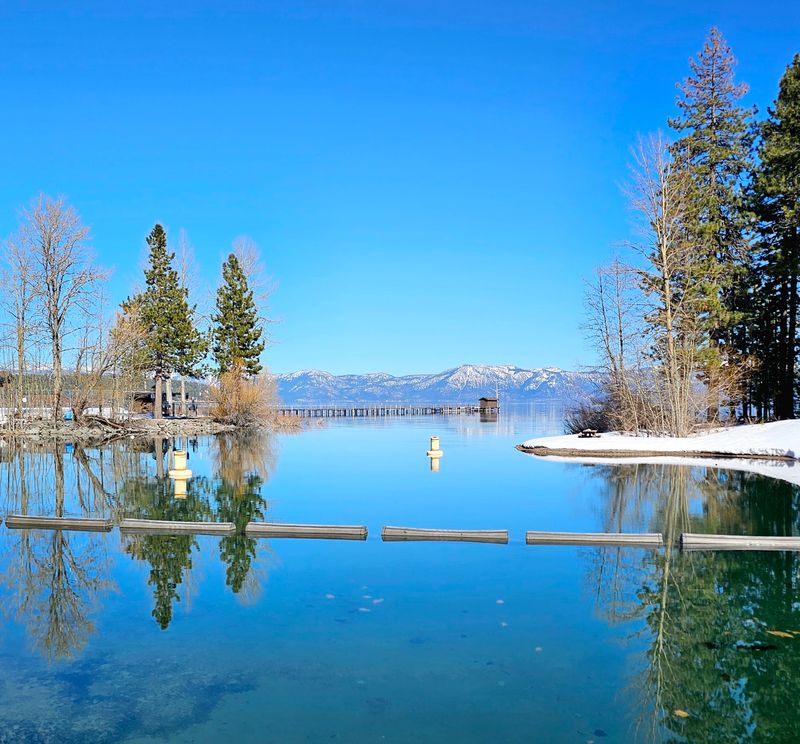
Few things beat blue water next to fresh snow. Tahoe City gives you both, sitting right on Lake Tahoe’s northwest shore.
Around 1,500 people live in this unincorporated lakeside town. Its walkable main street makes exploring easy, even when sidewalks get a little slushy.
Tahoe City sits at about 6,250 feet along the Truckee River outlet, where the river leaves the lake. Early winter Sierra storms lay down the region’s first snowpack here.
That first snowpack is a big deal. It signals the start of the snowy season around the lake and gets mountain fans buzzing.
Snow on the shoreline creates some seriously pretty views. The deep blue lake, white peaks, and snowy pines look almost too perfect to be real.
A walkable town also makes snowy days more relaxing. You can bundle up, stroll the main street, and enjoy the scenery without hopping in the car again and again.
Pack gloves, a hat, and boots with good grip. Lakeside wind can make cold air feel even sharper.
Driving in early winter calls for caution near the lake. Check road conditions, carry chains, and give yourself extra time.
Tahoe City feels like a small town wearing a big-lake view. When early storms arrive, it becomes one of the prettiest snow scenes in the Golden State.
10. Mount Shasta
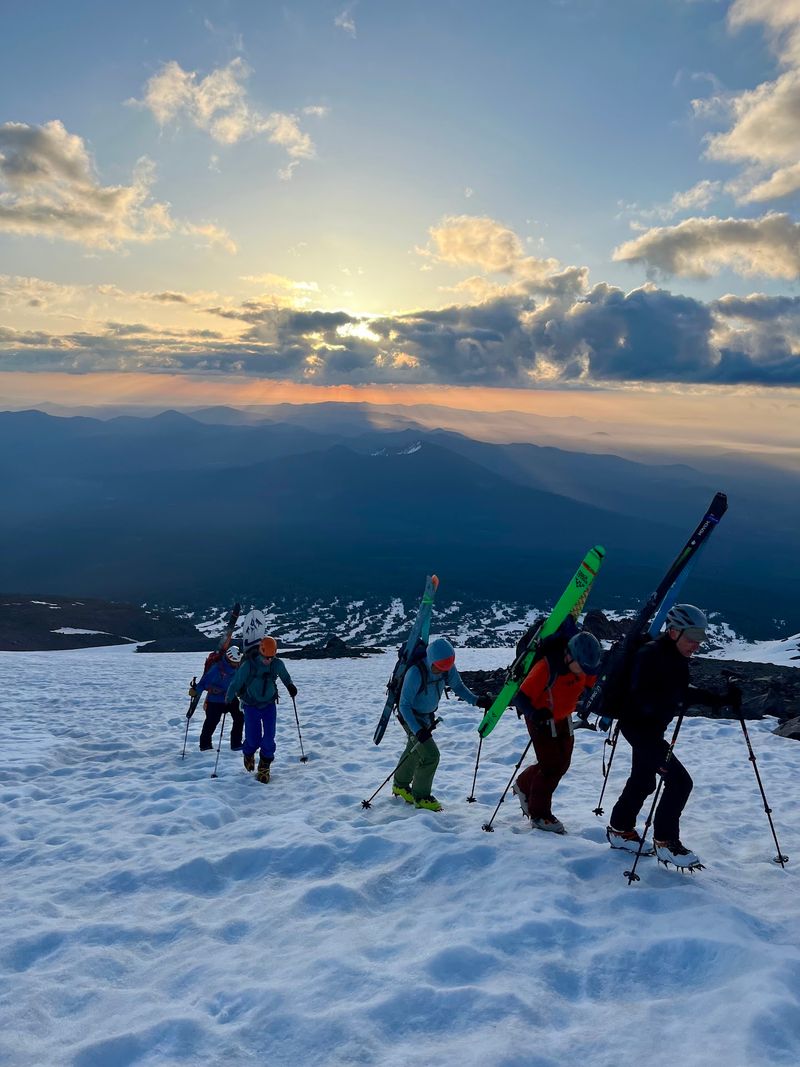
Living next to a giant volcano has its perks, like early snow. Mount Shasta sits at the base of its famous peak, and winter shows up here fast.
The town is home to about 3,200 people. It sits at 3,586 feet at the southern end of the Cascades.
That’s lower than many towns on this list, so why the early snow? Arctic air masses moving down from the Pacific Northwest bring some of California’s earliest Cascade snowfalls.
Watching snow creep down the mountain is part of the fun. First the peak turns white, then the lower flanks, then finally the town itself.
For an indoor break, visit the Mount Shasta Sisson Museum. It covers history, science, Native American basketry, a mountaineering wall, and a model railroad.
Admission is free, which is always a nice surprise. The museum is open Thursday through Monday from 10 am to 4 pm, usually from late March through December.
Here’s a fun bonus. The museum shares its property with a fish hatchery that’s the oldest continuously operating hatchery west of the Mississippi River.
The museum itself opened on July 4, 1983. It makes a great stop before or after an early snowy walk.
Mount Shasta proves you don’t need extreme elevation to catch early winter. Sometimes a well-placed volcano does the job.
11. Big Bear Lake
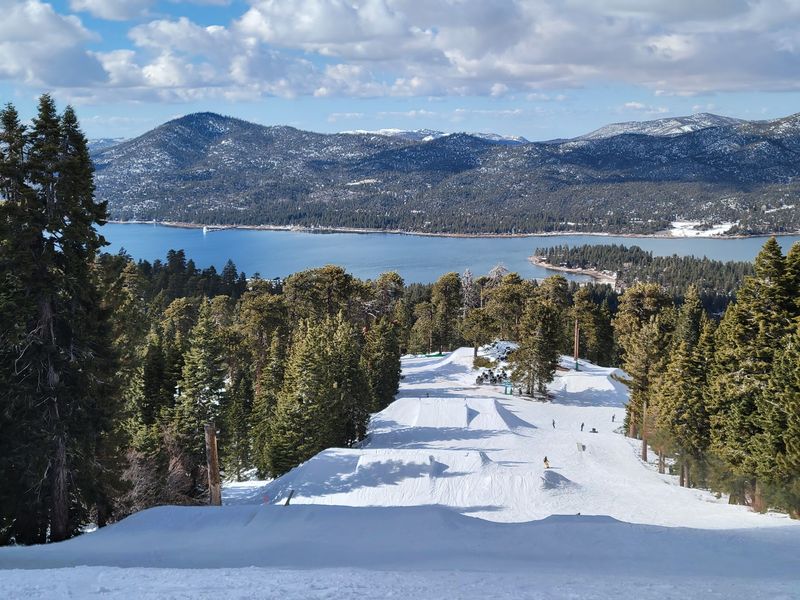
Southern California gets snow too, and Big Bear Lake usually grabs it first. This mountain town proves palm trees and snowflakes can share the same region.
Big Bear Lake sits at 6,752 feet in the San Bernardino Mountains. It’s the main high-altitude Southern California community that catches the earliest southern winter snow events.
About 5,000 people live here. The rustic town centers on a compact village, so you can explore without a long list of stops.
Early snow here feels extra exciting. Folks from warmer cities nearby suddenly have a chance to see real winter without leaving Southern California.
Picture pine trees, a sparkling lake, and fresh snow on cabin rooftops. That combo turns an ordinary weekend into a snowy adventure.
Want a smart tip? Check mountain road conditions before you drive up, because early storms can bring chain controls.
Pack waterproof boots and extra socks too. Kids and grown-ups alike tend to go snow crazy here, and wet feet can end the fun fast.
The compact village makes snowy days easy to enjoy. Park once, bundle up, and wander around the town center at your own pace.
Big Bear Lake reminds you that California winter isn’t only a northern thing. When the first southern flakes fall, this little mountain town gets the honor of catching them.