12 Small Cities In California Where You Can Save Money Without Sacrificing Healthcare In 2026
Stretching a budget has become a priority for a lot of people lately. Housing costs, grocery prices, and access to reliable healthcare all play a huge role in deciding where to live. Finding a place that balances affordability with everyday comfort can feel harder than ever.
California rarely comes to mind when people think about affordable living. Headlines often focus on sky-high home prices and expensive coastal cities. But that isn’t the whole picture.
Across the state, smaller towns quietly offer a different reality.
Lower housing costs, practical day-to-day expenses, and access to hospitals or regional medical centers make some of these communities surprisingly livable. Many sit in scenic valleys, foothill regions, or mountain corridors where the pace of life feels calmer and the crowds stay manageable.
For anyone hoping to make their money go further without leaving the Golden State entirely, these places deserve a closer look.
These towns stand out in 2026 as locations where living costs remain more manageable while healthcare access still supports a comfortable and stable quality of life.
1. Chico
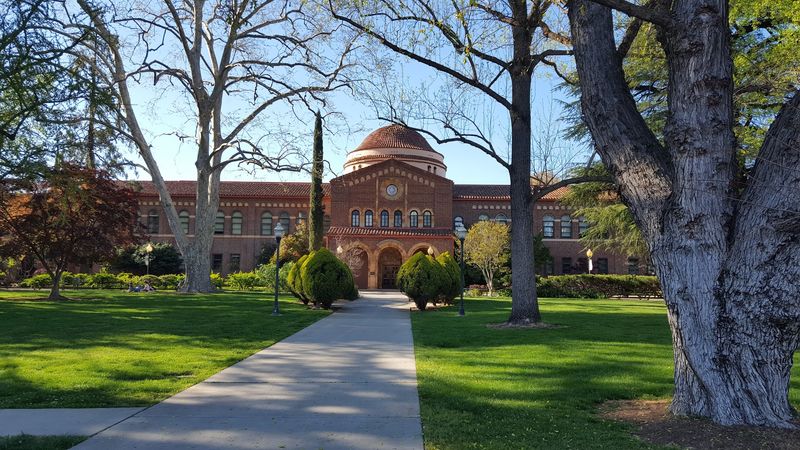
Chico has a reputation that goes far beyond its college-town energy.
Nestled in the Sacramento Valley, it offers a surprisingly balanced lifestyle where housing costs stay well below California’s coastal averages and medical services remain accessible year-round.
The median home price in Chico hovers around $380,000, which is notably lower than cities like Sacramento or San Jose.
Enloe Medical Center at 1531 Esplanade, Magnolia Avenue serves as the primary healthcare anchor for the region and provides a broad range of services including emergency care, cancer treatment, and cardiac services.
The hospital has consistently maintained strong community ratings and handles both routine and complex medical needs.
Residents also benefit from numerous outpatient clinics and urgent care centers spread across the city.
Beyond healthcare, Chico’s Bidwell Park offers over 3,600 acres of trails and open space that support an active and low-cost lifestyle.
Grocery and utility costs in Chico tend to run lower than in larger California metros, making monthly budgeting more predictable.
The city’s walkable downtown area features local markets, affordable dining, and community events that keep daily life engaging without requiring a large spending commitment.
2. Ukiah
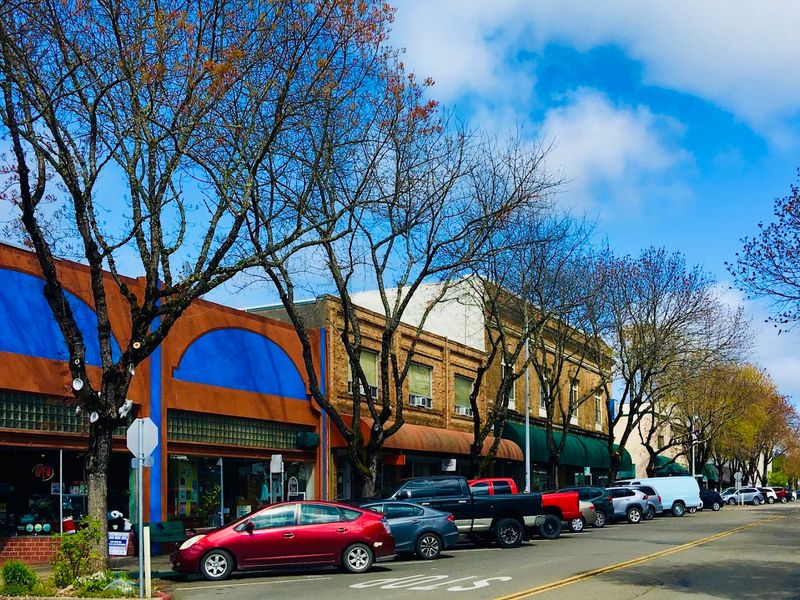
Surrounded by vineyards and redwood forests in Mendocino County, Ukiah carries a quiet, unhurried pace that many residents genuinely appreciate.
Housing costs sit well below the state average, with median home prices between $470K–$480K making it one of the more accessible options in Northern California for buyers and renters alike.
The community is compact enough that most daily errands are manageable without long commutes.
Adventist Health Ukiah Valley, located at 275 Hospital Drive in Ukiah, serves as the town’s primary medical facility and offers emergency services, surgical care, maternity services, and specialty clinics.
The hospital’s presence ensures that residents do not need to travel far for essential or advanced medical attention.
Smaller clinics and family practice offices throughout the town also support routine healthcare needs.
Ukiah’s cost of living benefits from lower property taxes and relatively affordable local goods compared to coastal Mendocino towns.
The Ukiah Farmers Market runs seasonally and provides fresh produce at reasonable prices, supporting both local agriculture and household budgets.
Outdoor recreation along the Russian River and in nearby state parks adds a layer of everyday enjoyment that costs very little to access.
3. Redding

Sitting at the northern end of the Sacramento Valley, Redding functions as a regional hub for a large stretch of far Northern California.
Despite serving as an economic center for the area, its cost of living remains noticeably lower than most mid-sized California cities.
Median home prices in Redding sit around $420,000, and the rental market offers options that are far more manageable than those found in the Bay Area or Los Angeles.
Dignity Health Mercy Medical Center (2175 Rosaline Avenue) and Shasta Regional Medical Center (1100 Butte Street) both operate in Redding, giving residents access to two full-service hospitals within the same city.
These facilities cover emergency care, oncology, orthopedics, and a wide range of specialty services.
The availability of competing healthcare providers in one location tends to support broader access and more scheduling flexibility for patients.
Redding’s outdoor lifestyle is a genuine draw, with the Sacramento River Trail and Whiskeytown National Recreation Area both nearby.
Four-season weather, though warm in summer, supports year-round outdoor activity.
Grocery costs and utility rates in Redding tend to run lower than California’s statewide average, and the city’s job market in healthcare, retail, and regional services provides stable employment opportunities for working residents.
4. Yuba City
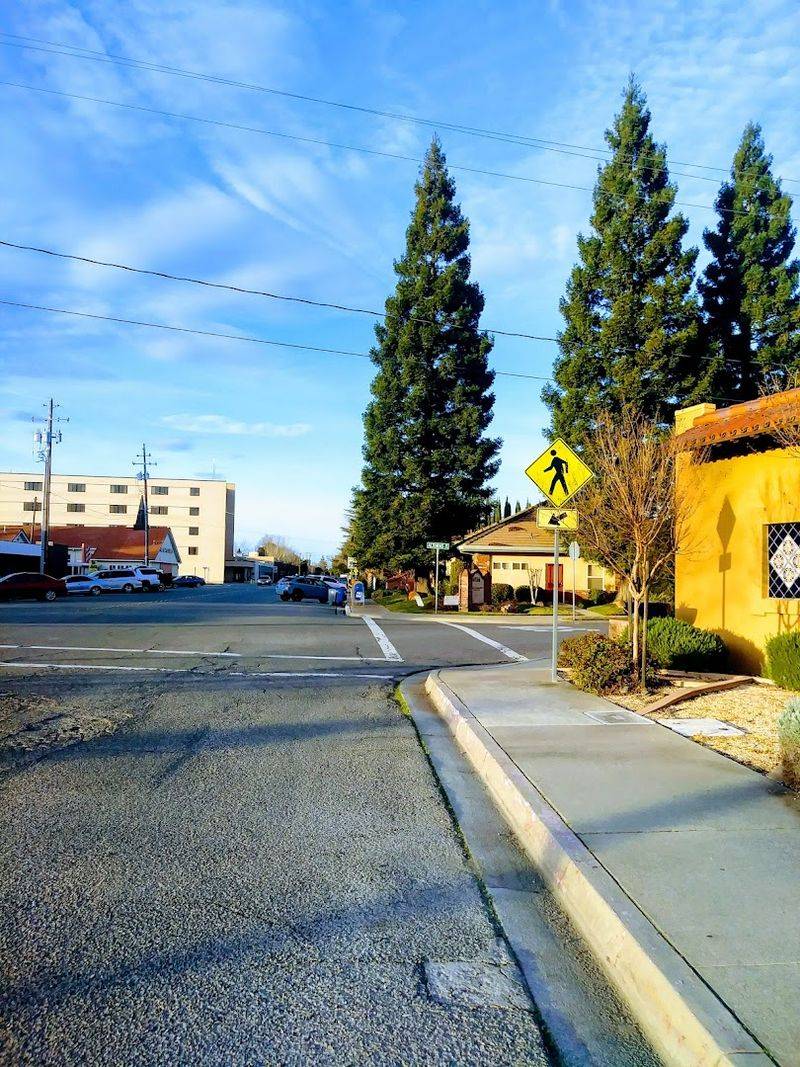
Yuba City sits in the heart of the Sacramento Valley and has quietly built a reputation as one of the more affordable mid-sized communities in Northern California.
Paired with the neighboring city of Marysville across the Feather River, the area offers a stable local economy rooted in agriculture and regional services.
Median home prices in Yuba City generally fall in the $433K–$459K range, offering solid value compared to coastal markets.
Adventist Health and Rideout, located at 726 4th Street in Marysville, serves as the primary hospital for the Yuba-Sutter region and provides emergency care, cardiac services, maternity care, and specialty clinics.
The facility has served the local community for well over a century and continues to expand its outpatient services.
Additional urgent care clinics and specialty practices throughout Yuba City supplement the hospital’s capacity.
The local food scene reflects the region’s agricultural roots, with roadside produce stands and affordable fresh goods available throughout the growing season.
Yuba City’s Sikh community contributes significantly to the area’s cultural fabric and community events.
Utility costs and everyday expenses in the region tend to stay lower than the statewide average, making it a practical choice for families and retirees planning a budget-conscious lifestyle in California.
5. Hanford
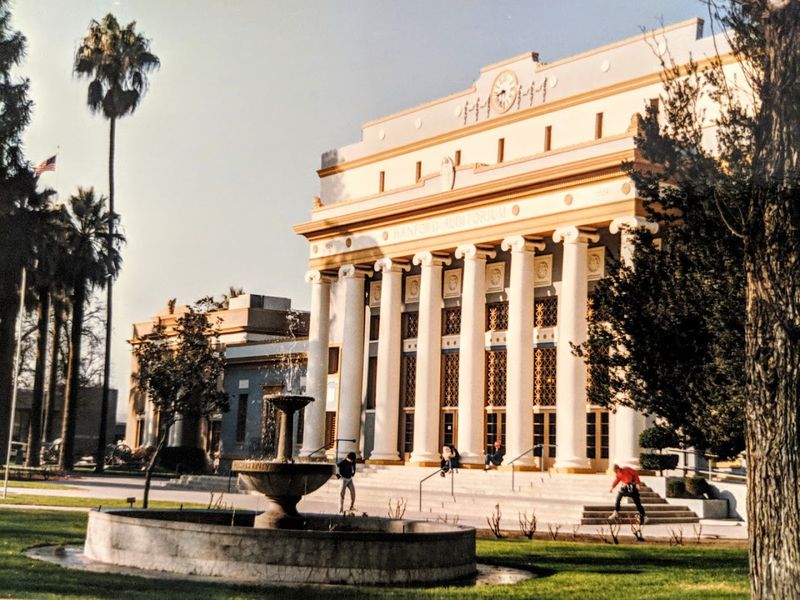
Hanford is one of those Central Valley towns that often gets overlooked despite offering a genuinely solid quality of life at a fraction of the cost of California’s larger cities.
Located in Kings County, the city has a compact downtown anchored by its beautifully preserved courthouse square, which gives the area a warm and grounded character.
Median home prices in Hanford typically fall in the $310,000 to $360,000 range, making it one of the more affordable ownership markets in the state.
Adventist Health Hanford, located at 115 Mall Drive in Hanford, serves as the region’s primary hospital and offers emergency care, maternity services, surgical procedures, and various specialty clinics.
The facility has expanded its outpatient offerings in recent years and serves a broad geographic area that includes surrounding rural communities.
Several private medical practices and community health clinics also operate throughout Kings County.
Hanford’s agricultural economy keeps local produce costs low, and residents benefit from access to fresh goods at competitive prices throughout the year.
The city’s relatively low crime rates and strong sense of community make it a comfortable place for families and retirees alike.
Everyday expenses including groceries, utilities, and transportation tend to run well below the California statewide average.
6. Porterville
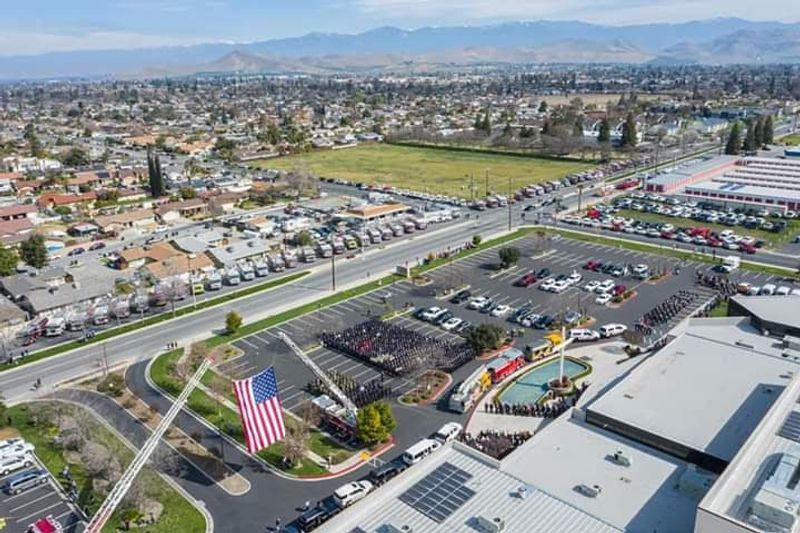
Porterville sits at the foot of the Sierra Nevada in Tulare County and offers a rugged, outdoorsy lifestyle at a price point that few California towns can match.
The median home price hovers around $325,000, which gives buyers and renters a meaningful advantage compared to most other regions of the state.
The surrounding landscape includes access to Sequoia National Forest and Lake Success, both of which provide year-round recreational opportunities at minimal cost.
Sierra View Medical Center, located at 465 West Putnam Avenue in Porterville, is the town’s primary hospital and delivers emergency services, cardiac care, surgical procedures, and a growing network of specialty clinics.
The facility has earned consistent recognition for patient care quality and continues to expand its services to meet the needs of Tulare County’s growing population.
Federally qualified health centers in the area also provide sliding-scale services for lower-income residents.
Porterville’s cost of living is among the lowest in California, with grocery prices, utilities, and transportation all running well below the statewide average.
The town has a tight-knit feel, and local community events and farmers markets add to everyday life without adding to the monthly budget.
Families and retirees often find that money stretches meaningfully further here than in most other parts of the state.
7. Ridgecrest
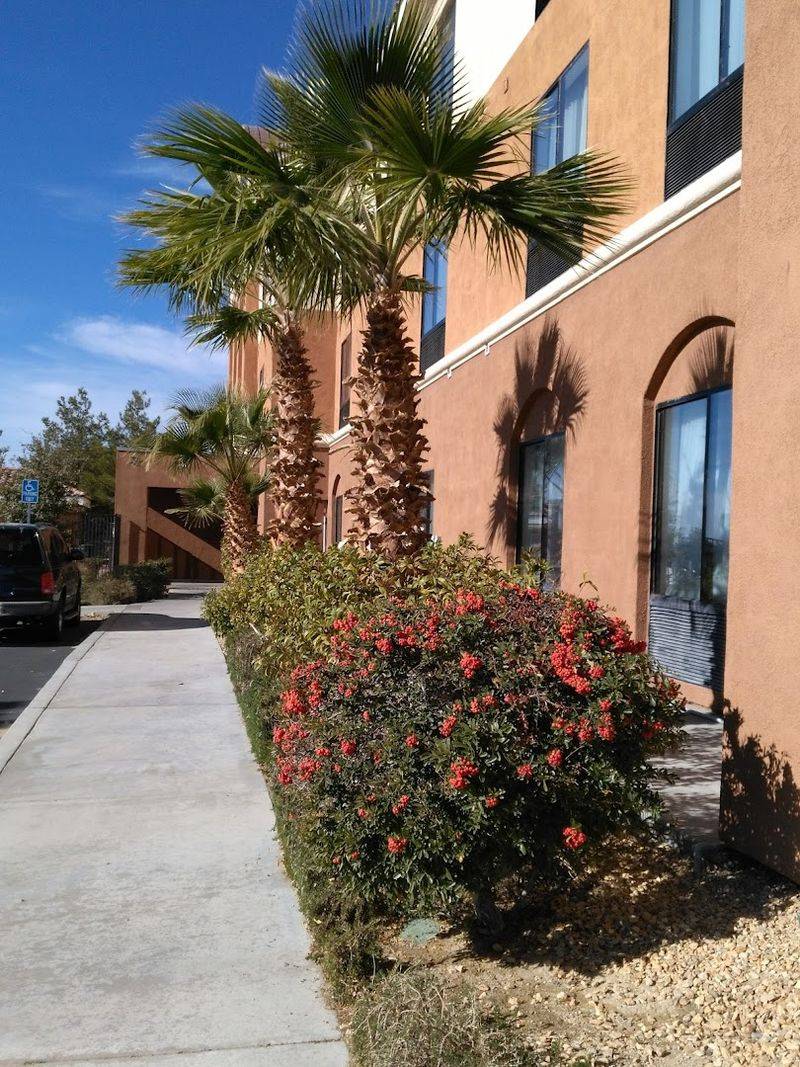
Ridgecrest occupies a unique spot in the Mojave Desert in Kern County and carries an identity shaped largely by its connection to Naval Air Weapons Station China Lake.
That federal presence has helped stabilize the local economy and kept housing costs remarkably low compared to California’s broader market.
Median home prices in Ridgecrest typically fall between $220,000 and $270,000, making it one of the most affordable ownership markets in the entire state.
Ridgecrest Regional Hospital, located at 1081 North China Lake Boulevard in Ridgecrest, serves as the community’s primary medical facility and provides emergency care, surgical services, imaging, and outpatient specialty clinics.
The hospital has undergone significant upgrades in recent years and has worked to expand specialist availability for residents who might otherwise need to travel long distances for care.
Telemedicine services have also grown substantially in the region.
Desert living comes with its own rhythm, and Ridgecrest residents tend to appreciate the wide open spaces, clear skies, and access to the nearby Trona Pinnacles and Petroglyph Canyon.
Utility costs can run higher in summer due to air conditioning demands, but overall monthly expenses remain well below the state average.
The town’s low population density gives it a calm, spacious feel that many residents find genuinely refreshing.
8. Clearlake
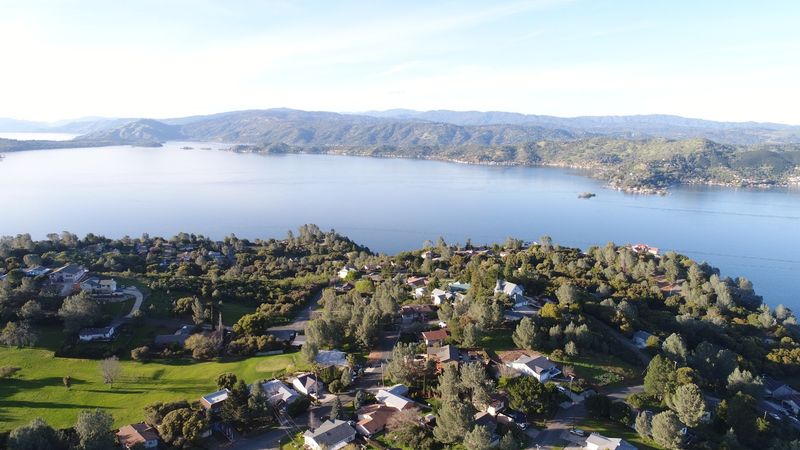
Clearlake is built along the shores of California’s largest natural freshwater lake and offers one of the most affordable housing markets anywhere in the state.
Median home prices in Clearlake frequently fall below $250,000, a figure that stands in stark contrast to coastal California norms.
The lake itself provides a natural backdrop for fishing, boating, and wildlife watching, all of which are low-cost ways to spend time outdoors.
Adventist Health Clearlake, located at 15630 18th Avenue in Clearlake, is the primary hospital serving Lake County and provides emergency care, surgical services, maternity care, and outpatient specialty programs.
The hospital has been a consistent healthcare anchor for the region and continues to work on expanding telehealth and specialty access for residents in more remote parts of the county.
Community health clinics throughout the area also serve residents at reduced or sliding-scale costs.
Lake County, where Clearlake is located, has been working actively on economic development and community health initiatives that aim to improve overall quality of life for residents.
Grocery and utility costs in the area tend to run lower than California averages, and the slower pace of life appeals to those seeking a less pressured daily routine.
The surrounding hills and natural areas add a layer of beauty to everyday living that costs nothing at all to enjoy.
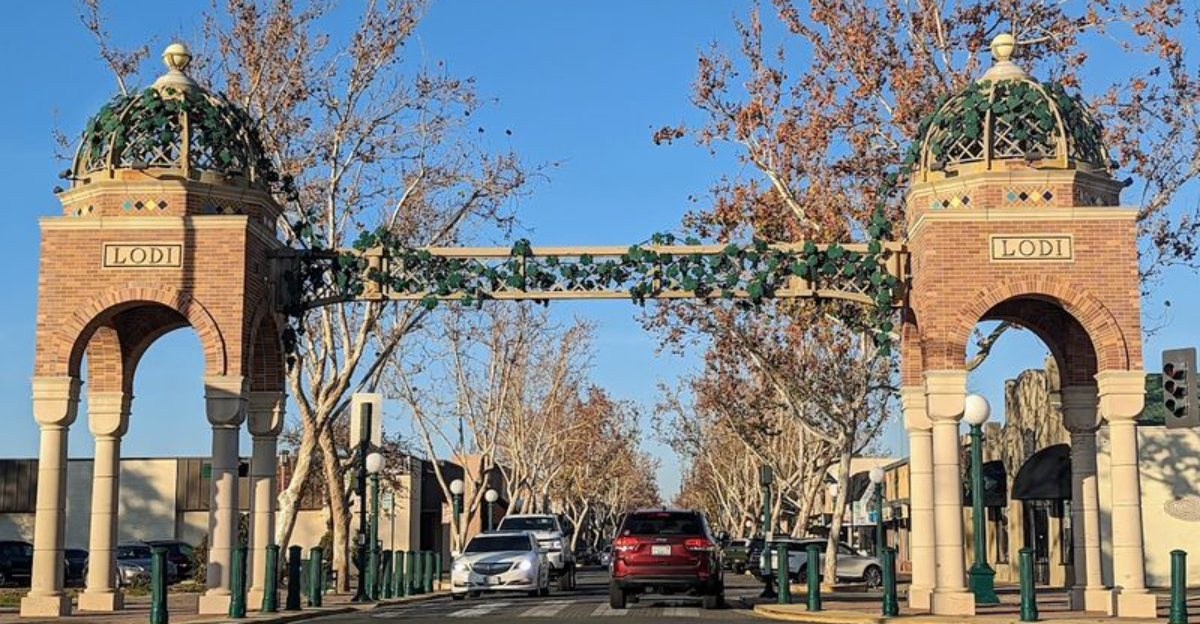
9. Lodi
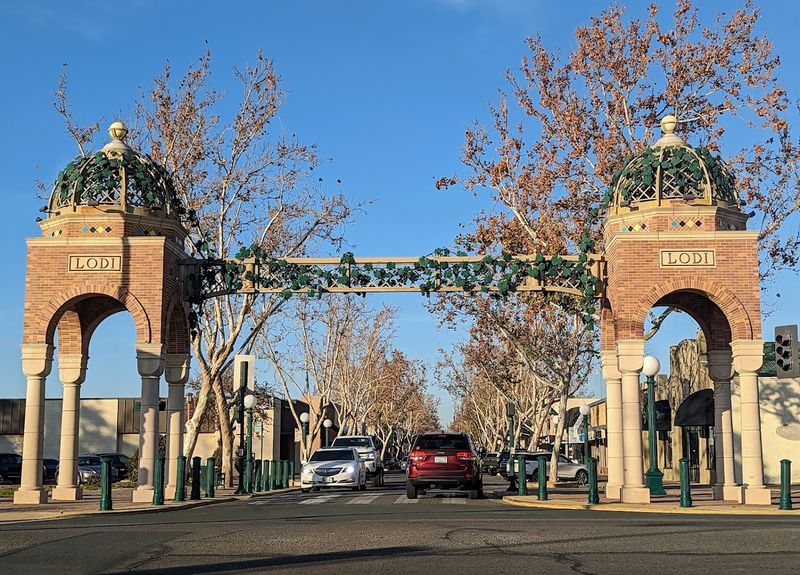
Lodi has a distinctive character shaped by its deep roots in wine-grape farming and its position as a gateway between the Bay Area and the Sierra Nevada.
The city’s cost of living is notably more manageable than nearby Stockton or Sacramento, and its median home prices tend to fall in the $490K–$540K+ range.
The downtown area has seen steady revitalization and now supports a lively mix of local shops, eateries, and community events.
Adventist Health Lodi Memorial, located at 975 South Fairmont Avenue in Lodi, provides the community with emergency services, surgical care, cardiac monitoring, and outpatient specialty clinics.
The hospital has maintained a strong local presence for decades and continues to invest in updated facilities and expanded services.
Several family medicine practices and urgent care centers across the city also support residents seeking routine medical attention.
Lodi’s school district has earned solid ratings, making it an appealing option for families with children.
The Lodi Lake Park offers a pleasant natural escape right within city limits, with picnic areas, a beach, and trails accessible at low cost.
Grocery prices and property tax rates in the area tend to remain competitive, which helps residents maintain a more predictable monthly budget without sacrificing access to services.
10. Susanville
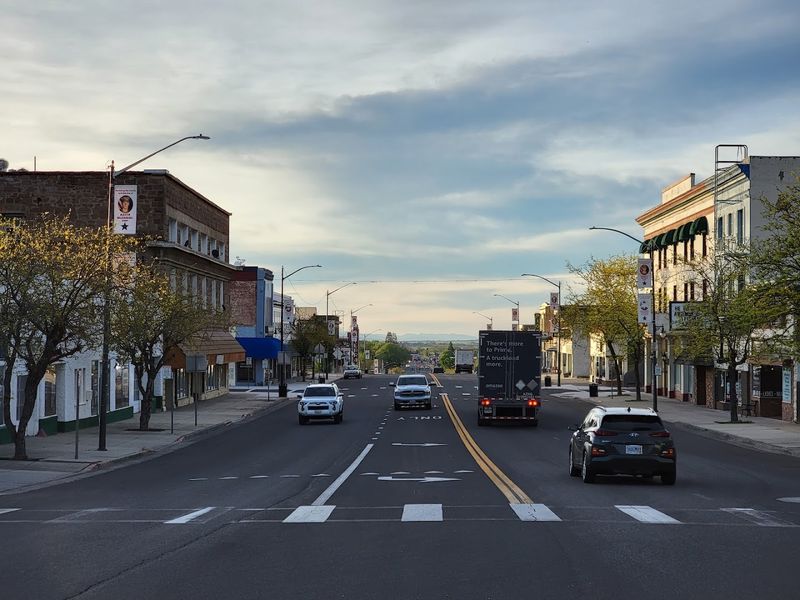
Susanville sits in the high desert of northeastern California at an elevation that gives it crisp air, dramatic skies, and a strong sense of geographic remoteness.
The cost of living here is approximately 30 percent below California’s statewide average, which makes it one of the most financially accessible communities in the state by a wide margin.
Typical homes in Susanville are priced between $212,000 and $240,000, a range that opens homeownership to residents who might otherwise be priced out of the California market entirely.
Banner Lassen Medical Center, located at 1800 Spring Ridge Drive in Susanville, serves as the community’s primary hospital and provides emergency care, general surgery, imaging, and a range of outpatient services.
The facility works to maintain specialist coverage for a region that is geographically isolated from larger urban centers.
Telehealth services have become an increasingly important supplement to in-person care for Lassen County residents.
Outdoor life in Susanville centers on Eagle Lake, the Susan River, and the Bizz Johnson National Recreation Trail, all of which offer year-round recreation at no cost.
The town has a close-knit community character that tends to make newcomers feel settled relatively quickly.
Winter weather can be demanding, but many residents consider the seasonal contrast to be part of the town’s honest and grounded charm.
11. Sonora
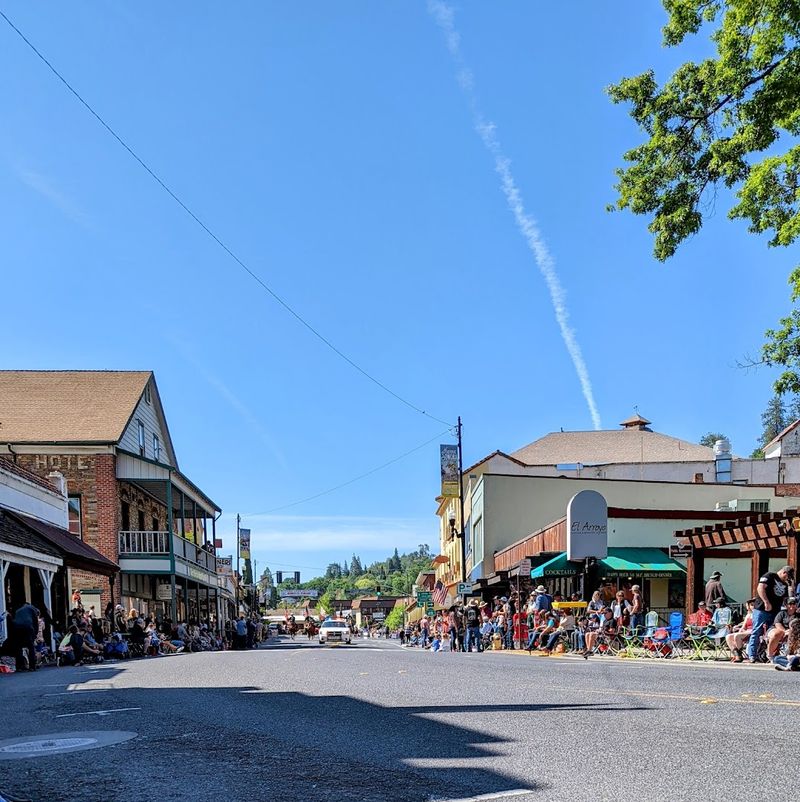
Sonora carries the proud spirit of California’s Gold Rush era and serves as the county seat of Tuolumne County in the Sierra Nevada foothills.
The town’s historic downtown features well-preserved Victorian architecture and a walkable main street lined with local businesses, which gives it a character that larger cities simply cannot replicate.
Median home prices in Sonora generally fall in the $380,000 to $430,000 range, which is reasonable given its proximity to mountain recreation and its strong community infrastructure.
Adventist Health Sonora, located at 1000 Greenley Road in Sonora, is the region’s primary hospital and offers emergency services, cardiac care, cancer treatment, orthopedics, and a broad network of outpatient specialty clinics.
The facility consistently ranks among the better-performing rural hospitals in California and has invested substantially in specialist recruitment to reduce the need for residents to travel to larger cities.
Several community health centers in the area also serve residents on a sliding-scale basis.
Sonora’s location near Yosemite National Park and Stanislaus National Forest means that outdoor recreation is never far away.
The town’s farmers market and community events support a lively local culture throughout the year.
Everyday costs including groceries and utilities tend to stay below the statewide average, and the combination of natural beauty, history, and accessible healthcare makes Sonora a genuinely well-rounded choice.
12. Grass Valley
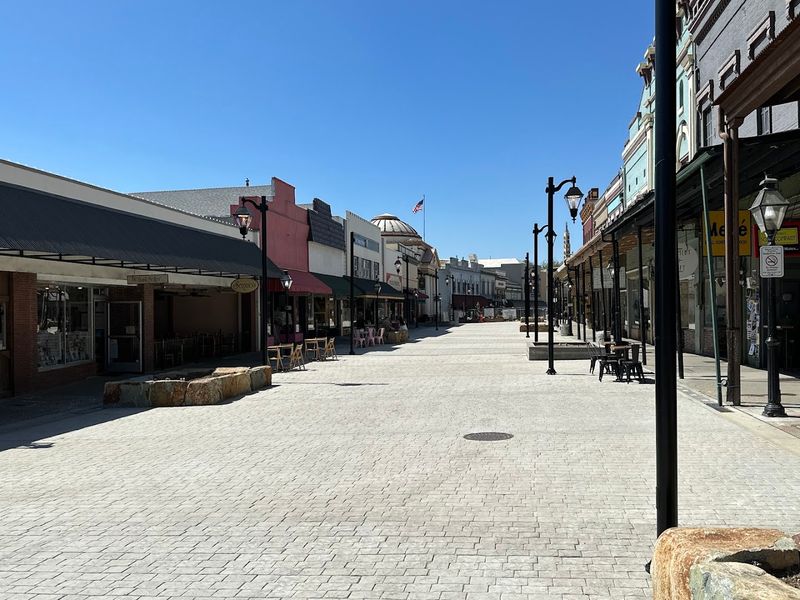
Grass Valley has a warmth to it that feels earned rather than manufactured, shaped by generations of mining history and a creative community that has grown steadily over the decades.
Located in Nevada County in the Sierra Nevada foothills, it offers a lifestyle that blends small-town comfort with access to arts, music, and nature.
Median home prices in Grass Valley typically fall in the $450,000 to $500,000 range, which is higher than some towns on this list but remains competitive given the area’s overall quality of life and services.
Sierra Nevada Memorial Hospital, located at 155 Glasson Way in Grass Valley, is the primary medical facility for the region and provides emergency care, surgical services, cardiac monitoring, maternity care, and a growing array of specialty clinics.
The hospital has received strong community feedback for its patient-centered approach and has worked to expand telehealth options for residents in more rural parts of Nevada County.
Several private practices and urgent care centers throughout the town also support routine healthcare needs.
The downtown area features independent bookshops, local cafes, and community theaters that keep daily life interesting without requiring heavy spending.
Condon Park and the surrounding trail network offer accessible outdoor recreation within easy reach of the town center.
Nevada County’s strong nonprofit and community health infrastructure adds an additional layer of support for residents managing healthcare costs on a fixed or modest income.