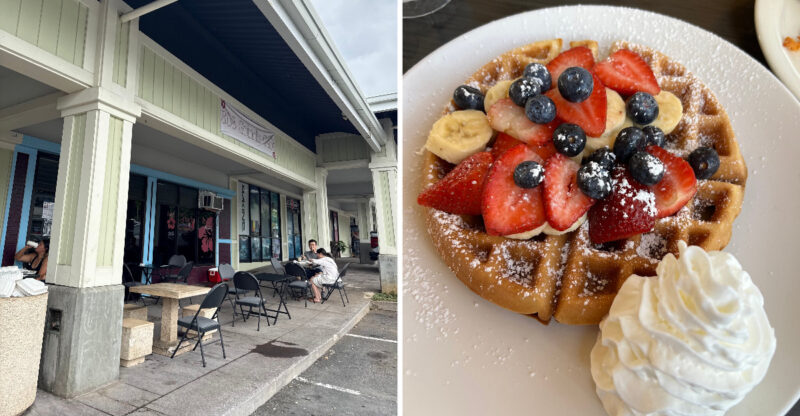
10 Small Hawaii Towns That Feel Like A Tropical Paradise
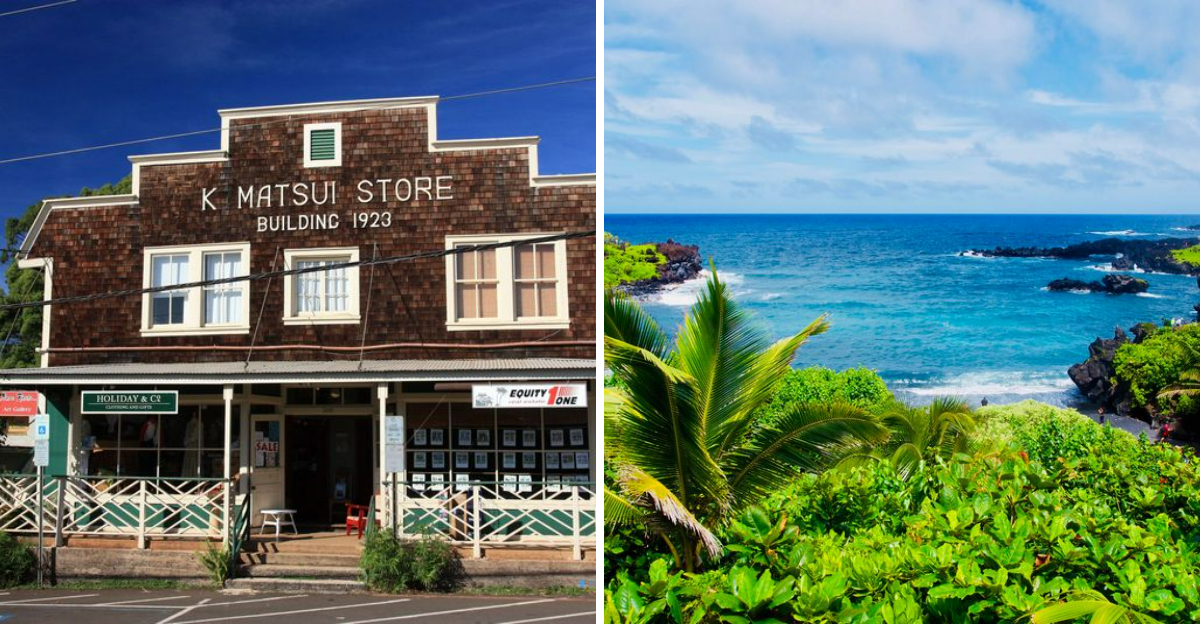
My sister planned an entire vacation around resorts, pools, and rooftop bars. I planned mine around getting lost on purpose.
We compromised, sort of, by driving through small towns between her scheduled stops in Hawaii. That’s how we found ourselves parked outside a bakery with a line stretching past the door before eight in the morning.
Locals greeted each other by name while we stood there as obvious tourists, and nobody seemed to mind. My sister checked her resort itinerary once, then quietly put her phone away.
Mountains turned bright green behind us after a quick afternoon rain, the kind that clears up before you even grab an umbrella. Hawaii looks different once you slow down enough to notice it.
By the third town, my sister had abandoned her schedule completely, chasing the same feeling I already knew was worth chasing.
1. Hanalei
Rainbows show up here so often that the valley earned a nickname for them. The name Hanalei translates to crescent bay, and also connects to lei making, which fits the ring of color overhead.
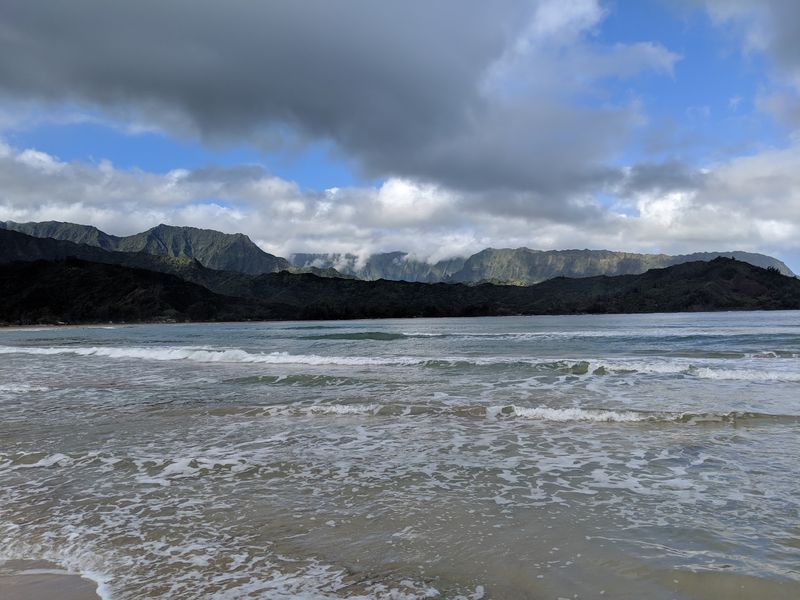
The bay curves in a long green arc on Kauai’s North Shore. Cliffs rise behind it, and waterfalls stripe those slopes after a good rain.
Clouds move fast through this valley, clearing almost as quickly as they roll in, which explains why color appears so often without much warning.
Winter brings powerful surf, while swimming may be possible during calmer conditions. Always check current ocean conditions and posted warnings first.
I always plan for both, because conditions shift with the season. Locals paddle out early, before the beach fills with visitors chasing the same clear morning water.
The old pier is the spot for sunset. Walk out, sit down, and watch the mountains go pink while the water flattens.
Families gather there most evenings, kids running the length of the wood while parents watch the sky change color overhead.
Town itself is small and easy to cover on foot. Boutiques, surf shops, art galleries, and casual eateries line the main stretch in wooden buildings that have clearly seen decades of salt air and sunshine.
Music and art carry real weight in this community, not just as decoration for visitors. You can feel it in the shops and in the food, and in the way conversations slow down once you’re actually there.
Parking fills fast, so arrive early or late. Rain comes and goes quickly, and the green you love is the direct result of it.
Bring a towel, cash for a snack, and zero rush. That combination works perfectly.
2. Haleiwa
Every serious surf story on Oahu passes through this town. Haleiwa is the gateway to Waimea Bay and Pipeline, two names that make surfers sit up straight before they’ve even parked the car.
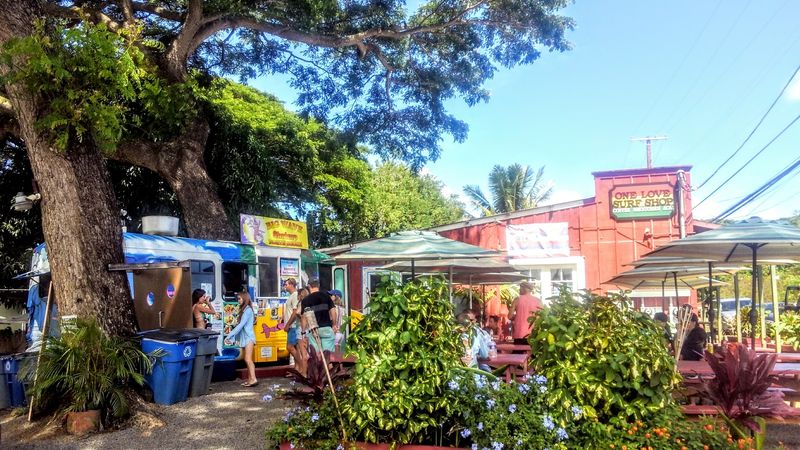
The place doubles as the social and artistic center of the North Shore. Plantation era buildings hold surf shops, boutiques, galleries, and restaurants that skip the fancy act entirely.
Faded paint and old wooden porches give the whole strip a lived in charm that newer developments never quite manage to copy.
Shrimp trucks are the local currency. Garlic butter, rice, and a paper plate on a picnic table beats a white tablecloth on a hot day.
Lines form fast around lunchtime, and regulars know exactly which truck they’re loyal to.
Shave ice comes next, and portions run generous. Order a smaller size than your pride suggests, unless you’re prepared to share or accept defeat halfway through.
White sand beaches sit minutes from the main road. In winter, the surf gets enormous and crowds gather to watch from the sand, phones out, waiting for the next big set to roll in.
Traffic slows to a crawl on big swell days. Treat that as part of the experience rather than a problem to solve, since everyone around you is stuck in the same slow moving line, windows down, radio on.
What I appreciate most is the country feel so close to a major city. Nobody hurries, and nobody dresses up.
Flip flops and salt in the hair count as proper attire pretty much anywhere in town.
Come for lunch, stay for sunset, and drive back with sand in the car. That is the standard plan, and somehow it never gets old no matter how many times you repeat it.
3. Kailua
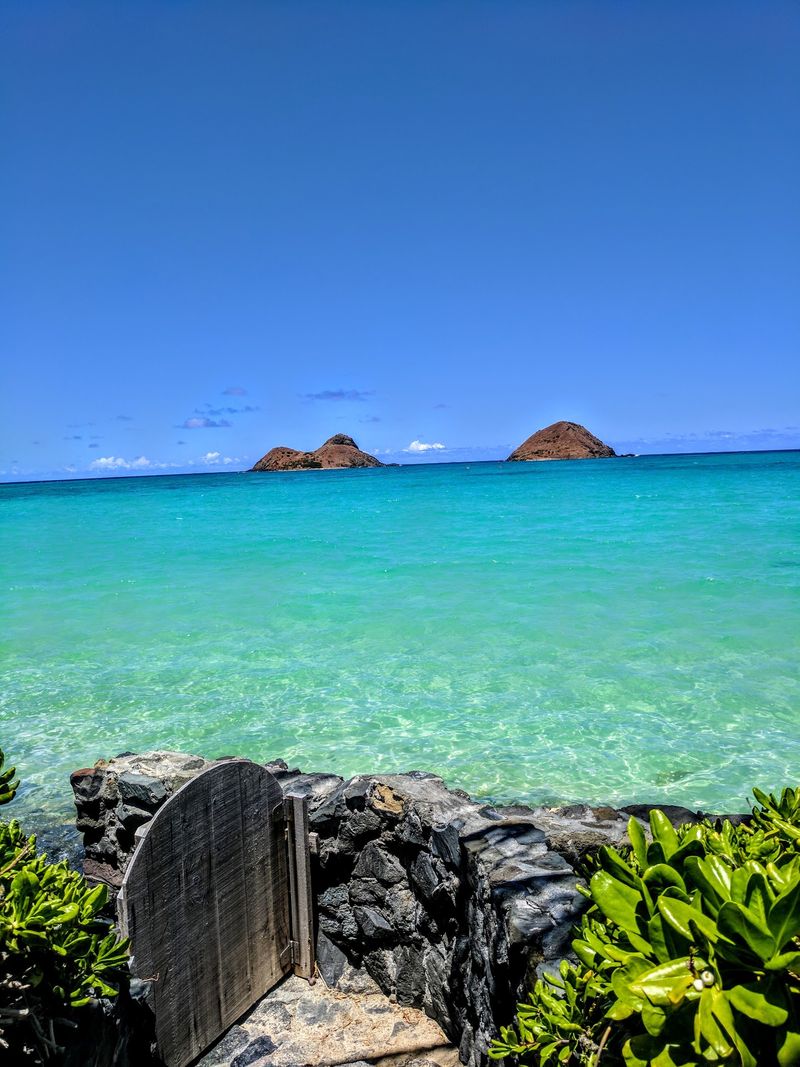
Sunrise beats sunset on this side of Oahu. East facing beaches mean the sky lights up while most visitors are still asleep, and the ones who make the effort get the beach almost entirely to themselves.
Kailua sits on the windward coast, close enough to reach the city and far enough to feel like its own place. That balance is rare and worth planning around, especially if you want beach mornings and city dinners in the same day.
Trade winds blow steadily, and short showers pass through often. The result is a landscape that stays absurdly green all year, with clouds that clear almost as fast as they arrive.
The protected bay makes water sports approachable for beginners. Kayaking, paddling, and swimming all work well when the wind cooperates, and calmer mornings tend to offer the smoothest conditions.
Downtown leans local. Family run shops, small galleries, and cafes fill the blocks, and none of it feels staged for tourists, which is part of what keeps people coming back.
Kalapawai Market is my usual stop, handling both a casual meal and grocery basics without fuss. Sandwiches there travel well to the sand, and the coffee makes an early start feel worth it.
Street parking near the beach disappears by mid morning on weekends. Arrive by eight and the day gets much easier, since spots near the sand fill up faster than most visitors expect.
Pack a light layer for the breeze. It sounds unnecessary until the wind picks up in the afternoon, right around the time everyone else starts wishing they’d brought one too.
4. Hawi
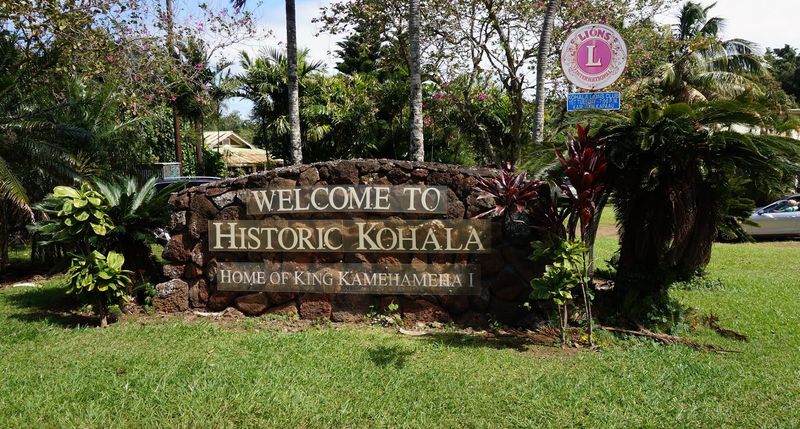
A king was born in this part of the island. North Kohala is the birthplace of King Kamehameha I, and that history sits quietly behind everything here.
Hawi anchors the northern tip of the Big Island. Sugar once drove the whole area, and the old plantation buildings survived in bright paint.
Those buildings now hold galleries, boutiques, and small restaurants. Local crafts, artwork, jewelry, and island-made treats appear in shops around town.
The drive in is genuinely part of the appeal. Rolling grassy hills stretch across paniolo country, which is the Hawaiian cowboy tradition of this region.
Just past town, the Pololu Valley Overlook delivers a view that stops conversation. Cliffs drop toward a black sand beach and the coastline folds away north.
The trail down is steep and often muddy. Shoes with grip make a real difference on the return climb.
Elevation and breeze keep things cooler than the Kona coast. I have needed a sweatshirt here in the evening.
Shops close earlier than you expect. Plan lunch and browsing before four.
5. Holualoa
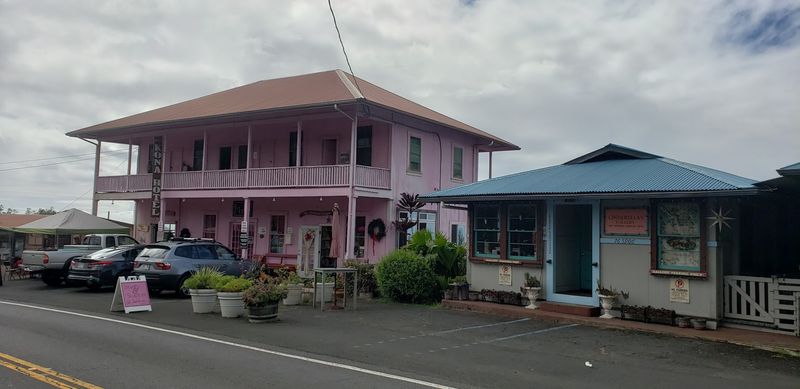
Coffee, art, and cool air make an excellent trio. Holualoa sits on the slopes of Hualalai volcano at roughly 1,400 to 1,500 feet, which changes the whole feel of the day.
The village stretches along one narrow road above the Kona coast. It is small enough to walk end to end without breaking a sweat.
Kona Coffee Belt country surrounds it. Upland fields of coffee climb the hillside, and several farms run tours that explain how the beans get from tree to cup.
The arts scene here is legitimately strong for such a tiny place. Galleries show painters, woodworkers, sculptors, and craftspeople who actually live in the area.
Mornings often start misty and clear later. That pattern is exactly what coffee plants prefer, which explains the crop.
I like pairing a farm tour with a slow gallery crawl afterward. Caffeine plus art makes for a surprisingly good combination.
Parking is limited along the road, so tuck in carefully. Weekday visits feel calmer than weekends.
Bring a light jacket for the elevation. The temperature drop is real.
6. Naalehu
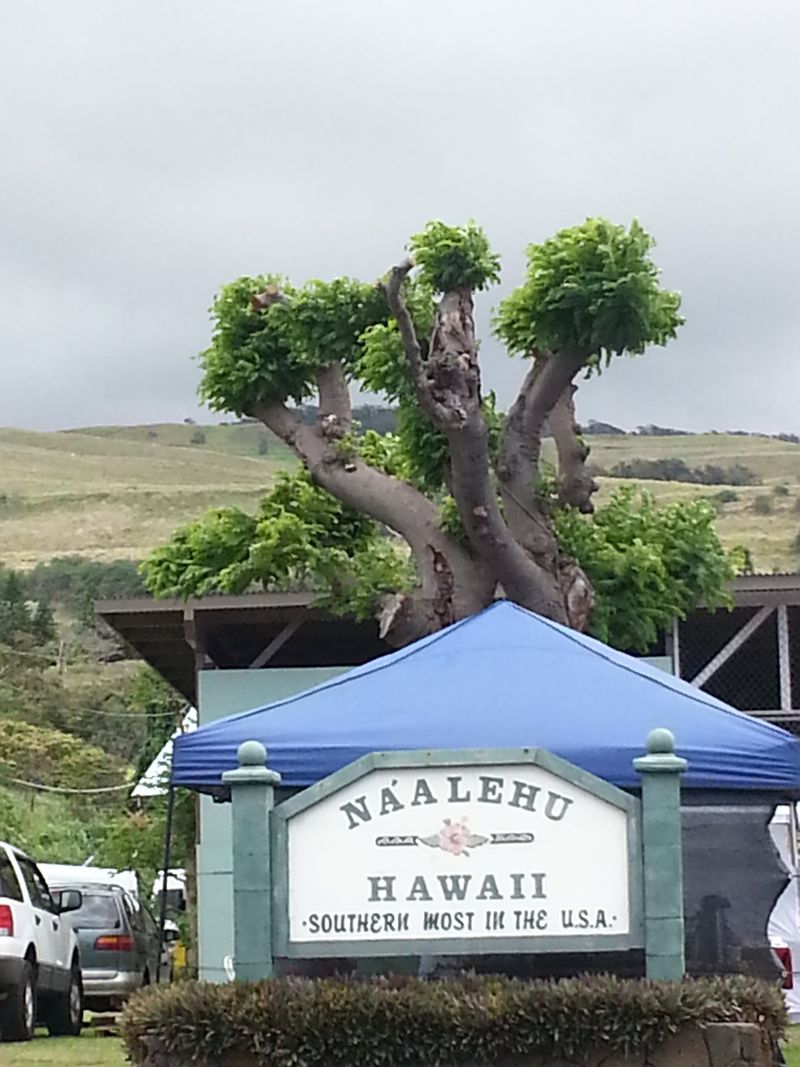
You cannot drive farther south in the United States and still be in a town. Naalehu holds that title, sitting at the bottom edge of the Big Island.
The pace here is slow on purpose. It is a rural community with quiet streets and very little interest in impressing anyone.
Malasadas from Punalu’u Bake Shop are the main draw for most travelers. Ka’u coffee, grown nearby, deserves equal attention.
Lush forest and jagged coastline frame the area. Coffee plantations climb the slopes just outside town.
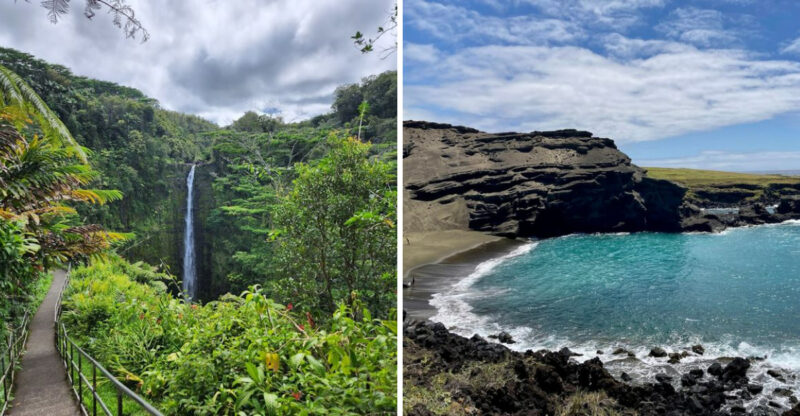
Position matters enormously here. South Point, Papakolea Green Sand Beach, and Punalu’u Black Sand Beach all sit within reach.
Punalu’u is the easiest of the three to visit. Sea turtles frequently rest on the dark sand, and keeping a respectful distance is required.
Services are limited, so fill the gas tank before exploring. Cell coverage can get patchy along the coast.
My advice is to start early and pack water. The southern stretch of the island rewards patience more than speed.
Sunsets out here feel enormous. Very little light competes with them.
7. Hana
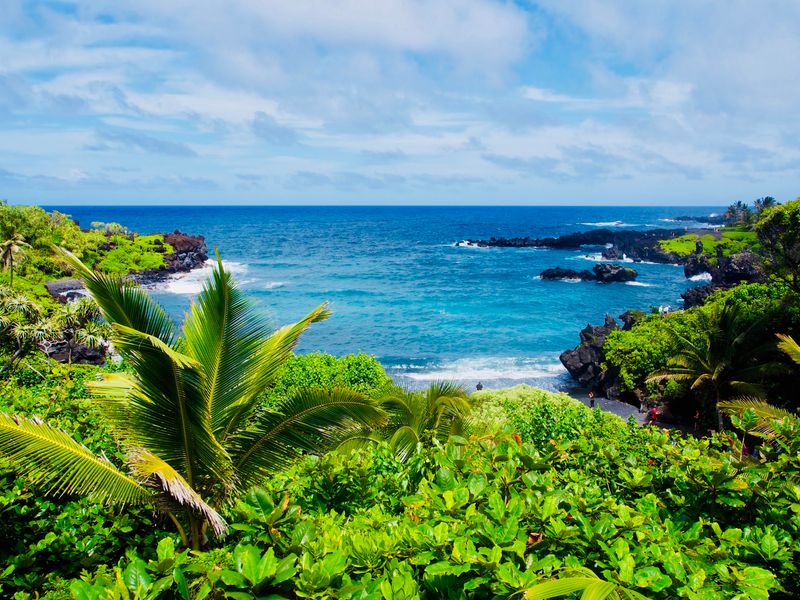
Getting there takes hours, and that is the whole point. The Road to Hana winds along cliffs, through bamboo forest, and past ocean views that keep interrupting the drive.
The town sits on Maui’s remote eastern coast, far from any resort strip. Rainforest, waterfalls, and quiet beaches surround it.
Life here moves deliberately slowly. The community actively protects its environment and resists large-scale tourism, which is why the place still feels intact.
People call it the heart of old Hawaii, and the nickname holds up. Culture here is lived rather than performed.
The drive demands respect. Narrow lanes, one-lane bridges, and blind curves require patient driving.
Use designated pullouts safely and allow faster local traffic to pass.
Rushing ruins it. Staying overnight changes the experience completely, because you get the morning light and the empty road.
Services are minimal, so bring snacks, water, and cash. Fuel up before leaving Paia.
I have driven it in a single day and regretted the schedule. Staying overnight allows more time to experience the area without rushing.
Rain is common. Green does not happen by accident.
8. Makawao
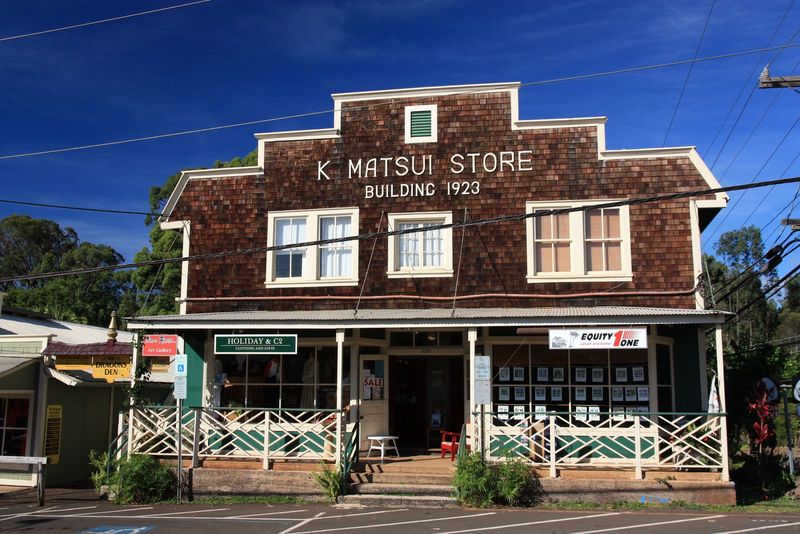
Cowboys and contemporary art share one intersection here. Makawao carries a deep paniolo heritage, the Hawaiian cowboy tradition, and pairs it with a working arts community.
Locals call it the biggest little town in Upcountry Maui. The nickname fits a place with big personality and very few blocks.
Historic step-gabled buildings define the streetscape. Some are over a century old, and they now hold galleries, cafes, and independent boutiques.
Komoda Bakery is the ritual stop. Cream puffs, sugar-dusted malasadas, and stick donuts sell out, so early arrival is not optional.
Upcountry sits higher and cooler than the coast. Sweaters make sense here in ways they never do in Lahaina.
The mood differs sharply from the postcard version of the island. Pasture land, horses, and paniolo history replace the beach umbrella scenery.
I like browsing the galleries slowly, since many artists live nearby. Conversations happen naturally in small shops.
Combine it with a drive further upcountry for views across the isthmus. Clear mornings offer the best sightlines.
Bring cash for the bakery. Lines move fast.
9. Kaunakakai
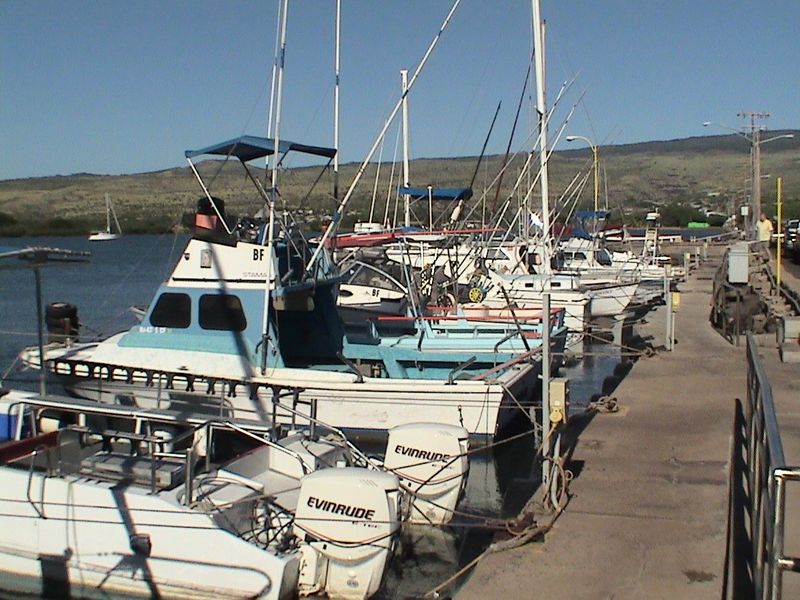
No traffic lights exist in this town, and residents like it that way. Kaunakakai serves as Molokai’s central town and main harbor.
Buildings are intentionally kept shorter than the coconut trees. There are no mega resorts, which keeps the skyline exactly where it was in the early 1900s.
The harbor still functions as a food source. People fish there for dinner, not for photographs.
Walking the pier is a required activity. It is the longest in the state and stretches well past the reef, with water clear enough to study.
Ala Malama Avenue is the main strip. Shops and boutiques line a few short blocks, and browsing takes an easy hour.
Kanemitsu’s Bakery is the name everyone remembers. Hot loaves of sweet bread come out of that kitchen and disappear quickly.
Kaunakakai sits on Molokai’s south shore and is generally reached by a short interisland flight, as no regular passenger ferry currently serves the island. Rental cars should be booked well ahead.
Plan for limited hours and few chain options. That is the trade for authentic island quiet.