Small-Town Spring Escapes Across North Carolina Worth The Trip
North Carolina has a secret, and most people drive right past it. While the crowds pile into Asheville and Chapel Hill every spring, the state’s small towns are quietly putting on the best show of the season.
Dogwoods exploding in pink and white. Main streets that smell like baked goods and fresh-cut grass.
Locals who actually wave back. The state stretches from the Blue Ridge Mountains all the way to the Outer Banks.
Along that route are towns that most GPS systems have never heard of but absolutely should. These are not pit stops.
These are the destination.
1. Beaufort
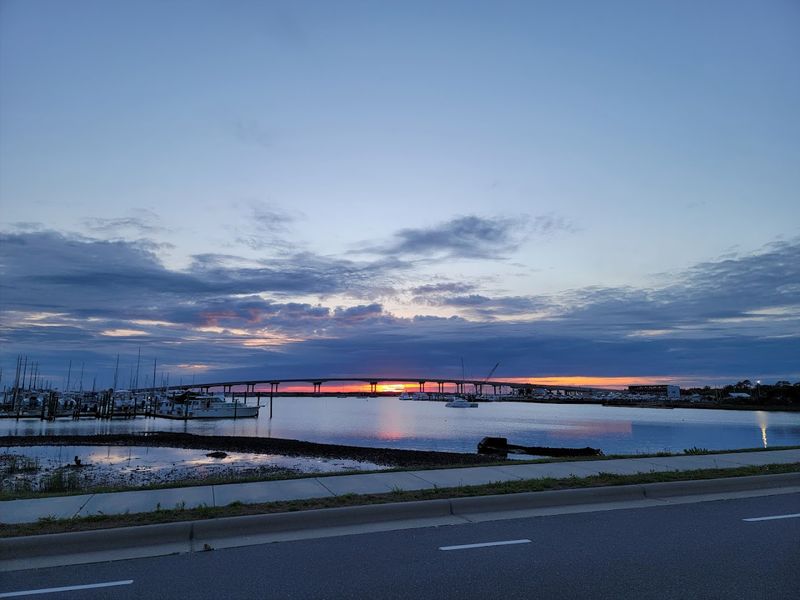
Some towns make you want to slow down. Beaufort makes you want to stop completely.
Right on the Crystal Coast, Beaufort is one of North Carolina’s oldest towns, and the Front Street waterfront feels like it belongs to a different century. The historic district runs along Taylor Creek, where wild horses graze on Carrot Island just across the water.
That view alone is worth the drive.
Spring is the sweet spot to visit. The crowds have not arrived yet, the air is warm, and the streets lined with centuries-old buildings feel almost yours.
The historic district is best explored on foot, and a self-guided walking tour map from the visitor center at 138 Turner Street is the right place to start.
The waterfront is lined with local shops and seafood spots serving fresh catch straight off the boats. Kayaking along the Rachel Carson Reserve is especially rewarding when migratory birds pass through in spring.
Two full days here feels just about right.
2. Blowing Rock
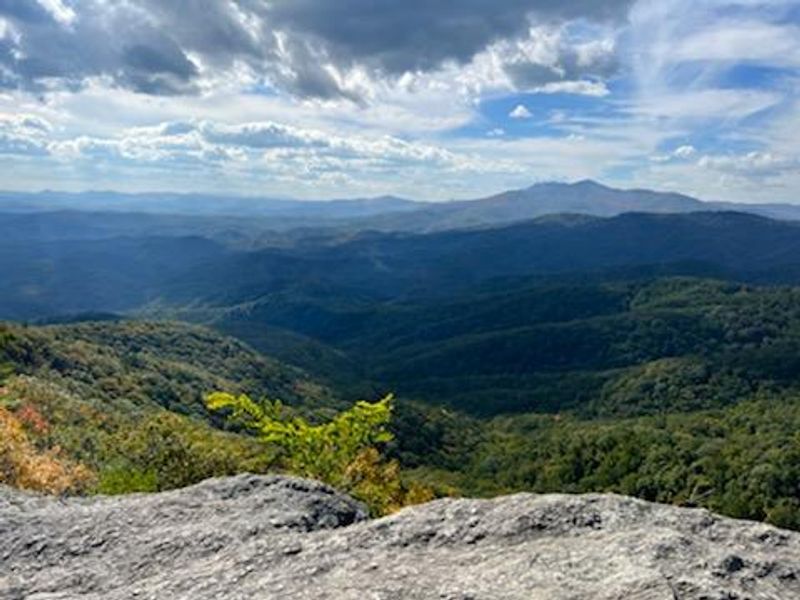
Most of North Carolina is warming up in April. Blowing Rock is still deciding.
At over 3,500 feet in the Blue Ridge Mountains, this small town runs on its own schedule, and that is exactly the point.
When redbuds and serviceberries start blooming along the Blue Ridge Parkway, the scenery shifts into something genuinely hard to describe without sounding like you are exaggerating.
Main Street is compact and walkable. Galleries, bakeries, and independent shops line the street, each one feeling personal rather than commercial.
The Blowing Rock attraction at 432 Rock Road sits on a natural cliff formation with sweeping views of the Johns River Gorge below. On windy days, the rock is known for strong updrafts that can lift light objects upward.
Strange, memorable, and completely real.
Moses H. Cone Memorial Park, just minutes away on the Parkway, has carriage trails built for slow spring hikes.
Open meadows, forested ridges, and almost no noise. Pack a light jacket even in May.
The elevation keeps things cooler than the rest of the state, which after a long winter feels less like a warning and more like a gift.
3. Bryson City
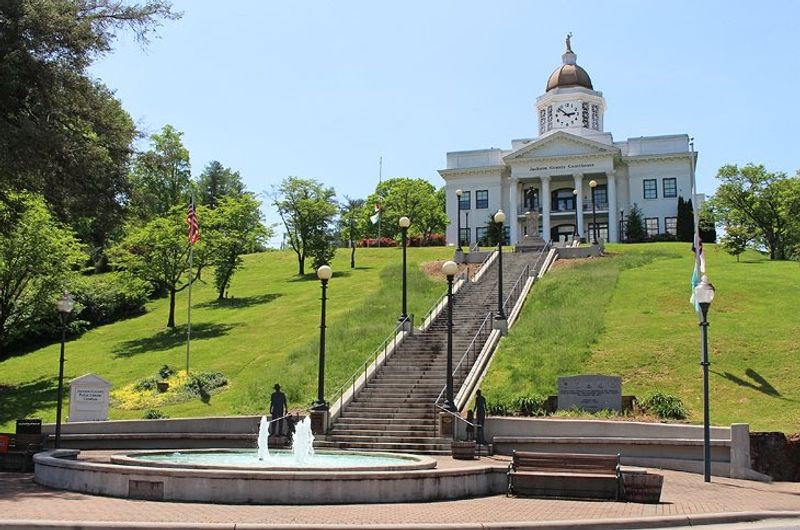
The mountains do not ease you in here. They just show up, all at once, and that is the whole idea.
Bryson City sits along the Tuckasegee River in Swain County, right at the edge of Great Smoky Mountains National Park. The town has a character that feels genuinely mountain-rooted, not performed.
Spring means rushing rivers, blooming trillium along forest trails, and cool mornings that smell like rain and pine.
The Nantahala Outdoor Center, just outside town on US-19, draws paddlers from across the Southeast when spring runoff swells the Nantahala River. Not a whitewater person?
No problem. The Great Smoky Mountains Railroad at 45 Mitchell Street runs scenic excursions through river gorges and mountain tunnels.
When the trees are leafing out in April, the views from the train are hard to beat.
Everett Street has good local restaurants and a bookshop worth an hour of your time. Spring wildflower blooms in the Smokies typically peak in April and early May.
Deep Creek Trail is the right call if you want to catch them. Bryson City is the kind of place outdoor-minded travelers keep coming back to, season after season.
4. Hillsborough
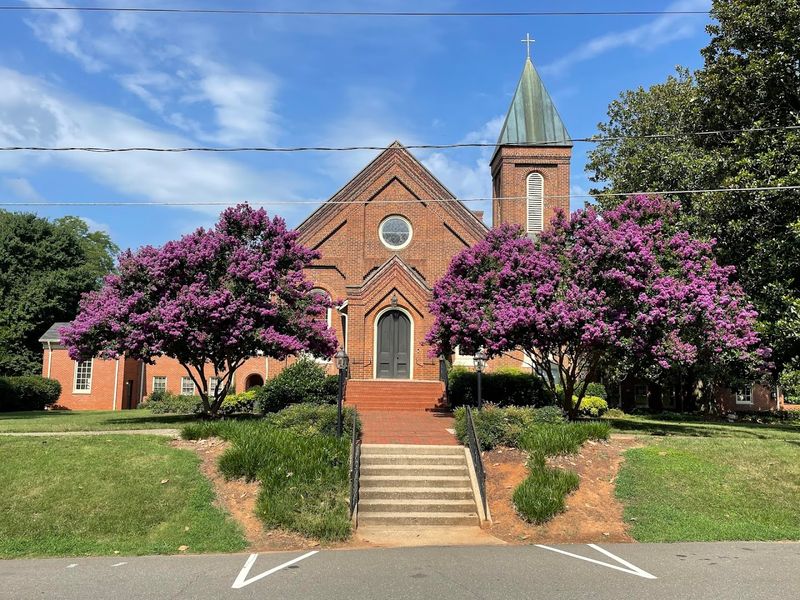
Most towns have a history. Hillsborough has several, and they are all still standing.
Along the Eno River in Orange County, this town was a major center of colonial-era political life, and that past is not behind glass in a museum. It is the architecture, the street layout, the oak trees older than the country itself.
The historic district holds dozens of 18th and 19th century structures. A walking tour map from the Alliance for Historic Hillsborough at 150 East King Street helps make sense of it all.
Spring is the right time for this kind of slow, curious wandering. The weather is mild and the gardens along older properties are in full color.
Eno River State Park, accessible right from town, has trails that follow the river through hardwood forests. In spring, wildflowers carpet the ground in a way that feels almost deliberate.
Hillsborough also punches above its weight on the arts front, with local galleries and studios open to visitors. The Saturday morning farmers market brings the community together in a way that feels rooted rather than staged.
5. Edenton
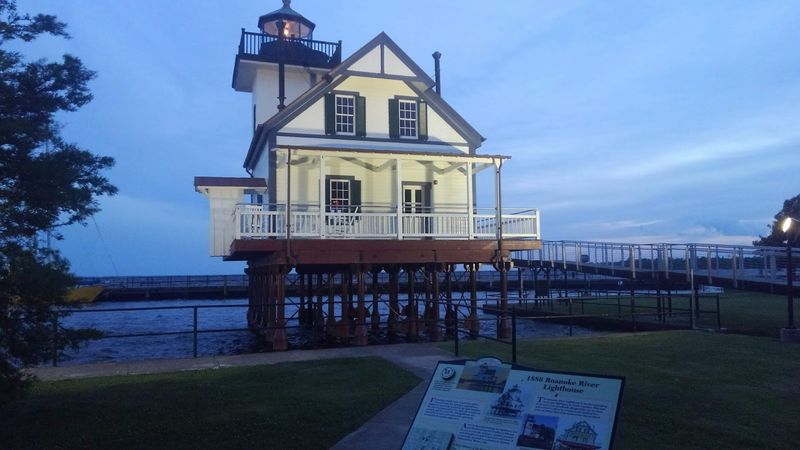
Three hundred years later, Edenton is still in no rush.
Along the Albemarle Sound in the northeastern corner of the state, this town has a colonial-era streetscape that is remarkably well preserved.
Cobblestone paths, 18th century homes, and a harbor lined with old trees make spring walks here feel like a different century, without the crowds that follow larger historic towns around.
The 1767 Chowan County Courthouse at 117 East King Street is one of the oldest surviving courthouses in the United States. It anchors the town green like it has always owned the place, because it has.
Guided tours of the Historic District run through the warmer months, covering the town’s long and layered colonial history. The 1886 Roanoke River Lighthouse, relocated to the Edenton waterfront, is another landmark worth seeing up close.
Spring boat tours along the sound offer a fresh perspective on the shoreline. The surrounding farmland is lush and deeply green in April.
Edenton does not try to be anything other than what it is. A quiet, historically significant town on the water.
That honesty is most of its appeal.
Plan at least a full day here.
6. Banner Elk
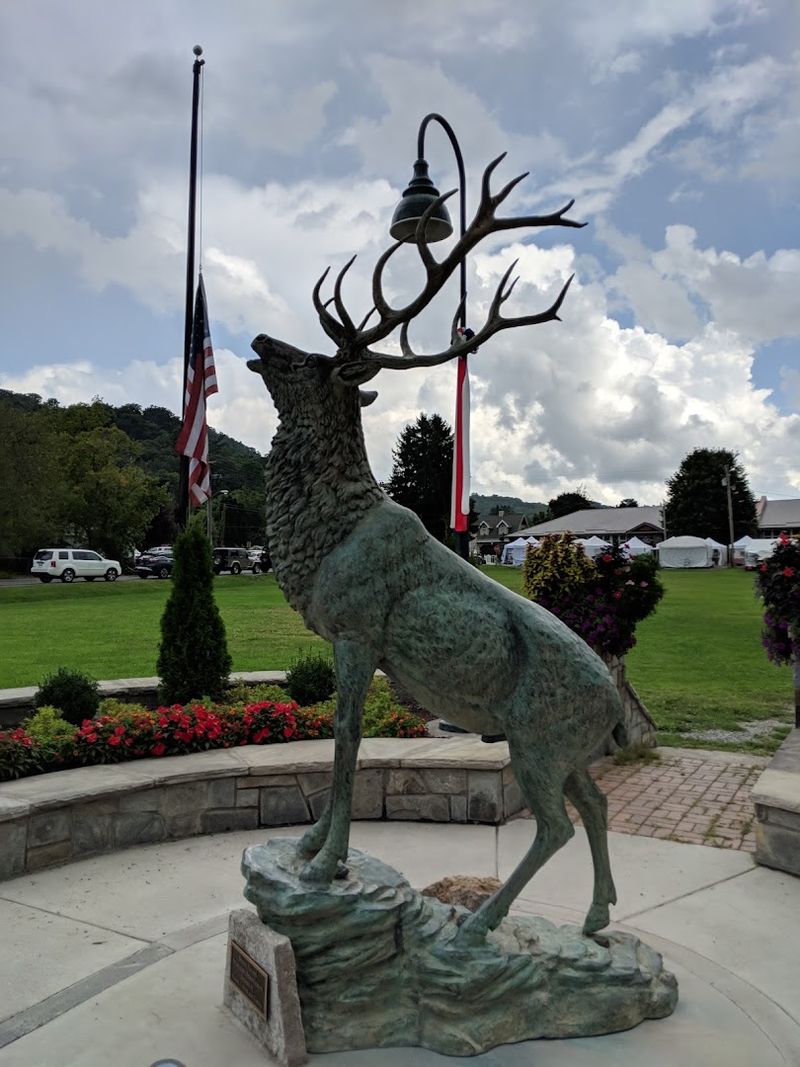
The mountains here do not ease you in. At 3,700 feet, they just drop you right into it.
Sitting in a high valley in Avery County, Banner Elk is surrounded by Grandfather Mountain and Sugar Mountain on all sides. Spring arrives slowly up here, and that slowness is the whole attraction.
The contrast between dark ridgelines and fresh meadow growth is something you notice the moment you arrive.
The town centers along Shawneehaw Avenue and is small by any measure. But it connects easily to some of the region’s best hiking.
Grandfather Mountain State Park, accessible from US-221 north of town, has trails ranging from gentle ridge walks to demanding summit climbs.
The Mile High Swinging Bridge at 2050 Blowing Rock Highway in Linville offers panoramic views that are clearest on spring mornings before the afternoon clouds roll in.
The Elk River borders town and draws fly fishing enthusiasts when trout season opens in spring. Local eateries and artisan shops on and around Main Street are small but worth your time.
For travelers who want mountain solitude without driving deep into the backcountry, Banner Elk is a practical and genuinely rewarding base.
7. Southport
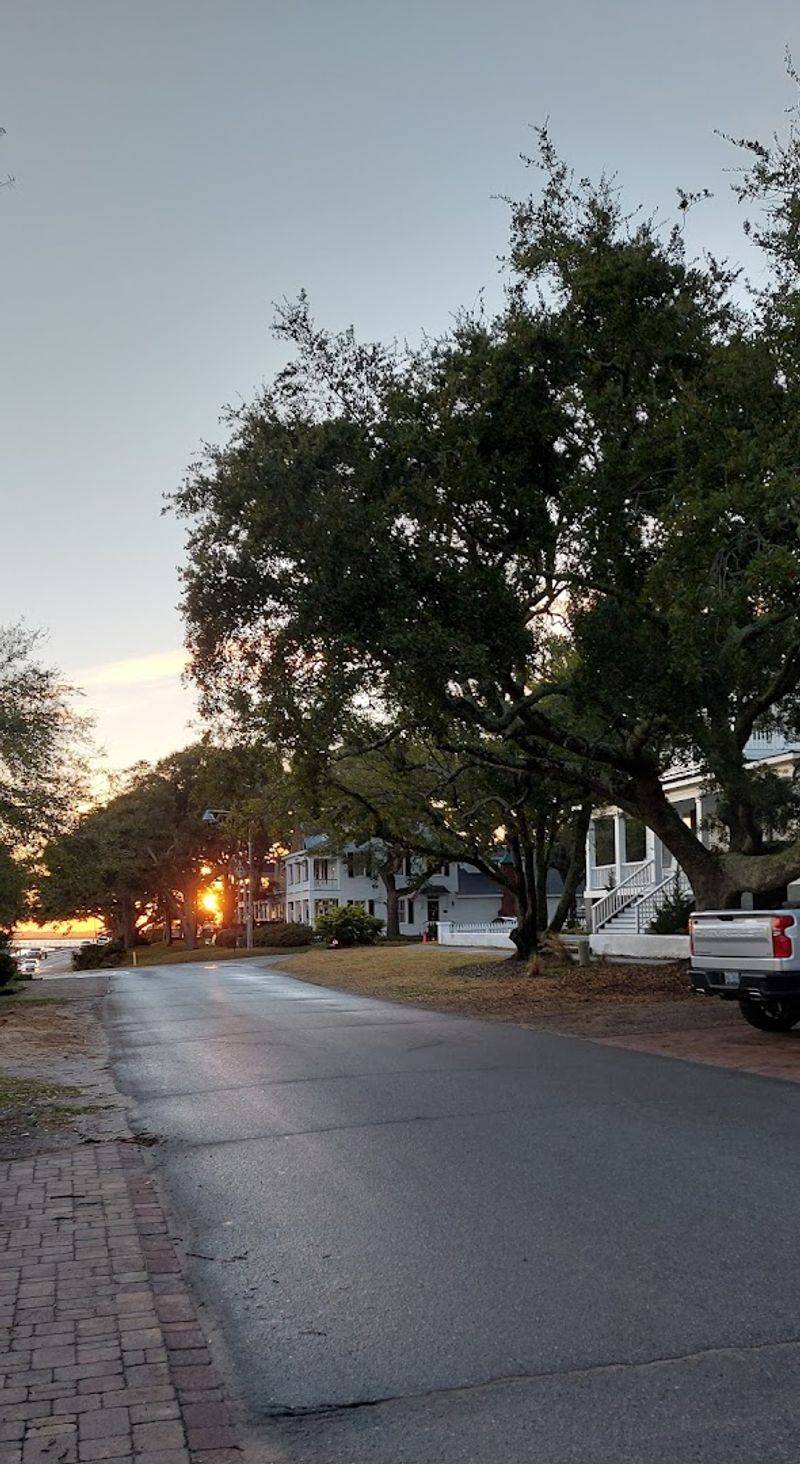
At the mouth of the Cape Fear River, Southport has a maritime character that sets it apart from inland towns.
The streets are lined with live oaks draped in Spanish moss, and the older neighborhoods have a relaxed, unhurried quality that makes spring afternoons here genuinely restorative.
The Southport Historic District covers much of the original town grid, with homes and public buildings dating to the 19th century.
The North Carolina Maritime Museum at Southport, located at 204 East Moore Street, Southport, offers free admission and covers the area’s fishing, piloting, and maritime history in an accessible and well-organized way.
Spring is also a good time to catch the ferry to Bald Head Island, which departs from the mainland terminal at Deep Point Marina in Southport.
The island has no cars and miles of undeveloped beach, making it a sharp contrast to the more developed sections of the Brunswick County coast. Back in town, the farmers market and local seafood shacks along the waterfront give Southport its community feel.
It is the kind of place that rewards wandering without a plan.
8. Waynesville
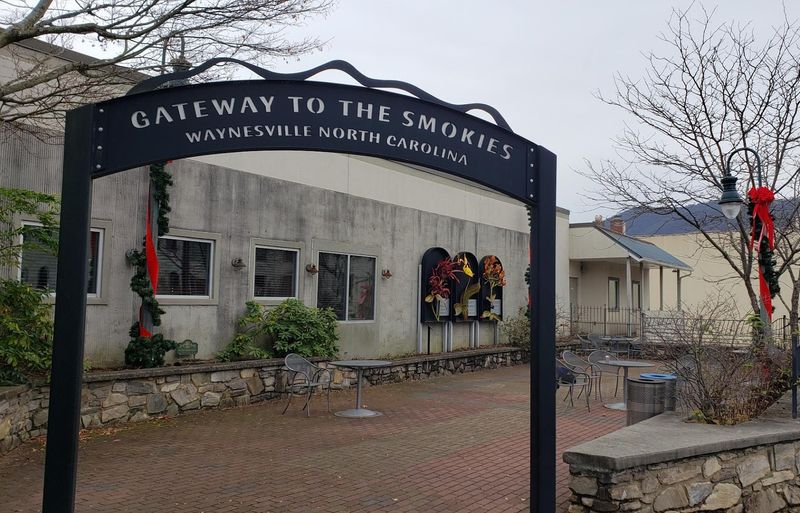
Some towns fake it. Waynesville never had to.
A small town in Haywood County at the eastern edge of the Great Smokies, its Main Street has a genuine small-town vitality that was never built for tourists. Pottery studios, galleries, and craft shops sit naturally alongside everyday businesses, and that mix is exactly what makes it work.
Spring is the right time to visit. The surrounding ridges are coming alive with color and temperatures stay comfortable for long walks.
The Museum of North Carolina Handicrafts at 49 Shelton Street showcases traditional Appalachian crafts including Cherokee pottery, furniture, and weavings in a historic setting. Small, carefully curated, and worth every minute.
Pisgah National Forest trails are accessible within a short drive from downtown. Spring wildflower hikes along the Art Loeb Trail or Cataloochee Divide are consistently rewarding and rarely overcrowded.
Waynesville also hosts the Folkmoot USA festival in summer, but spring offers a quieter window before the seasonal crowds arrive.
Local coffee shops and independent bookstores make the town easy to settle into for a long weekend. Some places you visit.
Waynesville is the kind you actually stay in.
9. Sylva
Most people pass through Sylva on the way to somewhere else. That is their loss.
The county seat of Jackson County, this mountain town runs along the Tuckasegee River with a compact downtown that feels lived-in rather than curated for visitors. No performance, no polish.
Just a real town doing its thing.
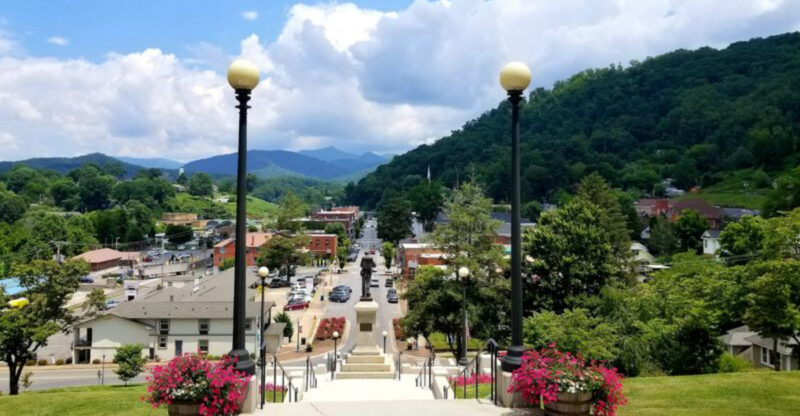
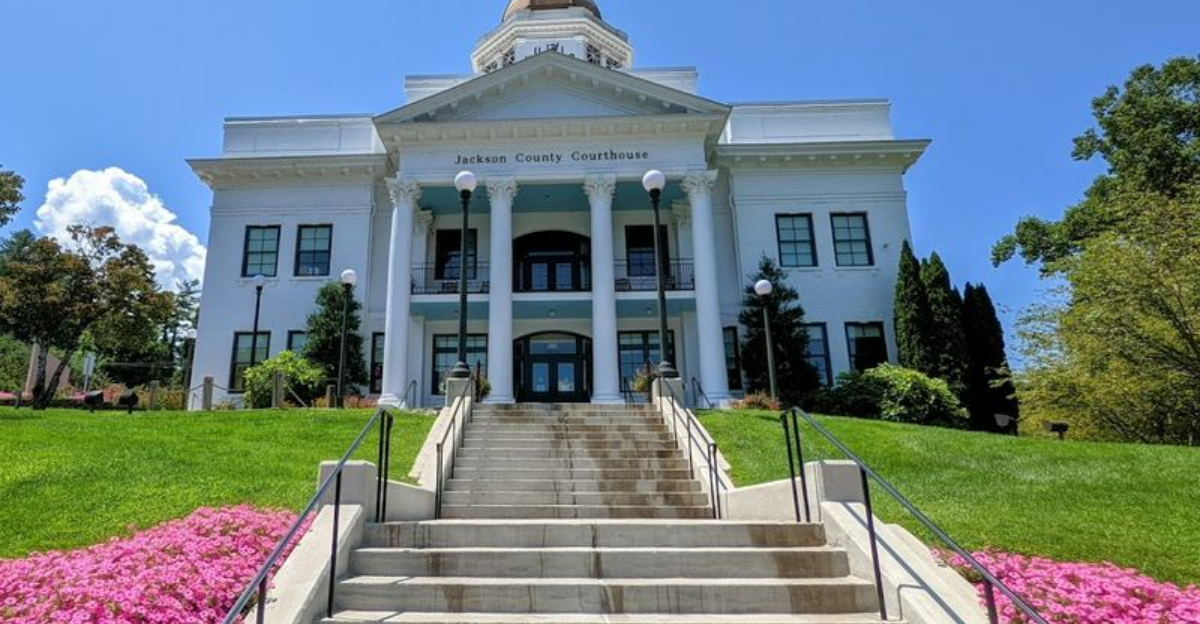
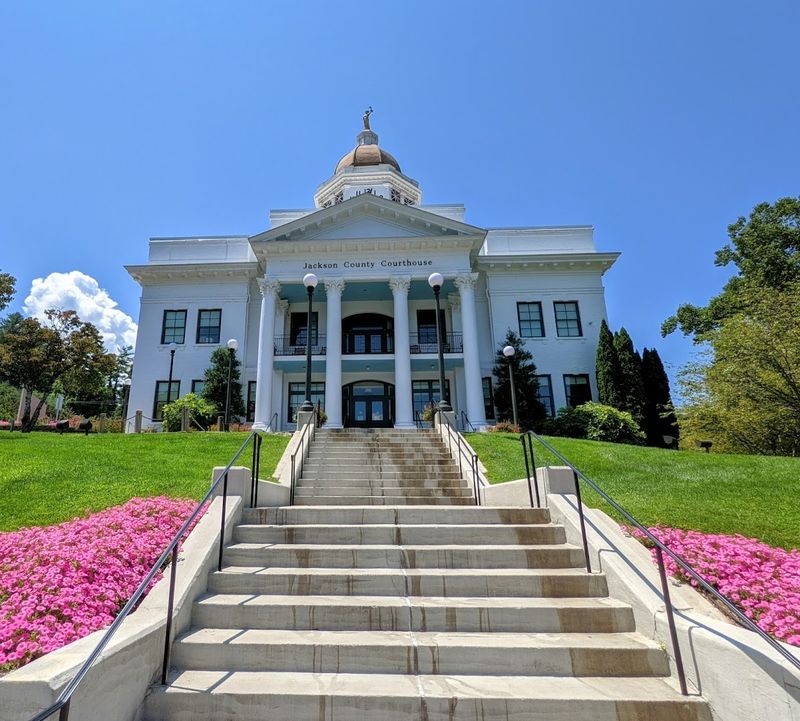
The 1914 Jackson County Courthouse stands on a hill overlooking Main Street, with a broad staircase and views over the rooftops to the surrounding ridges. In spring, the climb up is especially good when dogwoods and redbuds are in bloom.
City Lights Bookstore on Main Street is a beloved local institution and worth more than a quick browse.
Western Carolina University, just minutes away in Cullowhee, brings genuine intellectual energy to the area with public events and gallery shows running through the spring semester.
Panthertown Valley, sometimes called the Yosemite of the East, has waterfalls and open rock faces built for spring day hikes.
Sylva is grounded, community-oriented, and refreshingly unpolished. Exactly the kind of place that sticks with you long after you leave.
10. Manteo
Some towns are defined by what happened. Manteo is defined by what nobody knows.
On Roanoke Island between the mainland and the Outer Banks, this small waterfront town in Dare County carries a history that still has no clean ending. That open question gives Manteo an atmosphere unlike anywhere else on the Carolina coast.
Fort Raleigh National Historic Site at 1401 National Park Drive preserves the area where the original English settlement stood, with ranger-led programs running through spring and summer. The Elizabethan Gardens adjacent to the site bloom beautifully in April and May, with formal plantings and a tranquil atmosphere that contrasts sharply with the windswept Outer Banks just across the causeway.
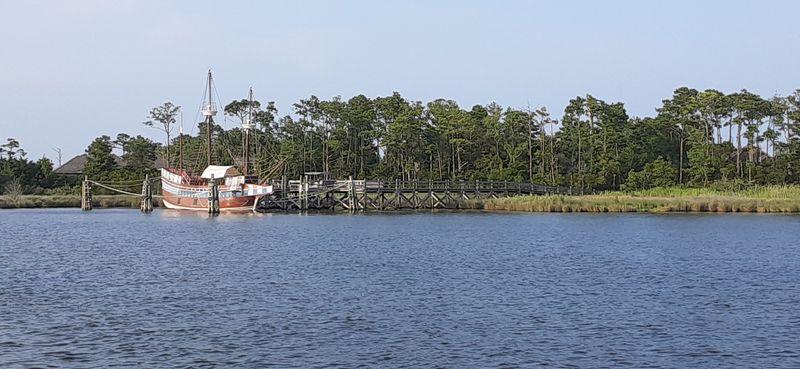
Downtown Manteo along Shallowbag Bay opens up fully by April, with independent shops and restaurants coming back to life after the quieter winter months. Roanoke Island Festival Park, just across a short pedestrian bridge, features a replica 16th century ship and living history exhibits worth a few hours of your time.
Spring light on the sound turns soft and golden in the late afternoon. The boardwalk is the right place to be when that happens.
11. Pittsboro
Pittsboro is not trying to impress anyone. Somehow that makes it more impressive.
The seat of Chatham County, this piedmont town has been quietly building a reputation as one of the more interesting small stops in the region.
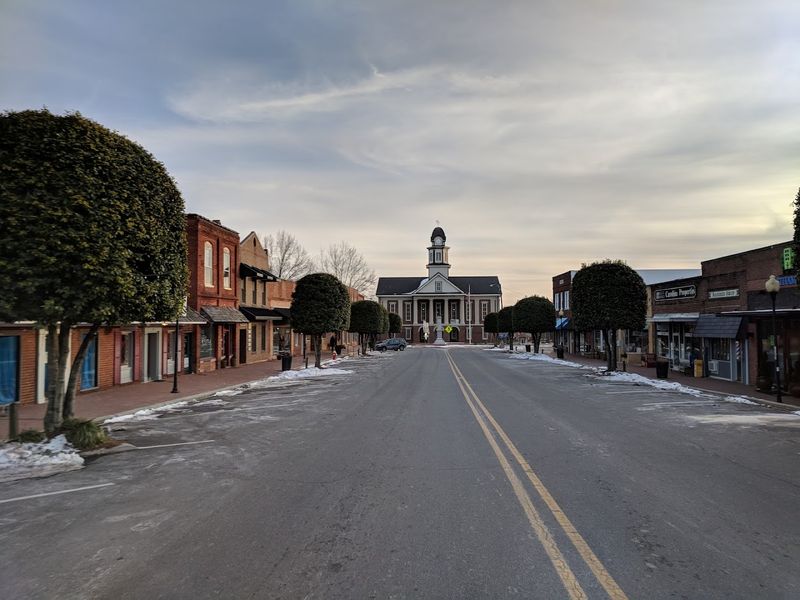
The historic town circle, anchored by the 1881 Chatham County Courthouse at 12 East Street, has a relaxed energy that feels genuinely communal rather than staged.
The surrounding blocks have independent shops, a natural foods co-op, and restaurants that source directly from nearby farms. Spring is an ideal time to show up.
The Chatham County farmland around town is actively planting, and several farms open for u-pick strawberries and farm stand visits as early as late April.
The Shakori Hills Grassroots Festival, held each spring on a farm just outside town, brings live roots music and a community market atmosphere that reflects the region’s creative character.
The Rocky River and Haw River, both within a short drive, offer spring paddling routes through farmland and forested corridors.
Pittsboro does not shout for attention. Those who find it tend to come back anyway.