11 Small Towns In Indiana Along The Ohio River That Still Keep The Friday Fish Fry Tradition Alive
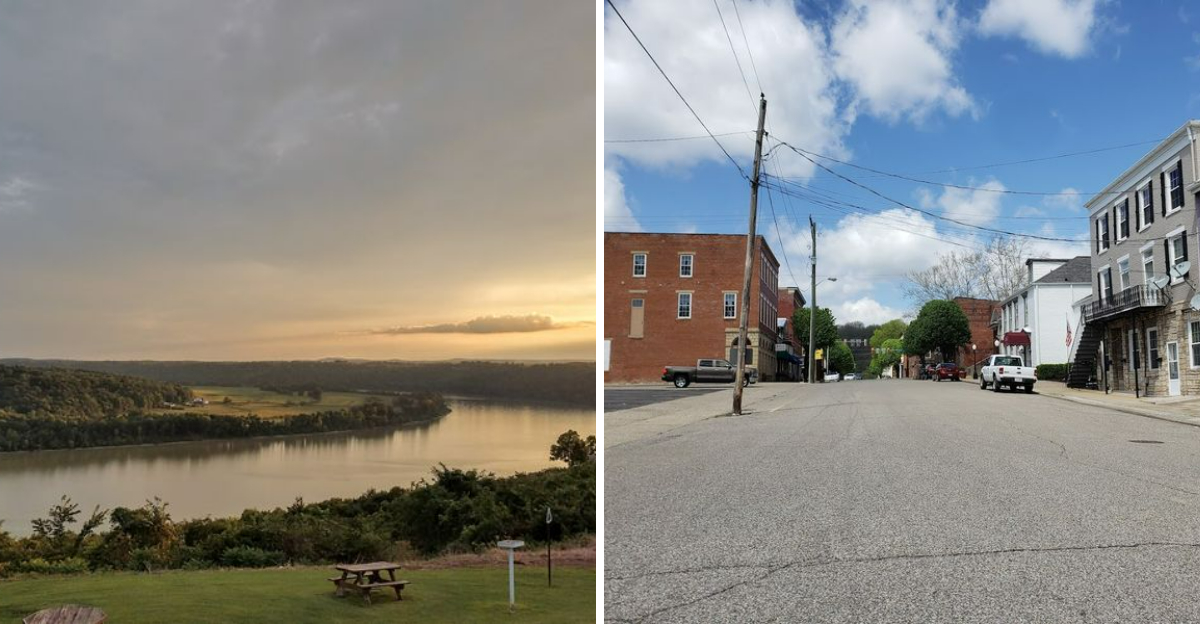
My grandmother never missed a Friday fish fry. Neither did her mother.
Along the Ohio River, neither does anyone else. I drove the river towns on a Friday evening, and the pattern was impossible to miss.
Parking lots full by five. Screen doors swinging open and shut.
The whole state smells like cornmeal and hot oil once a week, and nobody seems to want it any other way. These small towns are not famous.
You will not find them trending anywhere. But Indiana has quietly kept this tradition alive longer than most states have kept anything alive, and the people here will tell you, without a hint of irony, that Friday night fish fry is not a restaurant special.
It is a social contract. Pull up a chair.
The catfish is already in the fryer.
1. Aurora
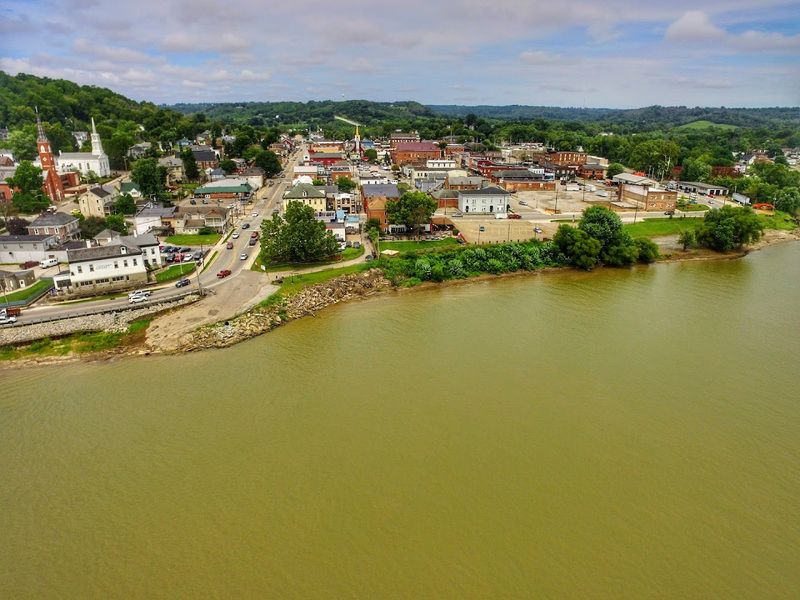
Two churches, one small town, and zero excuses to skip Friday dinner. Aurora has been doing this since before most cities figured out what they wanted to be.
St. Mary’s School at 222 4th Street runs fried and baked cod every Lenten Friday, with homemade desserts that deserve their own conversation.
St. John Lutheran Church at 222 Mechanic Street holds its own fish dinner the same night. That means two different menus, two different crowds, and twice the reason to show up hungry.
The rivalry is friendly, but both sides take their coleslaw seriously.
Settled as early as 1796, Aurora’s historic district carries architectural styles that span centuries. The Catholic heritage here is not decorative.
It shapes how the week is organized, and Friday is the proof. Dine-in, carry-out, or drive-through options make it easy for everyone to participate.
Whether you park on 4th Street or Mechanic, you are getting a proper Friday meal in a town that has never needed a trend to tell it what to do.
2. Lawrenceburg
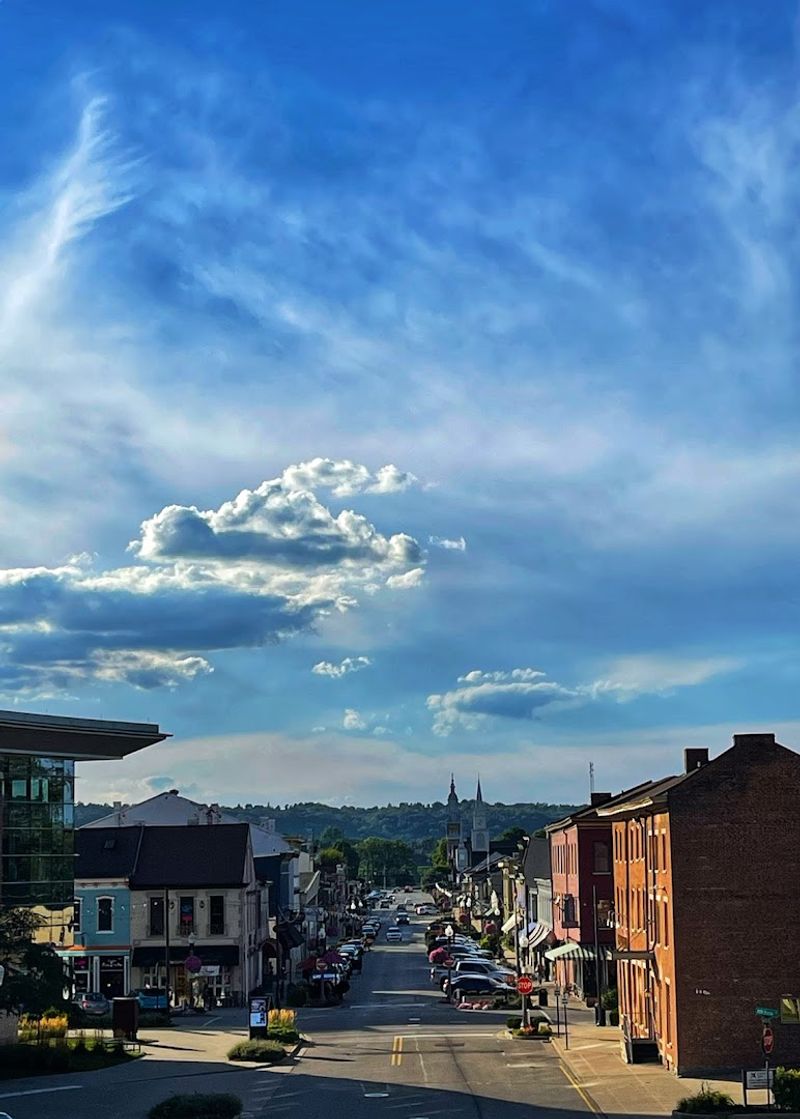
Founded in 1801, Lawrenceburg is Indiana’s fourth oldest city, and it carries that seniority with calm confidence. The steamboat era made this a port worth stopping at.
The Lenten fish fry tradition kept that communal energy alive long after the last steamboat passed.
St. Lawrence Church at 524 Walnut Street runs its fish fry every Friday from February through March. The lineup is dependable: fried fish, solid sides, and the kind of dessert table that makes you regret eating two plates of cod first.
Hidden Valley Golf Club at 19775 Alpine Drive serves fried or baked cod from 4 to 7pm throughout Lent, which is a genuinely good combination of scenery and supper.
The VFW and AmVets posts add their own layers to the tradition here. This is a town that treats the Friday fish fry like a civic responsibility, not a novelty.
Everyone participates. Everyone has a preferred spot.
The river-town Catholic DNA runs through Lawrenceburg in a way that feels less like history and more like a standing weekly appointment nobody ever cancels.
3. Rising Sun
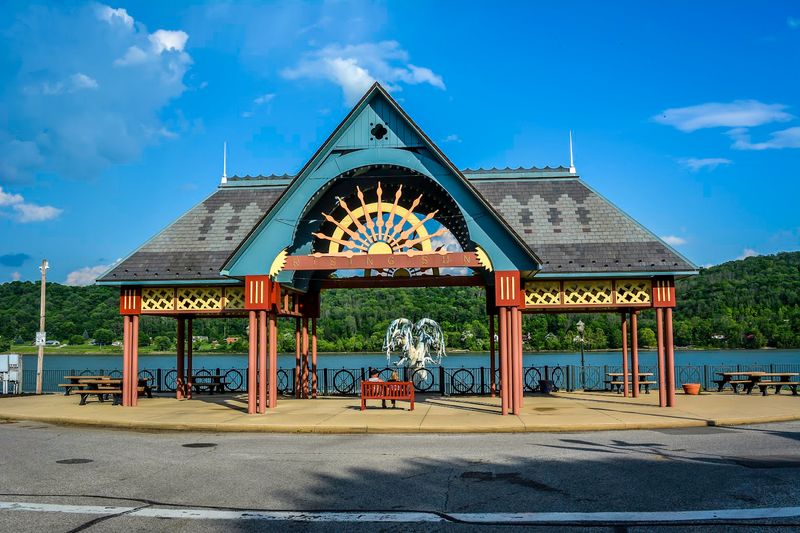
Some towns grow quickly and lose their sense of identity over time. Rising Sun followed a different path.
It expanded in the 1830s and 1840s, reached a population of around 2,500, and has remained close to that ever since. That kind of consistency says a lot about the place.
The downtown district of 19th-century storefronts sits right along the river, and it still feels closely tied to that setting. During Lent, Friday evenings bring a familiar routine as local churches and community groups host fish dinners that draw steady crowds from across town.
Founded in 1814, Rising Sun keeps its traditions in a low-key, dependable way. There is no need for heavy promotion or big events.
The gatherings are simple, well-established, and supported by the same community year after year.
It all comes down to rhythm. People know where to go, when to show up, and what to expect.
That sense of continuity is what keeps the tradition going, and it is something larger towns often struggle to hold onto.
4. Madison
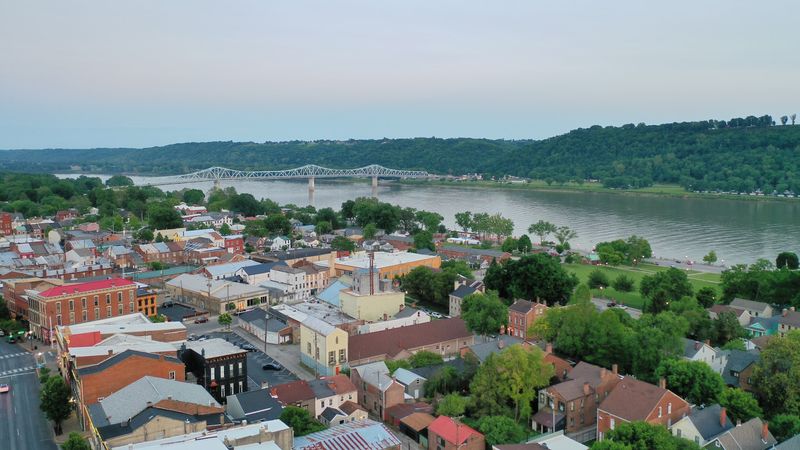
Madison does not whisper about its history. It announces it with 133 historic blocks and three National Landmarks.
The fish fry tradition here runs through both its Catholic parishes and its deep rivermen’s culture, and the two have been reinforcing each other since the steamboat era.
Key West Shrimp House has been serving customers since 1968, which makes it practically a historical landmark itself. Friday night crowds at church halls and river spots treat the weekly fish fry as a social institution first and a meal second.
That priority ordering tells you a lot about Madison.
The architecture here has not needed updating since the steamboats ran, and neither has the menu philosophy. Everything feels calibrated to a slower, more deliberate pace.
Jefferson County’s largest city sits on the Ohio with the kind of confidence that comes from knowing your own value.
The National Historic Landmark district stretches across the hillside and down to the water, and on a Friday in Lent, the smell of frying fish drifts through those historic streets like it always has.
Some things simply should not change, and Madison is living proof of that.
5. Cannelton
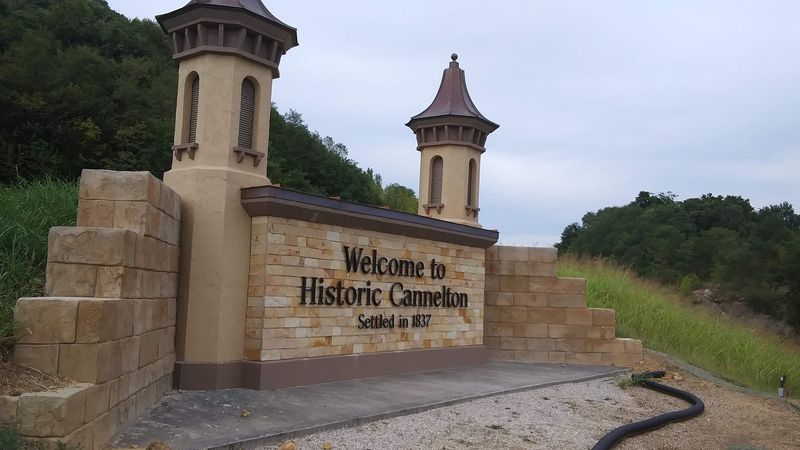
Cannelton keeps a quiet appeal that most travelers drive right past. With a population under 1,200 and an 1849 cotton mill still shaping the skyline, the town feels anchored in its river history from the moment you arrive.
The Ohio River sits just steps away, and that presence defines the pace of everything here.
Friday nights bring a familiar rhythm. Local spots and community gatherings serve up fried fish, simple sides, and the kind of meals that do not need explaining.
This is not a scene built for visitors. It is neighbors showing up, catching up, and keeping a long-standing tradition alive without making a big deal out of it.
Perry County’s quieter towns often get overlooked in favor of busier riverfront stops, but Cannelton rewards anyone who takes the time to pull over. The historic mill gives the town its character, while the river adds a calm that softens everything around it.
On a Friday evening, with a plate of fish and the Ohio moving slowly nearby, the experience feels grounded and genuine in a way that is hard to replicate.
6. Tell City
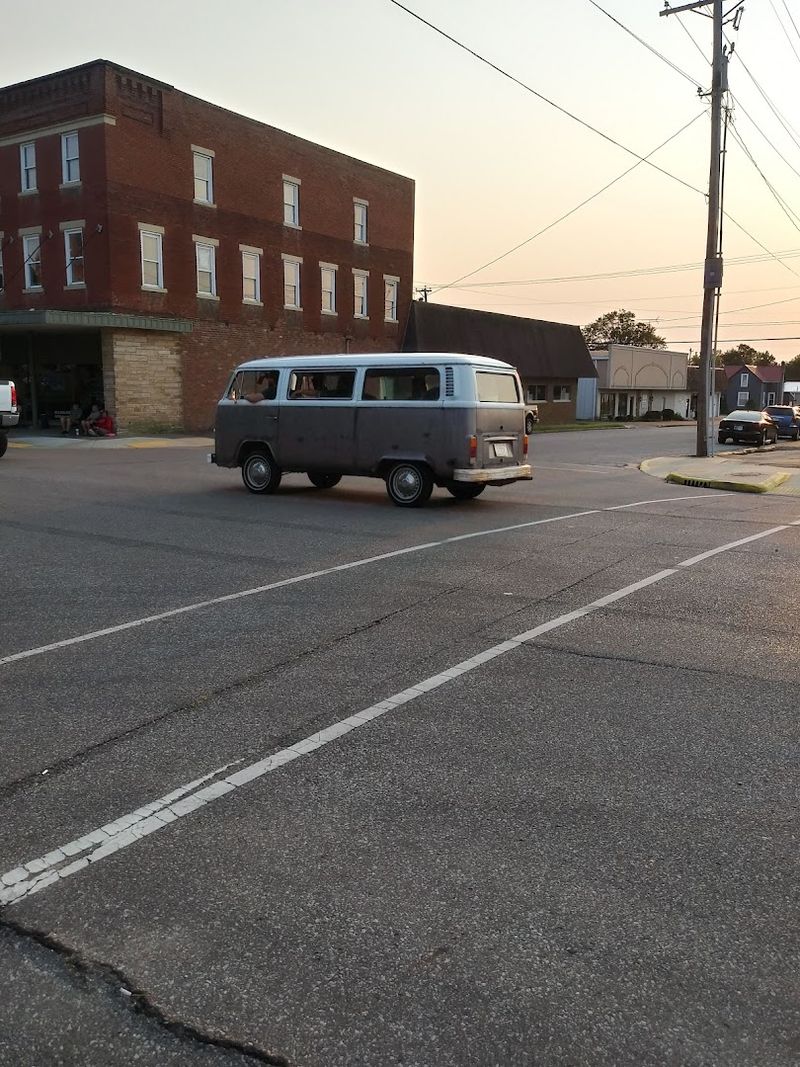
Tell City carries its Swiss-German Catholic heritage in a way that still shapes everyday life, especially during the Lenten season. Friday fish dinners are a long-standing part of that rhythm, bringing people together in a way that feels both familiar and well-established.
Parish halls fill up on Lenten Fridays, with menus that reflect traditional influences and simple, satisfying food. Fried fish, classic sides, and homemade desserts are a common sight, and the portions tend to be generous enough to keep people coming back.
Perry County follows the Ohio River through one of Indiana’s most scenic stretches, and Tell City sits comfortably within that landscape. The town has a strong sense of identity that comes through in both its history and its community traditions.
There is nothing overly formal about the experience, but there is a clear sense of continuity. You show up, find a seat, and settle into a routine that has been part of the town for generations.
7. Leavenworth
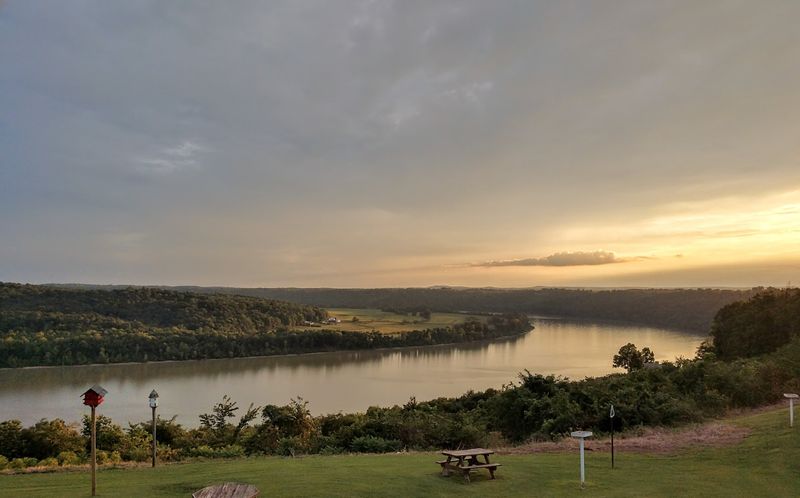
In 1937, the Ohio River flooded so severely that Leavenworth picked itself up and moved uphill. The buildings relocated.
The people relocated. The river culture did not move an inch.
That stubbornness is exactly what you want in a town that hosts a fish fry.
Leavenworth overlooks one of the most dramatic bends in the entire Ohio River, and that view alone draws travelers off the scenic byway regularly. Local spots and community spaces serve Friday fish with the casual authority of a place that has always lived by the river’s calendar.
Nobody here is performing a tradition. They are just living it.
Crawford County keeps things simple and genuine. The catfish here is treated with the respect it deserves, which means it arrives hot, properly seasoned, and in a portion size that does not insult your appetite.
The scenic byway that passes through town brings visitors who quickly realize they have stumbled onto something real. Leavenworth is proof that you can relocate a town without relocating its soul.
The Friday fish fry survived the flood, the move, and every decade since, and it shows no signs of stopping now.
8. Rockport
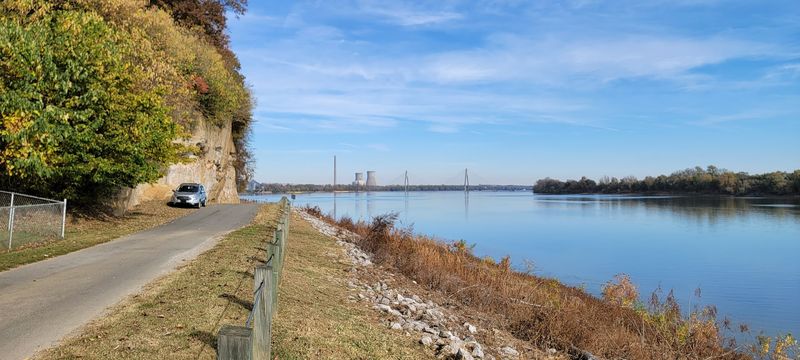
Abraham Lincoln worked the Ohio River as a young man near Rockport, and the town has never quite let go of that connection. The communal rhythms of Lincoln’s era are still alive here, and the Friday fish fry at St. Bernard Parish is one of the clearest examples of that continuity.
The classic menu at St. Bernard is reassuringly straightforward. Fried fish, potato salad, green beans, applesauce, a roll, and a drink.
No unnecessary complications. Spencer County understands that the fish fry is not the place to experiment.
It is the place to deliver exactly what people came for.
The Rockport riverfront park looks directly across the Ohio toward Kentucky, and on a Friday night in Lent, the smell of frying fish competes with the smell of the river itself. That sensory combination is specific to this stretch of the Ohio and nearly impossible to replicate elsewhere.
Rockport is a town that does not shout about what it offers. It simply offers it, week after week, with the quiet consistency of a community that has been doing this long enough to make it look effortless.
Show up on a Lenten Friday and you will immediately understand what that means.
9. Vevay
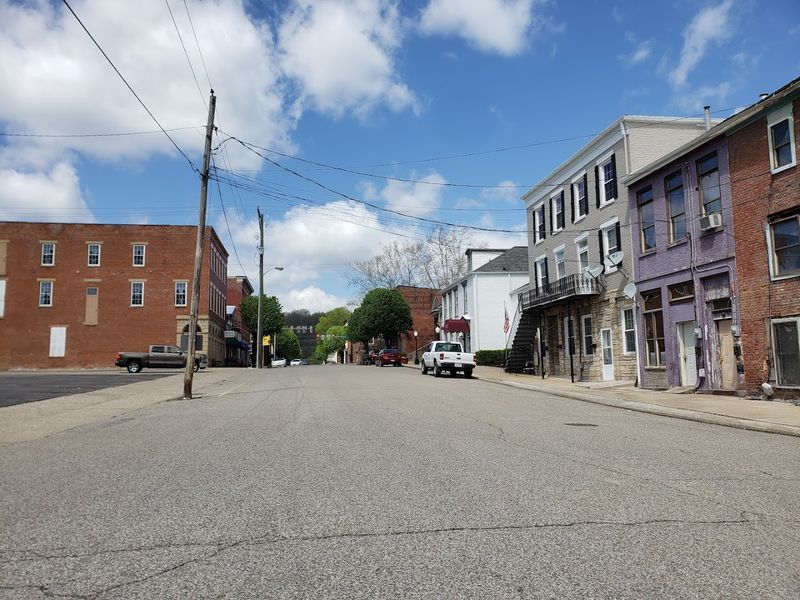
The Swiss settlers who established Vevay brought their traditions with them, and many of those influences still shape the town today. That heritage is especially noticeable during Lent, when Friday fish dinners remain a steady part of the local routine.
The historic Hoosier Theatre anchors the downtown in a building that dates back to the 19th century, and the courthouse square adds to the town’s well-preserved feel. The Ohio River runs alongside it all, giving the setting a sense of continuity that ties past and present together.
On Fridays, local parish halls and community spaces serve simple meals that reflect both tradition and practicality. The focus stays on familiar flavors, homemade sides, and a setting that encourages people to slow down and stay a while.
Vevay is the kind of place where the experience is as important as the food. You come for a meal, but you leave with a clearer sense of the town’s history and the traditions that have quietly carried forward over time.
10. Newburgh
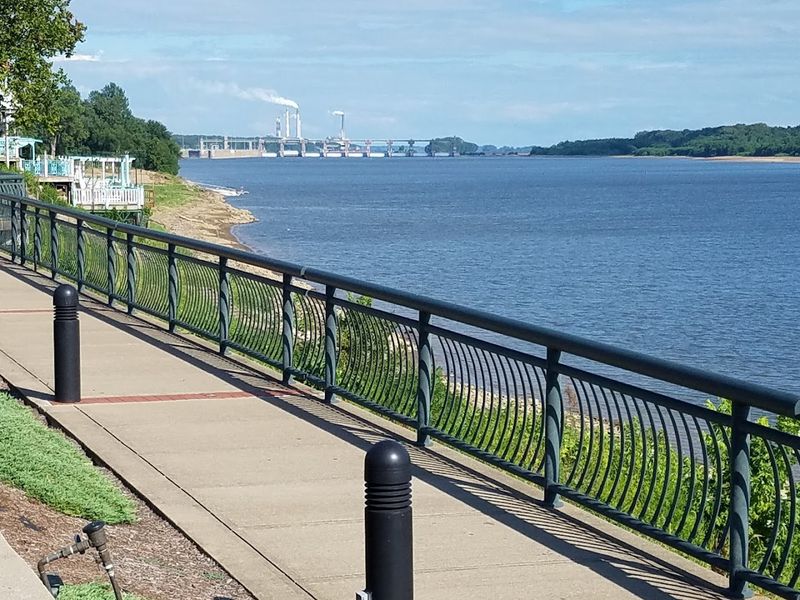
Newburgh has been here since 1803. It has seen floods, recessions, and every food trend that ever drifted down the Ohio River.
None of them replaced the fish fry.
St. John the Baptist Parish runs its fish fry every Friday in Lent at the St. John School cafeteria at 725 Frame Road. The spread is genuinely impressive: fried and grilled fish, grilled shrimp, cheese pizza, a variety of sides and desserts, all-you-can-eat at $15 for adults and $6 for kids.
That pricing is serious value for the quality involved.
The Knights of Columbus and the Men’s Club run the operation together, which tells you everything about how seriously this Warrick County community takes its Fridays. There is an organizational precision to the Newburgh fish fry that comes from decades of practice.
Every station is staffed. Every plate is full.
The dessert table is never an afterthought. This is the kind of Friday night that reminds you why small towns along the Ohio River built their social calendars around the water, the church, and the table, in that exact order.
11. Mount Vernon
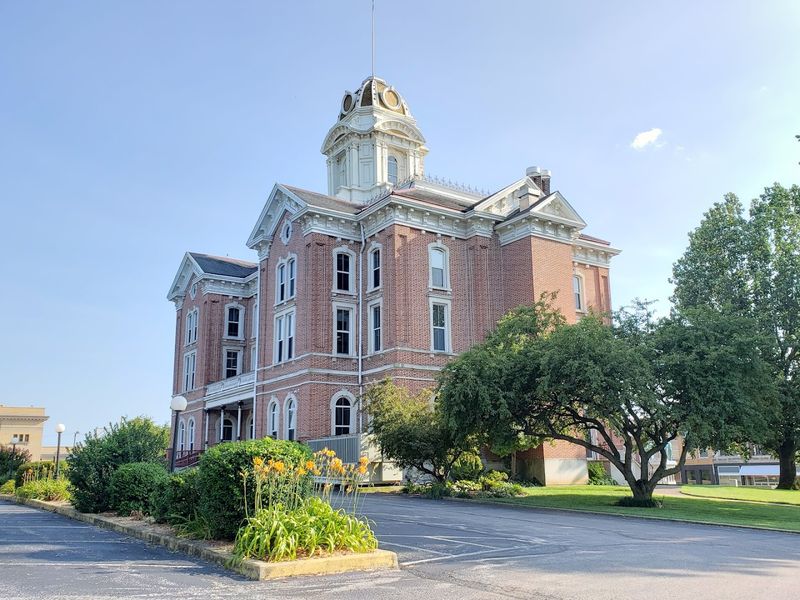
At the very tip of the state, where the Ohio meets the Wabash, Mount Vernon holds a geographic position that feels distinct the moment you arrive.
This is as far south and west as you can go, and that crossroads setting shapes the local culture in subtle but noticeable ways, especially during the Lenten season.
On Fridays, local churches and community spaces host fish dinners that bring together familiar flavors from both sides of the river. Plates tend to lean hearty, with classic sides that reflect a mix of Midwestern tradition and a hint of Southern influence.
Posey County sits at the meeting point of three states, and that overlap shows up in the way people gather as much as in what they eat. The atmosphere is relaxed, the portions are generous, and the focus stays on community rather than presentation.
Mount Vernon feels like a natural final stop along the Ohio River. There is nothing overworked about it.
Just a steady rhythm, a shared meal, and a setting that ties everything together in a way that feels easy to appreciate.