16 Smart Design Ideas From Oregon’s Eco-Friendly Tiny Homes
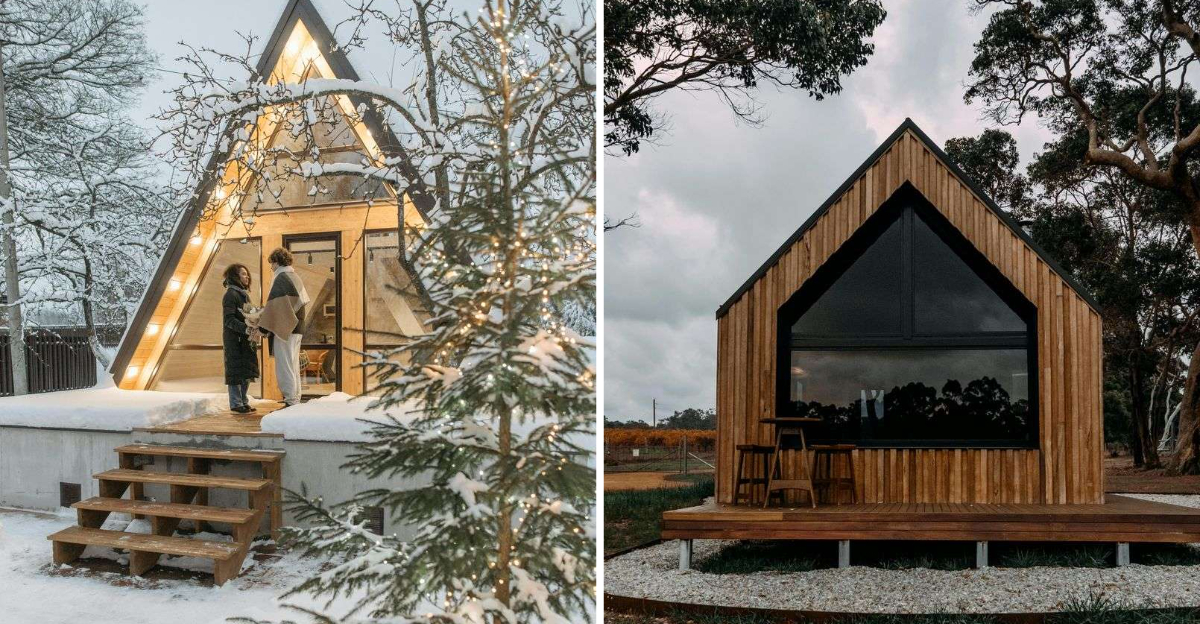
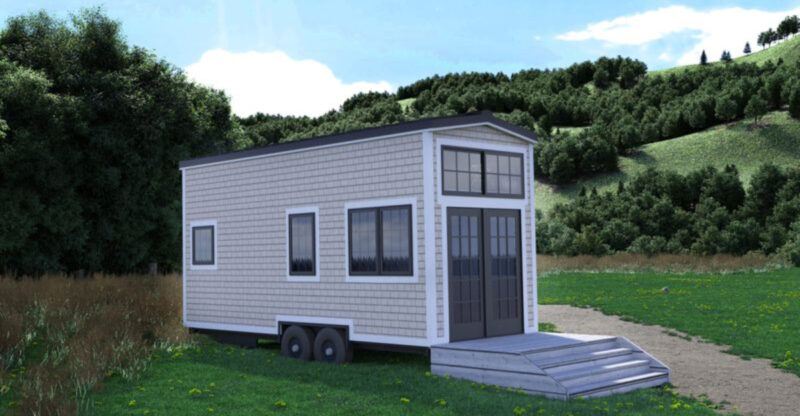
Oregon has become a hub for tiny home innovation, where eco-conscious builders blend sustainability with clever design.
From living roofs covered in greenery to rainwater harvesting systems, these small dwellings prove that reducing square footage doesn’t mean sacrificing comfort or style.
Each home showcases thoughtful solutions that maximize space, minimize environmental impact, and create a stronger connection to the natural world.
Whether you’re planning your own tiny home or simply looking for fresh ideas to green up your current space, these Oregon-inspired concepts offer practical inspiration worth exploring.
1. Biophilic Design Integration
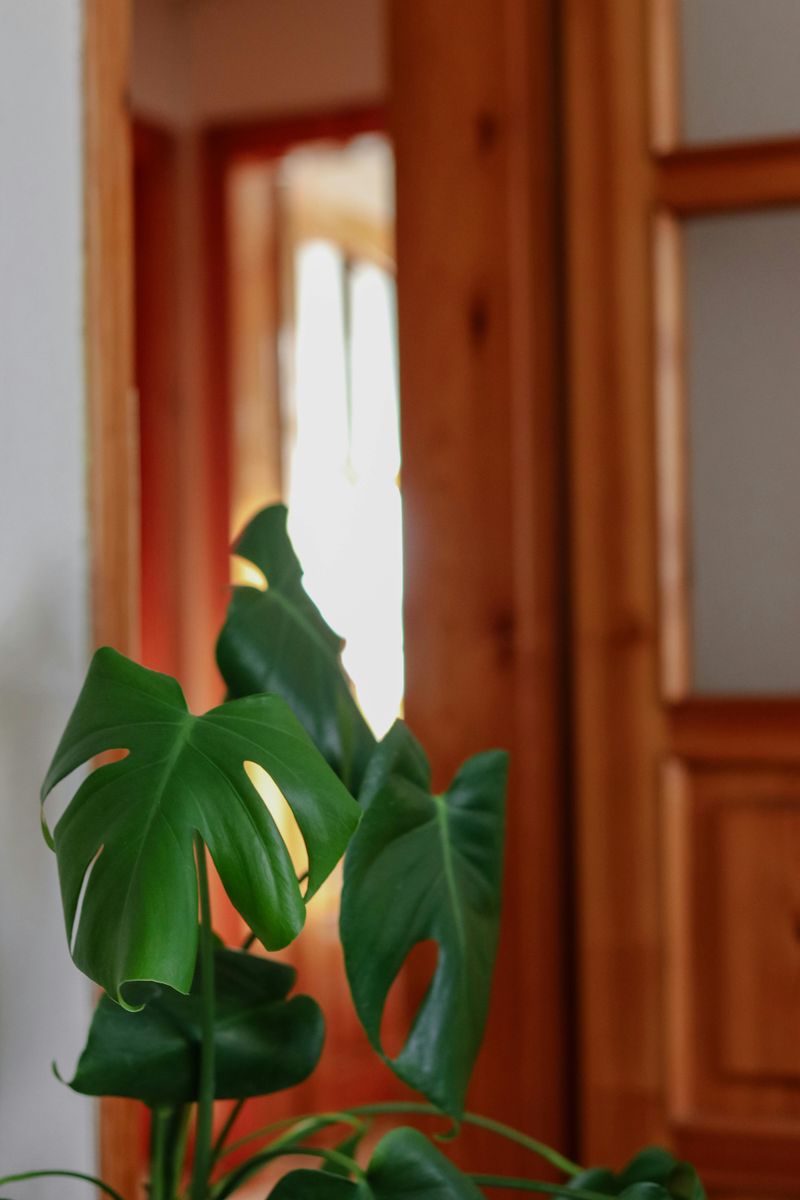
Natural materials bring warmth and calm into compact living spaces, transforming tiny homes into peaceful retreats.
Wood beams, stone accents, and living plants work together to blur the boundary between indoor comfort and outdoor beauty.
Salvaged oak ceilings add character while reducing waste, and reclaimed materials often carry stories that new construction simply can’t match.
Large windows invite sunlight and views, making small rooms feel more expansive and connected to the landscape outside.
Textures matter too – rough stone paired with smooth wood creates visual interest without cluttering limited space.
Greenery in pots or vertical gardens improves air quality and adds life to corners that might otherwise feel empty.
This approach works especially well in Oregon, where forests and mountains provide constant inspiration just beyond the door.
Biophilic design isn’t about adding more stuff; it’s about choosing materials that remind us we’re part of nature, not separate from it.
2. Narrow Lot Adaptation
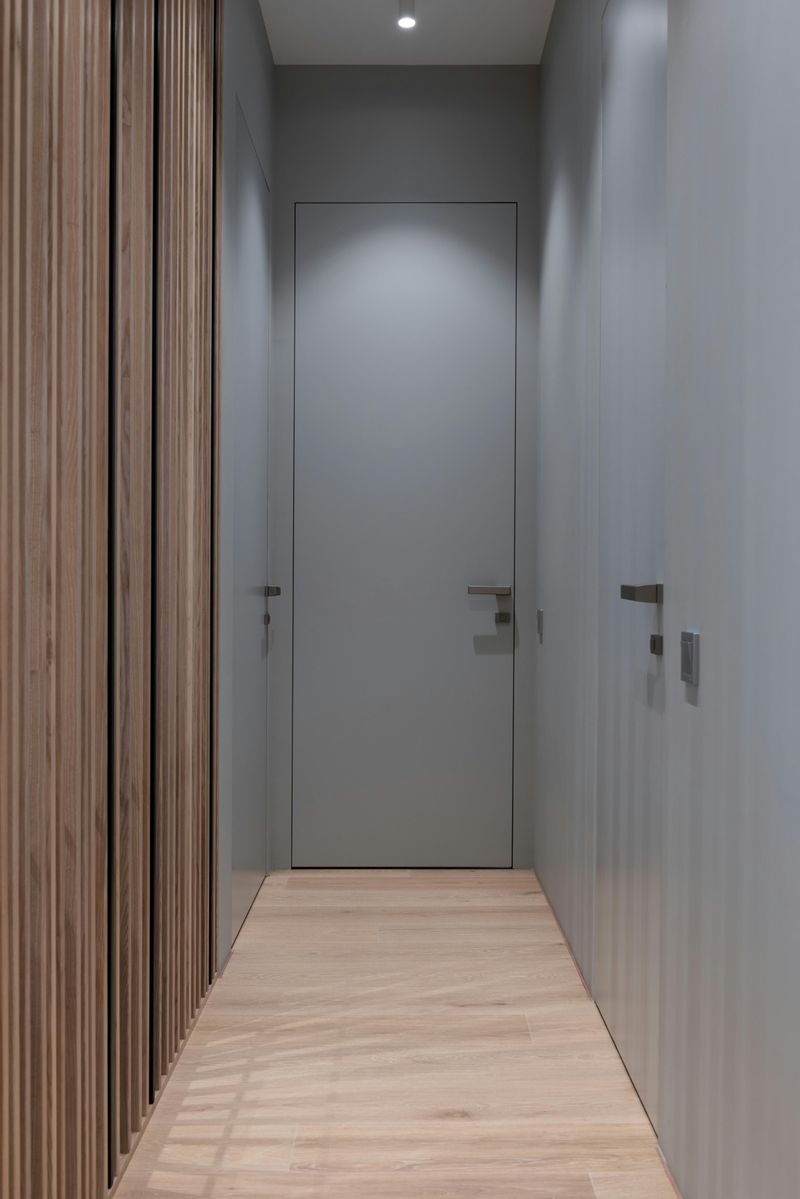
Urban spaces often come with tight constraints, but narrow lots can actually inspire some of the most creative tiny home layouts.
Vertical thinking becomes essential – lofted sleeping areas, tall storage cabinets, and stacked shelving make the most of every inch.
Multi-functional furniture like fold-down tables and convertible sofas transform single rooms into flexible living zones throughout the day.
Sliding doors save space compared to traditional swinging doors, and pocket doors can disappear entirely when not needed.
Light colors on walls and ceilings help narrow homes feel less cramped, while mirrors strategically placed can visually double a room’s perceived width.
Portland’s catalogue of narrow lot designs demonstrates how thoughtful planning turns limitation into opportunity, proving that small footprints don’t mean small living.
These homes often fit into neighborhoods where larger structures wouldn’t work, bringing housing options to areas that might otherwise remain undeveloped.
Smart layouts respect the lot’s shape rather than fighting it.
3. Sustainable Materials And Practices
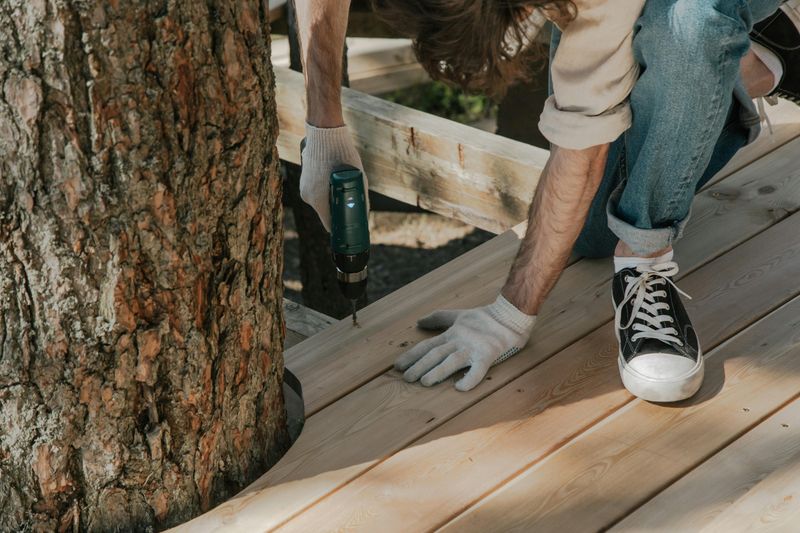
Choosing where materials come from matters just as much as how they’re used, especially in eco-focused tiny homes.
Reclaimed wood from old barns or demolished buildings carries history while keeping usable lumber out of landfills.
Local sourcing reduces transportation emissions and supports regional craftspeople who understand Oregon’s climate and building needs.
Natural insulation options like wool or recycled denim work as well as synthetic alternatives without releasing harmful chemicals into living spaces.
Low-VOC paints and finishes protect indoor air quality, which becomes especially important in smaller spaces where off-gassing concentrates quickly.
Composting toilet systems eliminate the need for traditional septic infrastructure, cutting costs and environmental impact simultaneously.
These choices add up – each sustainable swap reduces a home’s overall footprint while often improving comfort and health for the people living inside.
Building responsibly doesn’t require perfection, just thoughtful decisions at each step of construction.
4. Green Roofing Systems

A living roof does more than look beautiful – it actively works to insulate, filter rainwater, and support local ecosystems.
Drought-resistant plants like sedums thrive in Oregon’s climate without demanding constant watering or maintenance.
The soil and vegetation layer creates natural temperature regulation, keeping interiors cooler in summer and warmer during chilly months.
Curved roof designs allow for better water drainage and create a softer, more organic silhouette that blends with natural surroundings.
Green roofs also absorb sound, which can be a welcome benefit in urban neighborhoods where noise tends to bounce between buildings.
Pollinators find food and habitat in rooftop gardens, turning even small homes into contributors to biodiversity.
Installation requires careful waterproofing and structural support, but the long-term benefits often outweigh the initial investment.
Watching plants change with the seasons adds a dynamic element to tiny home living that standard roofing simply can’t provide.
5. Rainwater Harvesting Systems

Oregon’s rainy climate makes water collection a natural fit for tiny homes aiming toward self-sufficiency.
Gutters channel roof runoff into storage tanks, where it waits for use in gardens, toilets, or – with proper filtration – drinking and cooking.
Even a modest roof can collect hundreds of gallons during wet months, reducing reliance on municipal water supplies and lowering utility bills.
Filtration systems range from simple mesh screens that catch leaves to multi-stage purifiers that make rainwater safe for all household uses.
Overflow valves prevent tanks from flooding during heavy storms, directing excess water away from foundations.
Placement matters – tanks tucked under decks or disguised with landscaping maintain curb appeal while serving practical purposes.
Some tiny homeowners connect rainwater systems to drip irrigation, creating closed loops where nature provides exactly what gardens need.
This approach feels especially satisfying during dry summers when collected winter rain keeps plants thriving without turning on a hose.
6. Greywater Recycling

Water from sinks, showers, and laundry doesn’t have to disappear down the drain – greywater systems give it a second life.
Simple plumbing modifications divert used water toward gardens or landscaping, where plants filter it naturally while getting the moisture they need.
Biodegradable soaps and detergents become essential when recycling greywater, since anything going down the drain eventually reaches plant roots.
Sand filters or constructed wetlands can further clean greywater before it irrigates, removing particles and breaking down contaminants.
This approach cuts freshwater consumption significantly – some tiny homes reduce their water use by thirty percent or more through greywater reuse alone.
Oregon regulations allow greywater systems with proper permits, though rules vary by county and intended use.
Watching yesterday’s shower water nourish today’s tomatoes creates a tangible connection between daily habits and environmental impact.
Even renters can explore portable greywater solutions like bucketing shower water to outdoor containers during summer dry spells.
7. Solar Panel Integration

Rooftop solar panels turn Oregon’s surprisingly sunny days into free electricity, even when clouds roll through.
Modern panels work efficiently in diffuse light, so coastal fog or valley mist doesn’t stop power generation completely.
Battery storage systems save excess energy for nighttime use or cloudy stretches, moving tiny homes closer to true energy independence.
Net metering programs let homeowners sell surplus power back to utilities, sometimes eliminating electric bills entirely during productive months.
Panel placement requires thought – southern exposure captures the most light, while tree shade patterns change with seasons.
Tiny home roofs offer limited space, so high-efficiency panels make sense despite their higher upfront cost.
Monitoring systems track production in real time, helping residents understand which appliances consume the most power and adjust habits accordingly.
Going solar feels like a big leap, but federal tax credits and state incentives significantly reduce the financial barrier for Oregon homeowners.
8. Passive Solar Design
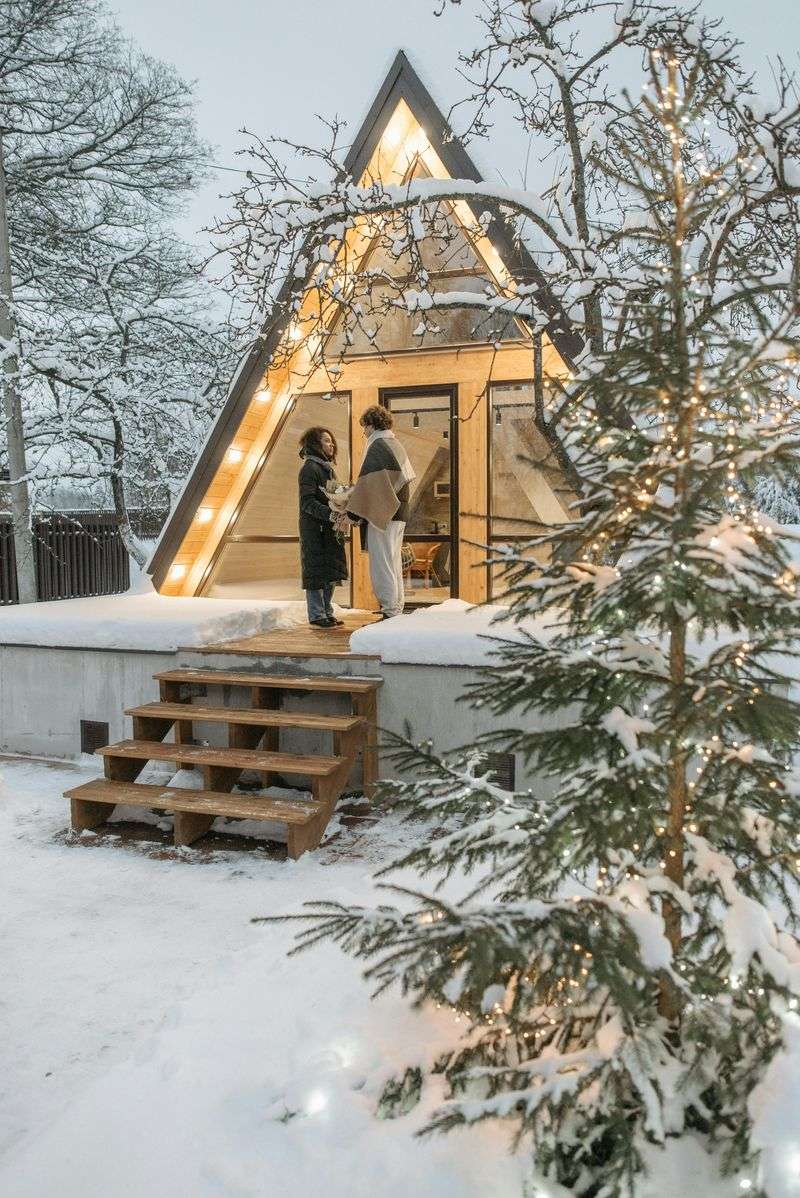
Strategic window placement turns sunlight into a free heating system that works silently every clear day.
South-facing windows capture winter sun when it arcs low across the sky, warming thermal mass materials like concrete floors or stone walls that release heat slowly through the night.
Overhangs and awnings block high summer sun, preventing overheating while still allowing light to enter.
Thermal mass works best when directly lit by sun – placing a stone feature wall opposite a large window maximizes this effect.
Proper orientation matters more than anything else; even small adjustments in how a tiny home sits on its lot can dramatically affect comfort and energy use.
Insulated curtains or cellular shades add flexibility, trapping heat on cold nights or blocking unwanted warmth during hot afternoons.
This design strategy costs little to implement during construction but pays dividends every single day the home is occupied.
Passive solar principles work with nature’s rhythms rather than fighting them with mechanical systems.
9. Compact Appliance Selection
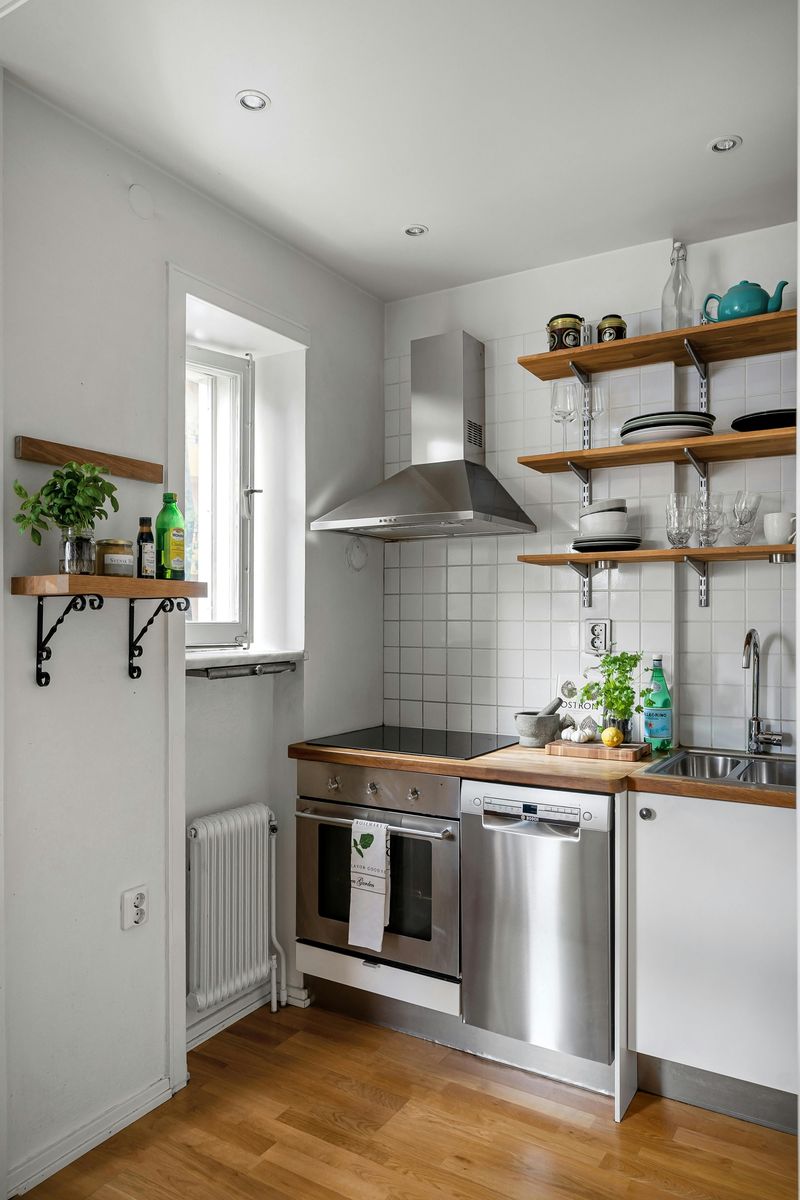
Right-sized appliances prevent tiny homes from feeling cramped while still providing all the functionality of larger kitchens and laundry rooms.
Apartment-sized refrigerators fit under counters, and two-burner induction cooktops deliver precision heating without hogging space.
Combination washer-dryer units handle laundry in a single compact machine, though they take longer than separate appliances.
Convection toaster ovens often replace full-sized ranges in tiny kitchens, baking and roasting with a fraction of the energy consumption.
Energy Star ratings become especially important in small spaces where every watt counts toward monthly bills and solar capacity.
Drawer-style dishwashers clean efficiently for one or two people without the bulk of standard models.
Ventless systems work well in tiny bathrooms and kitchens, eliminating the need for complex ductwork through limited wall space.
Choosing appliances means prioritizing which features truly matter versus which just sound nice in a showroom.
10. Modular Storage Solutions
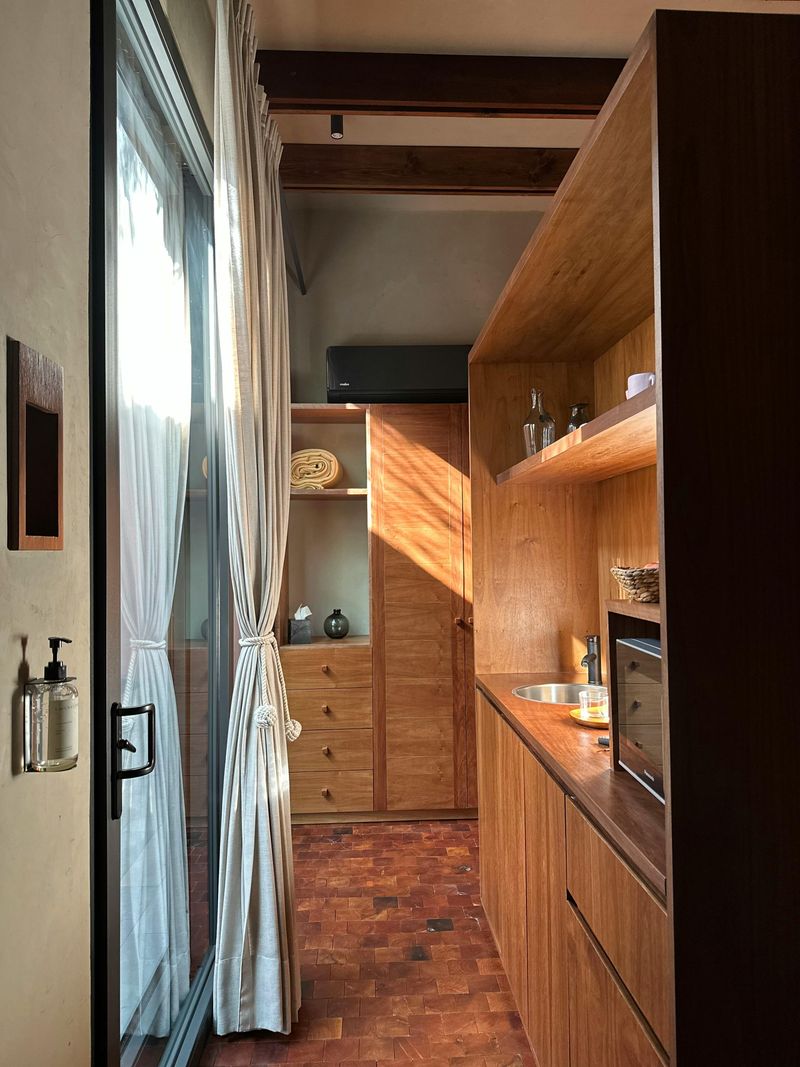
Built-in storage transforms awkward corners and vertical space into organized systems that keep tiny homes feeling spacious.
Staircase steps double as drawers, hiding shoes, tools, or seasonal items in spaces that would otherwise go unused.
Wall-mounted rails with movable hooks adapt to changing needs, holding everything from bikes to kitchen utensils without permanent commitment.
Under-bed platforms lift mattresses high enough to accommodate bins, suitcases, or off-season clothing underneath.
Magnetic strips on walls secure knives and metal tools, freeing up drawer space for items that can’t hang.
Modular cube systems stack and rearrange as needs change, growing with residents rather than becoming obsolete.
Transparent containers make it easy to see what’s stored where, reducing the frustration of searching through closed cabinets in limited space.
Every item needs a designated home – clutter accumulates quickly when there’s no clear place for things to go.
11. Multi-Functional Furniture
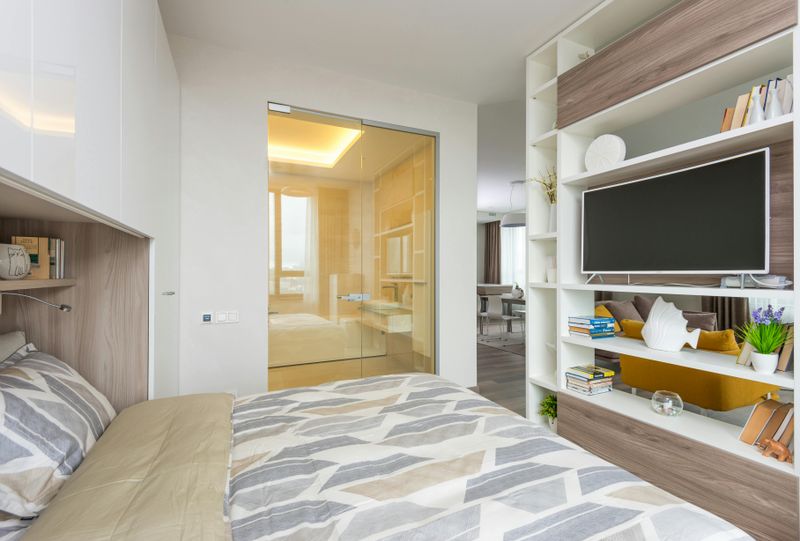
Furniture that transforms throughout the day makes single rooms serve multiple purposes without feeling cramped.
Murphy beds fold into walls, converting bedrooms into offices or yoga studios within seconds.
Dining tables with drop leaves expand for guests and shrink back down for everyday use, adapting to social needs.
Ottoman storage benches provide seating, footrests, and hidden compartments all in one attractive package.
Sofa beds have improved dramatically – modern designs offer real mattress comfort rather than the torture devices of previous generations.
Nesting tables pull out when needed and tuck away completely when floor space takes priority.
Wall-mounted desks flip down for work sessions and disappear when it’s time to move around freely.
Investing in quality multi-functional pieces costs more initially but eliminates the need to buy separate items for each activity, ultimately saving money and space.
12. Natural Ventilation Systems
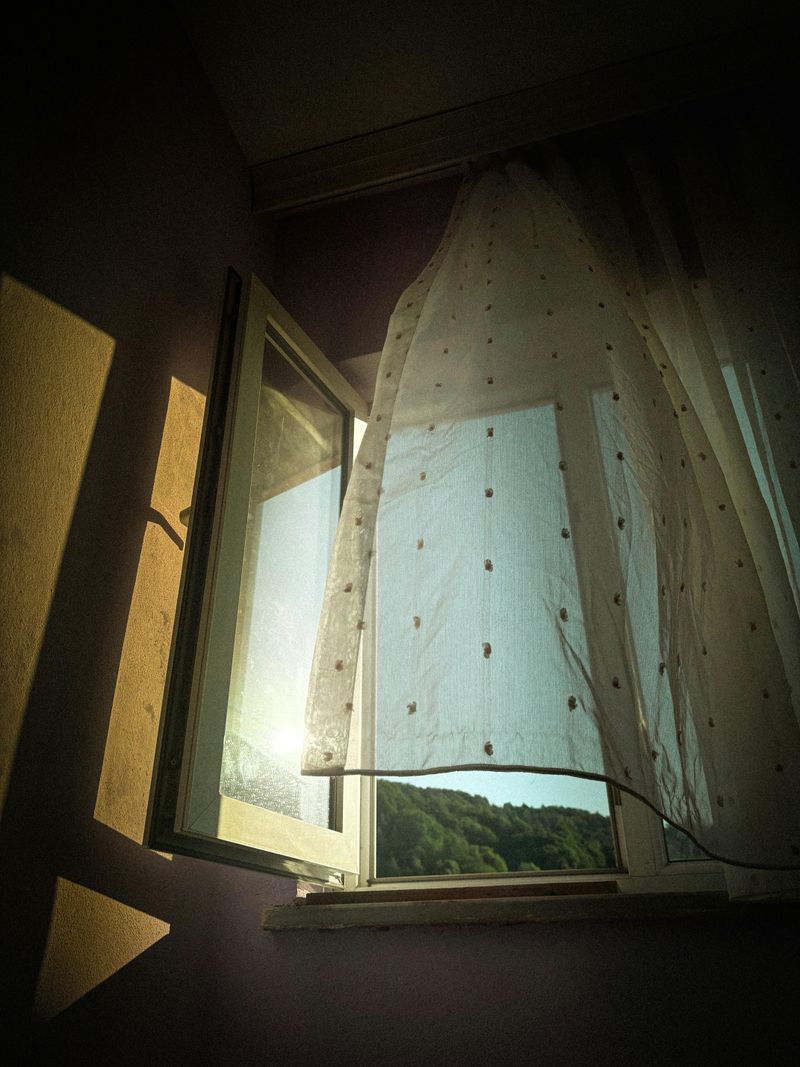
Strategic window placement creates cross breezes that cool tiny homes naturally, reducing or eliminating air conditioning needs.
Operable skylights release hot air that rises to the ceiling, pulling cooler air through lower windows in a process called stack ventilation.
Screened windows allow fresh air without inviting insects, important during Oregon’s pleasant spring and fall months when mechanical cooling feels wasteful.
Whole-house fans installed in ceilings move large volumes of air quickly, flushing out heat accumulated during sunny afternoons.
Window placement on opposite walls works best – air flows naturally from one opening to another when given a clear path.
Deciduous trees planted strategically outside provide summer shade while allowing winter sun through bare branches.
Thermal chimneys – tall vertical shafts that exhaust hot air – work especially well in multi-level tiny homes.
Good ventilation also controls moisture, preventing mold issues that plague poorly aired small spaces.
13. Outdoor Living Extensions
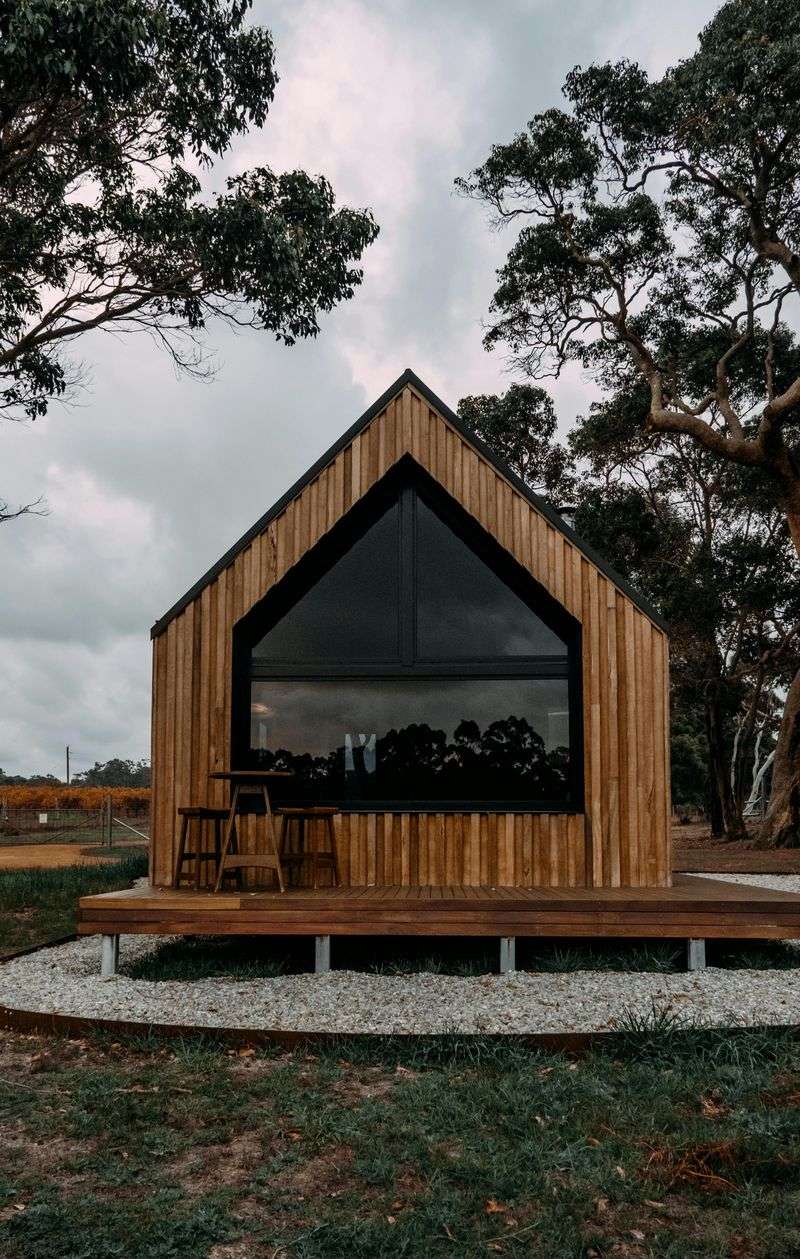
Decks, patios, and covered porches effectively expand tiny home square footage when weather cooperates, which happens often in Oregon’s mild seasons.
Sliding glass doors erase the boundary between indoor and outdoor spaces, making small interiors feel connected to larger landscapes.
Weather-resistant furniture creates genuine outdoor rooms for dining, working, or relaxing without sacrificing indoor space to these activities.
String lights and lanterns extend usable hours into evening, turning patios into magical spaces after sunset.
Pergolas or awnings provide rain protection during light drizzle, important in a climate where weather changes quickly.
Container gardens on decks grow herbs and vegetables within arm’s reach of tiny kitchens, eliminating the need for dedicated garden plots.
Fire pits or portable heaters make outdoor spaces comfortable during cool months, stretching the season beyond summer.
Treating outdoor areas as additional rooms rather than afterthoughts transforms how tiny homes function and feel.
14. Minimalist Interior Design
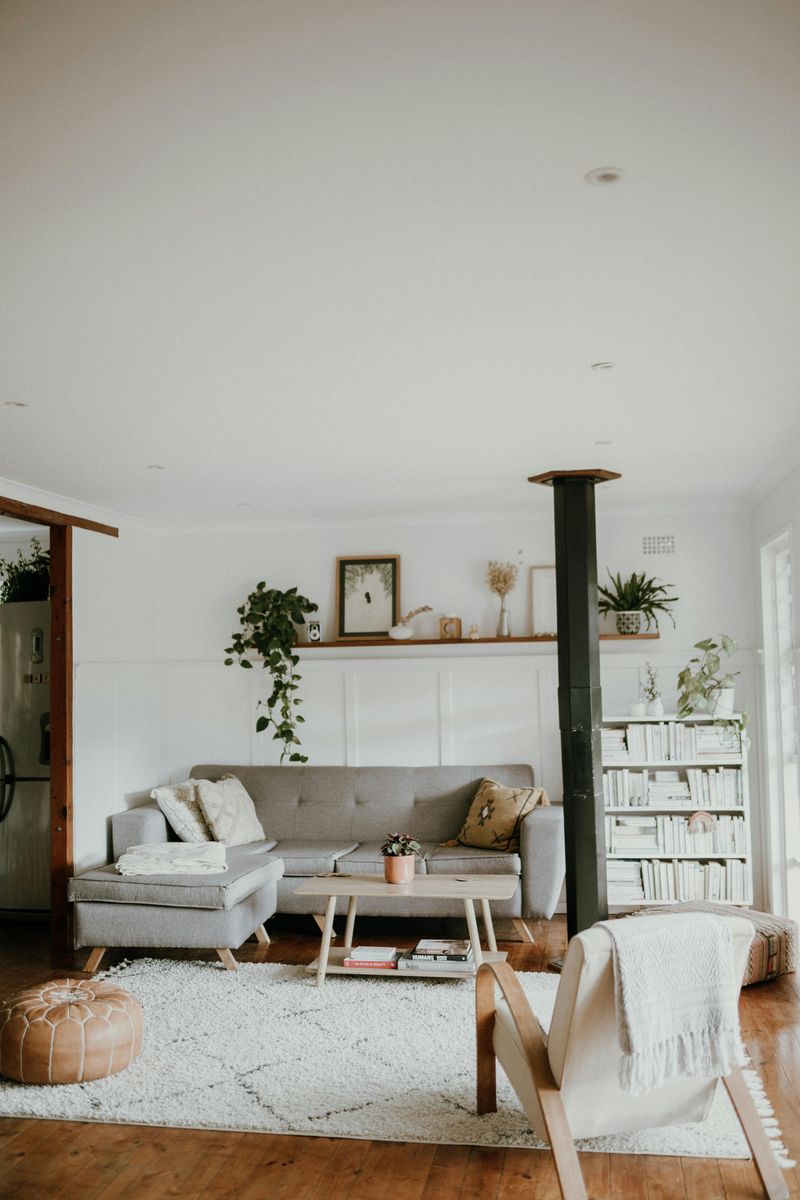
Paring down possessions to essentials prevents tiny homes from feeling cluttered or overwhelming.
Neutral color palettes with occasional accent pieces create visual calm, making small spaces feel larger and more serene.
Open shelving displays only the most beautiful or frequently used items, turning everyday objects into intentional decor.
Negative space matters – empty walls and clear surfaces give eyes places to rest and make rooms feel less busy.
Quality over quantity becomes a guiding principle; one excellent knife beats a drawerful of mediocre ones.
Regular editing keeps belongings from creeping back to clutter levels – seasonal reviews help identify what’s actually being used versus what’s just taking up room.
Minimalism doesn’t mean deprivation; it means surrounding yourself only with things that serve a purpose or bring genuine joy.
This approach aligns naturally with sustainable living, since buying less automatically reduces environmental impact and saves money for experiences over objects.
15. Composting Systems
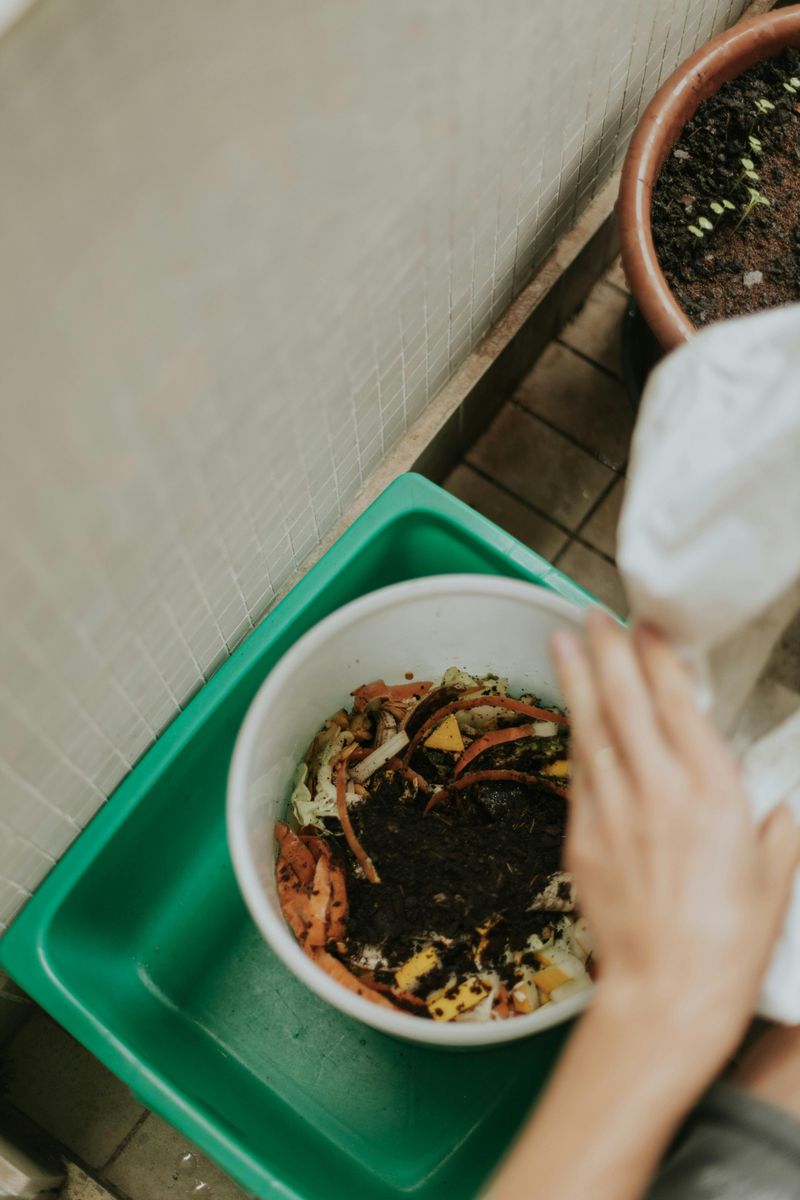
Kitchen scraps and yard waste become valuable soil amendments rather than landfill contributions when composting systems are built into tiny home designs.
Counter-top composters with charcoal filters contain odors while breaking down food waste quickly, perfect for small kitchens without outdoor access.
Tumbling bins outside make turning compost easy, speeding decomposition and producing finished material in weeks rather than months.
Worm bins work year-round even in Oregon’s cool winters, and red wigglers efficiently process vegetable scraps into rich castings.
Separating green materials like food waste from brown materials like dry leaves creates the carbon-nitrogen balance that healthy compost needs.
Finished compost enriches container gardens or landscaping, closing the loop from kitchen to garden and back again.
Composting toilets take this further, handling human waste without water or septic systems, though they require more maintenance and understanding.
These systems turn waste into a resource, embodying the circular thinking that makes tiny homes truly sustainable.
16. Smart Home Technology

Automated systems help tiny homes run more efficiently while giving residents control from anywhere.
Smart thermostats learn heating patterns and adjust automatically, preventing energy waste when homes are empty.
Lighting controlled by phone apps or voice commands eliminates switches that clutter small walls, and dimming features set moods without multiple fixtures.
Water leak sensors alert homeowners immediately if pipes fail, crucial in tiny spaces where damage spreads quickly.
Energy monitoring plugs identify which appliances consume the most power, helping residents make informed decisions about usage.
Smart locks eliminate keys and allow trusted visitors to enter even when owners are away, useful for short-term rentals or pet sitters.
Integration matters – systems that work together through single apps prove more useful than isolated gadgets that each require separate attention.
Technology should simplify tiny living rather than complicate it, so choosing reliable systems with good support makes the difference between helpful tools and frustrating toys.