Snakes Leave Idaho Trails For Their Dens As October Nights Turn Cold
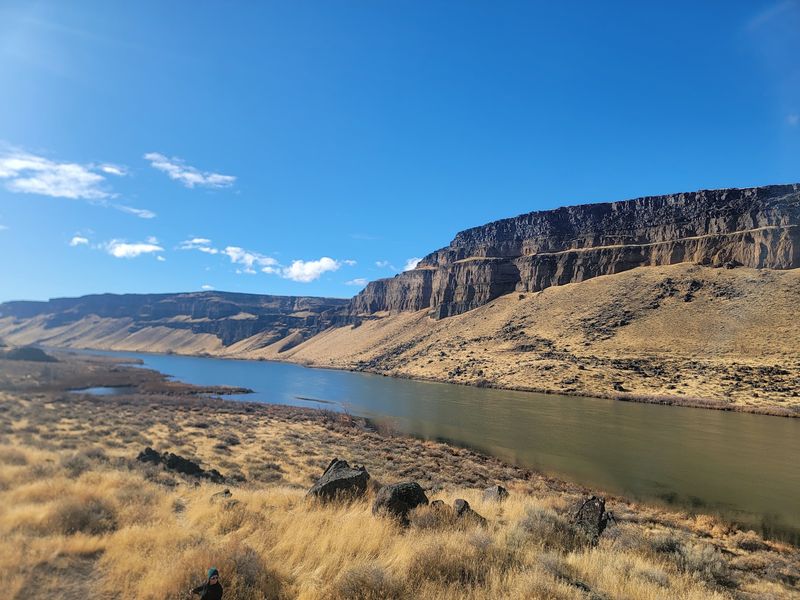
Hundreds of snakes can pile into a single rocky den for winter, and October is when they start heading home. Along one canyon south of Boise, that quiet retreat happens beneath cliffs packed with nesting falcons and eagles.
The cold nights do the work. Once air temperatures slide toward the 60s, gopher snakes and rattlesnakes begin trading sunny trails for cracks in the basalt.
I like how this changes a whole Idaho landscape without anyone sending out a memo. The trails stay open, the river keeps running, and the slithery locals simply clock out for the season.
I can’t imagine a better time to wander a desert canyon than right after its most famous ground-level residents leave. So where exactly do they go, and what’s left for you to see once they’re out of sight?
Half A Million Acres Of Canyon Sit Just South Of Kuna
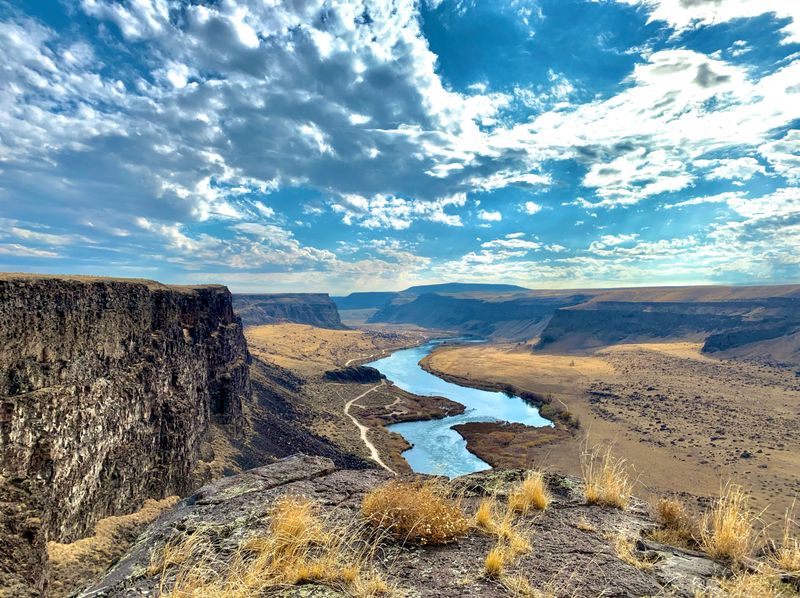
Roughly 485,000 acres of high desert and river canyon make up the Morley Nelson Snake River Birds of Prey National Conservation Area. It stretches along about 81 miles of the Snake River in southwest Idaho.
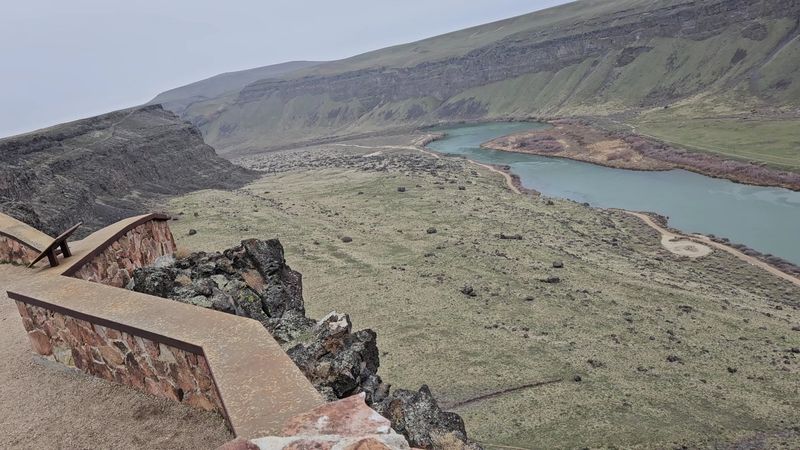
The Bureau of Land Management oversees this huge chunk of public land. Black basalt cliffs rise above the water, and sagebrush flats roll away from the rim in every direction.
Kuna is the closest gateway town for most Treasure Valley drivers. From there, the pavement points south toward the canyon and the old Swan Falls Dam.
So why does a canyon get such a long name? The answer is simple: birds of prey nest here in remarkable numbers, and the cliffs are their apartment buildings.
Snakes share the neighborhood too, which is where October comes into the story. Rocky slopes that bake in summer sun turn into winter shelter once the nights go cold.
Picture it as two worlds stacked on top of each other. Falcons own the sky and cliff ledges, while reptiles quietly work the ground below.
Fall is when that lower world starts closing up shop. The timing makes autumn one of the most interesting seasons to visit.
The Falconer Whose Name Rides Along The Rim
Long before this canyon had federal protection, a falconer named Morley Nelson was making noise about it. He studied and filmed raptors for decades and pushed hard to keep their nesting cliffs safe.
His persistence paid off. Congress established the Snake River Birds of Prey National Conservation Area in 1993, protecting the cliffs and the hunting grounds above them.
The name changed in 2009 to honor him. That’s how a simple canyon label grew into the mouthful you see on maps today.
I like that the area carries a person’s name instead of a marketing slogan. It reminds you that one stubborn bird lover helped shape a whole corner of Idaho.
The protected land matters for more than the birds themselves. Raptors here rely on ground squirrels and other prey living in the sagebrush flats, so the whole food web needed room.
That web includes snakes, which hunt rodents and become meals for hawks and eagles. Protecting the cliffs meant protecting the slithery middle of the menu too.
It’s a neat bit of history to carry along on the drive. Every falcon overhead is part of the story Nelson spent his life telling.
Bring Binoculars Because The Cliffs Are Basically Raptor Condos
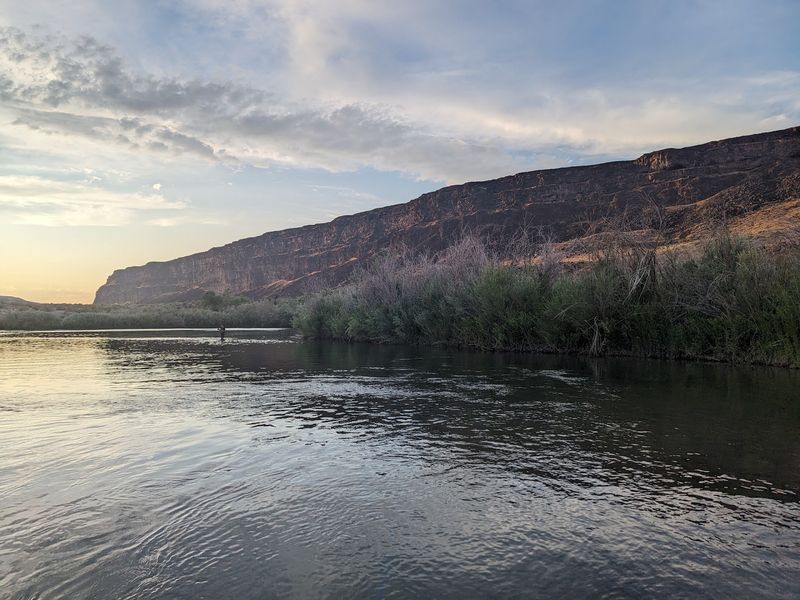
Falcons, eagles, hawks, and owls all nest along these basalt walls. The area hosts one of the densest concentrations of nesting raptors in North America.
Prairie falcons are the headliners. Golden eagles, red-tailed hawks, and several owl species round out a roster that birders travel a long way to check off.
Spring is the busiest season on the cliffs. Nesting pairs hunt hard to feed their young, and that activity peaks before summer heat settles over the canyon.
By October, the show looks different but hasn’t ended. Many raptors still patrol the rim, scanning the sagebrush for anything that moves.
A good pair of binoculars makes a huge difference here. Photographers should pack the longest lens they own, because the birds rarely pose close to the road.
The overlooks along the canyon edge give you room to watch without disturbing anything. Sunset light on the dark rock adds a bonus you won’t find in a field guide.
Patience pays off more than speed on these cliffs. Park the car, stay quiet for a while, and let the sky tell you exactly who’s still home this fall.
October Nights Send The Snakes Underground For A Long Nap
Snakes don’t truly hibernate. They enter a slower state called brumation, where breathing, heart rate, and metabolism all drop way down to get through the cold.
The shift usually starts as air temperatures cool toward about 60 degrees. In Idaho, that puts the big move somewhere around September and October.
Gopher snakes typically stay active from about April through October. Western rattlesnakes can hang on a little longer, sometimes into November if the weather stays mild.
Once those chilly canyon nights become the norm, surface activity fades fast. The reptiles head for stable spots below the frost line, where temperatures stay steady all winter.
Brumation isn’t a deep, unbroken sleep, though. On a warm winter afternoon, a snake may briefly come out to bask or grab a drink before heading back down.
Their slowed bodies need very little energy, so they can go months without eating. That’s an impressive trick for an animal that can’t make its own heat.
For hikers, the result is pretty welcome news. The odds of meeting a snake on a canyon trail drop sharply as autumn deepens and the mornings turn frosty.
Basalt Cracks Make Perfect Winter Apartments For Rattlers
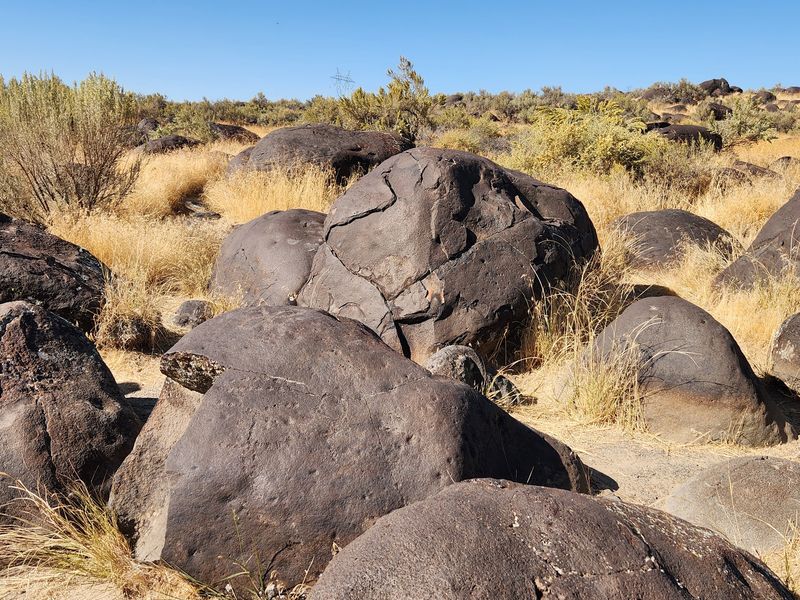
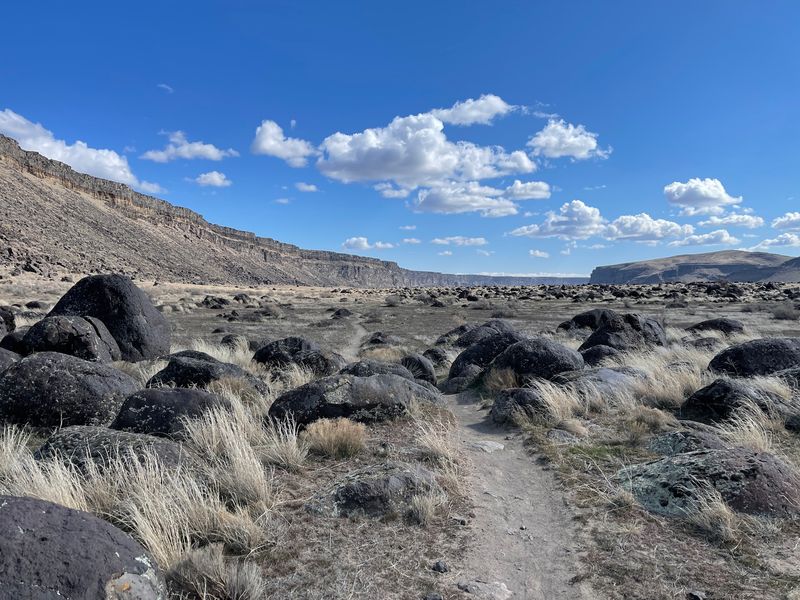
Western rattlesnakes love dry, rocky country, and this canyon delivers it by the mile. Rock crevices, talus slopes, and old burrows all make solid candidates for a winter den.
Those dens are called hibernacula. Each one needs to reach deep enough underground to stay below the frost line through the coldest months.
Snakes often share their winter quarters. Dozens or even hundreds can gather in one hibernaculum, and different species sometimes bunk together without much fuss at all.
Many return to the same den year after year. Scent trails left by earlier snakes help guide them back, which is a pretty clever navigation system.
Gopher snakes also live across most of southern Idaho, and they’re often mistaken for rattlers. Their markings and defensive hissing put on a convincing act, but they aren’t venomous.
Stumbling onto an active den is rare, since most sit in secluded spots. Brumating snakes also move slowly, so they have little energy to escape or strike.
Still, the smart habit never changes in rattlesnake country. Watch where you put your hands and feet, especially when scrambling around rock piles on a sunny fall afternoon.
Swan Falls Dam Brings A Dose Of Old Idaho Engineering
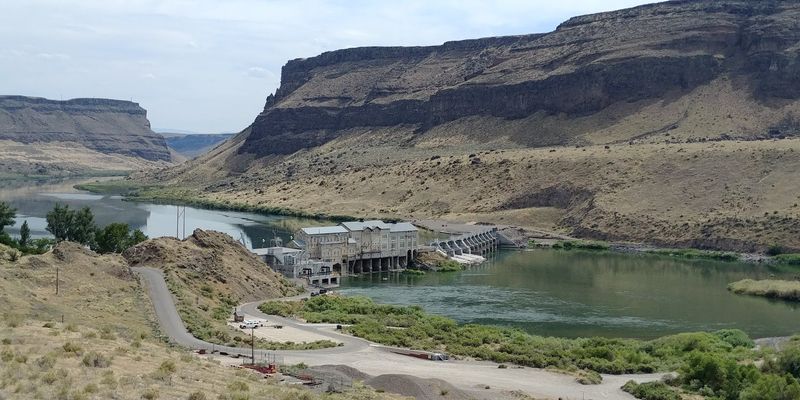
Built in 1901, Swan Falls Dam was the first hydroelectric dam on the Snake River. It still sits at the bottom of the canyon, a working reminder of Idaho’s early power days.
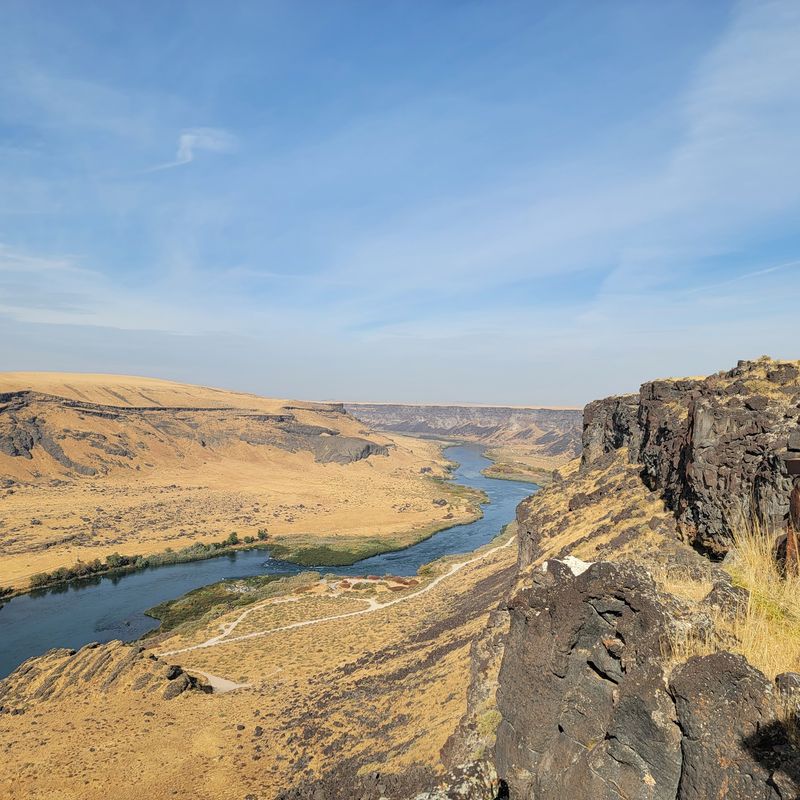
The drive down to it ranks among the highlights of any visit. The road drops from sagebrush flats toward the river, with dark canyon walls rising on both sides.
Near the dam, a grassy picnic area offers a pleasant break. Geese and ducks frequent the spot, so lunch may come with an audience.
The historic dam gives the canyon a different flavor than the wild cliffs. History buffs and engineering fans get something to chew on besides scenery.
Sunset makes a strong case for timing your trip. The light hits the basalt from a low angle, and the river picks up the glow below.
A rim overlook followed by a run down to the dam makes a satisfying loop. You get the big view first, then the close-up of water and stone.
Keep the snakes in mind on warm October afternoons near the rocks. Most will be headed for their dens, but a late basker isn’t impossible.
Quiet Trails Around Halverson Lakes Reward A Fall Walk
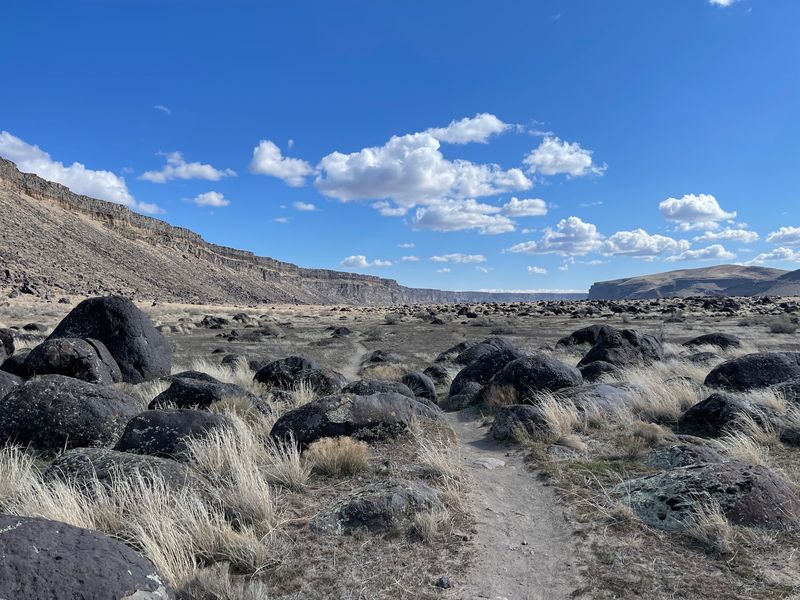
Small ponds in a desert canyon sound unlikely, but Halverson Lakes delivers exactly that. The trail there follows the Snake River corridor and makes a fine autumn wander.
Fall happens to be a sweet spot for this kind of hike. Summer heat has eased, and most of the canyon’s reptiles are heading underground.
The access road and parking area for the Halverson Lakes trail are kept in good shape. That’s handy in a place where plenty of other routes are dirt.
Elsewhere in the conservation area, rock piles and boulders invite some scrambling. Climbers come to boulder near Swan Falls, and summer sometimes brings paragliders overhead.
Drivers with sturdy rigs have options too. Kane Springs Road is a short four-wheel-drive route that cuts through open high desert and rewards slow, careful driving.
Some dirt roads can get rough, so a high-clearance vehicle helps. ATVs also use parts of the area, so stay alert on shared routes.
Solitude is one of the biggest perks out here, especially once summer crowds thin. On a crisp fall weekday, you might share a trail with nobody but a hawk circling overhead.
Riverside Camping And Fishing Keep People Lingering Past Dark
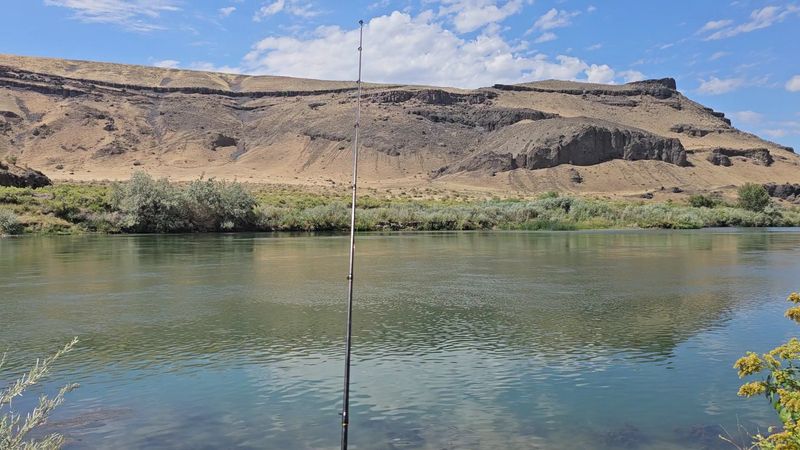
Fishing pulls more people here than you might guess from the bird-heavy name. The Snake River runs right through the canyon, and anglers work its banks regularly.
Small boats use the water too, and a boat launch gives paddlers and anglers a way in. The river corridor near Swan Falls makes it easy to spend a slow afternoon on the water.
Camping is another big draw. Dispersed sites line parts of the river, and some come with fire pits for chilly evenings.
Facilities stay basic, with a few outhouses scattered around the riverside camping areas. Pack in water, food, and everything else, then pack it back out.
Fire rules can change with the season and conditions. Check current restrictions before striking a match, especially after a dry summer.
Solo campers should use the same common sense they’d use anywhere remote. Cell service can be spotty, and help may be a long drive away.
October camping comes with a nice side effect. Cold nights mean the reptiles are winding down, so your campsite is less likely to get a slithery surprise visitor.
Getting There Takes A Little Planning And A Downloaded Map
Officially, the conservation area’s listed address is Murphy, ID 83650. That’s a tiny dot on the map, while the land itself sprawls across several southwest Idaho counties.
Most Treasure Valley visitors come in through Kuna. Swan Falls Road heads south from town toward the canyon rim and the dam.
Navigation apps don’t always cooperate. Some routes drop you at the Swan Falls area rather than a specific trailhead, so know your target before you leave.
Cell coverage gets thin or vanishes in the canyon. Download offline maps and save directions while you still have signal in town.
Signs for the area’s full name can be scarce on the ground. Look instead for road names, Swan Falls, and specific trailheads you’ve already researched.
The BLM office lists weekday hours, but the open land doesn’t follow an office schedule at all. Check conditions and any seasonal closures before driving out.
Pack water, layers, snacks, and a flashlight, since services are few once you leave town. October afternoons can feel warm, but evenings in the canyon cool off quickly.
Autumn Might Be The Smartest Season To Visit The Canyon
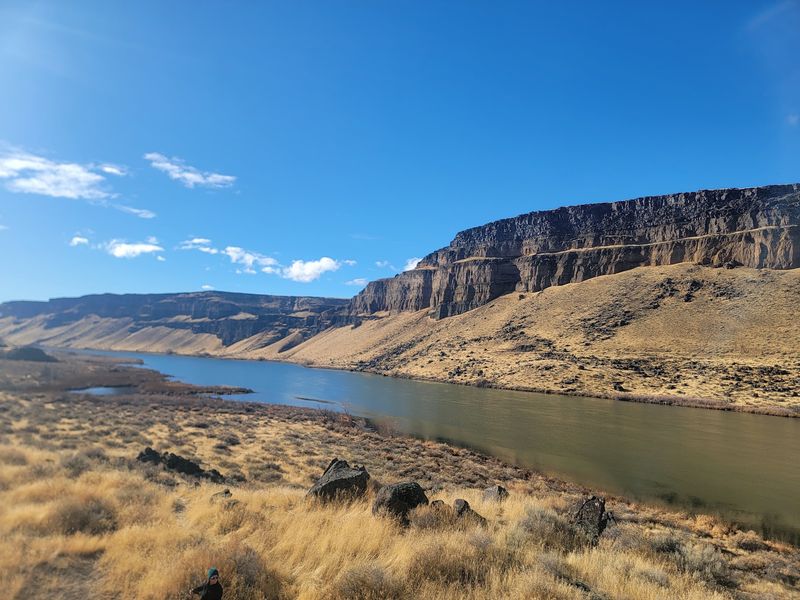
Few places pack this much wildlife drama into one drive from the Treasure Valley. Falcons hunt the rim while snakes quietly settle into rocky dens below.
October gives you a front-row seat to that changeover. The air turns crisp, the trails empty out, and the canyon’s ground-level residents call it a season.
I believe the Morley Nelson Snake River Birds of Prey National Conservation Area works best for curious, prepared visitors. Bring binoculars, a good map, and enough patience to let the birds show up.
Families can make a simple day of a rim overlook and a picnic near Swan Falls Dam. Hikers and campers can stretch things into a weekend along the river.
The setting is rugged and primitive, so don’t expect polished visitor centers at every turn. That rawness is part of the appeal for anyone craving quiet desert space.
Snakes will be back in spring, right on schedule. Until then, the cliffs, river, and raptors have plenty to say on their own.
Not bad for a canyon many drivers never know exists. Idaho keeps some of its best shows just off the main highway.