Snow Buried Idaho Under Record Drifts In These 7 Winters Old-Timers Still Talk About
During the winter of 1948-49, crews in Idaho reportedly used explosives to break up snow packed too hard for plows.
Pilots dropped supplies from the sky to stranded travelers and hungry livestock.
That season wasn’t a one-off, either.
Idaho has seen 10-foot snow berms lining downtown streets, roofs giving way under the load, and the National Guard showing up with shovels.
I love these stories because they never seem to shrink with time.
Some families still talk about drifts that swallowed fences whole. Others remember a Christmas break that stretched far past New Year’s.
Kids from 2017 now have their own snow tales to tell.
So which winters earned a permanent spot in family lore? I went digging through the records, and a few of the numbers made my jaw drop.
Grab a hot drink, because some of these seasons sound almost made up.
1. The Winter of 1948-1949
Dynamite is not a normal snow shovel. During the winter of 1948-49, though, crews reportedly reached for explosives because the snow had packed down as hard as concrete.
The storms started rolling in during November 1948 and barely let up. Southern Idaho saw snow fall steadily for roughly 13 weeks, and nobody was ready for it.
Winds gusted up to 40 miles per hour. Temperatures sank to 20 or 30 degrees below zero, which turned loose powder into towering, rock-hard drifts.
Some spots reported drifts as tall as 20 feet. Roads simply vanished, trains stalled, and whole communities found themselves cut off from the outside world.
Fuel ran short, too. Moscow was reportedly just three days away from running out of coal, a scary thought when the thermometer reads well below zero.
Ranchers took the hardest hit. Livestock across the region lost access to forage, and losses of animals reached into the hundreds of thousands.
Art Hoult, a maintenance supervisor with the Idaho Highway Department, called it the worst in highway history. Planes flew over the drifts, dropping supplies to stranded travelers and animals below.
You can still feel the echo of that winter today. It pushed Idaho to rethink how it prepares for brutal weather, so your plowed road owes it a small thank-you.
2. Snowmageddon 2016-2017
Boise residents don’t usually own snow boots built for real work. Then the winter of 2016-2017 arrived, and folks around the Treasure Valley started calling it Snowmageddon.
The numbers back up the nickname. Boise collected 39.1 inches of snow that season, and a whopping 21 inches of it landed in January 2017 alone.
City crews couldn’t keep pace. Boise and Meridian both declared states of emergency, a move that rarely happens over snow in the valley.
Help came from an unexpected direction. The Idaho National Guard rolled in to assist with snow removal, which is a sentence most Boiseans never expected to read.
Plenty of drivers ended up wedged in drifts on neighborhood streets. Just across the state line, heavy snow even caused roofs to collapse in Ontario, Oregon.
Students got a gift out of the chaos. Christmas break stretched longer than planned, and you can bet plenty of sledding hills saw extra traffic.
The story didn’t end when the flakes stopped. All that melting snow eventually sent the Boise River into flooding, so the winter kept making headlines well into spring.
Ask anyone who lived in the valley that year. Odds are good they’ll have a stuck-car story ready before you finish the question.
3. The Winter of 1996-1997
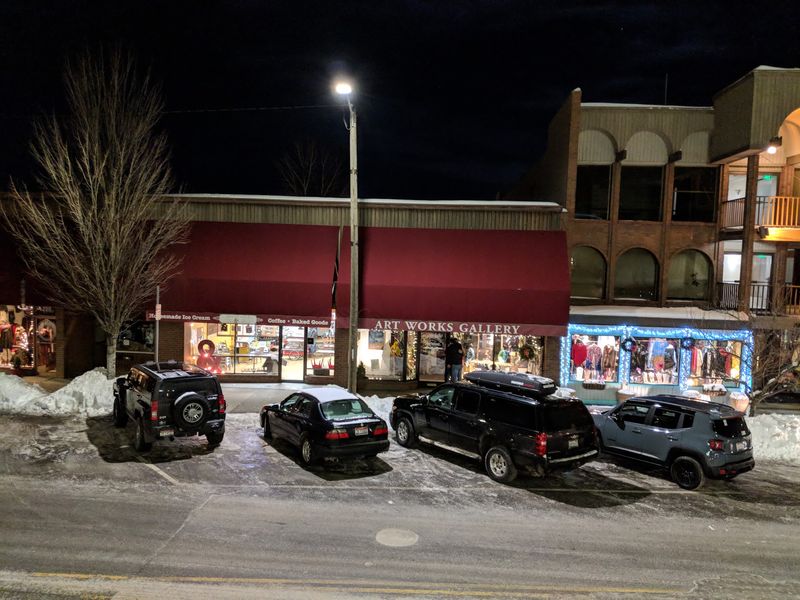
North Idaho got a sneak preview of trouble on November 19, 1996. An ice storm coated trees and power lines, and outages spread across North Idaho and eastern Washington.
Ice alone would have made a memorable season. Instead, it was just the opening act, because snow kept falling for months afterward.
Downtown Sandpoint turned into a maze. Snow berms rose about 10 feet high in the streets, and sidewalks became narrow canyons cut through waist-high snow.
Roofs around town couldn’t handle the weight. One collapse hit the auditorium at Sandpoint High School, and students ended up with an extended winter break.
Once again, the Idaho National Guard answered the call. Guard members pitched in with shoveling and snow removal, trading routine training for very real winter labor.
Up on Schweitzer Mountain, ski patrollers faced a funny problem. Their snow stakes needed extensions, since accumulation topped out around 180 inches.
You have to admire the image of patrollers literally adding length to a measuring stick. Few things say record winter quite like running out of ruler.
Sandpoint locals still bring up that season in local reporting decades later. Considering the berms, the ice, and the roofs, it’s easy to see why.
4. The Blizzard of 1968-1969
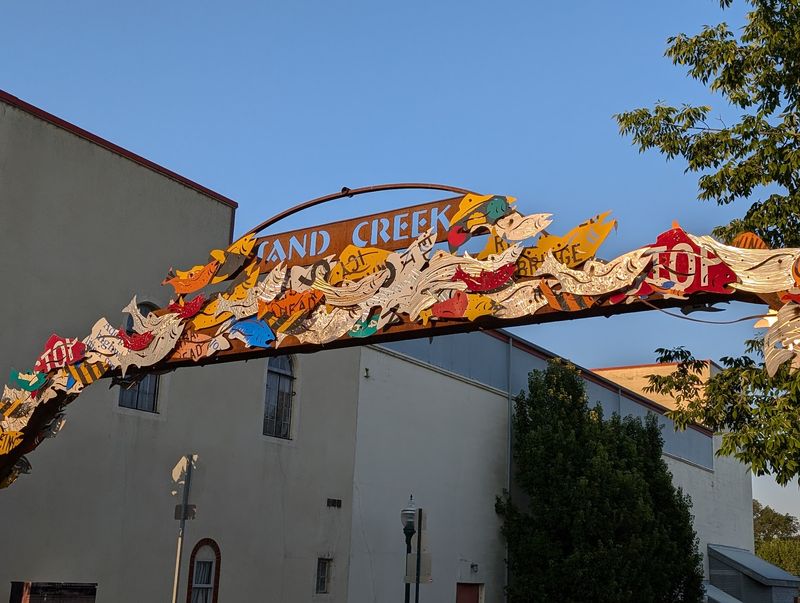
Six weeks is a long time to watch snow fall. That’s roughly how long it kept coming down on Sandpoint and Bonner County when the Blizzard of ’68/’69 settled over the area.
Cold made things worse. Temperatures dropped as low as minus 30 degrees, so the snow stayed put instead of melting away.
Sandpoint reportedly piled up around 82 inches. Town streets saw drifts near 12 feet, while the Selle Valley reported drifts reaching 20 feet.
Getting anywhere became a serious puzzle. Roads disappeared under snow, and schools stayed closed for long stretches.
People adapted with plenty of creativity. Some locals took snowmobiles right onto public roads, which sounds like the most Idaho solution imaginable.
Kids found their own silver lining. Families carved giant snow castles out of the massive piles along the curbs, turning a crisis into a playground.
That detail might be my favorite on this whole list. Picturing turrets and tunnels built from plow leftovers makes the season feel a little magical.
Of course, adults likely remember the shoveling more than the castles. Either way, Bonner County folks who lived through it still have stories ready to share.
5. The Winter of 1970-1971

Two hundred seventy-two inches. That’s how much snow McCall recorded during the winter of 1970-1971, and yes, that’s more than 22 feet.
The total set a record for the most snow in one season among reference stations. For a mountain town already used to deep winters, that’s saying something.
Try to wrap your head around the scale. A typical one-story house would sit buried with room to spare, at least on paper.
McCall has long embraced its snowy reputation. Even so, this season stands apart because of the sheer volume that piled up month after month.
Drifts and berms would have shaped daily life all over town. Shoveling a driveway likely felt less like a chore and more like a full-time job.
You can thank that kind of winter for the hardy spirit Central Idaho mountain towns are proud of. Snow isn’t an inconvenience up there so much as a neighbor who overstays.
Skiers and snowmobilers today chase deep powder in the same mountains. Few of them will ever see a season that tops this one.
So the next time someone in Idaho complains about a big storm, you’ve got a comeback. Just say 272 inches and watch the conversation end.
6. The Winter of 1916-1917
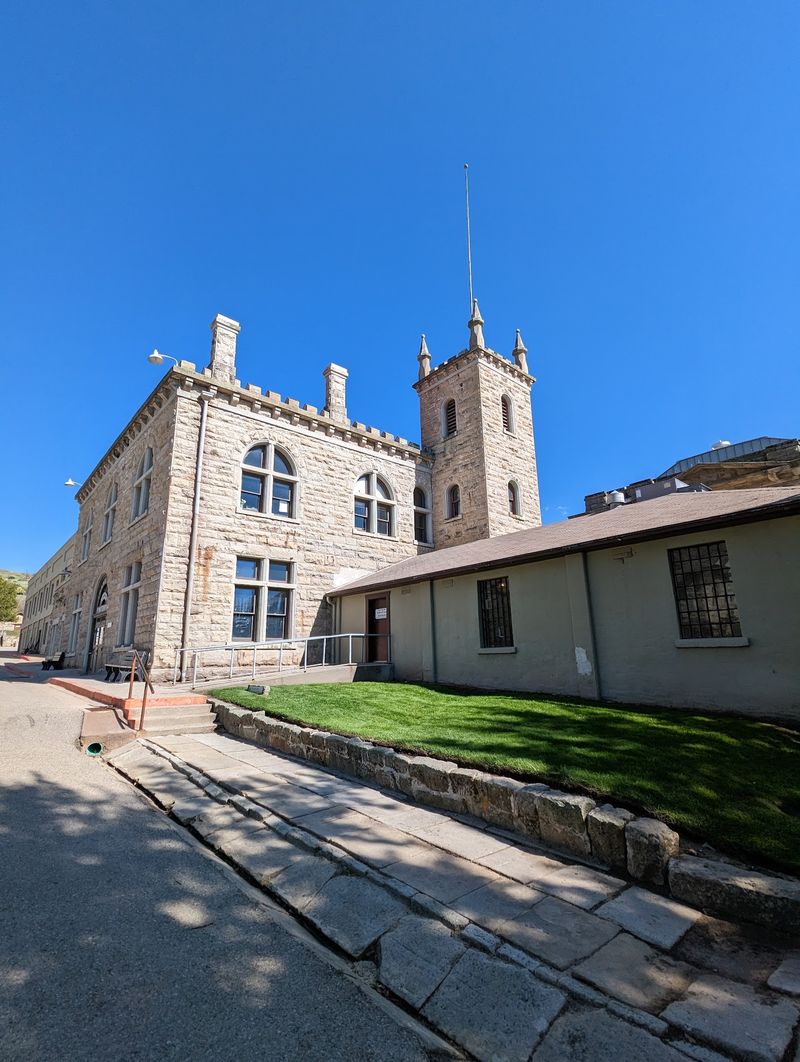
Long before snowblowers, Boise set a snow record that still stands. The 1916-1917 season delivered 50 inches, the snowiest winter in the city’s books.
Think about what that meant at the time. Horses, early automobiles, and hand shovels were the main tools for dealing with deep snow.
Modern storms grab headlines, yet none have topped that total. Even Snowmageddon in 2016-2017 fell more than 10 inches short.
That gap makes this winter a fun piece of trivia. Most people assume the recent storms must hold the crown, but the record belongs to a century-old season.
Fifty inches in the Treasure Valley would certainly have built drifts around town. Streets, porches, and fences likely spent weeks under white.
Very few people remember this winter firsthand anymore. Its story lives on through weather records and the tales passed down in longtime Boise families.
You might call it the grandparent of Idaho snow stories. It set the bar before radio forecasts, plowing fleets, or snow days announced online.
Next time you hear someone claim a recent winter was the worst ever, gently mention 1916-1917. Boise history has a way of humbling even the biggest storms, and this one proves it.
7. The Winters of 1981-1983
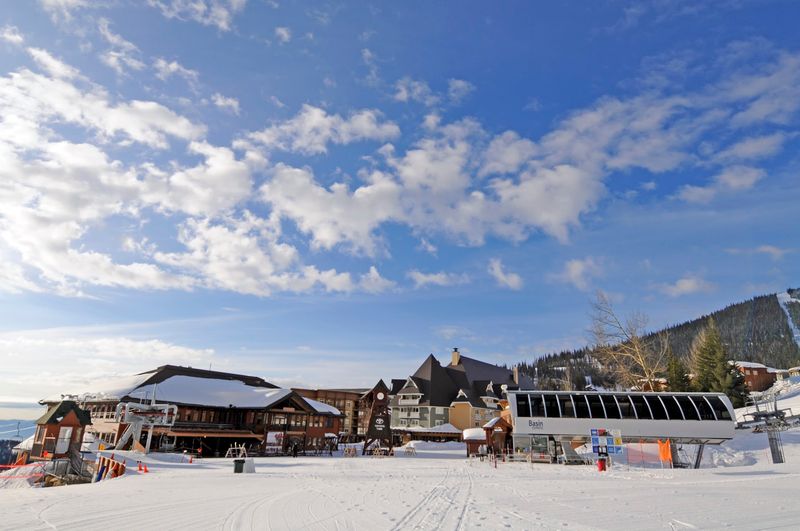
Single-day snow totals usually stay modest. State climate records for the early 1980s, however, list a few numbers that look like typos at first glance.
Benewah County in North Idaho recorded 60.0 inches in a single day on January 22, 1982. That’s five feet of snow before sunset.
Owyhee County matched that figure on May 2, 1983. Yes, May, a month when most folks have packed away their coats and started planting gardens.
Gem County added its own headline. A one-day total of 32.0 inches landed there on February 26, 1983.
Boise didn’t escape the action either. The city picked up 32.5 inches of snow during the 1981-1982 season.
Put those events together and you get a stretch of winters that kept Idaho on its toes. North, southwest, and central parts of the state all took a turn.
Deep, sudden dumps like these are tough to manage. Plows can’t clear five feet overnight, so drifts would have lingered on back roads and ranch lanes.
Those years show how unpredictable Idaho weather can be. One spring storm in Owyhee County proved winter doesn’t always check the calendar before showing up.