Something Is Happening At One Of North Carolina’s Favorite Summer Escapes And People Are Starting To Ask Questions
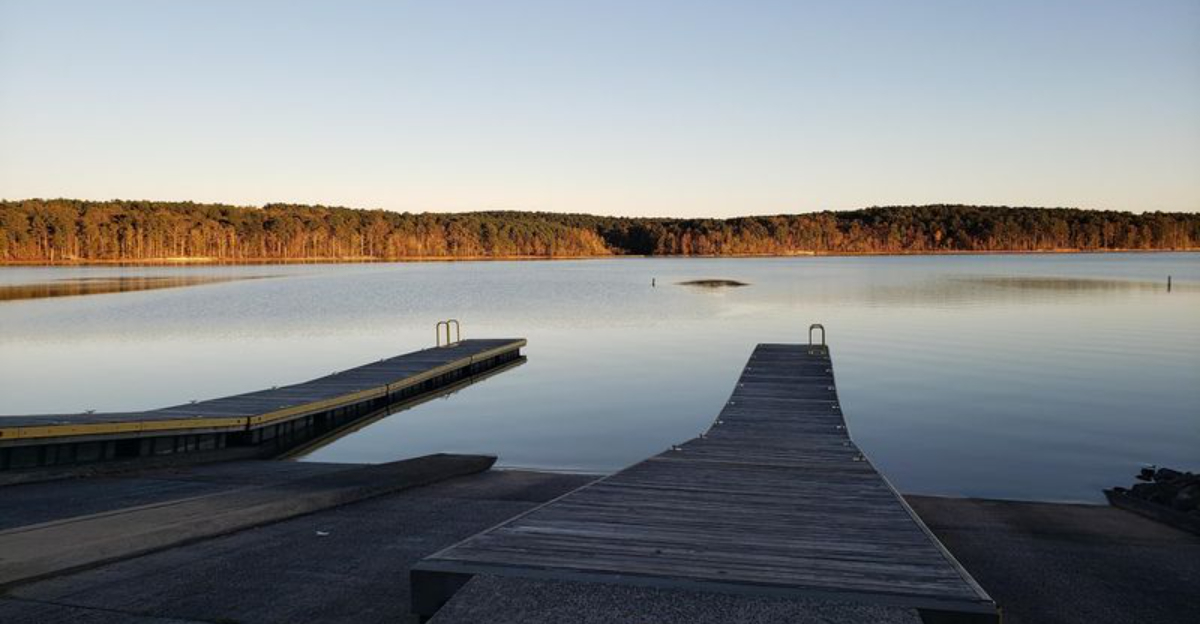
Something feels a little off at one of North Carolina’s favorite summer lakes this year. People who come back often are noticing it first.
A spot that usually feels familiar suddenly has a few surprises. One area is closed.
Another looks different. Construction has changed part of the routine, and regular visitors are starting to wonder what exactly is happening. Nothing dramatic is taking the whole place away.
The lake is still open and summer trips are still very much possible. But 2026 comes with a few changes that are worth knowing about before you pack the car and head out.
That is really what this is about. Not panic. Not rumors.
Just knowing what has changed so you do not arrive expecting the exact same day you had last summer.
Because nobody wants their relaxing lake trip to begin with, “Wait… why is this closed?”
See Why Regular Visitors Are Paying Closer Attention This Summer
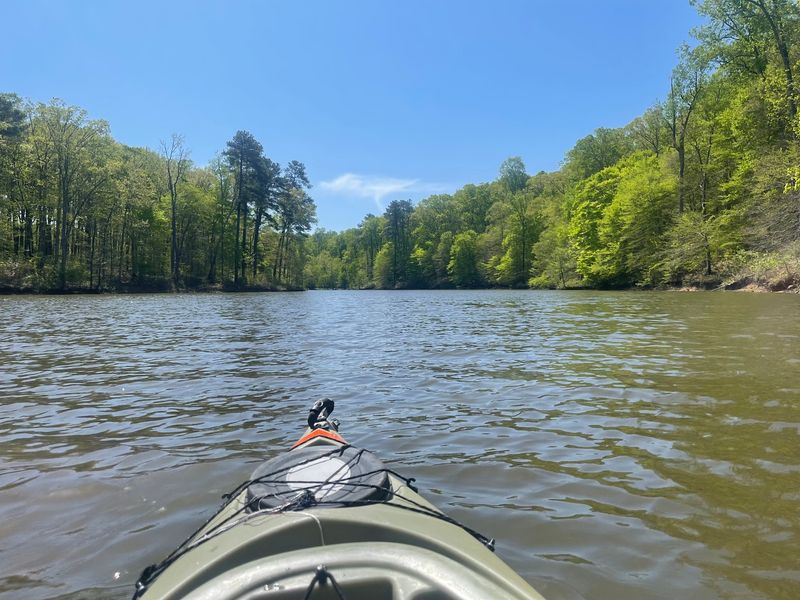
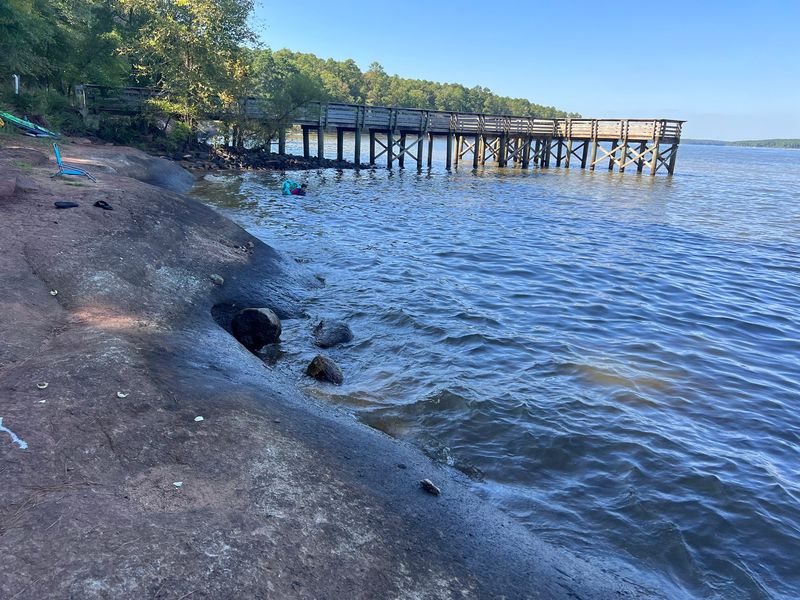
Anyone who visited repeatedly through spring and early summer had an unusually visible reason to pay attention. Dry conditions pulled Falls Lake down enough to expose shoreline, change familiar views, and make the region’s water supply a regular topic of conversation.
By late June, Raleigh’s water-supply portion of the reservoir had dropped to about 64 percent. July rainfall then reversed much of that slide.
By August 3, the supply pool had recovered to 84 percent, allowing Raleigh to lift the Stage 1 restrictions that had been in effect since April. That is a meaningful improvement, although city officials continue encouraging careful water use because the reservoir is not completely full.
The lake itself covers roughly 12,400 acres and stretches about 28 miles, so changing levels can look dramatically different depending on where you visit. Recreation has not disappeared during this period.
State Parks currently lists hiking, paddling, swimming, fishing, and other activities as available, with most access areas operating normally. A major drought happened.
Rain brought significant relief. Construction is reshaping part of the recreation area.
At the same time, a much older water-quality discussion is moving through another important regulatory chapter.
You May Notice Changes Before You Even Reach The Water
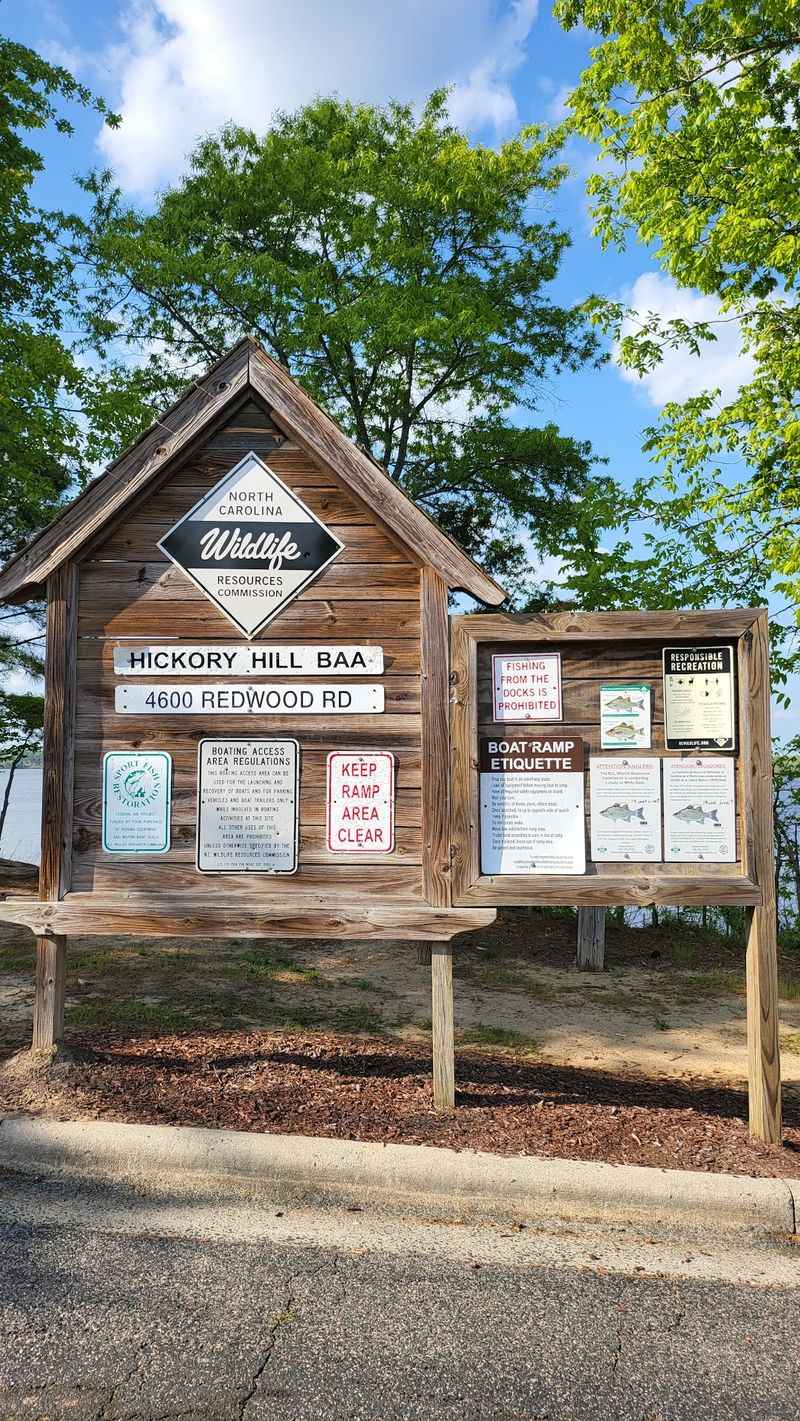
Orange construction signs may be the first clue that this summer is different. Holly Point Campground is currently closed while Falls Lake State Recreation Area completes upgrades to its wastewater systems.
The project is aimed at aging infrastructure rather than any broader shutdown of the lake. Loops 2, 3, and 4 are scheduled to reopen by November 16, 2026, while loops 1 and 5 remain listed as closed for construction.
Beaverdam is open under its normal schedule, although its regular bathrooms are temporarily closed and portable toilets are being provided. Other restroom or facility closures may shift as work moves through different parts of the park.
That makes checking the current park alert before leaving home especially useful this year. Most visitors still have plenty of alternatives.
Rolling View offers a swim beach, boat ramp, camping, and fishing access. Sandling has a seasonal swimming beach and picnic areas, while Highway 50 provides year-round boat-ramp access.
The visitor center remains at 13304 Creedmoor Road in Wake Forest for anyone needing current guidance. This construction may look disruptive when you first encounter it, but it does not mean Falls Lake State Recreation Area has broadly closed.
State Parks specifically says all areas other than Holly Point are operating under their normal schedules, subject to individual facility work. A little preparation can keep a summer outing from being redirected by a closed campground loop or temporary restroom setup.
Find Out What Could Affect Future Days On The Lake
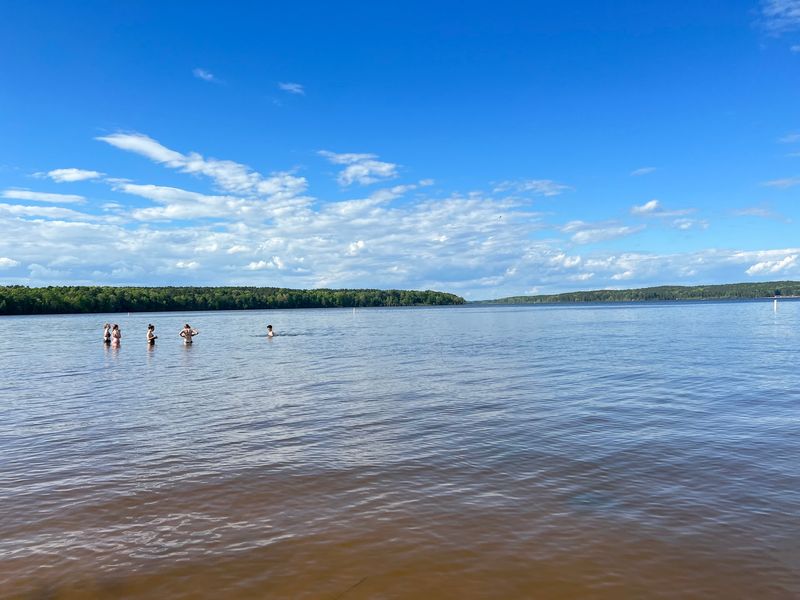
Water levels grabbed attention this summer, but they are only one part of the long-term story. Falls Lake has also been managed for nutrient-related water-quality concerns for years.
The state says the reservoir has exceeded North Carolina’s chlorophyll-a standard since 2008. That standard is used to measure the effects of excessive nutrients and algal growth in the lake.
Nitrogen and phosphorus can enter the watershed from several sources, including wastewater, runoff from developed areas, and agriculture.
North Carolina responded with the Falls Lake Nutrient Management Strategy in 2011, establishing reduction requirements aimed at improving water quality.
State Parks continues to list swimming among current recreation activities, and the park does not presently show a lake-wide swimming closure. Visitors should instead follow any specific park advisories that are posted for the access area they plan to use.
Water quantity can change much faster. Earlier this summer, extended drought pushed Raleigh’s supply pool sharply lower before heavy rainfall produced a substantial rebound.
The pool reached 84 percent by early August, and water restrictions ended August 3. That quick swing demonstrates why one photograph of an exposed shoreline cannot predict the rest of the season.
For future trips, current park alerts and Raleigh’s reservoir updates are much more useful than assuming conditions still look the way they did several weeks earlier.
Look At Why This Popular Escape Matters To So Many Communities
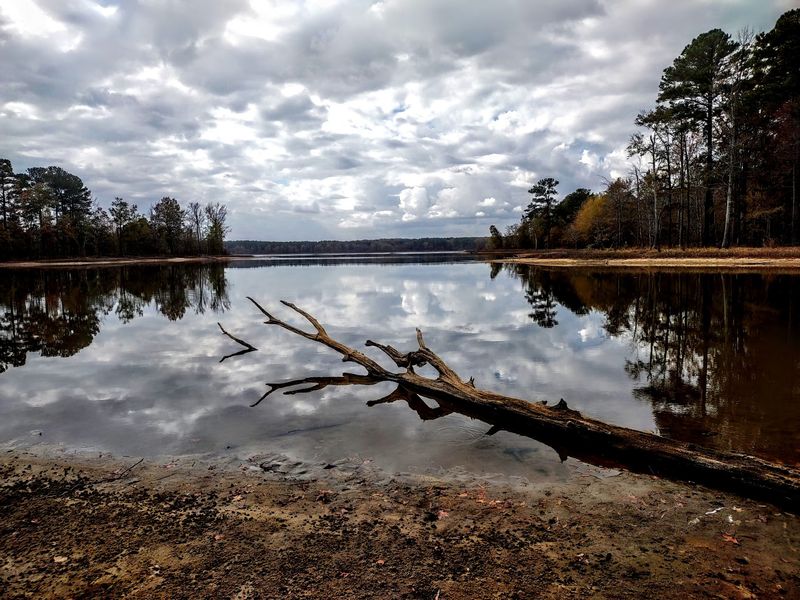
A weekend on the beach reveals only one job this reservoir performs. Falls Lake was built by the U.S.
Army Corps of Engineers and completed in 1981 to support flood control, water supply, downstream water quality, recreation, and wildlife habitat. It now covers roughly 12,410 acres and carries about 175 miles of shoreline through Wake, Durham, and Granville counties.
Its watershed reaches much farther, covering roughly 770 square miles across portions of Orange, Person, Durham, Granville, Wake, and Franklin counties.
More than half a million people receive drinking water connected to the reservoir, making decisions upstream relevant far beyond the picnic areas and boat ramps.
Raleigh relies on Falls Lake for most of its drinking water, with water treated at the E.M. Johnson Water Treatment Plant before heading into the regional system.
Recreation adds another enormous layer. Falls Lake State Recreation Area currently lists about 25 miles of hiking trails, 14 miles of biking trails, swimming areas, boat ramps, fishing, paddling, camping, and picnic facilities.
That combination explains why changing conditions get noticed so quickly. An exposed shoreline matters to boaters.
A campground closure matters to families. Water-supply levels matter to communities using the reservoir every day.
Nutrient management matters to the entire watershed. Falls Lake is not merely a summer attraction with unusually pretty coves.
It is a working regional resource that happens to double as one of the Triangle’s easiest outdoor escapes.
Understand The Debate Happening Beyond The Beaches And Boat Ramps
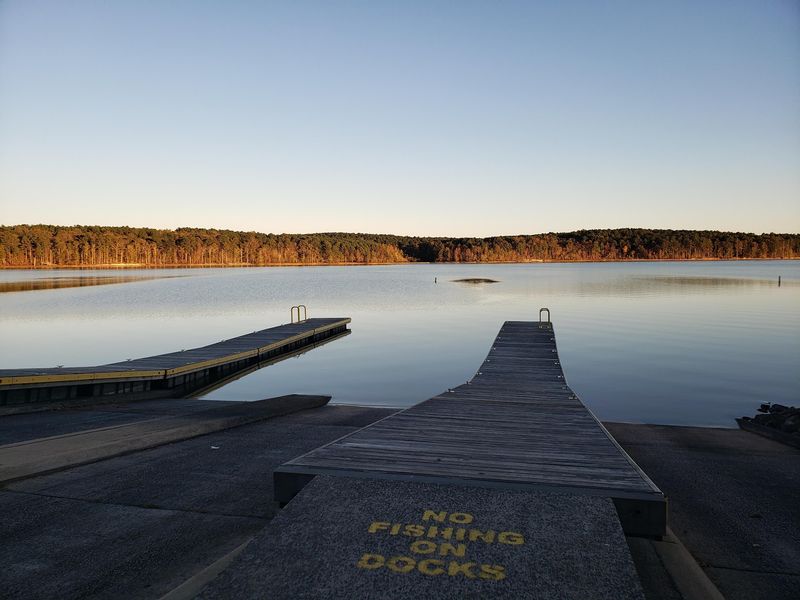
The most consequential changes are happening in documents rather than on the shoreline. North Carolina adopted the Falls Lake Rules in 2011 to reduce nitrogen and phosphorus entering the reservoir from major sources throughout the watershed.
The original strategy called for substantial nutrient reductions and divided implementation into stages. Since then, researchers and local governments have collected years of additional data, built updated watershed and lake models, and reconsidered how the strategy should work going forward.
The Upper Neuse River Basin Association spent more than a decade studying the reservoir and submitted recommendations for a revised strategy in November 2023. Its members argue that newer science and changed watershed conditions should inform the next version of the rules.
The state’s Division of Water Resources is now working through the formal readoption process. Drafts of several updated provisions were already circulating among watershed communities in early 2026, so this is an active process rather than a distant proposal.
The central challenge is deciding how best to continue improving water quality while dealing with runoff from development, wastewater, existing built areas, agriculture, and other nutrient sources. Visitors do not need to understand every regulatory detail before packing a kayak.
Still, those decisions influence projects throughout the watershed and ultimately affect the reservoir people come here to enjoy. The summer scenery may look peaceful, but plenty of technical work is happening behind it.
See How Recreation And Water Needs Are Starting To Collide
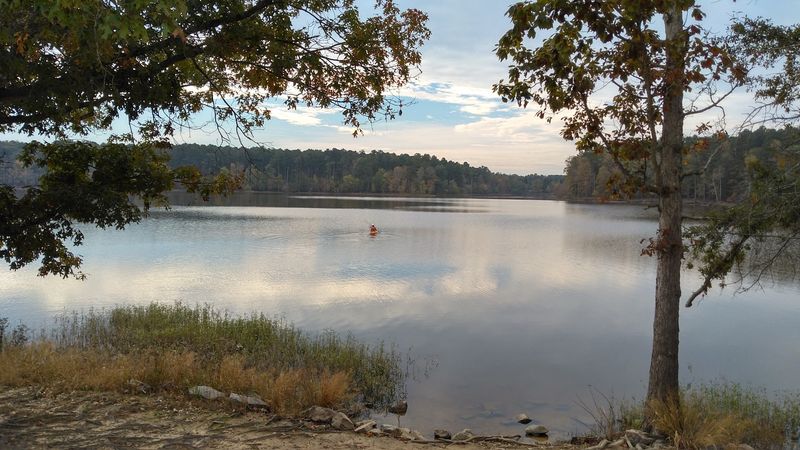
One reservoir can have a crowded swimming beach and still be somebody else’s drinking-water source at the same moment. That overlap became especially obvious during the 2026 drought.
As water levels fell, recreational visitors encountered more exposed shoreline while Raleigh watched the percentage remaining in its designated water-supply pool. City officials stress that the visible lake level and the available drinking-water supply are not exactly the same measurement.
A reservoir is specifically designed to hold water through dry periods, and shallow shorelines can recede before a water system approaches its most serious supply thresholds.
Heavy July rainfall eventually pushed the supply pool back to 84 percent, enough for Raleigh to lift Stage 1 restrictions on August 3.
Recreation continues across most of Falls Lake at the same time. Swimming beaches, paddling areas, fishing spots, hiking trails, and boat ramps remain part of the current park operation.
Water-quality management adds another responsibility. Nutrients carried into the reservoir can contribute to excessive algal growth, which is why North Carolina regulates inputs from development, wastewater, agriculture, and other sources.
These uses are connected rather than competing in a simple winner-takes-all contest. Protecting the watershed supports drinking water and recreation together.
Maintaining lake infrastructure helps keep public access functioning. Managing drought protects supplies while the reservoir remains usable.
A visitor may only see a boat ramp and a favorite cove, but keeping both available requires a much bigger system working behind the scenes.
Consider What The Next Few Years Could Mean For Your Favorite Spots
Some of the most interesting experiments around Falls Lake may never resemble a traditional lake-improvement project. Durham is currently evaluating an algal floway designed to remove nitrogen and phosphorus from water in the watershed.
The concept pumps nutrient-rich water across a bed where algae absorb excess nutrients before cleaner water returns to the system. Site selection began in summer 2025 with 31 potential locations.
That list was narrowed to nine for closer study, and a site along Ellerbe Creek near Hamlin Road became the leading location for additional analysis. Alternatives near Lake Michie and Little River Reservoir are also being studied.
The project remained in site evaluation during summer 2026, including a public information session held July 16.
At the same time, the state continues working through the Falls Lake Rules readoption process using updated scientific studies, modeling, and recommendations submitted by watershed organizations.
Recreation infrastructure is changing on a much shorter timeline. Holly Point’s wastewater-system work is affecting camping now, with several loops scheduled to reopen in November.
For summer visitors, none of this means the familiar beaches or boat ramps are about to disappear. It means Falls Lake is receiving investment and scrutiny on several fronts at once.
Some projects are about toilets and wastewater systems. Others involve runoff miles upstream.
Those less-visible changes could ultimately have as much influence on future lake days as anything happening directly beside the water.
Leave Knowing Why Falls Lake’s Future Is Suddenly Getting More Attention
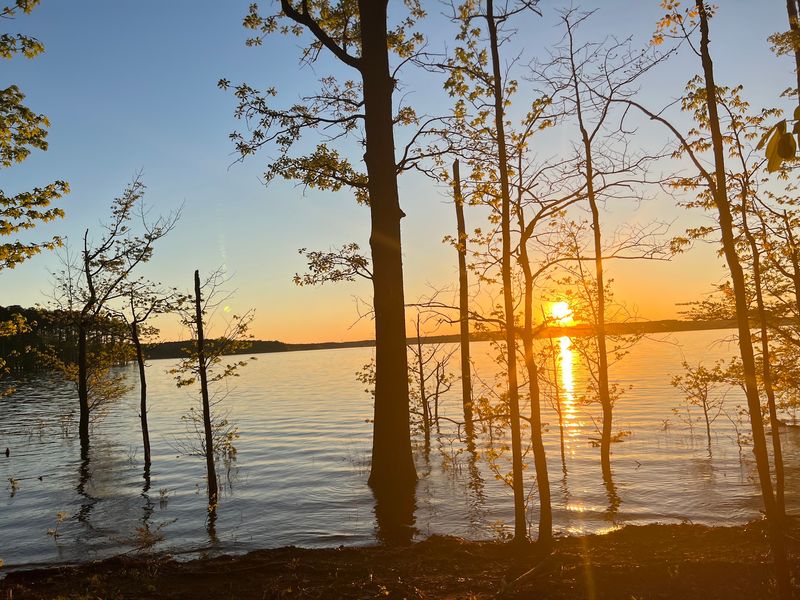
The picture looks much clearer once the separate headlines are put together. Earlier in 2026, drought conditions pulled the reservoir low enough to trigger water-use restrictions and make exposed shoreline unusually noticeable.
Then July rainfall brought a substantial recovery, with Raleigh’s water-supply pool returning to 84 percent and Stage 1 restrictions ending August 3. At the recreation area, Holly Point remains closed for a wastewater-system upgrade while most other access areas continue operating normally.
Behind both stories sits a much longer discussion about nutrient management. State regulators are reexamining rules first adopted in 2011, researchers have produced updated models and studies, and watershed communities are proposing new approaches for protecting the reservoir.
None of that supports treating Falls Lake as a summer destination visitors suddenly need to avoid. The current State Parks information still shows swimming, boating, fishing, hiking, and other recreation continuing around the 12,000-acre reservoir.
What has changed is how visible the lake’s multiple roles have become. A dry spring made its water-supply function impossible to overlook.
Construction highlighted the infrastructure required to support millions of annual outdoor experiences. The ongoing nutrient discussion reminds visitors that water quality depends on what happens throughout a much larger watershed.
Falls Lake is still a place to spend a sunny afternoon. This summer simply offers more reasons to understand what keeps that afternoon possible.