14 South Carolina Collectibles Taking Off Faster Than Expected
Collecting trends rarely move slowly, and right now, certain South Carolina collectibles are gaining attention at an impressive pace.
Items once overlooked or casually collected are suddenly becoming sought-after, with demand climbing as more people recognize their value, history, and uniqueness.
The shift is largely driven by nostalgia, but also regional pride, and a growing interest in pieces with real stories behind them.
Some are tied to local craftsmanship, while others reflect the state’s role in music, sports, and everyday life.
What makes this surge especially interesting is how broad it is! Longtime collectors are reevaluating items they already own, while new enthusiasts are entering the market with fresh curiosity.
Word spreads quickly once demand picks up, and prices tend to follow!
If you’re curious about what’s in demand or want to understand where the collecting world is heading, check out this list!
It will give you a clear snapshot of what’s rising and why it’s grabbed so many collectors’ attention!
1. Sweetgrass Baskets From The Lowcountry

Sweetgrass baskets are the heartbeat collectible of the Lowcountry, a Gullah tradition that blends artistry with utility.
You see the coils, the palmetto stitching, the gentle hues that shift from wheat to honey, and you instantly feel the lineage.
Prices have climbed as buyers learn the names of master weavers and recognize the rarity of older patterns and tight, symmetrical forms.
Charleston City Market and Mount Pleasant stands are reliable!
Still, curated showcases like the South Carolina Artisans Center in Walterboro help you gauge quality.
Some museum grade pieces reach four figures, with especially intricate handles and lidded forms driving demand.
Care matters for value!
Keep the baskets away from prolonged moisture and harsh direct sun, and gently dust with a soft brush.
Pair a contemporary work from a recognized weaver with a vintage piece to see how designs evolved, then document provenance with photos and receipts.
You will notice certain motifs rise fast in price, including heart shaped trays and tight weave bread baskets.
Acquire with patience, learn the weavers’ signatures, and you will feel the market moving upward under your hands!
2. University Of South Carolina Gamecocks Memorabilia

College pride sells, and Gamecocks memorabilia is proof.
Autographed jerseys, signed photographs, limited posters, and framed stadium collages have been gaining traction with alumni and fans.
You see strong demand for authenticated signatures of star players and coaches, with photo matched pieces and numbered editions climbing without much hesitation.
Retailers like Fanatics offer licensed collectibles, while secondary markets feature vintage tickets, media guides, and bowl game programs.
Early program covers with bold graphics pop in displays and tend to move quickly when condition is excellent.
Look for PSA or Beckett authentication on signatures, and watch for smudged ink or creases that can dent value.
What makes this category hot is the crossover appeal between sports fans and design minded collectors.
A clean, framed Williams Brice Stadium panorama pairs well with modern decor and offers year round bragging rights.
If you hold for the long run, focus on limited editions, milestone game items, and notable seasons.
Keep jerseys on padded hangers or in shadow boxes that avoid fabric stress.
When you score a piece with strong provenance and official holograms, you give yourself a smoother resale path and a collectible that feels as good as a game day win.
3. Antique South Carolina Postcards
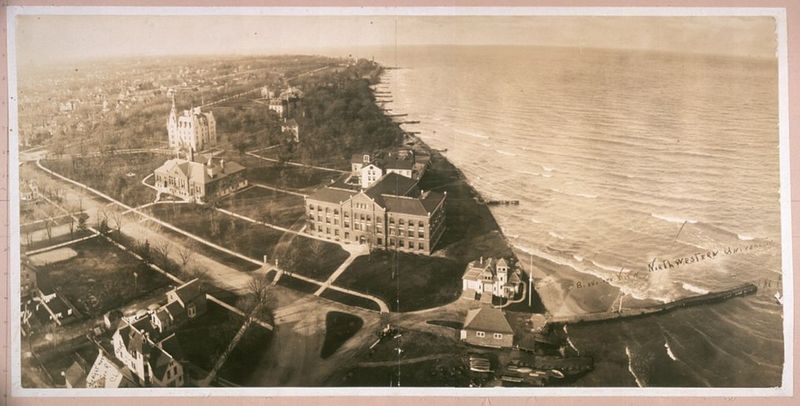
Antique postcards are tiny time machines.
You hold one and you can almost hear trolley bells along the Charleston Battery or waves curling under old Myrtle Beach piers.
Collectors love South Carolina cards for their evocative scenes, regional printing quirks, and postmarked stories that date specific eras.
Real photo postcards, known as RPPCs, are the heavy hitters, especially when they capture street scenes, disasters, or landmark openings.
Linen era cards with saturated color also perform well when corners and edges remain sharp.
Sites like Prater Collectibles help you preview selection and pricing trends while you learn to grade condition.
Town name cancellations and legible messages add charm and historical texture.
If you collect, organize by city or theme, then sleeve each card in archival protectors to preserve surface gloss.
Watch for publisher imprints and series numbers, which allow you to complete sets that appreciate together.
You can still find sleepers in antique malls, too, if you flip patiently.
When the image draws your eye and the postmark anchors time, you have a postcard that quietly outperforms its size!
4. South Carolina Dispensary Bottles

Dispensary bottles turn heads because they embody a singular chapter of South Carolina history.
These state controlled containers, often embossed with a palmetto tree, were produced in glass and stoneware across the late 1890s and early 1900s.
Surviving examples with crisp embossing and minimal staining can reach serious prices at auction.
Rarity depends on mold varieties, glass color, and condition. Aqua and clear are common, while ambers and unusual hues draw aggressive bidding.
Some commanding specimens have topped five figures when provenance, condition, and scarcity align, and collectors track variant charts to confirm exact types.
Stoneware jugs with intact handles, strong glaze, and legible maker marks carry special appeal for display cases.
Authentication hinges on seam lines, wear patterns, and known mold characteristics.
Reference guides and club forums can save you from reproductions.
You want a South Carolina piece with historical weight and unmistakable identity?
These bottles will deliver a tactile link to a storied system that still captivates researchers and collectors alike.
5. Edgefield Face Jugs And Alkaline Glaze Pottery
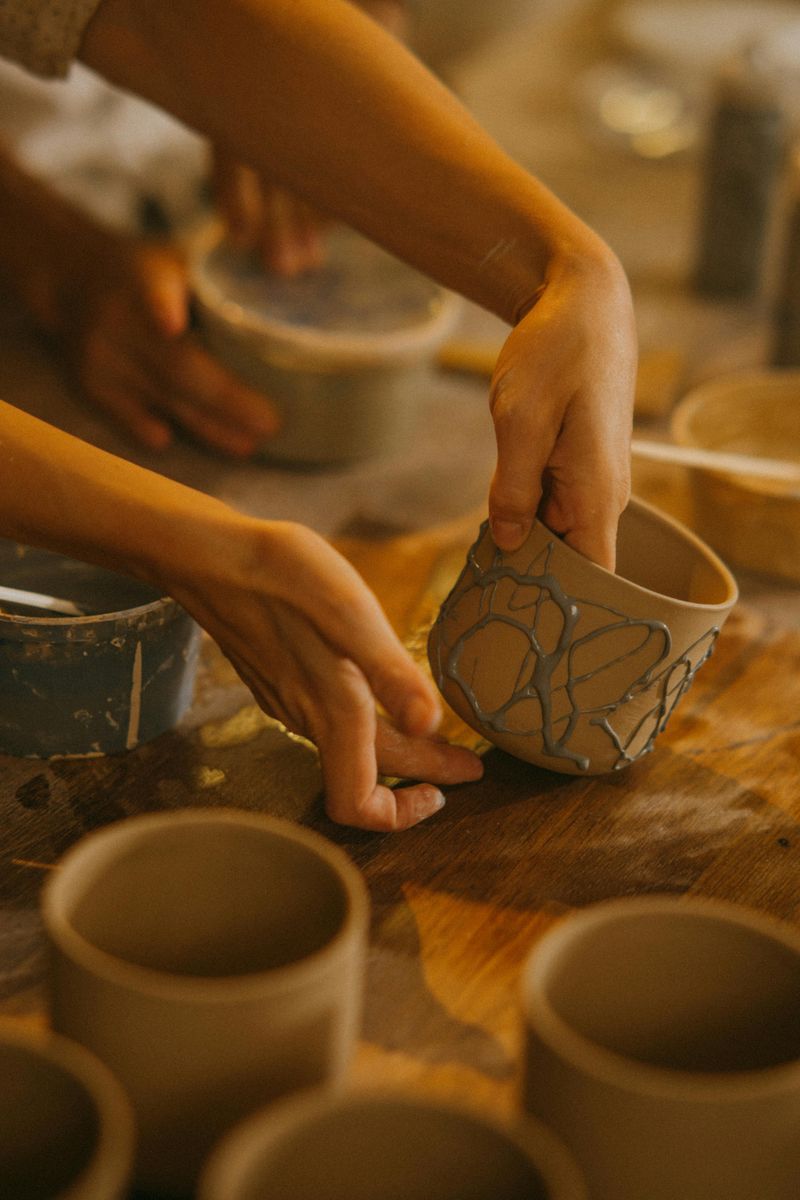
Edgefield District stoneware is foundational in American ceramics, and face jugs are the charismatic ambassadors.
Alkaline glaze shimmers from olive to brown, sometimes with runs that collectors romanticize as tear tracks.
Kaolin eyes and expressive features make each jug deeply individual, drawing attention far beyond regional boundaries.
Names like Dave the Potter resonate, and documented pieces with inscriptions or maker attributions command premium prices.
Even unmarked works gain momentum when form, glaze quality, and condition align.
Chips on lips and handles reduce value, but honest kiln kisses and minor glaze skips often add charm.
Provenance is everything in this lane.
Museum exhibitions, scholarly references, and auction records help triangulate authenticity.
You will want to photograph details under raking light to read throwing rings and tool marks that reinforce a period origin.
Store in stable humidity, pad shelves, and avoid sudden temperature shocks.
When a face jug stares back with personality, you are looking at an object that keeps surprising the market.
6. Charleston Rice Beads Jewelry
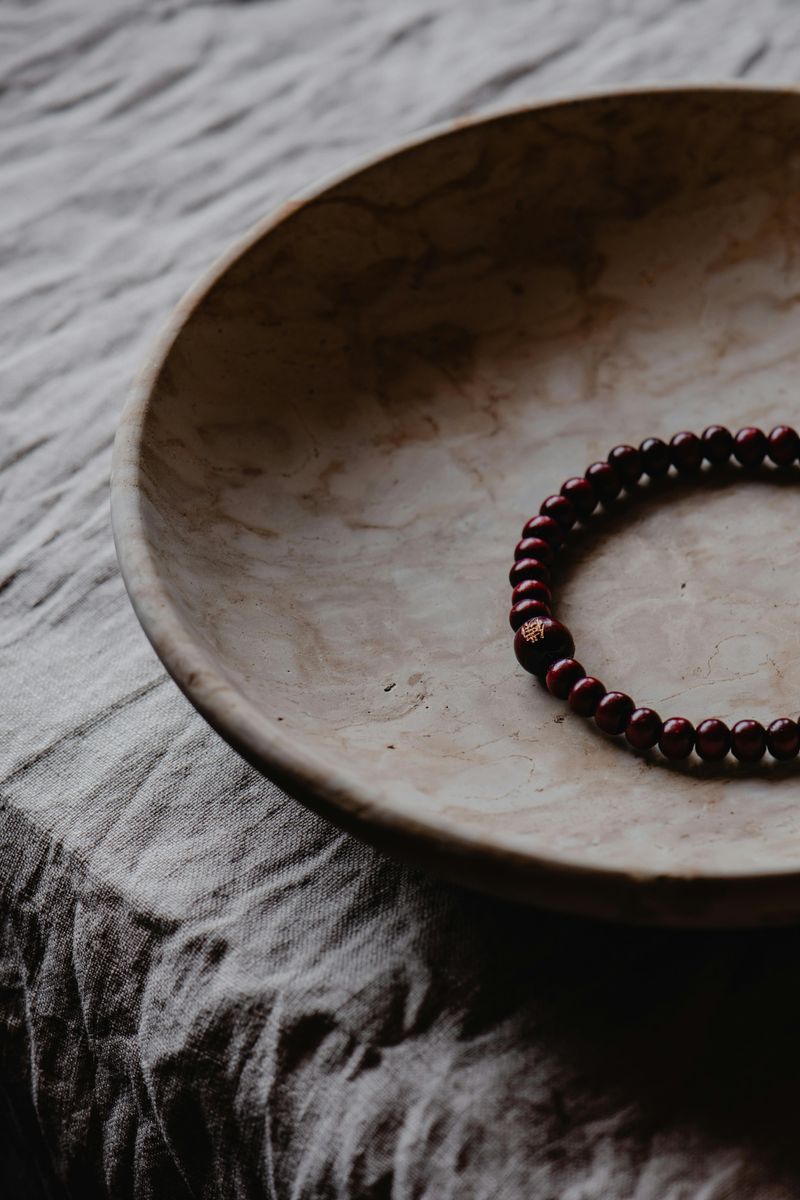
Charleston rice beads whisper Lowcountry heritage in a subtle, wearable form.
The elongated beads echo rice grains, nodding to a crop that shaped the region’s history.
You can find vintage strands in gold tone or sterling, with newer artisan variations adding color and texture.
Collectors gravitate toward early designs sold in Charleston boutiques and museum shops, especially with original tags or boxes.
Condition matters, so check clasps, plating wear, and bead alignment.
Layering several strands for display reveals slight variances in bead size that hint at different production eras.
Values are trending upward as visitors turn souvenirs into permanent collections.
Pair a vintage strand with an artist signed modern piece to build depth.
Storage is simple: keep dry, avoid harsh chemicals, and wipe gently after wear.
Provenance can be as straightforward as a shop receipt or a note about where a strand was first purchased along King Street.
When the story connects to Charleston landmarks, buyers lean in.
After all, these rice beads offer an approachable entry into South Carolina collecting with room to grow.
7. Beaufort Gullah Art And Story Quilts
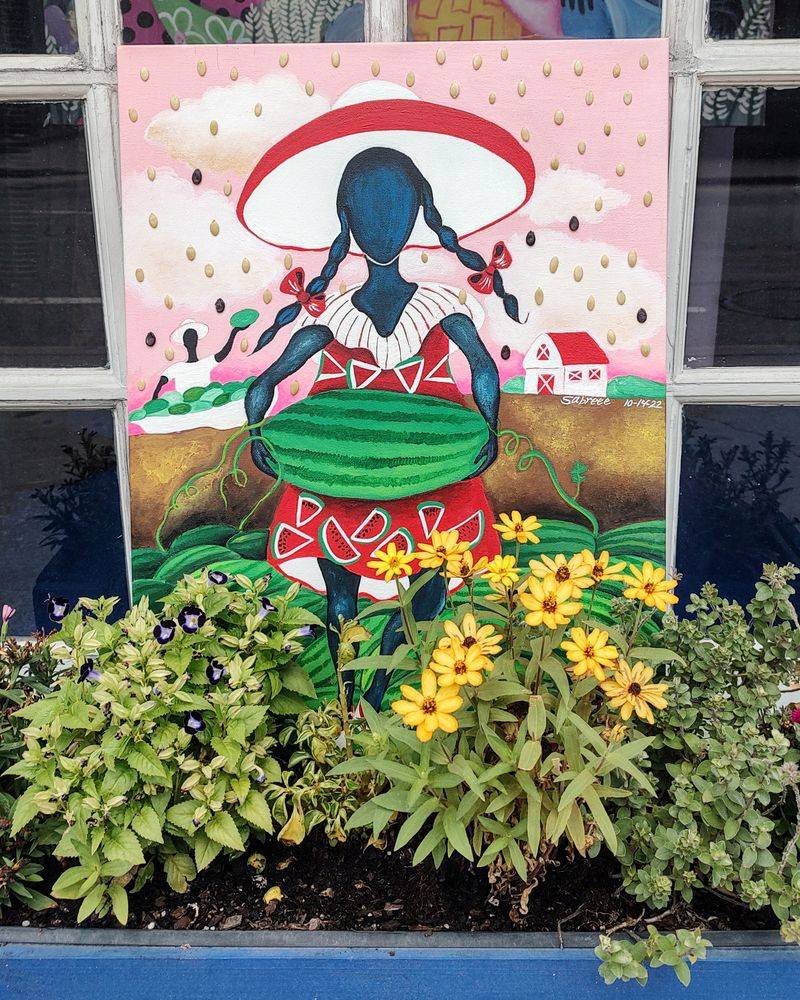
Gullah art in Beaufort carries voices, color, and rhythm that you feel across the room.
Story quilts piece together daily life, faith, and community memories in fabric appliques and hand stitching.
The narrative quality and handmade texture have drawn collectors who want works that speak and sing.
Look for named artists, dated borders, and consistent stitch work.
Quilts with documented exhibitions, gallery representation, or published features gain traction quickly.
Folk art buyers respond to authenticity and the specific stories told within each panel, from sweetgrass harvesting to praise house gatherings.
Condition is crucial, so inspect for fading, moth activity, and seam stress.
Conservation framing with UV acrylic and archival mounting helps protect fabric while allowing full visual impact.
When you acquire provenance like artist interviews or process photos, you enrich the quilt’s future value.
Local galleries and cultural centers in Beaufort and St Helena Island often showcase artists whose families have been creating for generations.
You will find that each quilt becomes a bridge between history and present day creativity.
As demand rises, the strongest narrative pieces are moving faster-
This rewards collectors who act thoughtfully and preserve the lineage with care.
8. Myrtle Beach Pavilion And Boardwalk Ephemera
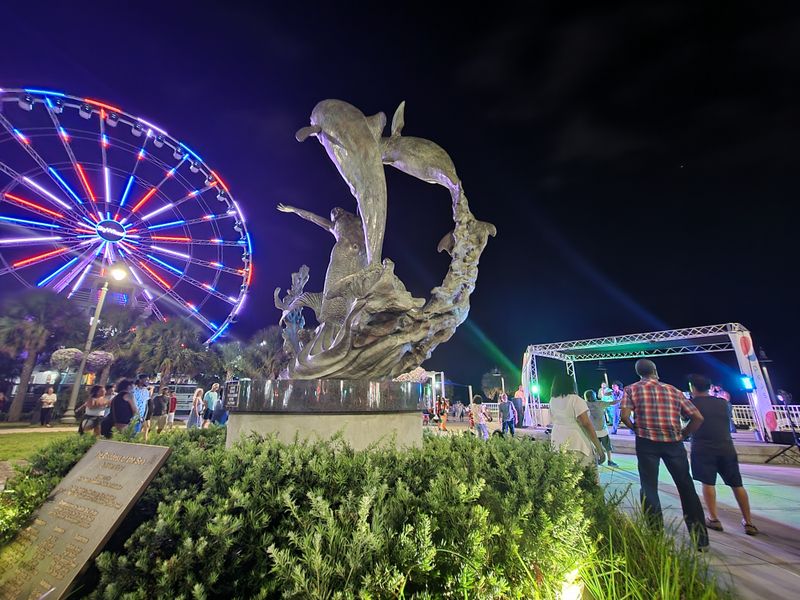
Myrtle Beach memories are going tangible as collectors snap up Pavilion era ephemera.
Old brochures, ride tickets, matchbooks, and promotional pins carry the thrill of summer nights and neon.
You can still dig up affordable lots, but pristine examples from closed attractions move fast.
Focus on items with dated graphics or specific attraction names for clarity.
Photographs with identifiable backdrops, like the Hurricane roller coaster or classic arcades, provide context that buyers prize.
Grouping items into themed sets boosts display value and makes resale easier.
Condition rules here: crisp corners, rich color, and minimal creasing elevate pieces well beyond common paper.
Archival sleeves and flat storage are essential in humid climates.
A single brochure with an early map can anchor a whole Myrtle Beach display.
As nostalgia intensifies and redevelopment changes the skyline, these pieces feel more like documentary artifacts.
Track local auctions and estate sales, where beach houses may reveal forgotten drawers of souvenirs.
When you curate ephemera with clear dates and place specific imagery, you build a collection that rides this wave of demand.
9. South Carolina Indigo Revival Textiles

Indigo built fortunes in colonial South Carolina, and the dye’s revival is sparking collectible textiles today.
You will find hand dyed scarves, small quilts, and wall hangings that celebrate natural indigo vats and shibori techniques.
The most sought pieces show layered blues with crisp resist patterns and clear maker marks.
Studios around Charleston and the Sea Islands host workshops, creating limited runs that disappear quickly.
Documentation of dye recipes, vat notes, and fiber sources adds a studio provenance that collectors appreciate.
Pieces with lightfast dyes and even penetration hold color better under display lighting.
Care is simple but precise.
Keep textiles out of direct sun, use acid free tissue, and avoid over folding that can crease fibers.
If you gather several works from the same maker over time, you can trace stylistic growth and present a cohesive narrative.
When you can point to a process rooted in regional history, buyers connect emotionally.
Indigo textiles deliver that link, and the best examples are becoming signature statements in modern Southern interiors.
10. Historic Charleston Ironwork Fragments And Replicas

Charleston’s wrought iron language is unmistakable, and fragments or faithful replicas are quietly ascending.
Original pieces with verified removal histories are rare and require impeccable documentation.
More accessible are artisan made replicas that follow historic patterns and showcase traditional hammer and scroll techniques.
Collectors display small gate sections, transom grilles, and balcony motifs as sculptural wall art.
Weight, forge marks, and riveted joins tell the story of hand work.
If you buy vintage fragments, verify legal provenance to avoid material sourced from protected structures.
Maintenance is part art, part science.
Light conservation cleaning, microcrystalline wax, and dry environments resist corrosion while preserving patina.
Over restoring to shiny finishes can hurt market appeal, as collectors now favor honest age.
When a pattern throws shadows like lace across brick, you feel Charleston’s streetscape indoors.
Commissioning a local smith for a custom piece with documented methods can build future pedigree.
The key is authenticity in form and process, which buyers recognize on sight.
11. Civil War Era Hilton Head And Charleston Relics
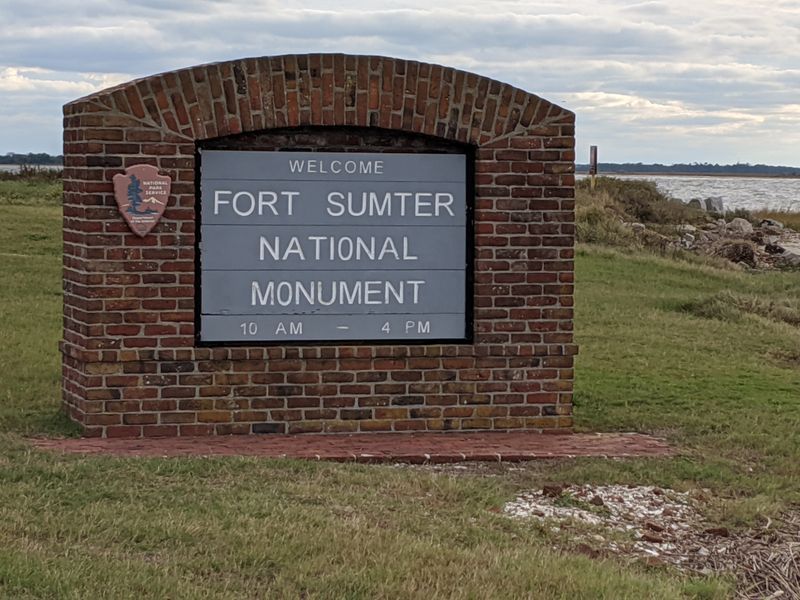
Civil War relics tied to Hilton Head and Charleston campaigns continue to attract dedicated collectors.
Uniform buttons, belt plates, bullets, and maps with local unit references are the backbone.
You should pursue items with verifiable recovery notes and clear regimental associations for enduring value.
Documentation is paramount!
Provenience records, old dig site logs, and reputable dealer COAs protect both history and investment.
Clean minimally to avoid damaging original surfaces or patinas that help with identification.
Museum style displays elevate relatively small artifacts.
Use inert mounts, label units and dates, and keep humidity stable.
A button with a crisp state seal or an officer’s insignia can anchor a South Carolina focused case.
Ethical collecting matters, so follow laws regarding battlefield sites and private land permissions.
Auction catalogs and reference books help distinguish genuine pieces from reproductions.
12. Hurricane Hugo Photographs And Newspapers (1989)

Hurricane Hugo reshaped South Carolina in 1989, and primary source material is finding a serious collector base.
Original newspapers with intact front pages, storm track maps, and on scene photographs tell the story with stark immediacy.
Complete editions in excellent condition are increasingly scarce.
Assemble sets that cover landfall through recovery weeks to present a full narrative.
Local papers from Charleston and coastal towns offer powerful hyperlocal context.
For photographs, look for photographer credits, date stamps, and untrimmed borders.
Archival storage is non-negotiable!
Use acid free folders, buffered boxes, and interleaving sheets to limit ink offset.
Display with UV acrylic and rotate periodically to protect from light damage.
Collectors value clarity, chronology, and regional specificity.
A carefully curated Hugo collection resonates with historians, educators, and residents who lived it.
When your materials capture both the shock and the resilience, you hold a collection that keeps rising in relevance.
13. Sea Islands Sweet Potatoes Advertising Crates And Labels

Vintage produce crate labels are miniature billboards, and Sea Islands sweet potato designs glow with saturated color.
You will see classic typography, cheerful mascots, and idyllic farm scenes that pop in frames.
Original unused labels command the best prices, especially with sharp corners and pristine gloss.
South Carolina agricultural history gives these labels local pride and crossover appeal in kitchen and restaurant decor.
Pair a trio of labels with a reclaimed wood frame to heighten vintage charm.
Old wooden crates with intact stenciling bring texture and three dimensional interest to displays.
Authentication comes down to paper type, printing method, and aging patterns.
Beware modern reprints on glossy stock without period appropriate back printing.
Keep labels in mylar sleeves and store flat to prevent edge curl.
As collectors chase regional branding artifacts, standout graphics move first.
Search estate sales with farm ties and check ephemera dealers who specialize in agriculture!
14. Spartanburg Mill Town Textiles And Maker Tags
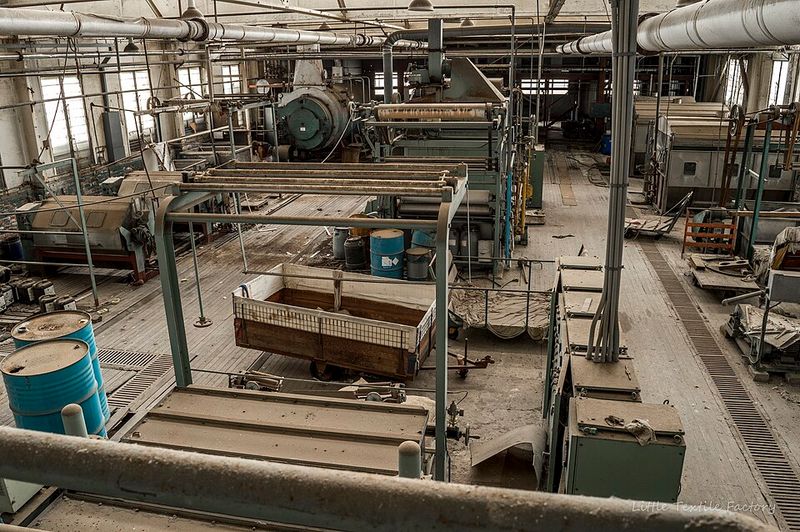
Spartanburg’s mill history is woven into collectible textiles and ephemera.
Maker tags, sample swatches, and loom cards recount the era when Upstate mills thrummed day and night.
You can build a tactile archive that shows patterns, fibers, and the branding language of local manufacturers.
Seek intact sample books and labeled bundles that trace product lines across seasons.
Mill badges, pay envelopes, and union materials add human context and broaden appeal.
Condition matters, so favor clean textiles free of mildew and heavy staining.
These artifacts display beautifully in shadow boxes and on industrial shelving.
Combine spools, tags, and a documentary photo to create a story vignette.
If you catalog each item with mill name and date range, your collection becomes more than decor.
Local history museums and former workers’ families can be invaluable sources.
As regional identity becomes a collecting focus, Spartanburg material has clearer paths to appreciation.
The more complete your documentation, the stronger the long term value trends.