11 South Carolina Communities Where Gullah Geechee Food Carries Stories Beyond Any Menu
Nobody warned me that a plate of rice and red peas could make me emotional.
I pulled off Highway 17 in South Carolina on a whim, walked into a screen-door diner that smelled like woodsmoke and something I had no name for, and sat down for what became one of the most unexpectedly moving meals of my life.
The woman who brought my food had a last name tied to this land for eleven generations. She did not just cook the dish.
She inherited it. Gullah Geechee cuisine runs deep in the soul of South Carolina, a living record of West and Central African ancestors who survived the unsurvivable and built a food culture the whole state still eats from.
Each community on this list carries that story forward, one spoonful at a time.
1. Bertha’s Kitchen
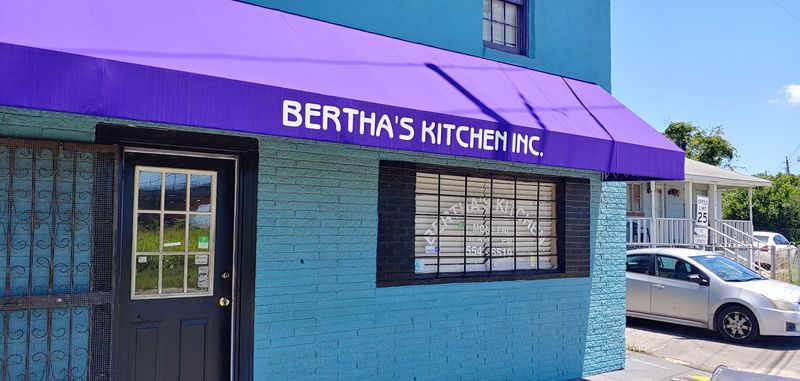
Few restaurants in the country have earned their reputation as quietly and as honestly as this one. Bertha’s Kitchen, at 2332 Meeting St Rd in North Charleston, won the James Beard America’s Classics Award, which is one of the most respected honors in American food.
That award did not change a single thing about the place, and that is the whole point.
Albertha Grant opened this spot in 1979, and the food still tastes like it comes from someone’s grandmother’s kitchen because it does. Fried chicken, red rice, okra soup, lima beans, and stewed chicken neck with gizzards arrive in Styrofoam clamshells.
There is nothing fancy about the packaging, and there does not need to be.
Every dish on the menu is a direct line to Gullah Geechee cooking traditions. Red rice traces back to West African jollof rice.
Okra soup carries centuries of culinary memory in every spoonful. The stewed neck and gizzards are the kind of dish that reminds you food was never about waste, it was about resourcefulness and flavor.
Order everything. Eat slowly. You will not regret it.
2. Hannibal’s Kitchen
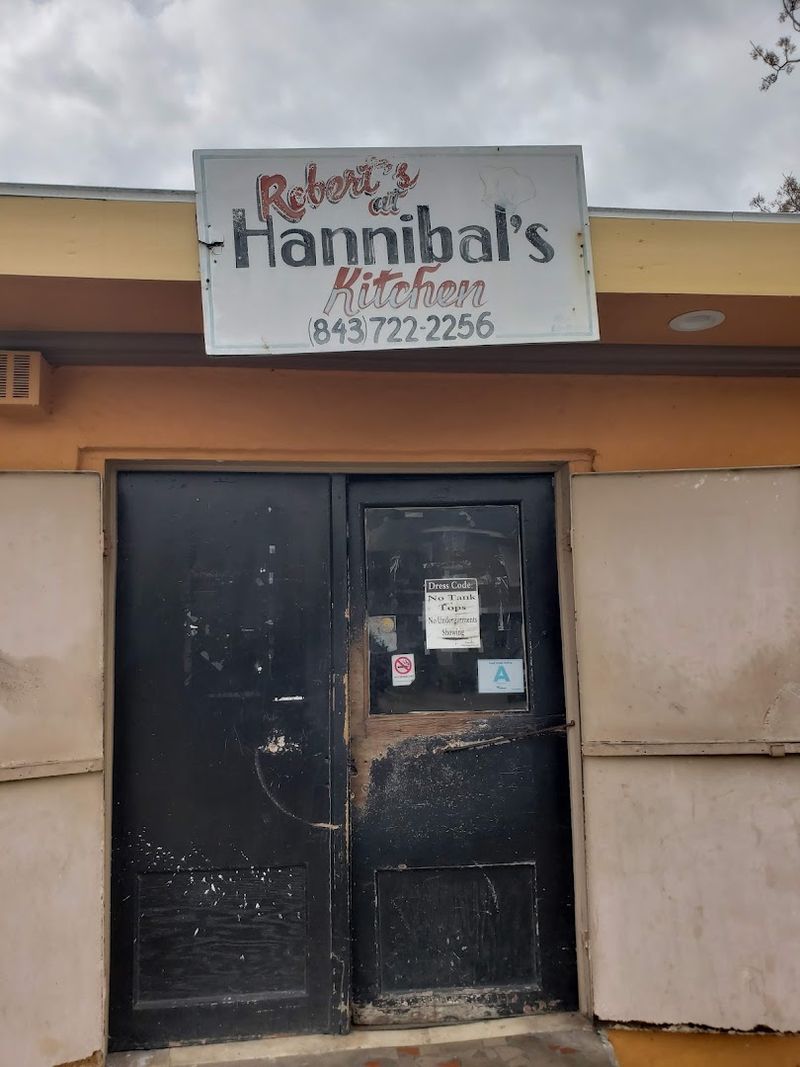
Hannibal’s Kitchen, at 16 Blake St on Charleston’s East Side, has been feeding this community since 1985. That kind of loyalty is earned one bowl of crab rice at a time.
Still run by the Huger family, this place received a $50,000 historic preservation grant in 2024. That money matters because Hannibal’s is not just a restaurant.
It is a neighborhood institution that holds cultural memory the way a library holds books, except the stories here smell a lot better.
The crab rice is the dish that keeps people coming back. Rich, savory, and deeply seasoned, it represents one of the clearest expressions of Gullah Geechee cooking you will find anywhere.
The okra soup and fried whiting round out a menu that has barely changed in nearly four decades. Some things do not need updating.
Nearly 40 years of feeding Charleston’s East Side is not a business story. It is a community story, and every plate served here adds another chapter worth reading.
3. Gullah Grub Restaurant
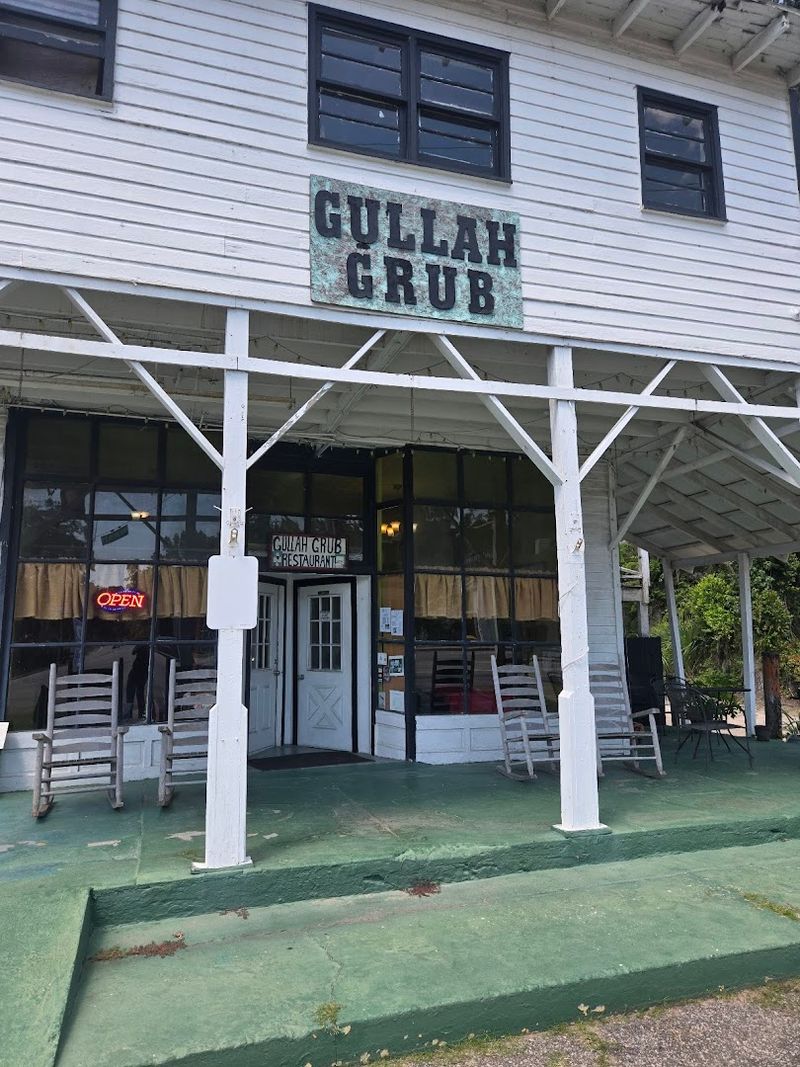
St. Helena Island carries more Gullah Geechee history per square mile than almost anywhere else on the coast, and Chef Bill Green has been cooking that history into every pot for over 15 years. His restaurant, Gullah Grub, sits at 877 Sea Island Pkwy, right in the cultural heart of the Sea Islands.
In 2007, Anthony Bourdain sat down with Bill on the Travel Channel’s No Reservations and shared a Frogmore Stew that reportedly stopped the conversation cold. Frogmore Stew, also called Lowcountry Boil, combines shrimp, corn, sausage, and potatoes in one communal pot.
It is the kind of dish that makes strangers feel like family.
What makes Gullah Grub especially worth your time is the philosophy behind it. The menu changes with the seasons, which is not a trendy farm-to-table marketing choice but a core Gullah principle rooted in generations of cooking with what the land and water provide.
Bill also educates visitors about the history behind each dish, which turns a meal into something closer to a living classroom. Near the Penn Center, one of the most historically significant sites in the region, this restaurant earns every visitor it gets.
4. Ravenel Fresh Seafood
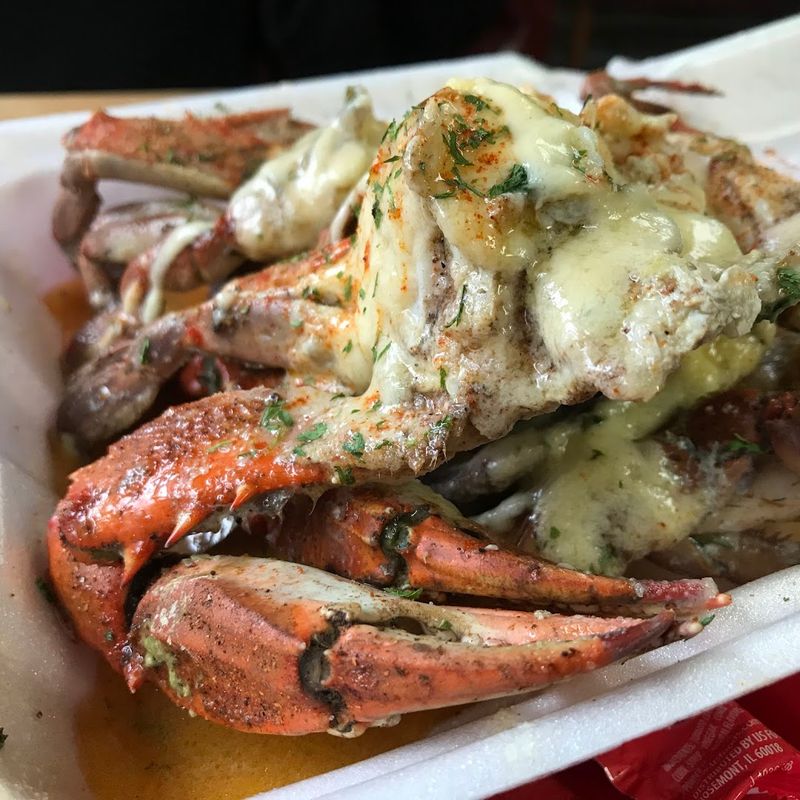
Bon Appetit once called the garlic crabs here among the most satisfying road snacks in the country, and after one visit you will understand exactly what they meant. Ravenel Fresh Seafood, at 5925 Savannah Hwy, is a squat roadside building painted with fishing scenes.
It looks precisely like what it is, which is part of why it works.
The Gullah-style garlic crabs are messy, fragrant, and absolutely worth the paper towels. You eat them at outdoor picnic tables along the tree-lined Gullah Geechee Corridor just outside Charleston, which adds a layer of atmosphere that no indoor dining room could replicate.
The humidity, the live oaks, the smell of the marsh nearby, it all belongs to the meal.
The area around Ravenel sits within the Gullah Geechee Cultural Heritage Corridor, established by Congress in 2006 to protect and celebrate this culture from North Carolina to Florida. Stopping here feels less like a detour and more like an essential part of understanding the region.
Garlic crabs prepared in the Gullah tradition carry a flavor profile shaped by generations of coastal cooks who knew exactly what they were doing. Bring napkins.
Bring friends. Leave the fancy clothes at home.
5. My Three Sons Of Charleston
Forty years in the restaurant business is not a resume line, it is a life’s work.
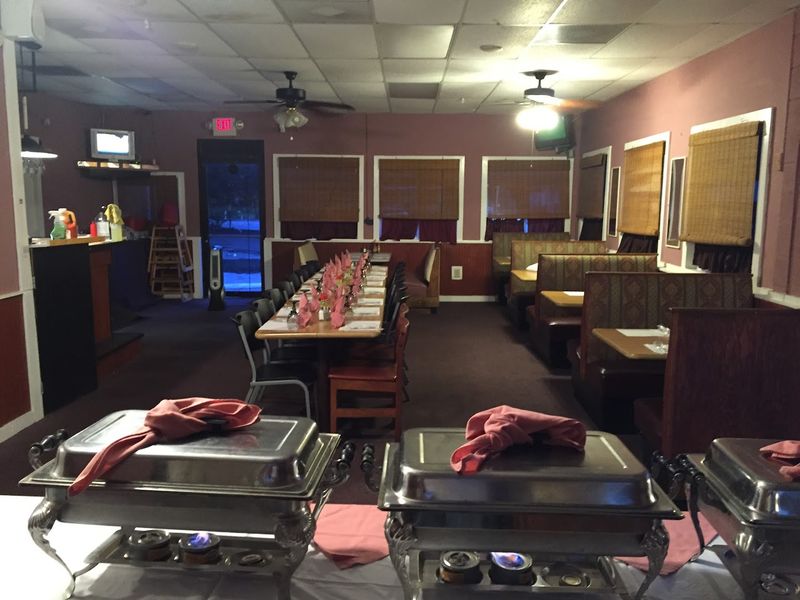
Alice Warren has been feeding the Lowcountry longer than most food bloggers have been alive, and her spot, My Three Sons of Charleston at 5237 Dorchester Rd in North Charleston, shows every year of that experience in the best possible way.
The menu is a Gullah Geechee checklist that hits every note. Crab soup, okra soup, deviled crab, seafood rice, and Gullah rice are all present and fully committed to flavor.
This is not a tourist destination dressed up as authentic. It is a community anchor that happens to serve some of the most carefully prepared Lowcountry food in the area.
Deviled crab deserves a special mention. A Gullah Geechee specialty that blends crab meat with seasoned filling and bakes it in the shell, it represents the kind of technique passed down through families rather than culinary schools.
The seafood rice here carries that same homemade quality. Warren’s four decades of experience means the seasoning is never an accident.
Every dish has been made hundreds, possibly thousands of times, and that repetition produces a confidence in flavor that is genuinely difficult to replicate.
6. Workmen’s Cafe
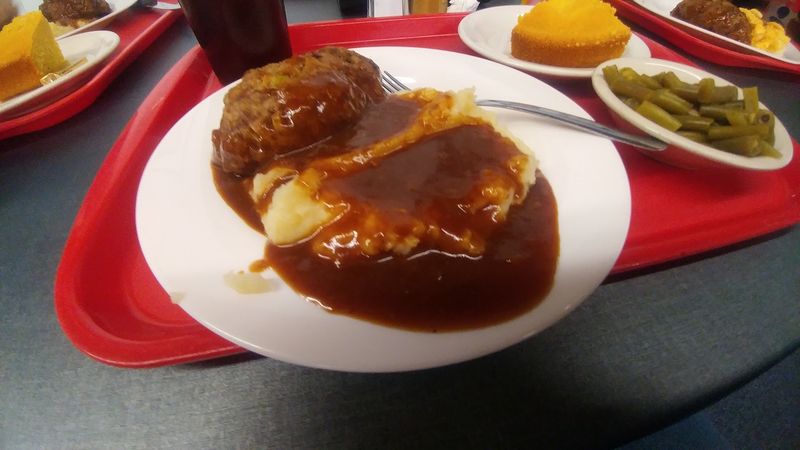
There are restaurants that feed people, and then there is Workmen’s Cafe, which feeds people who actually work for a living and need a plate that means business.
Angie Bellinger runs this James Island spot at 1717N Grimball Rd, Charleston, SC 29412, essentially by herself, which makes the daily buffet she produces genuinely impressive.
Shrimp, crab, peas, rice, okra, and greens rotate through her steam trays in combinations that represent the backbone of Gullah Geechee cooking. These are not garnishes or sides, they are the main event.
The working crowd that fills this place Tuesday through Friday at lunch knows exactly what they are coming for and shows up accordingly.
One person producing this volume and quality of Gullah food daily is a quiet form of dedication that does not get enough attention. Okra alone requires knowledge.
Knowing when it is cooked right, how to season it, how to pair it with rice or crab, that is skill built over years of cooking with intention. The lunch-only, Tuesday through Friday schedule means you need to plan ahead, but that kind of planning is always rewarded here.
James Island has deep Gullah roots, and this cafe keeps those roots fed in the most literal sense.
7. Gullah Gullah Fish
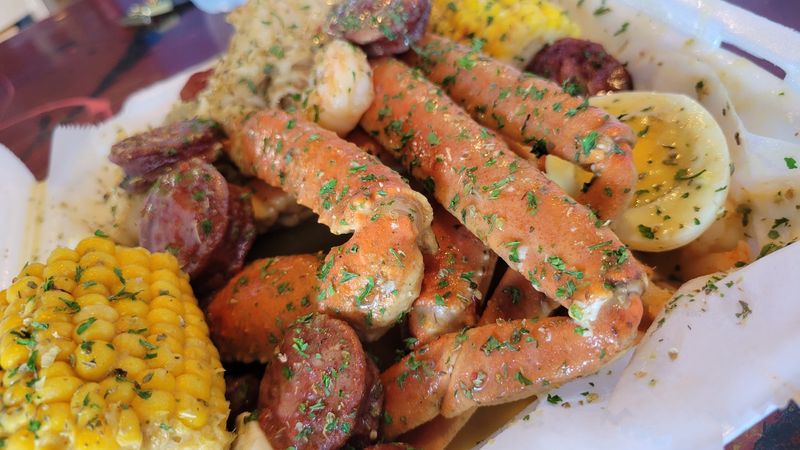
Most people associate Gullah Geechee food with the coast, so finding a serious Gullah eatery inland in Manning, feels like discovering a secret that geography tried to keep. Gullah Gullah Fish, at 23 W Boyce St, opened in 2017 with a clear mission: reproduce recipes that trace back to the 1800s.
The owners claim Gullah heritage and take that claim seriously in every dish they prepare. Oxtails, garlic crabs with corn, and Gullah rice are the specialties here, and each one carries the kind of depth that comes from cooking with historical intention rather than trend-chasing.
Oxtails in the Gullah tradition are slow-cooked until they surrender completely to the pot.
Manning sits in Clarendon County, well away from the tourist trail, which means this cafe serves a community that relies on it rather than visitors passing through. That distinction matters because the food reflects genuine local demand rather than performance for outsiders.
Garlic crabs with corn here echo the same coastal flavors you find along the Sea Islands, proof that Gullah Geechee culinary knowledge travels with the people who carry it. This is one of the most genuinely off-the-beaten-path Gullah experiences available anywhere in the region.
8. Okan
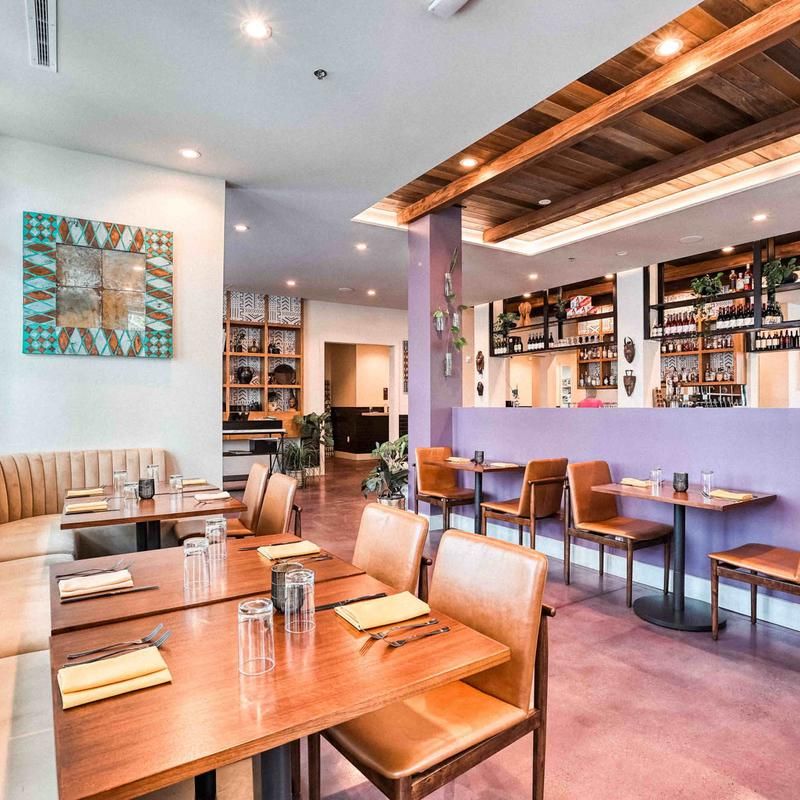
Chef Bernard Bennett does something rare at his restaurant in Old Town Bluffton: he traces the food journey from West Africa, through the Caribbean, and up to the South Carolina coast, and makes you taste every mile of that trip.
Located at 71 Calhoun St, Okan is a James Beard Award semifinalist that brings intellectual depth to every plate it serves.
Bennett has said that the basic cuisine of the South would not be what it is without the cultural contributions of the Gullah Geechee people, and that recognizing those cultures helps diners appreciate the food more fully.
That perspective shapes everything about how meals are constructed and presented here.
This is not just cooking. It is an argument made in flavor.
Old Town Bluffton is itself a historically rich setting, a small arts district with deep Gullah Geechee ties that makes the restaurant feel like a natural extension of its surroundings.
The menu at Okan reflects West African ingredients and techniques filtered through generations of Lowcountry adaptation.
Dishes here are refined without losing their roots, which is genuinely difficult to pull off. If you want to understand where Gullah Geechee cuisine came from and where it is capable of going, this is the table to sit at.
9. Dave’s Carry-Out
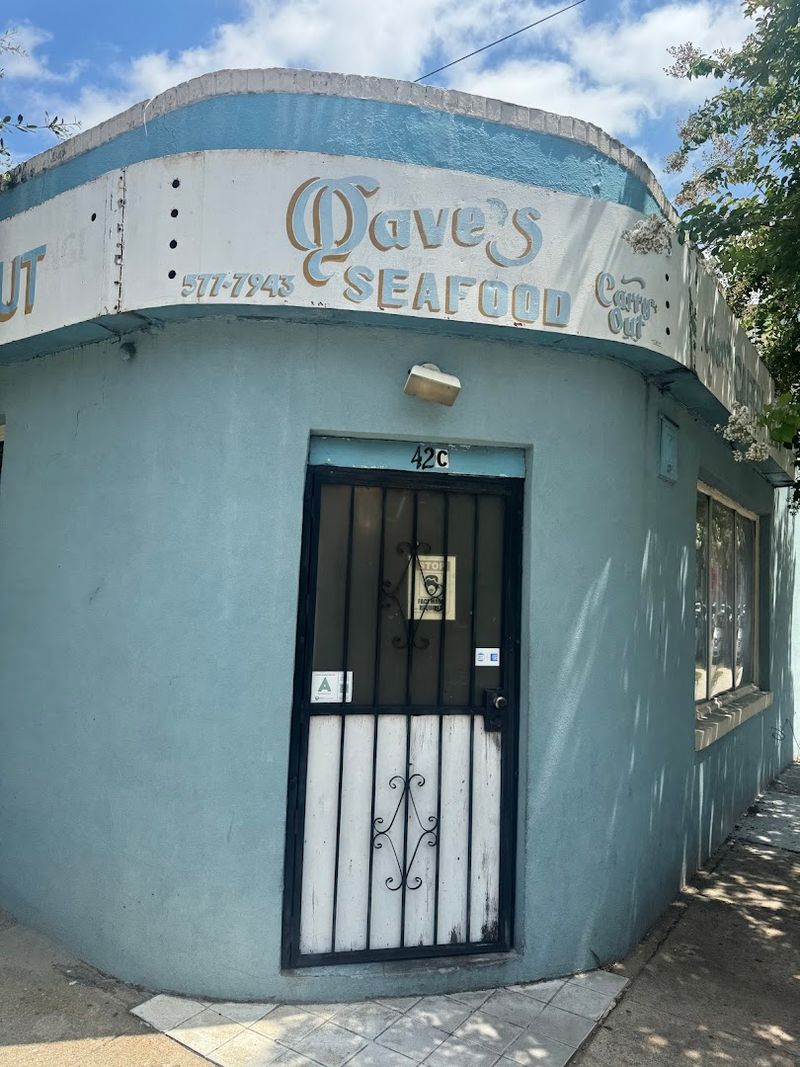
Counter service. Friendly staff who might call you Honey.
A corner location at 42 Morris St in Charleston that has been quietly serving some of the best Gullah Geechee food in the city without making a fuss about it. Dave’s Carry-Out is the kind of place that rewards people who pay attention.
Deviled crab, red rice, hoppin’ john, and fried fish platters are the anchors of the menu here. Hoppin’ john, a dish of black-eyed peas and rice with deep West African roots, is one of the most culturally significant dishes in all of Gullah Geechee cooking.
The version at Dave’s is seasoned with the confidence of someone who has made it a thousand times.
The golden rice here gets specific praise from people who know their Lowcountry food, and perfectly seasoned rice is not an accident.
Rice cultivation was the foundation of the South Carolina economy for generations, and the Gullah Geechee people brought the knowledge of how to grow and cook it from West Africa.
Every grain of rice served at Dave’s carries that history. The carry-out format keeps things simple and honest, which suits the food perfectly.
Bring cash, bring appetite, and do not overthink it.
10. H&R Sweet Shop
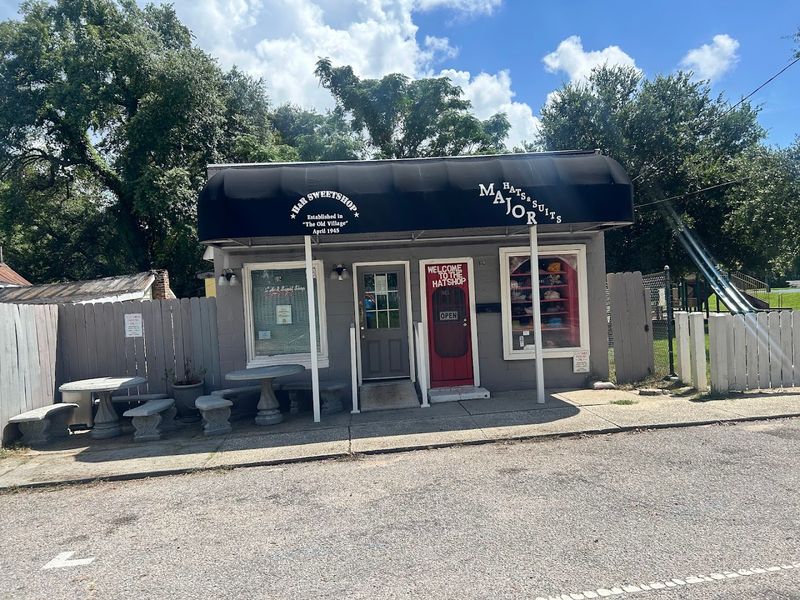
Mount Pleasant is better known for its waterfront views and proximity to Charleston, but the historically Black Midtown neighborhood carries a different kind of significance.
H&R Sweet Shop at 102 Royall Ave has served this community for generations and holds a spot on the Gullah Geechee Cultural Heritage Corridor’s official list of culturally significant businesses.
That official recognition matters because the Gullah Geechee Cultural Heritage Corridor was established by Congress in 2006 specifically to protect and celebrate this culture across four states.
Being listed means H&R Sweet Shop has been identified as an authentic, community-rooted operation that contributes to the living heritage of the Gullah Geechee people.
That is not a marketing label. It is a designation earned through years of genuine community service.
The Midtown neighborhood of Mount Pleasant has faced development pressure over the years, which makes places like H&R Sweet Shop more important, not less. They are cultural anchors that hold neighborhood identity together when everything around them is changing.
Stopping here supports a community institution while connecting you to the food traditions of the Gullah Geechee Corridor in a neighborhood context that feels completely authentic. The sweet shop format also means you might leave with something extra worth smiling about.
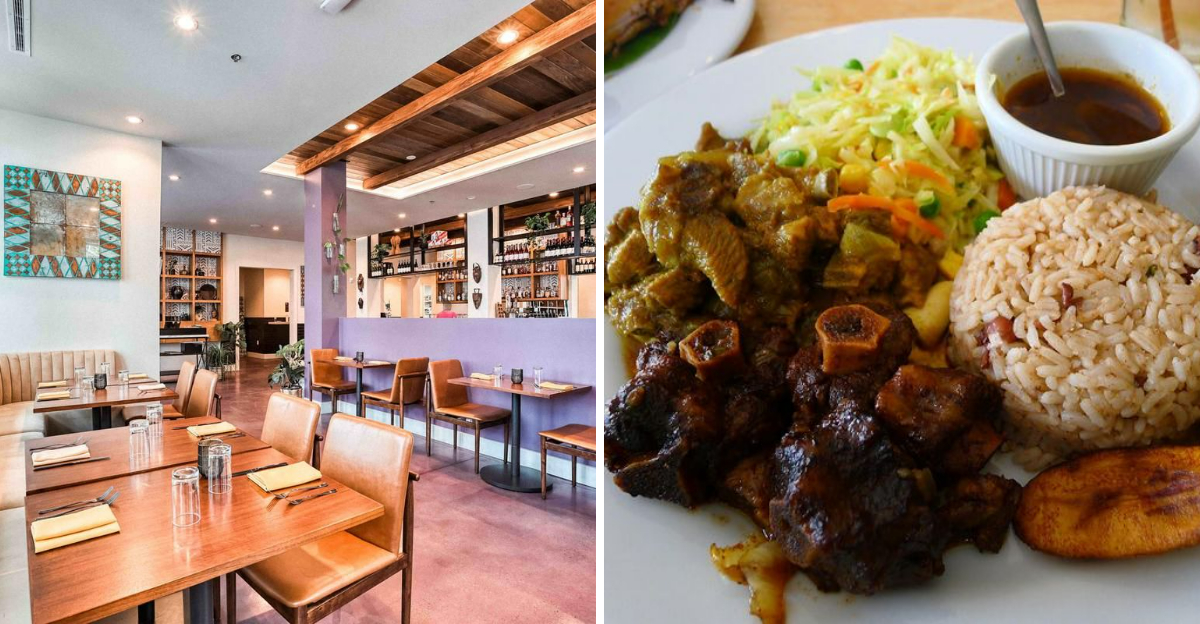
11. Eve’s Caribbean Soul Food
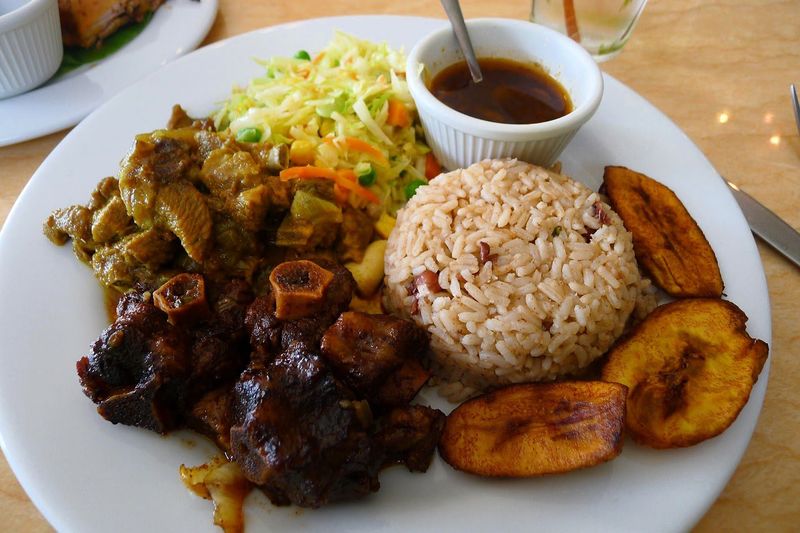
Georgetown anchors the northern end of the Gullah Geechee trail road trip, and it earns that position with a history as layered as any city on the coast.
Rice plantations once defined this landscape so completely that Georgetown County was at one point producing nearly half of all rice grown in the United States.
That history is baked into everything here, including the food. Located at 132 S Fraser St, Georgetown, SC 29440.
Eve’s Caribbean Soul Food brings a Caribbean influence into the Gullah Geechee conversation, which is historically appropriate.
The Gullah Geechee food journey passed through the Caribbean on its way from West Africa to the South Carolina coast, and that influence never fully disappeared from the cooking.
Dishes here reflect that layered heritage with flavors that feel both familiar and distinct at the same time.
Georgetown’s maritime history and rice plantation past give every meal in this town a specific weight. Eating Gullah Geechee food here, in the city that sits at the northern gateway of the corridor, feels like closing a geographic loop that the food itself has been tracing for centuries.
The hospitality at Eve’s matches the significance of the setting. Georgetown is worth an overnight stay, and this restaurant is worth building your itinerary around.
Start here, eat well, and then follow the corridor south.