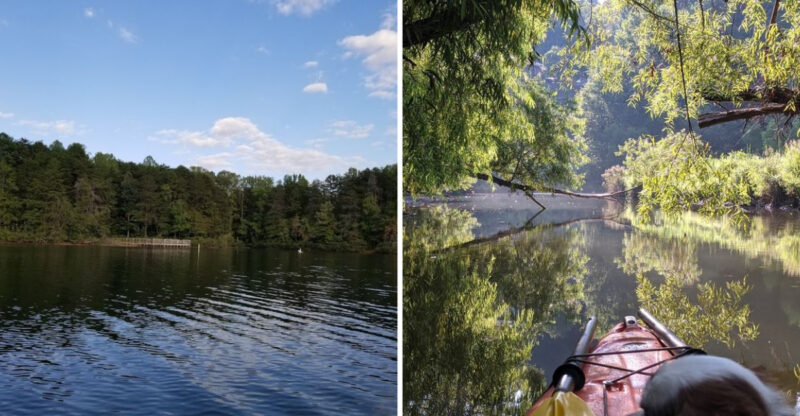
15 Southern And Coastal North Carolina Places Worth Visiting In Summer

Summer in southern North Carolina does not arrive quietly, and it definitely does not wait around while everyone says they will plan something “next weekend.”
Heat settles in with attitude, the water starts looking dangerously persuasive, and every scenic corner seems to be judging anyone still sitting at home scrolling.
A trip through this region can turn an ordinary free day into the kind of summer story people keep bringing up long after the sunscreen smell fades.
Wild shorelines bring the drama without needing a sales pitch, while slow blackwater rivers make the whole world feel like it finally stopped rushing.
Historic stops add just enough mystery to keep the route interesting without turning the day into homework.
Anyone craving a real summer escape should keep reading, because southern North Carolina has the kind of places worth leaving early for.
1. Fort Fisher State Recreation Area
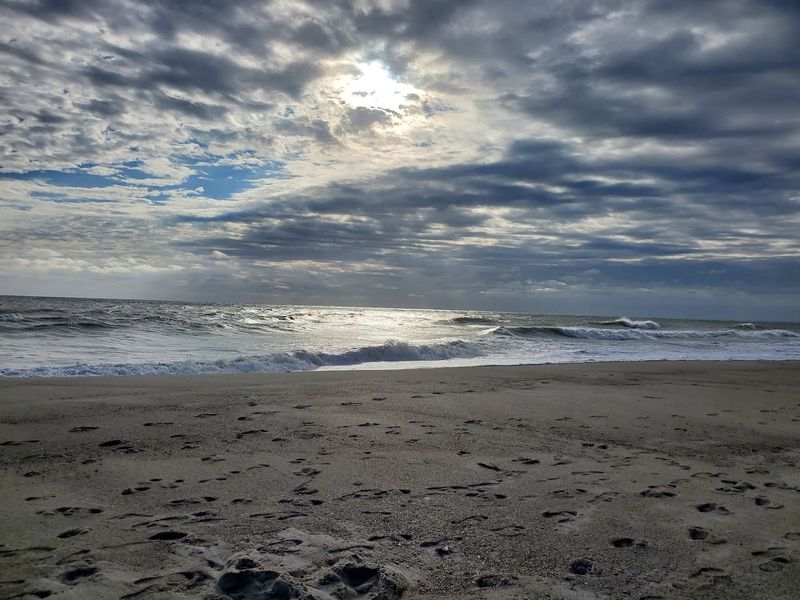
Wild shoreline gives Fort Fisher State Recreation Area the kind of summer payoff that feels bigger than a regular beach stop.
The recreation area sits at 1000 Loggerhead Road, Kure Beach, NC 28449 near the southern end of Pleasure Island. Wide sand, Atlantic surf, dunes, and maritime scenery shape a quieter coastal experience with a less commercial feel.
Visitors can walk the beach, look for shorebirds, fish where permitted, or simply let the ocean do the cooling after a hot drive.
Fort Fisher pairs well with a full Kure Beach visit, since the North Carolina Aquarium at Fort Fisher is located nearby. The aquarium’s official site also notes ongoing renovation and expansion, so checking current visitor information before planning a stop is important.
The recreation area itself is best for people who want space, salt air, and a more natural shoreline mood. Summer parking can still fill quickly, so arriving early is smart.
Once the breeze picks up and the waves start working their way toward shore, the drive feels very easy to defend.
2. Airlie Gardens

Spanish moss, old live oaks, water views, and seasonal flowers give Airlie Gardens a shaded summer beauty that feels especially welcome in Wilmington heat.
The garden is at 300 Airlie Road, Wilmington, NC 28403, and official visitor information lists daily hours from 9 a.m. to 5 p.m., with last admission at 4:30 p.m.
Airlie is the kind of place where summer does not have to feel rushed. Visitors can wander paths, pause near the lakes, look for butterflies, and let the tree canopy soften the day.
The Airlie Oak, a famous live oak on the grounds, helps anchor the garden’s old coastal character, while the broader landscape offers a mix of formal plantings and more relaxed Southern garden atmosphere.
Families can use the open areas for a slower outing, while photographers will find plenty of frames around bridges, blooms, Spanish moss, and reflective water.
Comfortable shoes help because the best parts of Airlie unfold gradually. A visit here feels rewarding because the garden gives summer color, shade, and calm in equal measure.
3. White Lake
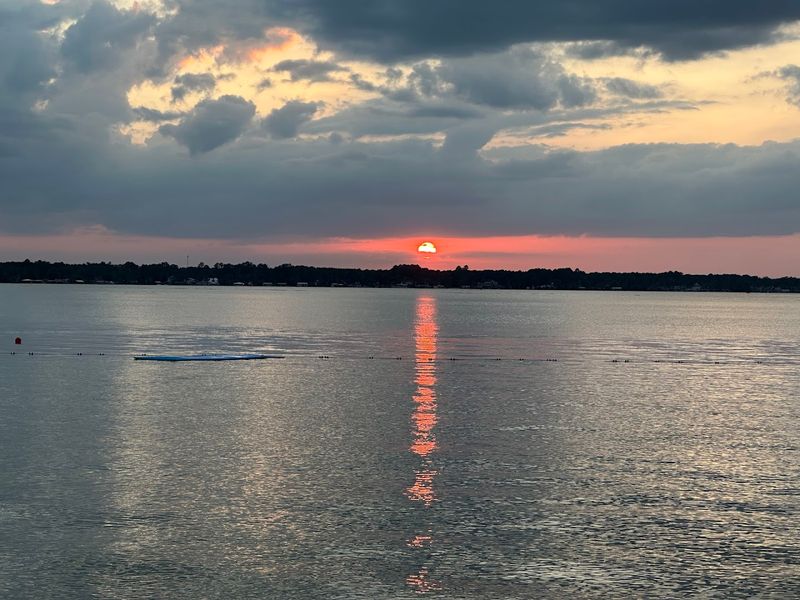
Clear freshwater makes White Lake one of the most memorable inland summer stops in southern North Carolina.
Official records place the Town of White Lake at 1879 White Lake Drive, White Lake, NC 28337. Practical access for visitors usually depends on designated public entry points, lodging areas, or recreation businesses for parking and water access.
The lake’s appeal comes from its bright, clear look and easygoing vacation feel. Unlike ocean beaches, White Lake gives families calm water, a gentler shoreline mood, and a classic summer-lake setting that feels nostalgic without needing much decoration.
People come for swimming, paddling, lakeside meals, and the simple pleasure of spending a hot afternoon near water that looks inviting from the first glance. Nearby seasonal businesses and recreation spots add to the old-school lake atmosphere, especially during warm weekends.
Planning ahead matters because access, parking, rentals, and business hours can vary by property. Still, when the sun is high and the water looks almost unreal, White Lake earns its place on any southern North Carolina summer list.
4. Carolina Beach State Park
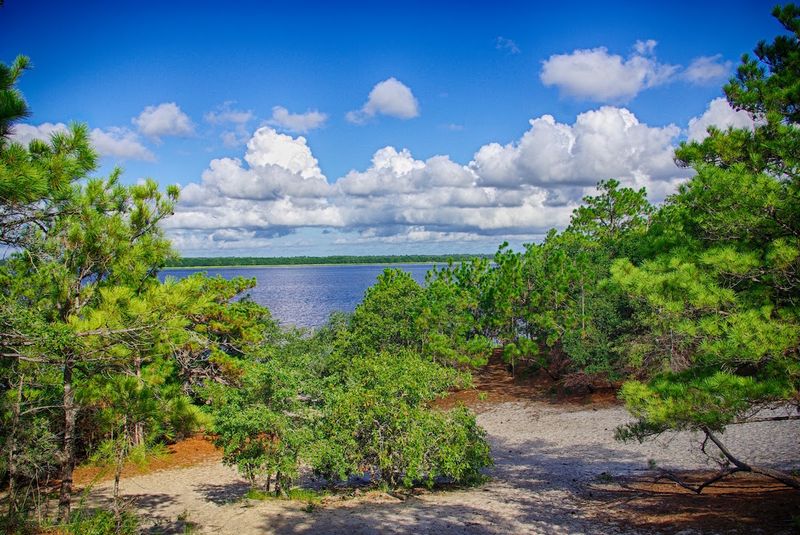
Rare plants make Carolina Beach State Park feel like a beach-area stop with a secret science lesson built in. The park is at 1010 State Park Road, Carolina Beach, NC 28428, and North Carolina State Parks identifies it as home to the Venus flytrap.
The Flytrap Trail is especially rewarding because it moves through pocosin wetlands, longleaf pine forest, and wiregrass savanna communities where Venus flytraps can be seen along the edges of the pocosins.
Visitors should stay on the trail because these small carnivorous plants are fragile and can be damaged by trampling.
That detail makes the walk feel more meaningful. Instead of simply seeing another pretty path, visitors get a glimpse of one of the most unusual plant habitats in the country.
Pitcher plants, sundews, and other wetland species can add to the botanical interest when conditions are right. Summer warmth brings out the park’s coastal-plain personality, while shade and short trails make the outing manageable.
Carolina Beach State Park proves a rewarding summer day does not always begin at the surf line. Sometimes the best surprise is growing quietly along a boardwalk.
5. Jones Lake State Park
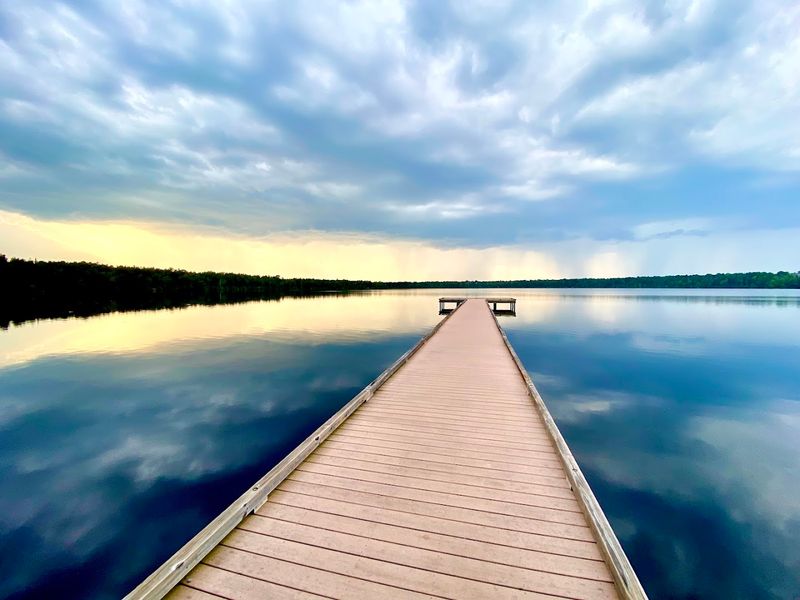
Tea-colored water and Carolina bay mystery give Jones Lake State Park a summer personality all its own. The park is at 4117 NC Highway 242 North, Elizabethtown, NC 28337, and North Carolina State Parks describes it as a destination for picnicking, swimming, hiking, and paddling.
Jones Lake is one of the region’s Carolina bay lakes, with shallow, tannin-dark water that can look amber instead of blue. That color may surprise first-time visitors, but it is part of what makes the lake feel so distinct.
Summer swimming, paddling, and shaded picnic areas give families several ways to spend the day without needing an oceanfront crowd. The setting feels especially useful for travelers who want a freshwater outing in Bladen County rather than another coastal beach.
Trails and lake views add enough variety to keep the stop from becoming only a swim break. Jones Lake rewards visitors who appreciate places with a little geological intrigue, a little local history, and a lot of quiet water.
Warm afternoons feel better when there is a lake nearby, and this one gives summer a slower, more unusual rhythm.
6. Lumber River State Park, Princess Ann Access
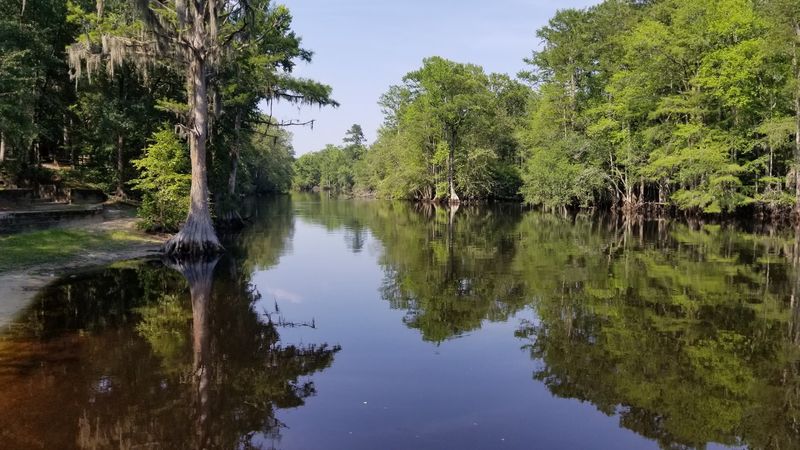
Blackwater calm gives Lumber River State Park’s Princess Ann Access one of the most atmospheric summer experiences in this part of the state.
At 2819 Princess Ann Road, Orrum, NC 28369 sits the Princess Ann Access and park office. North Carolina State Parks lists hiking, paddling, fishing, picnicking, tent camping, group sites, paddle-in sites, and a boat ramp among its available features.
The Lumber River moves through a landscape that feels slow, shaded, and deeply tied to the Coastal Plain. Paddlers can enjoy dark, tannin-stained water, tree reflections, bird calls, and the kind of stillness that makes a summer day feel cooler than the temperature suggests.
The experience is best for visitors who respect river conditions and plan carefully, since water levels, weather, and personal skill all matter. Even people who do not paddle can appreciate the access area’s quieter mood, picnic potential, and natural setting.
Princess Ann feels rewarding because it gives travelers a different version of summer: less noise, more shade, and a river that seems to set the pace for everything around it.
7. Museum Of Coastal Carolina

Air conditioning becomes part of the reward at the Museum of Coastal Carolina when summer heat gets serious.
The museum is at 21 East 2nd Street, Ocean Isle Beach, NC 28469, and its official calendar lists programs at that address, including touch tank feedings and family-friendly coastal education events.
A visit here adds depth to an Ocean Isle Beach day because it turns shells, sharks, turtles, tides, fossils, and local marine life into something visitors can understand more clearly.
Interactive exhibits and animal-focused programming often draw children in quickly. Natural-history displays then give adults space to slow down and learn more about the coastal environment just outside the museum.
That pairing of beach fun and learning makes the stop especially useful for families. It also works well when storms roll in or the afternoon sun becomes too much.
Instead of treating the museum as a backup plan, visitors can make it a meaningful middle chapter of the day. Ocean Isle Beach already offers sand and water, but the Museum of Coastal Carolina helps travelers leave with more than sunscreen and photos.
8. Oak Island

Easygoing beach rhythm makes Oak Island one of southern North Carolina’s most satisfying summer escapes.
Multiple public beach access points are available throughout the town. Parks and recreation mapping also lists Middleton Park Complex at 4610 East Dolphin Drive, Oak Island, NC 28465, along with nearby accessible beach access features.
That matters because Oak Island rewards a practical beach day: easy sand time, long walks, fishing, simple meals, and enough room to spread out when conditions cooperate. The island’s appeal is not built around loud attractions.
It is built around the beach itself, plus neighborhoods, local restaurants, parks, and a slower coastal pace. Visitors can plan around public access points with restrooms or ramps depending on need, then let the day stay flexible.
Morning walks bring softer light and cooler sand, while evening can make the shoreline feel calmer after peak heat fades. Families, couples, and solo travelers all get something from Oak Island because it does not demand a complicated itinerary.
Bring shade, water, and patience for summer parking, then let the beach do the rest.
9. Southport Waterfront Park
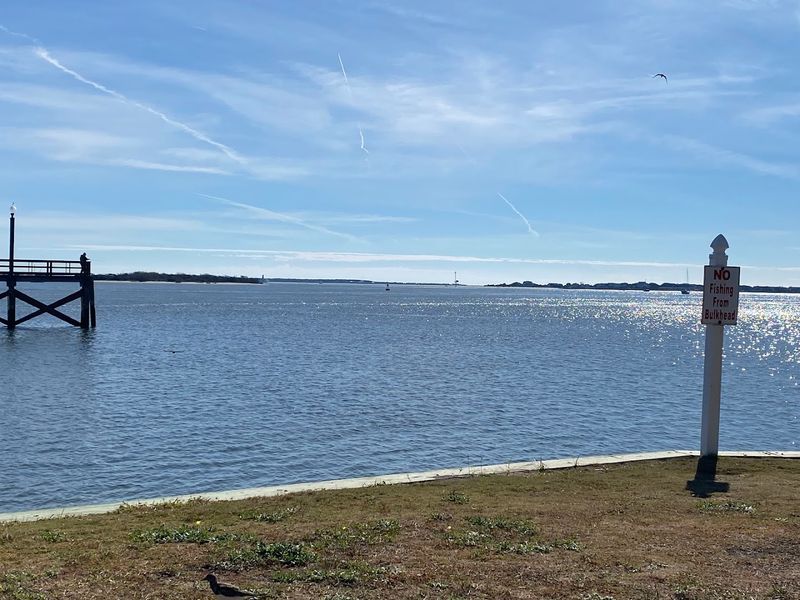
Riverfront ease gives Southport Waterfront Park a summer charm that feels almost too simple to work, until visitors sit down and refuse to leave.
At 105 East Bay Street, Southport, NC 28461, the park spans about 9 acres overlooking the Cape Fear River. Brunswick Islands visitor information describes features such as a public fishing pier, shelters, benches, swings, and picnic areas.
That combination is exactly what makes the stop rewarding. Visitors can watch boats, feel the river breeze, sit under trees, and walk straight into Southport’s historic downtown for shops, restaurants, galleries, and ice cream.
The setting makes summer heat feel easier because the water keeps the whole place moving. Southport also has the kind of preserved coastal-town look that makes ordinary streets feel scenic without much effort.
A park bench here can become the main event, especially near sunset or during a slower afternoon. Families can add a picnic, couples can wander the waterfront, and road-trippers can use the park as a gentle reset before continuing along the coast.
Southport proves a rewarding stop does not need to be crowded or complicated.
10. Brunswick Town / Fort Anderson State Historic Site
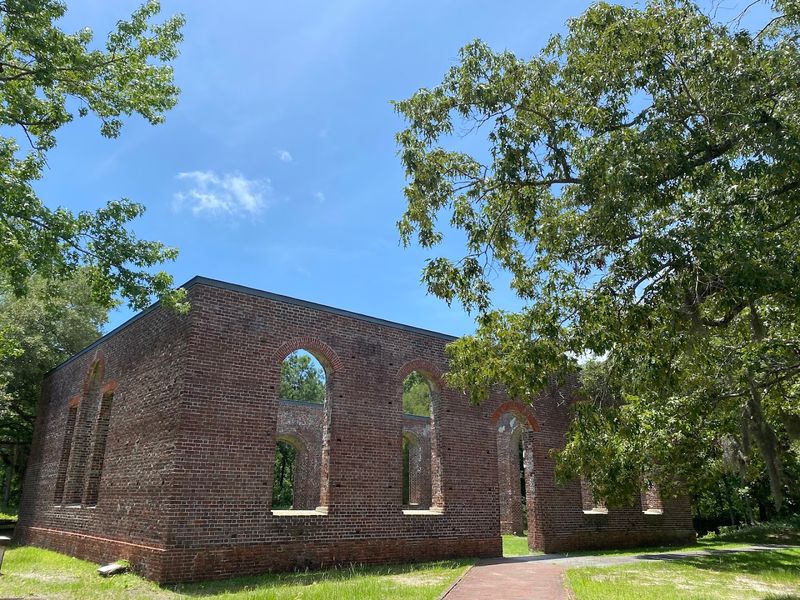
Layered history gives Brunswick Town / Fort Anderson State Historic Site a powerful sense of place.
The site is at 8884 St. Philips Road SE, Winnabow, NC 28479, and North Carolina Historic Sites lists free admission, regular Tuesday through Saturday hours, and Sunday afternoon hours during part of summer 2026.
Visitors walk through the remains of colonial Brunswick Town and the earthworks of Fort Anderson, bringing two very different eras into one outdoor experience beside the Cape Fear River.
Summer greenery makes the ruins feel especially vivid, with brick foundations, interpretive signs, old trees, and river glimpses working together to create a quiet but memorable setting.
The site is rewarding because it does not flatten history into one simple story. Colonial trade, settlement, conflict, Civil War fortification, archaeology, and landscape all overlap here.
Self-guided walking lets visitors move at their own pace, which helps on hot days when shade and water breaks matter. History lovers will find plenty to study, while casual travelers can still appreciate the mood of a place where the past feels physically present.
11. Lake Waccamaw State Park
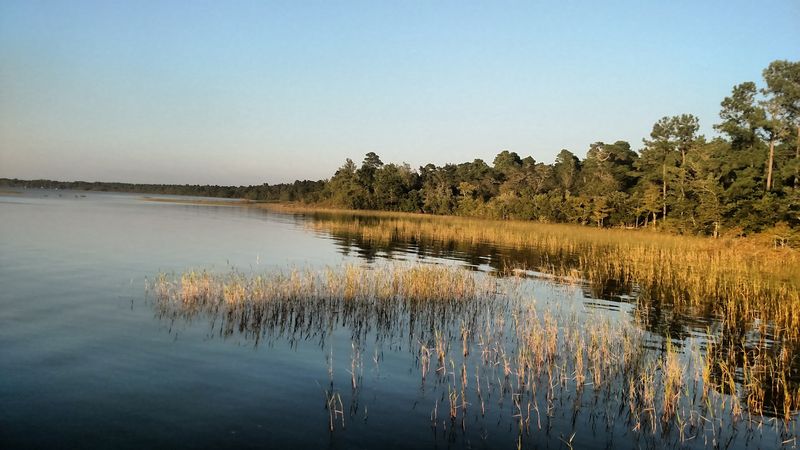
Natural rarity makes Lake Waccamaw State Park feel especially rewarding for summer travelers who like science with their scenery. The park is at 1866 State Park Drive, Lake Waccamaw, NC 28450, and North Carolina State Parks lists that address for visitors.
Lake Waccamaw is a Carolina bay lake with unusual water chemistry that supports species found only in and around the lake. These include the Waccamaw darter, Waccamaw silverside, Waccamaw killifish, along with endemic mussels such as the Waccamaw spike and Waccamaw fatmucket.
That gives a summer lake day real ecological weight.
Visitors can enjoy trails, water views, fishing where permitted, paddling, and peaceful shoreline scenery while knowing the landscape holds far more than surface beauty. The park’s longleaf pine and wetland surroundings add to the sense of being in a distinct coastal-plain ecosystem.
Summer heat makes the water and shade feel even more valuable, but visitors should plan around park rules, posted hours, and conditions. Lake Waccamaw is not just another pretty lake.
Its rare species and Carolina bay setting make the detour feel genuinely meaningful.
12. Moore’s Creek National Battlefield
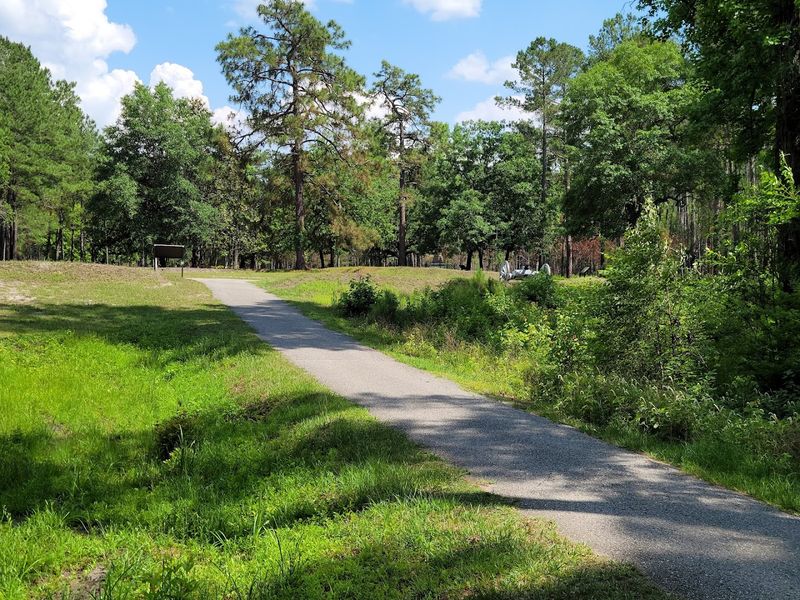
Revolutionary War history feels surprisingly quiet at Moores Creek National Battlefield, which makes the site even more affecting.
The National Park Service lists the battlefield at 40 Patriots Hall Drive, Currie, NC 28435, and the park preserves the landscape tied to the February 1776 Battle of Moores Creek Bridge.
A visit here combines history with nature in a way that suits summer mornings especially well. Boardwalks, trails, wetlands, trees, and interpretive signs help visitors understand the battlefield without making the experience feel overwhelming.
The visitor center adds context before or after the walk, while the outdoor spaces give the story room to settle. This is not the kind of historic stop that needs crowds or dramatic staging to matter.
Its strength comes from the contrast between a peaceful present-day landscape and the significance of what happened there. Wildlife sightings and green summer growth add to the atmosphere, making the battlefield feel reflective rather than static.
Admission is free, which makes it an easy addition to a thoughtful southern North Carolina itinerary. Moores Creek rewards travelers who like history best when they can walk through the place where it unfolded.
13. Museum Of The Southeast American Indian

Cultural depth makes the Museum of the Southeast American Indian one of the most meaningful indoor stops in southern North Carolina.
The museum is affiliated with the University of North Carolina at Pembroke, whose campus address is listed as 1 University Drive, Pembroke, NC 28372-1510. Visit NC places the museum in the historic Old Main Building at 1369 Old Main Road, Pembroke, NC 28372.
That location matters because Pembroke is central to Lumbee culture and history. The museum highlights the cultures and histories of Southeastern Native peoples through artifacts, fine arts, rotating exhibits, and community-focused interpretation.
A summer road trip through the region feels more complete when it includes a stop that explains the people and traditions deeply tied to the landscape. The museum also offers a powerful counterpoint to beaches, parks, and battlefield stops because it centers living culture rather than scenery alone.
Visitors should check current hours before going, especially because campus schedules can affect access. For travelers who want a richer understanding of southern North Carolina, this museum belongs on the route.
14. Holden Beach
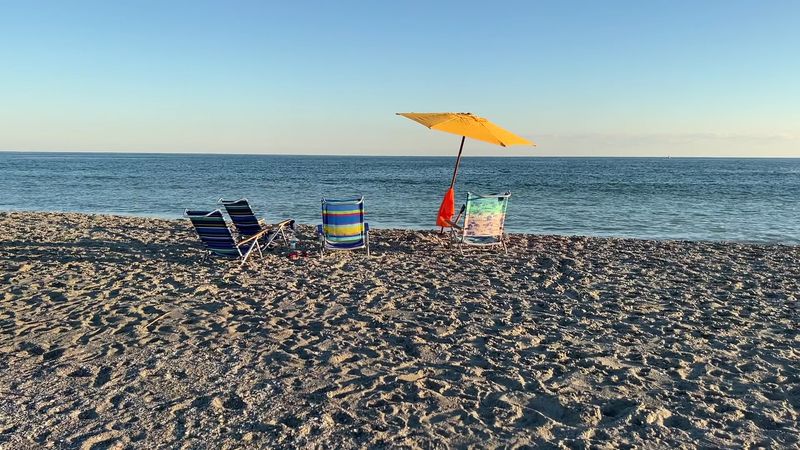
Low-key shoreline makes Holden Beach feel like summer with the volume turned down.
Public access planning plays an important role here. Holden Beach visitor resources list several entry points, including 220 Ocean Boulevard East with parking and public beach access, along with additional access points spread across the island.
That spread of access helps visitors choose a beach day that fits their needs, whether they want parking, restrooms nearby, a quieter stretch, or an easier walk to the sand. Holden’s reward is its simplicity.
The beach stays the main attraction, with wide sand, Atlantic water, shelling, family walks, and a community pace that does not feel overly commercial. Mornings are especially good for beachcombing and cooler air, while late afternoons can bring softer light and a calmer mood.
The island also works well for travelers who prefer renting a cottage, packing a cooler, and letting the day stay unstructured. Instead of chasing one big attraction, visitors can enjoy the steady pleasure of ocean, sand, and time moving slowly.
Holden Beach is especially rewarding for people who want restoration more than entertainment.
15. Sunset Beach

Evening light gives Sunset Beach its famous final act, but the town rewards a full summer day long before the sky changes color.
The Kindred Spirit Mailbox is one of the area’s most popular coastal walks. Local guidance recommends starting from the West 40th Street public beach access on Sunset Beach, then heading southwest toward Bird Island.
The route is often described as about 1.5 miles from that access point, so timing it near low tide makes the walk easier. During the day, Sunset Beach offers a quieter coastal pace, wide sand, gentle beach wandering, shelling, and easy family time.
Bird Island adds a more natural edge to the visit, with protected dunes, marshes, and the mailbox tradition giving travelers something reflective to seek out. Sunset itself is the obvious reward, especially because the beach’s orientation can create beautiful evening color over water and sand.
Visitors should bring water, sun protection, and enough time for the return walk if heading to the mailbox. A day here feels complete because it ends with the kind of coastal light people remember long after leaving.