These 17 Georgia Museums Are Free To Visit This February For Museums Free-For-All
February brings an exciting opportunity for history lovers and curious explorers across Georgia. Museums Free For All opens the doors to 17 incredible museums, inviting visitors to experience rich culture and heritage without paying a single penny for admission. It is the perfect chance to turn an ordinary winter outing into a month long journey through time.
Participants can explore a wide range of subjects, from ancient Native American heritage sites to powerful Civil War landmarks that shaped the region’s story. Literary homes, agricultural museums, and local history centers add even more depth, offering perspectives that connect past and present. Each stop reveals artifacts, stories, and preserved spaces that make Georgia’s history feel vivid and personal.
Whether you are planning family day trips or solo learning adventures, this event makes education accessible, engaging, and budget friendly, proving that unforgettable cultural experiences do not always come with a price tag.
1. C&G Antique Tractor Museum – Baxley
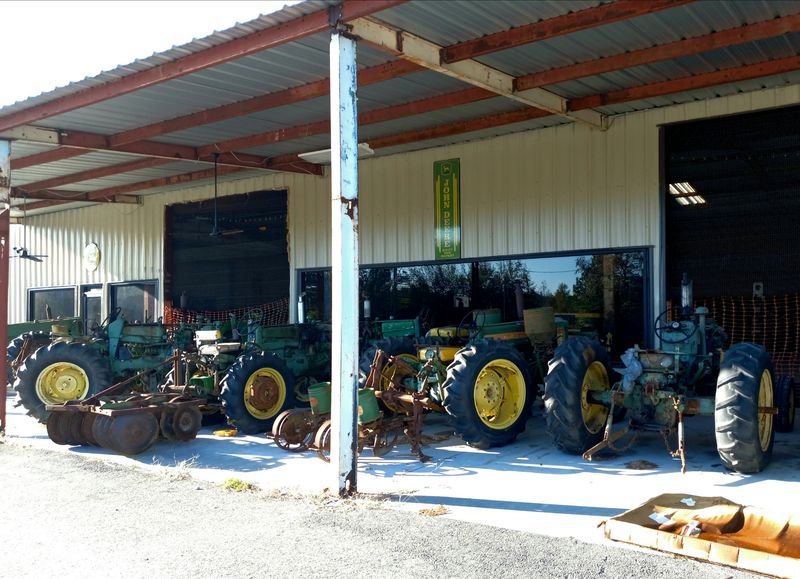
Old farm equipment tells stories that textbooks never could. You’ll find rows of carefully restored tractors that once plowed Georgia’s fields at 346 Golden Isles Parkway West in Baxley. Each machine represents a different era of farming innovation.
The collection shows how agriculture evolved from simple tools to complex machinery. You can walk among tractors from the early 1900s through the mid-century. The owners have spent decades gathering these pieces from farms across the region.
Kids especially love climbing up to see the massive wheels and steering mechanisms. The museum volunteers share fascinating stories about how each tractor worked and what life was like for farmers who operated them. You’ll leave with a deeper appreciation for the hard work that fed generations of Georgians.
2. Andalusia Farm: The Home of Flannery O’Connor – Milledgeville
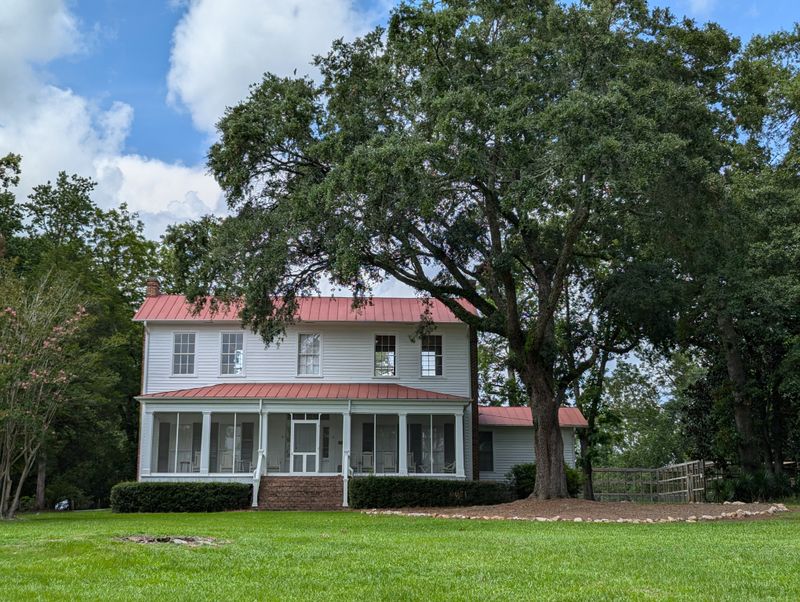
A famous writer’s home sits quietly among rolling hills where peacocks still roam the grounds. Flannery O’Connor lived and wrote her most important works at 2628 North Columbia Street in Milledgeville. The farm remains much as she left it in 1964.
Walking through the rooms where she crafted her stories feels like stepping into her imagination. You’ll see her typewriter, bookshelves, and personal belongings. The peacocks she loved so much continue to strut across the property, just as they did when she watched them for inspiration.
Her bedroom on the first floor became her writing sanctuary after illness made climbing stairs difficult. Guides explain how the farm’s isolation helped her focus on creating dark, powerful Southern Gothic tales. Literature students and casual readers alike find the visit deeply moving and surprisingly intimate.
3. Brown-Stetson-Stanford House – Milledgeville
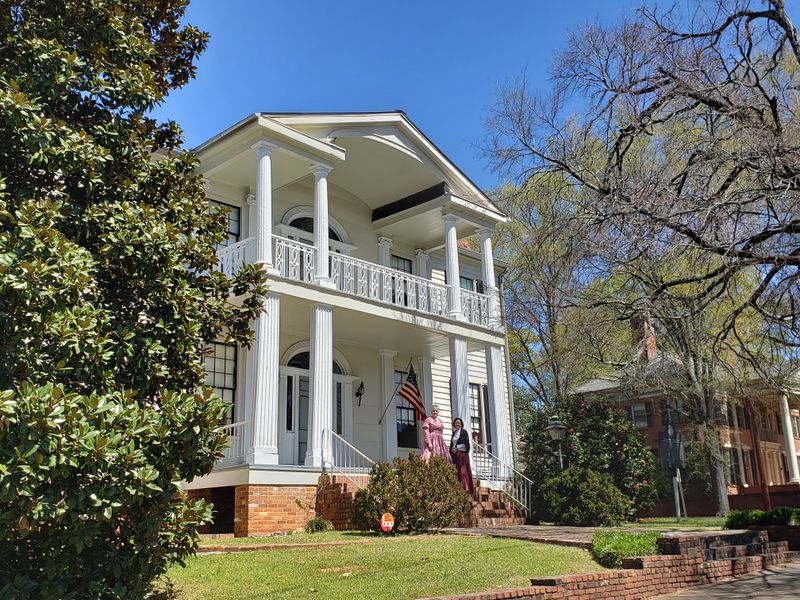
Three families shaped this elegant mansion over more than a century of Georgia history. The house stands proudly at 201 North Wayne Street in Milledgeville, showcasing Greek Revival architecture at its finest. Original furnishings and decorative arts fill every room.
Each family who lived here left their mark through furniture choices, paint colors, and architectural modifications. You’ll notice how tastes changed from the 1850s through the early 1900s. The parlor displays Victorian-era elegance while other rooms reflect different design periods.
Docents point out original wallpaper, hand-carved woodwork, and period-appropriate decorations. The kitchen area shows how domestic life functioned before modern conveniences. Visiting feels like browsing through a living history book where wealthy Southern families entertained guests and managed large households during Georgia’s most transformative decades.
4. Central State Hospital Museum – Milledgeville
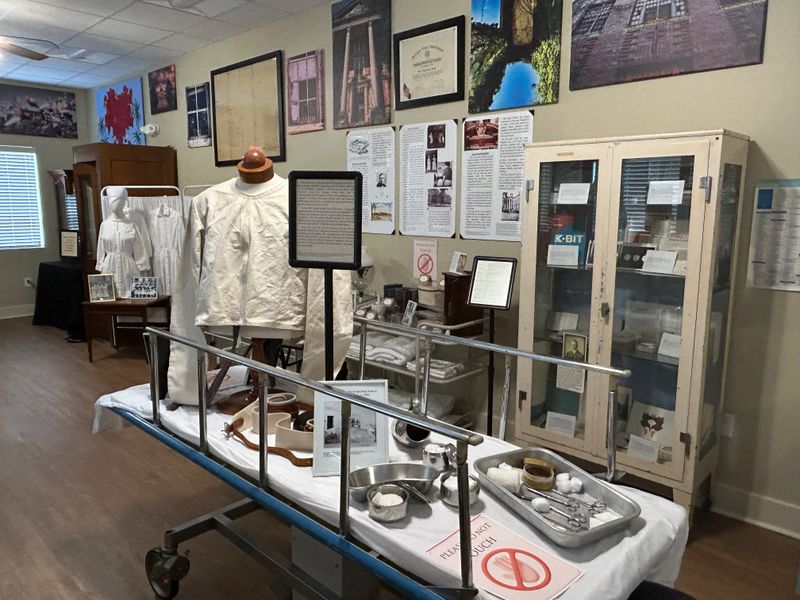
Mental health treatment has changed dramatically over the past 170 years. This museum at 620 Broad Street in Milledgeville documents how Georgia cared for citizens with mental illness since 1842. The exhibits don’t shy away from difficult truths about past treatments.
You’ll see actual medical equipment, patient records, and photographs spanning multiple generations. Some displays show compassionate care innovations while others reveal troubling practices we’ve thankfully left behind. The museum respects patient dignity while educating visitors about psychiatric history.
Former hospital buildings surround the museum, creating an atmospheric setting for learning. Staff members explain how attitudes toward mental health evolved from fear and misunderstanding to modern therapeutic approaches. Many visitors find the experience sobering yet important for understanding how far medicine has progressed in treating psychological conditions with humanity and science.
5. Georgia’s Old Governor’s Mansion – Milledgeville
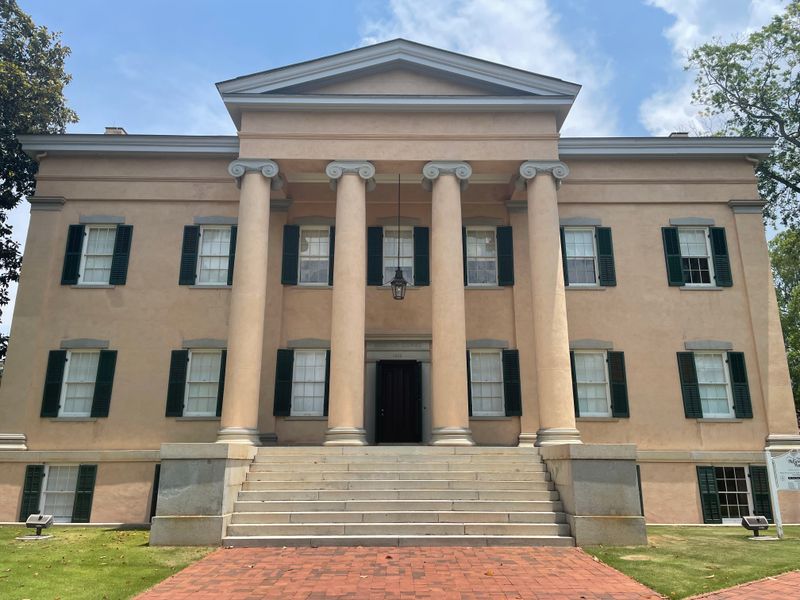
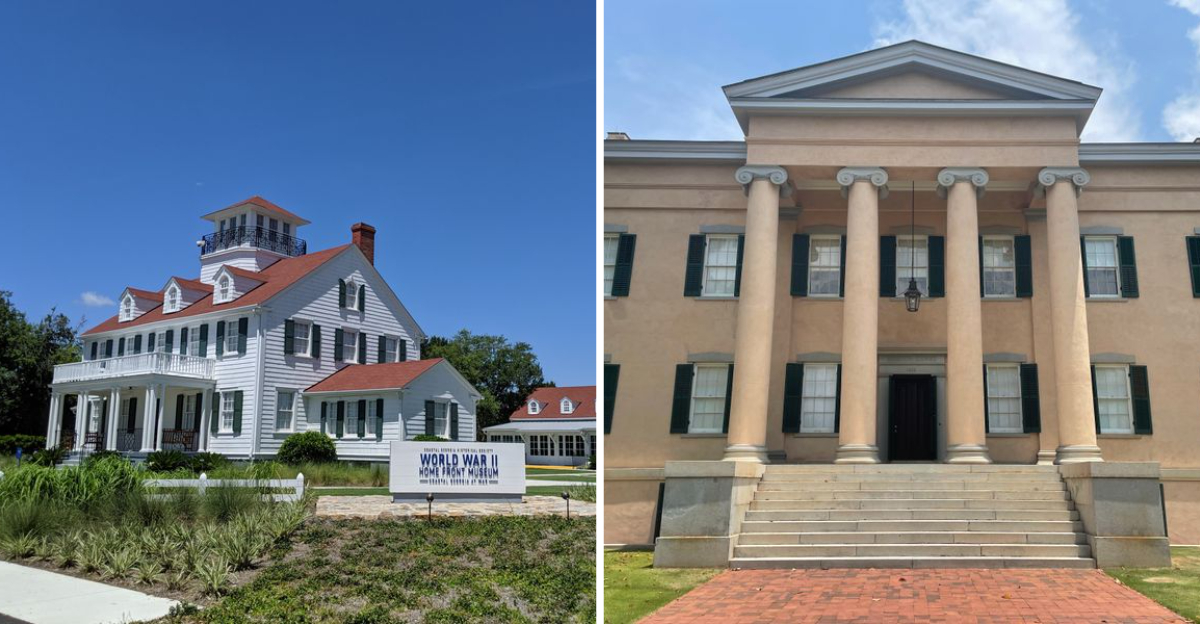
Ten Georgia governors called this impressive building home between 1839 and 1868. The mansion sits at 120 South Clark Street in Milledgeville, serving as the state’s executive residence when this city was Georgia’s capital. Architects designed it in the Greek Revival style that symbolized democratic ideals.
Massive columns greet you at the entrance, leading into formal rooms where important political decisions were made. Original furniture, portraits, and decorative items recreate the atmosphere of antebellum political life. The dining room table is set as if expecting distinguished guests any moment.
Sherman’s troops occupied the building during the Civil War, and you’ll hear stories about that tense period. The second floor contains family quarters where governors’ children played and studied. Restoration work has brought back original paint colors and architectural details, making this one of the most authentic historic house museums in the entire state.
6. Sallie Ellis Davis House – Milledgeville
Life in the late 1800s comes alive inside this beautifully preserved Victorian home. Located at 310 North Jefferson Street in Milledgeville, the house belonged to Sallie Ellis Davis and her family. Every room reflects the lifestyle of middle-class Georgians during that era.
The furniture, wallpaper, and decorative objects all date to the period when the Davis family lived here. You’ll notice the attention to detail in lace curtains, hand-painted china, and carefully arranged parlor furniture. The kitchen shows how families prepared meals without electricity or running water.
Personal items like clothing, photographs, and letters help you understand the Davis family as real people rather than distant historical figures. Volunteers share stories about daily routines, social customs, and community life in turn-of-the-century Milledgeville. The house feels warm and lived-in, not like a sterile museum display, which makes the historical experience much more meaningful.
7. Etowah Indian Mounds State Historic Site – Cartersville
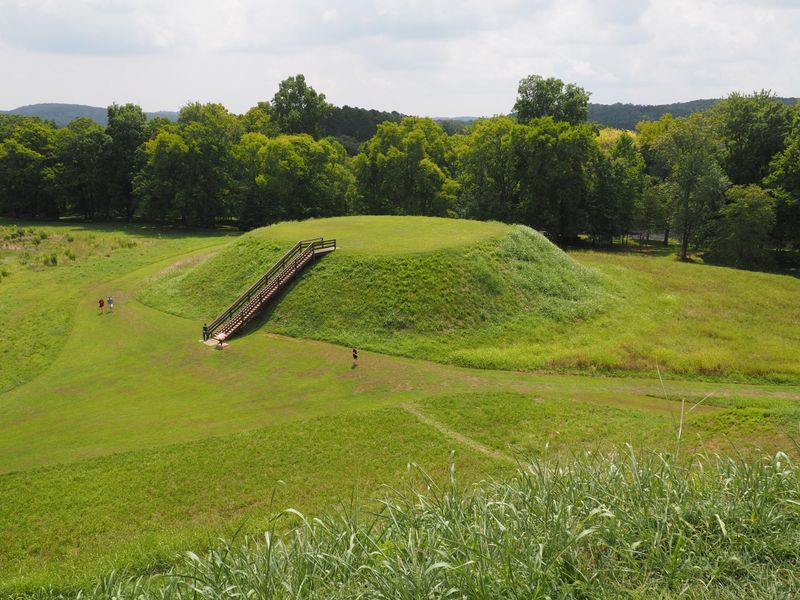
Native Americans built these massive earthen structures nearly 1,000 years ago along the Etowah River. The site sits at 813 Indian Mounds Road Southwest in Cartersville, preserving one of the most intact Mississippian culture villages in the Southeast. Six mounds rise dramatically from the flat river valley.
The largest mound stands 63 feet tall and once supported a temple where religious ceremonies took place. You can climb wooden stairs to the top for incredible views across the river and surrounding countryside. Archaeologists have uncovered amazing artifacts including copper plates, stone effigies, and shell beads.
The museum displays these treasures along with explanations of how the Etowah people lived, farmed, and organized their society. Walking trails connect the mounds and lead to the river where villagers fished and traded with distant communities. Understanding this sophisticated pre-Columbian civilization challenges many assumptions about ancient American cultures.
8. Euharlee Welcome Center & History Museum – Euharlee
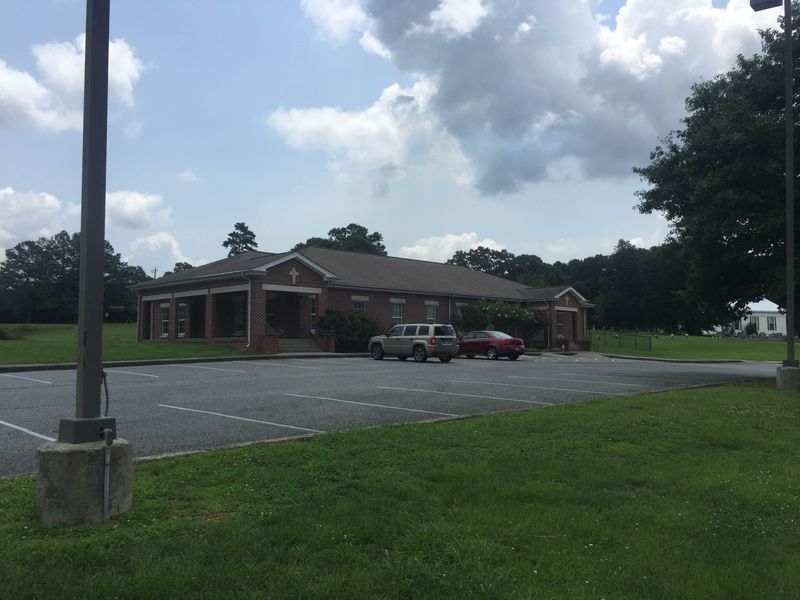
Small towns preserve big stories when communities care about their heritage. The museum stands at 102 West Main Street in Euharlee, a tiny town that played important roles in Creek Indian history and the Civil War. Local volunteers have gathered artifacts and documents that bring the area’s past to life.
You’ll learn about the Euharlee Creek covered bridge, one of Georgia’s oldest remaining covered bridges nearby. Displays cover Native American settlements, pioneer farming families, and how the railroad transformed the community. Old photographs show Main Street when it bustled with commerce and social activity.
Military exhibits focus on local soldiers who fought in various American wars. The volunteers who staff the museum often have personal connections to the stories they tell, adding warmth and authenticity to your visit. Their passion for preserving Euharlee’s heritage makes even visitors from elsewhere feel connected to this charming community’s remarkable history.
9. Roswell History Museum – Roswell
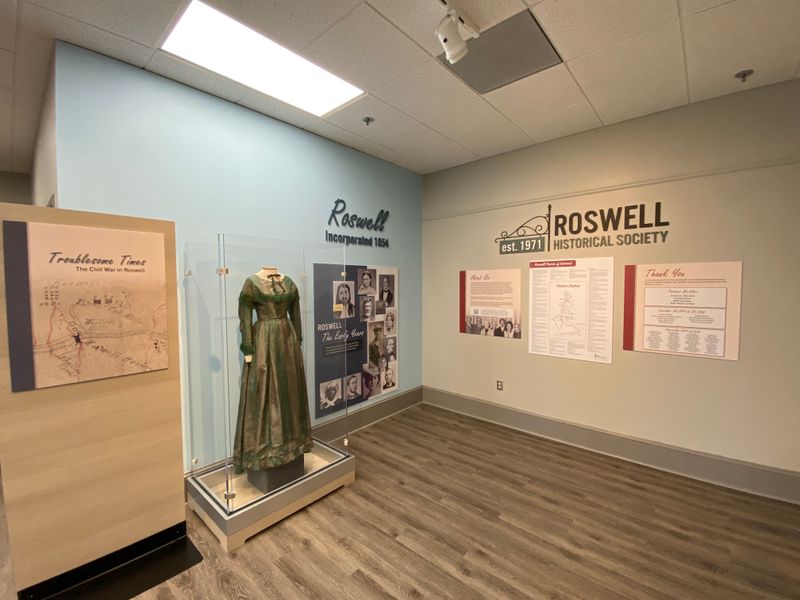
A thriving mill town’s complete history unfolds across multiple gallery spaces downtown. The museum operates at 227 South Atlanta Street in Roswell, telling stories from Native American inhabitants through modern suburban development. Interactive exhibits make history accessible for all ages.
Roswell’s founding families established textile mills that drove the local economy for generations. You’ll see how mill workers lived, what they produced, and how the Civil War disrupted everything. Union troops burned the mills and sent workers north, creating one of the war’s most controversial episodes.
Artifacts range from Native American tools to Civil War uniforms to mid-century household items. The museum doesn’t just focus on wealthy founders but gives voice to enslaved people, mill workers, and ordinary families who built the community. Temporary exhibits rotate regularly, so repeat visitors always discover something new about this historically rich Atlanta suburb.
10. Smith Plantation – Roswell
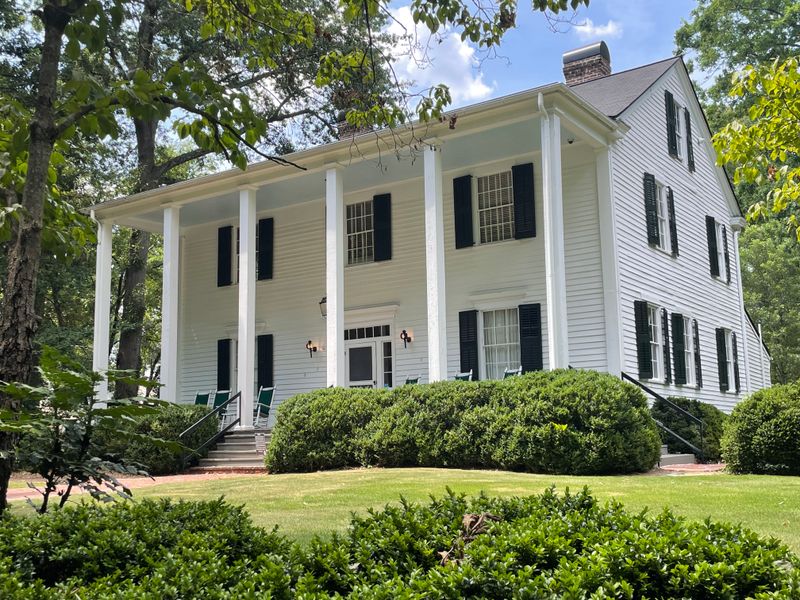
Cotton farming shaped Georgia’s economy and society in complex, often painful ways. This plantation at 935 Alpharetta Street in Roswell shows both the grandeur and harsh realities of antebellum agricultural life. The main house and several outbuildings remain intact.
Archibald Smith moved here in 1845 with his family and enslaved workers who made the plantation profitable. Tours don’t romanticize plantation life but honestly address how slavery functioned and affected everyone involved. You’ll see the main house where the Smith family lived in comfort alongside the plain cabins where enslaved people endured harsh conditions.
The kitchen, barn, and other structures show how a plantation operated as a complete economic system. Interpreters explain agricultural techniques, daily routines, and social hierarchies. Learning about this difficult period helps us understand how slavery’s legacy still affects Georgia and America today.
The plantation offers important lessons we shouldn’t forget.
11. Hofwyl-Broadfield Plantation – Brunswick
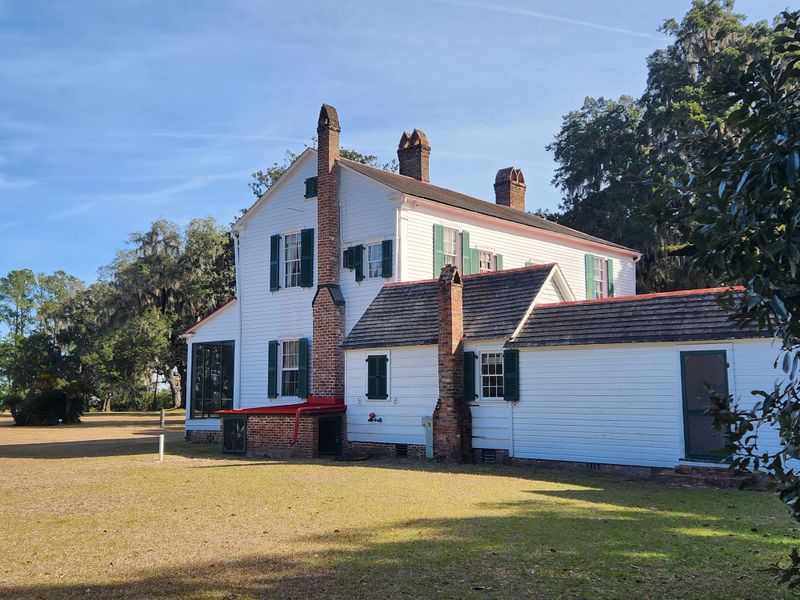
Rice cultivation once dominated Georgia’s coastal economy, requiring specialized knowledge and backbreaking labor. The plantation spreads across 1,268 acres at 5556 US Highway 17 North near Brunswick. Five generations of one family lived here from 1807 until 1973.
You’ll tour the main house filled with family furnishings and personal belongings spanning 166 years. The real story unfolds outside where enslaved workers created an intricate system of dikes, canals, and fields to grow rice in tidal marshes. Their expertise made fortunes for plantation owners.
Walking trails lead through former rice fields now returned to natural marsh habitat. Interpretive signs explain the sophisticated engineering and agricultural techniques required for successful rice farming. The museum honestly addresses slavery’s central role in the plantation economy.
Birds and wildlife now thrive where workers once toiled, creating a peaceful but historically significant landscape worth exploring thoroughly.
12. Mosaic, the Jekyll Island Museum – Jekyll Island
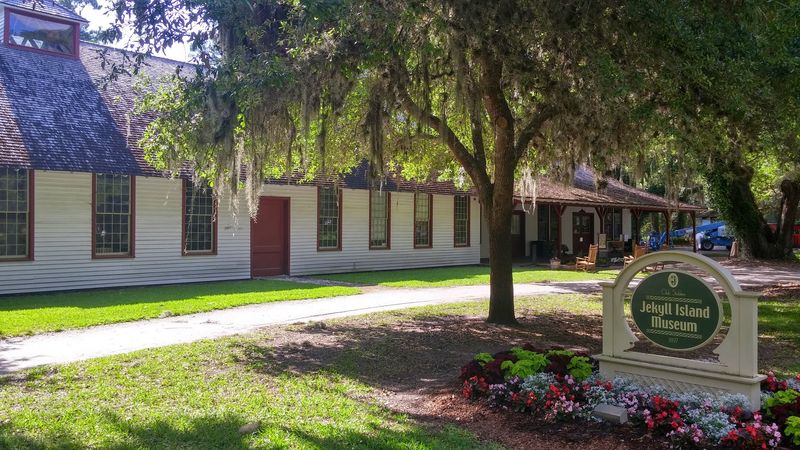
America’s wealthiest families vacationed together on this exclusive island retreat during the Gilded Age. The museum occupies historic buildings at 100 Stable Road on Jekyll Island, telling stories of Rockefellers, Vanderbilts, and other millionaires who owned the island as a private club. Their combined wealth represented one-sixth of the world’s riches.
You’ll explore restored cottages where these families spent winters enjoying mild coastal weather and each other’s company. The club operated from 1886 to 1942, hosting some of America’s most powerful industrialists and financiers. Exhibits show how they relaxed, entertained, and sometimes made business deals that shaped the nation.
Original furnishings, photographs, and personal items reveal surprisingly normal family moments despite extraordinary wealth. The museum also covers the staff and workers who maintained the club, providing necessary context about economic inequality. Understanding this unique chapter of American history helps explain how concentrated wealth influenced politics, business, and society during a transformative era.
13. St. Simons Island Lighthouse Museum – St. Simons Island
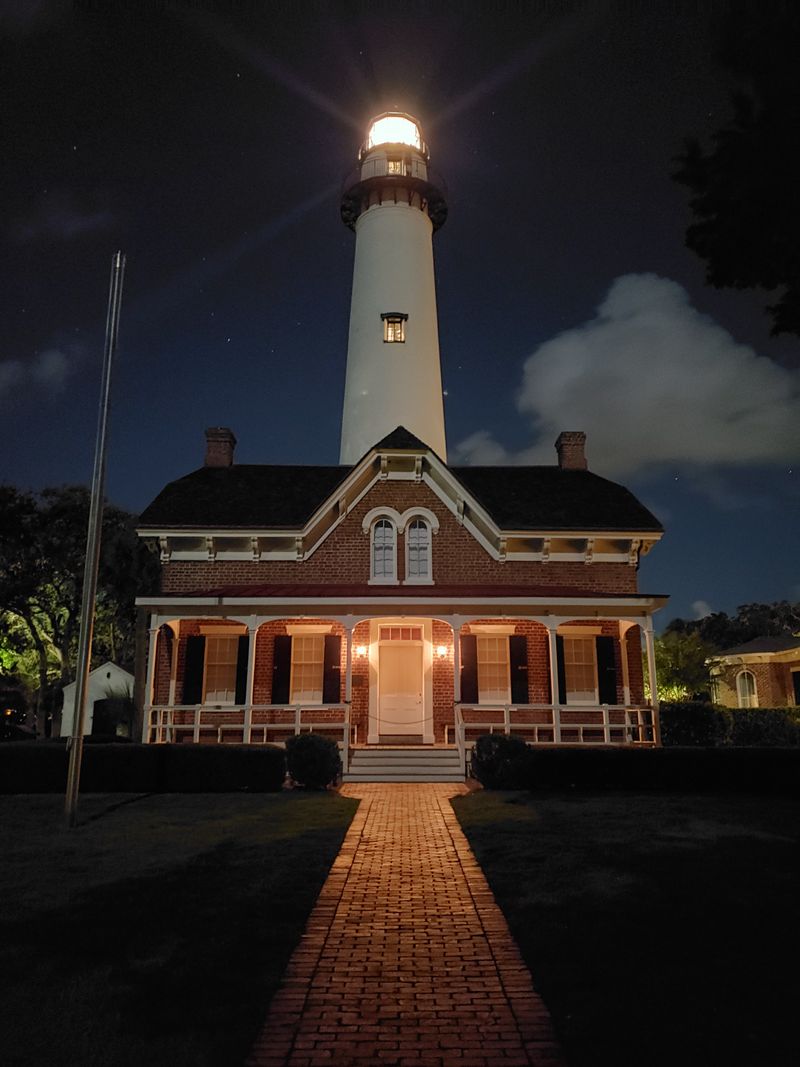
Lighthouse beams have guided ships safely past Georgia’s coast since 1872. The lighthouse rises 104 feet at 101 12th Street on St. Simons Island, still functioning as an active navigation aid. Climbing the 129 steps to the top rewards you with spectacular ocean and island views.
The keeper’s house contains exhibits about lighthouse operations, maritime history, and the families who lived here maintaining the light. You’ll learn about daily routines, equipment maintenance, and the isolation lighthouse keepers experienced. Original furnishings show how keeper families made comfortable homes in these working buildings.
A previous lighthouse stood here until Confederate forces destroyed it during the Civil War to prevent Union ships from using it. Stories about shipwrecks, storms, and rescues bring maritime history to life. The museum balances technical information about lighthouse engineering with human stories about the dedicated people who kept the light burning through every weather condition imaginable.
14. World War II Homefront Museum – St. Simons Island
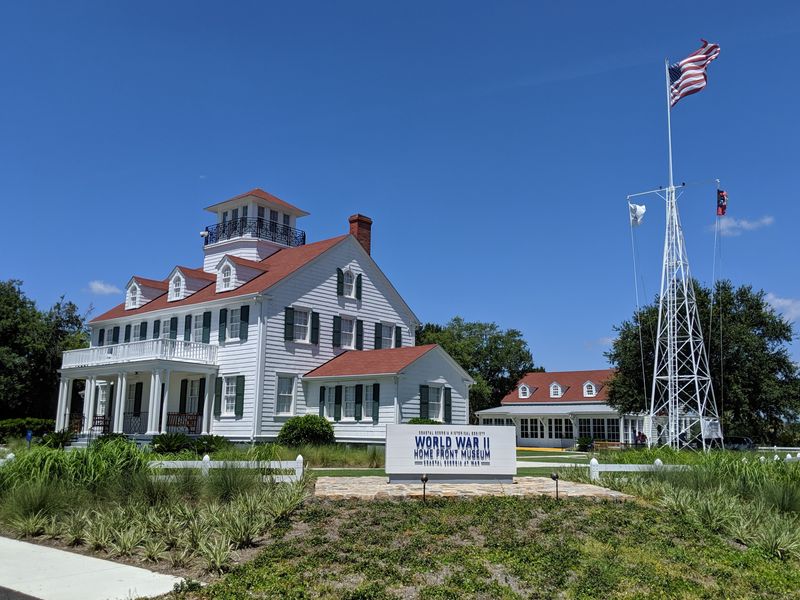
War transformed American life even for those who never left home during the 1940s. The museum at 4201 First Street on St. Simons Island focuses on how civilians supported the war effort through rationing, bond drives, and industrial production. Exhibits recreate the atmosphere of wartime America.
You’ll see ration books, victory gardens, propaganda posters, and household items from the era. The museum explains how families coped with shortages of food, gasoline, and consumer goods. Women entered factories in unprecedented numbers while men served overseas.
Local connections make the exhibits especially meaningful since St. Simons Island hosted military installations and witnessed German submarines lurking offshore. Personal stories from island residents who lived through the war add emotional depth to historical facts. Understanding the home front experience shows how total war required every American’s participation and sacrifice, not just soldiers in combat zones.
15. New Echota Historic Site – Calhoun
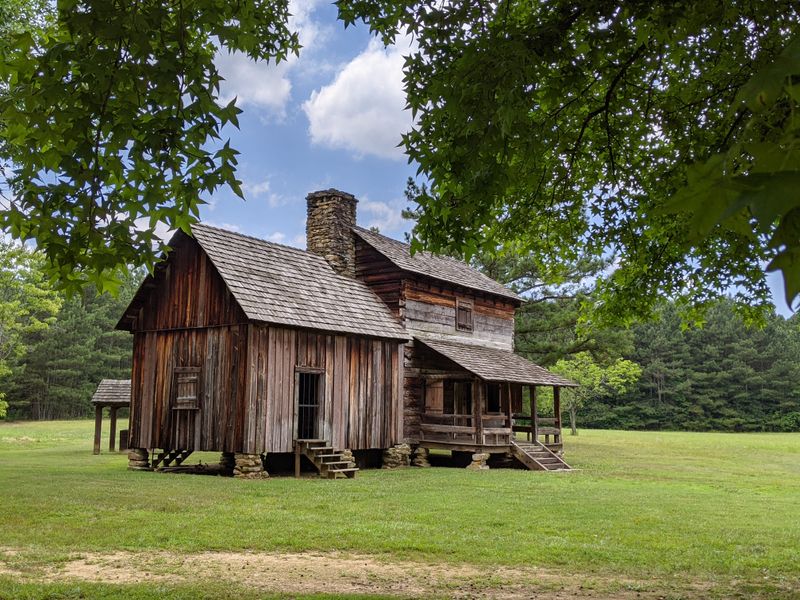
The Cherokee Nation established their capital here, creating a government modeled after the United States. The site preserves buildings at 1211 Chatsworth Highway Northeast in Calhoun where Cherokee leaders worked to maintain their sovereignty during the 1820s and 1830s. Reconstructed and original structures tell this important story.
You’ll visit the Supreme Court building, print shop where the Cherokee Phoenix newspaper was published, and several homes. The Cherokee developed their own written language and printed materials in both Cherokee and English. They adopted many aspects of European-American culture while maintaining their identity.
Despite these efforts, Georgia and federal authorities forced the Cherokee west on the Trail of Tears in 1838. The site doesn’t sugarcoat this tragedy but honors Cherokee resilience and cultural achievements. Walking these grounds where a nation fought for survival creates powerful connections to one of American history’s most shameful chapters and the remarkable people who endured it.
16. James Longstreet Museum – Gainesville
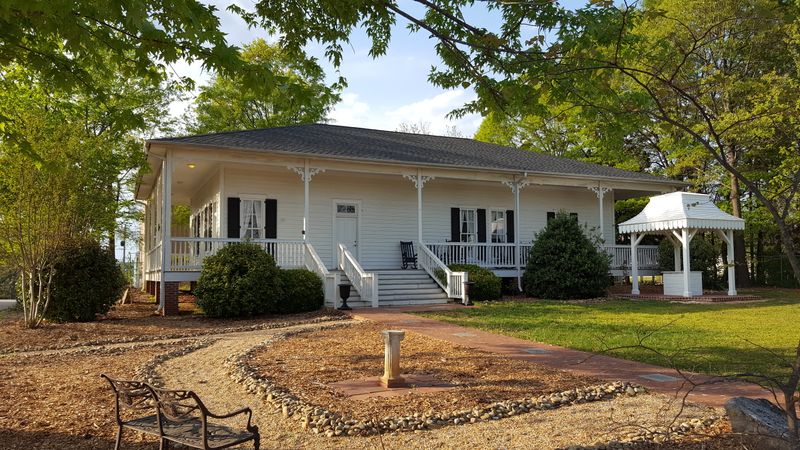
Confederate General James Longstreet lived in Gainesville after the Civil War, pursuing a controversial post-war career. The museum stands at 2986 Old Flowery Branch Road in Gainesville, examining his military service and complicated legacy. Longstreet fought in major battles including Gettysburg and the Wilderness.
Exhibits display uniforms, weapons, maps, and documents from his Confederate service. You’ll learn about his close friendship with Ulysses S. Grant before the war and their complex relationship afterward.
Longstreet’s post-war support for Reconstruction and the Republican Party made him a traitor in many white Southerners’ eyes.
The museum doesn’t avoid difficult questions about Confederate memory and how we interpret Civil War history today. Longstreet’s story shows how veterans on both sides struggled to rebuild lives and a nation after devastating conflict. Understanding his military career and controversial choices afterward provides insights into how Americans have argued about the war’s meaning for more than 150 years.
17. Northeast Georgia History Center – Gainesville
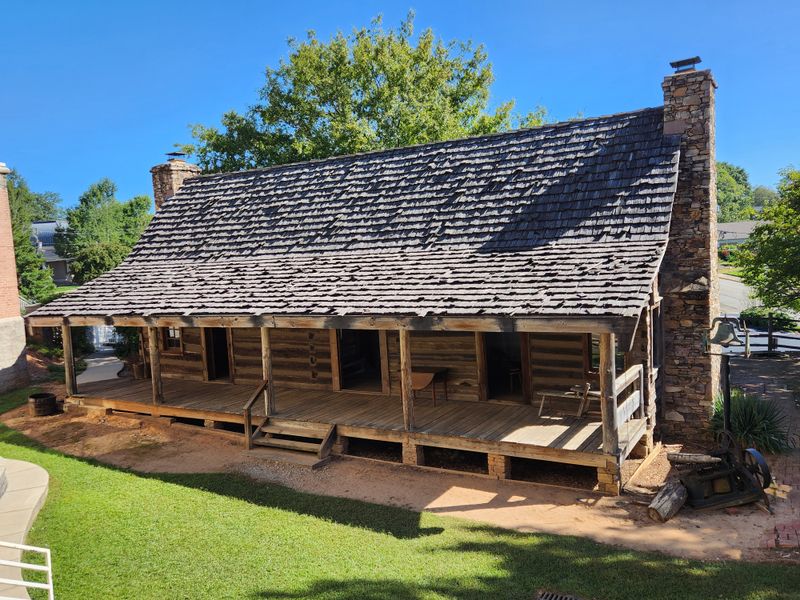
Mountain foothills culture developed differently from coastal and piedmont Georgia regions. The center operates at 322 Academy Street Northeast in Gainesville, preserving stories from this distinctive area. Exhibits cover Native American settlements through modern poultry industry dominance.
You’ll discover how geography shaped everything from agriculture to architecture in northeast Georgia. The region’s rivers powered mills while mountains isolated communities, creating unique traditions. Displays feature Cherokee artifacts, pioneer tools, Civil War materials, and 20th-century industrial development.
Gainesville became the poultry capital of the world, transforming from a small mountain town into a prosperous city. The museum explains this economic evolution and how immigrant workers changed local demographics. Special attention goes to the 1936 tornado that destroyed much of downtown, killing over 200 people.
Regional history museums like this one preserve stories that might otherwise disappear as older generations pass away and communities change.