Spring Feels Magical Inside This Waterfall-Filled Oregon Park
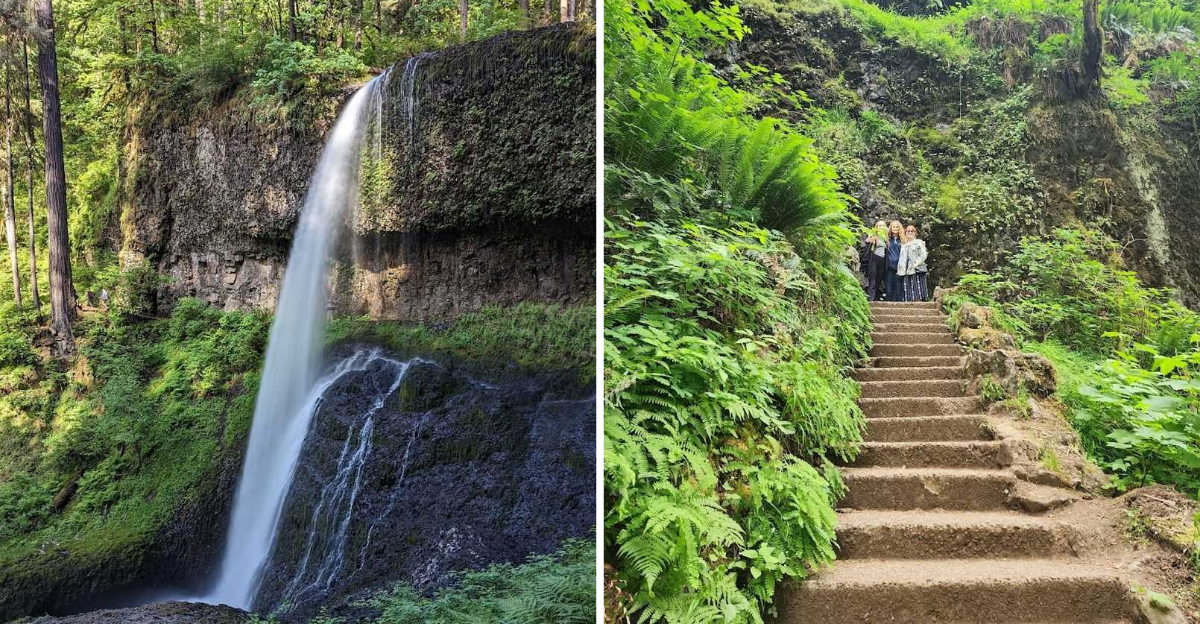
Waterfalls transform a park and this Oregon one holds several of them. Spring turns every trail into something full of sound and unexpected color.
Paths wind past cascades that feel almost deliberately placed for full effect. Moving water makes the landscape feel more alive than almost anywhere else.
Wildflowers appear along the edges and light shifts through the trees beautifully. Visitors who arrive in spring say the timing changes the whole experience.
I visited in April and stopped more times than I planned. Oregon parks are wonderful year-round but spring here is genuinely different.
Go while the water runs high and let the season carry you.
A Park Born From Oregon’s Wild Heart
Long before hikers arrived with cameras and trail maps, this land was shaped by volcanic activity and ancient rivers carving through rock.
Silver Falls State Park sits in the foothills of the Cascade Range in Oregon, covering over 9,000 acres of dense forest and canyon terrain. It became an official state park in 1933, making it one of the oldest in Oregon.
The park was developed in part through the Civilian Conservation Corps during the 1930s. Workers built trails, lodges, and infrastructure that still stand today.
That history gives the park a layered character that feels different from newer outdoor destinations.
Knowing the backstory of a place changes how you experience it. Walking trails built nearly a century ago, surrounded by old-growth trees, adds a quiet sense of connection that is hard to find elsewhere in the Pacific Northwest.
Ten Waterfalls, One Legendary Trail
The Trail of Ten Falls is the main reason most people make the trip to Silver Falls State Park, and it absolutely earns its reputation.
The full loop stretches 7.2 miles and passes ten distinct waterfalls, each one different in height, shape, and character. Some thunder down in wide curtains, while others slip quietly over mossy ledges.
South Falls is the crown jewel of the route, dropping 177 feet into a wide canyon pool. It is one of the tallest waterfalls in Oregon and one of the few where you can walk directly behind the falling water.
Four of the ten waterfalls allow you to walk behind them, which makes the trail feel more like an adventure than a standard hike. The path is well-marked and well-maintained, with sturdy wooden staircases on the steeper sections.
Most hikers complete the full loop in three to four hours at a relaxed pace.
If time is short, the South Falls loop is a shorter option that still delivers the most dramatic scenery. Either way, the trail rewards every step with something worth pausing to appreciate.
Spring Turns The Forest Electric
Visiting in spring feels like catching the park at its most alive. April and May bring heavy snowmelt from the Cascades, which pushes water volume in Silver Creek to its peak.
The waterfalls run fuller and louder than at any other time of year, and the spray reaches much further along the trail.
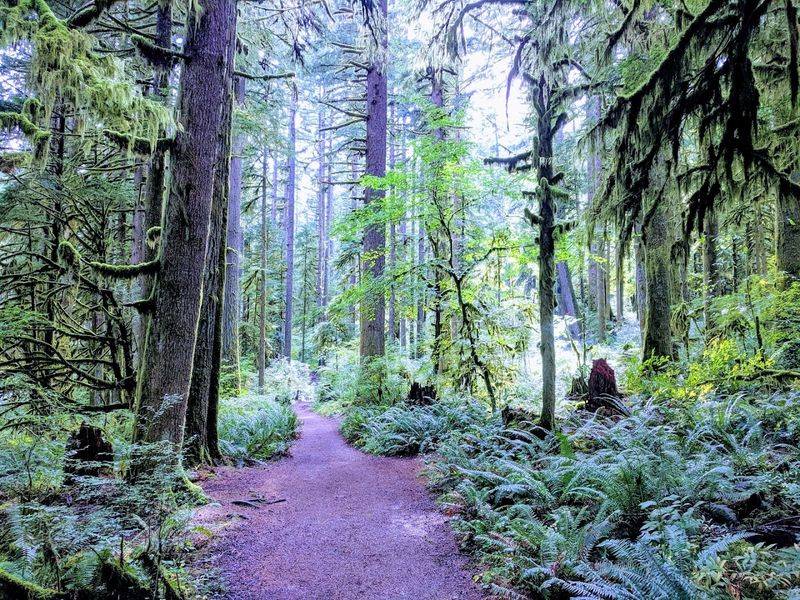
The forest floor in Oregon’s wet season transforms into something extraordinary. Bigleaf maple trees leaf out in pale yellow-green, sword ferns unfurl along every canyon wall, and bright mosses cover almost every rock and log in sight.
The color contrast between the dark basalt canyon walls and the vivid green vegetation is striking at every turn.
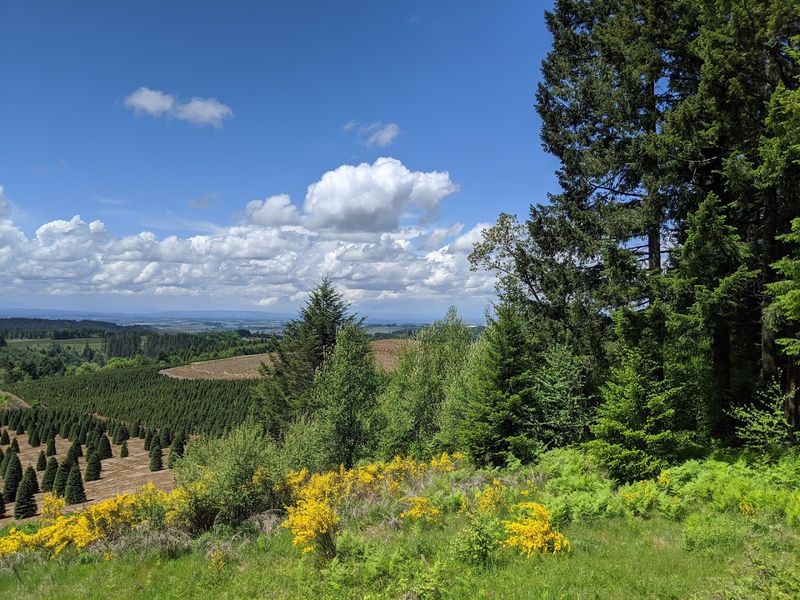
Spring also brings wildflowers to the park’s meadow areas and upper rim trails. Trilliums appear in shaded spots near the creek, and wild bleeding heart plants add small bursts of pink along the path edges.
Morning light in spring filters through the tree canopy at a low angle, creating natural spotlighting on the waterfalls that photographers absolutely love.
Walking Behind The Falls Itself
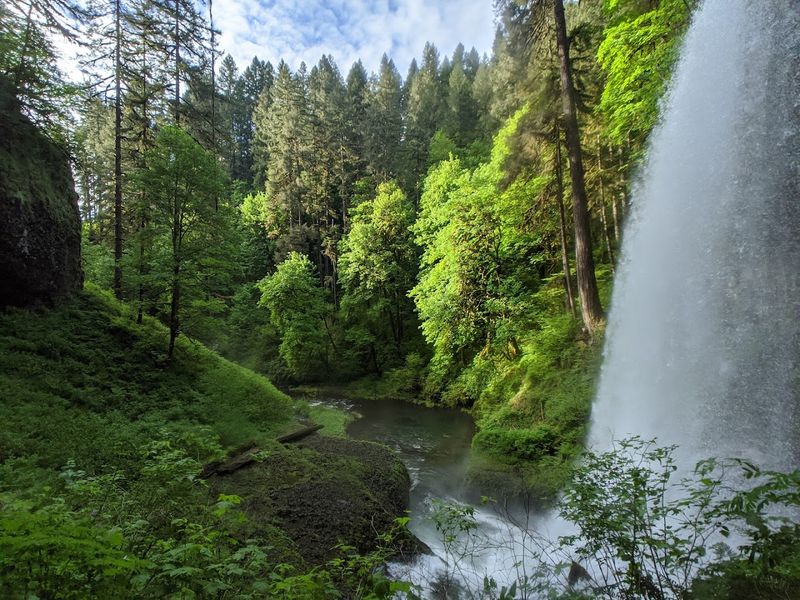
There are not many places in the country where you can stand behind a 177-foot waterfall and look out through a curtain of falling water.
At Silver Falls State Park, that is simply part of the standard trail experience. The sensation is both calming and thrilling at the same time.
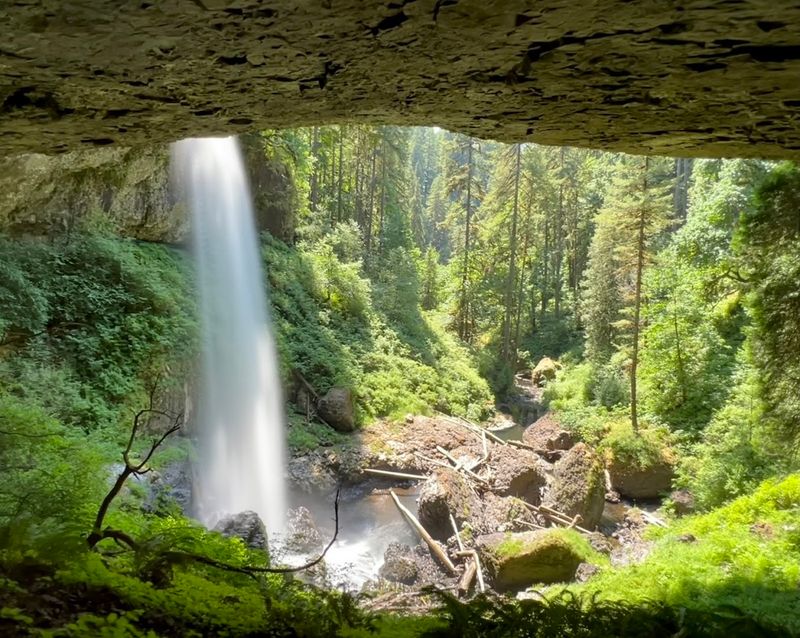
The trail passes through a natural alcove carved into the basalt cliff behind South Falls. The rock ceiling curves overhead, worn smooth by centuries of water and wind.
Water mist drifts back into the cave, keeping the air cool and fresh even on warm days. The acoustics inside the alcove amplify the sound of the falls into a deep, resonant roar.
Lower South Falls, at 93 feet tall, also allows behind-the-falls access and offers a slightly different perspective. The path here hugs the cliff wall closely, with the waterfall just feet away.
It is one of those moments where a photo simply cannot capture the full experience.
Wearing a light rain jacket or packable poncho on this section of the trail is a smart move. The mist is constant and will soak through a regular shirt fairly quickly.
Camping Inside The Canyon
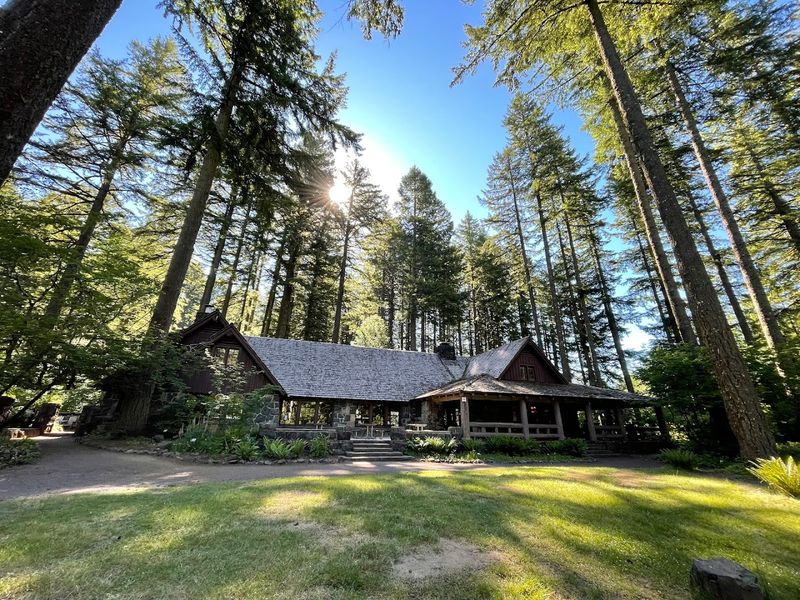
Spending the night inside Silver Falls State Park opens up a completely different experience from a day visit.
The campground sits within the forested park grounds and includes tent sites, RV hookups, and a collection of cabins that book up quickly, especially in spring and summer.
The cabins are sturdy and comfortable, with basic furnishings and enough space for a small family. Several are handicap accessible, which makes overnight stays possible for a wider range of visitors.
Proximity to the restroom and shower facilities varies by cabin number, so checking the map before booking is worth the extra minute.
Evenings at the campground carry a particular kind of quiet. The forest absorbs sound in a way that feels almost deliberate, and the air smells like cedar and damp earth after dark.
Wildlife is active at night in this part of Oregon, so storing food securely and keeping scented items locked away is important.
What To Pack For The Trail
Packing smart makes a noticeable difference in how much you enjoy the day.
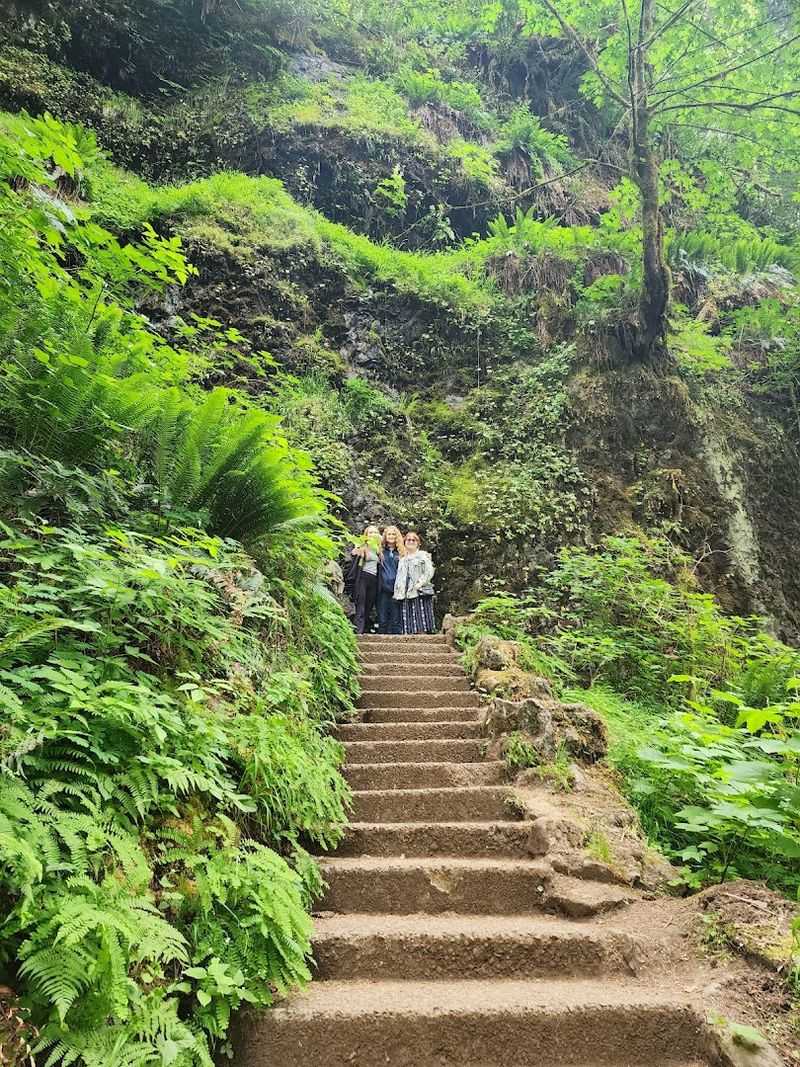
The trails are well-maintained but include steep staircases, rooted sections, and consistently wet surfaces near the waterfalls. Footwear with solid grip is the single most important item to bring.
Trail runners or light hiking boots with rubber lug soles handle the terrain well in all seasons. Sandals and flat-soled shoes become a real problem on the staircase sections, especially when they are damp.
Trekking poles are helpful for anyone who prefers extra stability on the downhill stretches.
A reusable water bottle is essential. The full loop covers 7.2 miles, and the exertion level is moderate enough that hydration matters even on cool days.
There are no water refill stations along the trail itself, so carrying enough from the start is the safest approach.
A small daypack with snacks, a packable rain layer, and a portable phone charger rounds out a practical kit. Oregon weather can shift quickly, even in spring, and staying comfortable keeps the mood positive throughout the hike.
Beyond The Main Loop Trail
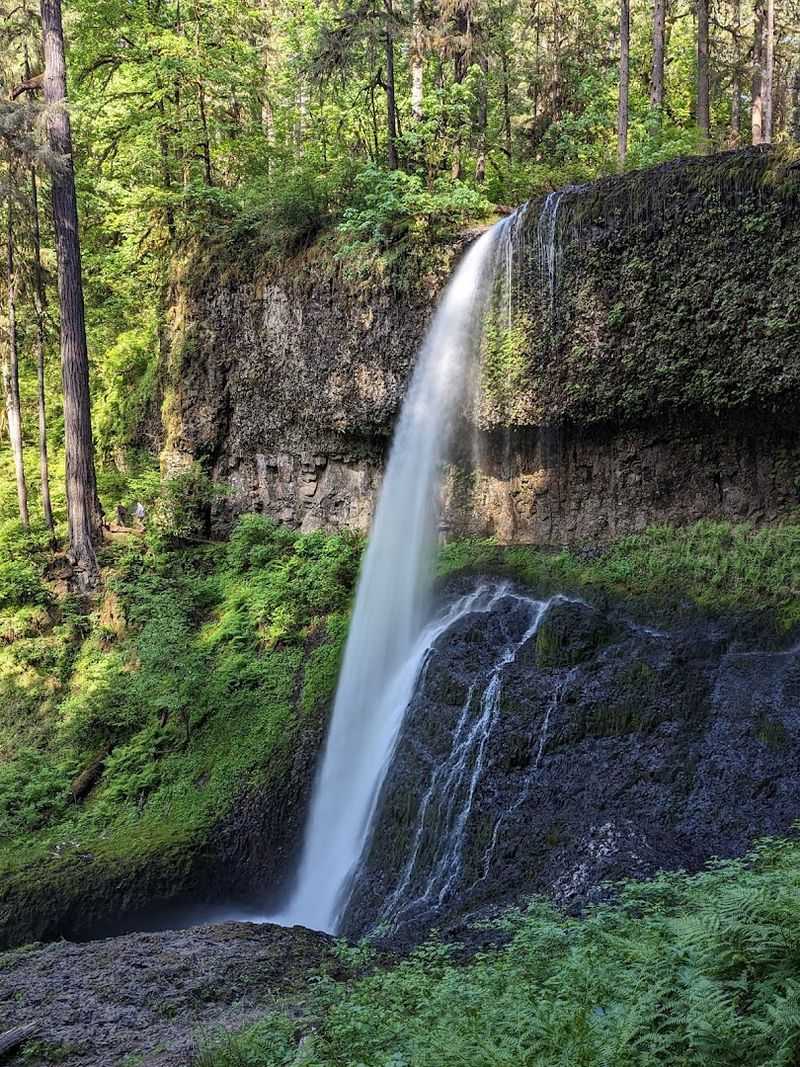
Most visitors focus entirely on the Trail of Ten Falls, but the park holds far more than that single loop.
Silver Falls State Park contains over 35 miles of trails in total, spread across canyon bottoms, forested ridges, and open meadow areas. Many of these trails see a fraction of the foot traffic that the main waterfall loop attracts.
Equestrian trails wind through the eastern sections of the park, offering a quieter way to explore the landscape on horseback.
Mountain biking is permitted on designated trails as well, which adds a different energy to a park that might otherwise feel purely contemplative. Both options require some planning, since not all trails allow every activity.
The Rim Trail follows the canyon edge above the main waterfall loop and delivers elevated views down into the gorge that most hikers never see.
It connects several points along the main loop and adds distance for those who want a longer outing without repeating sections they have already walked. Connector trails throughout the park let you customize your route based on time, energy, and interest.
Practical Tips Before You Go
A few practical details make the difference between a smooth visit and a frustrating one.
The park is open daily from 8 AM to 6 PM, and those hours are enforced consistently. Arriving right at opening time on weekends in spring is one of the best strategies for securing a parking spot without stress.
Parking fills up fast, particularly at the South Falls day-use area, which is the most popular entry point. The lot can reach capacity by mid-morning on sunny spring weekends.
Arriving early, ideally before 9 AM, gives you the best chance of a smooth start. Patience and a backup plan for overflow parking are useful to have.
A day-use parking fee applies to all vehicles. Oregon residents with an annual state park pass can use it here, which is worth checking before you arrive.
Dogs are allowed on most of the Trail of Ten Falls if leashed. This is important information to remember if you are a pet owner.
Downloading an offline trail map before you leave the trailhead area is a smart and simple precaution.