This Spring Guide To Georgia’s Wildflower Meadows Is Worth Saving For 2026
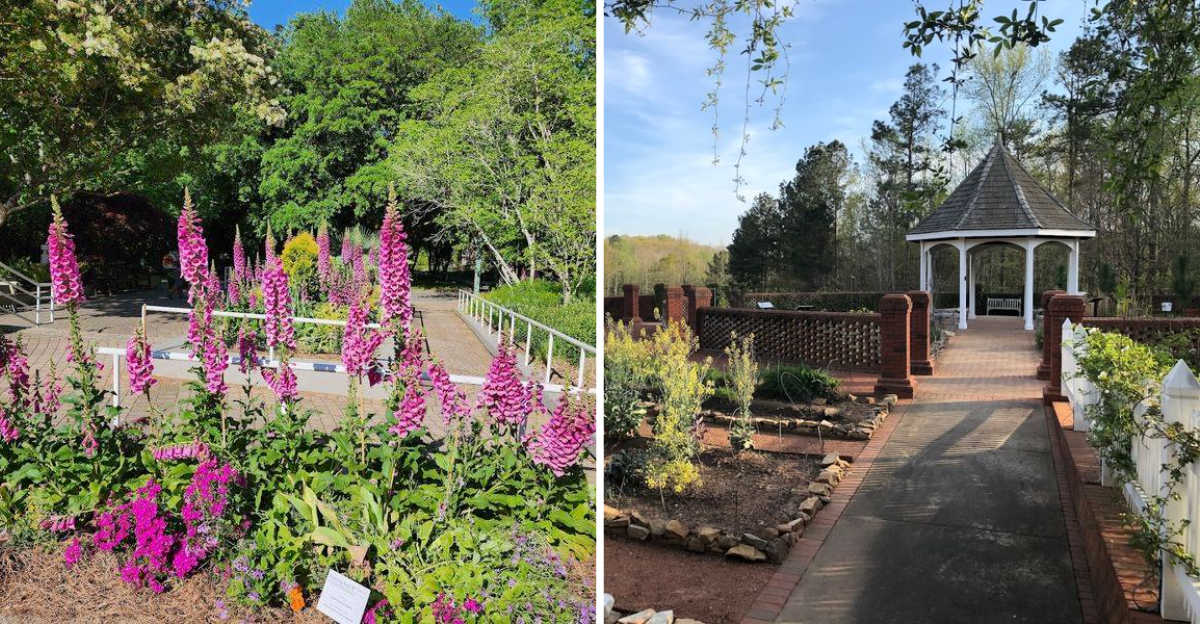
Color has a way of taking over in spring, and nowhere is that more evident than at the State Botanical Garden of Georgia in Athens. As the season settles in, the meadows transform into a vibrant display of native wildflowers, creating a landscape that feels both peaceful and full of life.
Paths wind through bursts of color, inviting visitors to slow down and take in the details that make each visit feel a little different. The setting offers a quiet escape, whether you are exploring on your own, learning more about local plant life, or simply enjoying time outdoors.
Each bloom adds to an experience that feels seasonal and fleeting in the best way. For anyone planning ahead, spring 2026 promises a chance to see the garden at one of its most beautiful and memorable moments.
Diverse Wildflower Meadows
Few sights in Georgia match the sheer joy of walking through a meadow filled with native wildflowers in full bloom. The State Botanical Garden of Georgia, located at 2450 S Milledge Ave, Athens, GA 30605, hosts sprawling meadow sections where Black-Eyed Susans, Indian Blanket flowers, and Coreopsis paint the landscape in warm golds, oranges, and yellows every spring.
These are not just pretty flowers. They play a real role in supporting local pollinators like bees, butterflies, and native birds. Visiting during peak bloom, typically between late March and early May, gives you the best chance to see the meadows at their most vibrant.
Comfortable walking shoes are a smart choice since some meadow paths can be uneven. Mornings tend to offer softer light and cooler temperatures, making it an ideal time for a leisurely stroll through one of Georgia’s most colorful spring landscapes.
Heritage Garden
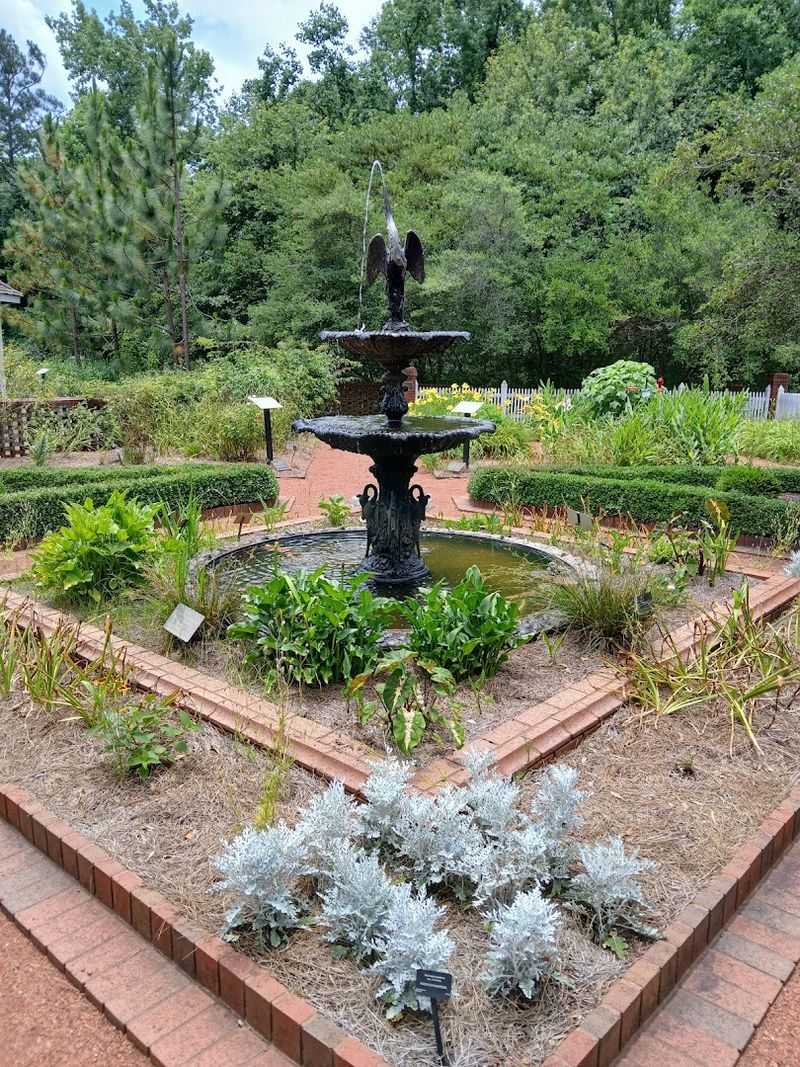
Georgia’s farming roots run deep, and the Heritage Garden brings that history right to your fingertips. Tucked within the State Botanical Garden of Georgia this section showcases plants that shaped the state’s economy and culture for centuries, including cotton, peanuts, and tobacco.
Walking through these rows feels almost like stepping into a living history lesson. Interpretive signage explains how each crop was grown, harvested, and used, making it genuinely engaging for visitors of all ages. Kids who have only seen cotton on clothing labels often have a memorable moment here when they see the actual plant up close.
Spring is a particularly good time to visit because many of the heritage plants are just beginning their seasonal growth cycle, so the garden feels full of quiet energy and possibility. Plan to spend at least 20 to 30 minutes exploring this thoughtful and educational section.
Flower Garden
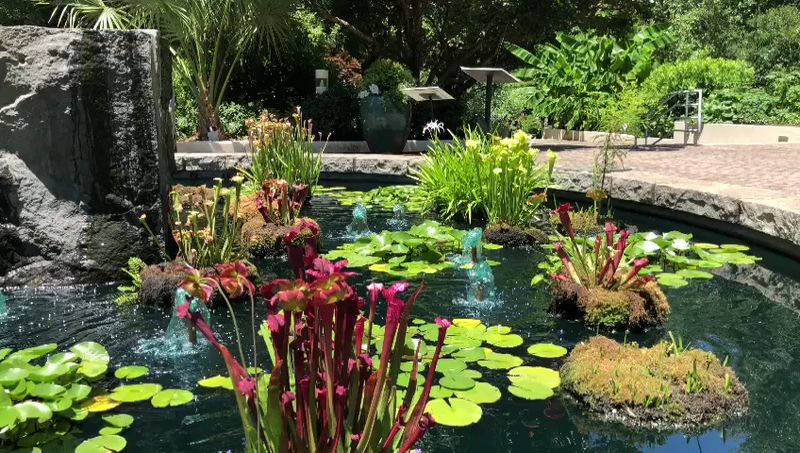
There is something almost dreamlike about walking through a garden where every turn reveals a new burst of color and fragrance. The Flower Garden at the State Botanical Garden of Georgia, features an impressive lineup of ornamental plants including daylilies, irises, dahlias, peonies, and seasonal bulbs arranged in beautifully maintained beds.
A dedicated fragrance garden and a butterfly garden sit within this section, adding layers of sensory experience that go well beyond just looking at pretty plants. The butterfly garden in particular tends to draw visitors who linger far longer than they planned, watching monarchs and swallowtails move lazily from flower to flower.
Spring is prime time here, with irises and peonies typically reaching peak bloom between April and early May. Arriving on a weekday morning helps avoid weekend crowds and gives a more relaxed, unhurried pace to appreciate every bloom at its finest.
International Garden
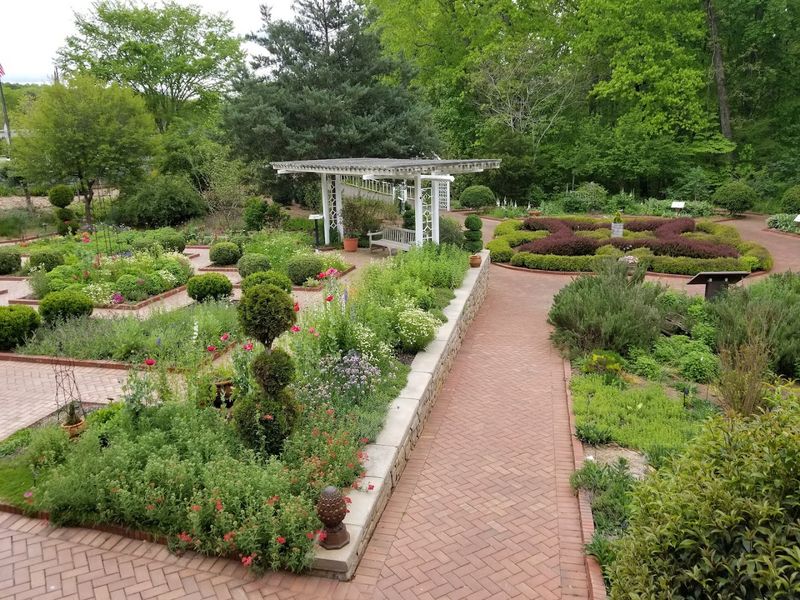
Not many botanical gardens in the Southeast offer a passport-worthy experience, but this one quietly does. The International Garden at the State Botanical Garden of Georgia, takes visitors on a cultural and horticultural journey through regions including the Mediterranean, the Middle East, and China, all within a single beautifully curated outdoor space.
Each section reflects the plant traditions and aesthetics of its region, from drought-tolerant Mediterranean herbs to ornamental Chinese flowering shrubs. Reading the interpretive signs alongside each planting bed adds real context and makes the experience feel educational without being overwhelming.
Spring is an especially rewarding time to visit because many of the Mediterranean and East Asian plants bloom early in the season, offering vivid color before the Georgia heat sets in. Visitors interested in global gardening trends or sustainable landscaping will find plenty of fresh inspiration tucked into every corner of this remarkable and underappreciated garden section.
Alice H. Richards Children’s Garden
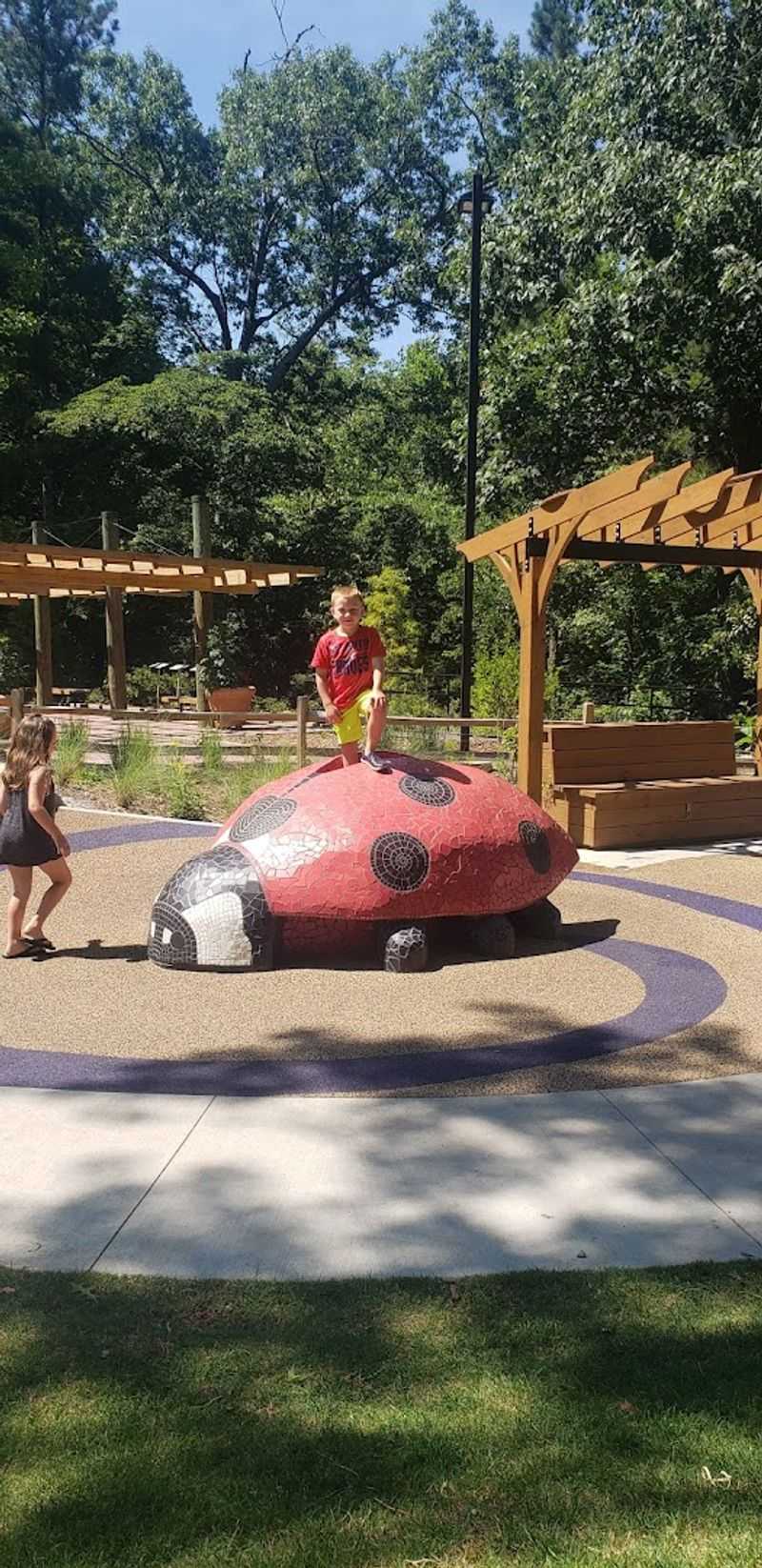
Designed with curiosity in mind, the Alice H. Richards Children’s Garden turns a simple garden visit into a full-on adventure for younger visitors. Located within the State Botanical Garden of Georgia this interactive landscape encourages kids to touch, explore, and discover the natural world through hands-on experiences that feel more like play than education.
Features include sensory plant beds, water elements, and themed discovery zones that spark questions and conversations between kids and the adults who bring them. Parents often report that children who typically rush through museums slow right down here, genuinely absorbed in what surrounds them.
Spring is an ideal time to bring the family because the garden is in full seasonal bloom and outdoor temperatures are comfortable for extended outdoor play. Strollers navigate most areas well, and restrooms are reasonably close by. A visit here easily becomes the highlight of a family day trip to Athens, Georgia.
Nature Trails
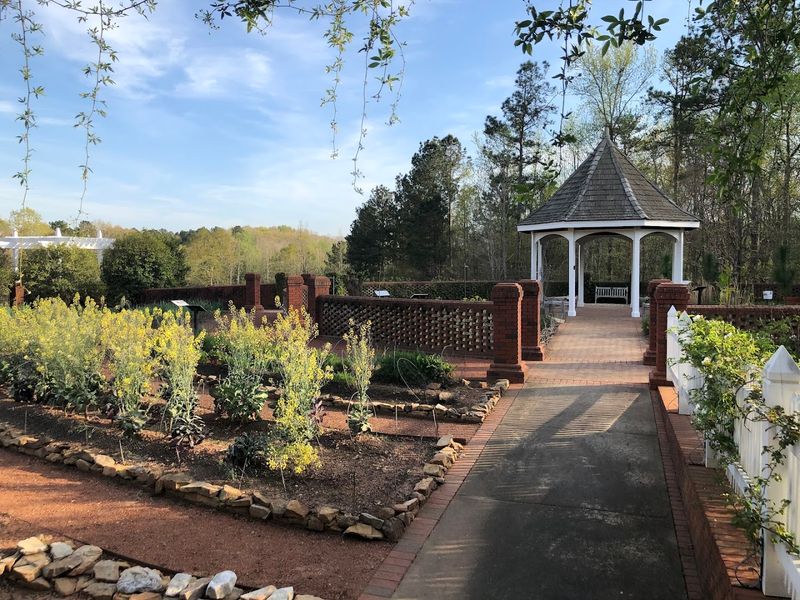
Over five miles of well-maintained trails wind through some of the most varied natural landscapes you will find within a botanical garden in the Southeast. The State Botanical Garden of Georgia, offers trail sections that pass through mixed hardwood forests, open meadow edges, and wetland zones, each with its own distinct plant and wildlife communities.
Spring hiking here feels genuinely rewarding because trailside wildflowers are at their peak and the forest canopy is just beginning to leaf out, allowing dappled light to filter beautifully through the trees. Birdsong is practically constant during morning hours in April and May.
Trails range from easy, flat loops to slightly more rugged paths, so it helps to check the garden’s trail map before heading out. Sturdy sneakers or light hiking shoes are recommended, especially after rain. Water and sunscreen are smart additions to any spring trail kit here.
Conservatory
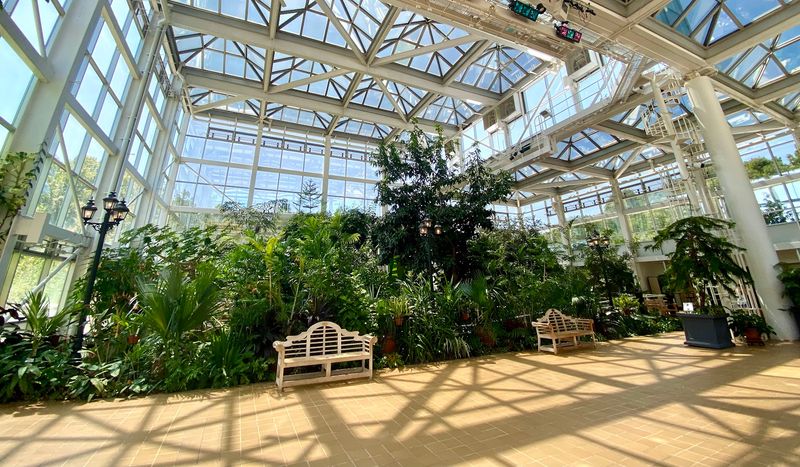
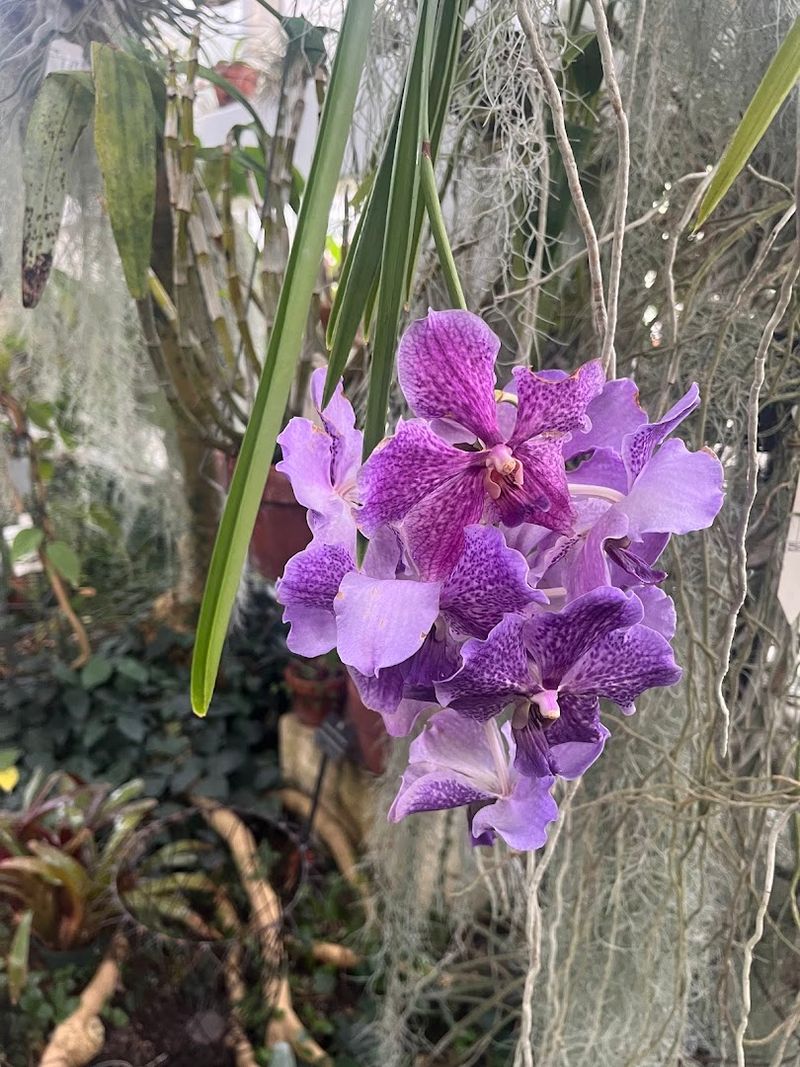
Stepping into the conservatory at the State Botanical Garden of Georgia feels like crossing into a completely different world. Inside the Visitor Center this glass-enclosed tropical space houses plants from equatorial rainforests around the globe, creating a warm, humid, and visually lush environment year-round.
Towering palms, cascading vines, and exotic flowering plants fill the space in a way that genuinely surprises first-time visitors who did not expect to find a slice of the tropics tucked inside a Georgia garden. Interpretive displays explain the ecological roles these plants play in their native habitats, from oxygen production to supporting food chains.
The conservatory is a particularly welcome stop on cooler spring days when outdoor temperatures are still unpredictable. It is also a good option for visitors with mobility considerations since the interior is accessible and climate-controlled. Budget at least 20 minutes to take it all in properly.
Educational Programs
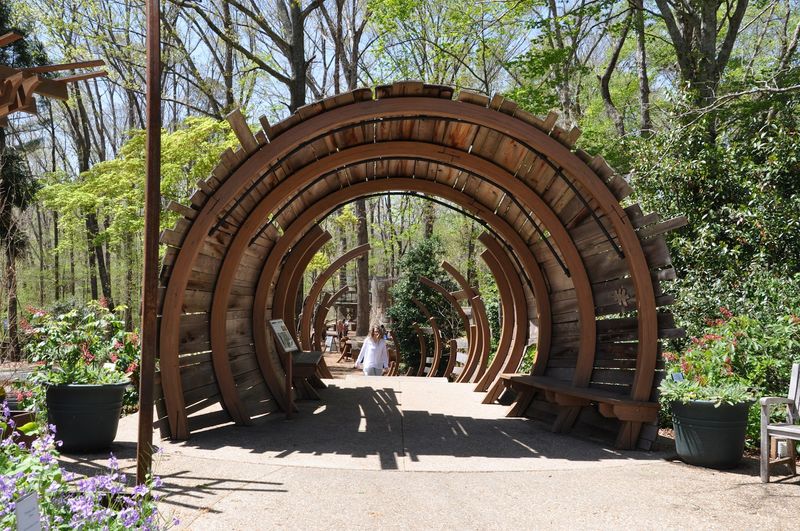
Learning something new in the middle of a blooming garden is a surprisingly effective way to make information stick. The State Botanical Garden of Georgia, offers structured educational programs each spring, including classes like “Spring Wildflowers of Upland Deciduous Forests of Georgia” that pair classroom knowledge with real outdoor observation.
These programs are designed for adult learners and curious beginners alike, not just botanists or academics. Instructors are knowledgeable and tend to keep things engaging and accessible, making even complex plant science feel approachable and genuinely interesting to those with no formal background in the subject.
Registration is typically required and spots fill up quickly, especially for spring sessions when demand peaks. Checking the garden’s official events calendar at botgarden.uga.edu well in advance is the best way to secure a spot. Comfortable outdoor clothing and a small notebook are handy things to bring along to any session.
Bird Watching

Spring migration turns the trails at this garden into one of the best casual birding spots in the Athens area. The State Botanical Garden of Georgia, sits along natural corridors that attract migratory species including warblers, woodpeckers, thrushes, and vireos during the April and May migration windows.
Even visitors who do not consider themselves birders often find themselves stopping in their tracks when a flash of yellow or orange darts through the understory. The combination of forest, meadow, and wetland edge habitat within the garden creates ideal conditions for a surprisingly diverse mix of species in a compact area.
Early morning visits, ideally before 9 a.m., offer the highest bird activity and the quietest atmosphere for listening. A basic field guide app on a phone works well for quick identification. Binoculars are helpful but not strictly necessary since many birds come surprisingly close along the quieter trail sections.
Workshops
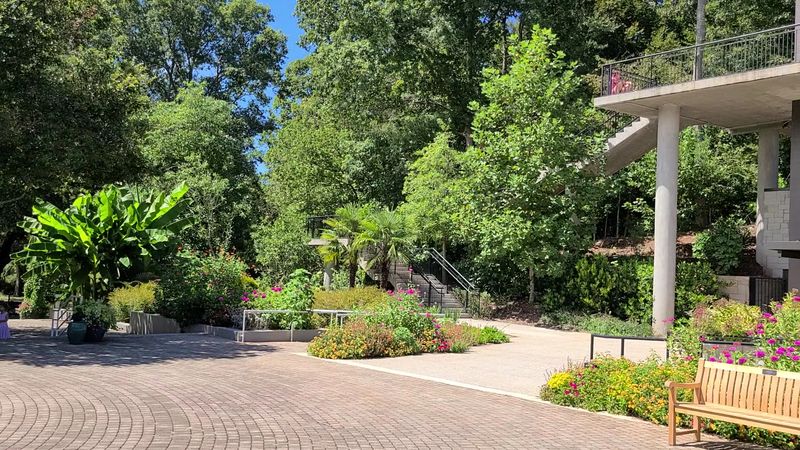
Hands-on learning has a way of turning casual garden visitors into genuinely passionate gardeners. The State Botanical Garden of Georgia, hosts practical workshops each spring covering topics like landscape design, sustainable planting, and native garden planning, giving attendees skills they can take home and actually use.
One popular offering, “Creating the Ultimate Landscape Design,” walks participants through the principles of planning a garden that looks great across all four seasons, not just in spring. The format tends to be relaxed and conversational, with instructors encouraging questions and real discussion rather than lecturing at a whiteboard.
Workshop sizes are typically small, which means more personal attention and better learning outcomes for each participant. Advance registration through botgarden.uga.edu is strongly recommended since spring workshops tend to sell out. Bringing a notebook and a few photos of your own garden space at home can make the session even more personally useful and immediately applicable.
Art Exhibitions
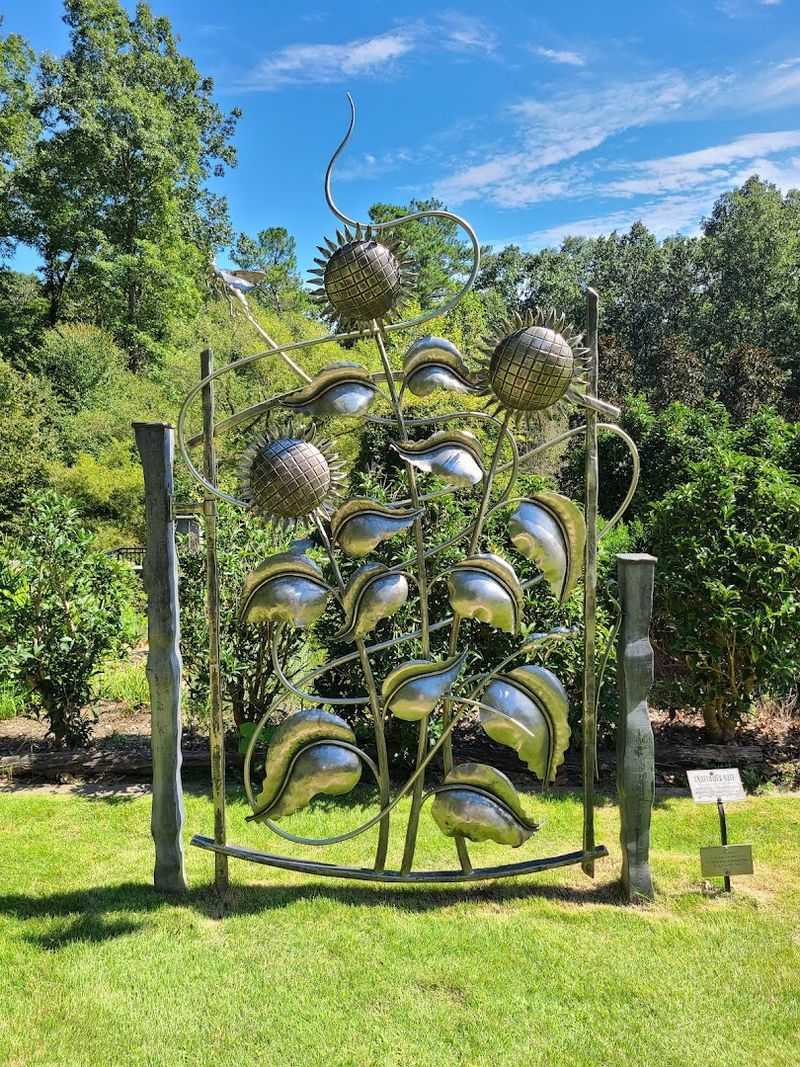
Art and nature have always had a comfortable relationship, and this garden leans into that connection in a genuinely charming way. The State Botanical Garden of Georgia, hosts art exhibitions and student competitions each spring that showcase botanical and nature-inspired works created by local and regional artists.
The Student Art Competition in particular is a highlight, displaying works that range from detailed botanical illustrations to more abstract interpretations of the natural world. Seeing the garden through an artist’s eyes adds a fresh perspective that often changes how visitors look at the plants and landscapes around them during their visit.
Gallery spaces within the Visitor Center are accessible and comfortable to browse at a leisurely pace. Exhibitions rotate seasonally, so checking the events calendar before visiting ensures you catch whatever is currently on display. The combination of indoor art and outdoor nature makes for a well-rounded visit that satisfies multiple interests in a single afternoon.
Full Moon Hikes
There are not many places in Georgia where you can hike through a botanical garden under a full moon while learning about nocturnal plants and animals, but this is one of them. The State Botanical Garden of Georgia, offers guided Full Moon Hikes on select spring evenings that transform the familiar daytime trails into something altogether different and a little enchanting.
Guides share information about plants that bloom or release fragrance at night, creatures that become active after dark, and the ecological rhythms that most daytime visitors never get to witness. The pace is relaxed and the group sizes are kept small, creating an intimate and genuinely memorable outdoor experience.
These hikes book up fast, so checking the garden’s event calendar early in the year is essential. Closed-toe shoes, a light layer, and insect repellent are practical must-haves. No flashlights are typically needed since the moonlight and guide lanterns provide enough illumination along the trail path.
Plant Sales
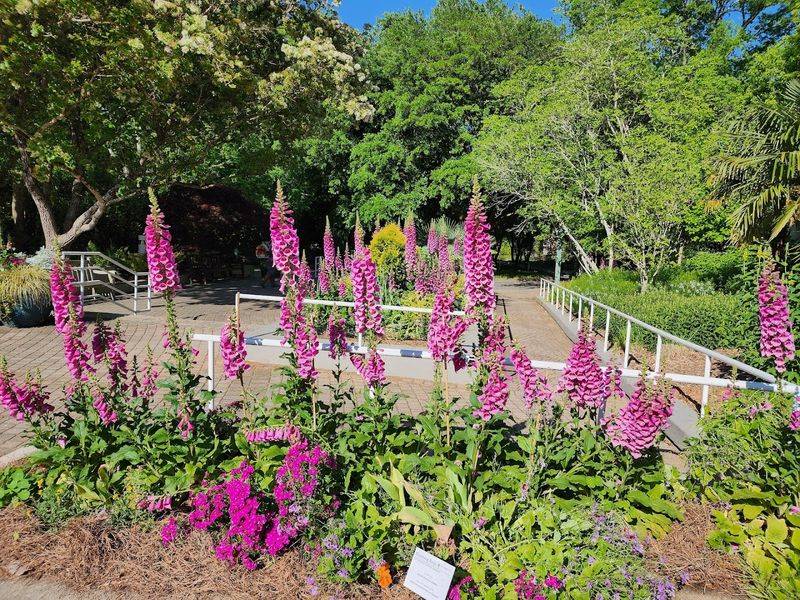
Bringing a piece of the garden home is one of the most satisfying ways to extend a spring visit. The State Botanical Garden of Georgia, holds its annual Spring Plant Sale each year, offering a curated selection of native Georgia plants, perennials, and garden favorites that are well-suited to the local climate and growing conditions.
Purchasing native plants directly supports conservation efforts and helps maintain the garden’s educational and research mission. The selection typically includes wildflowers, ferns, shrubs, and trees that are hard to find at standard garden centers, making the sale a genuine draw for serious home gardeners and casual plant enthusiasts alike.
Arriving early on sale days gives the best selection before popular varieties sell out. Plants are typically labeled with care information, and knowledgeable garden staff are usually on hand to answer planting questions. Bringing a box or tote bag for transport makes the whole experience a little easier and more enjoyable.
Picnic Areas

Few lunches feel as good as one eaten outside surrounded by wildflowers in full bloom. The State Botanical Garden of Georgia, offers designated picnic areas set within the garden grounds, giving visitors a relaxed and scenic spot to rest, eat, and simply enjoy the atmosphere between exploring different garden sections.
The spring setting elevates even a simple packed lunch into something that feels special. Flowering meadows and manicured beds provide a constantly shifting backdrop depending on where you settle, and the ambient sounds of birds and rustling leaves make the whole experience quietly restorative.
Weekday visits tend to be noticeably quieter and more relaxed than weekends, especially in April and early May when the garden draws its largest spring crowds. Packing a blanket, sunscreen, and plenty of water makes for a more comfortable afternoon. The garden does not have an on-site restaurant, so bringing your own food is the way to go.
Photography Opportunities
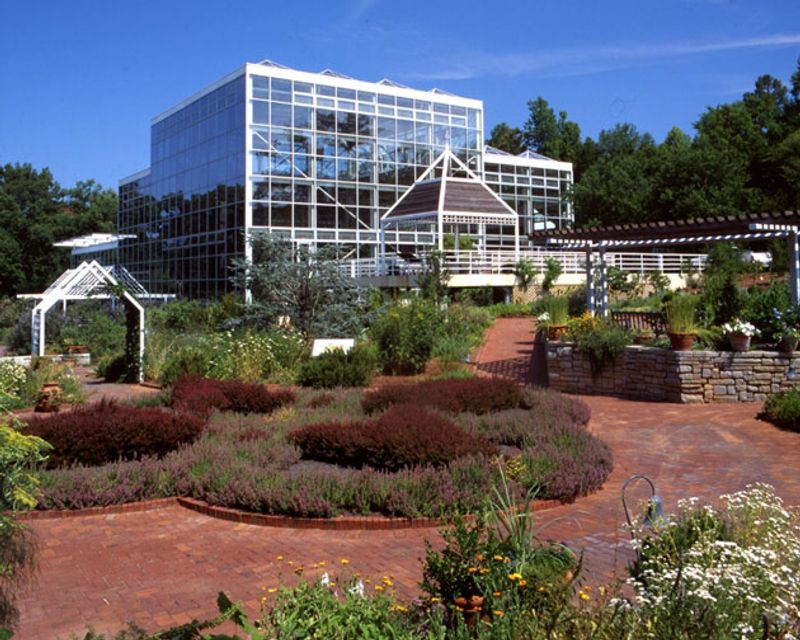
Every corner of this garden in spring offers a shot worth taking, whether you are working with a professional camera or just a smartphone. The State Botanical Garden of Georgia, presents an extraordinary range of photographic subjects across its many sections, from sweeping meadow panoramas to tight macro shots of individual wildflower petals glistening with morning dew.
Golden hour light during early morning visits creates especially beautiful conditions for landscape and botanical photography. The contrast between the manicured flower beds and the wilder meadow areas gives photographers a satisfying mix of structured and natural compositions to work with throughout a single visit.
Tripods are generally permitted in outdoor areas, though checking the garden’s current visitor guidelines before arriving is a good habit. Spring weekday mornings offer the least foot traffic, which means cleaner backgrounds and fewer interruptions while composing shots. The conservatory also provides excellent controlled lighting for indoor botanical photography on overcast days.
Community Engagement
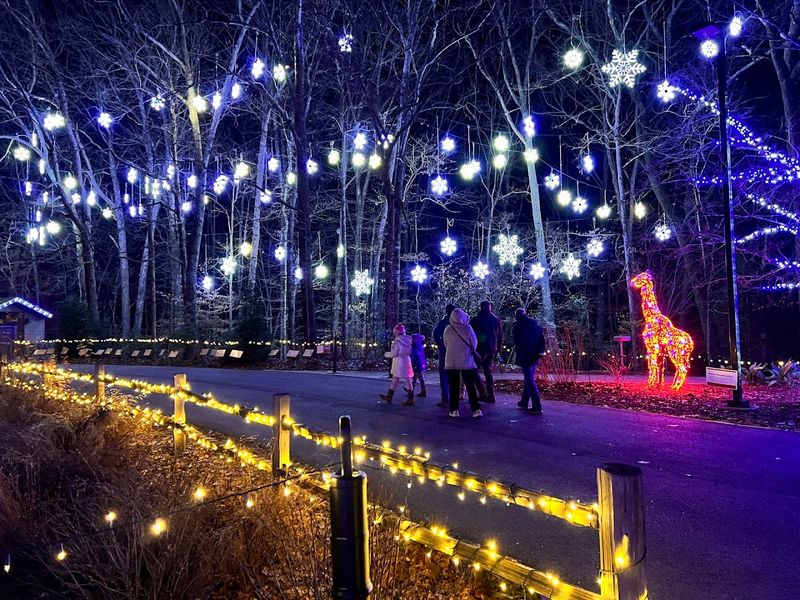
A botanical garden that also functions as a community gathering place has something genuinely special going for it. The State Botanical Garden of Georgia, hosts community-centered events each spring, including the Georgia Questival, a family-friendly festival celebrating Georgia’s natural history through interactive activities, outdoor games, and educational exhibits.
Events like these make the garden feel less like a formal institution and more like a shared backyard for the broader Athens community. Families, school groups, and individuals all find a comfortable place within the festival atmosphere, which tends to be lively, welcoming, and genuinely fun without feeling overwhelming or overly crowded.
Checking the official events calendar at botgarden.uga.edu before planning a visit helps confirm exact dates for community events since schedules can shift year to year. Arriving with a flexible plan and comfortable shoes sets the right tone for a day that may include more exploring, talking, and discovering than originally expected.