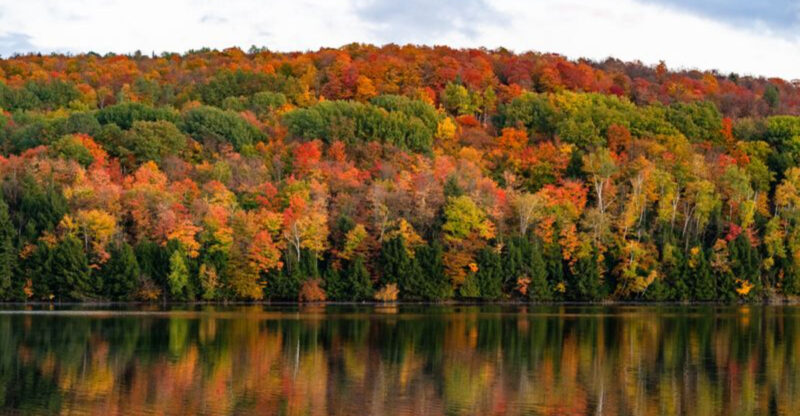
16 Springtime Favorites In North Carolina You Can’t Miss
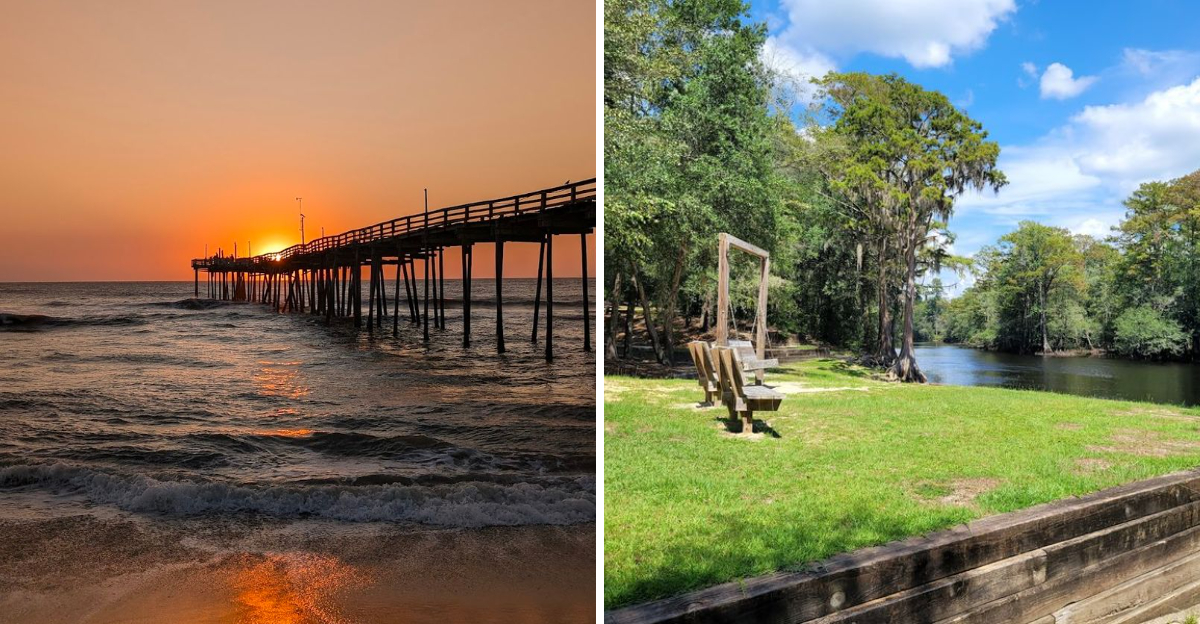
Spring transforms the landscape into a canvas of color and life that feels almost too vibrant to be real. Blooming azaleas paint entire hillsides in shades of pink and coral while waterfalls rush with fresh energy from mountain snowmelt.
North Carolina comes alive in ways that make every outdoor lover feel like a kid again. Trails that seemed quiet all winter suddenly burst with wildflowers and birdsong, and gardens that sat dormant now showcase nature’s most impressive comeback story.
From coastal beaches warming under longer days to mountain peaks dusted with the last hints of winter, the season offers something special at every elevation. This is the time when locals and visitors alike shake off their cabin fever and head outside to soak in everything the state has to offer.
Whether exploring historic estates or paddling through ancient swamps, springtime in North Carolina delivers moments worth remembering.
1. Biltmore Estate Gardens, Asheville

George Vanderbilt’s vision comes to life each spring when thousands of tulips and daffodils blanket the grounds in waves of color. The estate sits at 1 Approach Road, Asheville, where visitors can wander through meticulously designed gardens that feel like stepping into a living painting.
Each pathway reveals something different, from formal rose gardens to intimate woodland trails lined with native blooms.
The timing matters here because peak bloom windows shift each year slightly based on weather patterns. Early April tends to bring the tulip displays, while late April and May showcase azaleas and dogwoods in their full glory.
The estate sprawls across enough acreage that crowds disperse naturally, though weekday mornings offer the quietest experience.
Comfortable walking shoes make a difference since the gardens cover significant ground with some gentle slopes. The conservatory provides a climate-controlled break when needed, filled with orchids and tropical plants that add another layer to the botanical experience.
Spring at Biltmore feels less like a garden tour and more like wandering through carefully crafted outdoor rooms, each with its own mood and color palette.
2. Blue Ridge Parkway, Asheville
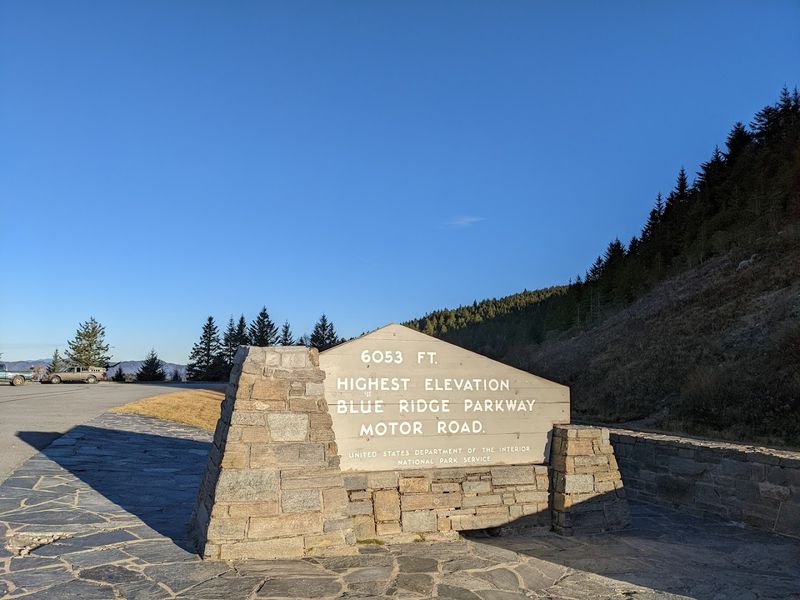
Winding through 469 miles of mountain scenery, this road becomes a ribbon of discovery when spring arrives, and wildflowers start popping up along every curve. Bloodroot and trillium appear first in lower elevations, followed by flame azalea and mountain laurel as the season progresses up the slopes.
The parkway’s elevation changes mean spring essentially travels in slow motion here, with blooms appearing at different times depending on where you stop.
Overlooks provide natural pauses in the drive, offering views that stretch for miles across forested ridges and valleys. Some pull-offs include short trails that lead to even better vantage points or hidden waterfalls that rush with snowmelt.
The road itself demands attention with its curves and changing grades, but the pace stays relaxed with a 45 mph speed limit that encourages taking it slow. Its main visitor center is located at 195 Hemphill Knob Rd, Asheville.
Weather shifts quickly at higher elevations, so layers make sense even on days that start warm. Cell service fades in many sections, which adds to the sense of stepping away from everyday routines.
Spring on the parkway feels like watching nature wake up in stages, with something new blooming around almost every bend.
3. Gorges State Park, Sapphire
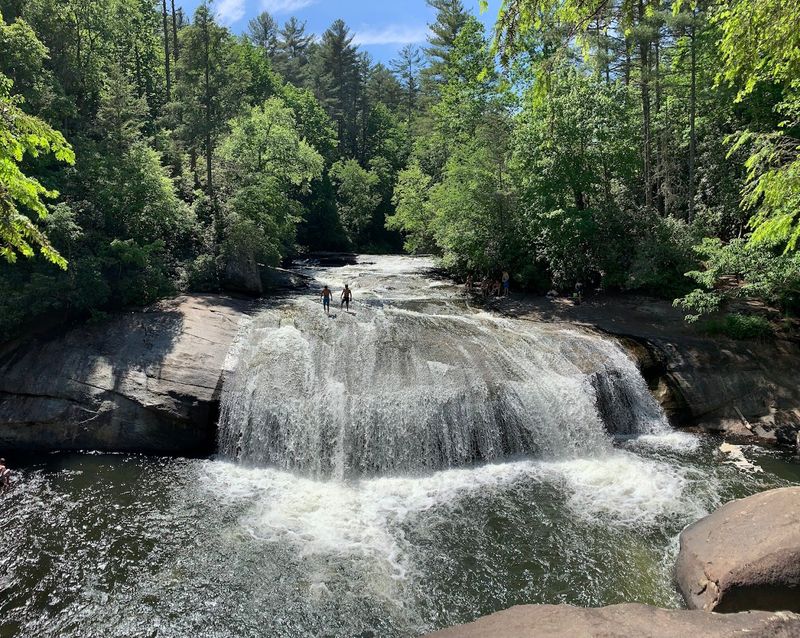
Waterfalls thunder with extra force in spring when rainfall and snowmelt combine to create some of the most dramatic cascades in the southern Appalachians. The park earned its name honestly, with steep gorges carved by water over thousands of years, creating a landscape that feels almost primordial.
Wild iris and flame azalea add splashes of purple and orange against the deep green of rhododendron thickets.
Trails range from moderate riverside walks to steep climbs that require solid footing and a bit of determination. The sound of rushing water becomes a constant companion on most paths, sometimes close enough to feel the mist on your face.
Spring brings the highest water levels, which makes the waterfalls more impressive but also means some stream crossings require extra caution.
The park sits in one of the wettest areas east of the Pacific Northwest, at 976 Grassy Ridge Rd, Sapphire, so rain gear earns its keep here. Temperatures stay cooler than the surrounding areas due to elevation and tree cover, which feels refreshing on warmer spring days.
Gorges in spring delivers raw natural beauty without much polish, appealing to hikers who prefer their outdoor experiences on the rugged side.
4. Jockey’s Ridge State Park, Nags Head
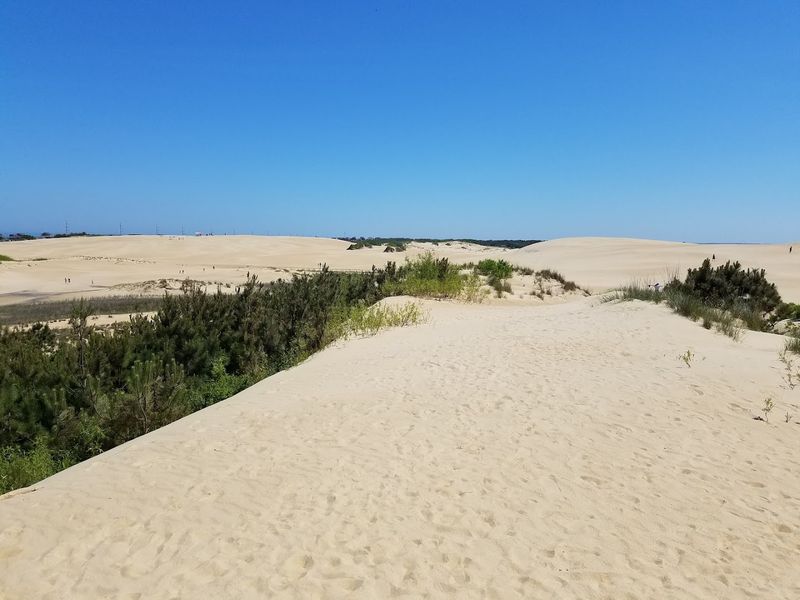
Climbing the tallest natural sand dune system on the East Coast feels like discovering a miniature desert planted right on the coast. The dunes shift constantly with wind patterns, creating an ever-changing landscape that never looks quite the same twice.
Spring brings comfortable temperatures for the climb up soft sand that can feel like a workout, especially on windier days when the breeze pushes against each step.
Hang gliding lessons happen regularly here, with colorful gliders launching from the dune peaks and catching thermals that lift them over the beach. Watching them float overhead adds an extra element to the experience beyond just the views.
The park at 300 W Carolista Dr, Nags Head, includes both the massive dunes and maritime forest trails that show a completely different ecosystem just steps away from the sand.
Sunset draws crowds who gather at the top to watch the sky turn colors over the sound, though sunrise visits offer similar beauty with fewer people. The sand stays cooler in spring compared to summer, when it can become too hot for bare feet.
Jockey’s Ridge in spring provides that unique combination of beach access and dune exploration that feels surprisingly different from typical coastal experiences.
5. Reynolda Gardens, Winston-Salem
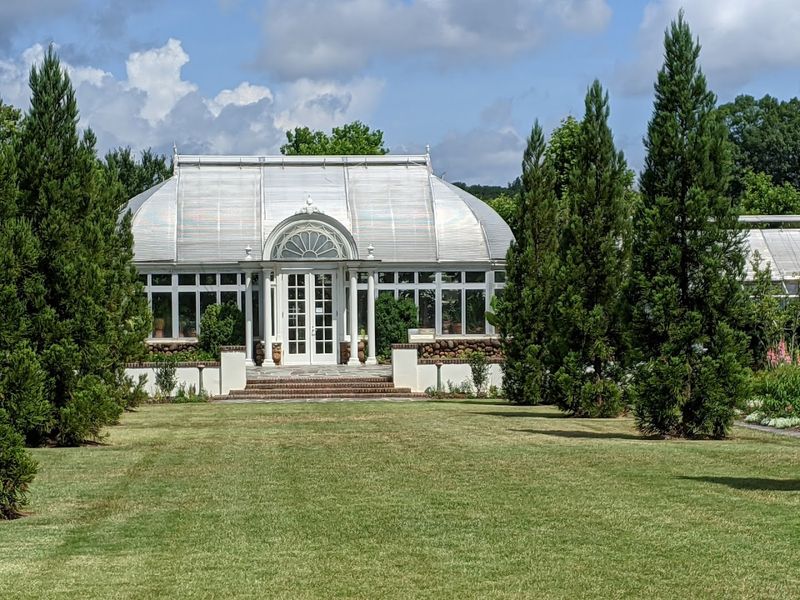
Created as part of the Reynolds family estate in the early 1900s, these gardens blend formal design with natural woodland areas that feel both elegant and approachable. The greenhouse conservatory houses tropical plants and seasonal displays that provide year-round interest, while outdoor gardens peak in spring with azaleas, tulips, and flowering trees.
Located at 100 Reynolda Village, Winston-Salem, the property maintains that gracious Southern estate atmosphere without feeling stuffy or overly precious.
Pathways wind through different garden rooms, each with distinct plantings and design approaches that keep the walk interesting. A vegetable garden demonstrates historical growing methods alongside modern techniques, offering practical inspiration for home gardeners.
The grounds stay open from dawn to dusk, making early morning visits possible when dew still clings to petals and fewer visitors share the paths.
Benches placed throughout invite pausing to simply sit and observe rather than rushing through. The adjacent village includes shops and dining options, though the gardens themselves provide enough interest for a dedicated visit.
Reynolda in spring feels like stepping into a gentler era where gardens were designed for strolling and contemplation rather than just viewing.
6. Pearson’s Falls, Saluda
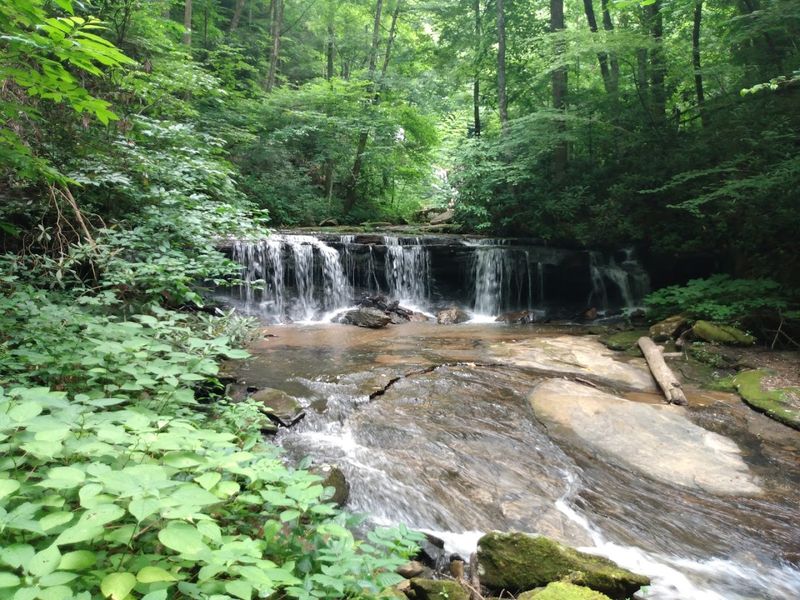
A quarter-mile trail through a botanical preserve leads to a 90-foot waterfall that feels like a hidden reward at the end of an easy walk. The Glen at 2748 Pearson Falls Road, Saluda, protects over 200 species of plants, many of which bloom in spring and line the path with color and fragrance.
The boardwalk trail stays level and accessible, making this waterfall reachable for visitors who might struggle with steeper mountain hikes.
Wildflowers appear in succession throughout spring, starting with hepatica and bloodroot in early season and progressing to wild geranium and jack-in-the-pulpit as temperatures warm. The falls themselves flow strongest in spring when recent rains keep the volume high and the mist thick enough to cool the air around the viewing area.
The preserve operates as a nonprofit, with a small admission fee supporting trail maintenance and habitat protection.
The short distance means this works well as a morning stop before other activities or as a quick nature break during a longer drive. Shade covers most of the trail, keeping temperatures comfortable even on warmer spring days.
Pearson’s Falls delivers that satisfying combination of easy access and genuine natural beauty that makes it feel like a secret spot despite being well-known locally.
7. North Carolina Azalea Festival, Wilmington

Five days in early April transform Wilmington into a celebration of Southern garden culture and springtime pageantry. The festival started in 1948 and has grown into one of the state’s premier spring events, drawing visitors who come for garden tours through historic properties draped in azalea blooms.
Private homes and public gardens open their gates, offering glimpses of carefully tended landscapes that show what decades of dedicated gardening can achieve.
A street fair fills downtown at 5725 Oleander Dr B7, Wilmington, with vendors, live music, and food that reflects coastal Carolina’s culinary traditions. The parade remains a highlight, featuring elaborate floats, marching bands, and community groups that line the route with color and energy.
Garden competitions showcase arrangements and container plantings that demonstrate both traditional and contemporary approaches to using azaleas in landscape design.
Timing the visit to catch the peak bloom requires some luck since weather patterns shift the schedule slightly each year. The festival typically runs the first full week of April when most azaleas reach their fullest display.
Wilmington’s historic district provides the backdrop, with antebellum architecture and moss-draped oaks adding to the distinctly Southern atmosphere. The festival celebrates more than just flowers, serving as a community gathering that marks winter’s definite end.
8. Merchants Millpond State Park, Gatesville
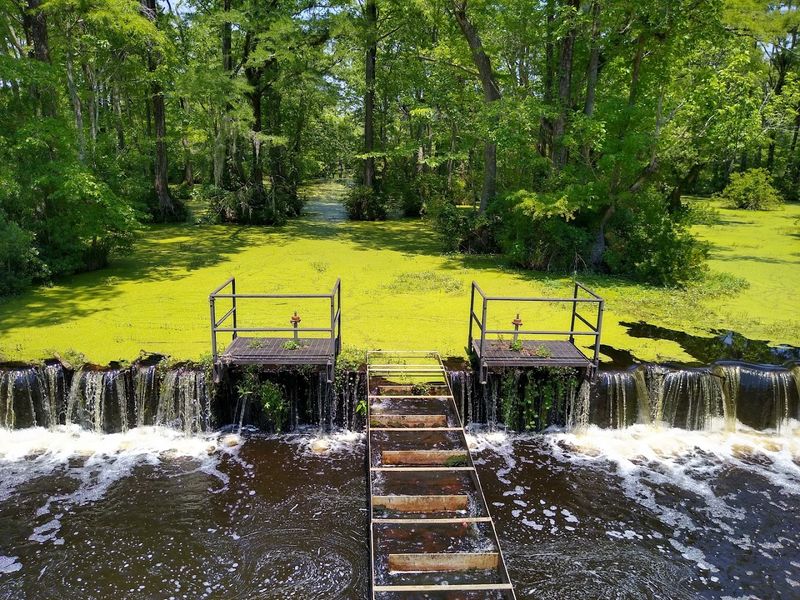
Ancient cypress trees rise from dark water draped with Spanish moss, creating an atmosphere that feels like stepping back several centuries. The millpond formed in 1811 still maintains that swampy character, with waterways winding through cypress groves and tupelo stands that come alive with bird activity in spring.
Canoeing or kayaking provides the best way to explore since many areas remain inaccessible by foot, and the water stays calm enough for paddlers of varying skill levels.
Rental canoes are available at the park, though bringing your own allows more flexibility in timing and route choices. Spring migration brings warblers and other songbirds that fill the forest with calls and activity, making early morning paddles especially rewarding for bird watchers.
The park also offers hiking trails through upland areas where wildflowers bloom along forest edges and in sunny clearings.
Primitive camping sites accessible only by water add an element of adventure for those wanting to extend their visit overnight. The park sits in the coastal plain, at 176 Mill Pond Rd, Gatesville, where elevation barely changes, creating a landscape distinctly different from mountain regions.
Merchants Millpond in spring feels like discovering a wilder North Carolina, where nature still holds sway, and the pace slows to match the gentle current of blackwater streams.
9. Prairie Ridge Ecostation, Raleigh
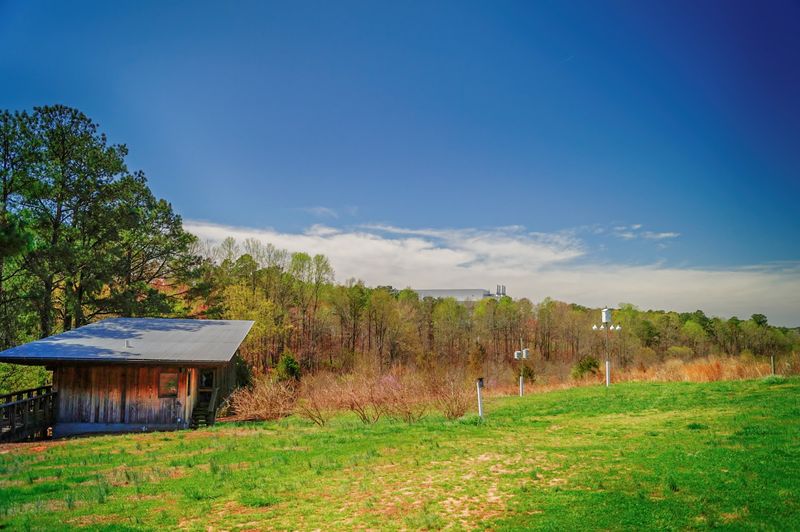
This 45-acre nature preserve, located at 1671 Gold Star Dr, Raleigh, demonstrates what happens when natural habitats get restored and protected within an urban setting. Managed by the North Carolina Museum of Natural Sciences, the ecostation showcases native plant communities, including longleaf pine savannas and wildflower meadows that burst with color in spring.
The property focuses on conservation education, with trails and observation areas designed to help visitors understand local ecosystems without disturbing them.
Spring brings migrating birds that stop to rest and refuel in the preserved habitats, making this a reliable spot for bird watching within the city limits. Wildflowers, including lupine, coreopsis, and various native grasses, create waves of purple, yellow, and green across the meadows.
The ecostation offers guided walks and programs that explain the ecological relationships playing out in real time across the property.
Free admission makes this accessible for repeated visits throughout spring as different plants bloom and wildlife activity shifts. The trails stay relatively level and well-maintained, suitable for casual walks rather than strenuous hikes.
Prairie Ridge proves that significant natural experiences don’t always require driving hours into remote areas, and that restored habitats can support impressive biodiversity even surrounded by development.
10. Lumber River State Park, Orrum
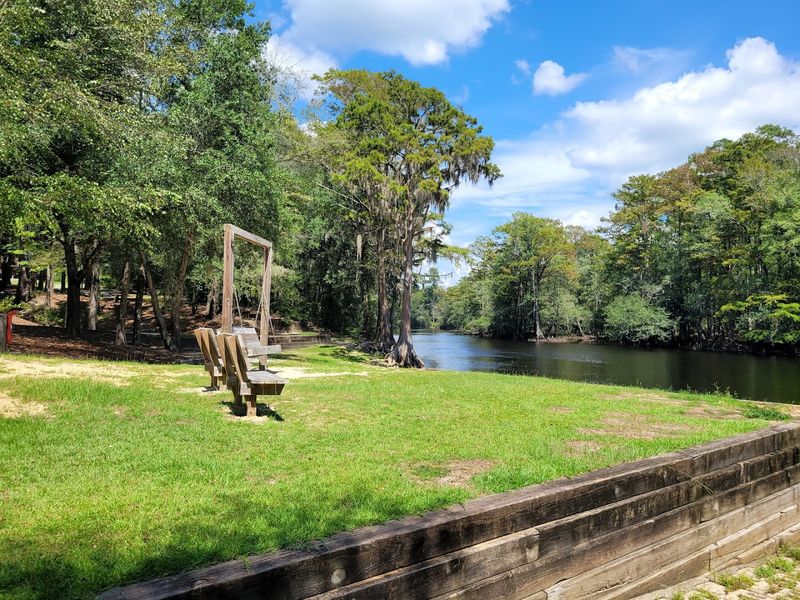
Paddling a blackwater river through cypress-tupelo swamps and longleaf pine forests offers a different perspective on North Carolina’s coastal plain ecology. The Lumber River, at 2819 Princess Ann Rd, Orrum, earned designation as a National Wild and Scenic River, protecting 115 miles of waterway that flows dark and slow through relatively undeveloped country.
Spring water levels stay high enough for easy paddling while temperatures remain comfortable for spending hours on the water.
The river’s dark color comes from tannic acid leached from decaying vegetation, creating water that looks like tea but stays remarkably clean. Sandbars appear along some stretches, providing natural stopping points for breaks or picnics during longer paddle trips.
Wildlife sightings might include river otters, various turtle species, and wading birds that hunt the shallows for fish and amphibians.
The park maintains several access points with varying distances between them, allowing paddlers to choose trip lengths matching their energy and available time. Camping areas along the river support multi-day trips for those wanting to experience the river’s rhythms beyond a quick afternoon paddle.
The Lumber River in spring flows through a landscape that still feels wild and remote despite being relatively close to populated areas, offering genuine escape without requiring expedition-level planning.
11. North Carolina Arboretum, Asheville
Situated on 434 acres within Pisgah National Forest, this arboretum blends cultivated gardens with natural forest in ways that feel seamless rather than forced. Spring brings successive waves of bloom starting with early bulbs and progressing through azaleas, dogwoods, and finally into late-season perennials.
The location at 20 Frederick Law Olmsted Way, Asheville, places visitors in the Blue Ridge Mountains, where elevation creates microclimates supporting diverse plant collections.
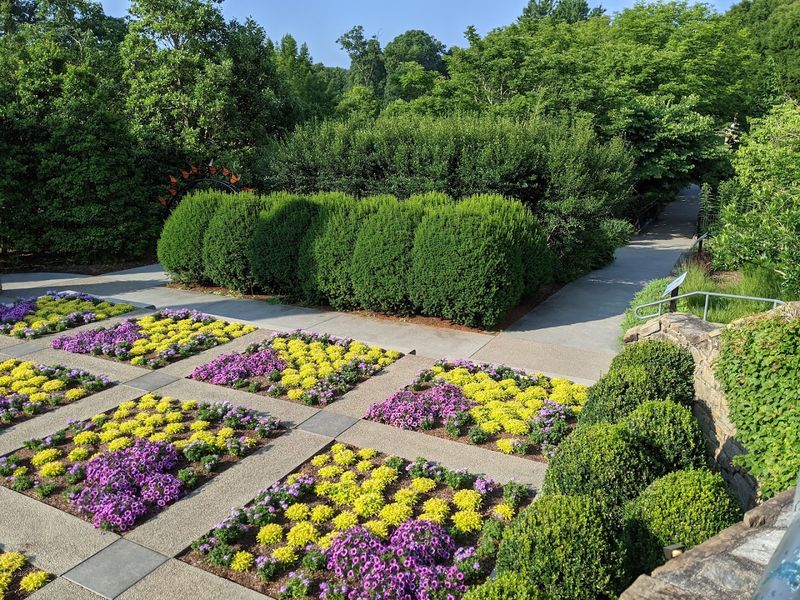
Trails wind through different garden areas, including a quilt garden that interprets traditional Appalachian patterns using plants instead of fabric. The bonsai exhibition garden showcases miniature trees that demonstrate decades of careful training and artistic vision.
A stream garden follows a natural creek through native plantings that show how landscaping can work with rather than against existing topography.
The arboretum charges admission, which supports ongoing horticultural programs and maintenance of the extensive grounds. Miles of hiking trails extend beyond the formal gardens into the surrounding national forest, allowing visitors to transition from manicured landscapes to wild mountain forest within a single visit.
Spring at the arboretum offers both the controlled beauty of designed gardens and the spontaneous wildness of mountain flora emerging on its own schedule just up the trail.
12. Outer Banks Beaches
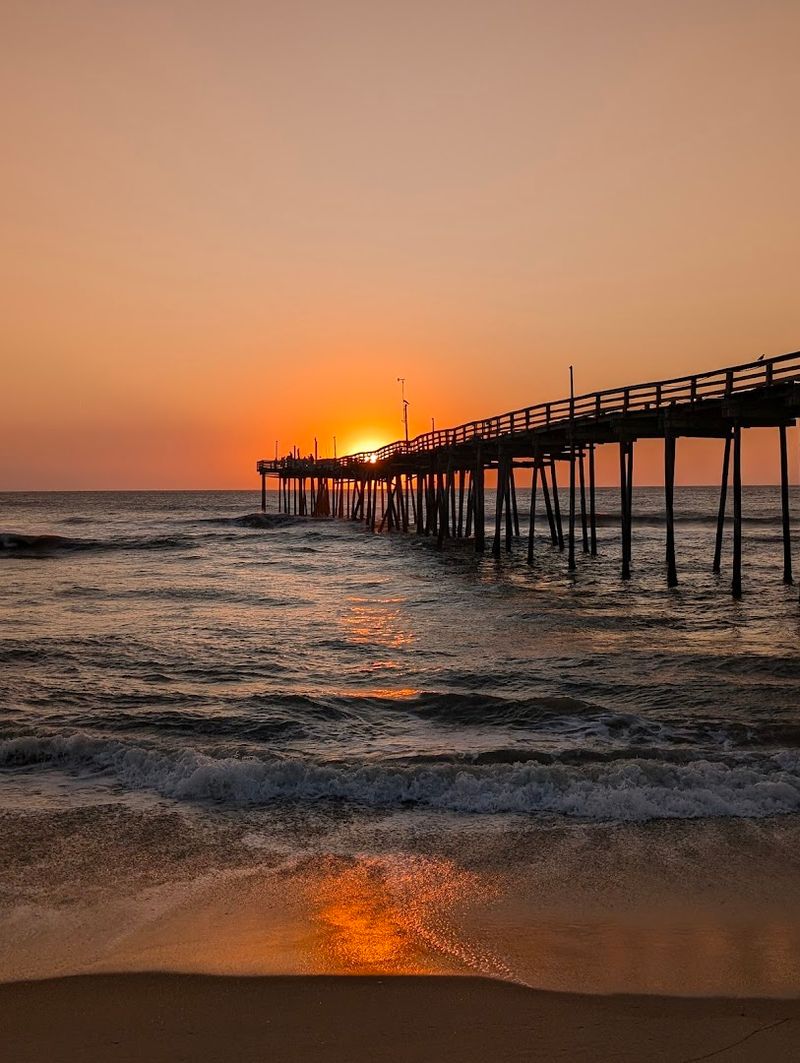
Miles of barrier island beaches stretch along the Atlantic coast, offering that perfect spring combination of warming weather and smaller crowds. Water temperatures still feel brisk in spring, but air temperatures climb into comfortable ranges that make beach walking and shell hunting enjoyable without the intensity of summer heat.
The beaches vary in character from the developed areas around Nags Head to the wild stretches of Cape Hatteras National Seashore where development stays minimal.
Spring brings shorebirds migrating north, including species that stop to feed in the surf zone and along tidal flats. Beach access points range from areas with full amenities to remote spots requiring four-wheel drive and advance planning.
The shoulder season means easier parking and more space to spread out, with sunrise and sunset offering especially peaceful moments when the beach feels almost private.
Wind can pick up in spring, making kites and wind-related beach activities particularly rewarding. The maritime forest areas behind some beaches bloom with yaupon holly and other coastal plants adapted to salt spray and sandy soil.
Outer Banks beaches in spring deliver that restorative ocean experience without the summer crowds, proving that beach season starts well before Memorial Day for those willing to embrace slightly cooler conditions.
13. Asheville Botanical Garden, Asheville
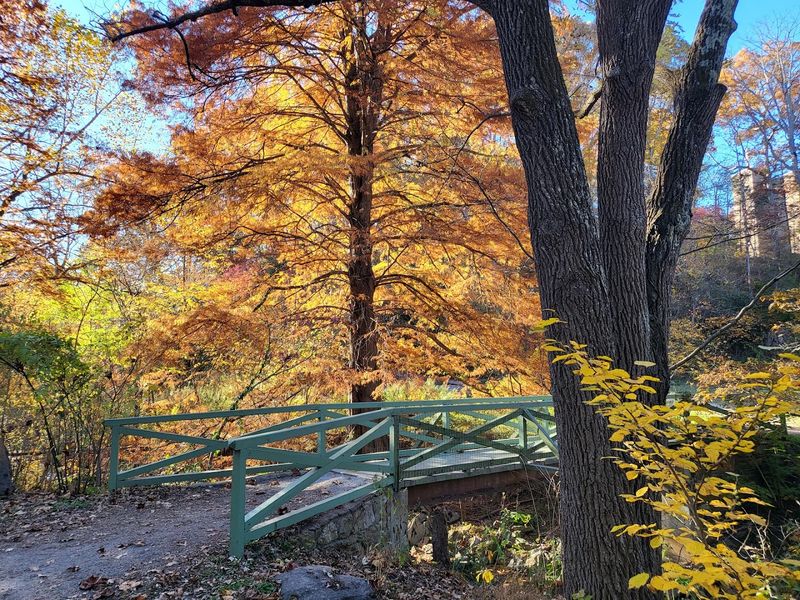
Dedicated entirely to native plants of the Southern Appalachians, this 10-acre garden demonstrates the beauty possible using only species that evolved in the region. Located at 151 WT Weaver Blvd, Asheville, the garden sprawls across terrain that includes sunny meadows and shaded woodland areas supporting different plant communities.
Spring brings trilliums, bloodroot, and other ephemeral wildflowers that bloom before tree canopies fill in and shade the forest floor.
The garden operates on a donation basis, making it accessible while still supporting maintenance and educational programs. Paths wind through different habitat types, each labeled with information about the plants and their ecological roles.
A wildflower trail showcases species that might be overlooked in wilder settings but reveal intricate beauty when given focused attention.
The garden’s commitment to native plants means everything here could theoretically be found growing wild somewhere in the surrounding mountains, though seeing them collected and labeled helps with identification and appreciation. Benches placed throughout invite sitting and observing rather than rushing through, and the relatively small size means a visit can be thorough without requiring hours.
Spring at the botanical garden shows what the Southern Appalachians looked like before development, preserved and interpreted for visitors who want to understand the region’s natural heritage.
14. Great Smoky Mountains Railroad, Bryson City

Vintage passenger cars roll along tracks that wind through river valleys and mountain passes, offering views that feel like watching a nature documentary from a comfortable seat. The railroad operates multiple routes departing from the depot at 45 Mitchell St, Bryson City, with spring excursions timed to catch blooming dogwoods and redbuds along the route.
The trains follow historic rail lines that once served logging and passenger traffic, now preserved for scenic tourism.
Different excursions vary in length from a few hours to full-day trips, some including meal service or special event themes. The open-air cars provide unobstructed views and fresh mountain air, while enclosed cars offer climate control and larger windows for those preferring more protection from the elements.
Spring temperatures make the open cars particularly appealing as the train crosses trestles over rushing rivers and rounds curves that reveal new vistas.
The railroad’s route follows the Tuckasegee and Nantahala rivers through terrain that would be difficult to access by car, making the train ride a unique way to see this part of the Smokies. Narration provides historical context about the railroad and surrounding area without becoming tedious.
Great Smoky Mountains Railroad in spring combines the nostalgia of vintage train travel with genuine mountain scenery that changes with every mile.
15. Carolina Beach State Park, Carolina Beach
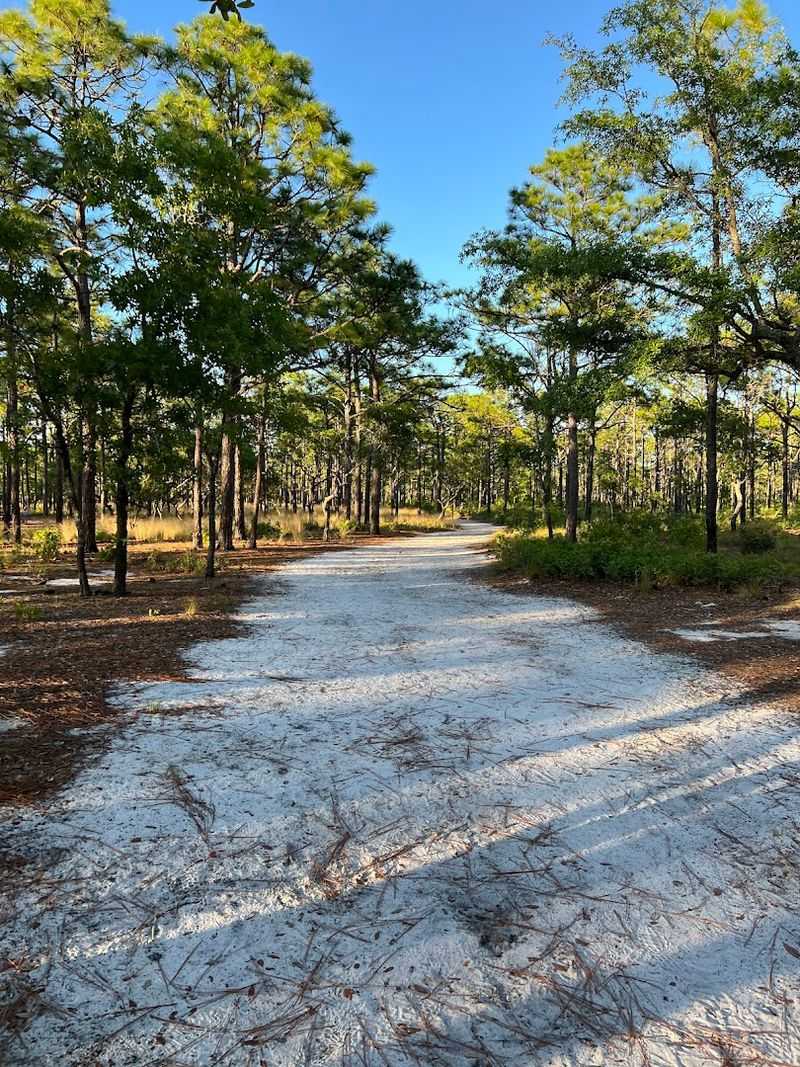
One of the few places where Venus flytraps grow naturally in the wild, this coastal park protects carnivorous plant habitats along with maritime forest and tidal marsh ecosystems. The Flytrap Trail offers the best chance to see these unusual plants in their native environment, though they remain small and require careful observation to spot among surrounding vegetation.
Spring brings the flytraps out of winter dormancy and into their active growing season when the modified leaves open and set their traps.
Beyond the carnivorous plants, the park includes six miles of hiking trails through diverse habitats and a marina providing access to the Cape Fear River and Intracoastal Waterway. Camping facilities range from tent sites to RV hookups, making the park a base for exploring the surrounding coastal area.
Rangers lead guided walks during spring that focus on the unique ecology of carnivorous plant habitats and why these species evolved such unusual feeding strategies.
The park sits close enough to Carolina Beach town, at 1010 State Park Rd, Carolina Beach, for easy access to restaurants and supplies while maintaining enough separation to feel like a natural retreat. Spring weather stays mild enough for comfortable hiking while avoiding the humidity and heat that arrive later in summer.
Carolina Beach State Park offers that rare combination of accessible location and genuinely unique natural features worth seeking out.
16. Valle Crucis, Watauga County
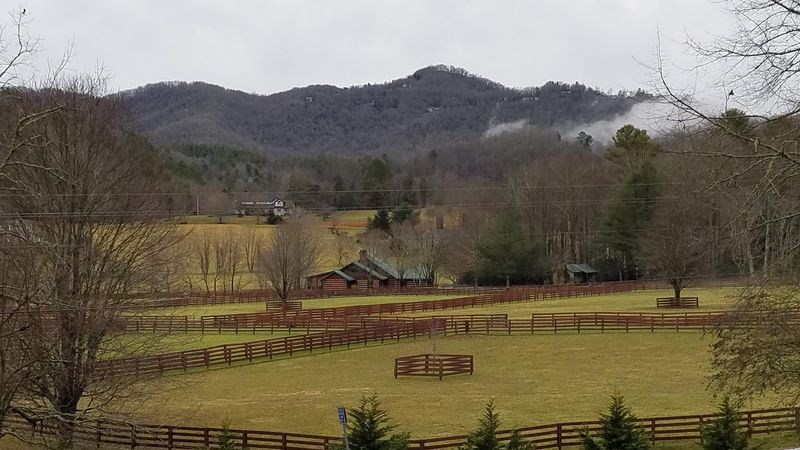
This mountain valley community maintains an old-time character that feels authentic rather than manufactured for tourists, with working farms and historic buildings scattered across pastoral landscapes. The Mast General Store anchors the community, operating since 1883 and still selling everything from penny candy to serious outdoor gear in a building that creaks with history.
Spring brings green returning to valley pastures and blooming trees that frame views of the surrounding mountains.
The Watauga River winds through the valley, offering fishing and tubing opportunities once water temperatures warm slightly later in spring. Historic churches and farmhouses dot the landscape, many still in use by families who have lived in the valley for generations.
The rural character means limited commercial development, with the valley feeling more like a step back in time than a typical tourist destination.
Several hiking trails access the surrounding mountains from trailheads near the valley, providing options for those wanting to combine valley exploring with mountain hiking. Local farms sometimes offer seasonal produce and products, adding to the agricultural atmosphere that defines the area.
Valle Crucis in spring shows a slower-paced North Carolina where mountain communities still maintain connections to farming and traditional ways of living alongside modern conveniences.