Step Inside The Connecticut Sea Captain’s Historic Home And Discover The Story Behind His Antarctic Expeditions
Sailing toward Antarctica in the early 1800s sounds like the sort of adventure that would make most people reconsider their career choices.
No modern navigation equipment, freezing seas, and an enormous amount of uncertainty. Quite the job description.
A historic Connecticut sea captain’s home preserves the story of a remarkable explorer whose voyages reached Antarctic waters.
I find it fascinating that someone connected to such distant adventures once had an ordinary home in a quiet coastal community.
And there’s something special about seeing the personal side of a figure usually remembered for daring expeditions.
The house offers a different perspective from the dramatic stories of ships battling unfamiliar seas.
After all, even the boldest explorers had somewhere to call home.
1. A Penguin At The Door Is Your First Clue This Captain Went Somewhere Cold
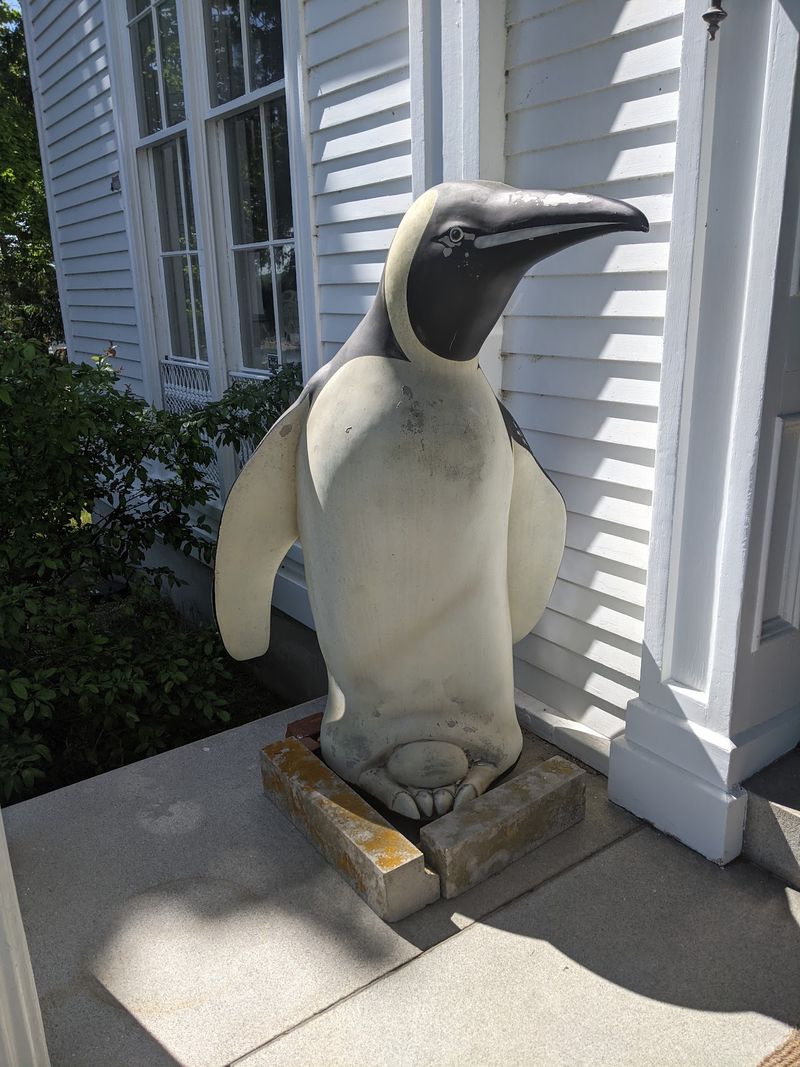
Who expects to meet a giant penguin outside a historic mansion? That’s exactly the kind of surprise that makes this old house so memorable.
The penguin statue near the entrance of the Captain Nathaniel B. Palmer House is a playful reminder of the explorer who once called the property home.
And his story is quite something.
Born in Stonington in 1799, Nathaniel Brown Palmer began sailing at just 14. By his early twenties, he was exploring Antarctic waters and became one of the first people credited with sighting the Antarctic Peninsula.
His adventures didn’t stop there. Palmer later became known for his work as a ship captain and his contributions to clipper ship design.
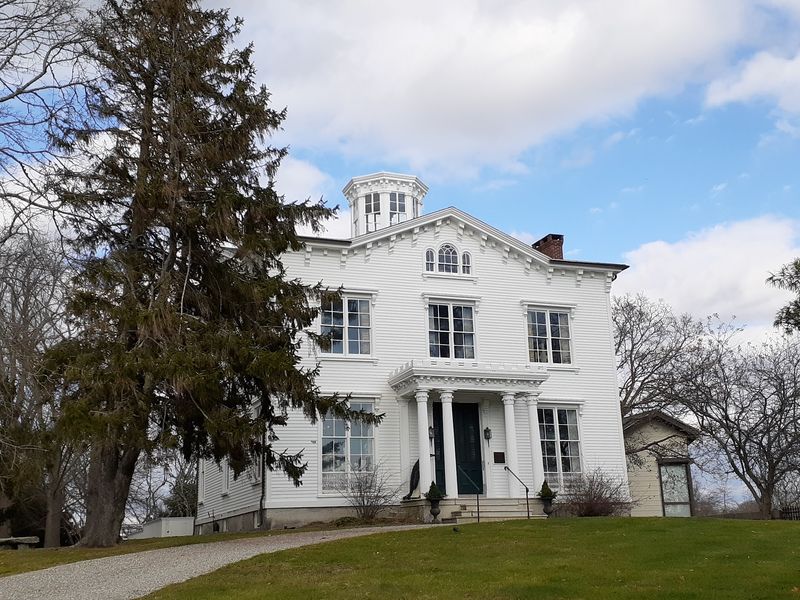
The mansion itself dates to 1852 and now operates as a historic house museum. It also serves as headquarters for Historic Stonington, formerly the Stonington Historical Society.
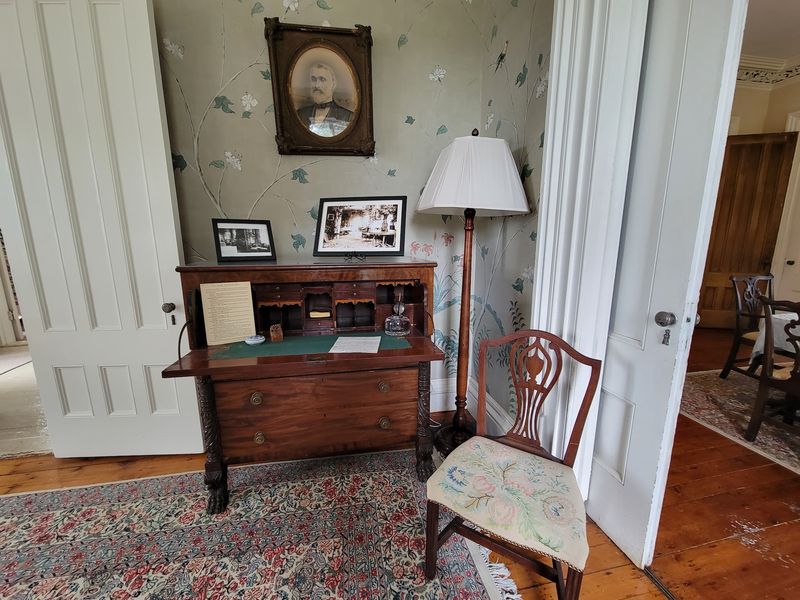
Inside, visitors can see family portraits, maritime artifacts, and exhibits connected to Palmer’s remarkable career. The historic furnishings and model ships make his adventures feel much closer than they might in a history book.
And that penguin outside? It’s a pretty funny introduction to a man who spent part of his life exploring some seriously icy waters.
2. Two Brothers Built A Mansion That Mixed Two Architectural Styles
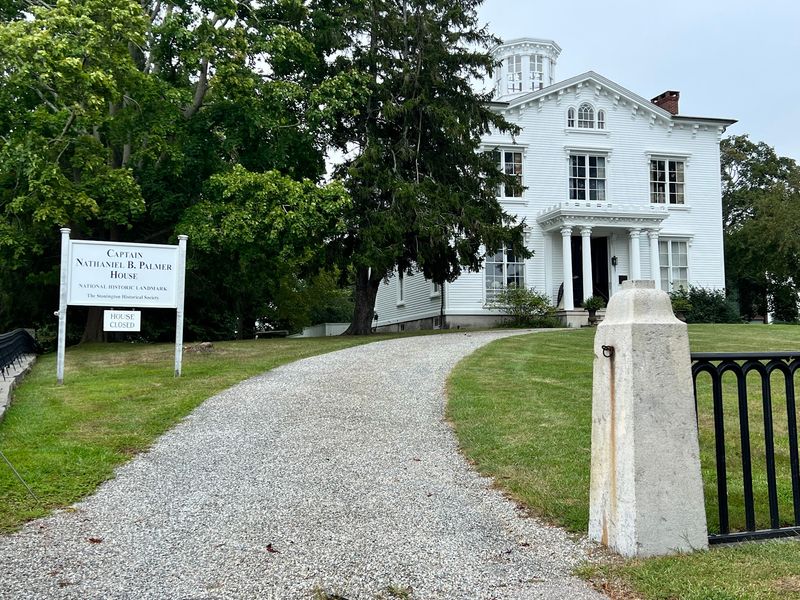
Building one house with a sibling sounds like a recipe for arguments. Captains Nathaniel and Alexander Smith Palmer did it anyway, constructing this mansion between 1852 and 1854.
They hired Gamaliel King of New York as the architect. The result blends Greek Revival and Victorian Italianate styles, sometimes called Greco-Italianate.
That mix makes the house a snapshot of changing tastes. It sits right at the moment American design was shifting from one fashion to the next.
Nathaniel lived here until 1877. Remarkably, the Palmer family kept the house until 1977, a full century after his passing.
Later, the mansion faced demolition. The Stonington Historical Society stepped in during the mid-1990s and saved it.
In 1996, it became a National Historic Landmark. That’s a serious honor that puts it among the most important historic sites in the country.
As you stroll the grounds, take a moment to study the exterior lines. It’s easy to see why preservationists fought so hard to keep this one standing.
3. Running Water In Every Bedroom Made This Home Way Ahead Of Its Time
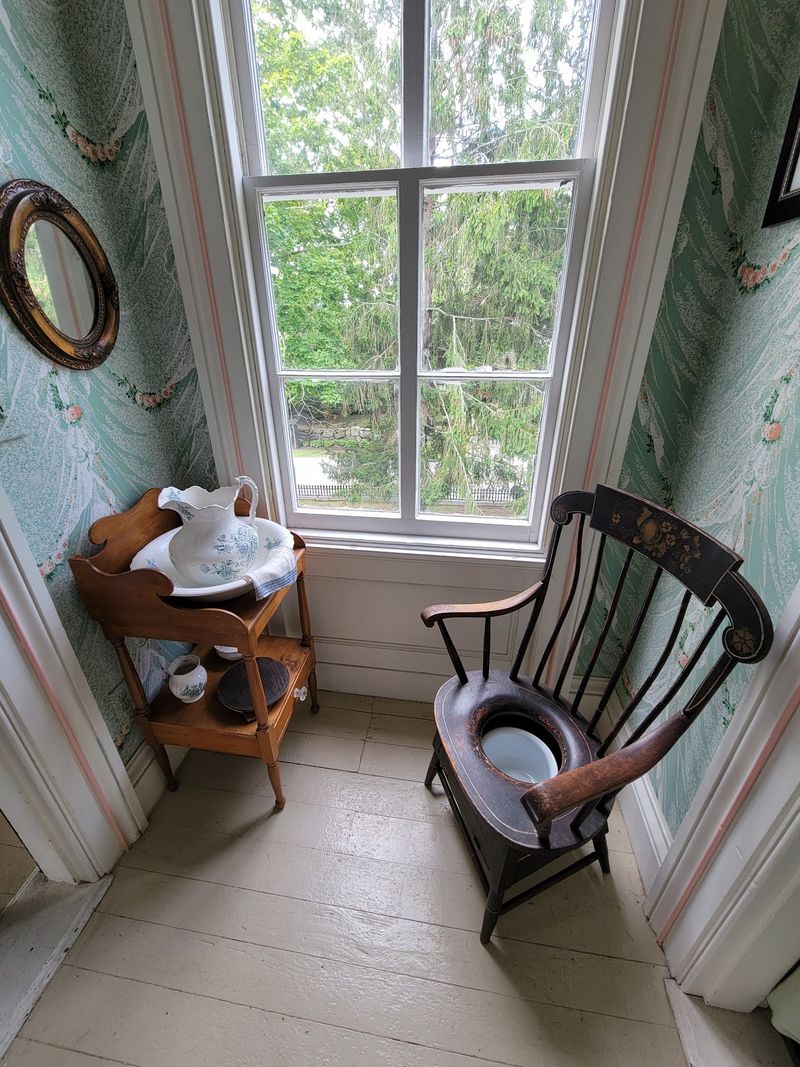
Here’s a fun fact for anyone who loves modern comforts. In the 1850s, this house had hot and cold running water in every bedroom.
It also featured a flushing toilet and passive air conditioning. For the time, that was seriously high-tech living.
Most families back then hauled water by hand. The Palmers basically had the luxury smart home of their era.
Passive cooling used clever design, not machines, to move air through the house. Even so, today’s museum has no modern air conditioning.
That matters if you plan a summer trip. August visits can get warm inside, so dress lightly and bring water.
Thinking about these features helps you appreciate the brothers’ vision. They built for comfort as much as for show.
Captains who spent months at sea probably valued a good bath more than most. You can hardly blame them after all those salty voyages.
As your guide leads you through, notice how the rooms connect. Every detail hints at a home planned with real care and fresh thinking.
4. He Was Only 21 When He Spotted Antarctica From A Tiny Sloop
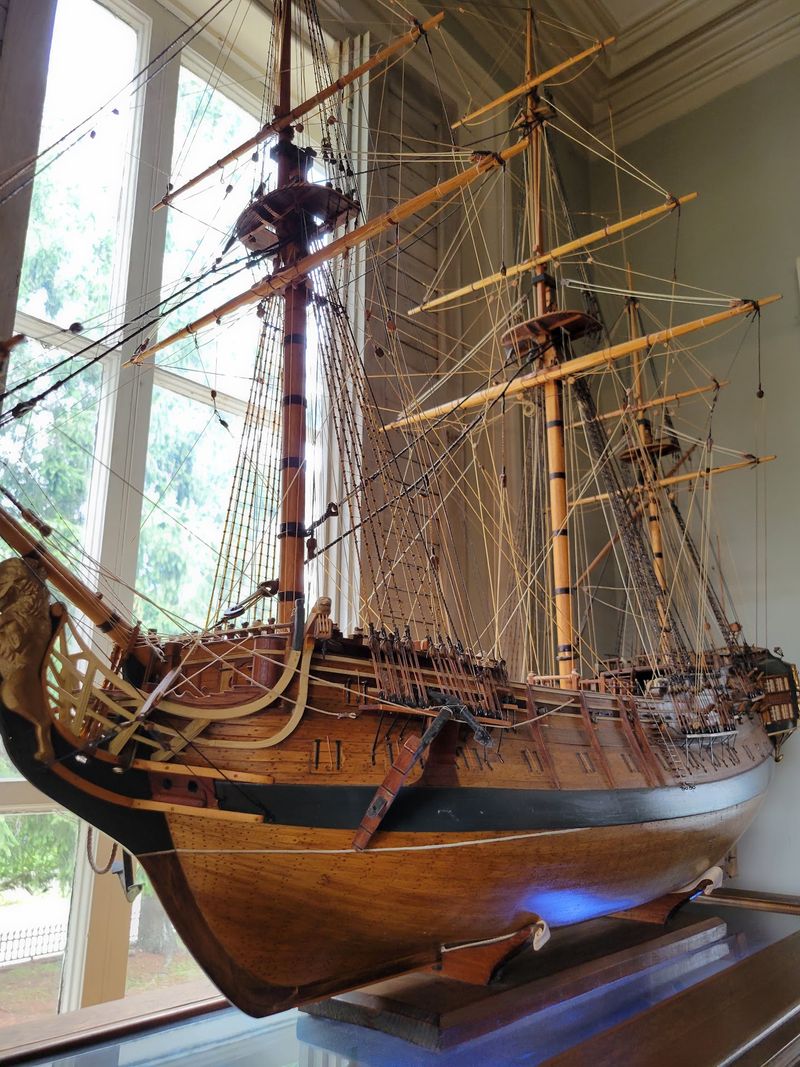
November 17, 1820, changed Nathaniel Palmer’s life forever. Commanding a small sloop named Hero, he became the first American to sight the Antarctic Peninsula.
He was just 21 years old. Most people that age are figuring out their first jobs, not charting unknown coastlines near the bottom of the world.
European explorers had sighted parts of the Antarctic continent earlier that same year. Still, Palmer’s sighting counts as a significant independent discovery.
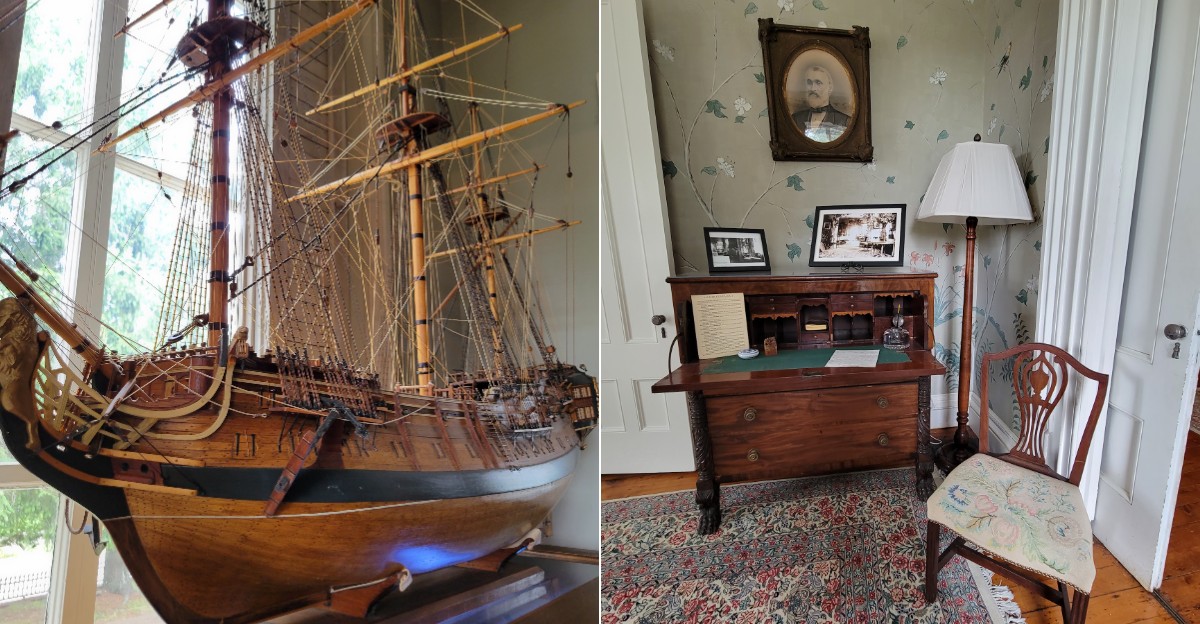
Inside the museum, you can see a model of Hero itself. Looking at it, you may wonder how such a modest boat handled those freezing, wild seas.
That question makes the tour feel personal. You’re standing in the home of someone who took a huge risk and came back with a place in history.
His name still appears on world maps today. Palmer Land, the Palmer Archipelago, and Hero Bay all honor him and his little ship.
Not bad for a kid from coastal Connecticut. The model of Hero might be small, but the story it tells is enormous.
5. Chart Cabinets And Painted Walls Reveal How A Captain Really Lived
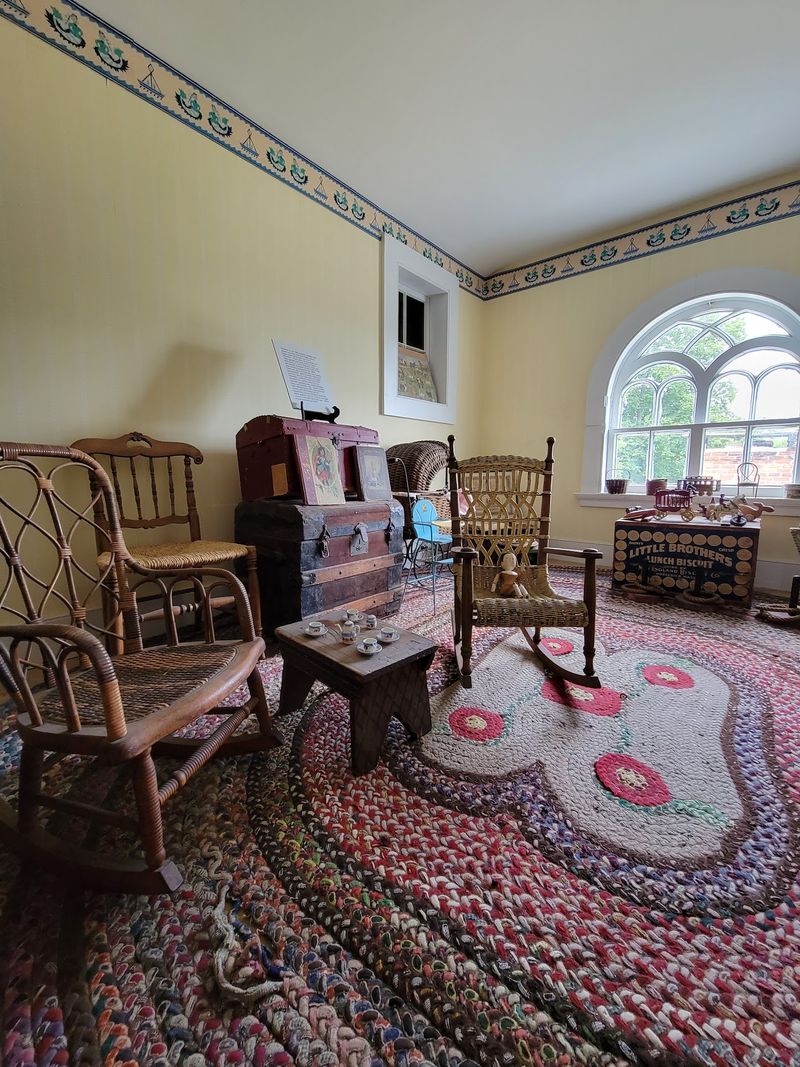
Sailors need maps, and Palmer clearly needed lots of them. His first-floor study shows off custom-built cabinetry with mahogany-veneered doors made to store nautical charts.
It’s a room that tells you exactly what mattered to him. Navigation wasn’t a hobby for this man, it was his whole world.
Picture planning voyages right here, surrounded by rolled-up oceans. Okay, that’s a bit poetic, but the cabinets really do spark that feeling.
Move into the main living room and the mood shifts. The walls are hand-painted plaster, showing off artistry you rarely see today.
Painted walls like these took time and skill. They tell you the family wanted beauty alongside practicality.
Period textiles add even more texture throughout the rooms. Together, these details paint a picture of mid-19th-century life in a prosperous seafaring household.
Bring your questions along. The guided tours let you ask about anything that catches your eye, from wood grain to wallpaper.
History feels closer when you can see where someone worked. In this study, the captain’s daily life comes into focus.
6. Three Dollhouses Steal The Show For Visitors Of Every Age
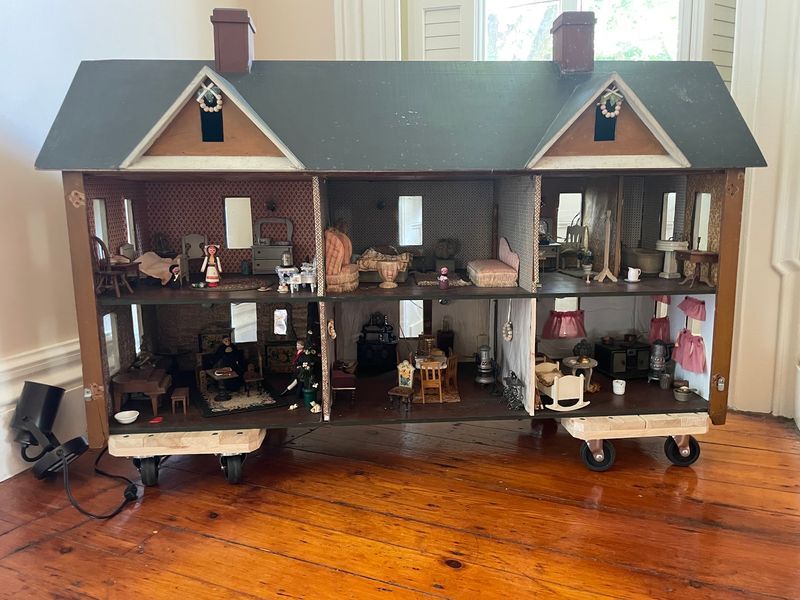
Not every treasure here is about ships. The museum’s collection includes dollhouses, adding a sweet surprise to a home full of maritime history.
There are actually three of them inside. Each one offers a tiny window into how homes were imagined and decorated long ago.
Kids usually love spotting the miniature furniture. Grown-ups often end up leaning in just as close, so no judgment here.
Alongside the dollhouses, you’ll find family portraits and artifacts. They help you connect faces and personal items to the people who lived here.
That mix keeps the tour lively. One minute you’re learning about Antarctic voyages, and the next you’re admiring a pint-sized parlor.
It’s a smart reminder that this was a real family home. Children played here, portraits were posed, and everyday life carried on between voyages.
If you’re visiting with young explorers, ask them to find favorite details. A little treasure hunt can make a historic house feel like an adventure.
These small displays bring big charm. They balance the bold sea stories with a cozy, human touch.
7. Climb To The Cupola For A View Worth Every Step
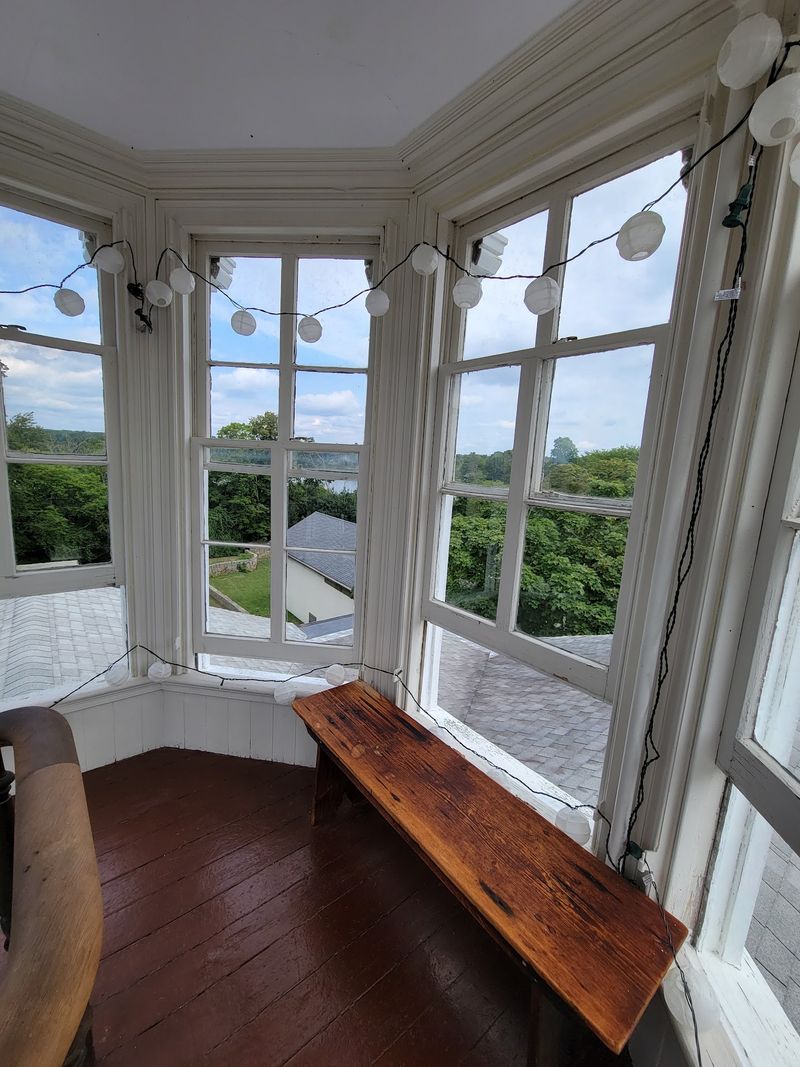
Ready for the best seat in the house? It’s up top, inside the octagonal cupola crowning the Captain Nathaniel B.
Palmer House.
Visitors can climb up for sweeping 360-degree views. You’ll see Stonington Harbor and the surrounding coves spread out below.
For a sea captain, that view probably felt essential. Watching ships come and go from your own rooftop sounds like the ultimate perk.
The eight-sided shape gives you windows facing every direction. No matter where you turn, the shoreline fills the frame.
This spot often becomes the highlight of the tour. It’s the moment when the house’s story and its seaside setting finally click together.
Bring your camera, but also pause for a moment without it. The harbor looks different when you’re just taking it in.
The climb is part of why the historic house isn’t wheelchair accessible. Plan with that in mind if anyone in your group has mobility needs.
Once you’re up there, you’ll understand why the brothers built it. Some views never go out of style.
8. Gardens, A Research Library, And A Bonus Lighthouse Await Nearby
Your visit doesn’t have to stop at the front door. The property includes grounds and gardens with space for relaxing or enjoying a picnic.
Pack a simple lunch and soak in the fresh coastal air. It’s an easy way to slow down after the tour.
Right next door stands the Woolworth Research Library. It houses archival and genealogical material and regularly hosts exhibits.
Family history fans should take note. Digging into old records here could turn up surprising connections to the region’s past.
Here’s the best bonus of all. Admission to the Captain Nathaniel B.
Palmer House Museum offers a fascinating look at maritime history, while the nearby Old Lighthouse Museum remains closed for renovations until 2027.
That makes a lovely outing easy to plan. Tour the mansion, enjoy the gardens, and save the nearby lighthouse for another visit when it reopens.
One historic mansion, beautiful grounds, and plenty of seaside history. Your wallet and your curiosity will both feel pretty satisfied.
Stonington packs a lot into a small area. Pairing these stops gives you a well-rounded taste of local maritime life.
9. Plan Your Weekend Tour Before The Season Slips Away
Weekend plans work especially well for this historic mansion. With guided tours offered on Saturdays and Sundays, it’s worth checking the calendar before heading out.
The Captain Nathaniel B. Palmer House welcomes visitors for its 2026 season from May 15 through December 13.
Tours begin every hour from 10 a.m. to 3 p.m., giving guests several chances to explore the rooms and hear the stories behind them.
And the house has another side worth knowing about. Its beautiful grounds can be rented for weddings and private celebrations throughout the year, with outdoor space accommodating up to 120 guests.
Indoor gatherings are limited to 50.
December brings an especially fun change. The Palmer Holiday House event, scheduled for December 4 through 6, fills the mansion with seasonal decorations created by local designers and artists.
The museum stands at 40 Palmer Street, Stonington, CT 06378, overlooking the harbor.
Visitors can also enjoy the gardens and admire the impressive architecture before or after their tour.
And before leaving, give that famous penguin statue another look. It’s a cheerful reminder that this beautiful old mansion has a surprisingly adventurous story to tell.