Step Into A World Of Butterflies In North Carolina And Feel The Magic This Season
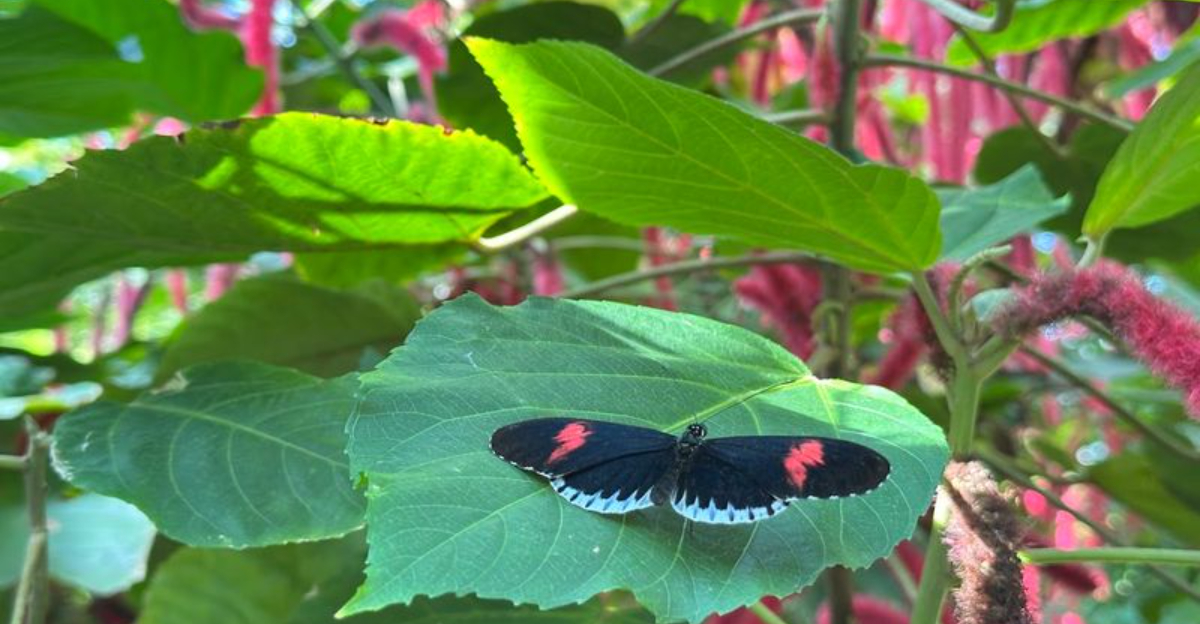
Butterflies glide through warm tropical air while exotic insects watch from behind glass in one of the most unexpected wildlife experiences the Southeast has to offer. The Magic Wings Butterfly House and Bayer CropScience Insectarium brings together hundreds of colorful winged creatures and fascinating invertebrates under one roof.
Visitors step into a world where nature feels close enough to touch, and learning happens without feeling like a classroom. Experience nature’s magic up close, right here in North Carolina.
Located at 433 W Murray Ave in Durham, this climate-controlled conservatory offers a year-round escape into a lush environment filled with life. Families leave with photos of butterflies perched on fingertips and stories about giant spiders that seem too big to be real.
The experience blends education with wonder in a way that sticks with people long after the visit ends.
1. Over Thirty Species Of Tropical Butterflies Fill The Conservatory
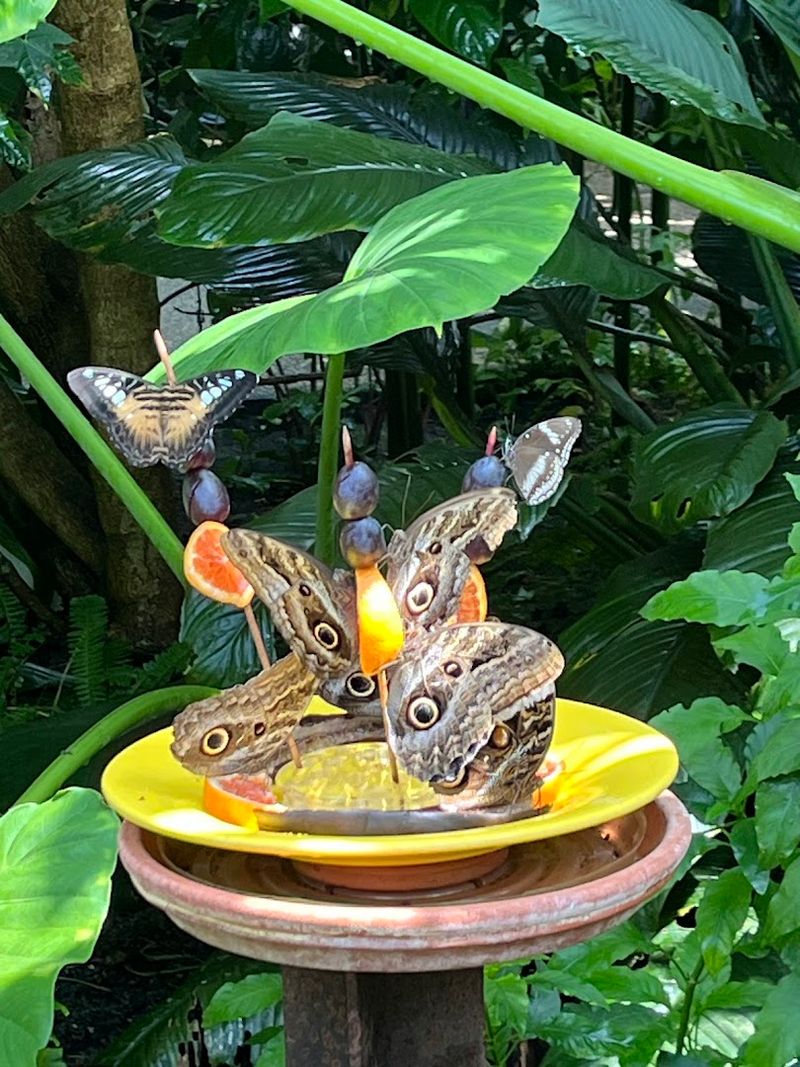
Butterflies from Central America, South America, and East Asia flutter freely through the glass conservatory at Magic Wings. Visitors walk among species that would normally require international travel to see in the wild.
The collection changes throughout the year as new shipments arrive and different species emerge from chrysalises.
Blue morphos catch attention with their iridescent wings that flash bright blue when they fly. Owl butterflies display large eyespots that look like the face of a predator.
Each species brings its own colors and patterns to the space.
The butterflies land on shoulders, arms, and sometimes hats without warning. Some visitors stand still, hoping for a landing, while others move slowly through the space observing from a respectful distance.
The experience feels different each time because the butterflies follow their own rhythms and preferences throughout the day.
2. A Thirty-Five-Foot Glass Conservatory Houses Tropical Plants
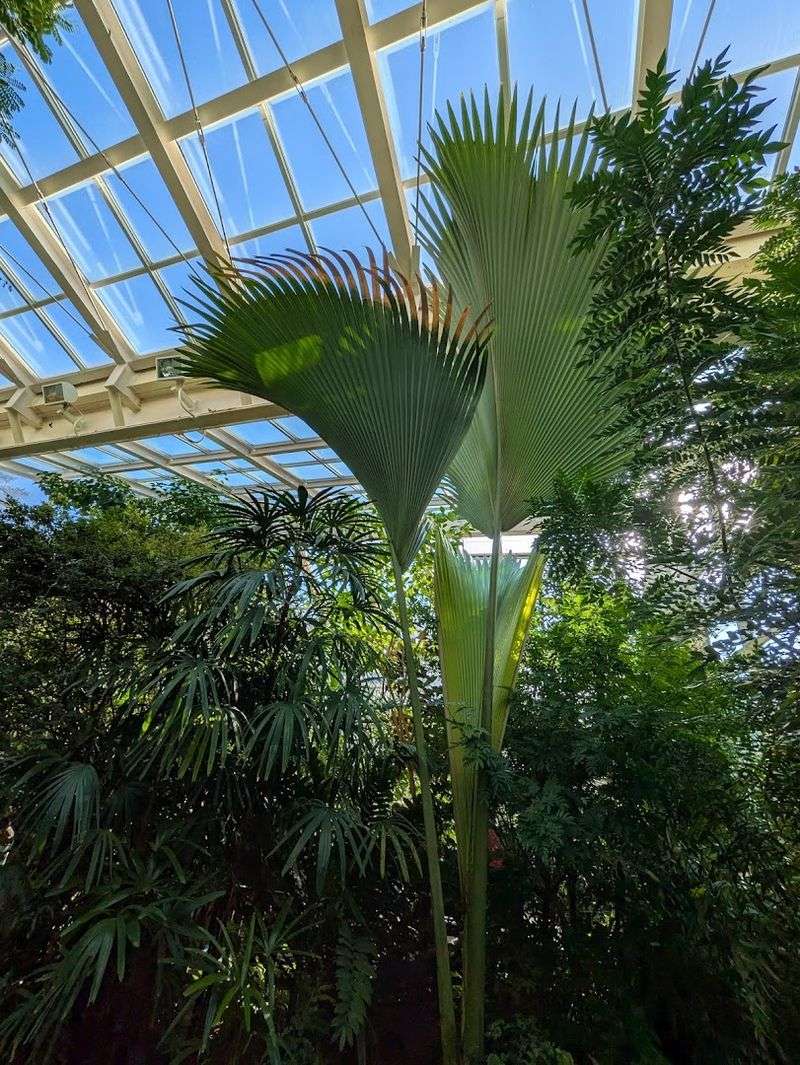
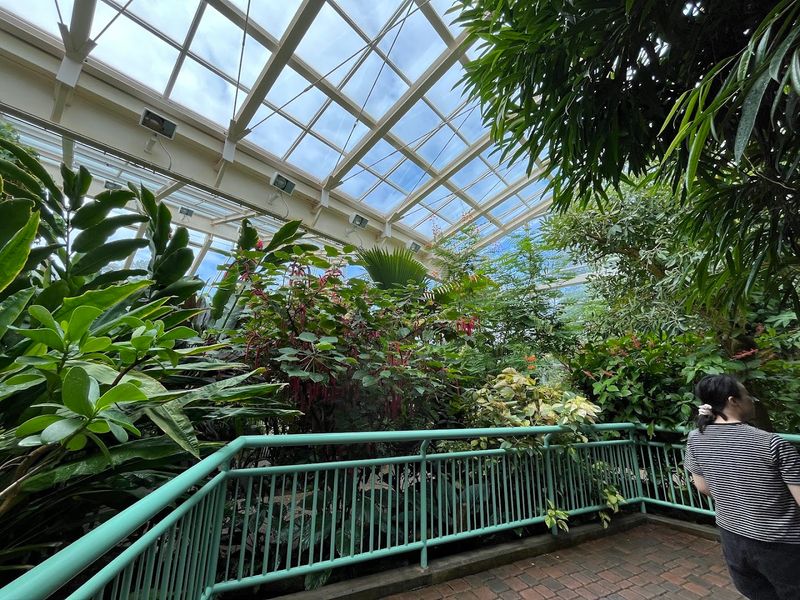
The conservatory reaches thirty-five feet high and creates space for tall tropical plants to grow as they would in their native habitats. Glass walls let natural light flood the interior while maintaining the warm humid conditions butterflies need to thrive.
The structure stands as the centerpiece of the exhibit area.
More than two hundred species of tropical plants fill the conservatory from floor to ceiling. Flowering plants provide nectar sources while larger specimens offer resting spots and shade.
The plant selection changes with the seasons and as different species bloom throughout the year.
Temperatures inside stay warm year-round regardless of the weather outside. Humidity levels remain high to match tropical conditions.
Visitors notice the climate change immediately upon entering and some find it helpful to dress in layers that can be removed once inside the space.
3. The Emerging Wonders Window Shows Butterflies Leaving Their Chrysalises
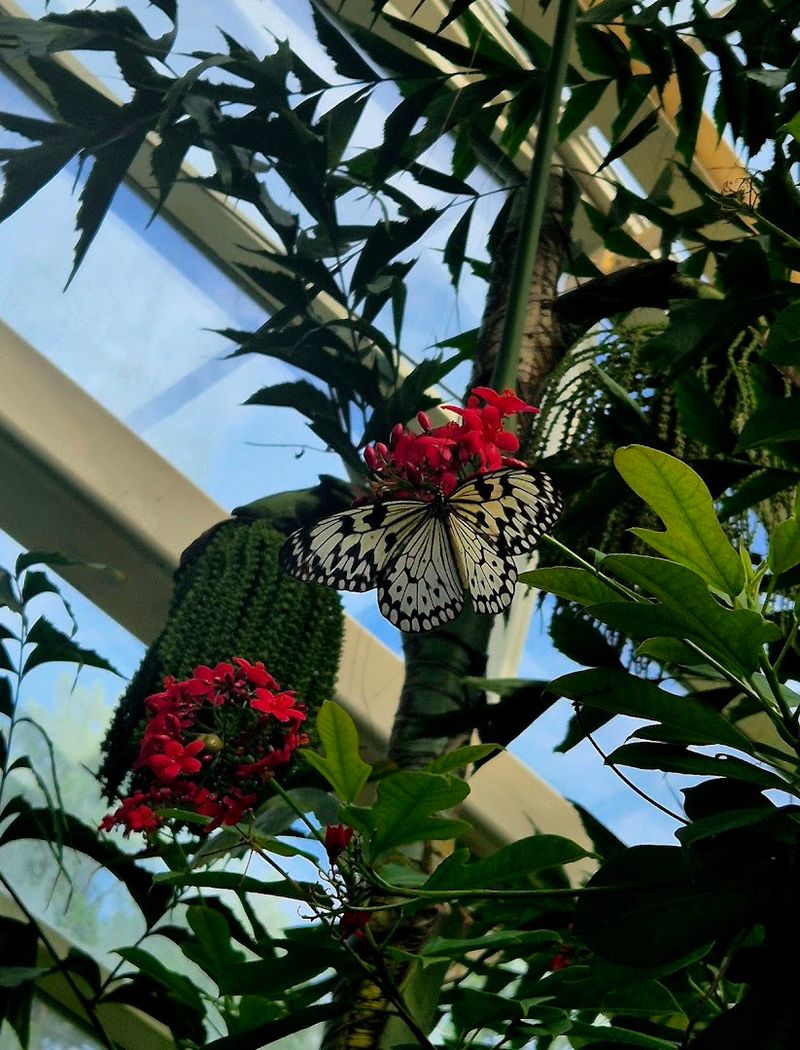
A special viewing window allows visitors to watch one of nature’s most remarkable transformations happen in real time. Chrysalises hang in rows, and butterflies emerge when their development completes.
The timing varies, so some visitors witness the moment while others see butterflies that emerged hours earlier resting with wings still drying.
The process takes several minutes once a butterfly begins pushing out of its chrysalis. Wings start crumpled and small, then slowly expand as fluid pumps through the veins.
Watching this happen creates a connection to the life cycle that photos and videos cannot quite capture.
Staff members check the window regularly and move newly emerged butterflies into the main conservatory once their wings harden enough for flight. The display changes constantly as new chrysalises arrive and mature butterflies join the free-flying population in the larger space.
4. The Insectarium Features Exotic Species From Around The World
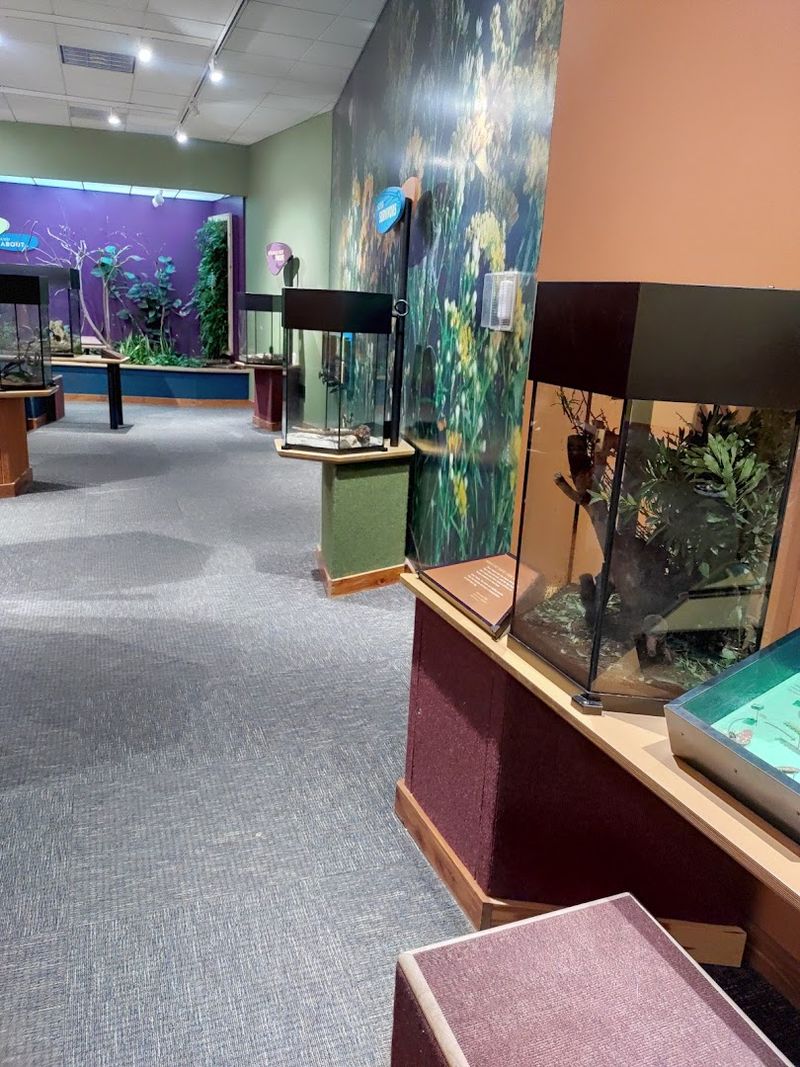
Giant spiders, colorful beetles, and insects that look like leaves or sticks fill the Insectarium section adjacent to the butterfly conservatory. The collection includes species that most people will never encounter in their daily lives.
Each habitat recreates natural conditions for the creatures inside.
Goliath birdeater tarantulas rank among the largest spiders on Earth and draw crowds despite making some visitors nervous. Giant orb-weavers spin intricate webs that demonstrate engineering skills that seem impossible for such small creatures.
Honeybees work inside a glass observation hive where their social structure becomes visible.
The displays help visitors understand how diverse the invertebrate world actually is. Many people leave with changed perspectives about insects they previously found only frightening or annoying.
The educational component works because the creatures themselves prove more interesting than any description could convey.
5. Saturday Morning Q&A Sessions With Entomologists Answer Visitor Questions
Every Saturday morning at nine o’clock, visitors can speak directly with entomologists who study insects and invertebrates professionally. The informal sessions welcome questions about anything related to the creatures in the exhibits or insects in general.
No topic gets dismissed as too basic or too complex.
Children often ask about whether certain insects bite or how fast different species can run. Adults tend to focus on ecological roles and conservation concerns.
The entomologists adapt their answers to match the knowledge level of whoever is asking.
The program runs for about an hour, but conversations sometimes continue informally after the official session ends. Visitors who arrive when the museum opens have the best chance to participate before the space gets busy.
The opportunity to speak with actual scientists makes the experience feel more substantial than simply reading exhibit labels.
6. Educational Programs Serve Students Of All Ages

School groups visit throughout the year for programs that combine presentations with guided tours through the conservatory. The educational offerings scale to match different grade levels and learning objectives.
Teachers work with staff ahead of visits to align content with the classroom curriculum.
Younger students focus on basic life cycles and adaptations, while older groups explore more complex topics like ecosystem relationships and conservation challenges. Hands-on elements help concepts stick better than lecture-style teaching alone.
The butterflies themselves serve as living examples that make abstract ideas concrete.
Programs run during weekday mornings when the facility tends to be less crowded than on weekends. Group sizes stay manageable so everyone gets adequate viewing time without overwhelming the space.
The combination of indoor and outdoor components provides variety that helps maintain attention throughout the visit.
7. One-Acre Outdoor Gardens Attract Native Butterfly Species
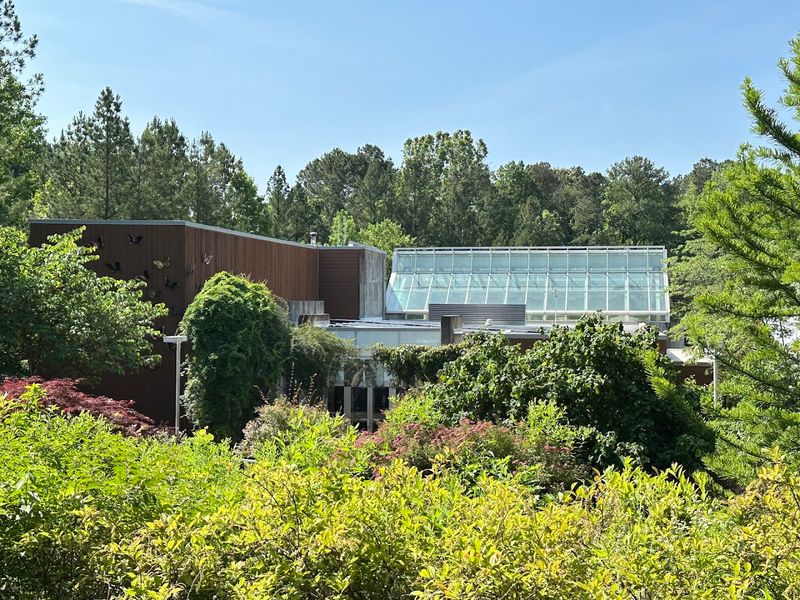
Beyond the tropical conservatory, outdoor gardens planted with native flowers and trees create habitat for local butterfly species. The one-acre space demonstrates how anyone can support pollinators in their own yards.
Seasonal blooms ensure something is flowering from spring through fall.
Milkweed grows in dedicated patches to support monarch butterflies during their migration periods. Coneflowers, black-eyed susans, and other native wildflowers provide nectar for numerous species.
Trees and shrubs offer shelter and host plants where butterflies lay eggs.
The outdoor area feels less controlled than the indoor conservatory, and visitors experience nature as it actually happens rather than in a managed environment. Weather affects the butterfly activity significantly so some days bring more sightings than others.
The gardens prove that supporting butterflies does not require exotic plants or complicated maintenance schedules.
8. Conservation Efforts Support Sustainable Butterfly Farming
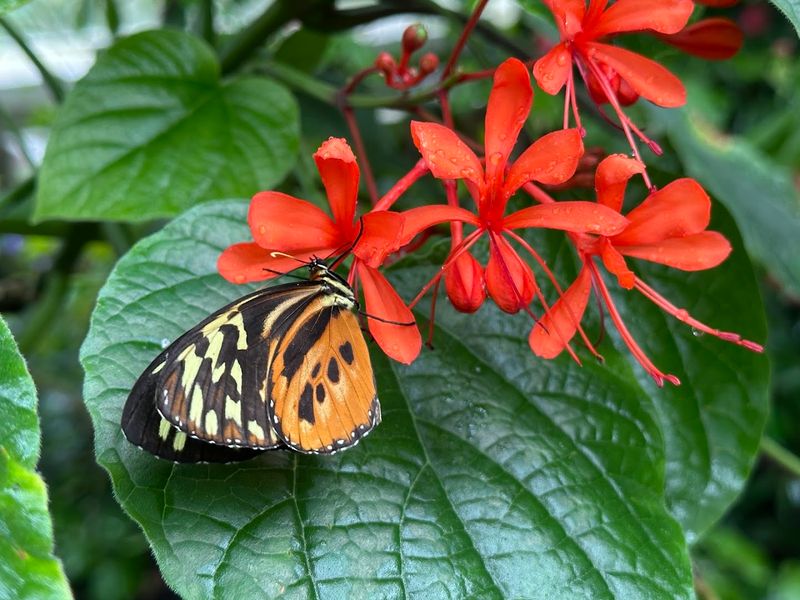
The butterflies displayed at Magic Wings come from farms that practice sustainable methods rather than wild collection. This approach protects natural populations while providing income for communities in tropical regions.
The farming model creates financial incentives to preserve rainforest habitat instead of clearing it for other uses.
Farmers raise butterflies through their complete life cycle by maintaining host plants and nectar sources. They harvest chrysalises at the right stage for shipping rather than catching adult butterflies.
The practice requires knowledge of each species’ specific needs and careful timing.
Visitors support these conservation efforts simply by purchasing admission tickets. The connection between a Durham conservatory and rainforest preservation thousands of miles away demonstrates how local actions can have global impacts.
Educational materials throughout the facility explain these relationships so visitors understand the broader context of what they are experiencing.
9. The Gift Shop Offers Butterfly-Themed Merchandise And Educational Materials
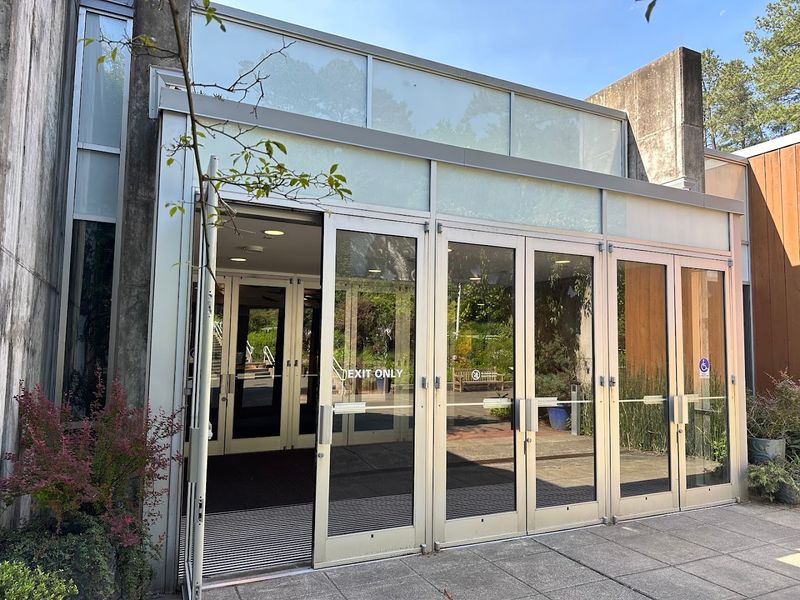
Before leaving, visitors can browse butterfly-themed items ranging from educational books to decorative pieces. The gift shop carries products that extend the learning experience beyond the visit itself.
Quality varies from inexpensive souvenirs to more substantial items meant to last.
Glass globes containing preserved butterfly wings catch light in ways that photographs cannot match. Field guides help identify species found in local areas.
Plush toys appeal to younger visitors who want something to remember the experience.
Books cover topics from butterfly gardening to insect identification at various depth levels. Some purchases support the facility directly through profit sharing arrangements.
The shop stays open during regular museum hours and does not require separate admission to enter, though most visitors browse after seeing the exhibits.
10. Climate-Controlled Environment Maintains Tropical Conditions Year-Round
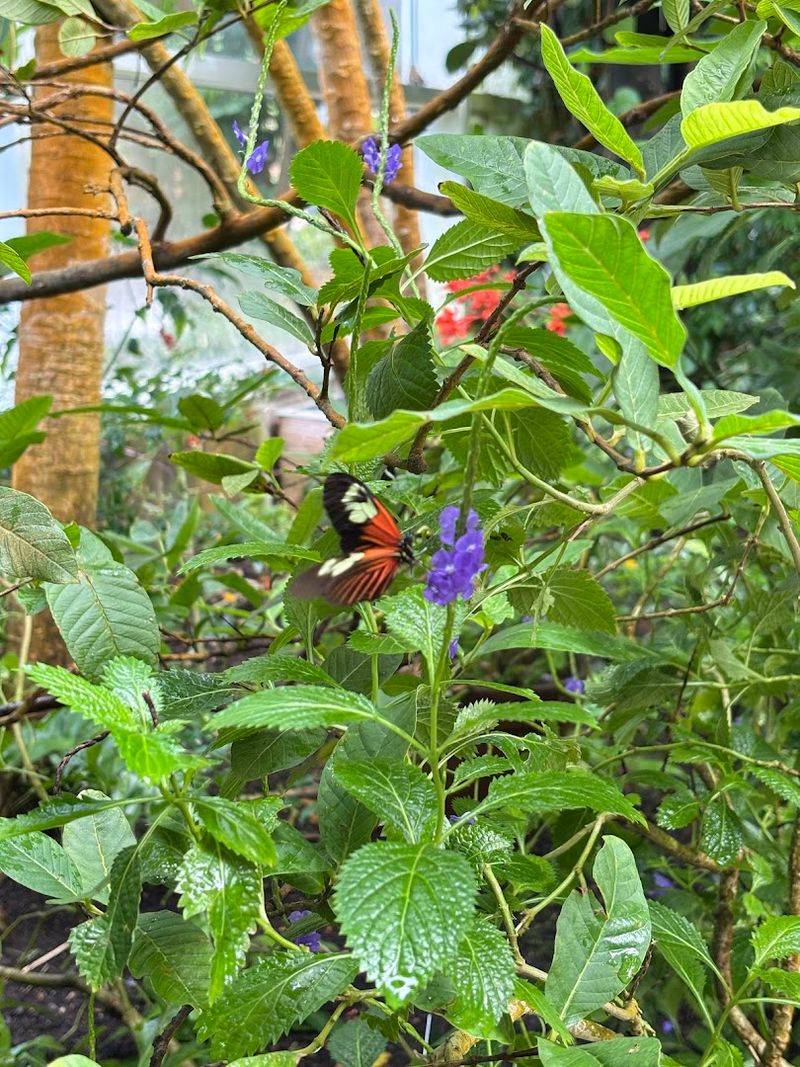
Sophisticated climate control systems maintain the warm, humid conditions butterflies require regardless of outside weather. Temperatures stay in the range that allows tropical species to remain active and healthy.
The system runs constantly, and adjustments happen automatically based on sensor readings.
Humidity levels remain high enough to prevent butterfly wings from drying out, but controlled enough to avoid mold growth on plants. Air circulation moves gently to avoid disrupting flight while preventing stagnant pockets.
The engineering behind the scenes rarely gets noticed by visitors, but makes the entire experience possible.
Winter visits feel especially dramatic when cold air outside contrasts with tropical warmth inside. Summer visitors sometimes find the conservatory uncomfortably warm, though the butterflies thrive in conditions that humans might find excessive.
Dressing appropriately helps with comfort, and the staff suggests wearing layers that can be adjusted.
11. Photography For Personal Use Is Welcome Throughout the Exhibits
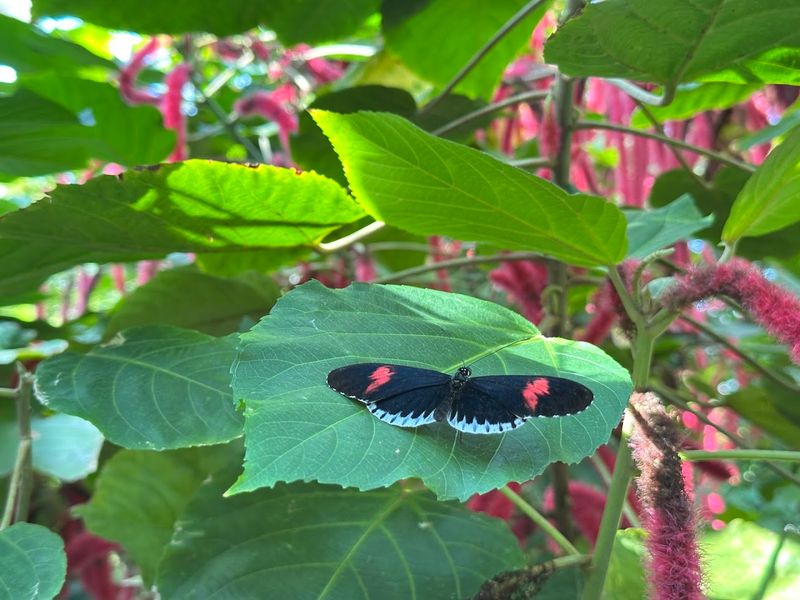
Cameras and phones come out constantly as visitors try to capture the butterflies and insects on display. The facility welcomes photography for personal use without requiring special permissions or fees.
Professional photography for commercial purposes requires advanced arrangements.
Getting good butterfly photos takes patience because the creatures move unpredictably and rarely hold still for long. Natural lighting in the conservatory helps, but the constant movement challenges even experienced photographers.
Some visitors spend most of their time trying for the perfect shot, while others take quick snapshots and focus on direct observation.
The best photos often happen when butterflies land on people rather than when visitors chase them with cameras. Standing still near flowering plants increases the chances of close encounters.
Social media feeds fill with images from Magic Wings as visitors share their favorite moments with friends and family online.
12. Birds Share The Conservatory Space With Butterflies
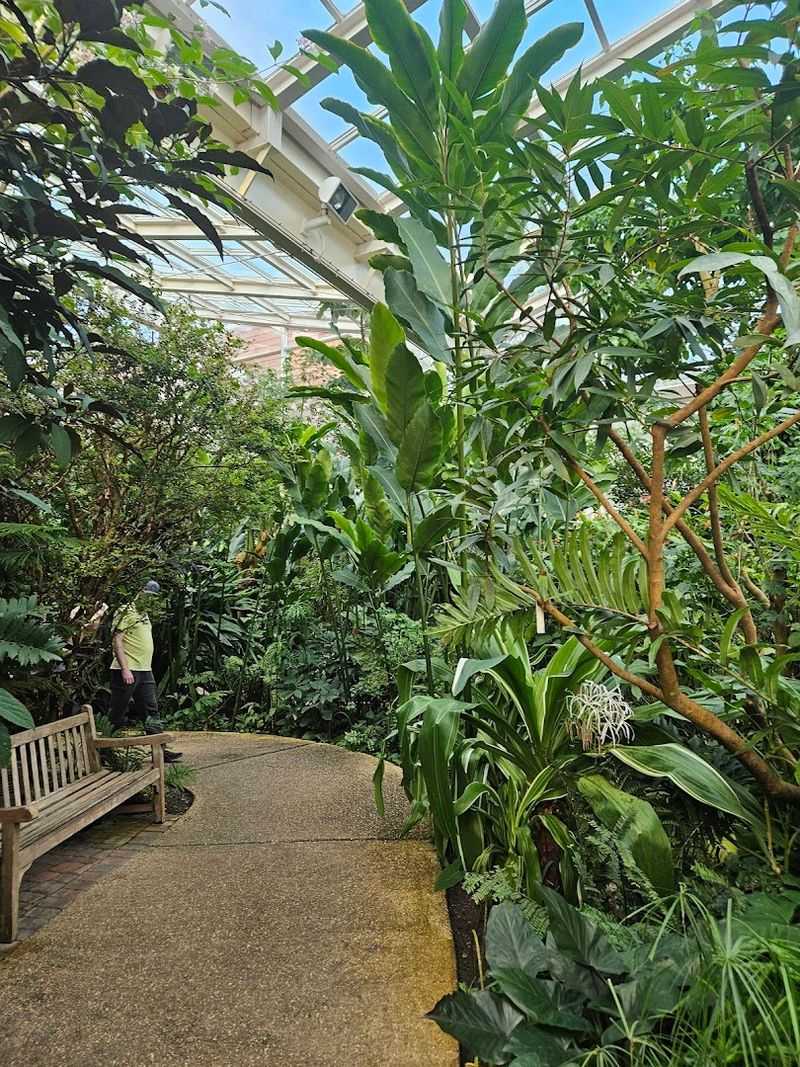
Small birds live inside the conservatory alongside the butterflies and contribute to the tropical atmosphere. They move through the plants and occasionally land near visitors.
The birds serve practical purposes by eating fruit that might otherwise attract pests and by adding another dimension to the ecosystem.
Spotting the birds requires more attention than noticing butterflies because they blend into the foliage more effectively. Their songs add natural sound to the space beyond the white noise of climate control systems.
Some visitors never notice them during their visit, while others make a game of counting how many they can find.
The birds seem unbothered by human presence and go about their activities without much concern for the crowds. They represent another example of how the conservatory creates a functioning ecosystem rather than just a display.
Watching interactions between birds and butterflies reveals behaviors that would be difficult to observe in wild settings.
13. Hours And Admission Provide Access Tuesday Through Sunday
The facility at 433 W Murray Ave in Durham opens Tuesday through Sunday from ten in the morning until five in the afternoon. Members can enter an hour early, at nine, for a less crowded experience.
The schedule remains consistent throughout the year without seasonal variations.
Admission prices include access to both the butterfly conservatory and the insectarium, along with the outdoor gardens. Discounts apply for seniors, children, and United States military personnel.
Pricing information and ticket purchases happen online or at the entrance.
Weekday mornings tend to be quieter than weekend afternoons when families and school groups fill the space. The facility can feel crowded during peak times, though the conservatory size accommodates reasonable numbers without becoming uncomfortable.
Planning visits for less busy times improves the experience for people who prefer more space and quieter observation opportunities.