Step Into Illusion At This North Carolina Museum Where Reality Gets Twisted
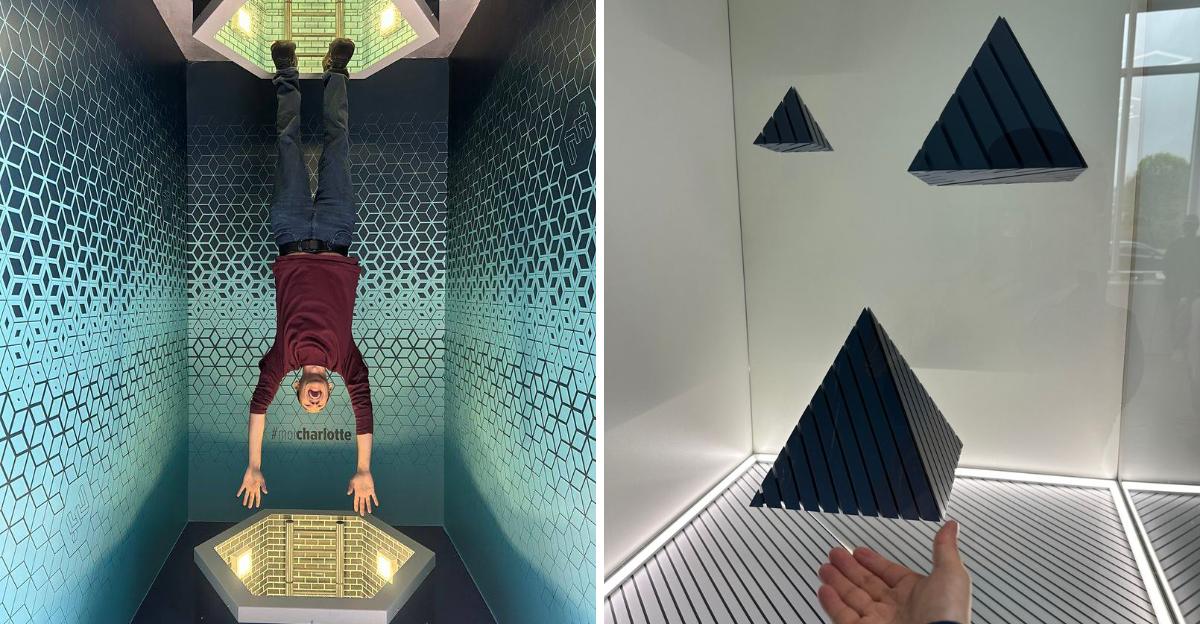
Imagine stepping into a world where floors tilt beneath your feet, mirrors stretch your reflection into infinity, and gravity seems like a mere suggestion. The Museum of Illusions in Charlotte turns everyday physics into playful, mind-bending adventures that leave visitors questioning what they see.
North Carolina proves it’s home to attractions that combine learning, fun, and pure wonder in ways you didn’t expect. Located in the heart of uptown Charlotte, at 601 S Tryon Street #138, this interactive museum invites guests to explore rooms where optical illusions come alive, and ordinary rules of perception are joyfully ignored.
From spinning vortex tunnels and holographic experiences to gravity-defying rooms perfect for photos, every corner sparks curiosity and amazement. Families, friends, and solo explorers alike can wander through exhibits designed to surprise and delight, making each visit feel fresh and exciting.
Whether you’re seeking a quirky date idea, a fun outing with kids, or just a dose of awe, this Charlotte jewel turns science into pure magic.
1. Ames Room Makes Size A Moving Target
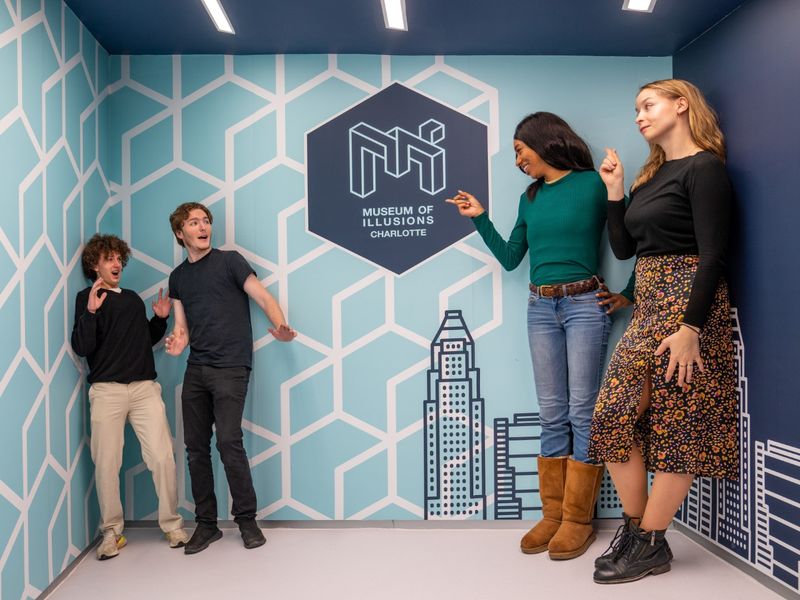
Walk into a corner and watch your travel companion suddenly tower over you like a giant from a storybook. The Ames Room creates one of the most photographed moments at the Museum of Illusions.
This cleverly engineered space uses forced perspective to make people appear to dramatically change size as they move from one side to another.
The room’s floor, ceiling, and back wall are actually constructed at unusual angles, but from a specific viewing point, everything looks perfectly rectangular. Your brain interprets the scene based on the assumption that rooms have right angles, which creates the size illusion.
Visitors love capturing photos where friends or family members seem to shrink or grow in real time.
Taking multiple shots from the designated spot helps capture the full effect. The staff can offer tips on positioning to maximize the dramatic difference between corners.
2. Vortex Tunnel Spins Without Moving You
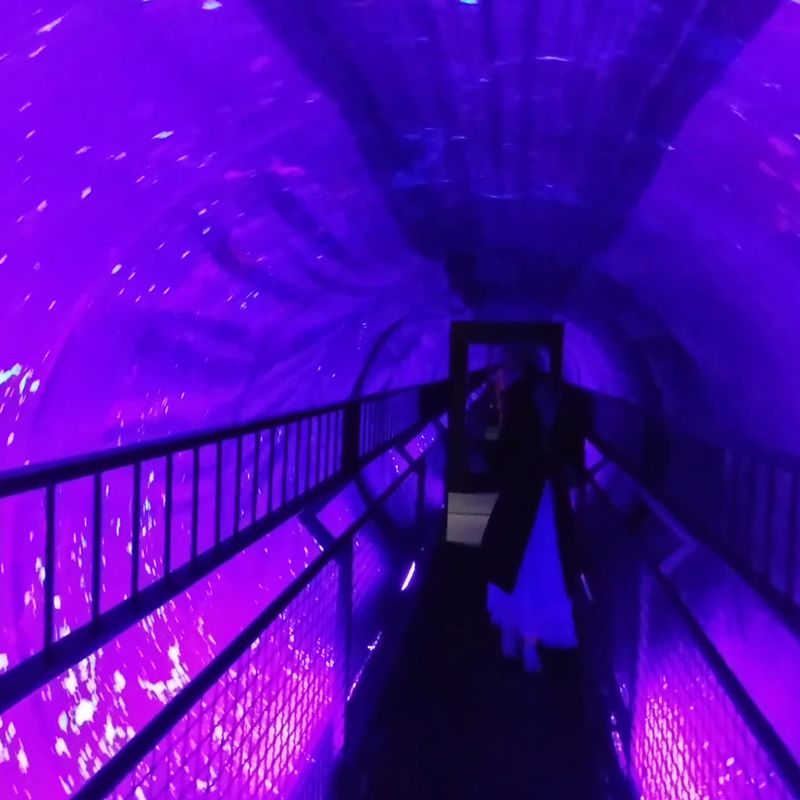
Stepping onto the narrow bridge feels stable enough until the cylinder around you begins its hypnotic rotation. Located at 601 S Tryon St #138, Charlotte, the Vortex Tunnel ranks as one of the most disorienting experiences in the entire museum.
The spinning visual field tricks your inner ear into believing you’re tumbling through space, even though your feet never leave the stationary walkway.
Many visitors instinctively reach for the handrails as their sense of balance wages war against their vision. Some people breeze through with minimal effect, while others find themselves giggling nervously or moving very slowly.
The sensation varies from person to person, making it a fascinating experiment in how different brains process conflicting sensory information.
Walking through multiple times can help you adjust to the sensation. Closing your eyes briefly while inside resets your equilibrium and lets you experience the full effect again.
3. Infinity Room Stretches Space Endlessly
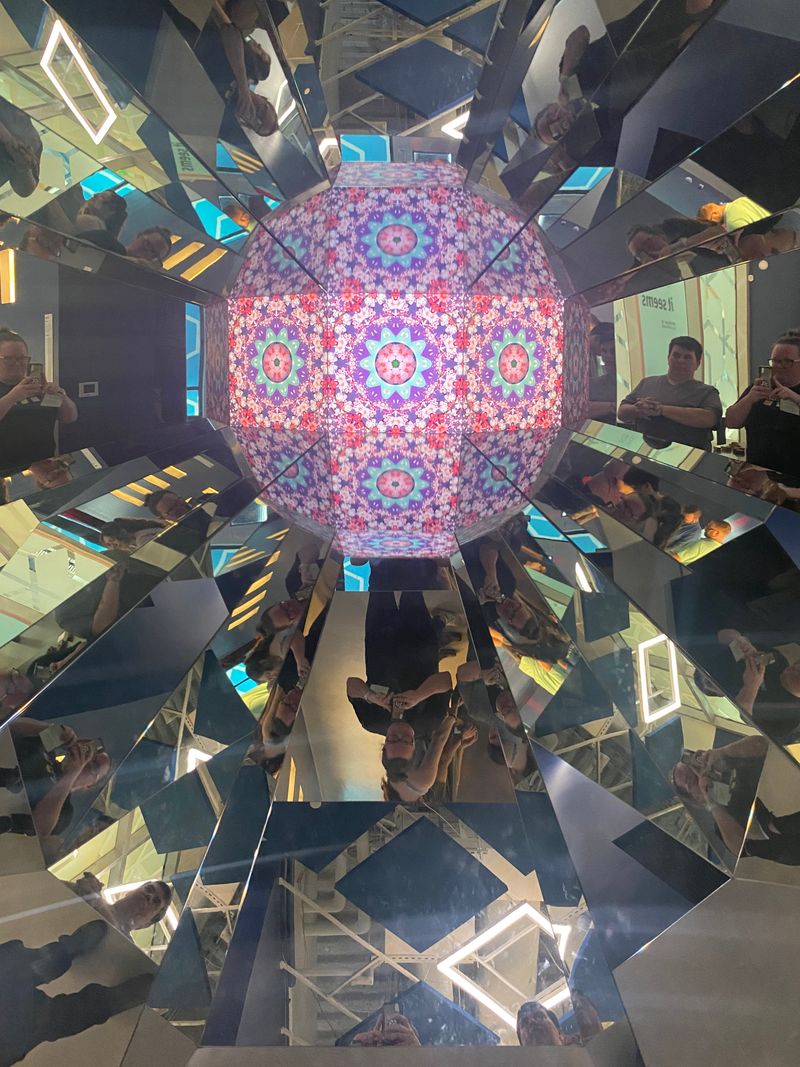
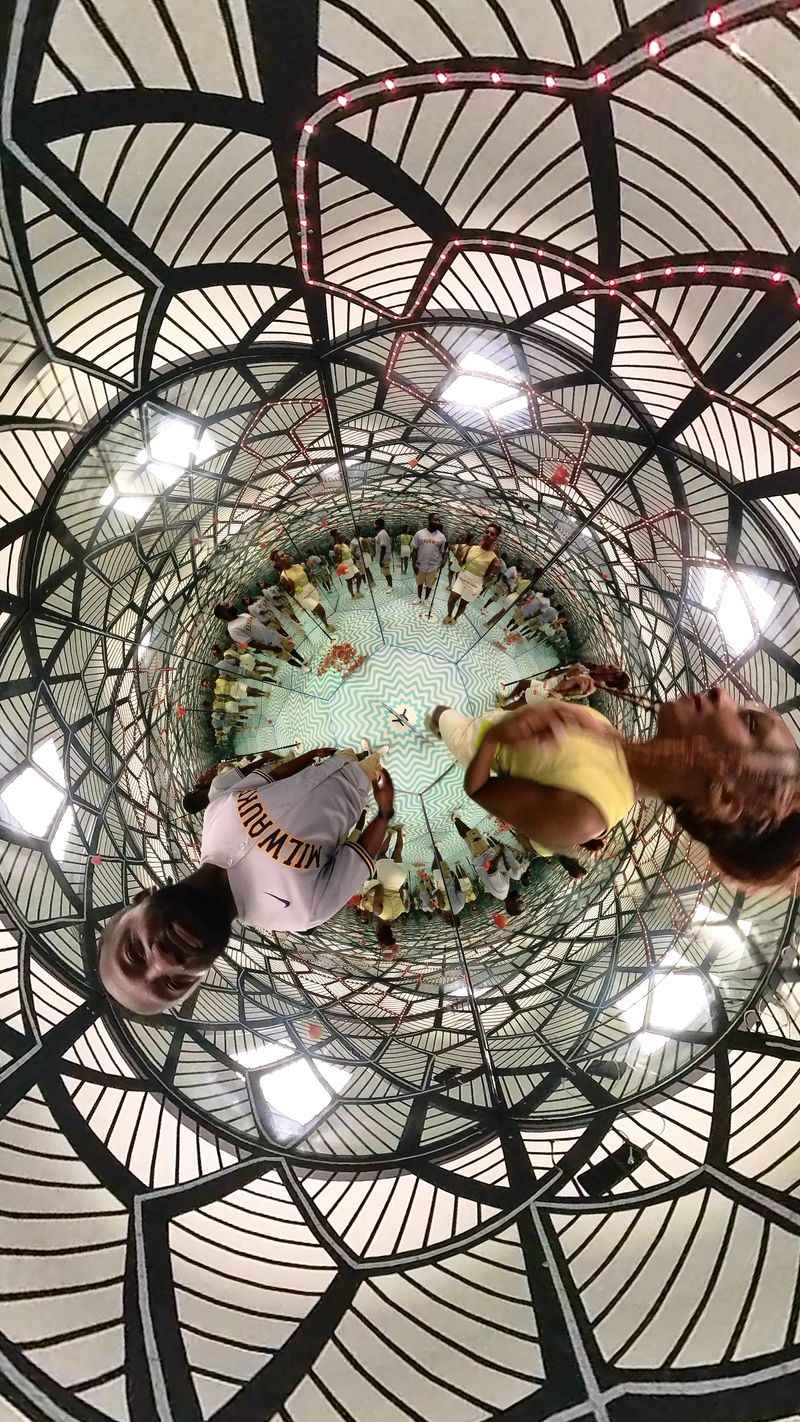
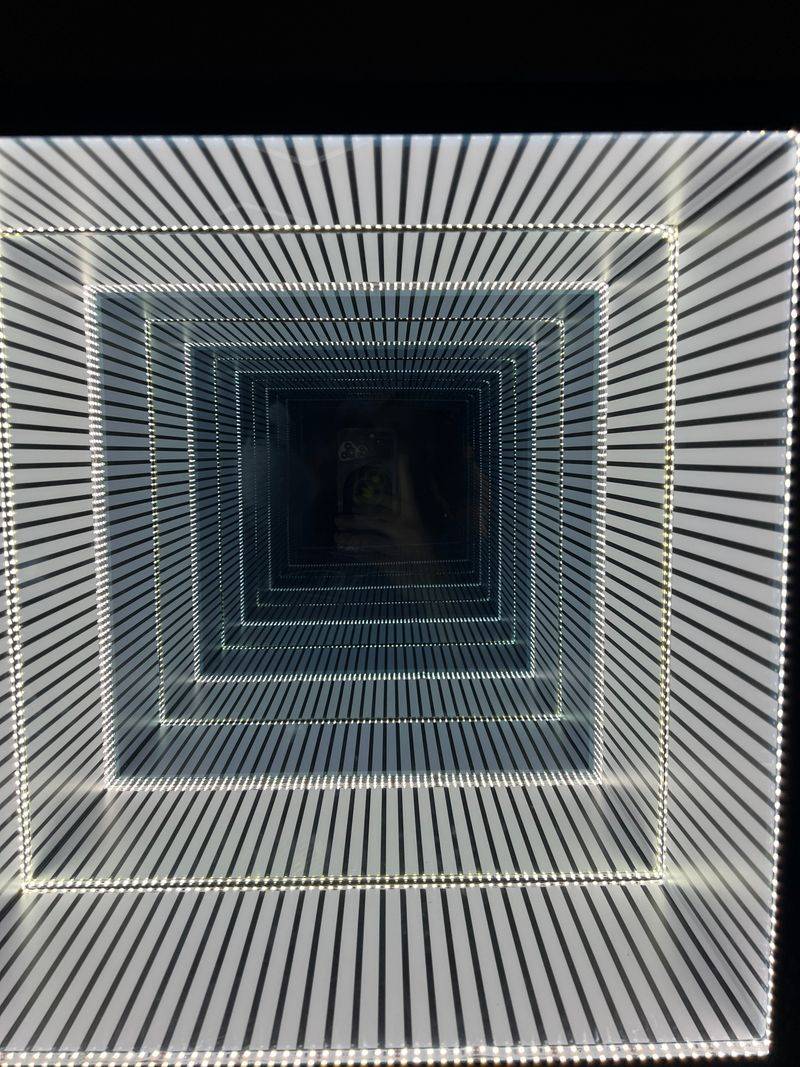
Mirrors positioned at precise angles transform a small chamber into what appears to be an endless cosmos of light and reflection. The Infinity Room uses carefully placed mirrors and strategic lighting to create the sensation of standing in limitless space.
Your reflection multiplies into countless versions of yourself, stretching into what seems like forever in every direction.
The effect feels almost meditative for some visitors, while others find it thrilling to see themselves repeated infinitely. LED lights often change colors, adding another dimension to the visual experience.
Photography in this space produces stunning results, with images that look like abstract art or scenes from science fiction.
Positioning yourself in the center of the room maximizes the infinity effect. Wearing bright or contrasting colors makes your reflections stand out more dramatically against the mirrored backdrop for better photos.
4. Anti-Gravity Room Defies Physical Laws
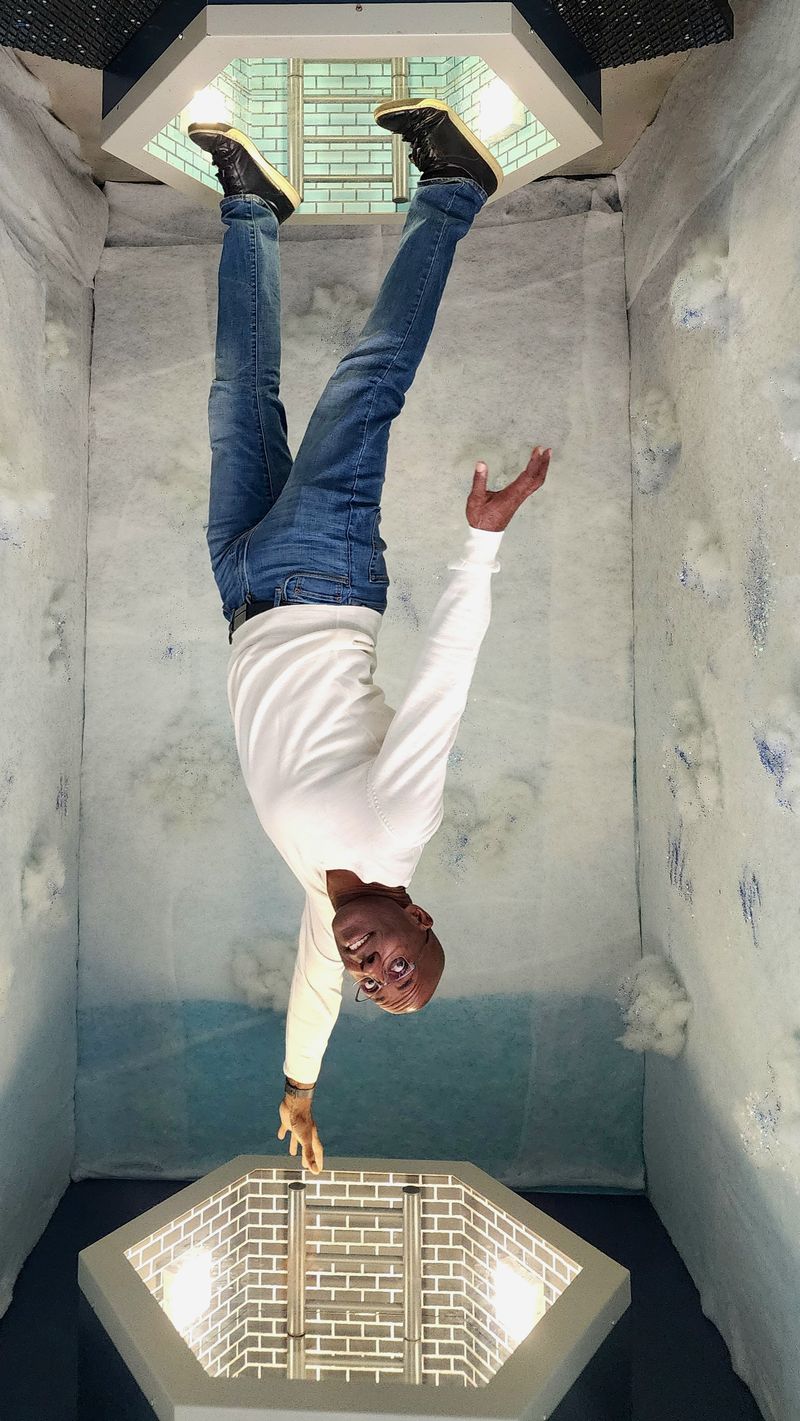
Objects roll uphill, people lean at impossible angles, and water seems to flow in the wrong direction in this mind-bending space. At the museum, the Anti-Gravity Room uses a tilted floor combined with a skewed frame of reference to make gravity appear negotiable.
The entire room sits at an angle, but the visual context tricks your brain into perceiving it as level.
Visitors can pose leaning dramatically without falling, creating photos that look physically impossible. Balls appear to roll upward, and standing straight feels oddly difficult because your body knows something your eyes refuse to believe.
The disconnect between what you see and what you feel creates a uniquely strange sensation that lingers even after leaving the room.
Bringing props like water bottles or small balls enhances the anti-gravity effect. Experimenting with different poses and angles produces the most dramatic photographs that showcase the illusion’s power.
5. Head On A Platter Creates Classic Horror
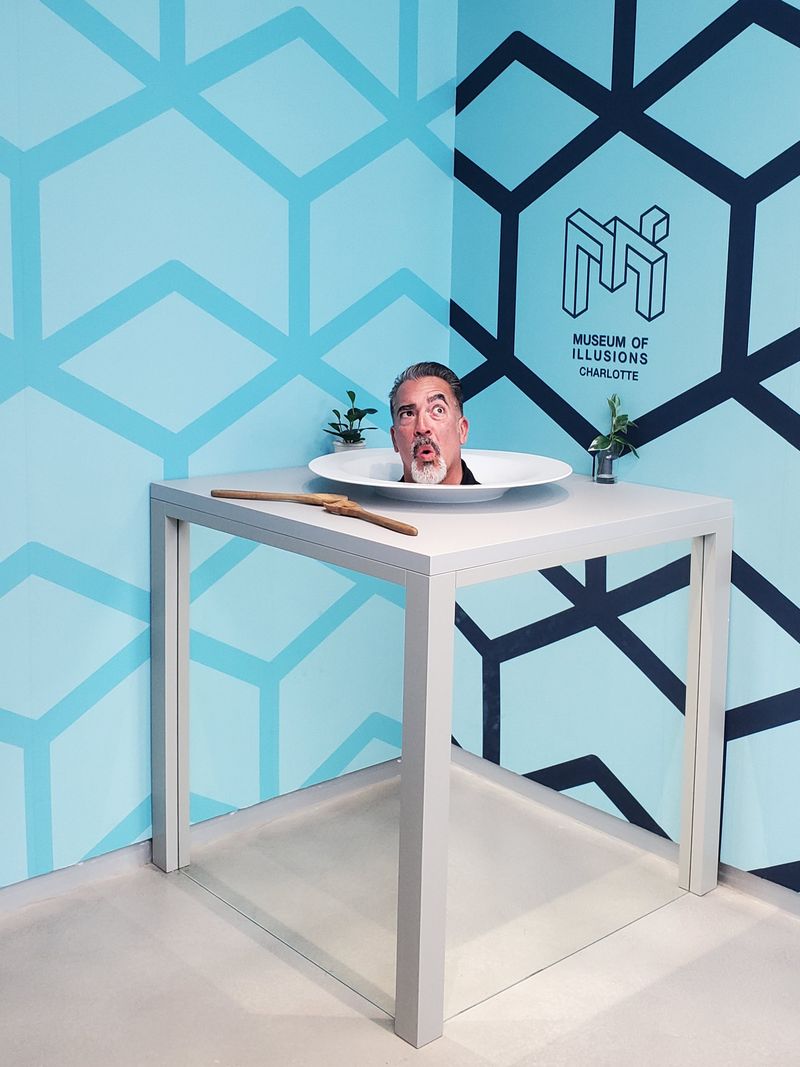
This timeless illusion never fails to generate shocked laughter and perfect Halloween profile pictures. The Head on a Platter exhibit uses mirrors and clever table construction to make it appear as though your head has been completely severed from your body.
The effect looks convincingly gruesome from the right angle, making it a favorite for social media posts.
The setup involves kneeling beneath a specially designed table while positioning your head through an opening. Mirrors hide your body from view while reflecting the floor pattern, creating the seamless illusion that only your disembodied head rests on the surface.
Different facial expressions add personality to the photos, from shocked surprise to theatrical horror.
Having someone photograph from the designated angle ensures the illusion works perfectly. Playing with expressions and hand positions near your “severed” head adds humor or drama to the final image.
6. Clone Table Multiplies Your Presence
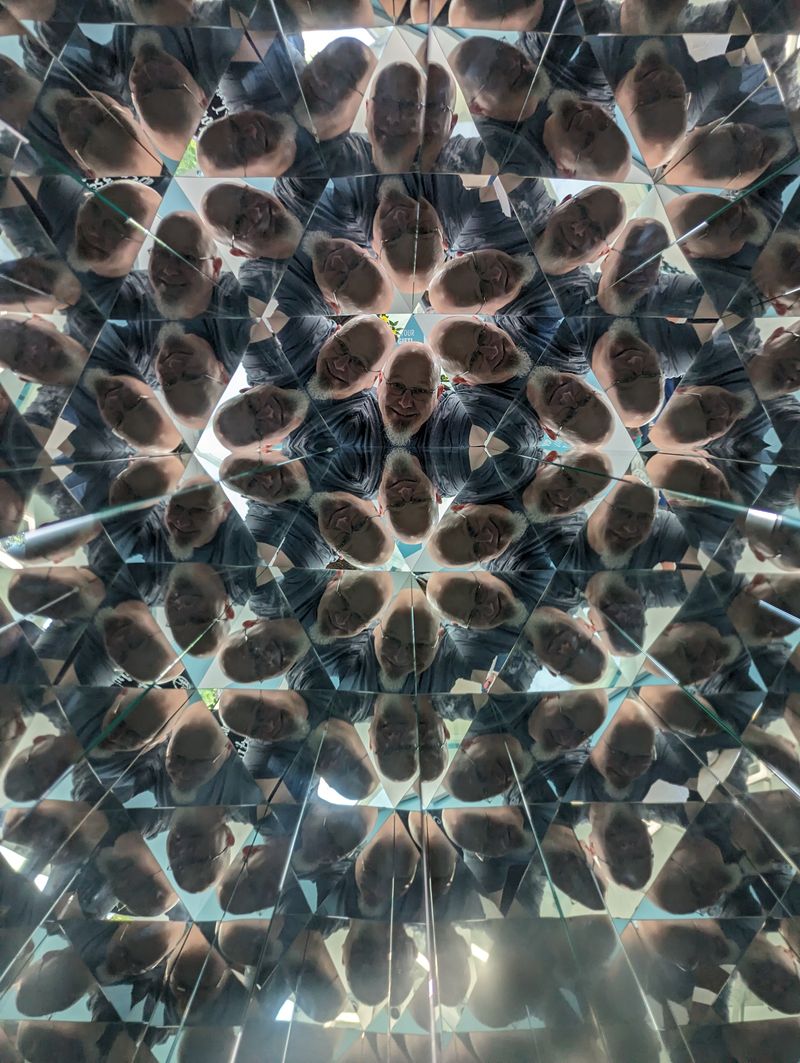
Ever wondered what it would be like to have a conversation with multiple versions of yourself? The Clone Table makes that bizarre scenario a photographic reality.
Strategic mirror placement creates the appearance of several identical copies of you sitting side by side, all making the same gestures simultaneously.
The exhibit works by reflecting your image multiple times through angled mirrors, producing duplicates that move in perfect synchronization with you. Visitors enjoy striking different poses to see their clones mimic every movement instantly.
The effect works particularly well for creating humorous scenarios, like appearing to argue with yourself or staging an entire meeting of your dopplegangers.
Coordinating movements with others in your group can create interesting layered effects. Wearing distinctive clothing or accessories makes each clone more visually striking in photographs, enhancing the overall impact of the illusion.
7. Tilted Room Challenges Your Balance
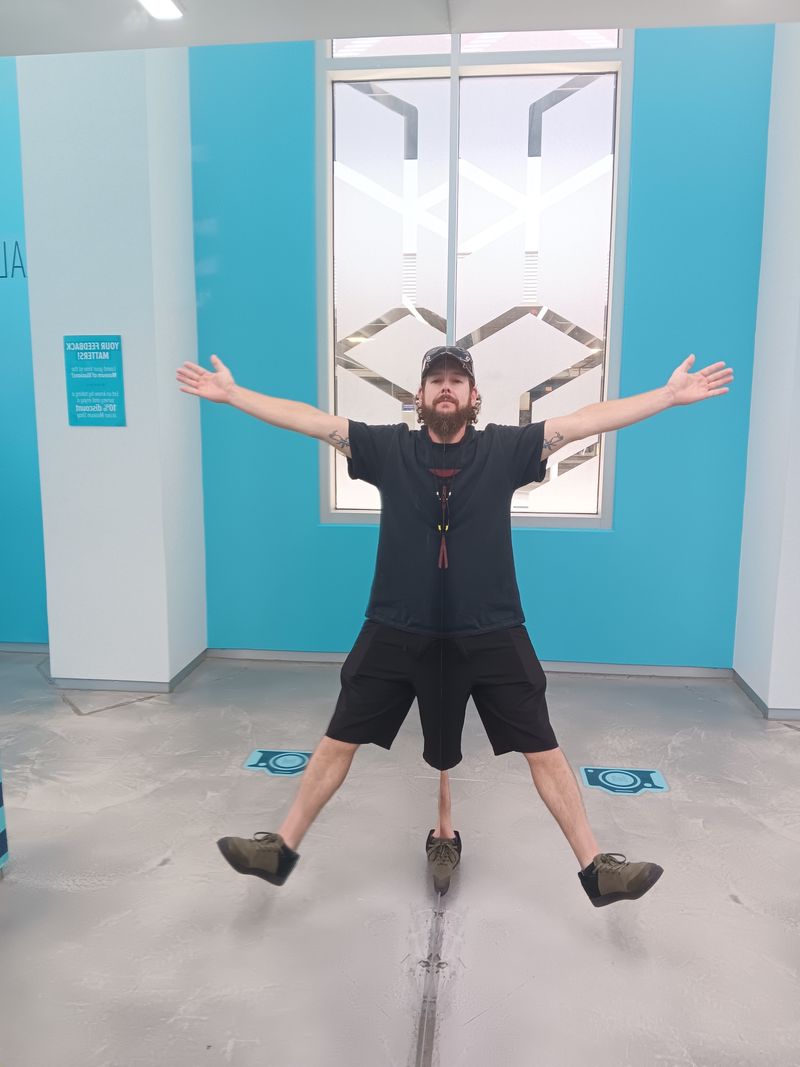
Standing upright becomes an exercise in confusion when the entire room conspires to disorient your senses. The Tilted Room presents visitors with a space where nothing aligns with your body’s internal compass.
The floor slopes at an angle while the visual cues suggest everything should be level, creating a disconnect that makes simple standing feel like a balancing act.
Furniture bolted at odd angles enhances the effect, making it appear as though chairs and tables are defying gravity. Your body constantly tries to adjust to what it perceives as an uneven surface, even though your eyes insist everything is normal.
The sensation can be mildly nauseating for some visitors, while others find it exhilarating.
Moving slowly through the space helps your body adjust to the conflicting signals. Taking breaks to look away from the tilted elements can reset your equilibrium if the sensation becomes too intense.
8. Reversed Room Flips Familiar Spaces
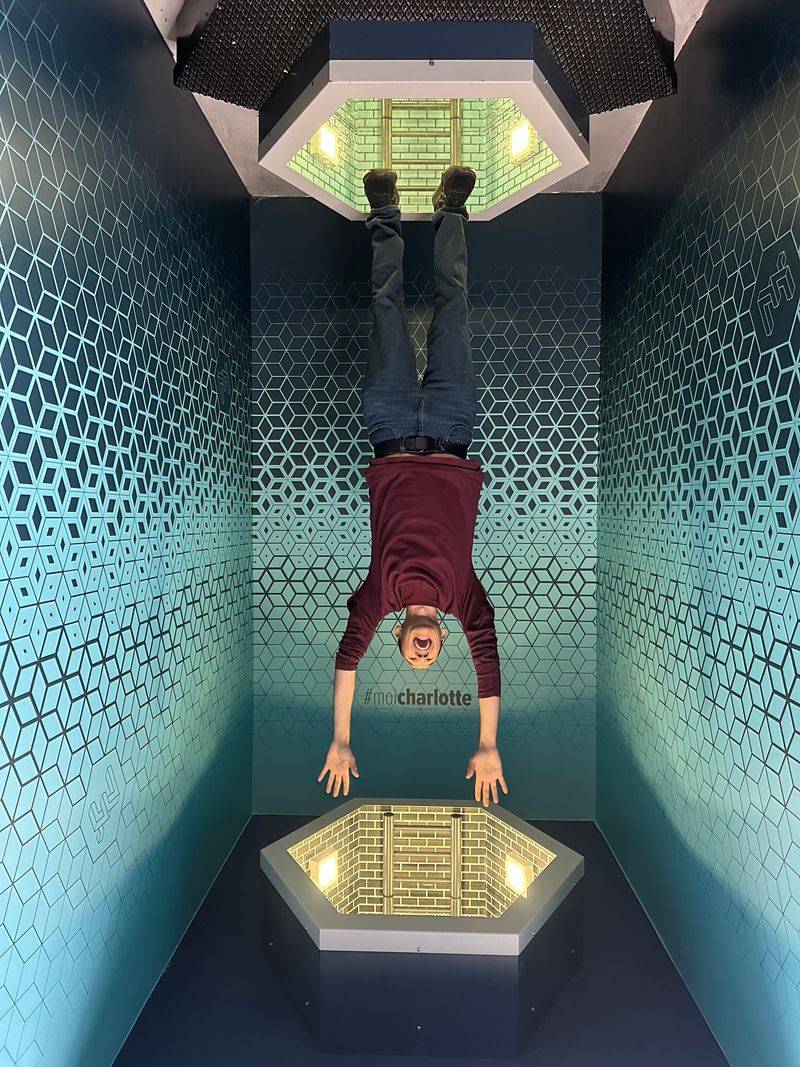
Imagine walking into a room where everything you expect to see has been turned completely backward or upside down. The Reversed Room presents familiar objects and spaces in ways that challenge your brain’s pattern recognition systems.
Chairs might appear to hang from the ceiling, or doorways might lead to impossible places, creating a surreal environment that feels like stepping into an M.C. Escher drawing.
The exhibit plays with your learned expectations about how rooms should be organized and how objects should relate to each other spatially. Your brain works overtime trying to make sense of the reversed or inverted elements, often failing to reconcile what it sees with what it knows to be physically possible.
Photography in this space produces images that require a second look to fully understand.
Approaching the room from different angles reveals new impossible elements. Taking time to study individual components helps appreciate the careful design work that creates the disorienting effect.
9. Holograms Float In Mid-Air Magic
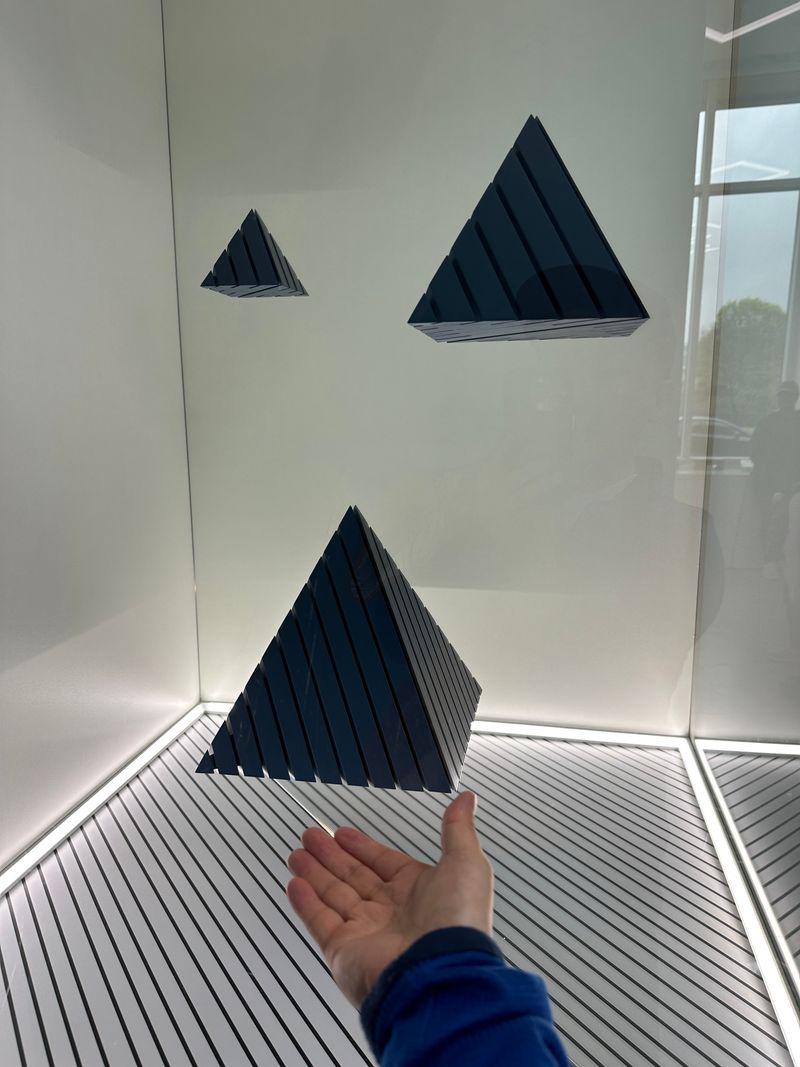
Three-dimensional images suspended in space without screens or projectors seem like technology from a science fiction film. The hologram collection showcases images that appear to float freely in mid-air, changing perspective as you move around them.
These aren’t traditional holograms requiring special glasses, but rather carefully engineered optical effects that create convincing 3D visuals.
Walking around each hologram reveals different angles and depths, with some elements appearing to extend toward you while others recede into the background. The technology behind these displays demonstrates how light can be manipulated to create the perception of solid objects where none exist.
Children and adults alike find themselves reaching out to touch images that seem tangible but remain frustratingly intangible.
Viewing holograms from multiple angles maximizes the three-dimensional effect. Low lighting conditions in the exhibit space enhance the floating appearance, making the images seem even more magical and disconnected from their physical supports.
10. Optical Illusions Challenge Visual Processing
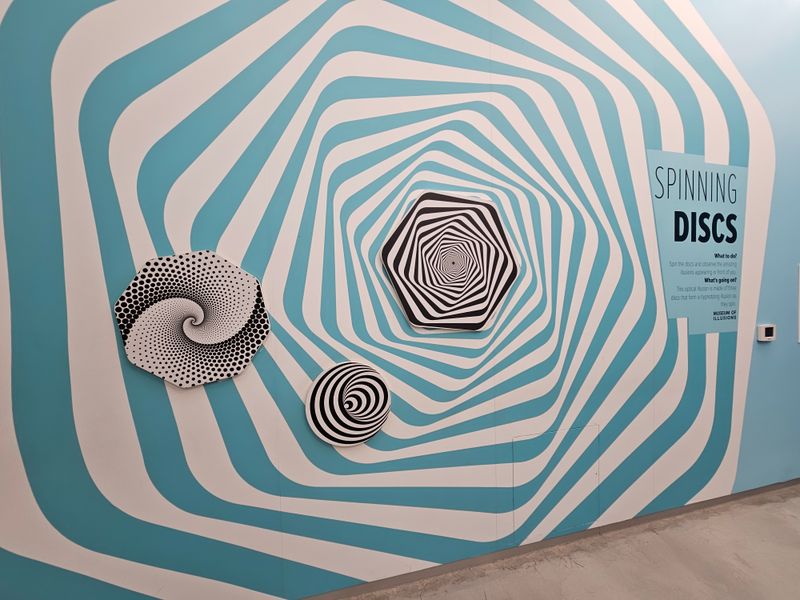
Static images that move, parallel lines that appear to curve, and colors that shift before your eyes fill the walls with visual puzzles. The optical illusion collection presents dozens of classic and contemporary visual tricks that exploit how your brain processes visual information.
These aren’t moving images or video screens, but rather carefully designed static patterns that create the sensation of motion or transformation.
Each illusion comes with an explanation of the neurological or perceptual principle it demonstrates, turning entertainment into education. Some illusions work instantly for every viewer, while others require specific viewing distances or angles to activate.
The variety ensures that even if certain illusions don’t affect you strongly, others will completely fool your visual system.
Reading the explanations after experiencing each illusion deepens understanding of how perception works. Comparing reactions with other visitors reveals how differently individual brains can interpret identical visual information.
11. Stereograms Hide 3D Secrets In Patterns
Random dots and repetitive patterns suddenly transform into three-dimensional scenes when viewed with the right technique. The stereogram exhibit challenges visitors to unlock hidden images concealed within what initially appears to be visual noise.
These autostereograms require you to adjust your focus in a specific way, allowing your eyes to see depth information encoded in the flat pattern.
Learning to view stereograms takes patience, as your eyes must converge or diverge differently from normal reading focus. Once the technique clicks, the hidden 3D image suddenly pops into view with surprising clarity and depth.
Some people master the skill immediately, while others need multiple attempts or simply can’t perceive the effect at all due to vision differences.
Relaxing your focus and looking “through” the image rather than at it helps trigger the 3D effect. Starting with simpler stereograms builds the skill needed to perceive more complex hidden images.
12. Interactive Installations Make You The Illusion
Becoming part of the artwork rather than simply observing it transforms passive viewing into active participation. Several interactive installations require visitors to position themselves within the exhibit to complete or activate the illusion.
These hands-on experiences range from shadow play that distorts your silhouette to perspective tricks that only work when you stand in exactly the right spot.
Staff members stationed throughout the museum often help visitors find the optimal positions and angles to maximize each interactive effect. Their guidance proves invaluable for capturing photos that showcase the full impact of these participatory illusions.
The interactive nature means every visitor’s experience is slightly unique, depending on their height, positioning, and creativity in using the installations.
Experimenting with different poses and positions reveals new aspects of each interactive piece. Bringing a friend to help with photography ensures you can fully participate while still capturing the visual results of your interaction.
13. Illusion Shop Extends The Experience Home
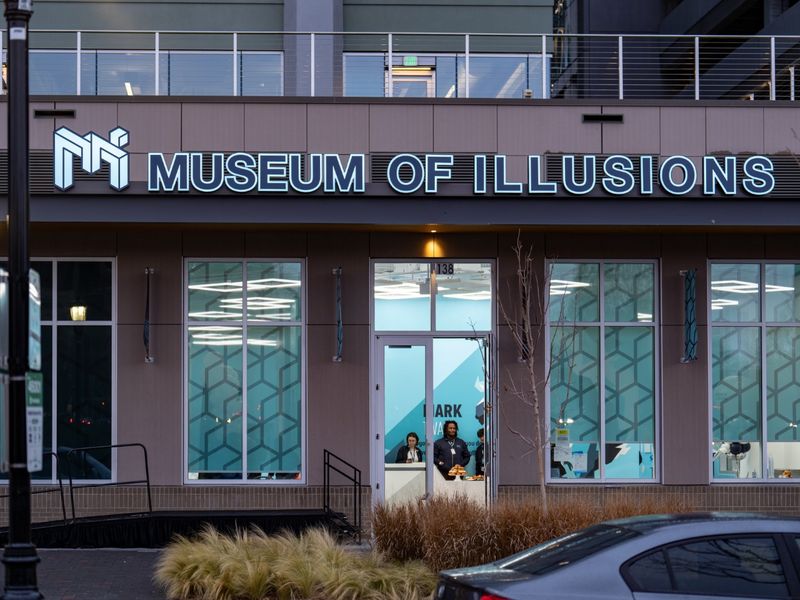
The fun doesn’t have to end when you exit the final exhibit, thanks to a carefully curated retail space filled with mind-bending merchandise. Located at 601 S Tryon St #138, Charlotte, the Illusion Shop offers brain teasers, puzzles, optical illusion books, and novelty items that let visitors continue exploring perception at home.
The selection ranges from classic mechanical puzzles to modern fidget toys, all chosen to complement the museum’s themes of illusion and perception.
Apparel featuring famous optical illusions allows fans to wear their favorite mind tricks, while quirky stationery and desk toys bring a touch of visual magic to everyday spaces. Plasma lights and other light-based toys demonstrate scientific principles in entertaining ways.
The shop’s inventory changes periodically, giving repeat visitors new discoveries to explore alongside familiar favorites.
Allowing time for browsing after your museum visit prevents feeling rushed through the shopping experience. Many items make excellent gifts for puzzle enthusiasts or anyone who appreciates clever visual tricks and brain challenges.