Step Into North Carolina’s Tobacco Past At This Historic District Turned Shopping Wonderland
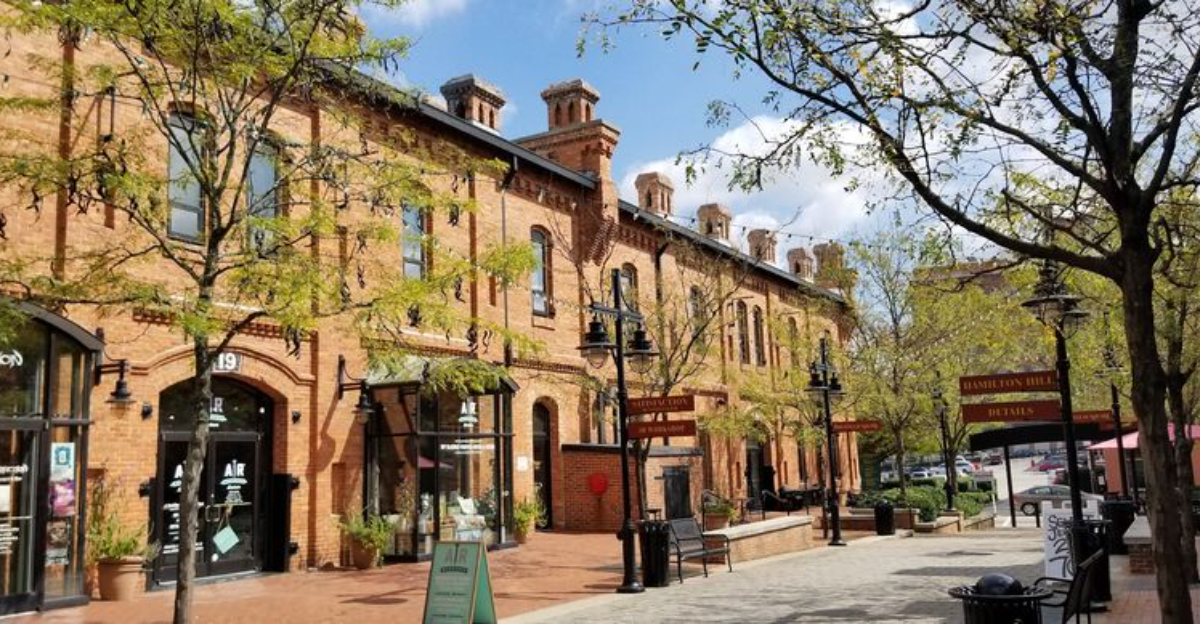
Brick warehouses that once stored tobacco leaves now pulse with the energy of modern Durham life. The transformation of these 1904 industrial giants into a shopping and dining destination stands as one of North Carolina’s most successful historic preservation stories.
Brightleaf Square brings together the best of both worlds where original Romanesque Revival architecture frames contemporary restaurants and unique boutiques. The massive wooden beams overhead remind visitors of the building’s tobacco warehouse origins while the aroma of fresh coffee and the sound of live music create an entirely different atmosphere.
North Carolina knows how to honor its past while building something new. The central courtyard between the parallel buildings hosts festivals and gatherings that draw both locals and visitors throughout the year.
Students from nearby Duke University mix with families and professionals exploring the shops and settling into restaurant patios. The address 905 W Main St in Durham marks the entrance to this revitalized space where history and modern convenience meet under one beautifully preserved roof.
1. American Tobacco Company Warehouses From 1904
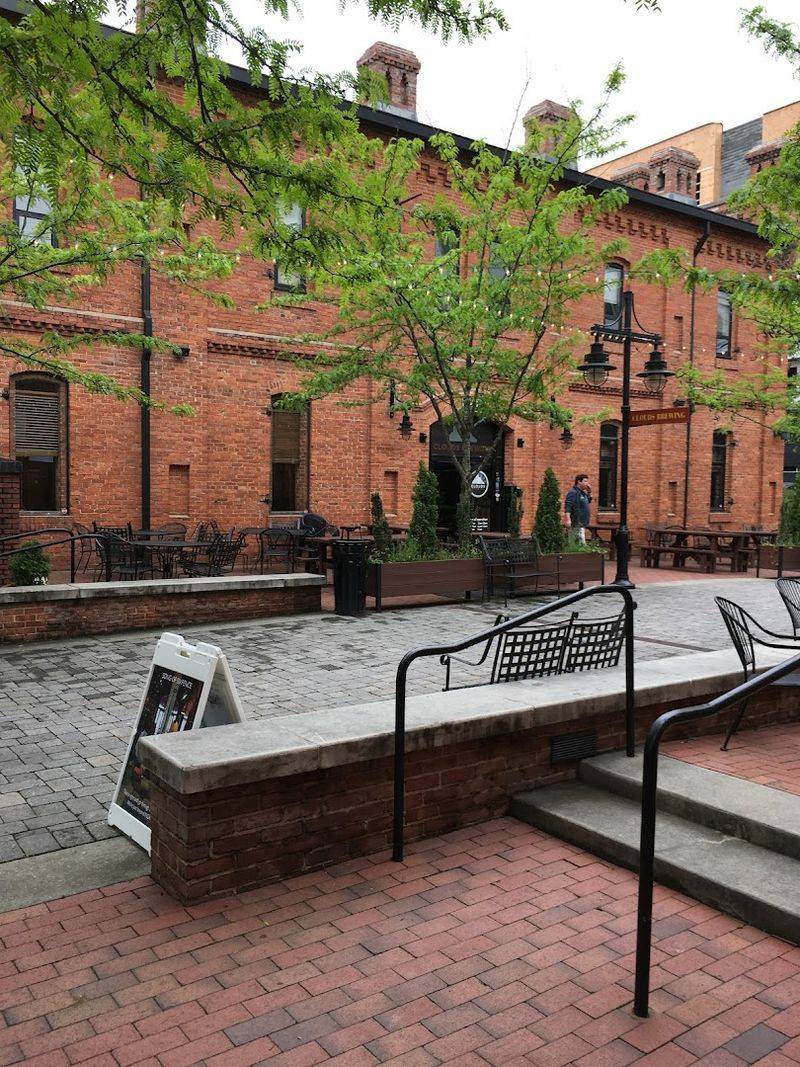
The Watts and Yuille Warehouses rose from Durham soil in 1904 when the American Tobacco Company dominated the local economy. These structures served essential functions in the tobacco trade by providing space to store and age tobacco leaves before processing.
The buildings witnessed the height of Durham’s tobacco empire when the industry shaped every aspect of city life.
Red brick masonry covers the exterior walls while ornate cornices and decorative chimneys showcase the Romanesque Revival style popular during that era. The architectural details reflect the prosperity and confidence of early twentieth-century industrial America.
Massive wooden beams span the interior spaces where tobacco once filled every corner.
Walking through the warehouses today reveals the scale of tobacco operations that once defined Durham. The preservation of original architectural elements allows visitors to connect with this industrial heritage.
The transformation from working warehouse to shopping destination demonstrates how communities can honor their past while creating new purposes for historic structures.
2. Adaptive Reuse Success Story
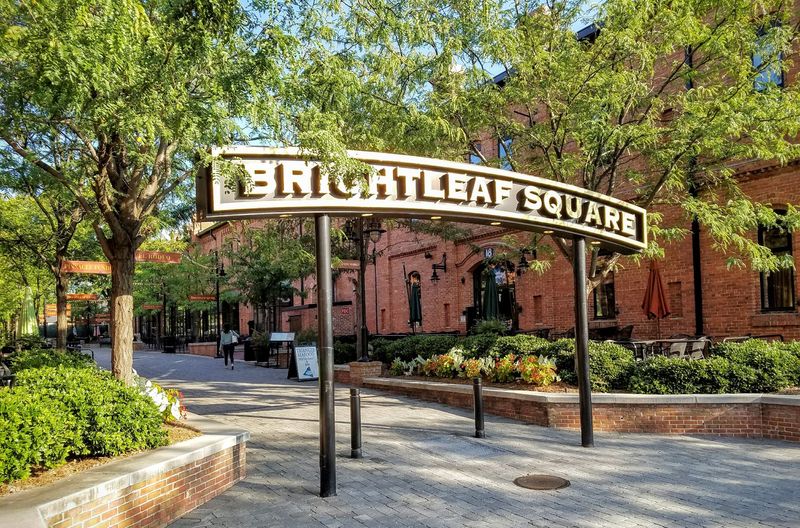
Developers recognized opportunity in the aging tobacco warehouses during the early 1980s when many similar buildings faced demolition. The decision to preserve rather than destroy created a blueprint for historic renovation projects across the region.
The transformation into Brightleaf Square brought new life to structures that might otherwise have crumbled into memory.
The renovation maintained the industrial character while adapting spaces for retail and dining use. Original brick walls remained exposed in many areas while modern heating and cooling systems were carefully integrated.
Large windows let natural light flood the interior corridors where tobacco once sat in darkness.
This project proved that old buildings could serve contemporary needs without sacrificing their historic integrity. The success inspired similar renovations throughout Durham and beyond.
Visitors today experience both the grandeur of early industrial architecture and the comfort of modern amenities in a single visit.
3. National Register Recognition
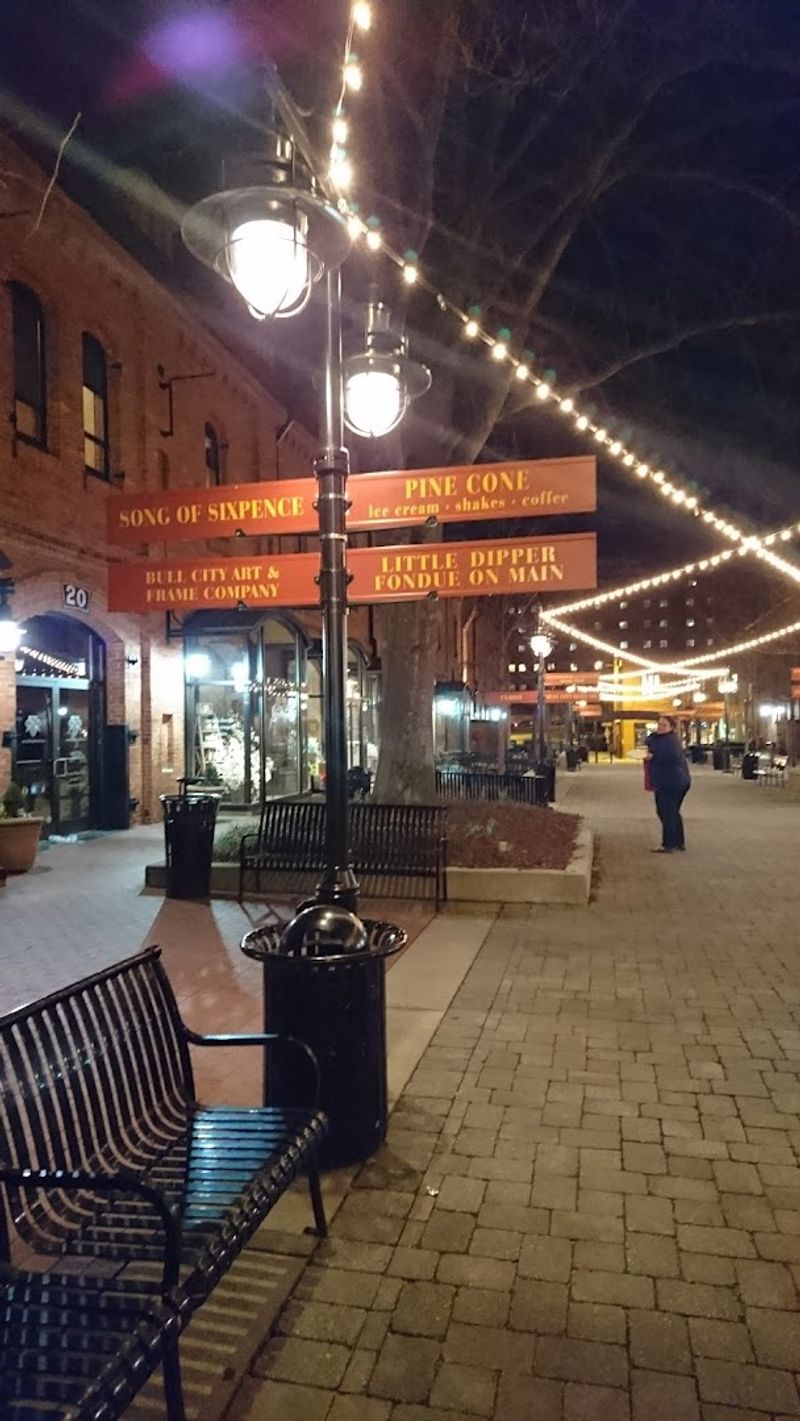
Recognition came in 1999 when the Bright Leaf Historic District earned placement on the National Register of Historic Places. This designation acknowledges both the architectural significance and the historical importance of the tobacco warehouses.
The honor protects the buildings from inappropriate alterations while celebrating their role in Durham’s development.
The National Register listing requires careful review of any exterior changes to maintain historic character. This protection ensures future generations can experience the warehouses much as they appeared during their tobacco storage days.
The designation also makes certain tax incentives available for continued preservation work.
Federal recognition brought increased attention to the district and validated the adaptive reuse approach. Tourists seeking authentic historic sites now include Brightleaf Square on their Durham itineraries.
The listing serves as a permanent reminder that these buildings represent an important chapter in American industrial history and deserve protection.
4. Central Courtyard Community Hub
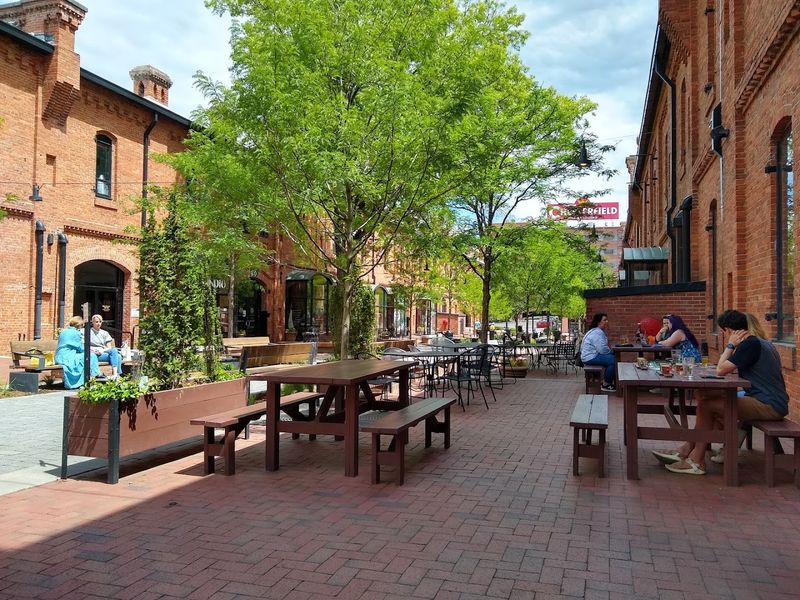
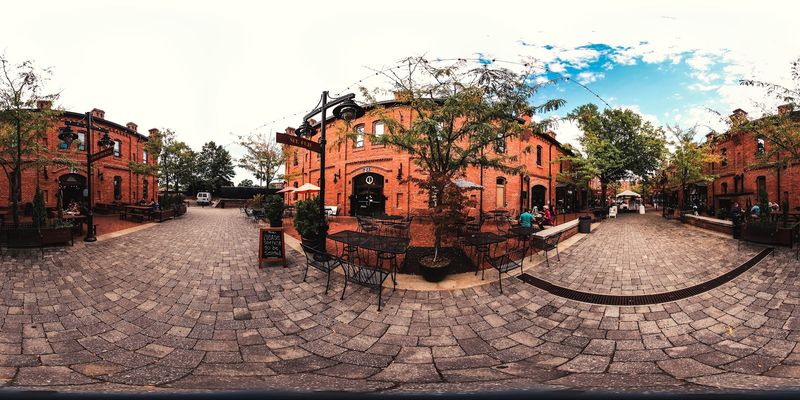
The space between the two parallel warehouse buildings creates a natural gathering spot that serves as Brightleaf Square’s social heart. Brick walkways guide visitors between shops while trees provide shade during warm months.
The courtyard design encourages people to slow down and enjoy the outdoor environment rather than rushing between destinations.
Live music fills the courtyard during festivals and special events throughout the year. The open layout accommodates different types of gatherings from small concerts to large community celebrations.
Outdoor seating from nearby restaurants extends into the courtyard space creating an energetic dining atmosphere.
Families spread blankets on the ground during events while students claim benches between classes. The courtyard transforms throughout the day from quiet morning coffee spot to lively afternoon meeting place.
Weather permitting, the outdoor area draws more foot traffic than the indoor corridors and creates the memorable experiences visitors recall long after leaving.
5. Diverse Restaurant Collection
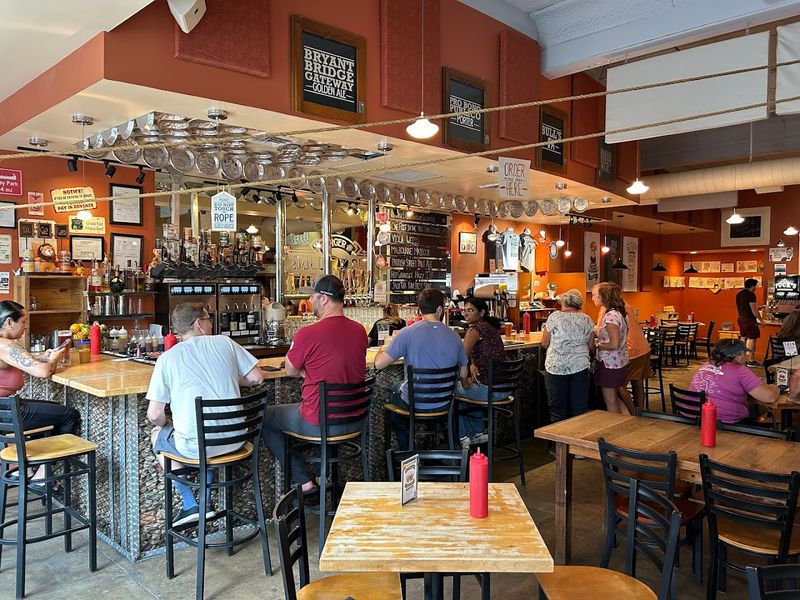
Dining options at Brightleaf Square span multiple cuisines and price points to satisfy different tastes and budgets. Bar Virgile serves French-inspired dishes while Bull City Burger and Brewery focuses on creative burger combinations.
Cocoa Cinnamon offers coffee and pastries for lighter fare throughout the day.
The restaurant mix changes over time as new concepts replace departing tenants. Recent additions continue the tradition of locally-owned establishments rather than national chains.
Each dining space maintains its own character while fitting within the historic warehouse setting.
Seating arrangements vary from intimate two-top tables to large communal surfaces that encourage conversation between strangers. Many restaurants feature exposed brick walls and original architectural details that enhance the dining atmosphere.
The variety ensures that repeat visitors can try something different on each trip while groups with diverse preferences can all find appealing options without leaving the complex.
6. Independent Retail Shops
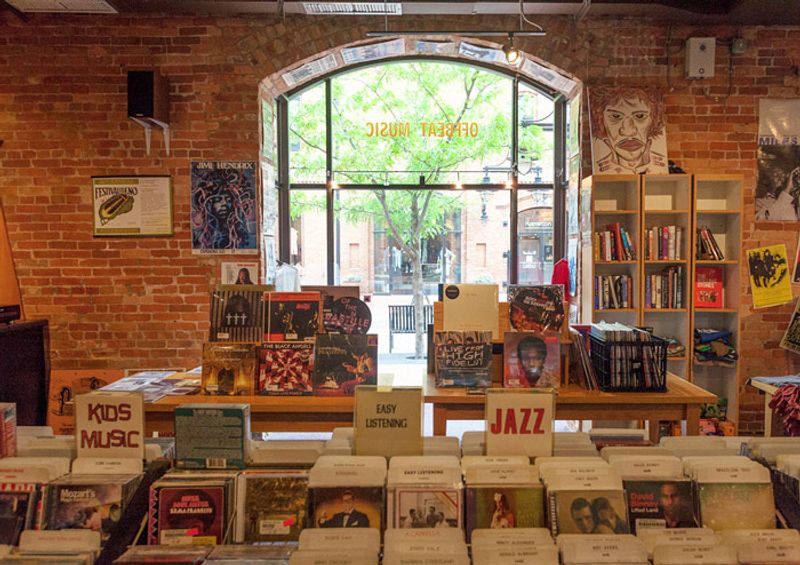
Small business owners fill the retail spaces with boutiques and specialty shops that offer alternatives to mall shopping. Indio features clothing and accessories while Bull City Frame serves customers seeking custom framing services.
The retail mix emphasizes unique products rather than mass-market items available elsewhere.
Shop owners often work behind the counters themselves creating personal connections with regular customers. The scale of these businesses allows for flexible inventory and quick responses to customer requests.
Window displays change frequently to showcase new arrivals and seasonal merchandise.
Art galleries share hallway space with gift shops and service providers in an eclectic mix. The variety means shoppers might discover unexpected items they would not have sought out intentionally.
Supporting these independent retailers helps maintain the local character that distinguishes Brightleaf Square from generic shopping centers where every location feels interchangeable regardless of city.
7. Live Music Venue
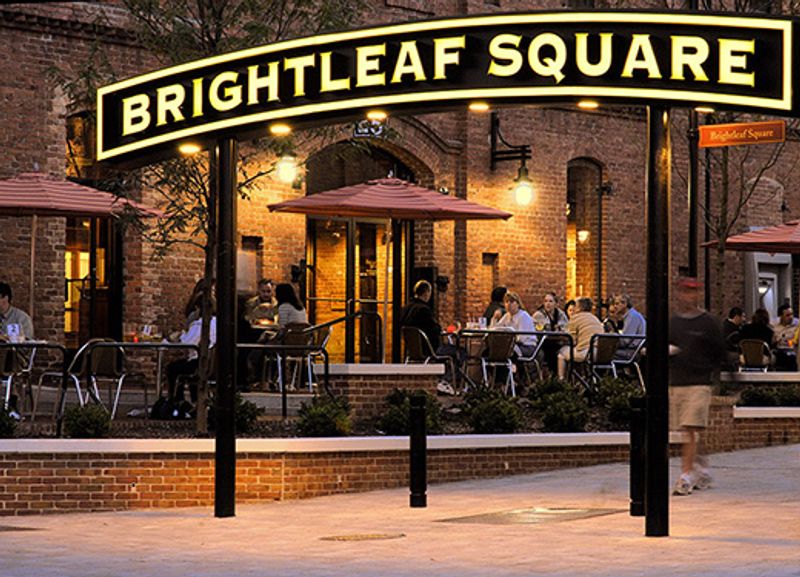
Musical performances activate the courtyard space during evenings and weekends throughout the year. Local bands and touring acts both find audiences among the mix of students and residents who gather for shows.
The warehouse walls create interesting acoustics that enhance the outdoor concert experience.
Sound carries through the courtyard without overwhelming the surrounding restaurants where diners can enjoy music as background ambiance. The informal concert setting allows people to move freely rather than remaining in assigned seats.
Some visitors come specifically for the music while others stumble upon performances while visiting for other reasons.
The music program adds energy to the district and gives people reasons to return beyond shopping and dining needs. Performers appreciate the built-in audience of courtyard visitors who might not attend shows at traditional venues.
The concerts create memorable moments that strengthen emotional connections to the space and encourage visitors to recommend Brightleaf Square to friends.
8. Duke University Connection
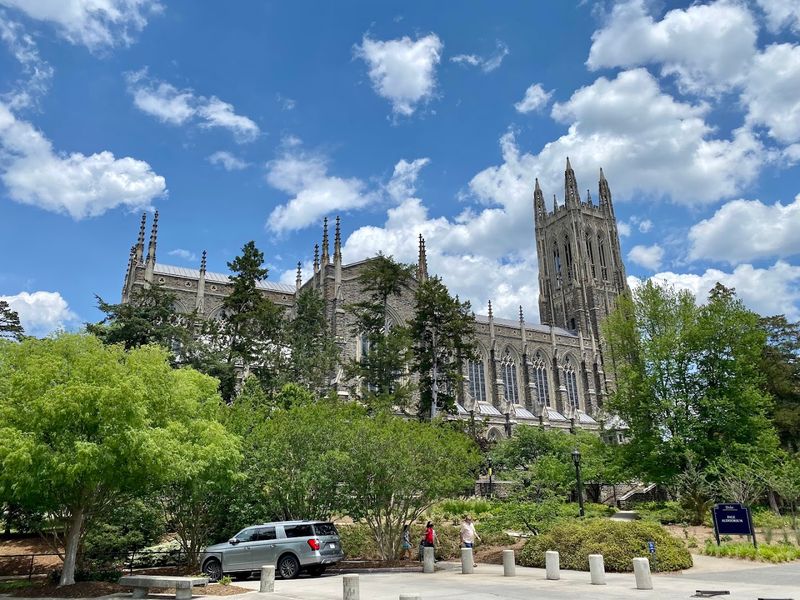
Duke University’s East Campus sits close enough that students can easily walk to Brightleaf Square between classes or during free time. The proximity creates steady foot traffic from a demographic that values the independent shops and casual dining options.
Student presence contributes to the energetic atmosphere that defines the district.
Faculty members also frequent the restaurants for lunch meetings and the shops for personal errands. The university connection brings international visitors when prospective students tour campus and parents visit for special events.
This relationship benefits both the institution and the businesses by creating a natural customer base.
The district serves as an extension of campus life where students can experience Durham beyond university property. Coffee shops fill with study groups while restaurants host celebration dinners after exams.
The student influence helps keep the retail mix current and prevents the district from feeling stagnant or catering only to older demographics.
9. Preserved Architectural Details
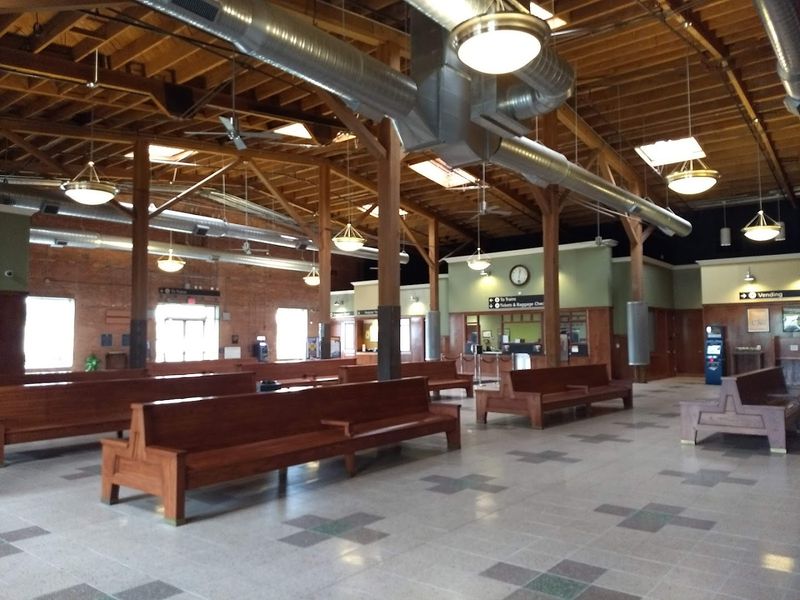
Original wooden beams span the ceilings throughout the warehouse interiors creating dramatic visual impact. These massive timbers supported the weight of stored tobacco and now serve as distinctive design elements.
The wood shows age and character that cannot be replicated in new construction.
Brick walls remain exposed in corridors and within individual tenant spaces where appropriate. The masonry displays slight irregularities and color variations that reflect handcrafted construction methods.
Modern lighting fixtures attach to the historic fabric without damaging the original materials.
Window frames retain their industrial proportions while updated glass improves energy efficiency. The tall ceilings create a sense of spaciousness rare in contemporary retail developments.
Preservation of these architectural details distinguishes Brightleaf Square from generic shopping centers and reminds visitors they occupy a building with genuine history rather than a themed recreation of the past.
10. Pedestrian-Friendly Design
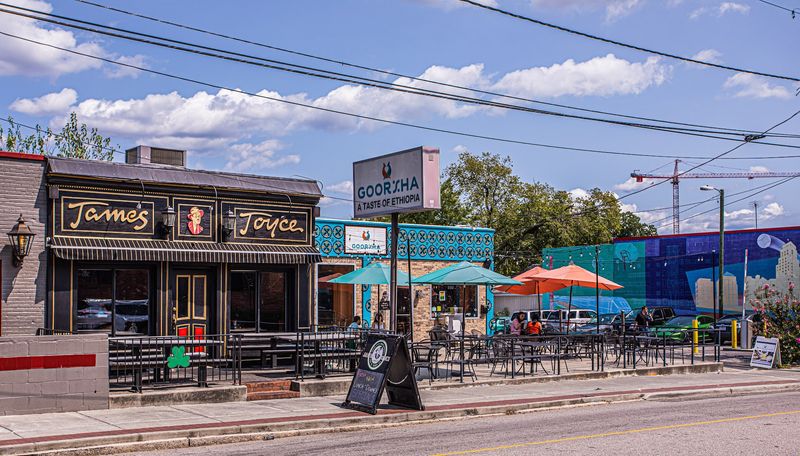
The layout encourages walking rather than driving between destinations within the complex. Wide brick pathways accommodate foot traffic while creating visual interest through pattern and texture.
The human scale of the district makes navigation intuitive without requiring maps or directional signs.
Benches and outdoor seating areas provide rest spots for visitors who want to pause and observe the activity. The absence of vehicle traffic in the courtyard creates a safe environment for children and a relaxed atmosphere for adults.
The walkable design extends the amount of time people spend on site rather than rushing through.
Connections to surrounding streets allow visitors to continue exploring downtown Durham on foot. The pedestrian emphasis aligns with contemporary urban planning principles that prioritize people over cars.
This design approach creates a community gathering space rather than a drive-through convenience stop where customers remain isolated in vehicles.
11. Art Gallery Presence

Local artists display work in gallery spaces scattered throughout the warehouse buildings. The galleries provide cultural enrichment beyond the commercial shopping experience.
Rotating exhibitions ensure that repeat visitors encounter new artwork on subsequent trips.
The brick walls and industrial setting create distinctive backdrop for contemporary art pieces. Some galleries focus on traditional media while others showcase experimental or mixed-media work.
Opening receptions draw crowds that spill into the courtyard and introduce gallery visitors to the broader complex.
The presence of working artists and gallery owners adds intellectual depth to the district. Art buyers can often meet the creators of pieces they admire rather than purchasing through anonymous transactions.
This cultural component elevates Brightleaf Square beyond a purely commercial enterprise and contributes to Durham’s reputation as a city that values creativity and artistic expression.
12. Architectural Tour Destination
Architecture enthusiasts include Brightleaf Square on tours of significant Durham buildings. The Romanesque Revival style provides clear examples of early twentieth-century industrial design principles.
Tour guides point out specific details like corbelled brickwork and arched window openings that characterize the architectural movement.
The adaptive reuse aspect adds another layer of interest for people studying building preservation techniques. Visitors can observe how modern systems integrate with historic structures without compromising architectural integrity.
The project serves as a case study in successful renovation that respects original design intent.
Photography restrictions remain minimal allowing tour participants to document architectural features for later study. The public nature of the shopping district means tours can proceed without advance permission or access fees.
Educational groups from architecture schools and preservation organizations regularly visit to examine the warehouses as examples of best practices in historic building renovation.
13. Parking And Access Considerations
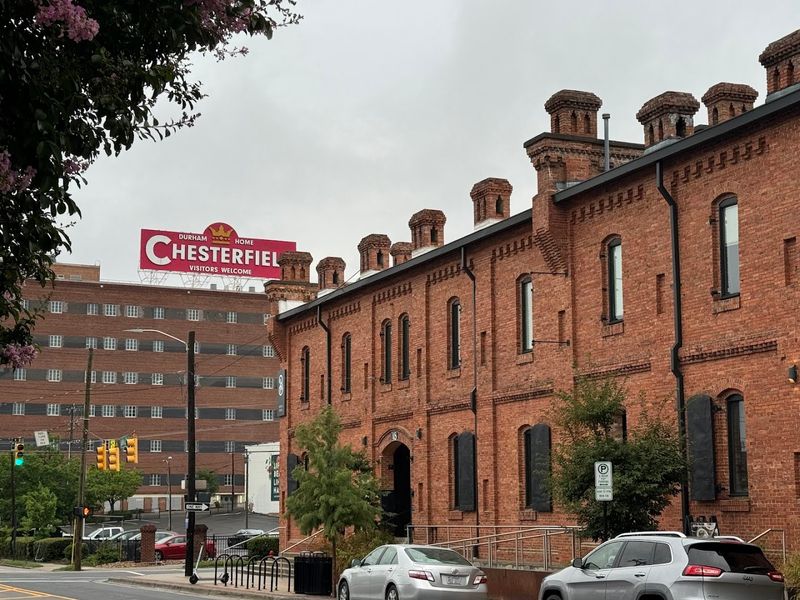
Parking lots sit across Main Street from the warehouse buildings providing spaces for visitors arriving by car. The separation of parking from the pedestrian areas maintains the walkable character of the courtyard and corridors.
Validation from participating businesses helps offset parking costs for customers.
Some visitors report confusion about parking fees and validation procedures based on changing policies. Street parking along nearby blocks offers alternatives though spaces fill quickly during peak times.
The railroad tracks behind the buildings provide another parking option for people willing to walk slightly farther.
Public transportation and bicycle access serve visitors without cars. The downtown location means many locals can walk from nearby neighborhoods.
Parking challenges during busy periods reflect the district’s popularity rather than poor planning, though visitors should allow extra time for finding spaces during weekend evenings and special events when demand exceeds supply.
14. Ongoing Evolution And Updates
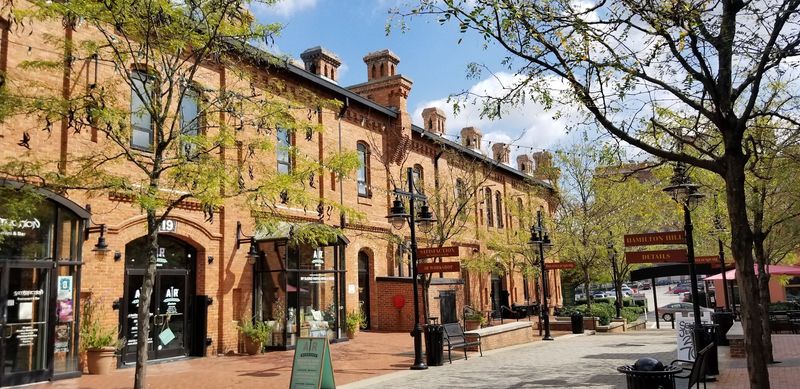
Recent renovations have introduced new tenants and updated aging systems within the historic structures. The district continues evolving to meet changing retail trends and customer expectations.
New businesses bring fresh energy while maintaining the local independent character that defines the space.
Updates to lighting and climate control improve comfort without compromising the industrial aesthetic. Periodic maintenance preserves the brick and woodwork that give the buildings their historic character.
The ownership group balances preservation requirements with practical needs of modern commercial tenants.
Some longtime tenants have departed while new concepts take their places reflecting natural business cycles. The ability to adapt to changing market conditions helps ensure long-term viability of the district.
Continued investment in the property demonstrates confidence in Brightleaf Square’s future as a vital Durham destination that honors tobacco industry heritage while serving contemporary community needs.