1890 Stone Mansion Looks Like A Gilded Age Castle Hidden In Nebraska
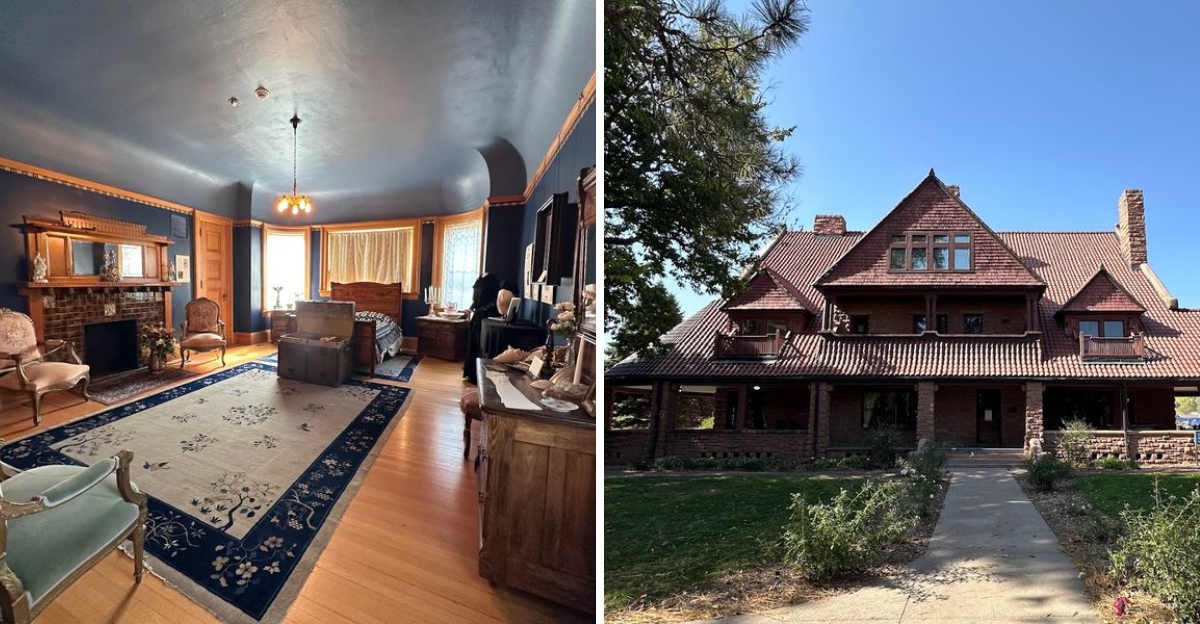
A stone mansion from 1890 already sounds like it has secrets.
Add towers, grand rooms, and Gilded Age ambition, and the whole place starts feeling far too dramatic for a quick stop.
That is what makes a historic home like this so fun.
It does not sit quietly in the background. Instead, it looks built to impress people before they even reach the door.
Nebraska history gets a little more glamorous when a mansion this bold enters the story.
The place feels part castle, part time capsule, and part reminder of how wealth once liked to announce itself.
Every detail adds to the mood. The architecture feels proud. The rooms feel layered.
Even the outside makes you wonder who first walked up thinking, “Well, this is not exactly modest.”
The Mansion Was Built In 1890
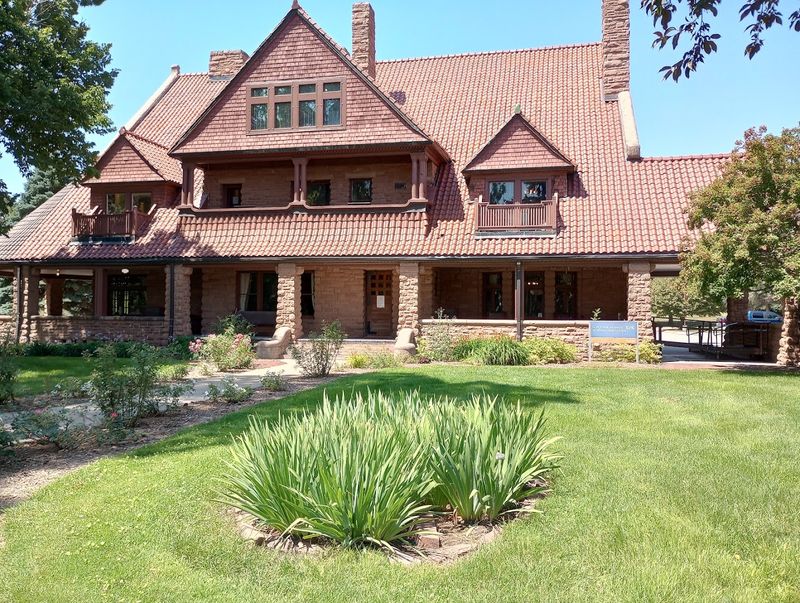
Few buildings in Nebraska stop you in your tracks the way this one does.
Completed around 1889 to 1890, the mansion was originally built for George and Phoebe Frank, a wealthy couple who came to Kearney during one of the most ambitious growth periods the region had ever seen.
The scale of the project was enormous for its time, with the construction cost reaching approximately $40,000, which was a staggering sum in that era.
Sitting on the University of Nebraska at Kearney campus at 2010 University Drive, the building covers roughly 14,000 square feet across three floors and a basement.
That kind of square footage was almost unheard of for a private residence in the American West at that point.
The mansion was designed by George Frank Jr., the family’s Harvard-trained architect son, which explains why the proportions feel so deliberate and so assured.
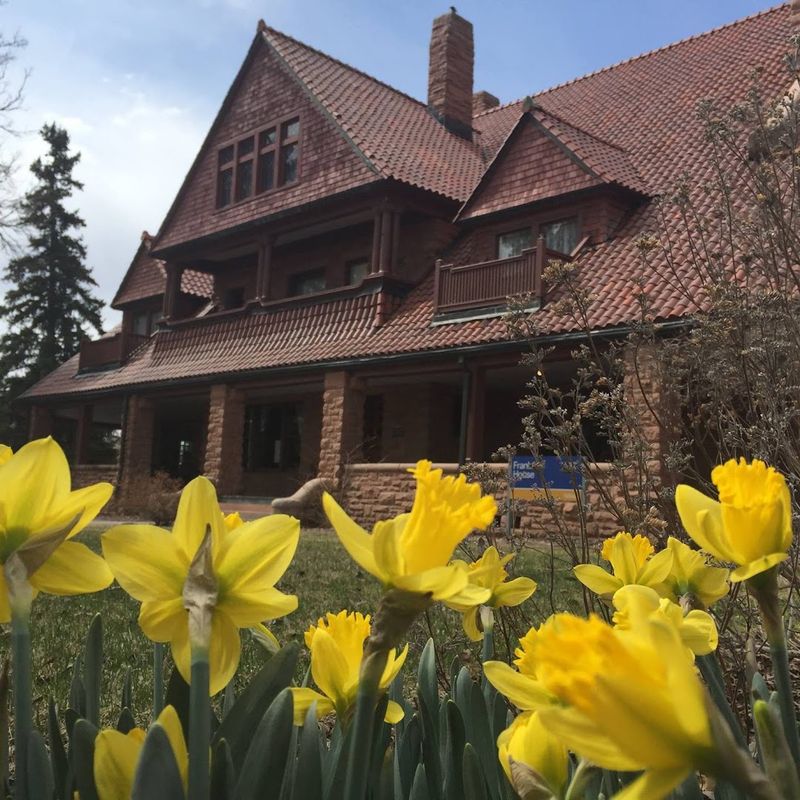
Walking up to the front entrance today, the building still projects that same sense of confidence and permanence it must have had the day it was finished.
The stonework has held up remarkably well, and the overall silhouette remains one of the most striking architectural profiles anywhere in central Nebraska.
It Shows Off Richardsonian Romanesque Style
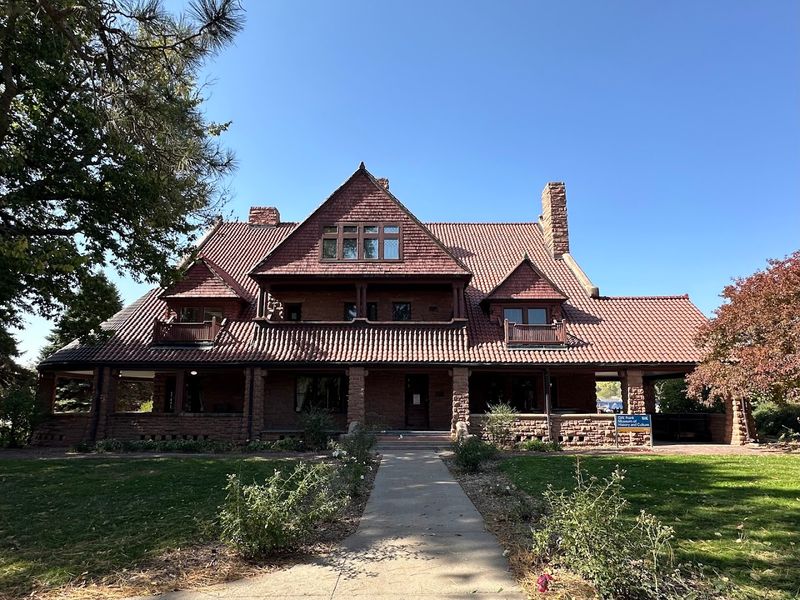
Richardsonian Romanesque is a style that demands attention, and the Frank House delivers it fully.
Named after the influential American architect Henry Hobson Richardson, this architectural approach is defined by heavy stonework, rounded arches, and a sense of powerful mass that feels rooted to the earth.
The Frank House hits every one of those notes with conviction.
The rounded details around doorways and windows soften what could otherwise feel like a purely imposing structure.
That balance between strength and refinement is exactly what makes Richardsonian Romanesque so visually satisfying to experience in person.
Many examples of this style exist in major American cities, but finding one in good condition on a Nebraska college campus is genuinely unexpected.
Architecture students and history enthusiasts who visit often spend a good amount of time on the exterior alone before ever stepping inside.
The craftsmanship visible in the stonework reflects the skill level that was available to wealthy clients willing to pay for it during the Gilded Age.
It Was Once One Of The First Electrified Homes In The American West
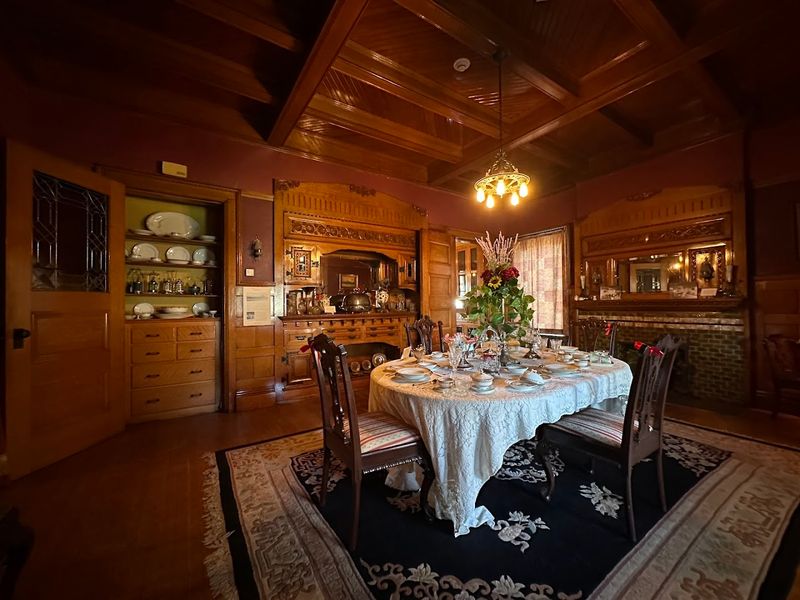
At a time when most American homes were still lit by oil lamps and candles, the Frank House was already wired for electricity.
The mansion was notably among the first houses west of the Missouri River to have electrical wiring installed during original construction, which placed it at the very edge of what technology could offer in the late 1880s.
That detail alone reframes how the building should be understood.
The same forward-thinking approach extended to indoor plumbing, hot and cold running water, and steam heating throughout the house.
Seven of the original ten fireplaces are still intact, which means the mansion combined cutting-edge modern convenience with the traditional warmth that Gilded Age interiors were known for.
An electric buzzer installed beneath the dining room table allowed the family to summon household staff without speaking aloud, which was considered a refined and modern touch at the time.
Tiffany stained-glass windows and hand-carved oak woodwork by craftsman John Peter Lindbeck completed the interior picture.
The combination of technical innovation and decorative luxury makes the Frank House a genuinely rare document of what wealthy American life looked like at the exact moment modernity arrived.
The Frank Family Story Adds Boomtown Drama
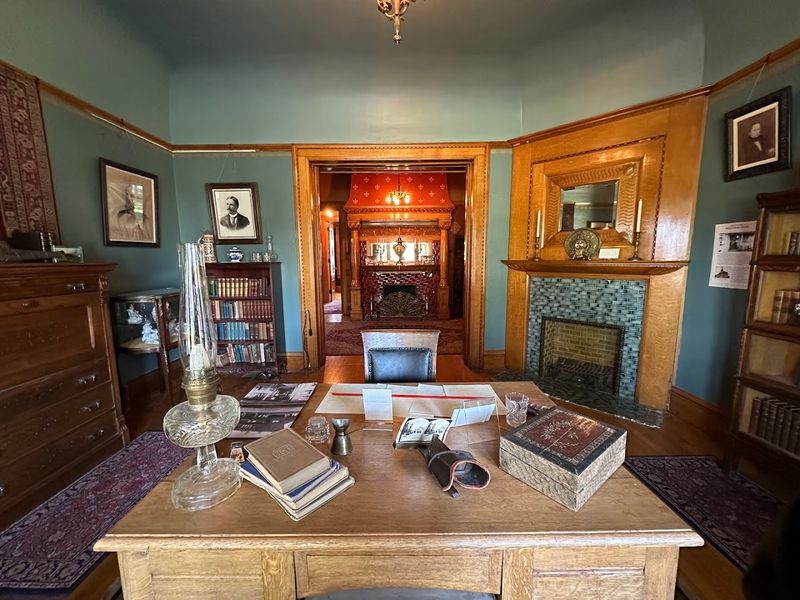
Kearney in the late 1880s was a city that believed it was about to become one of the great urban centers of the American West.
Land values were climbing, businesses were opening, and wealthy investors from the East Coast were arriving with capital and confidence.
George and Phoebe Frank came from New York and built their mansion as a direct expression of that optimism, pouring money into a structure that announced Kearney as a place worth betting on.
The timing, however, proved difficult. The financial panic of 1893 hit hard across the country, and the Frank family’s losses eventually led to the house being sold.
That arc from ambition to financial reversal gives the mansion a storyline that feels more like a novel than a museum exhibit.
The boom-and-bust rhythm of that era shaped countless communities across the American West, and the Frank House stands as one of the most tangible surviving examples of what that moment looked like at its height.
Exhibits inside the museum connect the family’s story to the broader history of Kearney and central Nebraska.
The narrative is honest about both the wealth and the eventual setbacks, which makes the overall experience feel grounded rather than simply celebratory.
The House Later Became Much More Than A Mansion
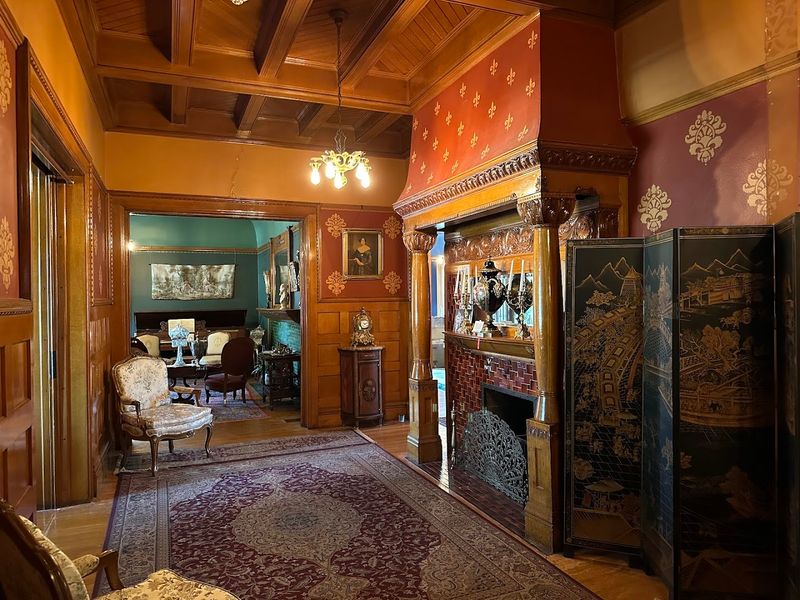
After the Frank family’s chapter closed, the building entered a series of lives that few Gilded Age mansions ever experienced.
The house was converted into a sanitarium by a medical team, and it later served as administrative offices and living quarters for staff connected to the Nebraska State Tuberculosis Hospital.
During that period it became known locally as The Stone House, a nickname that stuck for decades.
That tuberculosis history is documented on the upper floors of the museum today, and it represents a genuinely distinct layer of Nebraska history that most visitors do not expect to find inside a mansion.
The contrast between the ornate first floor and the more institutional upper-floor exhibits creates an experience that covers a surprisingly wide span of time and human experience within a single building.
Hospital-era artifacts, photographs, and interpretive displays fill the space with a somber but respectful tone.
There are also exhibits related to the tunnels that connected buildings on what was once the hospital campus, which adds another layer of curiosity to the visit.
The building next door to the Frank House carries its own history from that same period, and staff at the museum can share more context about it during a visit.
The full story of the property covers far more ground than the Gilded Age exterior suggests.
The Museum Covers Central Nebraska History
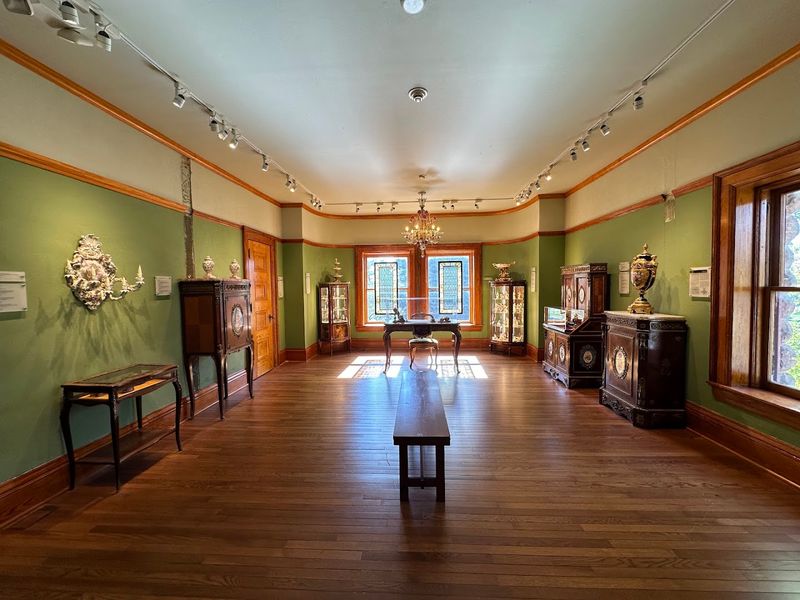
Beyond the Frank family narrative, the museum functions as a broader cultural center for central Nebraska history.
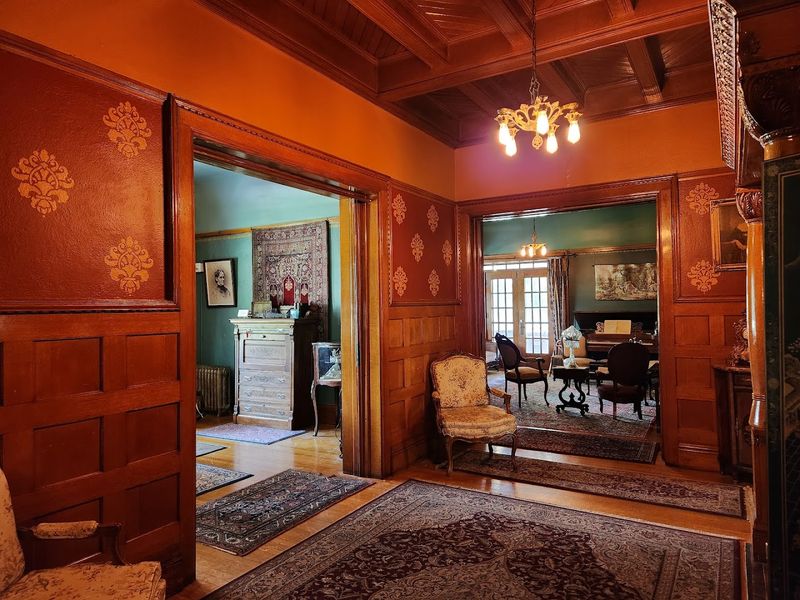
The first floor has been carefully replicated to reflect the opulence of the Gilded Age, with original Frank family artifacts and period pieces arranged to show how the space looked and felt when the family lived there.
Walking through those rooms gives a sense of texture and scale that photographs simply cannot replicate.
Decorative arts, historical artifacts, and rotating exhibits fill different areas of the building throughout the year.
The museum also hosts programs and events that connect the historic house to contemporary community life, which keeps the space feeling active rather than frozen in amber.
There is an interactive area designed for younger visitors that includes period toys and activities, making the museum genuinely accessible for families with children of different ages.
The range of topics covered under one roof is broader than the exterior might suggest.
Central Nebraska’s development from the Gilded Age through the mid-twentieth century gets meaningful attention through the exhibits, and the tuberculosis hospital history adds a chapter that most regional museums do not address in this kind of depth.
Visitors Can Take A Guided Tour
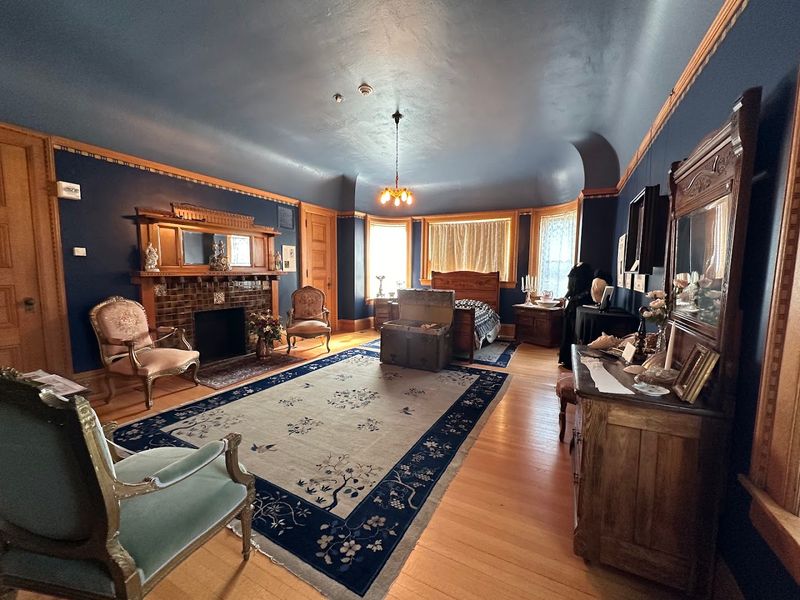
Guided tours at the Frank House run at 2 p.m. on open days, which are currently Fridays, Saturdays, and Sundays from 1 p.m. to 4 p.m.
The museum is located at 2010 University Drive on the University of Nebraska at Kearney campus, and the entrance is on the east side of the building.
A bell at the door will get staff attention quickly if the door happens to be locked on arrival.
Tour guides at the museum tend to be knowledgeable about both the architectural details and the broader historical context, which makes the guided experience noticeably richer than moving through the rooms independently.
The first floor restoration is particularly rewarding to see with a guide who can explain which pieces are original Frank family artifacts and which are period-appropriate additions.
Self-guided visits are also an option for those who prefer to move at their own pace.
Visitors with mobility considerations should note that the second floor contains a significant amount of material worth seeing, though the stairs may present a challenge.
A ramp is available at the front entrance for ground-floor access. Reaching out to the museum directly at 308-865-8284 before visiting can help with any specific accessibility questions or timing needs.
Admission Is Free
Not every worthwhile historic experience comes with a ticket price, and the Frank House is a good reminder of that.
Admission to the museum is free, with donations accepted and appreciated by the staff who maintain and operate the space.
For families, history enthusiasts, or anyone passing through Kearney on a weekend, that combination of quality and zero cost makes the stop genuinely easy to justify.
Free admission also removes the pressure that sometimes comes with paid attractions, where visitors feel they need to rush through everything to get their money’s worth.
Moving slowly through the rooms, pausing to look at a piece of woodwork or read an exhibit label without watching the clock, is exactly the kind of visit the space rewards.
Donations help sustain a museum that operates on a modest budget with dedicated staff and student workers who clearly care about the space.
Contributing what feels reasonable after a visit is a straightforward way to support a resource that serves both the local community and travelers curious about Nebraska history.
The museum’s website at frank.unk.edu has current information on hours, events, and any updates to programming.
It’s Listed On The National Register Of Historic Places
Placement on the National Register of Historic Places is not automatic or ceremonial.
A building earns that designation by meeting specific criteria related to architectural significance, historical importance, or cultural value, and the Frank House was added to the register in 1973.
That recognition formally acknowledged what the building’s appearance already suggested: this is one of Nebraska’s genuinely significant historic structures.
The designation also helps explain why the first floor has been so carefully restored to reflect the Gilded Age period rather than updated or modernized over the years.
Preservation standards tied to historic recognition encourage the kind of careful stewardship that keeps original materials intact and interpretive decisions grounded in documented history.
The result is a space that feels authentic rather than reconstructed from guesswork.
For travelers who use the National Register as a guide to finding historically meaningful stops along a route, the Frank House fits naturally into any itinerary that includes central Nebraska.
The museum officially opened in 1976, meaning it has been sharing this history with the public for nearly five decades.
That kind of longevity reflects consistent community support and a building that has proven its value as both a cultural resource and an architectural landmark worth protecting for future generations.